

In English, we call it German, but in German, it's called Deutsch. Why does the German word look nothing like the English one? Put simply, they have different origins, but why is that when English is a Germanic language, and so many other words share origins? Let's explore the story behind Deutsch, Deutschland, and how these words mightn't mean exactly what you think they do.
Key Takeaways
- Deutsch is the German word for "German" and can refer to the language, the people, or the adjective.²
- The origin of the word Deutsch is connected with older forms linked to the idea of “the people”.²
- Deutsch was originally used to describe the everyday vernacular spoken by German-speaking communities, especially in contrast to Latin.⁶
- Latin was important in medieval Europe because it was used in religion, education, scholarship and administration.¹
- English uses "German" instead of "Deutsch" because it follows the Latin naming tradition of Germanus and Germani.⁵
- Deutsch is the root of Deutschland, but Deutsch is primarily the language and identity word, while Deutschland is the country name.³


Quick Answer: Why Is German Called Deutsch?
German is called Deutsch simply because that's the German word for the language. English has its own word with a different origin from that of German, which is why the two words look nothing alike.³ Deutsch didn't begin as a word for the language. So Deutsch means "German" in German. However, the story of everyday speech, identity, and the contrast between local languages and Latin in medieval Europe that gave rise to it is far more interesting.⁶
Today, Deutsch means “German” and can refer to the German language, German people and German things.² The word comes from older forms such as Old High German diutisc, which were connected with the idea of “the people”.² In its earlier history, Deutsch was closely linked to the everyday vernacular language, especially in contrast with Latin.⁶ That is why the meaning of Deutsch is not originally “Germany”, but something closer to “the people’s language”.³ Deutsch later became part of the country name Deutschland, which means the land of the German-speaking people.³
English uses German, while German speakers use Deutsch.
In modern German, Deutsch can refer to the language, the people, or the adjective.²
Historically, Deutsch has been tied to the vernacular of ordinary German-speaking communities.⁶
The Role of Latin in the History of Deutsch
Deutsch as a term is fascinating, too, because it's not simply the word for German. For context, much of medieval Europe was multilingual, with local languages coexisting alongside Latin depending on use. Latin was the prestigious language used for religious, educational and official contexts. Local languages were used in daily life for people to communicate directly with one another.¹ Deutsch was a way to identify the spoken vernacular of German-speaking communities in contrast with that of the language of church and scholarship.⁶
Latin
Latin was the language of religion, education, scholarship and administration across much of medieval Europe.¹ It was used in churches, schools, legal settings and learned writing, so it carried high status even when most people did not speak it as their everyday language.¹
Deutsch
Deutsch developed as a way to describe the everyday vernacular spoken by German-speaking communities.⁶ In this context, the word helped separate the language of ordinary people from Latin, which was the formal language of church, learning and administration.⁶
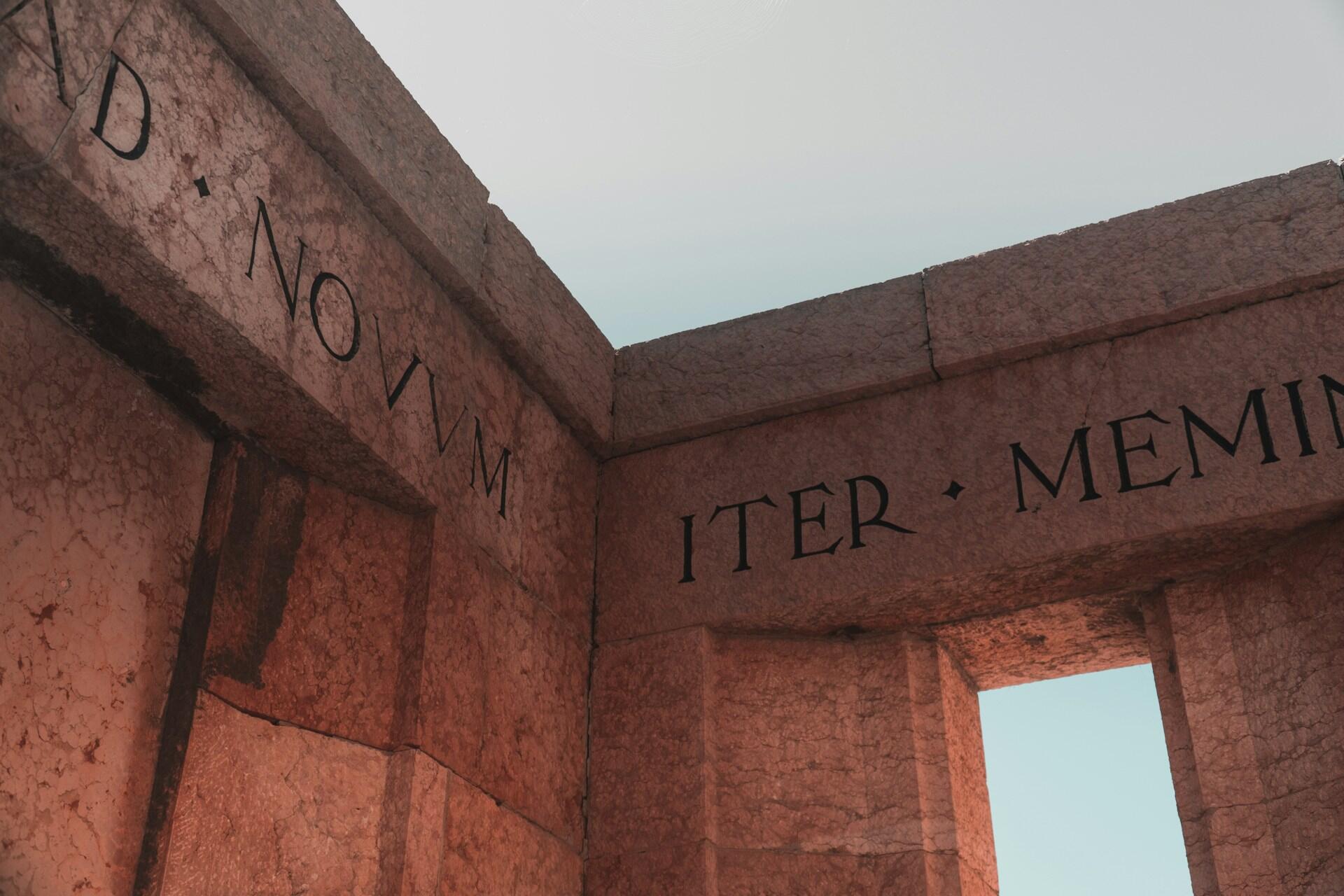
It was used in religion, education, scholarship and administration.¹
It described the vernacular used by German-speaking communities.⁶
Deutsch made sense as a language name because it helped distinguish local speech from Latin.⁶
How Deutsch Became the Name of the German Language
Deutsch was not initially a word for the German language.It was simply a practical word differentiating the local spoken language from Latin. When people needed a word to mean "not Latin", Deutsch was the one that filled this need.⁶
As German-speaking regions developed stronger written traditions, Deutsch became more than a contrast word for everyday speech. Eventually, it became the normal name for the German language itself.³ That's why Germans use the word Deutsch to refer to their language.
Historically, it referred to the everyday vernacular in contrast to Latin, long before it came to mean the German language spoken today. In fact, it long predates modern Germany as a unified country, since the area where Deutsch was spoken was politically fragmented into many states and territories.²
- A Word for the People
The root of Deutsch is connected to the idea of "the people" rather than to a modern country or state.² - A Word for the Vernacular
In medieval use, Deutsch helped describe the everyday language spoken by ordinary German-speaking communities.⁶ - A Word for the Language
Over time, this everyday-language meaning became the standard German name for the German language itself.³ - A Word Linked to Identity
Deutsch later became connected with wider German identity and helped form related words such as Deutschland.³
Why Does English Say German Instead of Deutsch?
So why exactly does English have a completely different word for Deutsch? You may know that English and German are related languages, so you'd expect their vocabularies to share similar roots. In English, the words for Germany and German don't come from Deutsch at all; instead, they come from the Latin tradition of Germanus and Germani, names used by Roman writers for peoples associated with the lands east of the Rhine.⁵
Deutsch is the insider term used by German-speaking communities, with German an outsider term that entered English through Latin and later through European usage. In linguistics, we call these exonyms and endonyms respectively. Both terms refer to the modern German language, too; just one name grew from the idea of the people's own everyday speech, while the other came from an older external label for Germanic peoples.³
This is also why English used to use Dutch more broadly than it does today, with the term being the English term that originated from Deutsch. Older English could use the term Dutch to refer to Germanic-speaking peoples more generally, but the word later narrowed mainly to the language and people of the Netherlands.⁴
Interestingly, Pennsylvania Dutch is connected with German-speaking immigrant communities, and its name is linked to older English and Germanic uses of Dutch/Deitsch rather than to modern Dutch from the Netherlands.⁴
English "German" comes from the Latin Germanus and the Germani tradition.⁵
Deutsch developed within German-speaking communities themselves.³
Older English Dutch was once broader, but later narrowed mainly to the Netherlands.⁴
Is Deutsch Connected to Deutschland?
Yes, the Deutsch in Deutschland is the very same. Deutsch means German and Deutschland means Germany, or literally the Land of the Deutsch.³ To be clear here, the term may mean the Land of the Germans today, but as you now know the origins of the word, you know it actually means Land of the German-speakers.
You also probably know that this isn't exactly true, since German is spoken in Germany, Austria, Switzerland, and Liechtenstein. It also has co-official status in Luxembourg, Belgium and South Tyrol in northern Italy. So Germany isn't the only land of German speakers, but that's kind of what the name actually means.
Deutsch means “German” and is used for the language, the adjective and sometimes German identity more generally.² Deutschland means “Germany” and is built from Deutsch and Land.³ The two words are closely connected, but they are not the same thing. Deutsch is the older and more important word for this article because it explains the history of the German language name before it became part of the country name Deutschland.³
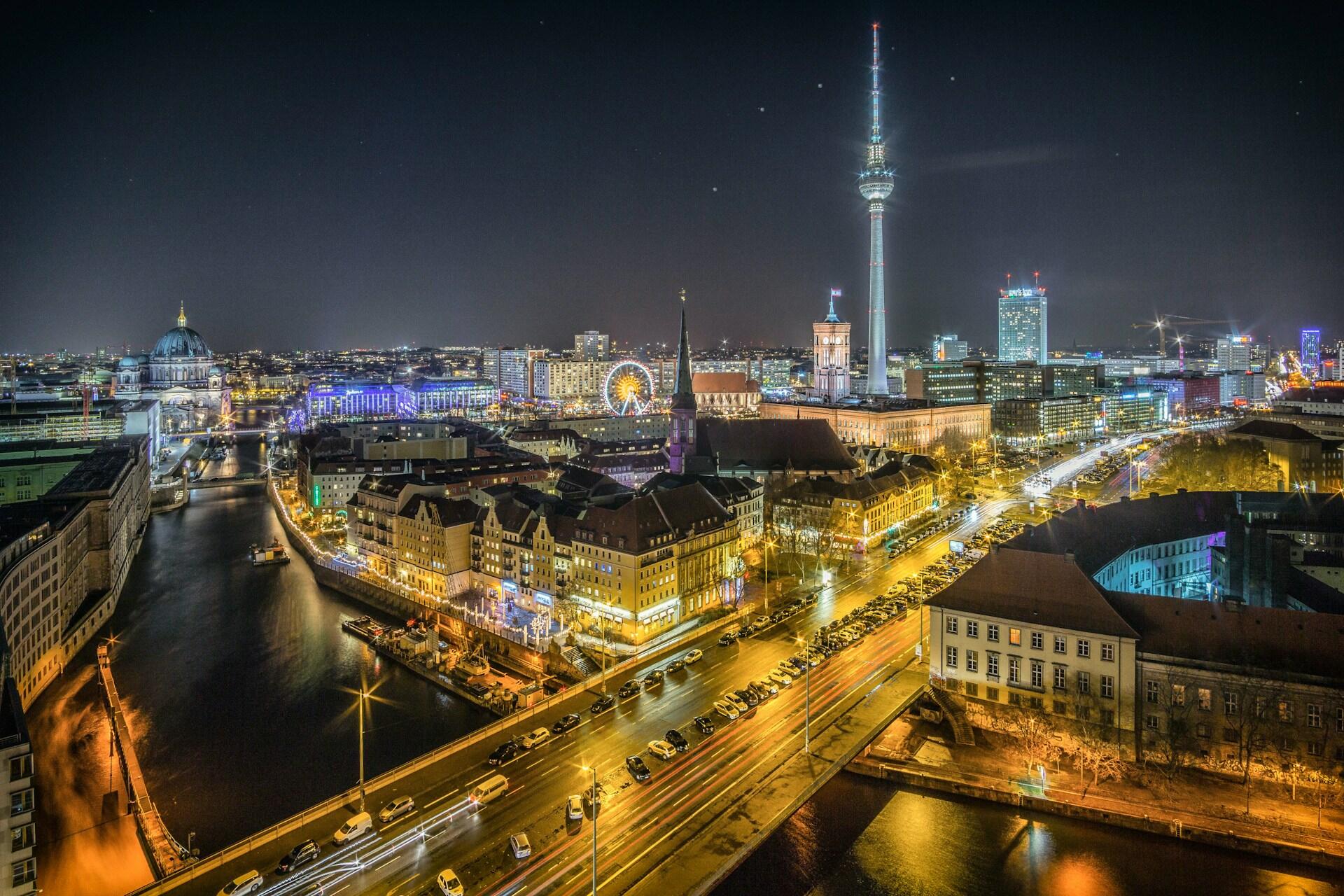
Deutsch is the word for “German”, especially the language.²
Deutschland combines Deutsch and Land to mean the land of the Deutsch-speaking people.³
German is also spoken in Austria, Switzerland, Liechtenstein and other parts of Europe.
| Word | Language | Refers to | Historical route |
|---|---|---|---|
| Deutsch | German | The German language, German people or German things | From older forms connected with “the people”.² |
| German | English | The German language, German people or German things | From the Latin Germanus / Germani tradition.⁵ |
| Deutschland | German | Germany | Built from Deutsch and Land, meaning the land of the German-speaking people.³ |
References
- British Academy. “Dictionary of Medieval Latin from British Sources.” The British Academy, https://www.thebritishacademy.ac.uk/blog/dictionary-medieval-latin-british-sources/. Accessed 10 Jul. 2026.
- Duden. “Deutsch.” Duden Online, Cornelsen Verlag, https://www.duden.de/rechtschreibung/deutsch. Accessed 10 Jul. 2026.
- Harper, Douglas. “Deutsch.” Online Etymology Dictionary, https://www.etymonline.com/word/Deutsch. Accessed 10 Jul. 2026.
- Harper, Douglas. “Dutch.” Online Etymology Dictionary, https://www.etymonline.com/word/Dutch. Accessed 10 Jul. 2026.
- Harper, Douglas. “German.” Online Etymology Dictionary, https://www.etymonline.com/word/german. Accessed 10 Jul. 2026.
- Priebsch, Robert. “German Language.” Encyclopædia Britannica, 11th ed., 1911. Wikisource, https://en.wikisource.org/wiki/1911_Encyclop%C3%A6dia_Britannica/German_Language. Accessed 10 Jul. 2026.
Summarise with AI:
Did you like this article? Leave a rating!

 Loading...
