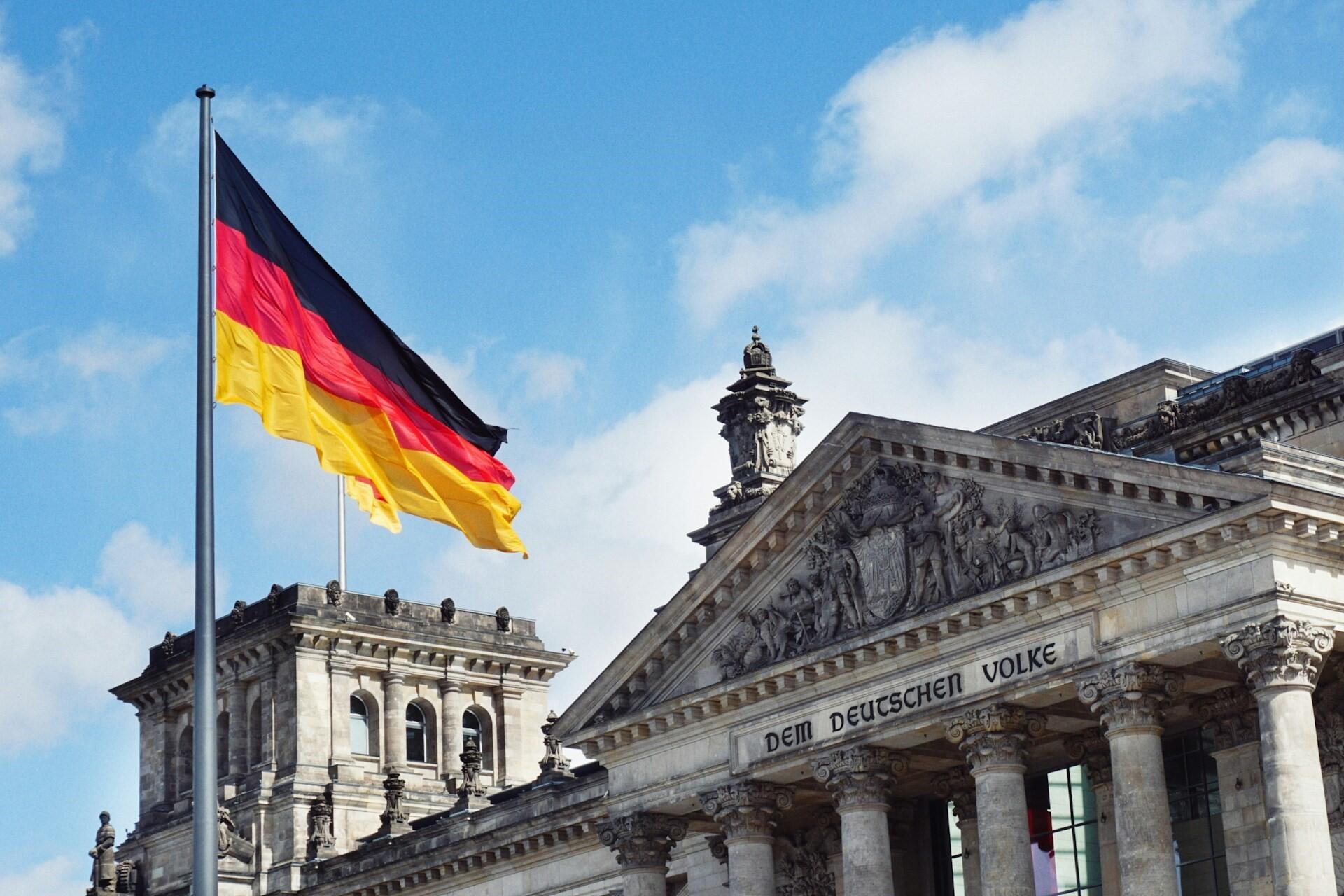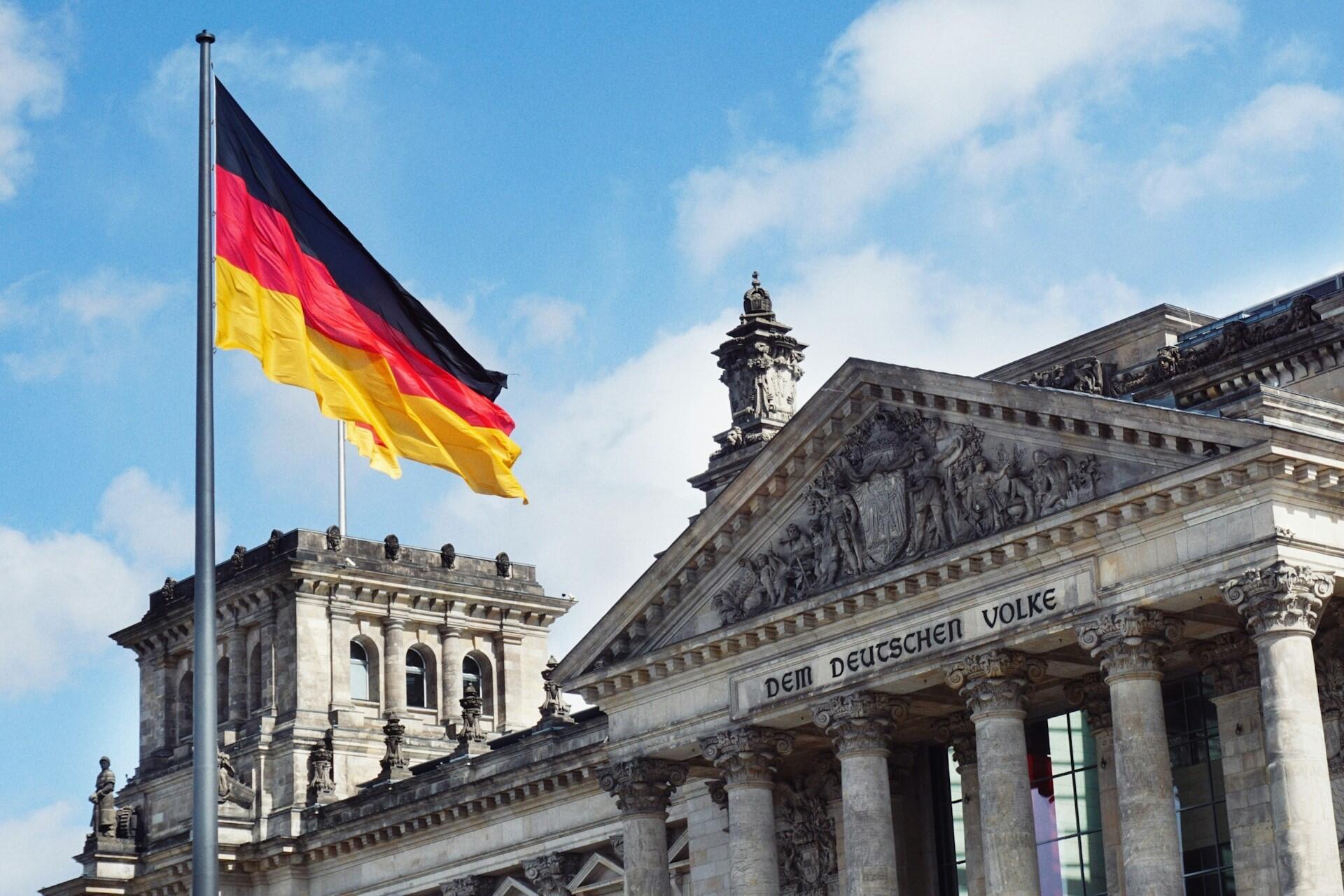

In German, Deutschland is the word for Germany, which looks nothing like the English word. In French, it's called Allemagne, in Polish, Niemcy, and in Finnish, Saksa. These words all look unrelated and nothing like what the Germans actually call their own country. What different countries call Germany depends on the historical root the language used as the basis for the country's name. So what do different countries call Germany and why?
Key Takeaways
- Germany is called Deutschland in German, but many other languages use completely different names for the country.
- These names are mostly historical exonyms, meaning names used by outsiders rather than the local German name.
- English Germany comes from the Latin Germania tradition.
- French Allemagne, Spanish Alemania, and Portuguese Alemanha all derive from the Alemanni.
- Polish Niemcy, Czech Německo and Slovenian Nemčija belong to a Slavic naming tradition.
- Finnish Saksa and Estonian Saksamaa come from the Saxons.
- Many Germany names survived because languages keep familiar place names long after borders and political systems change.


Endonym vs Exonym: Why Germany Is Deutschland in German
Before we look at all the different names for Germany, it's worth knowing why places can have more than one name. Each language has its own name, and it doesn't always keep the name used locally. They may take a name based on their history, geography, pronunciation, or past contact with the people who lived there.
Germany has different names because different languages preserved different historical contact points, from Roman Germania to the Alemanni, Saxons and Slavic neighbours. Deutschland belongs to the Deutsch/Duits/Tysk family, related to older words for the people or their language.
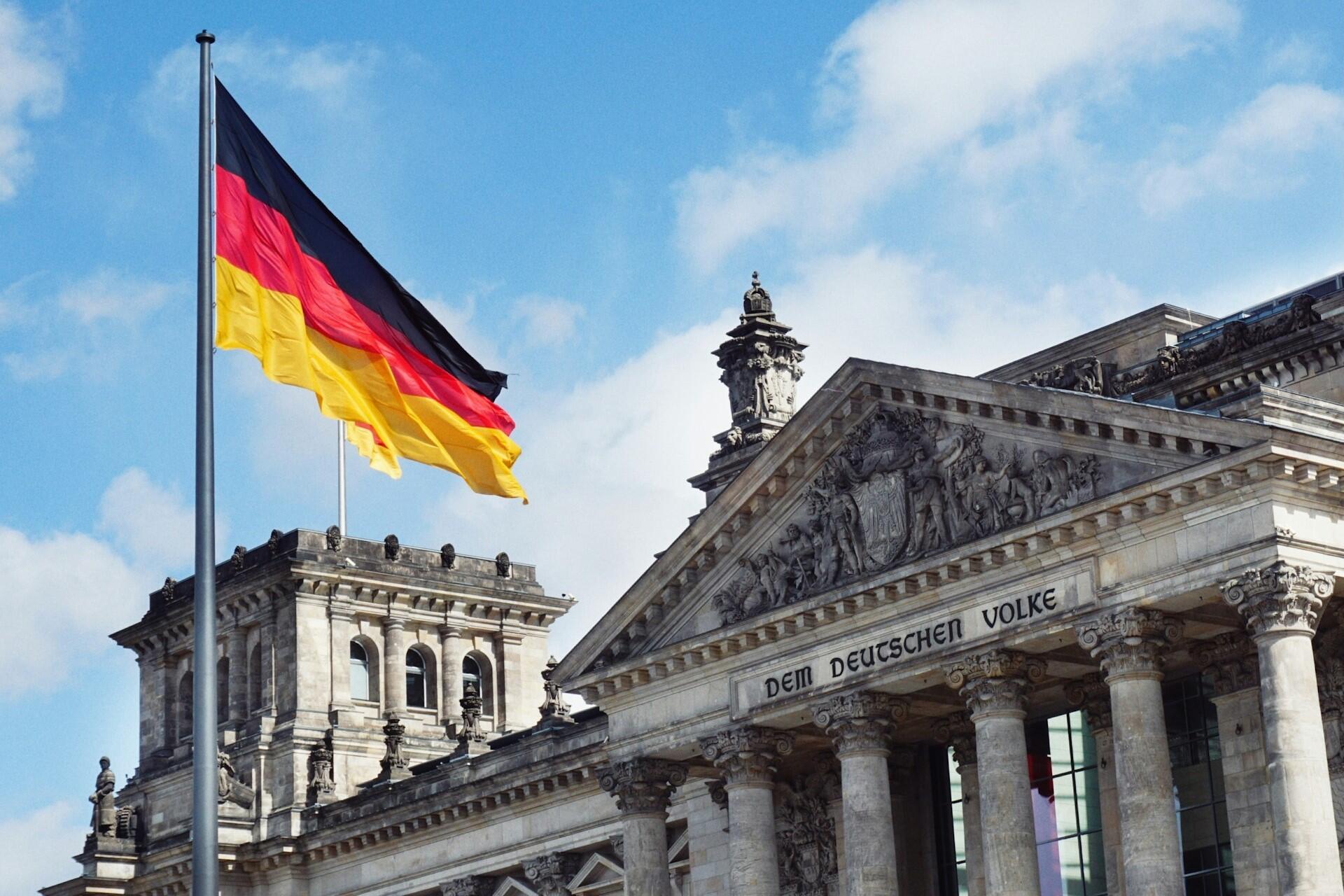
Before looking at all the different families and origins for the names of Germany in different languages, let's start as simply as we can. The United Nations Group of Experts on Geographical Names uses the terms endonym and exonym when discussing local and foreign-language place names.⁵ In linguistics, we can classify these as either an endonym or an exonym, which is the most obvious classification to start with.
An endonym is the name people use for their own country, while an exonym is a name used by outsiders in another language. Deutschland is Germany’s endonym, while Germany, Allemagne, Niemcy and Saksa are exonyms.
The Main Name Families for Germany
The various words for Germany in different languages can also be classified by the families they belong to. There are words with shared origins, and even exonyms, that share the same origins as the endonym Deutschland. Some languages adopt the Roman name Germania as their root. However, some don't even seem to make sense at first glance.
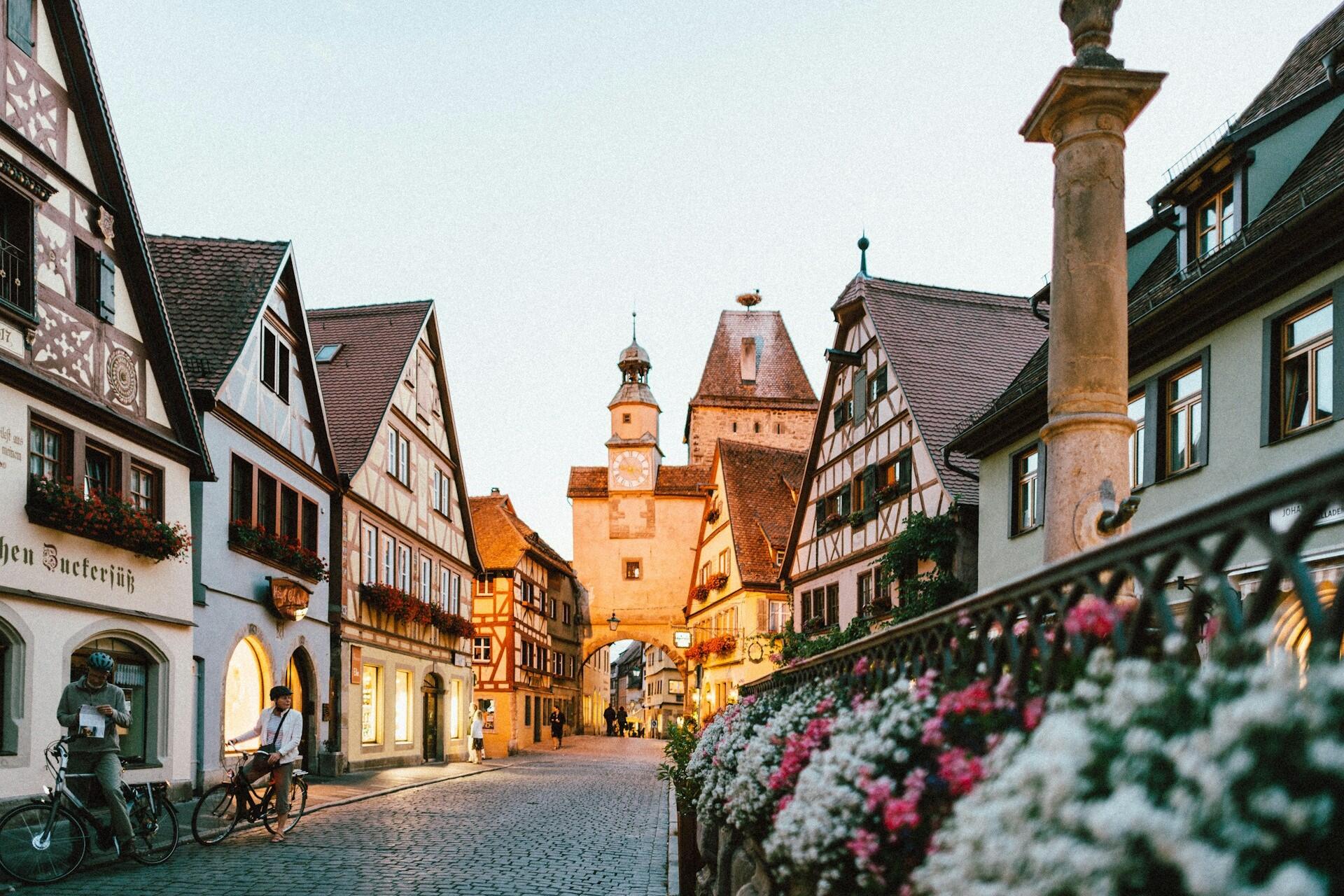
Deutschland, Duitsland and Tyskland
The Deutschland family is the closest to the endonym. The Dutch Duitsland and Scandinavian forms such as Danish, Norwegian, and Swedish Tyskland all belong to a related group of names derived from older Germanic words for "the people" or "the people's language".² The root term Deutsch was linked to the language of ordinary people, often in comparison to Latin, which was used for religion, education, and administration.
This is why some languages actually have a word that looks a bit like the German word for their own country. Dutch and Scandinavian languages didn't look to the Latin Germania or the Alemanni name. Their forms follow the wider Germanic naming tradition more closely.
Germany and Germania
This is the family that the English language word "Germany" belongs to. This originated from the Latin "Germania", which Roman writers used to refer to lands and peoples beyond Rome's northern frontier.³ This is why the English “Germany” looks very little like the German “Deutschland”. We didn't borrow the German endonym. Instead, we took the exonym from Latin and other European languages.³
You'll see these similar forms in languages like Italian and Romanian. The Roman habit of referring to the wider region eventually narrowed to the particular place and nation we now know as Germany. It just goes to show how powerful Latin and Roman geography were in shaping people's thinking.
Allemagne, Alemania and Alemanha
French, Spanish, and Portuguese all take their words for Germany from the Alemanni. The Alemanni were a Germanic group in the Upper Rhine area. Their name was eventually applied to the whole of Germany.¹ We should be clear that the Alemanni were just one particular group, and the term eventually became applied to a wider group as a shorthand. By the time the term is established in a language, it's tricky to change it. Interestingly, the Welsh "Yr Almaen" actually belongs to this group.
Niemcy, Německo and Nemčija
These names are the ones from several Slavic languages. The roots for these words are from Slavic terms for speechlessness or incomprehensible speech.⁶ This might sound a bit mean, but in the same way that we could say “It's all Greek to me” to mean we don't understand, these languages referred to German-speakers and their ancestors as “people whose speech we do not understand”.
You'll find that this is quite common throughout history. To mention the Greeks again, the term that they used to refer to those who didn't speak Greek was "barbaros", which eventually evolved into the English barbarian. The Romans took this term and used it to refer to non-Roman tribes, too. Arabic borrowed the term, and it gave the term for the native "Berbers" of North Africa. Many languages find terms to refer to outsider groups.
Saksa and Saksamaa
These are the terms from the Saxon name family. Finnish “Saksa” and Estonian “Saksamaa” refer to the Germans as the Saxons, the northern Germans or Low German-speaking traders around the Baltic and northern Europe.⁴ Like the French interacting with the Alemanni, this is an example of a language's local point of contact being the term that is eventually applied to a larger group.
Think of it this way. Imagine that, in English, we continued to refer to the French as Normans and to call France Normandy. In a sense, the Germania, Alemanni, and Saxon roots are much like this.
Germany in Different Languages
So, what is Germany called in Europe? If only it were that simple. In fact, it depends on the historical name that the language or language family inherited. Even neighbouring countries can have completely different words for the country. Here are a few.
| Language | Name for Germany | Name family |
|---|---|---|
| English | Germany | Germania / Latin |
| German | Deutschland | Deutsch / Germanic |
| Dutch | Duitsland | Deutsch / Germanic |
| Danish | Tyskland | Tysk / Germanic |
| Swedish | Tyskland | Tysk / Germanic |
| Norwegian | Tyskland | Tysk / Germanic |
| Icelandic | Þýskaland | Tysk / Germanic |
| French | Allemagne | Alemanni |
| Spanish | Alemania | Alemanni |
| Portuguese | Alemanha | Alemanni |
| Italian | Germania | Germania / Latin |
| Romanian | Germania | Germania / Latin |
| Polish | Niemcy | Slavic Niemcy / Nemets |
| Czech | Německo | Slavic Niemcy / Nemets |
| Slovak | Nemecko | Slavic Niemcy / Nemets |
| Slovenian | Nemčija | Slavic Niemcy / Nemets |
| Croatian | Njemačka | Slavic Niemcy / Nemets |
| Finnish | Saksa | Saxon |
| Estonian | Saksamaa | Saxon |
| Welsh | Yr Almaen | Alemanni |
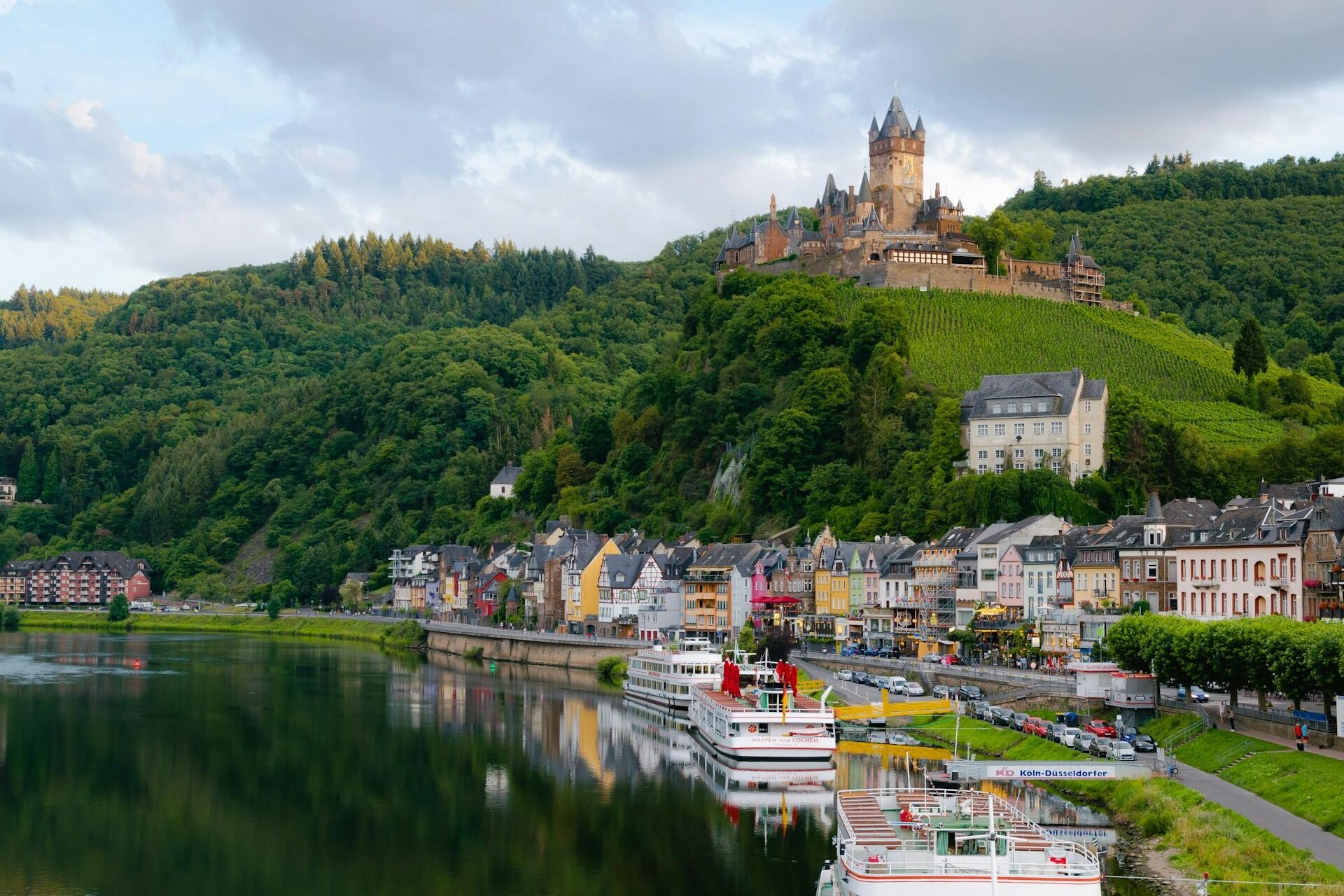
Some of these names are easy to connect with, while others seem completely unrelated to Germany at first glance. That is what makes the history of naming so interesting: each word preserves a different route into the country's past. Before moving on, which of these names surprised you most?
Which name for Germany surprised you most?
Why Have These Germany Names Survived?
There's a simple reason why all these different names survive. Basically, many languages don't tend to rename a country every time that borders or national identities change. Nowadays, it's more common because the world is more connected, and there are international organisations like the United Nations, where countries' names are recognised and even changed.
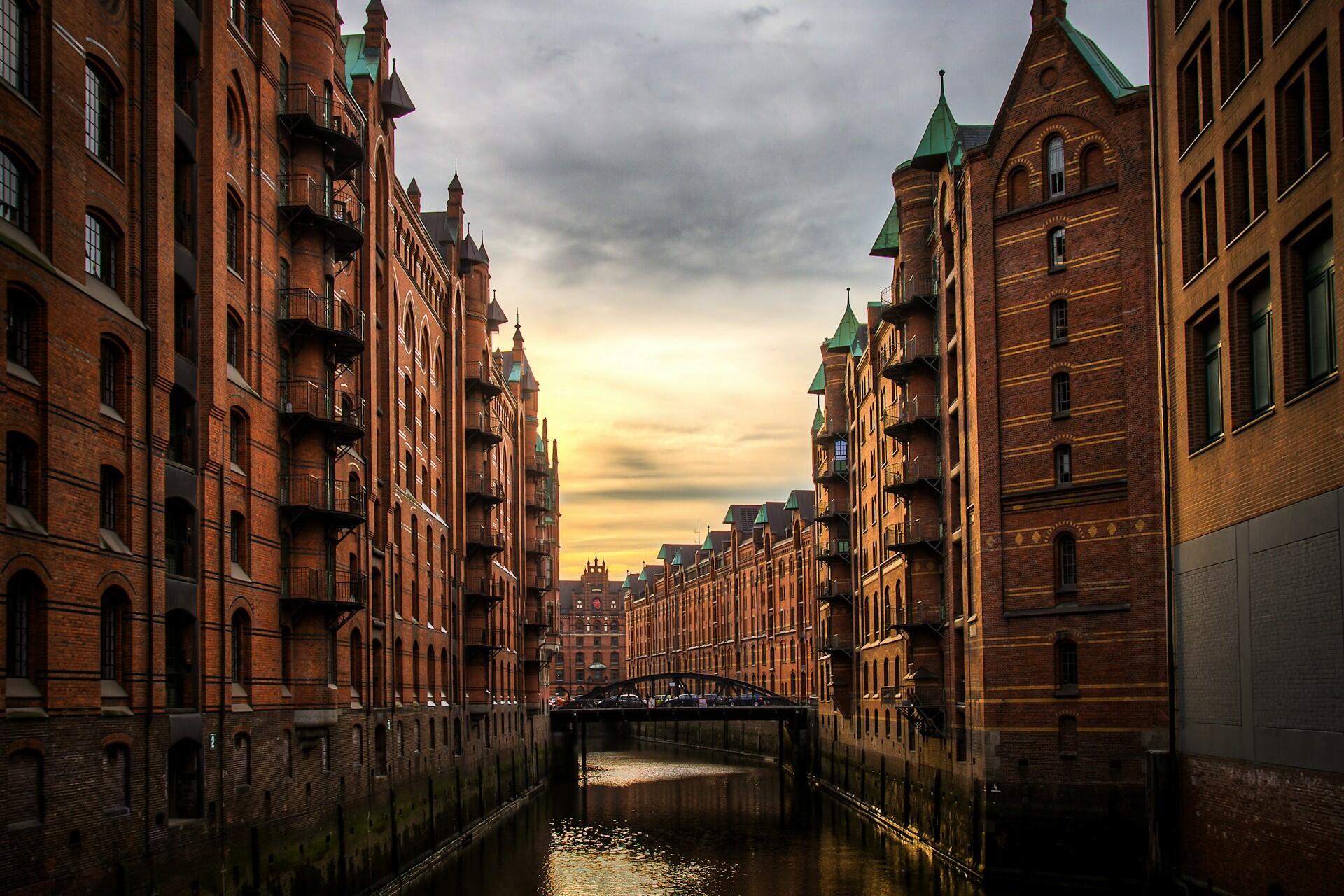
With Germany, many of the foreign names for the country are older than the modern German nation-state. Names like Germany, Allemagne, Niemcy and Saksa are often the words used for these German-speaking regions, tribes or language communities way before the country ever existed.⁴
Country names often survive because languages keep familiar words long after borders and political systems change. That is why names linked to the Romans, Alemanni, Saxons, Slavic neighbours, and Germanic language roots are still used in modern Germany today.
If you'd like to learn more about Germany, the German language, or linguistics, start looking for a tutor on Superprof today. With most offering the first session for free, you can try a few options before settling on the best fit for you, your budget, and your preferred learning style.
References
- Harper, Douglas. “Etymology of Alemanni.” Online Etymology Dictionary, https://www.etymonline.com/word/Alemanni. Accessed 8 July 2026.
- Harper, Douglas. “Etymology of German.” Online Etymology Dictionary, https://www.etymonline.com/word/german. Accessed 8 July 2026.
- Harper, Douglas. “Etymology of Germany.” Online Etymology Dictionary, https://www.etymonline.com/word/Germany. Accessed 8 July 2026.
- Marian, Jakub. “Names of Germany in European Languages.” Jakub Marian, https://jakubmarian.com/names-of-germany-in-european-languages/. Accessed 8 July 2026.
- UNGEGN Working Group on Exonyms. “Home.” UNGEGN Working Group on Exonyms, https://ungegn.zrc-sazu.si/. Accessed 8 July 2026.
- Wiktionary Contributors. “Reconstruction: Proto-Slavic/němьcь.” Wiktionary, Wikimedia Foundation, https://en.wiktionary.org/wiki/Reconstruction:Proto-Slavic/n%C4%9Bm%D1%8Cc%D1%8C. Accessed 8 July 2026.
Summarise with AI:
Did you like this article? Leave a rating!

 Loading...