


Whether you're a football fanatic or not, you may have heard of the Premier League. While the term Premier League is used for many different countries' top football leagues (and sometimes for local translations of it), it generally refers to just one league: the English Premier League. In this article, we'll cover everything you need to know about the league, assuming you already have a basic understanding of football and how it works! If you would like to strengthen your practical understanding of the game, football training near me can provide useful guidance alongside learning the Premier League's history.
Key Takeaways
- The English Premier League is the top tier of professional football in England.
- The EPL was formed in 1992 after leading First Division clubs broke away from the Football League.
- Each Premier League club plays 38 matches across a home-and-away season.
- Promotion and relegation connect the Premier League to the wider English football pyramid.
- The Premier League’s global audience and revenue make it one of the most powerful competitions in world football.


The Origins and Evolution of the EPL
The Premier League grew out of an older system. While the Football League began in 1888 and expanded into multiple divisions, the Premier League positioned itself above them. It was formed in 1992, when the leading First Division clubs created a new top-flight competition with greater commercial and broadcasting independence.⁸
The Premier League has 20 clubs, and each club plays 38 league matches across a home-and-away season.⁵ Teams earn 3 points for a win, 1 point for a draw, and 0 points for a defeat.⁹ The bottom three clubs are relegated to the EFL Championship, while promoted Championship clubs take their place the following season.³ Arsenal are the current Premier League champions after winning the 2025/26 title.⁹
| Feature | Detail |
|---|---|
| Full name | English Premier League |
| Short name | EPL |
| Level | Top tier of English football |
| Clubs | 20 |
| Matches per club | 38 |
| Total fixtures | 380 |
| Season | Usually August to May |
| Points | 3 for a win, 1 for a draw, 0 for a loss |
| Relegation | Bottom three clubs drop to the Championship |
From the Football League First Division to the Premier League
While men's football in England and the UK had been popular for decades, the English league system had been around even longer; the first league was established in 1888. The Second Division was added in 1892, the Third in 1920, and the Fourth Division in 1958. This four-league structure was in place until the 1980s, when promotion and relegation between the Fourth Division and the lower Football Conference for one team was introduced. This meant that the English Football League and its four divisions were essentially on top of the National League System, making a nationwide pyramid of leagues by which any team could (over several years or seasons) make its way to the top.
The Premier League was created to address some of the many economic and societal problems facing English football's top league. In the 1970s and 1980s, most clubs weren't enthusiastic about football matches being televised. After all, many of them relied heavily on ticket sales to make money, and they were concerned that televised football would discourage fans from attending live matches. Both English football and the UK government recognised that something needed to change, and many in the game were unhappy with how little football clubs were doing commercially compared with American sports, which had a far more advanced approach to such endeavours.
The idea behind the Premier League was for the teams at the top level of the sport to break away from the Football League. This allowed the clubs in the league to have more control over its running, redistribute television rights (more in favour of the clubs themselves), and legally separate themselves from the Football Association (FA) and the Football League.
The 22 clubs in the First Division resigned from the Football League in 1992, forming the FA Premier League Limited Company and placing themselves at the top of the football pyramid. The Premier League would replace the First Division, and the remaining three divisions were renamed and renumbered so that the Second Division was now the First Division, etc. Since the 1992-1993 season, the Premier League has been the top tier of English football.
Key Milestones in EPL History
At the end of the 1994-1995 season, four teams were relegated from the Premier League, with only 2 teams promoted from the First Division (as it was known at the time), resulting in the 20-team league we know today. France's Ligue 1 recently did something similar to reduce the number of teams from 20 to 18.
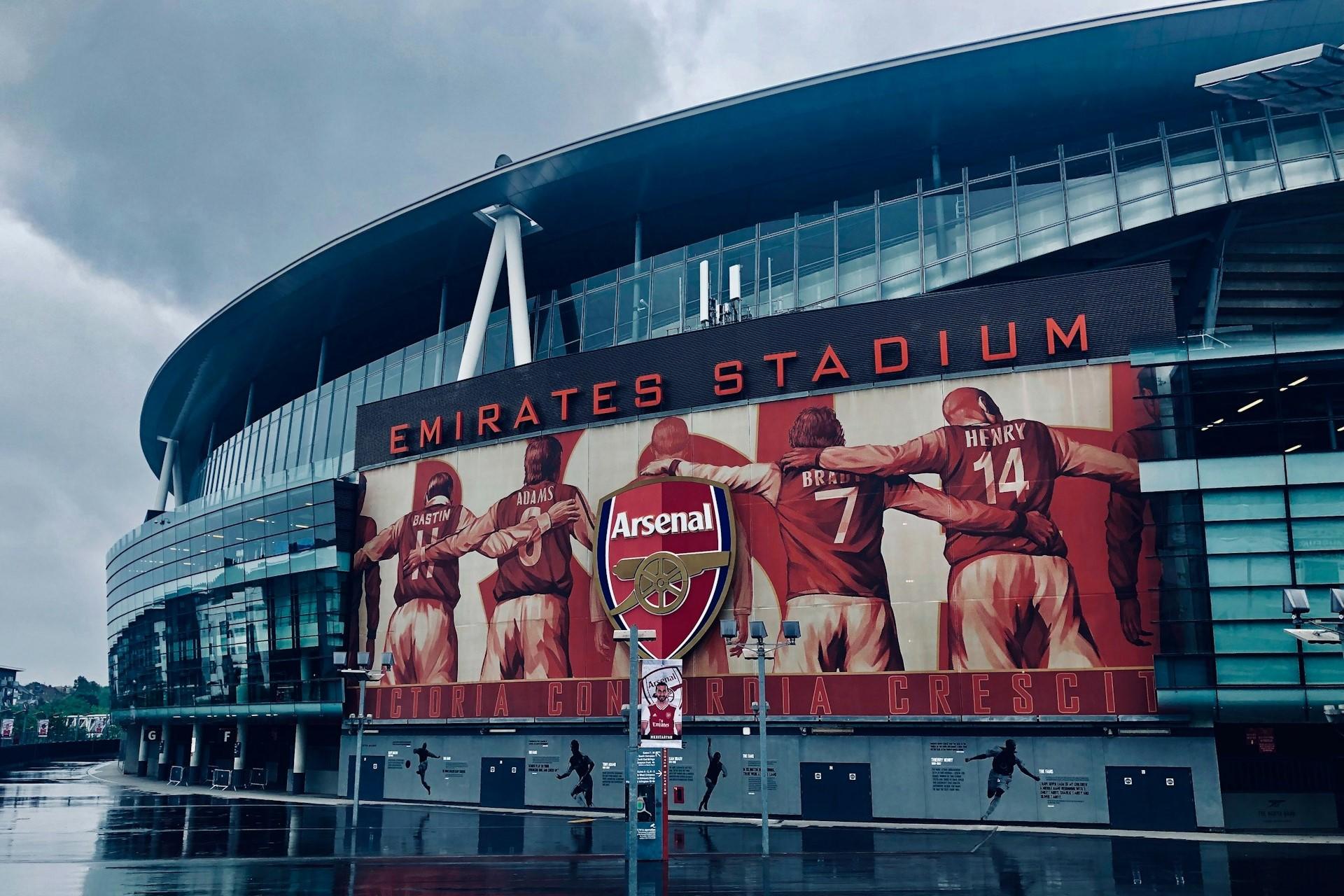
1888
The Football League is founded
The Football League is founded with 12 clubs, creating the original organised league structure for professional football in England.⁴
1892
Second Division added
The Football League expands with the addition of the Second Division, creating a larger national league system.⁴
1920
Third Division added
The Third Division is added, giving the Football League another professional tier.⁴
1958
Fourth Division added
The Fourth Division is introduced, completing the four-division Football League structure used before the Premier League era.⁴
1991
Founder Members Agreement signed
First Division clubs sign the Founder Members Agreement, a key step towards creating a new top-flight competition.⁸
1992
Premier League formed
First Division clubs resign from the Football League and form the Premier League as a new top tier of English football.⁸
1992/93
First Premier League season
The first Premier League season begins with 22 clubs competing in the new competition.⁹
1995/96
League reduced to 20 clubs
The Premier League operates with 20 clubs after reducing from its original 22-team format.⁹
2003/04
Arsenal go unbeaten
Arsenal complete an entire Premier League season without losing a league match.⁹
2015/16
Leicester City win the title
Leicester City win one of the most famous surprise titles in Premier League history.⁹
2025/26
Arsenal win the Premier League
Arsenal win the Premier League title, ending a 22-year wait to become champions again.⁹
Structure and Competition Format
The Premier League is your typical single league table, with home and away fixtures. The points system rewards consistency throughout the season.⁵ It's also part of the wider English football pyramid, with qualification for Europe for the best-ranked teams at the end of the season.⁷
League Composition and Season Format
The Premier League season usually runs from August to May each year. Every club plays every other club twice, once at home and once away. This means that every club hosts every other club once and also plays each opponent once at their stadium. This means that each team will play 38 matches in the Premier League (playing 19 other teams twice).
As in other football leagues around the world, a team is awarded 3 points for a win, 1 point for a draw, and 0 points for a loss. Teams are ranked according to their points. If two teams have the same number of points, they are sorted according to their goal difference (the total number of goals scored minus the total number of goals conceded). If the goal difference for two tied teams is the same, then the team with the greater number of goals scored is sorted above the other.
3 points
1 point
0 points
There are only 20 teams in the Premier League, much like in Spain's La Liga. However, when the league first began in 1992, there were 22 teams. The league was reduced to 20 for the 1995-1996 season. However, when the league first began in 1992, there were 22 teams. The league was reduced to 20 for the 1995-1996 season.
As we've mentioned, the league is the top level of English football. It is part of the English football league system or football pyramid. The football pyramid in England means that any club from anywhere in England could win the Premier League one day.
At the top is the Premier League. Under that, three leagues make up the English Football League: The Championship, League 1, and League 2. Don't worry too much about the league's confusing names. The Championship is technically the second league in the country, League 1 is the third, and League 2 is the fourth. Below the English Football League, there are multiple leagues at the same level, which makes things even more complicated.
fixtures in total.⁵
| Rule or feature | How it works |
|---|---|
| Teams | 20 clubs compete in the Premier League |
| Matches | Each club plays 38 league matches |
| Format | Each club plays every other club once at home and once away |
| Win | 3 points |
| Draw | 1 point |
| Loss | 0 points |
| Ranking | Teams are ranked by points |
| Tie-breaker | Goal difference, then goals scored |
| Relegation | Bottom three clubs drop to the EFL Championship |
| Promotion | Championship top two and play-off winner move up |
Promotion and Relegation System
One interesting aspect of the English football pyramid is that teams can be promoted and relegated. At the end of a season, a set number of teams are either relegated to a lower league or promoted to a higher league.
To reach the Premier League, a team needs to win the Championship or finish second, in which case they'll be automatically promoted. The teams placed between third and sixth play in a mini-knockout tournament known as the play-offs. The eventual winner of the play-offs becomes the third team promoted to the Premier League, with the play-off final often considered football's most lucrative game due to the potential earnings that come with Premier League status.
The bottom three clubs in the Premier League are all automatically relegated to the Championship. In the Italian Serie A, the playoffs are played between 3rd and 8th place, with 3rd and 4th gaining automatic access to a later round.
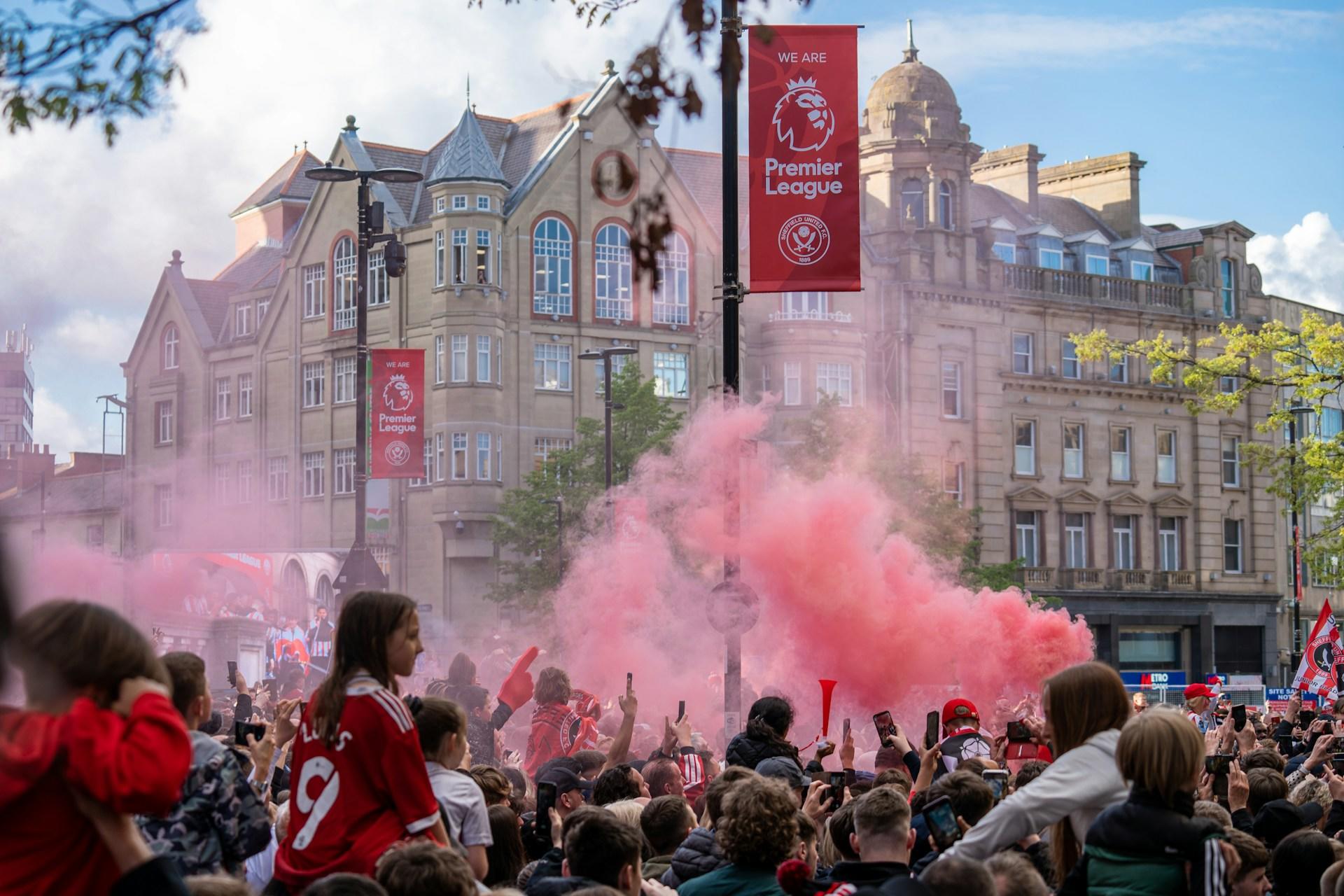
The Premier League is not a closed competition because clubs can move between divisions at the end of each season.³ The bottom three Premier League clubs are relegated to the EFL Championship.³ In the Championship, the top two clubs are promoted automatically, while the third promotion place is decided through the play-offs.³ This system keeps the Premier League connected to the wider English football pyramid.

Qualification for European Competitions
While not part of the pyramid, the Premier League and English football also allow clubs to qualify for European football competitions, which are played in addition to the league. A team that qualifies for a European competition will still play in the Premier League (or another lower league, though this is rather unlikely). These competitions include the UEFA Champions League, UEFA Europa League, and UEFA Europa Conference League and the best leagues in Europe are given more places in the competitions than weaker leagues.
| Competition | How Premier League clubs usually qualify |
|---|---|
| UEFA Champions League | Highest-finishing Premier League clubs qualify |
| UEFA Europa League | Clubs can qualify through league position or domestic cup routes |
| UEFA Conference League | Usually reached through lower European qualification places or cup-related routes |
| Domestic cups | FA Cup and League Cup outcomes can affect European places |
Notable Teams and Players
The Premier League has seen its fair share of dominant clubs. However, it's also seen surprise champions. However, we can't ignore the top stars who have inspired football fans for decades now.
Most Successful Clubs
Over three decades, there have been seven Premier League champions. With 13 titles, Manchester United are the league's most successful team. However, they haven't won the title since the 2012-2013 season.
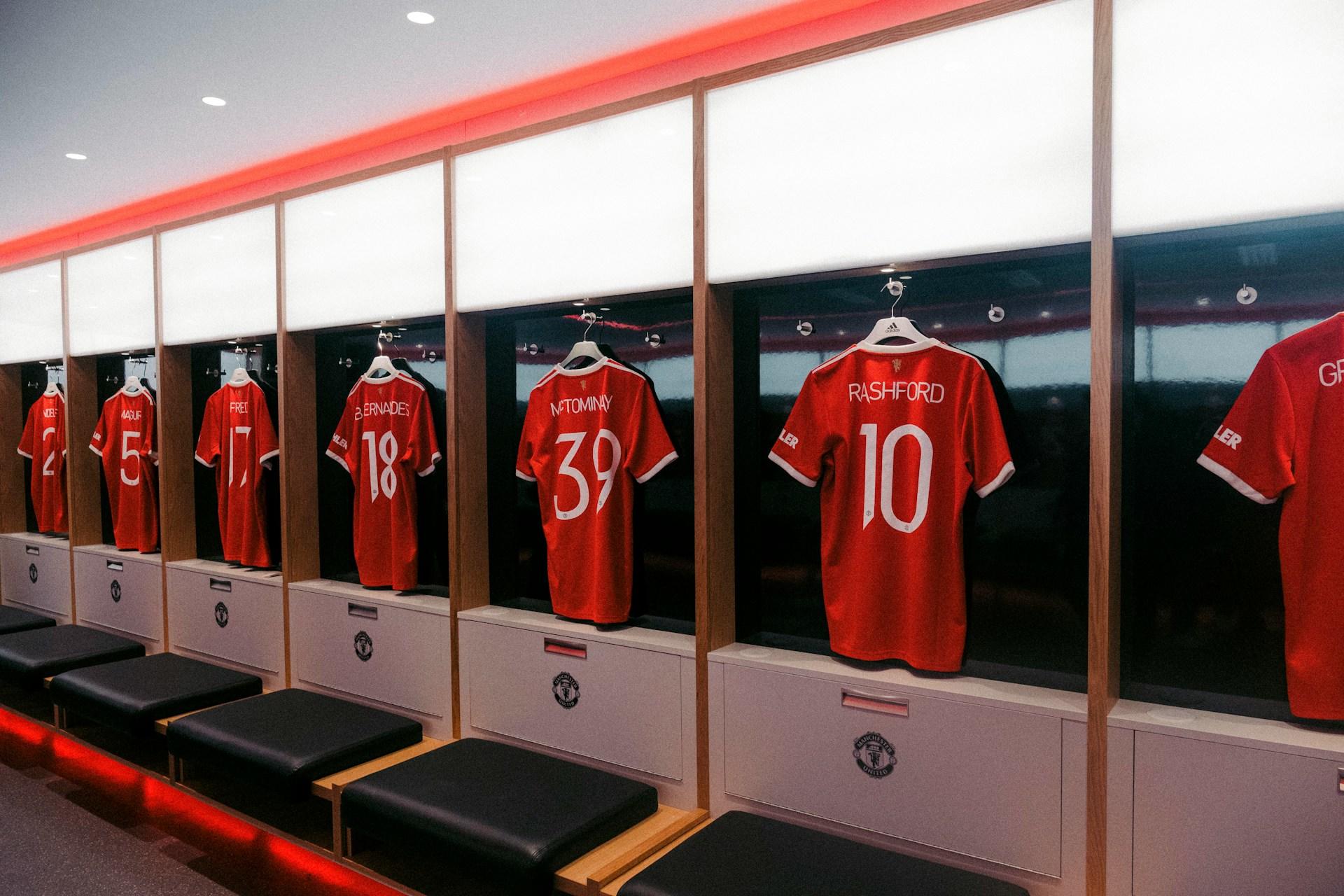
| Club | Premier League titles | Note |
|---|---|---|
| Manchester United | 13 | Most successful club of the Premier League era |
| Manchester City | 8 | Dominant club across much of the 2010s and 2020s |
| Chelsea | 5 | Multiple Premier League titles across different eras |
| Arsenal | 4 | Won the 2025/26 Premier League title |
| Liverpool | 2 | Premier League winners in 2019/20 and 2024/25 |
| Blackburn Rovers | 1 | Champions in 1994/95 |
| Leicester City | 1 | Famous surprise champions in 2015/16 |
Legendary Players
Judging the most successful players in a league with over 30 years of history is difficult. Still, the Welsh midfielder Ryan Giggs has won the Premier League more than any other player, having been with Manchester United for every one of their 13 titles. At the other end of the pitch, with 202 clean sheets, Petr Čech is one of the league's most successful goalkeepers. Of course, this isn't the only measure of a goalkeeper, but since he also became a professional ice hockey goalie in his native Czechia after retiring from football, it's fair to say that he's pretty good. If you're inspired to get out and improve your own game, you can also look for football training near me.
goals.¹⁰
Alan Shearer, who won the Premier League with Blackburn Rovers, is the league's top goalscorer with 260. Harry Kane, with 213 is second, but since he's currently playing in the German Bundesliga, he's unlikely to score any more Premier League goals soon.
Striker
Blackburn Rovers, Newcastle United
1992/93–2005/06
All-time Premier League top goalscorer
260 goals¹⁰
Shearer remains the benchmark for Premier League goalscorers and won the title with Blackburn Rovers in 1994/95.
Midfielder
Manchester United
1992/93–2013/14
Most Premier League winners’ medals
13 titles¹⁰
Giggs was part of every Manchester United Premier League title-winning squad and became one of the defining players of the competition’s early decades.
Goalkeeper
Chelsea, Arsenal
2004/05–2018/19
Most Premier League clean sheets
202 clean sheets¹⁰
Čech set the standard for Premier League goalkeepers and was a key figure in Chelsea’s title-winning defensive units.
Midfielder
Leeds United, Newcastle United, Aston Villa, Manchester City, Liverpool, Brighton & Hove Albion
2002/03–2025/26
Most Premier League appearances
658 appearances¹⁰
Milner’s longevity across six Premier League clubs made him the competition’s all-time appearance leader.
| Record | Player | Figure |
|---|---|---|
| Most appearances | James Milner | 658 |
| Most goals | Alan Shearer | 260 |
| Most assists | Ryan Giggs | 162 |
| Most winners' medals | Ryan Giggs | 13 |
| Most clean sheets | Petr Čech | 202 |
The EPL's Global Influence
The Premier League extends beyond England. Its global reach is thanks to its quality and the lucrative broadcast deals that bring fixtures to fans around the world. In turn, Premier League clubs benefit commercially from all this, allowing them to attract even better talent.
Worldwide Viewership and Broadcasting
- Live Premier League coverage reached 1,450,000,000 people during the 2024/25 season.⁶
- Matches are broadcast internationally, giving overseas supporters regular access to English football.⁶
- Famous clubs such as Manchester United, Liverpool, Arsenal, Chelsea, and Manchester City attract fans far beyond the UK.
- International players help supporters around the world feel connected to clubs, teams, and title races.
- The weekly match schedule provides fans with regular storylines, rivalries, and talking points throughout the season.
The Premier League has one of the largest global audiences in sport, with 1.45 billion people watching live coverage during the 2024/25 season.⁶ Its worldwide appeal comes from famous clubs, international players, major broadcasters, and packed stadiums.⁶ This global reach also helps Premier League clubs attract sponsorship, commercial partnerships, overseas supporters, and major broadcast deals.¹ Deloitte reported that Premier League clubs generated £6.3 billion in revenue in the 2023/24 season.¹
people watched live Premier League coverage during the 2024/25 season.⁶
Economic Impact and Commercial Growth
Broadcasting
Broadcasting is central to the Premier League's global reach. Domestic and international TV deals make Premier League matches available to supporters around the world. The Premier League reported that 1.45 billion people watched live coverage during the 2024/25 season.⁶
Commercial Growth
Premier League clubs remain among the highest-revenue clubs in world football.² Deloitte reported that Premier League clubs generated £6.3 billion in revenue in the 2023/24 season.¹ This makes the league one of the most powerful competitions in the global football economy.¹
References
- Deloitte. “Annual Review of Football Finance: Premier League Clubs.” Deloitte UK, 12 June 2025, https://www.deloitte.com/uk/en/services/consulting/research/annual-review-of-football-finance-premier-league-clubs.html. Accessed 2 July 2026.
- Deloitte. “Deloitte Football Money League 2026.” Deloitte UK, 22 Jan. 2026, https://www.deloitte.com/uk/en/services/consulting-financial/analysis/deloitte-football-money-league.html. Accessed 2 July 2026.
- English Football League. “EFL Regulations 2025/26.” English Football League, 2025, https://images.gc.eflservices.co.uk/526ac020-67b3-11f0-9ba4-015464ec39cd.pdf. Accessed 2 July 2026.
- English Football League. “History.” English Football League, https://www.efl.com/about-the-efl/history/. Accessed 2 July 2026.
- Premier League. “How Is the 2026/27 Premier League Fixture List Compiled?” Premier League, 18 June 2026, https://www.premierleague.com/en/news/4324541/how-the-premier-league-fixture-list-is-compiled. Accessed 2 July 2026.
- Premier League. “Premier League Annual Report 2024/25.” Premier League, 2025, https://annual-report-24-25.premierleague.com/. Accessed 2 July 2026.
- Premier League. “Premier League Clubs European Qualification Explained.” Premier League, https://www.premierleague.com/en/european-qualification-explained. Accessed 2 July 2026.
- Premier League. “Premier League History, Origins & Creation.” Premier League, https://www.premierleague.com/en/history. Accessed 2 July 2026.
- Premier League. “Premier League Winners, List of Champions, History & Format Explained.” Premier League, https://www.premierleague.com/en/premier-league-explained. Accessed 2 July 2026.
- Premier League. “Records: Players.” Premier League, 17 May 2026, https://www.premierleague.com/en/news/662064/records-players. Accessed 2 July 2026.
Summarise with AI:
Did you like this article? Leave a rating!

 Loading...
