


The Italian Serie A is one of the world's oldest football leagues. While it initially existed as regional competitions starting in 1898, it took on its current form during the 1929-1930 season. In this article, we'll be looking at what Serie A is, how it came to be, who plays in it, and why you should watch it.
| Fact | Detail |
|---|---|
| Country | Italy |
| League level | Top tier |
| Current format | 20 teams |
| Matches per club | 38 |
| Matchdays | 38 |
| Champion’s title | Scudetto |
| Most successful club | Juventus |
| 2025/26 champion | Inter Milan |
| Relegation | Bottom three teams to Serie B |


The History of Serie A
Serie A is the reason Italian football has such a strong sense of identity. For many clubs, the league has been the vehicle for their rise (and their downfalls). By looking at the league's history, you can see why it's one of Europe’s most recognisable football competitions today.
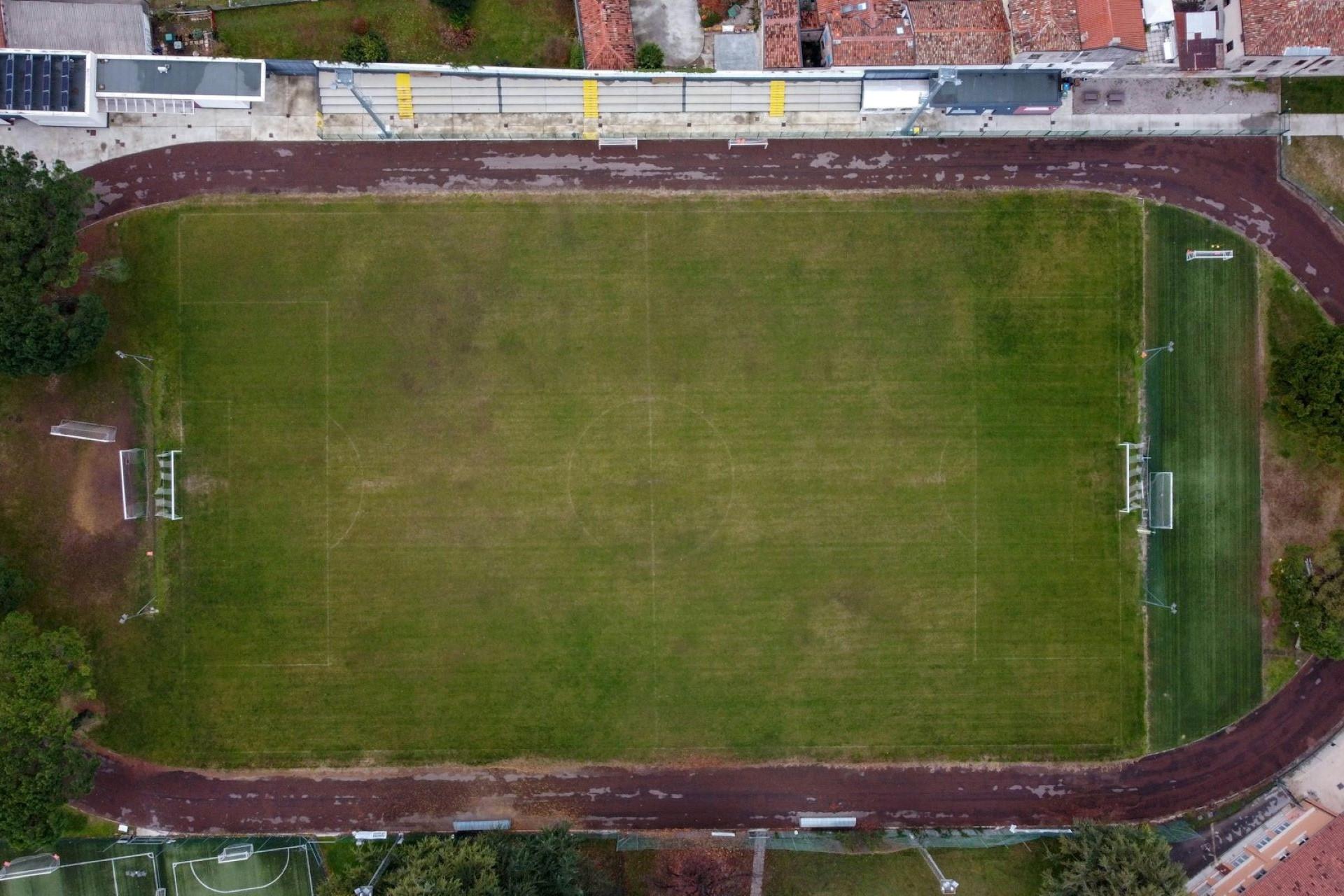
Serie A is the top tier of professional football in Italy, and the league most people mean when they ask, "what is the Italian football league called?" The Serie A league currently features 20 clubs, with each team playing 38 matches across the season.⁷ It sits above Serie B and Serie C in the Italian football pyramid, with promotion and relegation connecting the divisions each year.
Origins and Formation
Association football arrived fairly early in Italy. In the 1880s, an Italian textile worker brought the game he'd played in England back home to Turin. He brought both football and cricket with him, founding the Torino Football and Cricket Club. The former was a hit, and if you know anything about Italy, the country is much more famous for its football than for its cricket.
For decades, Italian football was played as a series of regional competitions, with many teams being made up of foreign players and some even founded by them. Famously, the Genoa Cricket and Football Club, founded in 1893, was set up by English, Swiss, and Italian players. These early clubs helped shape the foundations of the Italian game before Serie A became a national league.
Evolution Over the Decades
With the arrival of Serie A in 1929, which supplanted the regional leagues, Italian football became more organised. The league started with 18 teams, like France's Ligue 1 and Germany's Bundesliga. However, the league expanded to include 20 teams in the 2004-2005 season, much like Spain's La Liga and the English Premier League.
1898
Early Italian Football Begins
Italy's national football championship began before Serie A existed in its modern league format.⁶
1929–30
Serie A Takes Shape
Serie A became a national round-robin competition, helping replace the older regional structure.⁶
1930s
Juventus Build Early Dominance
Juventus became one of the defining clubs of early Italian league football, setting the foundations for their later record title count.
1940s
Torino’s Golden Era
Torino became one of Italy's strongest clubs during the 1940s, winning multiple league titles.⁶
1960s
Milan Clubs Rise in Europe
Inter Milan and AC Milan helped make Italian club football internationally famous with domestic success and strong European reputations.⁶
1980s
Serie A Becomes a Global Stage
The league attracted major international stars and became one of the most prestigious competitions in world football.⁶
1990s
Italian Football’s Star Era
Serie A was known for elite players, major clubs, and intense title races during one of its most famous periods.⁶
2004–05
20-Team Format Arrives
Serie A expanded to 20 clubs, creating the modern 38-match season format.⁷
2025–26
Inter Win the Scudetto
Inter Milan won the 2025–26 Serie A title, with the season producing 922 goals across 380 matches.⁸
League Structure and Format
Serie A has a fairly standard league structure. While the final standings are confirmed on the last matchday, the league table is shaped by every match, with each result adding to the bigger picture. Here's how the competition is organised.
| Result | Points |
|---|---|
| Win | 3 |
| Draw | 1 |
| Loss | 0 |
teams competing in Italy’s top football division.⁷
Season Format and Competition
Serie A is played as a round-robin. This means that every team plays each opponent twice, once at their stadium and once at their opponent's stadium. With 20 teams in the league, each team plays 38 matches. Like the greatest football leagues across Europe, Serie A runs from August or September to May. This can vary slightly depending on the calendar and international football events.
3 points
1 point
0 points
This can vary slightly depending on the calendar and international football events. At the end of the season, the team with the most points is crowned Serie A champion and granted the right to use the Scudetto. In the event of a tie between two teams, their head-to-head record is used to determine the order, as in Spain's La Liga. Essentially, this means taking the results of the two matches between these two teams.
The Scudetto, or "little shield", is added to the team's shirt after they win Serie A. Only the reigning champions wear the Scudetto, which is shaped like a shield with the green, white, and red stripes of the Italian flag within it. Similarly, the winners of Italy's domestic cup competition, the Coppa Italia, sport the Italian cockade.
The Scudetto means “little shield” and is the badge worn by the reigning Italian champions. It uses the colours of the Italian flag and appears on the champion’s shirt for the following season. Italian clubs also use stars to mark league-title milestones, which is why Juventus, with 36 Italian league titles, wear three stars above their badge.⁶
Unlike the stars that national teams earn for winning the World Cup, the Scudetto and the cockade are worn only by the reigning champion of each competition. You may also see some Italian teams with stars on their jerseys. Each star represents 10 Serie A titles.
league matches across a full home-and-away season.⁷
Promotion and Relegation System
As Serie A is at the top of the Italian football pyramid, Serie A teams cannot be promoted. However, the bottom three at the end of the season can be relegated to Serie B. Three teams from Serie B will be promoted to Serie A at the end of each season. The first and second teams are automatically promoted, while the third team promoted usually has to come through a play-off. Interestingly, in the German Bundesliga, the teams 3rd from bottom in the upper league and 3rd in the lower league play each other to see who wins the final place in the Bundesliga.
At the end of a Serie A season, the bottom three clubs are relegated to Serie B. In the other direction, the top two Serie B clubs are automatically promoted, while another team can earn promotion through the play-offs. The play-off system can depend on the points gap between teams, so the final promotion place is not always decided in the same way every season.⁵
European Qualification
- Serie A’s highest-finishing clubs qualify for the UEFA Champions League through UEFA’s 2026/27 club competition access list.
- Other leading Serie A clubs can qualify for the UEFA Europa League, depending on their league position and domestic cup outcomes.
- Serie A can also send a club into UEFA’s third major European club competition through the access system.
- The Coppa Italia winner can affect how European places are distributed if that club has already qualified through the league.
- European qualification brings more money, tougher fixtures, bigger opponents, and a major incentive for clubs outside the title race.¹⁰
Notable Clubs and Their Achievements
If you're thinking about watching Serie A or following Italian football, you're in luck. There are plenty of great teams plying their trade in Italian football, many with a long and illustrious history. Sides like Torino, Bologna, and Pro Vercelli all have 7 titles each, but many of these came decades ago.
| Club | League titles |
|---|---|
| Juventus | 36 |
| Inter Milan | 21 |
| AC Milan | 19 |
| Genoa | 9 |
| Bologna | 7 |
| Torino | 7 |
| Pro Vercelli | 7 |
| Napoli | 4 |
| Roma | 3 |
| Lazio | 2 |
Juventus
With 36 championships in Serie A and its predecessor, Juventus are Italy's most successful league club. With their unmistakable black-and-white striped jersey bearing three stars, they're arguably one of Italian football's most recognisable teams. Juventus, which means “youth” in Latin, is based in Turin, the capital of Italy's Piedmont region.
Italian league titles, making them Serie A’s most successful club.⁶
Inter Milan
- Football Club Internazionale Milano is usually known as Inter Milan or simply Inter.
- Inter have won 21 Italian league titles, making them one of Serie A’s most successful clubs.⁶
- Inter won the 2025–26 Serie A title and finished the season as Italian champions.⁸
- Inter share San Siro with AC Milan, creating one of the most famous shared-stadium arrangements in European football.⁹
- Inter are the only club to have played every season of Serie A in the national round-robin era.⁷

AC Milan
- Associazione Calcio Milan is usually shortened to AC Milan.
- AC Milan have won 19 Italian league titles, putting them among the most successful clubs in Serie A history.⁶
- AC Milan share Milan with Inter, and their derby is known as the Derby della Madonnina.
- AC Milan play at San Siro, one of the most recognisable stadiums in Italian football.⁹
- AC Milan's red-and-black colours make them one of the most recognisable teams in Serie A.
Other Prominent Clubs
- Genoa have won 9 Italian league titles, most of them from the early years of Italian football.
- Bologna have 7 league titles and remain one of Italy’s important historic clubs.
- Torino have 7 league titles and are closely associated with one of Italian football’s great historic eras.
- Pro Vercelli also have 7 league titles, reflecting their importance in the early development of the Italian game.
- Napoli have 4 league titles and remain one of southern Italy’s most important football clubs.⁶
- Roma and Lazio are the two major clubs in Rome and share the Stadio Olimpico.¹
Legendary Players of Serie A
As a top league, Serie A plays host to many great footballers as well as these great teams. It'd be impossible to name them all, but here are a few that you might want to look up. Greats like the Argentine Diego Maradona, the French midfielder Michel Platini, and Italian AC Milan legend Paolo Maldini all spent several years playing at the top level of Italian football.
We also have to mention Alessandro Del Piero, a great who spent nearly twenty years at Juventus before ending his career playing in Australia and India. A particularly special mention has to go to Francesco Totti, who, like Del Piero, was very faithful to one club. Unlike Del Piero, Totti only played professional senior football for one club, Roma.
professionally for AS Roma!
Historical Icons
- Silvio Piola is Serie A’s all-time leading goalscorer, with 274 goals in the competition.³
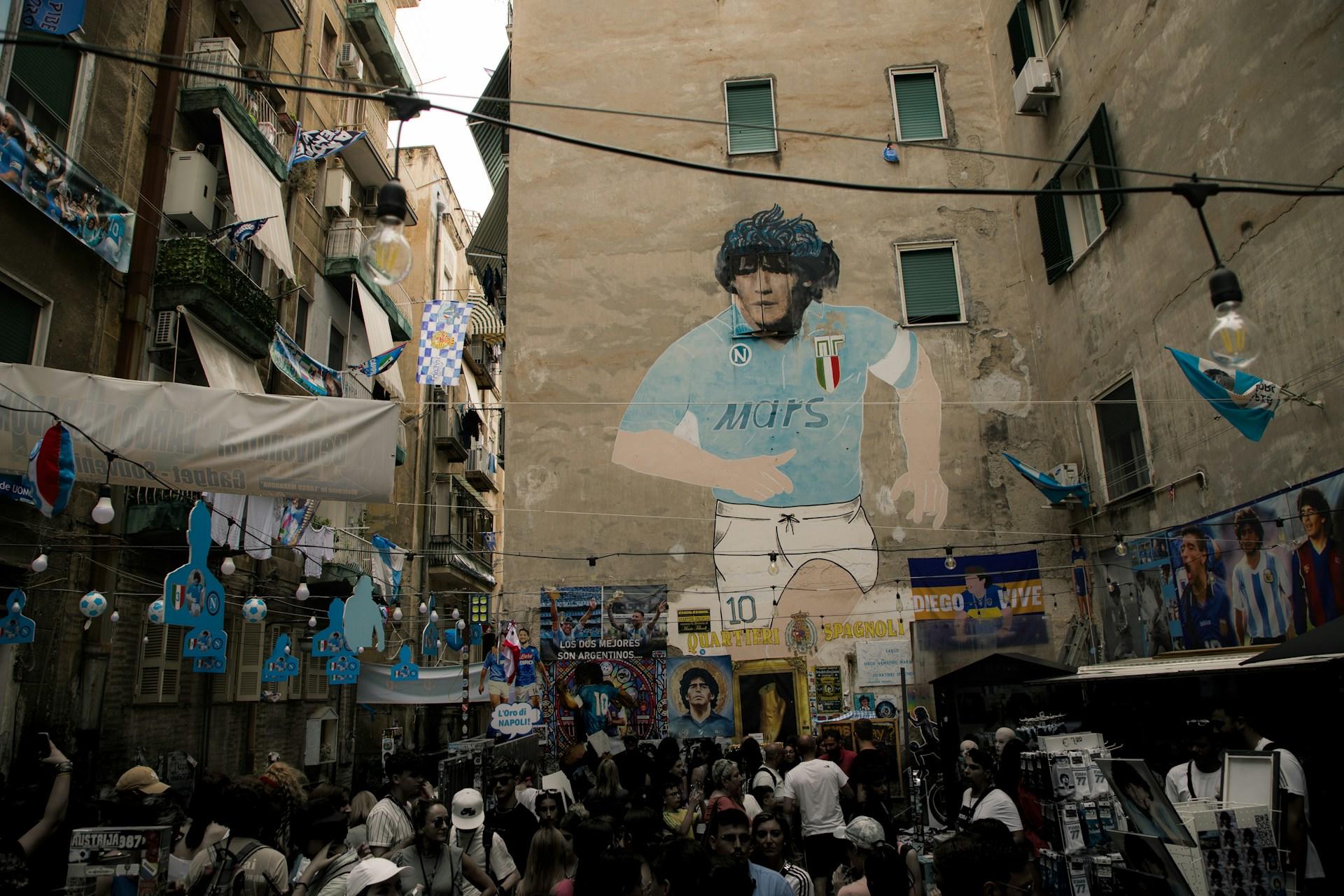
- Diego Maradona remains closely linked with Napoli’s rise to league-winning status in Italian football.⁶
- Michel Platini was one of the defining foreign stars of Juventus and helped shape Serie A’s international reputation.
- Paolo Maldini became a symbol of AC Milan and one of the most respected defenders in Italian football.
- Francesco Totti spent his entire senior professional club career with Roma, making him one of Serie A’s great one-club figures.
Modern Legends
- Gianluigi Buffon became one of Serie A’s most famous goalkeepers through his long spells with Parma and Juventus.
- Alessandro Del Piero spent nearly 20 years with Juventus and became one of the club’s defining modern players.
- Zlatan Ibrahimović helped shape several Serie A title races across spells with Juventus, Inter Milan and AC Milan.
- Andrea Pirlo’s passing and control made him one of the most influential midfielders of modern Italian football.
- Lautaro Martínez was a key attacking figure for Inter during their 2025–26 title-winning season.⁸
Iconic Stadiums and Matchday Experience
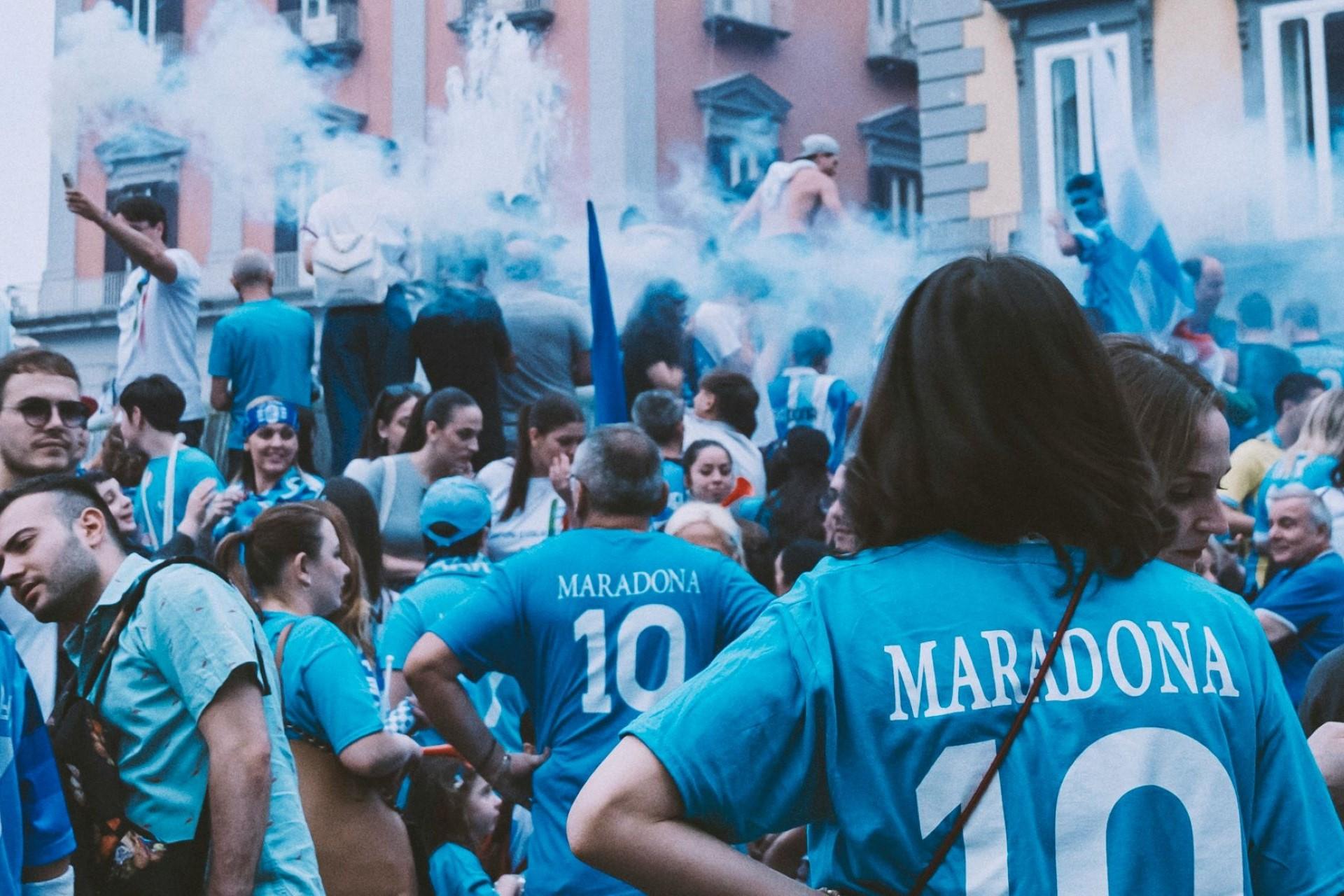
Serie A's gladiators need their colosseums to play in. These places are the homes of Italian football. Interestingly, some of Serie A's biggest clubs share their stadiums with bitter rivals.
| Stadium | City | Serie A Club(s) |
|---|---|---|
| San Siro | Milan | Inter Milan and AC Milan |
| Juventus Stadium | Turin | Juventus |
| Stadio Olimpico | Rome | Roma and Lazio |
San Siro
Interestingly, both AC Milan and Inter Milan share their stadium. When the two sides play each other, one has to be designated the "home" side and the other the "away" side. Each team has its own home dressing room in the stadium, as there are actually three dressing rooms: one for AC Milan, one for Inter Milan, and one for other "away" teams.
spectators.
Juventus Stadium
You could see a Juventus match at the Allianz Stadium, which, with a capacity of just over 41,000, is a bit smaller than the others.⁴ The stadium is more modern than some of Italy's older football grounds. It gives Juventus a distinctive home setting in Turin. Its smaller size can also make the matchday experience feel more compact and intense.
Stadio Olimpico
In addition to the massive San Siro, the Stadio Olimpico in Rome hosts both AS Roma and SS Lazio, who, like their Milanese counterparts, share a stadium.¹ This makes it one of the most important football venues in Italy, especially when the two Roman clubs meet in the Derby della Capitale. For visitors, it offers another major example of how Serie A stadiums are tied closely to local identity and rivalry.
Recent Developments and Current Season Overview
With new competitive, commercial, and sporting pressures, Serie A has to continually adapt, much like France's Ligue 1 and its McDonald's sponsorship. The title race, European qualification places, and relegation battles all shape the league's story, but every new season still brings surprises. Let's quickly look back at last season.
2025–26 Season Highlights
- Inter Milan did not have the title wrapped up from the start, with several major clubs still involved in the race during the first half of the season.
- AC Milan were close to the top in the first half of the season, but their challenge faded as the campaign moved into its decisive months.
- Napoli remained Inter’s main late-season challenger, but dropped points helped Inter move into a commanding position.
- Roma strengthened their season with a strong finish. At the same time, Como became one of the campaign's biggest surprise stories by pushing into the Champions League places.
- Juventus stayed in the European conversation, but they were not able to turn their season into a serious title challenge.
- Inter pulled clear in the final stretch and finished the season as Serie A champions, winning another Scudetto.
- Cremonese, Verona and Pisa were relegated to Serie B at the end of the campaign.
- Throughout the season, Serie A produced 922 goals in 380 matches, showing that the title race was part of a wider campaign full of attacking football and competitive tension.⁸
goals across 380 matches.⁸
Serie A has a reputation for tactical football, but modern Italian football is not only about defending. The 2025/26 Serie A season produced 922 goals across 380 matches, showing that the league still offers plenty of attacking quality.⁸ For new fans, Serie A is best understood as a league of historic clubs, strong tactical identities, intense rivalries, and changing styles of play.
Financial Landscape of Serie A
- Italian professional football has seen revenue improve, but its overall financial position remains fragile.
- FIGC reported that Italian professional football was still losing more than €730 million per year.
- Serie A revenue growth has helped reduce pressure from wage costs, but club finances remain a major issue.
- Many Italian clubs still face stadium limitations compared with rivals in leagues where modern club-owned grounds are more common.
- Serie A’s financial challenge affects transfers, squad depth, stadium investment, and the league’s ability to compete with richer European rivals.²
References
- AS Roma. “Seating Plan.” AS Roma, https://www.asroma.com/en/stadium/seating-plan. Accessed 2 July 2026.
- Federazione Italiana Giuoco Calcio. “The Report on the State of Italian Football Has Been Published.” FIGC, 8 Apr. 2026, https://www.figc.it/en/figc/news/the-report-on-the-state-of-italian-football-has-been-published-pmhn7ati. Accessed 2 July 2026.
- Guinness World Records. “Most Football (Soccer) Serie A Goals Scored by a Player.” Guinness World Records, https://www.guinnessworldrecords.com/world-records/478156-most-football-soccer-serie-a-goals-scored-by-a-player. Accessed 2 July 2026.
- Juventus Football Club. “FAQ Allianz Stadium.” Juventus, https://www.juventus.com/en/faq/allianz-stadium. Accessed 2 July 2026.
- Lega Nazionale Professionisti B. “Il regolamento dei playoff e dei playout della Serie B ConTe.it.” Lega B, 14 May 2018, https://www.legab.it/news/il-regolamento-dei-playoff-e-dei-playout-della-serie-b-conte-it. Accessed 2 July 2026.
- Lega Serie A. “Albo d’Oro.” Lega Serie A, https://www.legaseriea.it/serie-a/albo. Accessed 2 July 2026.
- Lega Serie A. “Looking Forward to the 2026/27 Serie A Fixture List.” Lega Serie A, 4 June 2026, https://en.legaseriea.it/serie-a/news/looking-forward-to-the-2026-27-serie-a-fixture-list. Accessed 2 July 2026.
- Lega Serie A. “Serie A Enilive 2025/26 in Numbers.” Lega Serie A, 1 July 2026, https://en.legaseriea.it/serie-a/news/serie-a-enilive-2025-26-in-numbers. Accessed 2 July 2026.
- San Siro Stadium. “The Stadium.” San Siro Stadium, https://sansirostadium.com/the-stadium/?lang=en. Accessed 2 July 2026.
- UEFA. “Annex A: Access List for the 2026/27 UEFA Club Competitions.” Regulations of the UEFA Champions League 2026/27, 1 Mar. 2026, https://documents.uefa.com/r/Regulations-of-the-UEFA-Champions-League-2026/27/Annex-A-Access-List-for-the-2026/27-UEFA-Club-Competitions-Online. Accessed 2 July 2026.
Summarise with AI:
Did you like this article? Leave a rating!

 Loading...
