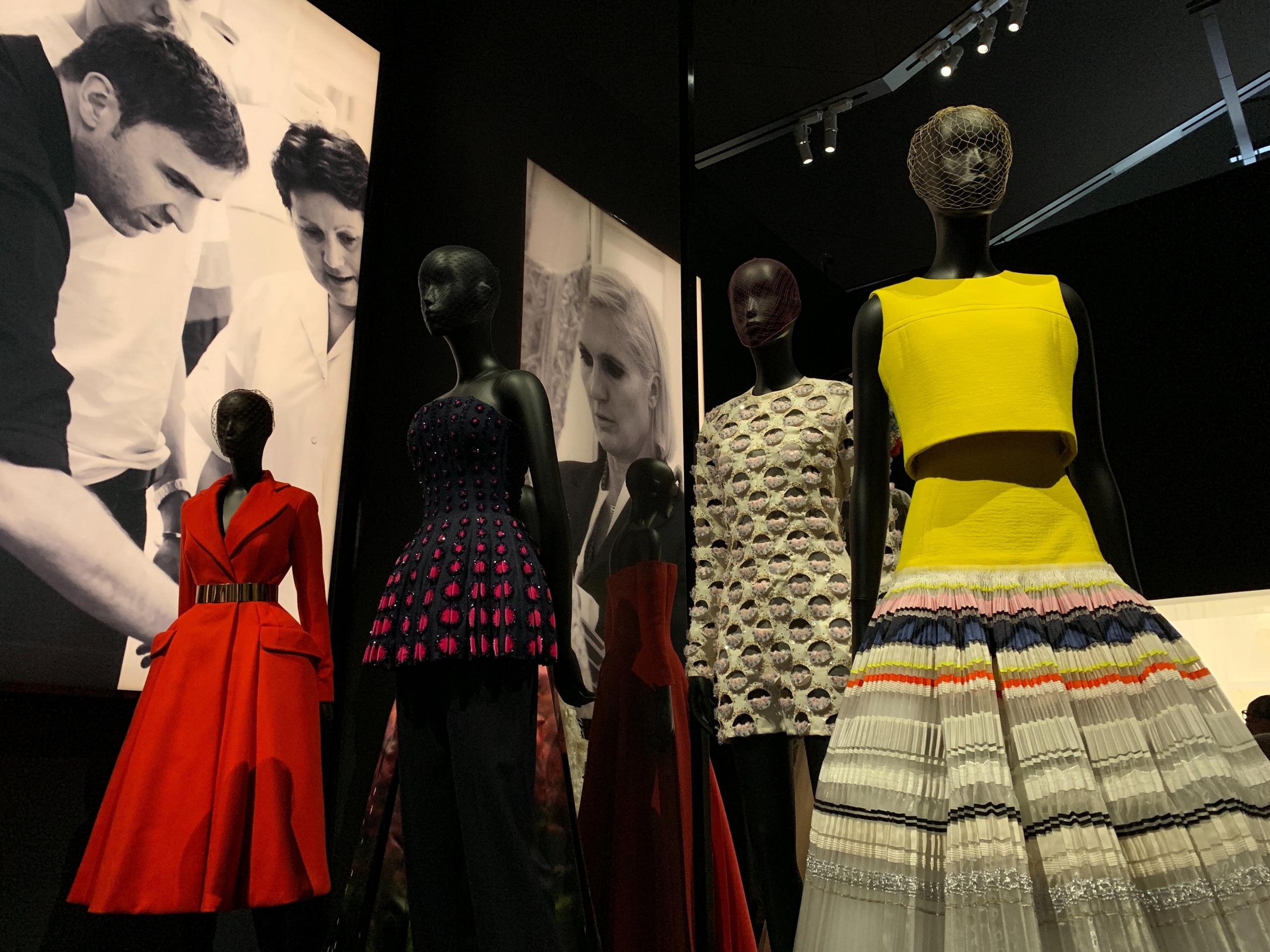

"I don't design clothes. I design dreams." -Ralph Lauren
The fashion world is glitzy, glamourous, and oozing with different clothing items known as "haute couture" that will easily cost you your month's rent! Nonetheless, to create art and be surrounded by those leading the world's most renowned fashion houses, many curious artists across the UK and other parts of Europe want to study fashion design.
It's worth stating that there are many different ways to study fashion design, such as attending post-secondary classes at an institute, learning through practice at internships, or seeking the assistance of professional tutors who have accreditations and past work experience to back up their skills.
Without further delay, in today's article, we shall consider how curious fashion students can hone their skills through private classes with tutors that specialise in fashion sketching, pattern cutting, alterations, and handbag design. Let's get learning!




Fashion Sketching
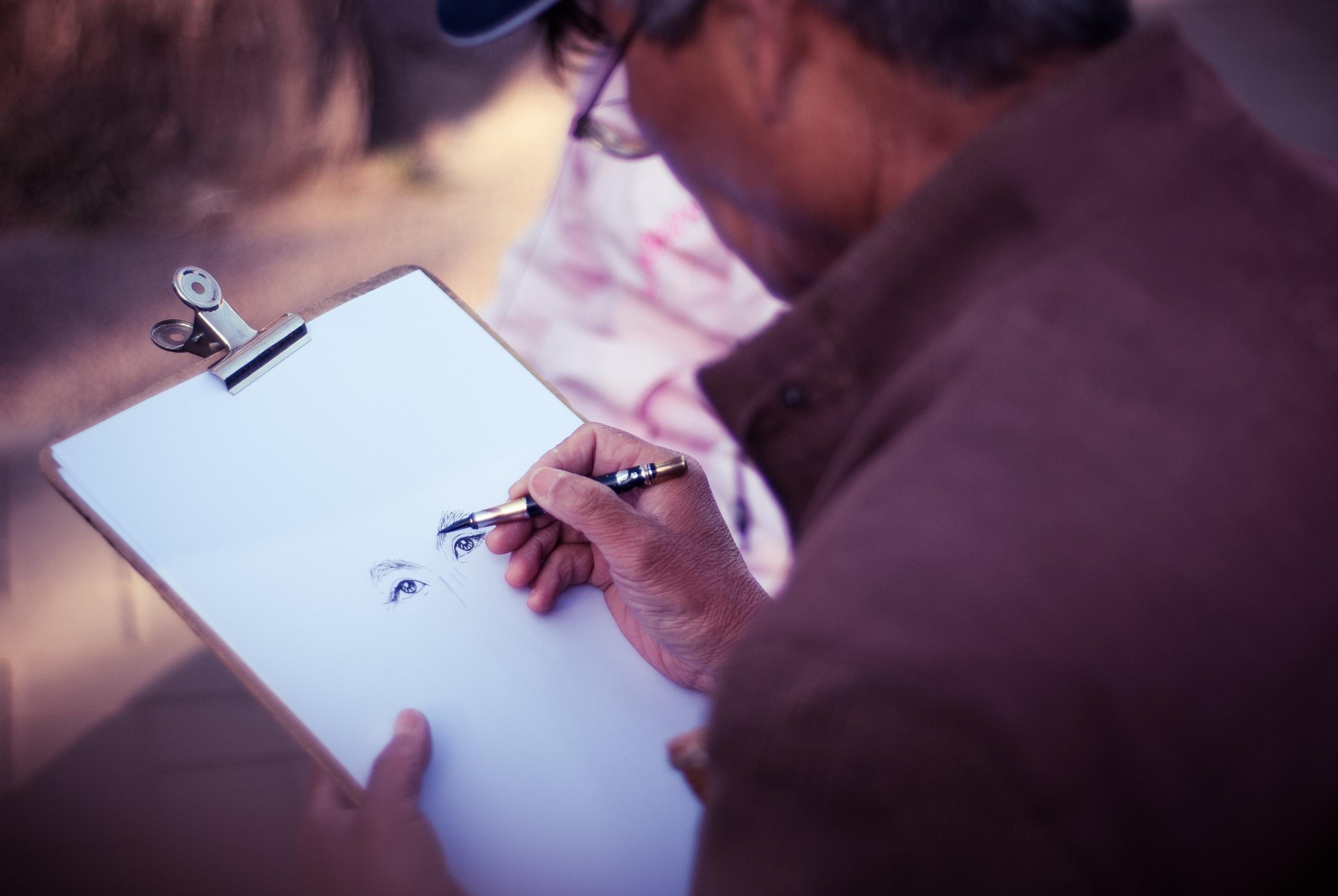
Before getting started on fashion sketches, it's essential to define fashion sketching. So, what is fashion sketching? Fashion illustration is the practice or art form of drawing pictures to communicate fashion ideas in a visual format that originates with drawing, sketching, or painting.
Fashion sketching is essential because it allows designers to brainstorm their ideas and demonstrate them to their team workers. By doing so, everyone has a visual idea of what the clothing item will be like. So first, fashion figures, known as "croquis", are drawn on paper and then clothing pieces are removed to visualise what models would look like wearing the clothes.
A few essential tools or items are needed to start working as a fashion illustrator. Such as? The list below mentions the necessary drawing equipment:
- A Notepad: we greatly suggest getting an 8.5x11 inch sized paper notepad with many sheets of paper for you to practice.
- Drawing Utensils: to become a successful fashion illustrator, you'll need many variations of the essential tool: a writing utensil: purchase pencils, pens, and coloured markers for various options.
- A Ruler: in the beginning, you'll need a ruler to keep everything together and in line.
- An Eraser: since your sketches and ideas will need to be edited and readjusted constantly, you'll want to have a few erasers on hand.
It's worth stating that although there are many methods to fashion illustration that are worthy of imitating, certain mediums such as gouache, marker, pastel, and ink are implemented. To get an idea of what sketches should look like for beginner artists, look at our article by clicking this link.
But, where can aspiring fashion illustrators find employment? Fashion illustrators may encounter jobs at department stores, retail chains, clothing manufacturing companies, textile industries, design studios, art studios, and academic institutes depending on past education, accreditations, and talent.
The ultimate dream for fashion illustrators is to become a designer who creates their clothes from beginning to end and sells them to fashion-inclined individuals worldwide.
Whether you want to learn fashion sketching as a hobby or a career, we remarkably suggest seeking the assistance of an expert on Superprof to hone your skills and learn from a pro.
Pattern Cutting
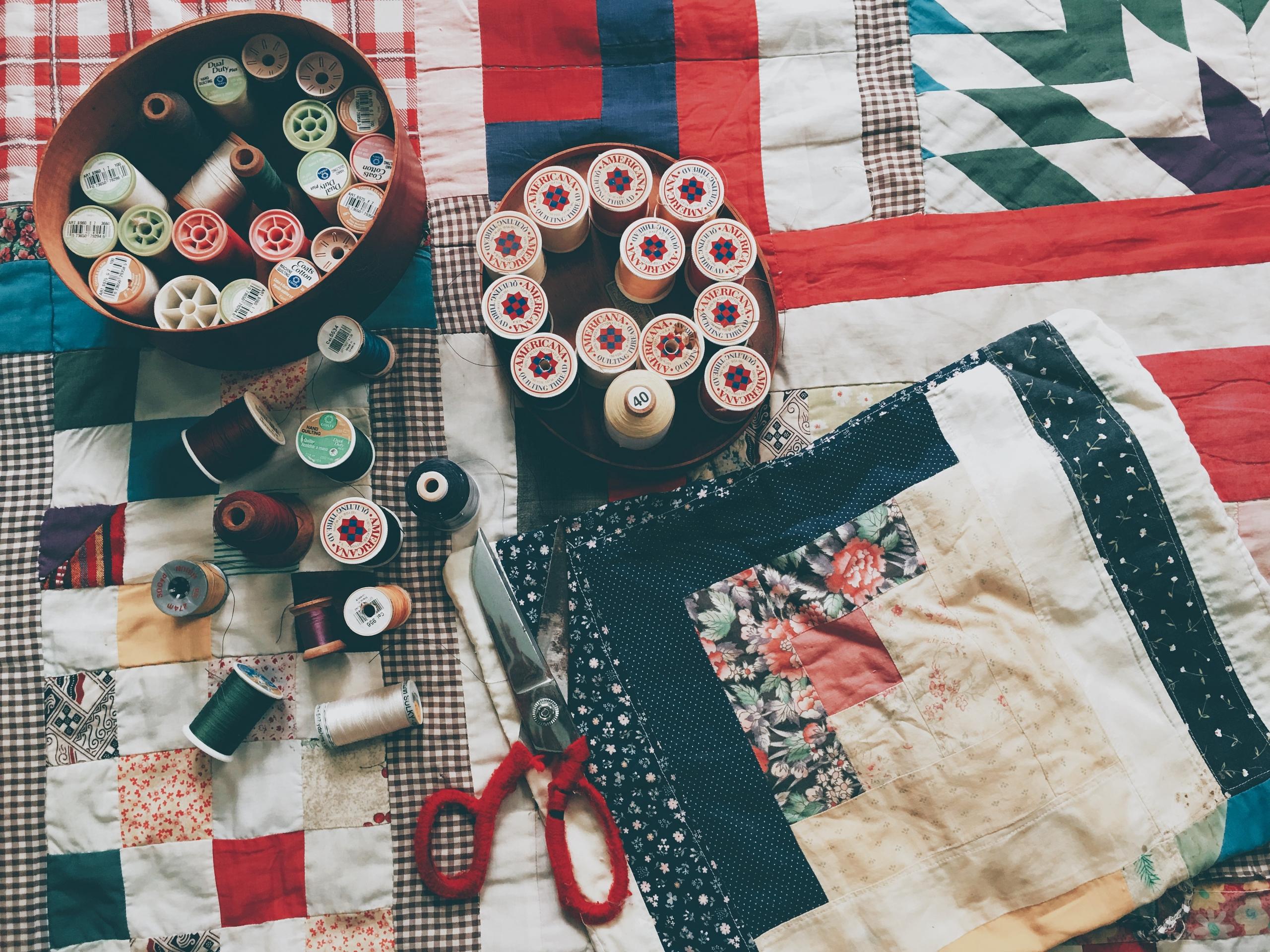
Did you read this subheading and think, what is pattern cutting? If so, you're not alone because most amateur sewists haven't been introduced to the term yet. Nonetheless, it's worth stating that pattern cutting or making is the creation of patterns or styles that have basic measurements and can be adapted to make unique clothing item designs.
Pattern cutting is when a design becomes a reality through drawing and cutting on fabric.
It's worth stating that pattern cutting is essential to the overall design of clothing for the following reasons:
- Pattern cutting makes things more efficient since both the designer and the manufacturer understand the measurements and specifications,
- Pattern cutting or making saves a lot of money since you know how things should fit and that prevents costly mistakes from occurring,
- Pattern cutting minimises waste because the fabric is utilised to its full potential by being cut in various pieces beforehand.
There are specific commonly used pattern cutting techniques in the clothing manufacturing industry. Such as? The following list highlights the "big three":
- Flat Pattern Drawing,
- Drafting,
- Fashion Draping.
Consult with a private tutor or watch YouTube tutorials to learn more about how the three previously mentioned pattern cutting techniques can be used by you when learning how to sew and design.
Also, since pattern cutting is an art that takes some time to get used to and hone, the following are a few tips and tricks that you might want to apply:
- Use pattern weights instead of pins,
- Use a rotary cutter,
- Overlap main pieces with pocket pieces so that the seam lines match up,
- Stack the main and lining fabrics to cut them both at once,
- Cut multiple garments at once instead of wasting time doing one at a time,
- Cut the larger pieces of the garment first,
- Have a few cutting sessions beforehand to hone your skills.
As we briefly stated, private sewing or fashion design instructor would be glad to show you all you need to know and more about learning the fundamentals of pattern cutting.
Alterations
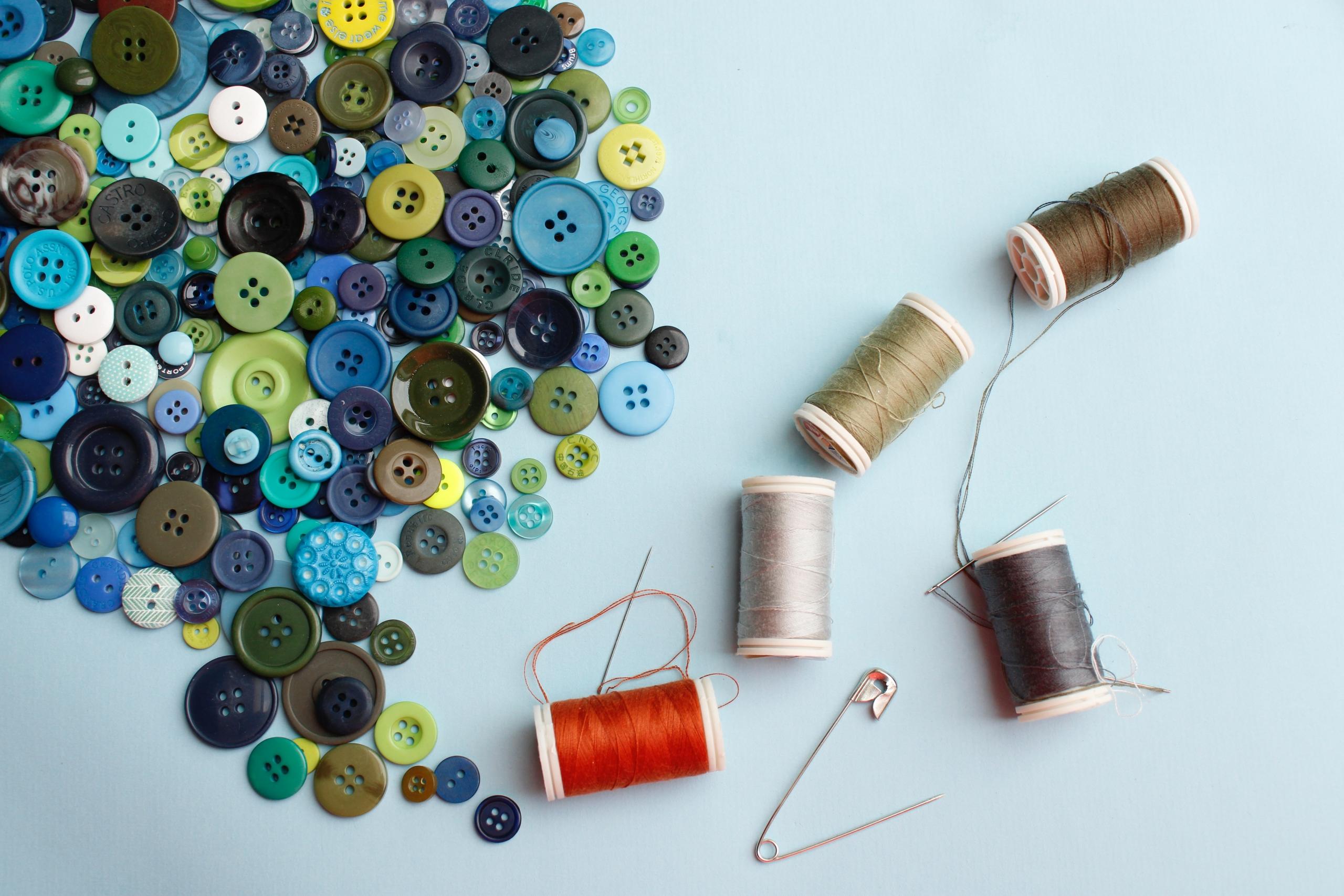
The term "alterations" in sewing stems from "alter", which means to change or modify something completely or insignificantly. When it comes to sewing, alterations suggest fixing or adjusting clothing items to make them fit better, look better, and last longer.
Learning more about alterations in sewing is a fantastic idea for the following reasons:
- Your clothes will be adjusted to more closely match your personality,
- You will be able to save money on clothing repairs since you'll be able to do them yourself,
- Through alterations and careful maintenance, your clothes, and those of your family, will last a great deal longer.
Since there are so many sewing techniques and pieces of clothing that need mending, it goes without saying that there are various types of alterations. Such as? The list below gives us an idea of what can be altered in the sewing room:
- Taking up hems or skirts or slacks,
- Letting out a waistband,
- Repairing seams,
- Shortening sleeves,
- Replacing a zipper.
Also, it goes without saying that albeit similar in specific ways, tailoring and alterations are entirely different. For instance, tailoring is completed to make sure clothing items fit a person perfectly and are pretty expensive. However, on the other hand, alterations are inexpensive fixes that are generally done to mend clothing that needs fixing.
To get better at alterations as a beginner, there are specific tips and tricks that you'll want to keep in mind, such as the following list:
- Get the right tools for sewing and essential alterations,
- Understand the fabric that you are working with,
- Know the limitations that you have as a beginner and don't bite off more than you can chew,
- Remember that you won't become a pro right away and that practice makes perfect.
To constantly stay "in the know" with all of the up to date sewing information and techniques for those who want to specialise in alterations, we highly recommend hiring a private tutor that can provide you with all the necessary assistance to succeed.
Find sewing classes here on Superprof.
Handbag Design
Do you love looking at handbags in the display windows at department stores wishing you had enough cash to buy them all? If so, you're probably like many people who have a passion for fashion and designer items. But did you know that it's possible to sew your handbags and purses? Many sewists in training have taken the time to fabricate custom made bags, and you can too!
Making your handbags is a brilliant idea for the following three reasons:
- It's cost-effective since you're not spending thousands of pounds on designer bags,
- You feel a sense of pride and accomplishment for having finished a bag that your friends can admire,
- You have the opportunity to practice your sewing techniques and try new methods.
However, before getting started, some essential sewing tools must be purchased by sewists, such as the items in the following list:
- Iron and pressing mat.
- Pins and pincushions.
- Shears that have bent handles,
- Scissors with straight handles,
- Needles for machine and handwork.
- Threads,
- Marking tools such as clothing chalk, water-soluble markers, and a silver pencil,
- Seam ripper,
- Rotary cutter,
- A sewing machine.
After the right tools have been bought, you're on your way to stitching yourself a new bag. But, what type of bag can I sew? In reality, the sky is the limit since there are so many different types of handbags and purses that designers can create. The list below mentions a few bags that sewists have made by following a template or design instructions:
- Handbag,
- Hobo bag,
- Tote bag,
- Duffle bag,
- Messenger bag,
- Backpack,
- Satchel,
- Wristlet,
- Pouch,
- Clutch,
- Beach Bag,
- Shoulder bag,
- Shopping/Grocery bag,
- Drawstring bag,
- Makeup bags,
- Phone bag,
- Baguette bags,
- Barrel Bag,
- Basket Bag,
- Fanny Pack,
- Kelly Bag,
- Lunch Bags.
To learn how to sew any previously mentioned bags, it's essential to follow guidelines. Thankfully, there are plenty of YouTube tutorials and blog posts that show sewing instructions. For instance, The Spruce Crafts site features a variety of bags that can be stitched together; take a look at their website.
In conclusion, by seeking the assistance of the many fashion design tutors on Superprof, you can learn to make various beautiful and unique items. Let's get sewing!
Find sewing classes near me here on Superprof.
test
Summarise with AI:
Did you like this article? Leave a rating!

 Loading...