


Did you know that poetry was an official Olympic event from 1912 to 1948, under the literature section? This initiative aimed to promote the importance of art alongside sports — celebrating the mind and body at the highest level regardless of culture and nationalities. However, the history of poetry stretches far beyond this timeline, encompassing a rich and diverse heritage across regions and genres, with our country contributing remarkable poetic talents to this legacy.
Different poetry genres over the years
- Early poetry and Classical poetry
- Renaissance and Romantic poetry
- Modern poetry
- Slam poetry
- Instapoetry


Storytelling of Unique Cultures: History of Early Poetry
Poetry existed before the creation of writing texts, it took the form of various oral traditions that were used to remember history, genealogy, law or tell stories. Depending on the culture, the oral tradition differed but remained recited or sung, making poetry a verbal art.
Early poems in the Eurasian continent evolved from folk songs, such as the Chinese Classic of Poetry — Shijing (诗经), as well as religious hymns such as the Sanskrit Rigveda; or the Egyptian Story of Sinuhe.
Originating as an oral tradition that later evolved into written expression, early poetry is often embedded with elements of music and performance for different occasions due to its rhythmic form and structure.
🎵Elements of music
- Expressed through hymns, chants, and prayers
- Memorization of important facts and instruction, including love songs
- Emphasises repetition of phrases in units
🎭Elements of performance
- Spiritual, religious, educative, or political purposes
- Dominant in African culture through theatrics (dramatic expressions)
- Application of musical instruments and acting as an accompaniment to the poetry rhythm
Some of the earliest poetry is found in Africa among the Pyramid Texts, written during the 25th century BCE. The earliest surviving Western Asian epic poem, Epic of Gilgamesh, was written in Sumerian in Mesopotamia.
The advent of writing enabled scribes and bards from China, Mesopotamia, Egypt, and Mesoamerica to write down the odes, Vedas, legends, and myths that existed in their cultures for thousands of years. Through writing and oral traditions, language could develop and poets and storytellers could further recite or write new legends and tales.
Exploration of Civilisations: History of Classical Poetry
The classical poetry period was a testament to the advent of various civilisations such as the Greek, Roman, Chinese, and Arabic. The introduction of various writing systems enabled philosophers, thinkers, and poets to seek and determine what poetry is and what distinguishes good poetry from poor poetry.
The word "poetry" is derived from the Greek word poiesis which means making. It is a form of literature that evokes a concentrated awareness of an imagined experience or a specific emotional response through language chosen and arranged for its meaning, sound, and rhythm.
In Greece, Aristotle introduced the concept of poetics or the study of the aesthetics of poetry where he developed rules to distinguish the best poetry in three different genres based on the perceived underlying purposes of the genre — the epic, the comic, and the tragic. Classical Greek poetry often centres around heroic characters, mythology beliefs, and divinity with long narratives.
In Rome, classical poetry was very much influenced by Greek literature in the beginning. With the rise of the Latin world during that period, their poetry often featured themes like love, duty, political affiliations, satire, and passion which reflected the cultural and artistic values of the Roman civilisation.
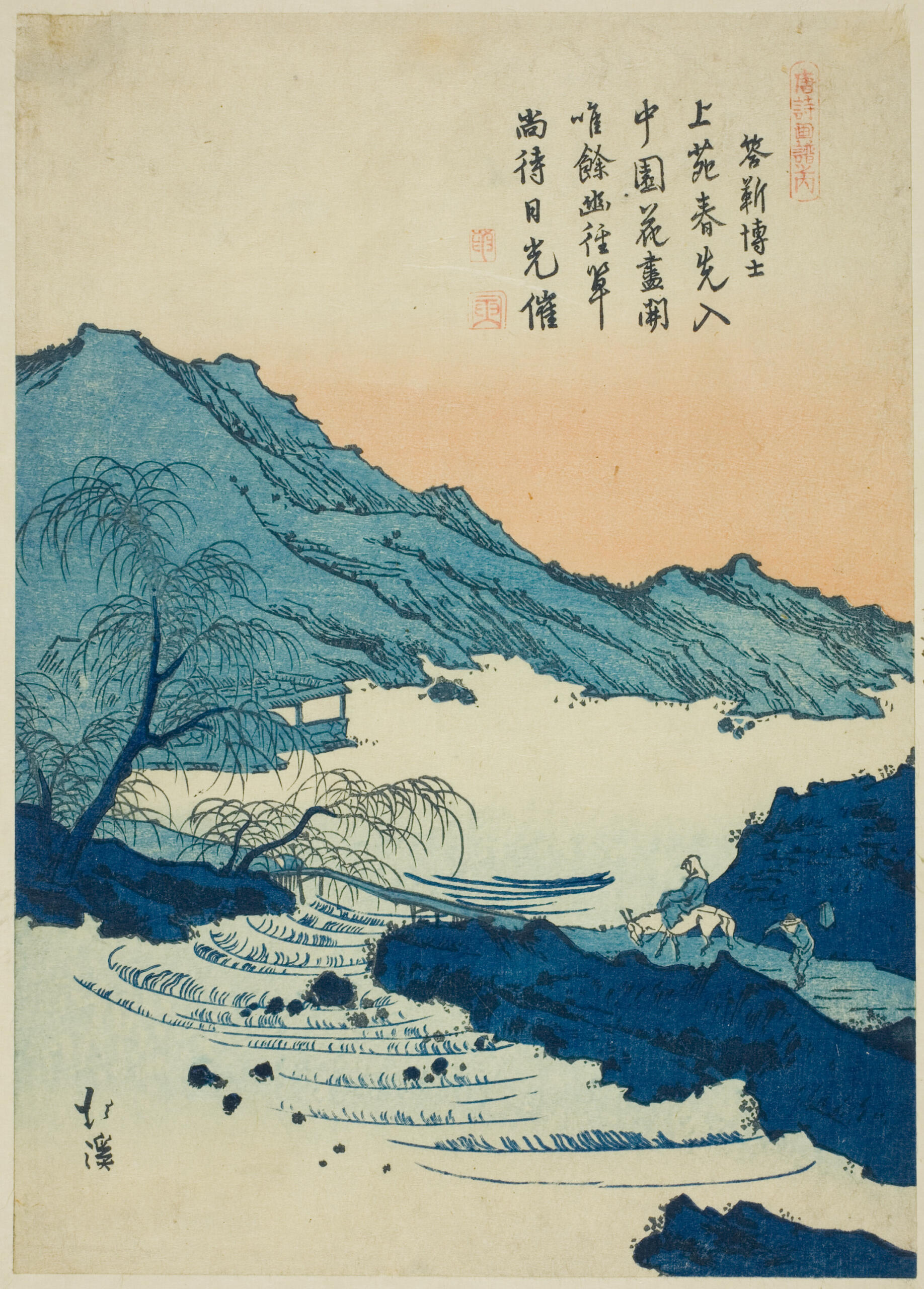
Moving to the East, Chinese classical poetry has its own set of forms and structures. Granted that the Chinese writing system has a wide range of characters alongside the distinctive four-tonal pronunciation, most of their poetry follows a regulated verse with rhythmic precision.
Written in Chinese calligraphy and often occupied with paintings, their poetry themes often revolve around nature, sceneries, and Confucian ideals after Confucius, a famous Chinese philosopher.
Finally, Arabic classical poetry is written and recited in Arabic. It is usually written in the form of couplets (a pair of successive lines) where there is a repetition of rhymes throughout the poem. Their central themes include a great focus on the desert life, their faith in God especially as Muslims, and loyalty. Refer to the table below for the key characteristics of these four classical poetry.
| Classical Poetry | 🌿Greek | ⚔️Roman | 🏮Chinese | 🐪Arabic |
|---|---|---|---|---|
| Major Themes | Heroism, Mythical beliefs, human strugles, tragedy | Love, passion, satire, politics | Nature, Confucious ideals like societal harmony, self-reflection | Devotion to God, loyalty, desert life |
| Notable works | The Odyssey by Homer Medea by Euripides | The Aeneid by Virgil Odes by Horace | Spring View by Du Fu, Quiet Night Thought by Li Bai | The Lion by Al Mutanabbi The Guest House by Rumi |
Transitional & Emotional Sentiments: History of Renaissance and Romantic Poetry in English Literature
If there are two major hallmarks of the poetry scene in the United Kingdom, it would be English poetry during the Renaissance era (14th to early 17th century) and the Romantic era (late 18th century to mid 19th century). Of course, both eras were art and intellectual movements with distinctive characteristics that dominated Europe during that timeline, leading to the rise of our very own Renaissance and Romantic poets in the country.
14th century
Beginning of the Renaissance in Italy and later high Renaissance in the 15th century. Dante Alighieri came out with the masterpiece, Divine Comedy.
16th century
Spread of Renaissance to England. Famous examples of Renaissance poetry include Shakespeare's Sonnets and The Faerie Queene.
19th century
The beginning of the Romantic Era challenged the ideas of the Enlightenment. Notable examples of Romance poetry include Lyrical Ballads and Ode to a Nightingale.
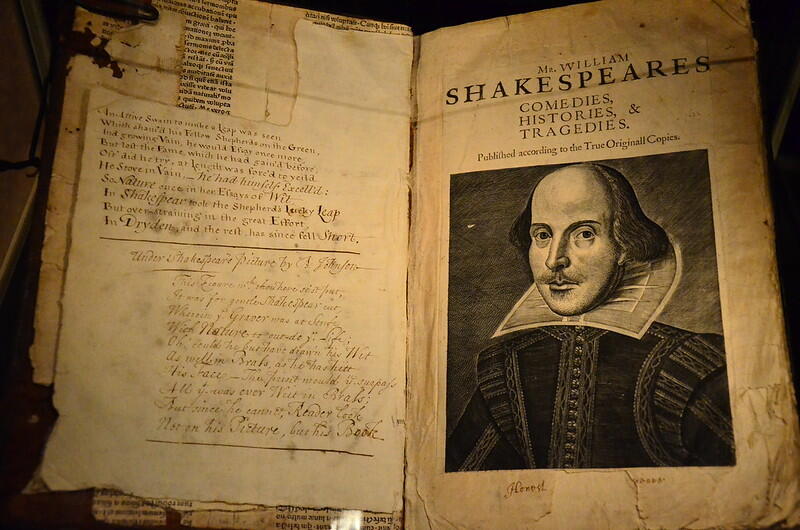
When we talk about representative English poets from the Renaissance and Romantic periods, two names come to mind. Here's a hint: They both share the same first name. Any guesses? Yes, we are referring to William Shakespeare and William Wordsworth.
One of Shakespeare's most famous contributions to the world of poetry is notably the English sonnets, which he adapted from the Petratchan (Italian) sonnet. An English sonnet has a 14-line structure, with a specific rhyming scheme ABABCDCDEFGG, followed by a rhymed couplet.
Like Shakespeare, Wordsworth was also a revolutionary figure who experimented with different themes and poetic forms. He often uses elements of nature, and strong emotions in the form of short narrative poems.
Sonnet 18 by William Shakespeare
| Shall I compare thee to a summer's day? (A) Thou art more lovely and more temperate: (B) Rough winds do shake the darling buds of May, (A) And summer's lease hath all too short a date: (B) Sometime too hot the eye of heaven shines, (C) And often is his gold complexion dimm'd; (D) And every fair from fair sometime declines, (C) By chance or nature's changing course untrimm'd; (D) But thy eternal summer shall not fade (E) Nor lose possession of that fair thou owest; (F) Nor shall Death brag thou wanderest in his shade, (E) When in eternal lines to time thou growest: (F) So long as men can breathe or eyes can see, (G) So long lives my love, and my love lives on thee. (G) |
Daffodils by William Wordsworth
| I wandered lonely as a cloud That floats on high o'er vales and hills, When all at once I saw a crowd, A host, of golden daffodils; Beside the lake, beneath the trees, Fluttering and dancing in the breeze. Continuous as the stars that shine And twinkle on the milky way, They stretched in never-ending line Along the margin of a bay: Ten thousand saw I at a glance, Tossing their heads in sprightly dance. The waves beside them danced; but they Out-did the sparkling waves in glee: A poet could not but be gay, In such a jocund company: I gazed—and gazed—but little thought What wealth the show to me had brought: For oft, when on my couch I lie In vacant or in pensive mood, They flash upon that inward eye Which is the bliss of solitude; And then my heart with pleasure fills, And dances with the daffodils. |
Experimental &Thought Provoking: History of Modern Poetry
During the first half to the mid-half of the 20th century, society back then was very much influenced by their surroundings where their worldviews were gradually shaped by the World Wars and the beginning of the Industrial Revolution. People were sceptical about the notion of progress and new technological advances but somehow came to accept them instead of holding on to traditional values.
This new worldview led to a new literary phase where traditional forms of poetry were also being challenged and even rejected — opening the door to new forms of poetry. Some new poets and literary theorists even questioned the purpose and meaning of traditional poetry and prose. This marked the new era of modern poetry.
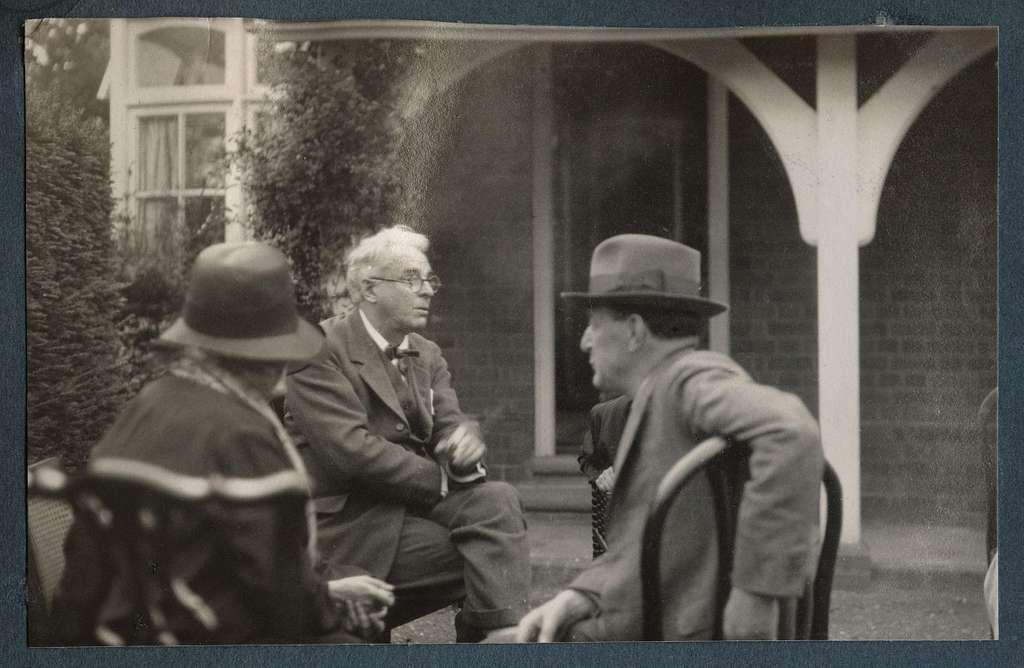
Poets like William Butler Yeats and Rainer Maria Rilke are often credited with initiating a new departure in poetry through movements such as Imagism and Symbolism. Others argue that figures like Thomas Hardy, Ezra Pound, T.S. Eliot, Wallace Stevens, and E.E. Cummings were also pivotal in shaping the modernist poetic period.
Two literary movements that contributed to modern poetry. Imagism revolves around straightforward concise imagery description while symbolism revolves around an abstract exploration of ideas with a layered description.
These poets collectively explored new approaches to language, structure, and meaning in their work. Modernist poets, in particular, emphasized a distinction between the creative act of crafting poems with language and other forms of artistic creation in different media. Modern poetry often features free verses which explore abstract ideas like alienation, individualism, and changes in society.
April is the cruellest month, breeding
Poem: The Waste Land (excerpt) by T.S. Eliot
Lilacs out of the dead land, mixing
Memory and desire, stirring
Dull roots with spring rain.
Stage and Digital Expression: History of Slam Poetry and Instapoetry
As we move into the late 20th century, a new branch of modern poetry emerged: slam poetry. Combining the oral traditions of poetry's origins with a free-flowing word structure, slam poetry stands out as a unique form of performance poetry.
One of the key figures in the slam poetry world is Marc Smith who popularised this practice of spoken word poetry in front of a live audience at open mic events, and jazz lounges. Slam poetry thrives on audience engagement, performance, and the idea of breaking literary barriers in terms of themes and academic backgrounds. This later became a national movement among aspiring poets in America and a global movement in other countries. In the UK, Apples and Snakes is an organisation that regularly organises slam poetry events.
Now, we have reached the 21st century. The history of poetry continues to evolve with the rise of both popular culture and visual culture during the 2010s — this is where digital media comes in. The diversity of genres and flexibility of media to create poetry has allowed Instapoets to emerge with social media. These poems are written specifically to be shared online on different platforms such as Instagram, TikTok, Tumblr, and Twitter. They are usually short poems in a very aesthetically pleasing graphic.
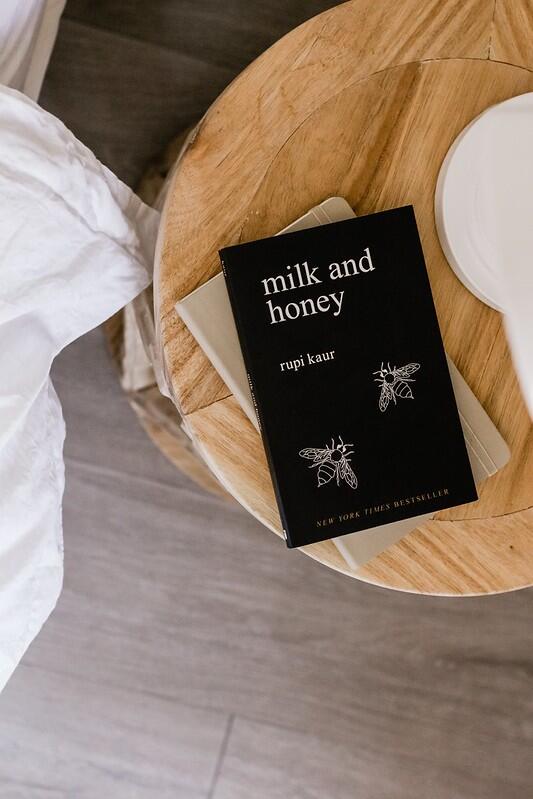
Some of the famous Instapoets include Lang Leav, Rupi Kaur, Atticus, Yung Pueblo, and Charly Cox. By sharing their poetry online, many of them eventually received offers to publish their work in books due to high audience engagement and emotional resonance, especially among the digital-savvy generation.
For instance, Canadian poet and illustrator, Rupi Kaur, one of the key figures to popularise the Instapoetry style published Milk and Honey in 2014, which became a global bestseller.
Thinking of taking your love for poetry to the next level? Connect with a poetry tutor at Superprof today to learn about the history of poetry, the different genres of poetry, and how to craft poetry which reflects your utmost passion.
Poetry is the spontaneous overflow of powerful feelings: it takes its origin from emotion recollected in tranquility.
William Wordsworth
Summarise with AI:
Did you like this article? Leave a rating!


 Loading...
Wow! It is so informative. It helped me in my research homework from school. Thank you for sharing such interesting information with us.
Hi Elaisha! Thanks for the positive feedback, much appreciated!
I think it is an amazing website to receive information about almost everything. So I would like to thank superprof. 5 stars to you all