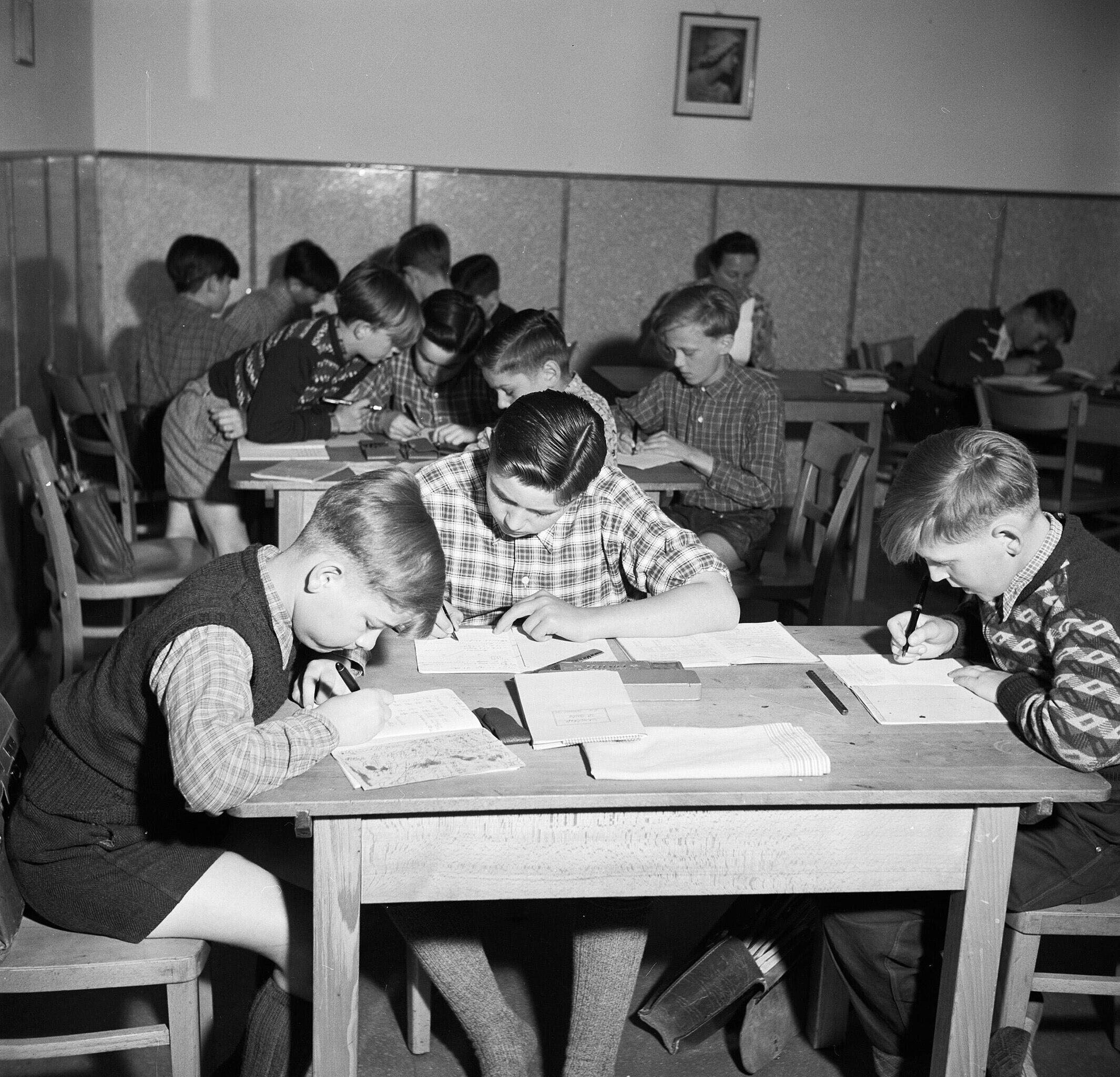

Homework is essentially a universal experience for students. No matter where you go in the world, if there is formal schooling, there is likely to be some form of take-home assignment. The differences lie in the type and the quantity of homework. What areas of the world assign the most homework? The least? And what can we learn from these places? Find out more about cultural attitudes towards homework and its effects on students.


Homework Culture Around the Globe
The first thing to consider in this comparison is that every society has a completely different cultural history informing its attitudes towards school, homework, and everything involving those topics. It’s impossible to include all the context in this simple article, so further independent research is required if you want to know more about the ‘how’ and ‘why’ of a particular country’s process.
For now, just remember that making international comparisons for something this nuanced means that it’s tough to draw solid conclusions from data due to cultural influences.
Also, remember that homework and school systems saw an upheaval during the pandemic, so some data may be outdated. As things settle in the coming years, there will be more solid conclusions to draw from the new ways schools and students are behaving in the wake of having the education system completely disrupted.
So, how much homework do other countries assign, and how does it affect their students?
Average time spent per week
Average time spent per week
Countries With the Most Homework
| Country | Avg. Hrs of Homework Per Week |
|---|---|
| China | 13.8 |
| Russia | 9.7 |
| Singapore | 9.4 |
| Kazakhstan | 8.8 |
| Italy | 8.7 |
It’s no surprise that China, the country notorious for stories of students and employees overworked to their breaking points, is the leader by far in homework, with an average of 13.8 hours per week.6 This figure is mostly limited to a survey of the Shanghai area, where the most competitive schools and jobs are. Singapore is close behind, with a similar culture of intense academics.
Russia and Kazakhstan have a history of rigorous academic expectations, especially in math and science.2 Russia’s history was an inciting event in the 20th century, prompting the United States to increase the homework load and educational rigour in schools (which has since relaxed somewhat).
An outlier in Western Europe, Italy has a rather intense approach toward education in terms of subjects and homework, as well as after-school studies.3
The 2007 Trends in International Maths and Science Study (TIMSS) survey found that 93% of Year 4 children are regularly assigned homework. Only 7% never or rarely have homework.
Does More Homework Mean Better Grades For These Students?
In short, no, it doesn’t really seem like more homework means higher success for students. While those in Singapore and China may get some higher scores, it’s more likely because they have more rigorous schooling in general, not because they get more homework.5
East Asian countries have a culture that highly prioritises education, viewing it as an essential pillar in life that denotes a person’s social status. It’s seen as a way out of poverty for poor families and a necessity to retain a family’s success in wealthier families. Students often enrol in cram schools and coaching, in addition to their normal studies and homework load.1
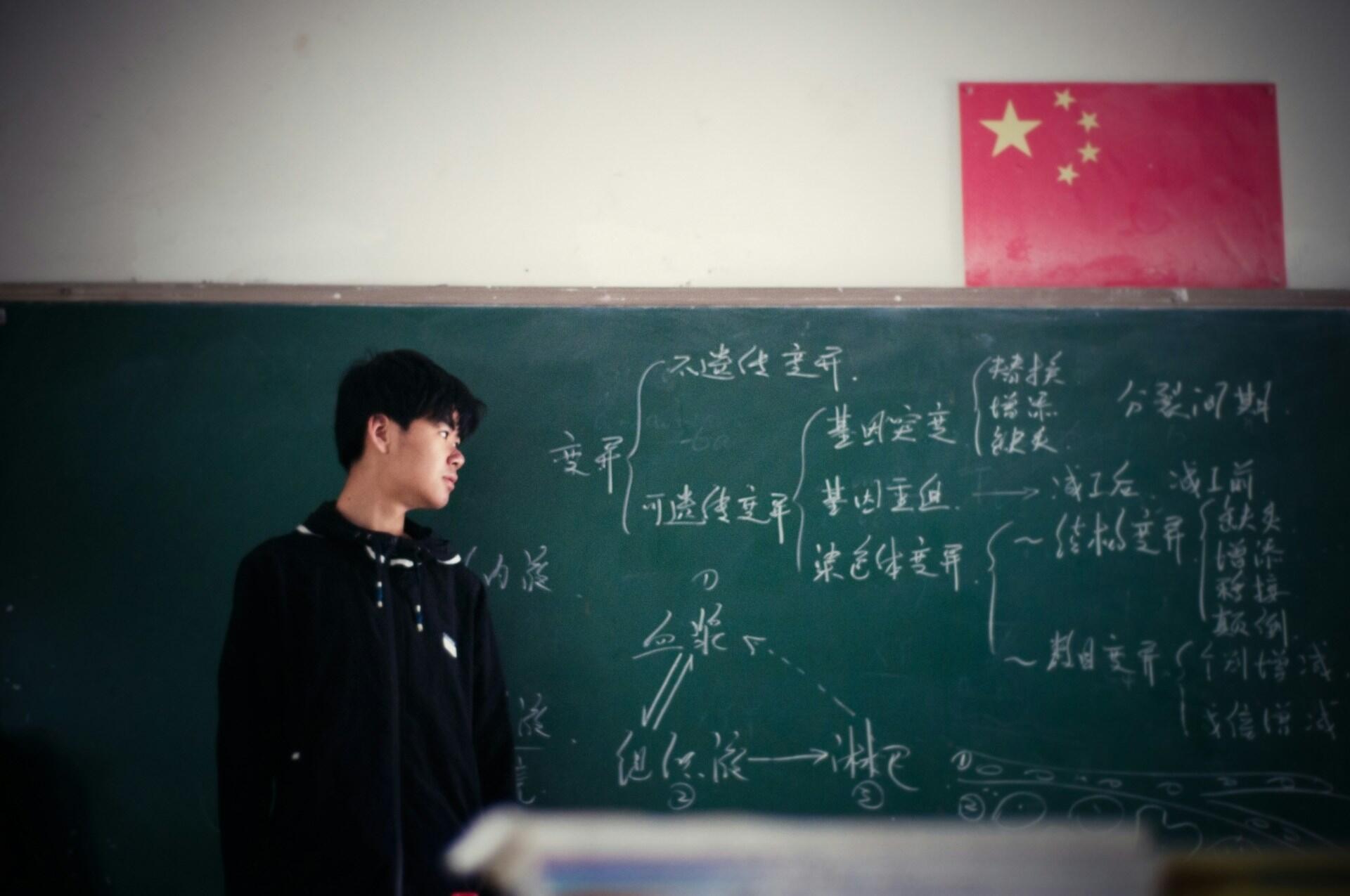
While the test scores there (especially for international assessments like the Program for International Student Assessment (PISA)) are consistently high, the toll it takes on the students seems disproportionate. Unfortunately, there is a very cemented culture of extreme educational competition, which is proving extremely difficult to change. In fact, there is a concerning pattern being observed, particularly in China, where students are being moulded to value quantity over quality. Due to the extreme competition in academics and the workforce, they are forfeiting more interesting or challenging courses in favour of safe classes that guarantee a high GPA and failing to develop unique ideas, instead trying to people-please their way through life.
Russia, and many other countries with high study and homework rates, such as the UAE, Greece, and the USA, actually see average to less-than-average scoring on assessments, even when compared to countries like Finland, which have the least amount of homework.5 Italy also sees such results, to a lesser extent.
Countries With the Least Homework
| Country | Avg. Hrs of Homework Per Week |
|---|---|
| China | 13.8 |
| Russia | 9.7 |
| Singapore | 9.4 |
| Kazakhstan | 8.8 |
| Italy | 8.7 |
Finland is world-famous for “banning” homework, but actually, they just assign homework with discretion. Teachers are trusted to decide how many and what types of assignments to give to their students, which ends up being under 3 hours per week for older students.
South Korea is a somewhat misleading statistic; while they also have a low homework rate, a high percent of students self-study, and attend private tutoring and cram/prep schools. So, while schools may not be assigning much homework in South Korea, students are completing many more hours of in-class work and participating in self-assigned work as well. Japan has a similar model. Both of these countries are associated with similar cultural attitudes found in China and Singapore.
Like many places in Western Europe, Germany and the UK take a more balanced approach, believing that students should have a reasonable amount of schoolwork, but that they should also have time for things like sports, social life, family time, and rest. As it is, there are some debates, particularly in the UK, about reducing homework even more.
said they were "always or often" stressed about homework
Does Less Homework Mean Worse Grades For These Students?
Not at all!
Finland, specifically, consistently ranks near the top for assessments like the PISA test. The key is high-quality in-school education which emphasises critical thinking and confidence, paired with self-directed study and a healthy lifestyle. Homework is used sparingly and always serves a purpose.
Japan and South Korea typically score well, but this is likely in large part because of their additional schooling lessons.
In Germany and the UK, the correlation is not clear. Scores differ across the countries, with the influencing factors more likely to be things like the quality of the school and socio-economic circumstances, rather than the amount of homework given. Overall, scores tend to range from below average to slightly above average.
Changing Attitudes About Homework Globally
The world is undergoing a quiet homework revolution, as countries and schools begin rethinking long-standing practices. In Ireland, President Michael D. Higgins sparked debate in 2023 by suggesting a homework ban, prompting wider conversations about outdated policies.
Similar debates are happening in the US, Australia, and parts of Europe, where concerns about student health, equity, and well-being fuel calls for reform. Advocates emphasise limiting homework and ensuring it is high-quality and relevant. For younger children, activity-based tasks are seen as healthier and more effective.
Several Asian nations are also reconsidering traditional approaches. China’s “Double Reduction” policy aims to cut back on excessive homework and tutoring, though cultural pressures limit its impact. In South Korea, growing awareness of the harms of long self-study hours is driving efforts to promote balance. India, where a large percentage of students often face 3–4 hours of homework daily, is making gradual changes through the 2020 National Education Policy, which seeks to reduce academic burden.8
Across the globe, educators, policymakers, and parents are beginning to agree: traditional homework practices no longer serve students well and must evolve to support healthier, more balanced learning.

Homework Differences in the UK
The UK looks like a single education system from the outside. It isn't — and the ways it divides up matter enormously for how homework lands on any given child.
There are four separate national systems, a state sector split between selective and non-selective schools, a fee-paying sector operating on entirely different homework conventions, and attainment gaps that vary sharply by region, income and need. A homework policy that works well in one of these contexts can be actively harmful in another.
Here's a quick, non-exhaustive look at the factors that shape homework across the UK.
Four Countries, Four Systems
Education is devolved. England, Scotland, Wales and Northern Ireland each set their own curriculum, assessment and inspection arrangements, so there is no UK-wide homework practice to describe.
Even within England, decisions sit closer to individual schools than most parents assume. As of January 2026, 83.9% of secondary schools in England were academies or free schools, educating 83.6% of secondary pupils, alongside 48.8% of primary schools.9 Academies set their own policies. In practice this means homework expectations can differ substantially between two schools a few miles apart, within the same town.
Academic Selection Creates Its Own Homework Culture
This is the UK's most distinctive structural feature when it comes to homework, and it lands hardest on primary-age children.
Northern Ireland abolished the state-run 11-plus in 2008, but academic selection continued: grammar schools set their own entrance tests, splitting into two competing systems until a common transfer test was introduced in 2023. That test is now run by the Schools' Entrance Assessment Group, and all 63 post-primary schools in Northern Ireland that use academic criteria for Year 8 admission are members.10 Pupils sit it in P7, at around age ten or eleven.
Because places are competitive, preparation typically starts a year or more earlier, in P6. For families pursuing a grammar place, that means a sustained programme of practice papers and tutoring layered on top of normal primary schoolwork — at precisely the age when the rest of the UK is reducing primary homework. Parts of England with retained grammar schools see a similar pattern around the 11-plus.
The equity objection is longstanding: preparation is easier to sustain for families with money and time, which is why critics argue selection entrenches advantage rather than rewarding ability. Whatever position you take on selection itself, it plainly reshapes what "age-appropriate homework" means in the areas that use it.
The Attainment Gap Homework Can Widen
Around 25.7% of pupils in England were eligible for free school meals in January 2025 — roughly 2.2 million children.9 The gap between those pupils and their peers is well documented and grows with age.
Education Policy Institute analysis found that in 2024 disadvantaged pupils were 4.7 months behind their peers by the end of reception, 10 months behind by the end of primary, and 18.6 months behind by the time they sat GCSEs.11
For pupils with special educational needs, the gaps are wider still. Those with an Education, Health and Care Plan were 27.2 months behind by the end of primary and 39.6 months behind at GCSE, while pupils on SEN support were 16.8 and 21.8 months behind respectively.11
Geography compounds it. London consistently shows the narrowest disadvantage gaps across every phase of education, while the East of England, North West and Yorkshire and The Humber had the widest gaps at age five in 2024. In some local authorities the gap at GCSE exceeds two full years.¹³
This is the context homework enters. Assignments are set on the assumption that pupils go home to broadly comparable conditions, and these figures describe how far from true that is before any homework is set at all.11
By the time they sit GCSEs, disadvantaged pupils in England are on average 18.6 months behind their peers — a gap that starts at 4.7 months before they even leave reception. For pupils with an Education, Health and Care Plan, the gap at GCSE reaches 39.6 months.¹¹
This is the context homework enters. Assignments are set on the assumption that pupils go home to broadly comparable conditions, and these figures describe how far from true that is before any homework is set at all.
There's also a mechanism worth flagging. EPI found that absence is a major driver of the gap: if disadvantaged pupils attended school at the same rate as their peers, the GCSE gap would be more than four months smaller.¹⁴ Pupils who miss school are the same pupils most reliant on being able to catch up at home — and least likely to have the conditions to do it.
State and Independent Schools Set Homework Differently
Around 6% of UK schoolchildren are educated in independent schools.13 The distinction matters here because the fee-paying sector's homework conventions are structurally different rather than simply heavier.
"Prep" in many independent schools is done on site, in supervised study periods, with teaching staff available — and for boarders, almost entirely so. The same nominal volume of homework is a different experience when it happens in a quiet room with a subject teacher on hand, rather than at a kitchen table with no one to ask.
That distinction is easy to miss in a comparison of homework hours, because the hours look similar. What differs is the support wrapped around them.
Ways to Reduce the Gaps
Approaches used across UK schools to stop homework compounding existing disadvantage include:
- Running homework clubs or supervised study sessions so pupils have a quiet space, resources and adult help
- Lending devices and providing connectivity for pupils who lack them at home
- Setting age-appropriate loads, particularly at primary, and resisting the pull of selective-entry preparation as a default
- Communicating clearly with parents about what has been set, rather than assuming they can teach the material
- Designing homework that doesn't depend on resources some households don't have
- Treating persistent non-completion as a signal to investigate circumstances rather than as a behaviour problem to sanction
What We Can Learn From Countries Like Finland
In light of Finland’s particular success with little homework and high-achieving students, there are a few lessons we can learn and apply to school systems around the globe.
With careful consideration for existing systems and attitudes, policymakers can help steer their schools towards more efficient futures. Every school, every classroom, and every student is different. Therefore, it’s important that schools, teachers, and parents are all able to collaborate about what works best for their students each year.
Quality Over Quantity
Perhaps the most obvious and important lesson, avoiding assigning poorly-designed homework assignments is the first priority. Homework should have a clear purpose. Take-home assignments that are easy but time-consuming, overly complicated and therefore demoralising, or don’t actually help students learn or reinforce their knowledge, do more harm than good. Students’ time is better spent on things like hobbies and activities, family time, self-directed learning, work (for high school students), and rest.
Alternative homework is a good option, especially for younger students.
Emphasis on Classroom Learning
Most of a student’s learning comes from the classroom, not from homework assignments. Schools should focus on how to make lessons as effective as possible, which can be a difficult task for many schools. The wide variation in teacher quality and student-body attitudes makes it impossible to have a one-size-fits-all, foolproof way of creating a perfect classroom. It’s not an easy task, but it’s one that needs a lot of research and attention.

Students Are Children and Need Rest
All students from K-12 are children, even if, at older ages and by some measures, they are legally considered adults. Younger children especially need to have time for crucial development activities like play, exploring, and socialising. All students need ample sleep and rest. Overworked students suffer in every single aspect of life, including academically.7 Too much homework is counterintuitive for student success.
Adaptation and Experimentation Are Linchpins
School systems, teachers, parents, and students all need to be open to trying new ways of learning and making changes as needed. Finland gives full trust and discretion to its teachers. This attitude of trust is reciprocated between educators, parents, and students, allowing all parties to be able to make suggestions and decisions that can help everyone.
Instead of rigidity, allowing organic class-specific policies to develop can help ensure better outcomes.
Like many things, we can learn a lot about homework and education techniques from our friends across the globe. In this new era of technology and changing societies, schools everywhere must evaluate their approaches.
References
- aini (2023). Why Chinese Students study so hard. In YouTube. https://www.youtube.com/watch?v=RDkTgc1SeYU
- Children are so tired of homework that they only want to eat and sleep. Why is such education ineffective? (n.d.). In A Russian Orthodox Church Website. https://www.pravmir.com/children-are-so-tired-of-homework
- Education at a Glance 2024 – Country notes: Italy. (2024). In OECD. https://www.oecd.org/en/publications/education-at-a-glance-2024-country-notes_fab77ef0-en/italy_c46299a8-en.html
- Homework: How much is too much? (2015). In Times Colonist. https://www.timescolonist.com/life/homework-how-much-is-too-much-4623340 internationalednews. (2014).
- OECD report on homework. In International Education News. https://internationalednews.com/2014/12/17/oecd-report-on-homework
- Joyce Chepkemoi in Society. (2017). Countries Who Spend the Most Time Doing Homework. In WorldAtlas. https://www.worldatlas.com/articles/countries-who-spend-the-most-time-doing-homework.html
- Why Homework is Bad: Stress and Consequences. (2019). In Healthline. https://www.healthline.com/health-news/children-more-homework-means-more-stress-031114
- www.ETEducation.com. (n.d.). From copying books to creative assignments: How homework in Indian schools is changing. In ETEducation.com. https://education.economictimes.indiatimes.com/news/school-education/from-copying-books-to-creative-assignments-how-homework-in-indian-schools-is-changing/123761286
- Schools, pupils and their characteristics. (2026). In Department for Education, Explore Education Statistics. https://explore-education-statistics.service.gov.uk/find-statistics/school-pupils-and-their-characteristics
- FAQs. (n.d.). In Schools' Entrance Assessment Group (SEAG). https://seagni.co.uk/guidance-for-parents/faqs
- Annual Report 2025. (2025). In Education Policy Institute. https://epi.org.uk/annual-report-2025
- Hunt, E., Tuckett, S., Jiménez, E., & Robinson, D. (2025). Breaking down the gap. In Education Policy Institute. https://epi.org.uk/publications-and-research/breaking-down-the-gap
- Research in the independent school sector. (n.d.). In Independent Schools Council. https://www.isc.co.uk/research
Summarise with AI:
Did you like this article? Leave a rating!

 Loading...