
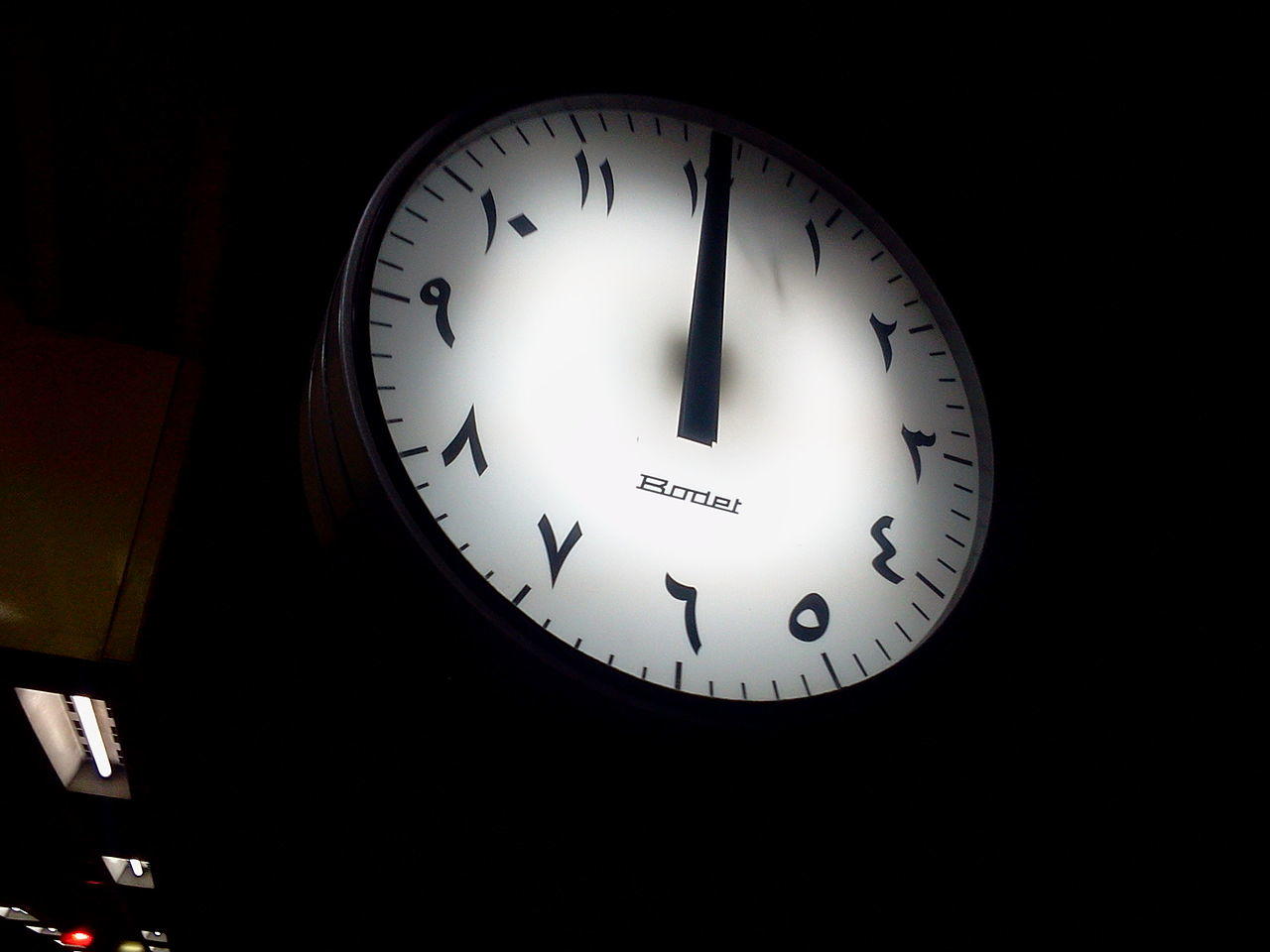

Are you wondering how to convert Arabic numbers to English, or just how to start counting in Arabic? Arabic numbers are a fundamental part of our everyday lives, and understanding how to read and write them is essential.
| Number | Arabic Numeral | Numbers of Arabic | Pronunciation |
|---|---|---|---|
| 0 | ٠ | صفر (sifr) | |
| 1 | ١ | واحد (wahid) | |
| 2 | ٢ | اثنان (ithnan) | |
| 3 | ٣ | ثلاثة (thalatha) | |
| 4 | ٤ | أربعة (arba'a) | |
| 5 | ٥ | خمسة (khamsa) | |
| 6 | ٦ | ستة (sitta) | |
| 7 | ٧ | سبعة (saba'a) | |
| 8 | ٨ | ثمانية (thamaniya) | |
| 9 | ٩ | تسعة (tis'a) |







What Are Arabic Numbers?
Arabic numerals are more accurately known as Hindu-Arabic numerals, as they were originally imported from India. These numerals consist of 10 symbols representing the numbers 0 through 9. Although Arabic is written from right to left, Arabic numerals are read and written from left to right, as in English and other European languages. For example, the number 10 is represented as ١٠, with the digits arranged left to right.
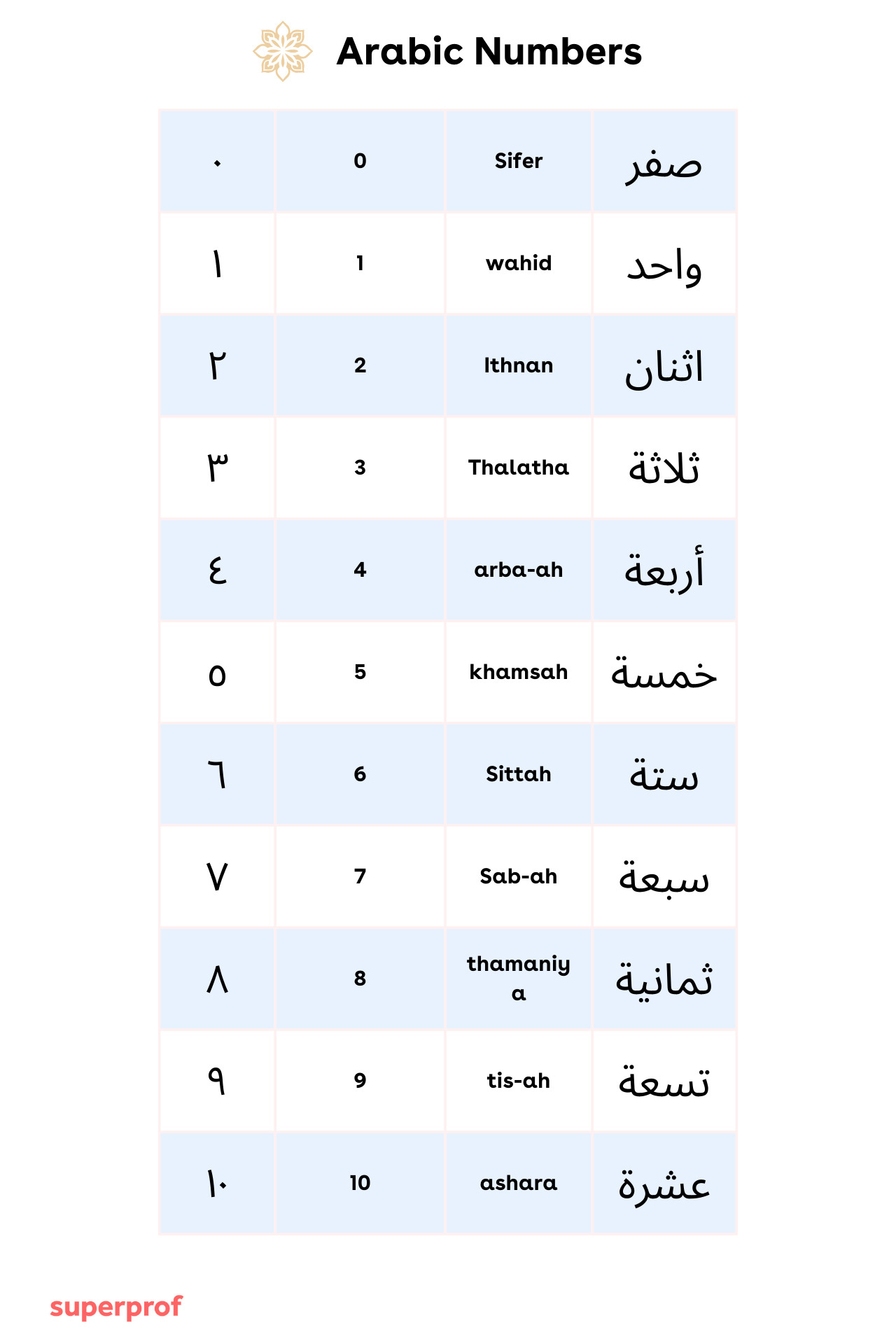
In Arabic, each digit has a unique symbol, and it's important to memorise these symbols in order to count in Arabic.
- The Arabic numerals are symbols used for numerical representation (0 to 9).
- The Numbers of Arabic in the table below are the spoken words for the numbers (zero to nine) in the Arabic language. These words are used in speech and writing when representing quantities or counting.
Almost 300 million people are considered native Arabic speakers, 420 million if you include all the people who use it as a second language, and one billion if you count all the Muslims who consider it a sacred language.
Understanding the Arabic Number System
The Arabic number system is based on the Hindu-Arabic numeral system, which includes ten digits: 0, 1, 2, 3, 4, 5, 6, 7, 8, and 9. However, Arabic numbers are written from left to right, which can be confusing for those used to writing from right to left. It's important to familiarise yourself with the Arabic number system when studying Arabic.
All numbers in Arabic are constructed from the digits ٠ to ٩. Once you master these and understand how to combine them, you can read and say any number, no matter how big! These digits are called Western Arabic numerals and are used globally.
In Which Direction Do You Read Arabic Numbers?
French, Spanish, English, German, and many other languages are read from left to right, as you already know. This often turns into one of the first stumbling blocks for Arabic students as they work on learning Arabic and the Arabic alphabet. And this is because the Arab language is read from right to left.
Even though Arabic script is read right to left, Arabic numbers are written and read left to right, just like in English. This is due to their Indian origins and the need for consistent arithmetic processing. For example, the number 247 is written as ٢٤٧ and read starting from the left.

Arabic is a Semitic language, which we would say is sinistro (from the Latin for left) verse, in contrast to many other Indo-European languages, which are generally read from left to right and are dextroverse.
Why Do We Say Arabic Numerals?
You’ve almost certainly heard of Arabic numerals before. We commonly say it in English because the numbers we use are originally from Arabic. Even if we also use Roman numerals. But are our numbers really already the same as in Arabic? It would mean there isn’t too much to learn…
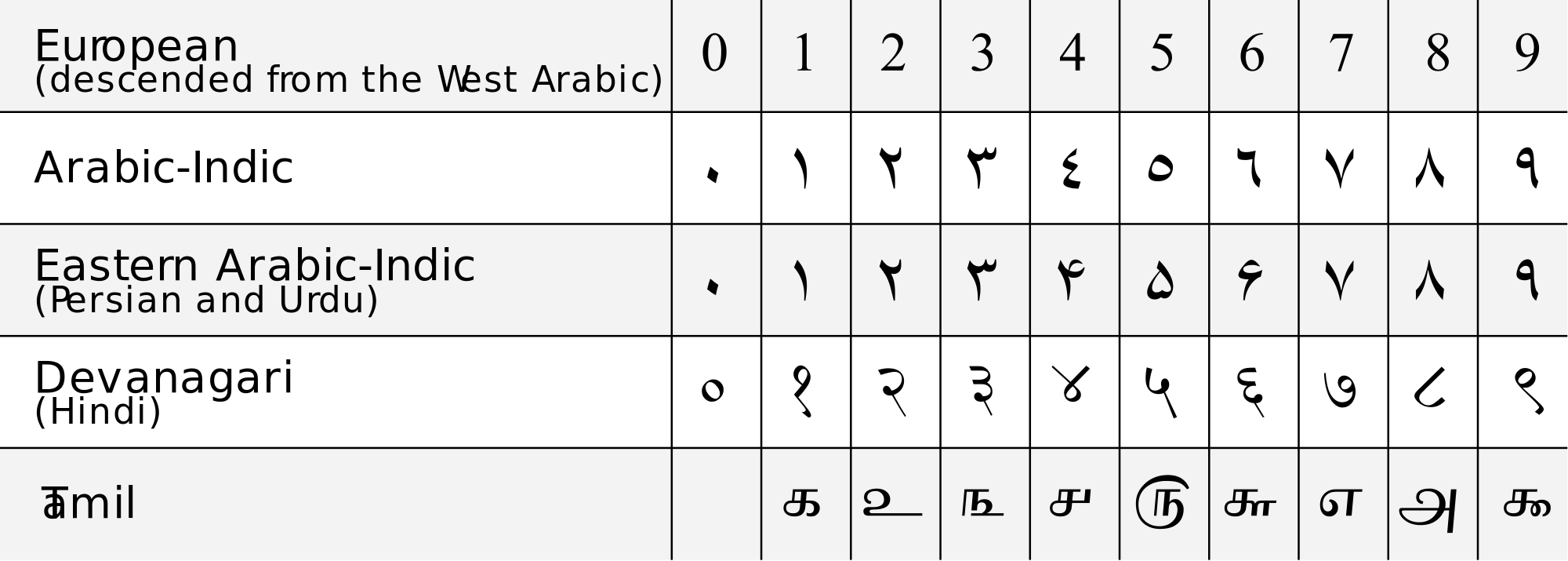
Confusingly, Arabic-speaking people and Muslims call them Hindi numerals, which originated in India. The reason for this boils down to Arabic history. Essentially, what we know as the Arabs actually borrowed Arabic numerals from the Indians in the 9th century; these numbers underwent several changes in North Africa until they reached the form we recognise today as Arabic numerals. They more or less still bear a resemblance to their Indian cousins.
As North Africa is the most western point of the Arabic-speaking world, these numbers are also sometimes called ‘Western Arabic numerals.’ It was during the Umayyad conquest of Spain that these numbers were first introduced in Europe and then further West, where they gained the name ‘Arabic numerals.’
How to Count in Arabic: A Step-by-Step Guide
Once you've memorised the Arabic numerals, it's time to start practising counting. Start with the numbers 1 to 10 and work your way up from there. Here's an example of how to count from 1 to 10 in Arabic:
واحد، اثنان، ثلاثة، أربعة، خمسة، ستة، سبعة، ثمانية، تسعة، عشرة
(wahid, ithnan, thalatha, arba'a, khamsa, sitta, saba'a, thamaniya, tis'a, 'ashara)
Step 1
Learn Digits 0–9
Start by memorising Arabic numerals and their names (e.g., ٠ to ٩). These form the basis for all larger numbers.
Step 2
Master 10–19
Focus on the unique structure, especially 11 and 12. Recognise that other “teens” follow a simple pattern.
Step 3
Learn the Tens
Study 20, 30, up to 90. These often end in “-oon” or “-un” and link to the units using "wa" (and).
Step 4
Combine Units and Tens
Practice forming compound numbers like 43: “three and forty” (ثلاثة و أربعون).
Step 5
Apply to Real-World Contexts
Learn to tell time, read prices, say your age, or give your phone number using Arabic numbers.
Step 6
Use Tools and Apps
Engage daily with mobile apps, virtual keyboards, or interactive websites to reinforce your skills.
Step 7
Practice with Native Content
Read Arabic signs, watch videos, or join conversation groups. Counting in Arabic becomes second nature with exposure!
Learn to Count Higher Numbers
Once you've mastered the basics of counting in Arabic, it's time to move on to higher numbers. In Arabic, numbers are counted in groups of ten, so it's important to familiarise yourself with the multiples of ten:
| Number | Arabic | Pronunciation | Audio pronunciation |
|---|---|---|---|
| 10 | عشرة | ashara | |
| 20 | عشرون | ashrun | |
| 30 | ثلاثون | thalathun | |
| 40 | أربعون | arba'un | |
| 50 | خمسون | khamson | |
| 60 | ستون | sittun | |
| 70 | سبعون | saba'un | |
| 80 | ثمانون | thamanun | |
| 90 | تسعون | tis'un | |
| 100 | مائة | mi'a |
What about Moroccan numbers?
You should also know that Arabic vocabulary is different in different North African countries. In Moroccan Arabic, the numbers are even pronounced differently:
Arabic Numbers - A Few Exceptions For Numbers 11 to 19
In English, there are just two exceptions to the general pattern for numbers 11 to 19 - 11 and 12. But from thirteen, you’re just fixing ‘teen’ to the end of the number. In Spanish or French, it takes until 16 (diez y seis in Spanish) before the numbers start to follow a pattern, and you’re just adding 10 to the final number.
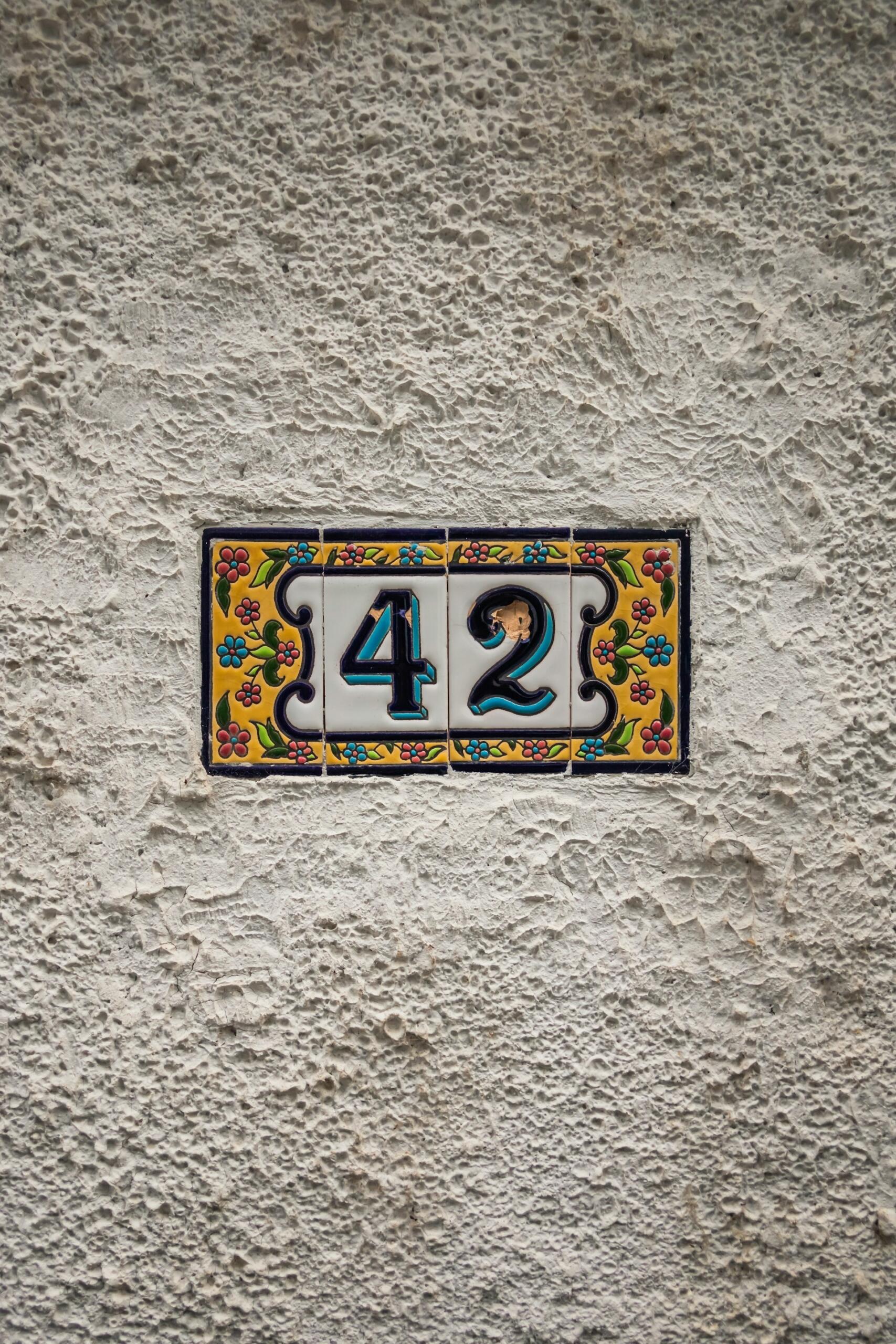
In Arabic, the only number with an exception is 11, after which all the numbers follow the pattern of just adding 10.
So really, it’s a lot easier to learn the numbers in Arabic than in Spanish or French. As you can see below, the smaller number is read before the ten, just like we explained earlier.
With the exception of 11 and 12, the smaller numbers are pronounced just the same as on their own, but with the addition of a -ta followed by an -ashar.
For example, in Arabic, the number 7 is called سَبْعة (sab’ah,) and so, the number 17 is سَبْعةَ عَشَر (sab’ata ’ashar).
Like we said before, in Arabic, you read from right to left. Thankfully, the writing of numbers in Arabic is totally logical and follows a similar pattern to English. You use 1 for ‘ten’ and the other numbers as follows.
Counting From 20 to 99 in Arabic - Understanding the Logic of Arabic Numbers
From number 20, Arabic numbers follow a basic logic. After you get to 20, the numbers go back to an easy-to-follow pattern, right up to 99, whether in written Arabic or in spoken numbers. Learning classical Arabic or Arabic culture through numbers is actually fairly easy, especially once you get past 20. Some important notes to understand the logic of Arabic numbers after 20:
- 🧠 The number 20 doesn’t have much resemblance to the number 2, so you do need to memorise it.
- ✍🏻 Twenty, in Arabic, is عِشْرون (’ishroun). In order to say ’20 + X,’ you’d simply say وَعِشْرون x. You can recognise عِشْرون, and to add the smaller numbers, you just add on the prefix وَ (wa). Wa means ‘and’ or ‘with’ or ‘added to’.
- 🔃 The twenties in Arabic follow the same logic we’re used to in English. Except we generally say twenty-one, but in Arabic they would say one-twenty because they read from right to left.
How Do You Make the Large Numbers in Arabic?
It’ll be relatively easy for you to learn the rest of the numbers in Arabic. And why is that? Basically, it’s because even though ’20’ is totally unique from ‘2’ and needs to be learned by heart, the same isn’t true for the tens after it. So, from 30 to 90, each ten makes sense and links to the numbers 3-9. Which, of course, is again just why it’s so important to know the first 9 Arabic numbers by heart!
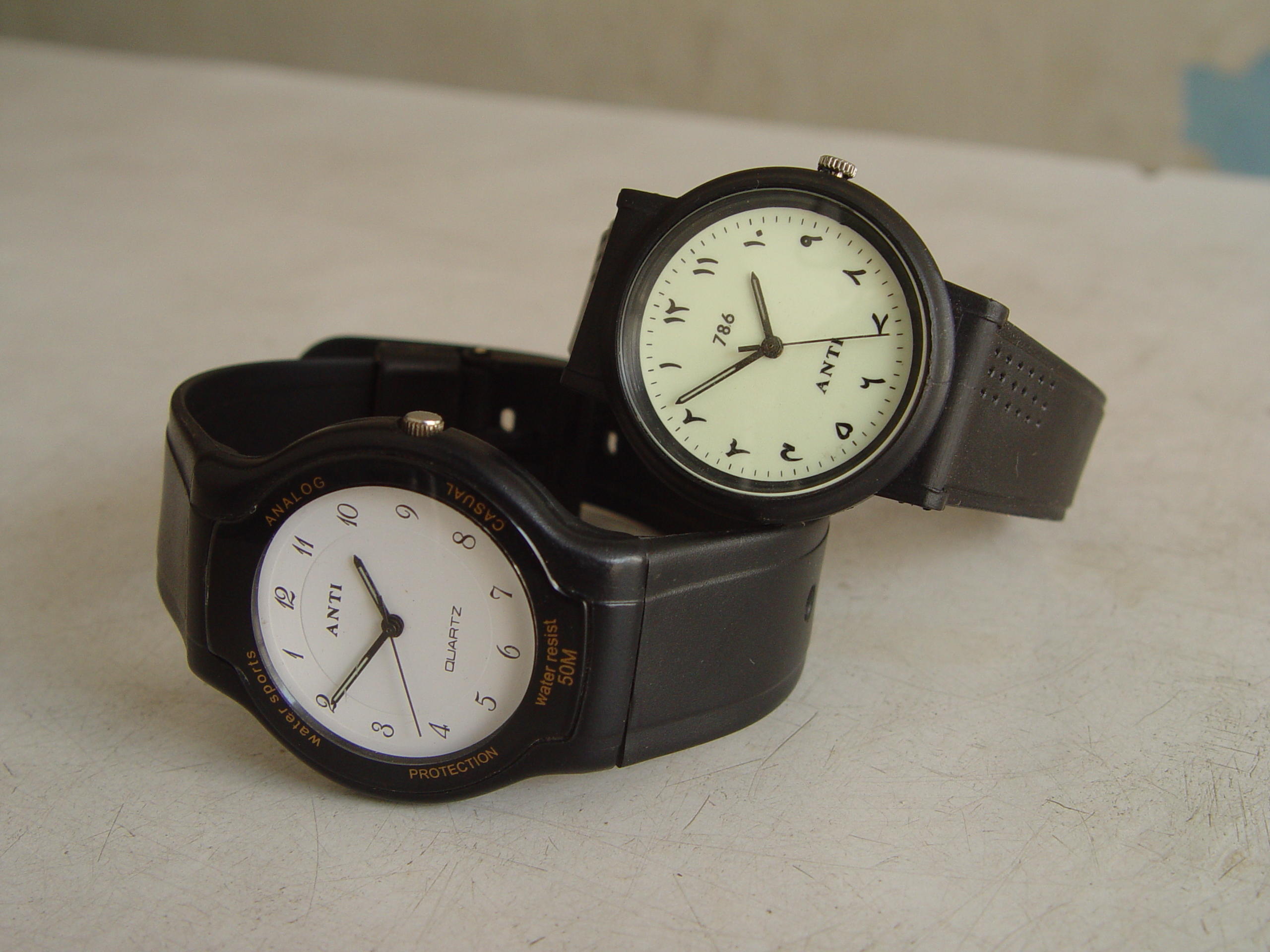
The numbers from thirty to ninety are pretty easy, you just add the suffix -oune to the end of numbers 3, 4, 5, 6, 7, 8 and 9. It’s pretty much the same kind of pattern we follow in English, don’t you think?
So now that you know how to make the numbers, do you know how to pronounce 43 in Arabic? It’s easy - “Thalaathah wa rabhoune.” We use just the same linking words and suffixes as we did in the twenties to say 3 and 40.
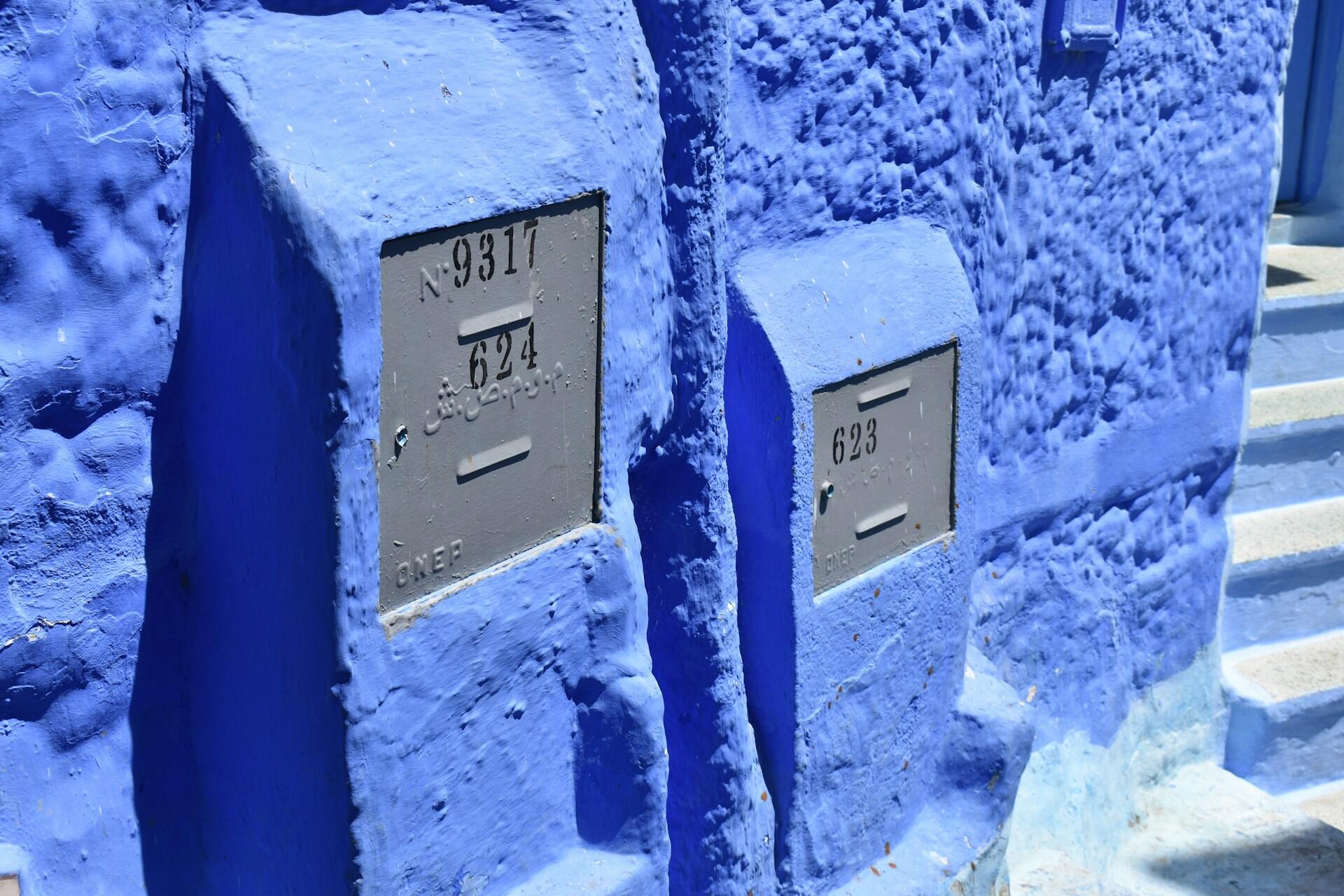
Of course, if you remember the construction pattern for the twenties, it should be easy for you to write and properly pronounce all the other numbers. Test yourself! Try 33, 56, 73, or 99. And once you’ve gotten to 99 in Arabic numbers, you just keep on going, endlessly following the same pattern. Bigger numbers use the same rules as the smaller numbers that came before.
It’s worth noting that the Arabic pronunciation of million and billion isn’t too far from that of many European languages, including English. For million, you can pronounce it as "melyoon" (مليون). For "billion", the standard Arabic pronunciation is "belyoon" (بليون), though you will also frequently hear "milyar" (مليار) used across many Arabic-speaking regions.
Practical Applications of Arabic Numbers
Uses of Arabic Numbers
Arabic numerals are used in many different contexts, including in mathematics, science, and finance. They are also used in everyday life for things like telling time and writing down phone numbers or paying and buying things, or telling your age and height, for example. In some parts of the world, such as the Middle East, they are used to write out dates.
Arabic is read right to left, but numbers are read left to right just like English.
Arabic uses digits ٠ to ٩, derived from Hindu-Arabic numerals, and still used worldwide today.
Start by memorising numbers 0–9, then practice combining them to form larger numbers like 21, 34, or 57.
Learning Arabic numbers will help you with many different activities as you go about your daily life. They will help you hold your own in a conversation with a native speaker, without constantly referencing your Arabic dictionary to understand what they're saying and compose a response.
When you learn a new language, it’s impossible to ignore learning the numbers and counting in that language. Think of your time in preschool, when you learned to count before ever attempting to read. It’s the same thing for Arabic! Learning to count is key for navigating daily life and surviving an immersion experience in any Arabic-speaking country.
How Do You Tell the Time in Arabic?
Telling time in Arabic is pretty simple. You just use the numbers 1 to 12. If someone asks you “Chahèle raha saha ?” They want to know the time! You can respond to them by saying, “innaha alththaniata” (It is 2 o’clock), for example, or “Assa’atou athaaniyatou.”
One of the main difficulties that Arabic learners will often run into with this is working out the written Arabic. You can find many different examples of how to tell time on the internet, but the examples are all generally spoken dialects like rif, spoken in Northern Morocco, or Darija, another Moroccan Arabic dialect (“Raha zauje” means “it’s two o'clock” in Moroccan). Don’t hesitate to use Google Translate to help you out; they have written Arabic and Modern Standard Arabic as one of their language options.
Or alternatively, who better than an Arabic teacher to help you learn the different ways to tell time in Arabic?
The History and Evolution of Arabic Numerals
Aside from our beginner's guide to the Arabic number system with pronunciation tips and counting patterns, we'll explain why the Arabic number convention is so significant in history:
Arabic numerals were first developed in India in the 6th century and were later adopted by the Islamic world in the 7th century. They were originally written from right to left, which is still the case in some countries such as Iran and Afghanistan. The numerals were then introduced to Europe in the 10th century and were widely adopted throughout the continent. Today, Arabic numerals are the most commonly used numeral system in the world.
6th Century
Hindu-Arabic Numerals Originated in India
The symbols and place-value system that became Arabic numerals were invented in India. These innovations made it easier to perform arithmetic and sparked global interest.
7th Century
Adopted by Islamic Scholars
Arabic-speaking mathematicians began using the system in science and astronomy, translating and expanding on Indian texts.
8th–9th Century
Spread Across the Islamic World
The system became widespread in the Middle East, North Africa, and Persia through academic and trade networks.
10th Century
Introduced to Europe via Al-Andalus
Scholars in Muslim Spain brought the numerals to Europe through translations of Arabic texts into Latin.
Middle Ages
Supplanted Roman Numerals
Gradually, Arabic numerals replaced cumbersome Roman numerals in European trade, accounting, and scholarship.
Today
Global Standard
The Arabic number system is now used universally in finance, education, science, and daily life.
Tools and Resources for Learning Arabic Numbers
How Do You Count in Arabic? Use Apps!
Learning to count in Arabic isn’t as hard as it seemed at first, right? Learning all the numbers by heart is a task you’ll find relatively easy, but next, you’ll need to learn how to pronounce all of them properly. Once you’ve mastered the phonetics of Arabic numbers, the next step is to work on the script and make sure you can write all the Arabic numbers and letters of the alphabet.
There are many websites online that can help you master all of these steps, as well as show you how to write in Arabic and improve your Arabic for free. You can find lots of different modules, including counting videos, to help you learn the patterns of the Arabic number system by heart.
Count objects around your house, read Arabic prices online, or listen to Arabic videos with subtitles. Even 5 minutes a day helps reinforce counting patterns and pronunciation. Don’t forget: Apps and flashcards make learning counting in Arabic feel like a game!
Check out the FunWithArabic website - it’s child-friendly and has lots of free resources for learning Arabic, especially to help you master the script and numbers. And speaking of technology, there are plenty of ways to learn Arabic online by having fun, especially if you opt for some of the smartphone apps that are available for cell phones and tablets.

Many of them, including Tengu Go Arabic Alphabet and Cute Arabic alphabet, will walk you through learning your Arabic numbers and letters, resources to cover Arabic grammar, verb conjugations, vocabulary, translations, colloquial expressions and turns of phrase, pronunciation and phonetics, and differences between written and spoken Arabic.
All in all, it’s totally possible to learn Arabic online for free, but it will require a lot of work and dedication! You would learn better and faster by taking Arabic courses London. To improve your Arabic numerical fluency, you can always get some help from Arabic numbers to English converters:
| Arabic Number to English Converter | Main Features |
|---|---|
| Laimuna | Converts Eastern Arabic numerals to Western digits and vice versa; preserves surrounding text; supports dates, decimals, phone numbers, and mixed content; runs entirely in the browser. |
| AdawatMix | Converts Arabic or Western numerals into correctly written English and formal Arabic words. Useful for contracts, education, and official documents. |
| AfroTools | Converts between Western digits, Eastern Arabic numerals, and Arabic number words. Includes a numeral reference table and explanations of regional usage. Updated within the last year. |
| Gera Tools | Converts numbers into grammatically correct Arabic words, including masculine/feminine agreement, dual forms, and plural rules. Especially useful for learners studying Arabic grammar. |
Online Courses for Learning Arabic Numbers
Important institutions such as the British Council offer webinars and comprehensive introductory courses for Arabic learners. If you’re looking for quality materials to extend your practice of Arabic numbers, you may want to take a look at their beginner-level activities that introduce numbers up to ten as part of the foundations of Arabic language learning.
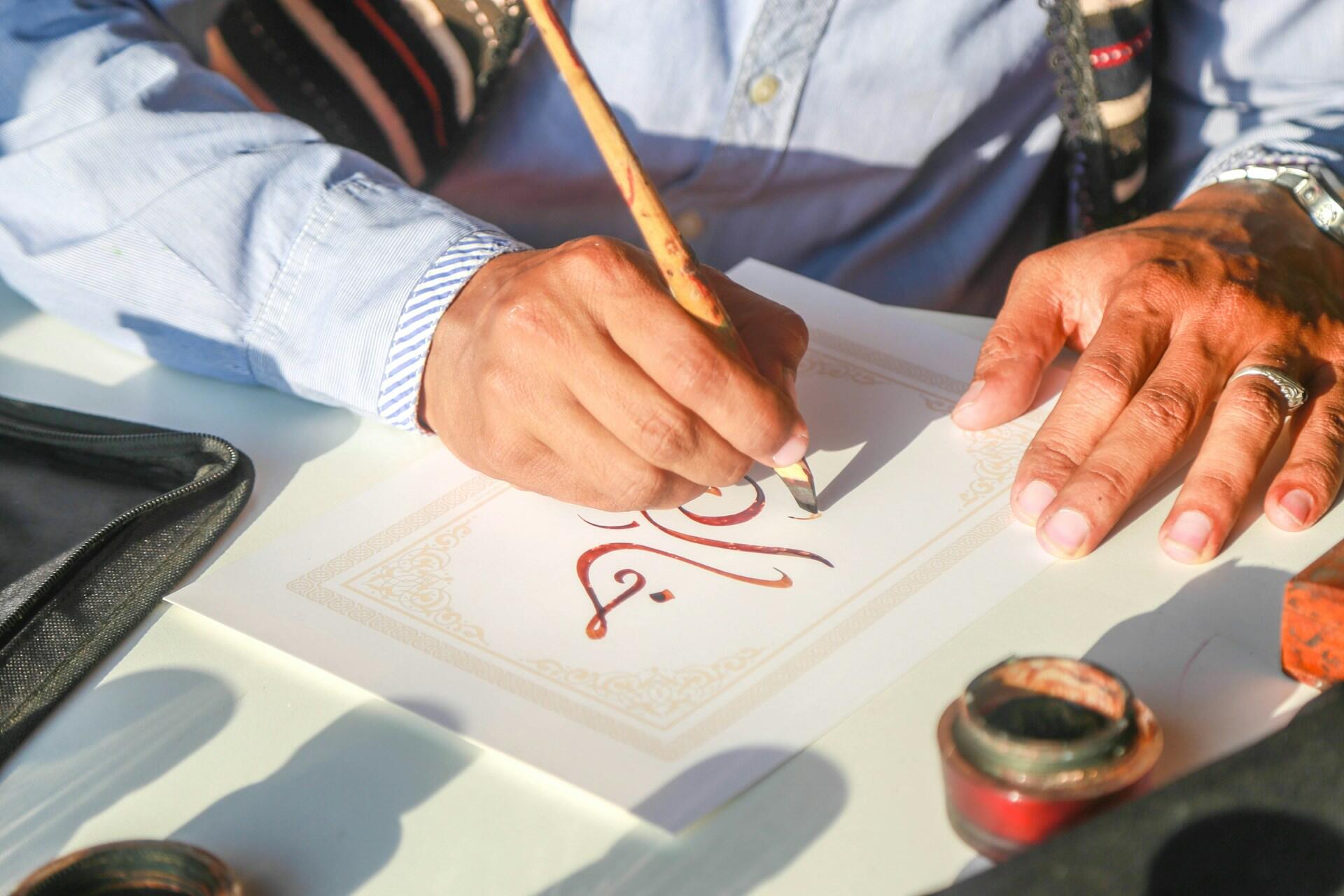
The University of London offers one of the best online courses. Structured over 10 weeks, the course includes Arabic numerals in its syllabus; in its first modules, you’ll learn the basics of numerical progression from digits 1–10 (up to 11–100), the alphabet, vowels, writing practice, and basic symbols.
Platforms dedicated to online courses can also be a good option for self-guided independent study. With downloadable resources, you can access Alison (with a course titled Writing Numbers and Letters in Arabic) or Class Central (a free course offered by the Open University).
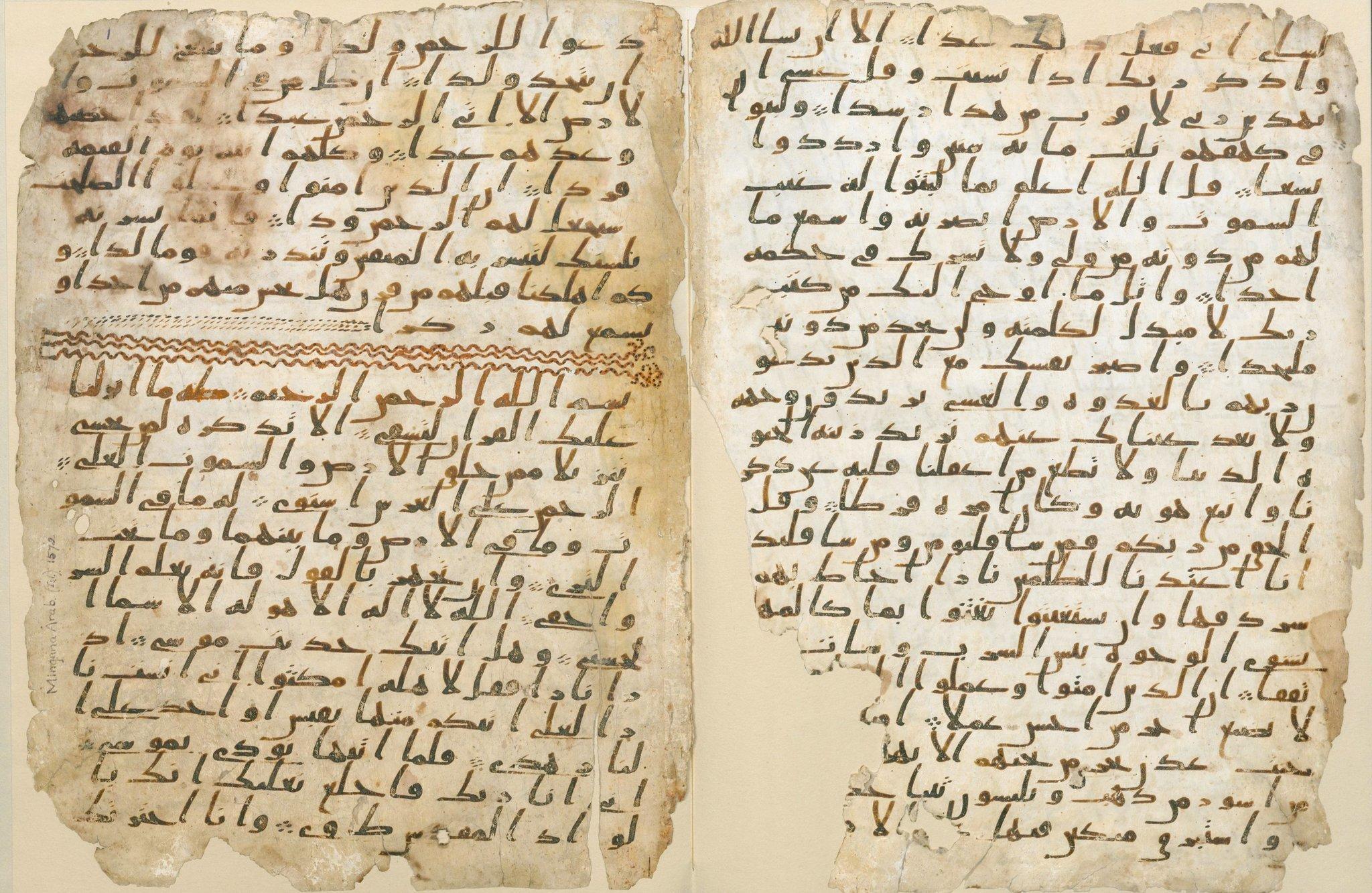
Practice writing with Arabic Keyboards
Virtual Arabic keyboards are a good way for Arabic students to work on their Arabic, even if they don’t have an Arabic keyboard. It’s a practical way to translate or look up the English definition of an Arabic word. Virtual keyboards will quickly become your best friend as you try to learn the Arabic language.
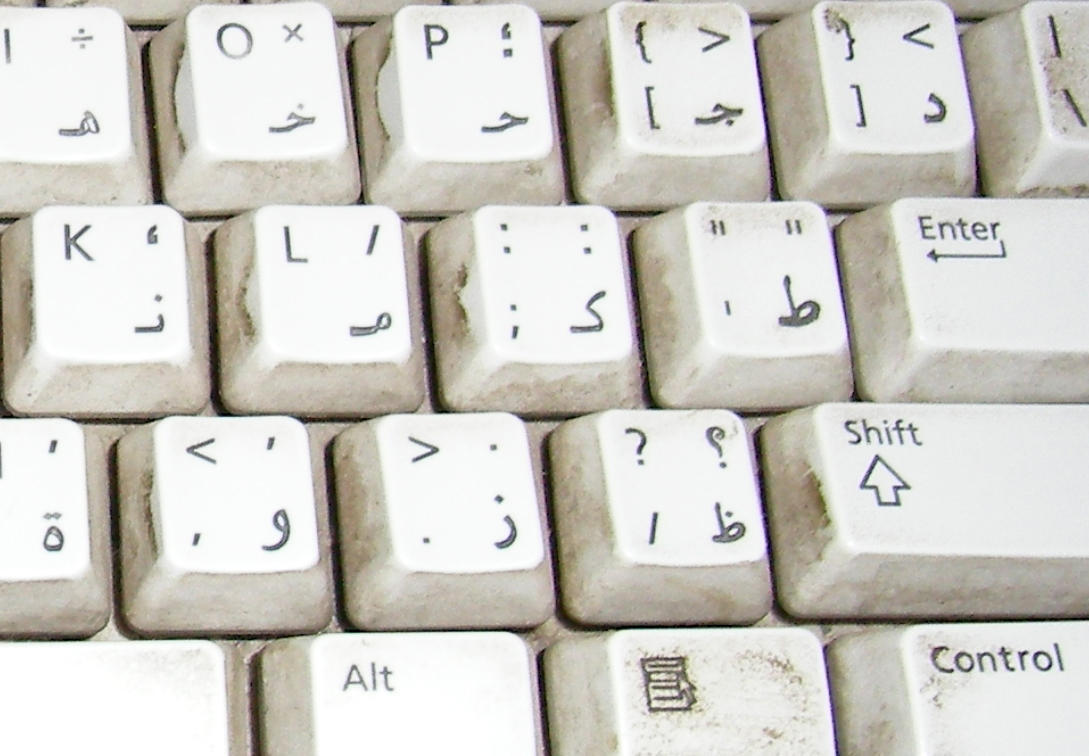
Plenty of websites offer to turn your typing into Arabic script using online software.
This software works a bit like a translation search, with one section where you type your text and another with a virtual keyboard that shows all the Arabic letters and their Latin equivalents for you to click. Some of the most useful virtual Arabic keyboards are:
- http://www.lexilogos.com/keyboard/arabic.htm
- http://www.arabic-keyboard.org
- https://www.branah.com/arabic
Common Challenges and Tips for Mastering Arabic Numbers
Don’t hesitate to take advantage of all the tools that are available: language classes, websites, phone apps, and virtual keyboards…it all helps, especially when you’re learning a challenging new language like Arabic! There are a few more complicated rules you’ll need to memorise if you’re to become truly fluent in Arabic. But don’t worry too much - even native Arabic speakers often make mistakes and errors. Here is some advice:
Learning Arabic Counting
We hate to tell you, but Arabic is generally considered one of the hardest languages for English speakers to learn, according to linguists. However, learning Arabic numbers can be a pleasant surprise; counting in Arabic is relatively easy and painless. Arabic is one of the fastest-growing languages in the Western world, so what are you waiting for?
In Summary:
- Just by learning a few new Arabic numbers, you’ll be ready to count to even the highest of numbers. One of the Arabic language's many contributions to the modern world, which may surprise you, is that our modern numbers are based on the Arabic numeral system, which replaced Roman numerals in Europe during the Middle Ages.
- Whether it's in subtraction, multiplication, fractions or any other mathematical equation, Arabic has had an important impact. But perhaps modern algebra has benefited the most from the Arab world, mainly through ancient Egyptian developments that built on the Greek expansion of the use of algebra. Learning Arabic is the same as learning any other language - you’ll need to learn how to count.
- Numbers 0-9 are your building blocks for all other numbers. There are a couple of exceptions you’ll need to memorise for numbers 10-29, but overall the rest of the numbers follow a basic pattern in Arabic.
!Good luck with your Arabic حظا سعيدا hza saeidaan
References
- British Council - Arabic language and culture education pack (No date). Available at: https://www.britishcouncil.org/school-resources/find/classroom/arabic-language-and-culture-education-pack (Accessed: June 2026).
- Science Direct - Reading numbers is harder than reading words: An eye-tracking study (08-2023). Available at: https://www.sciencedirect.com/science/article/pii/S000169182300118X (Accessed: June 2026).
- British Council - Arabic Language and Culture (no date). Available at: https://www.britishcouncil.org/school-resources/languages/arabic-language-culture (Accessed: June 2026).
Summarise with AI:
Did you like this article? Leave a rating!

 Loading...

Salam alaikum
I want to learn Arbic time and numbers
Wa alaikum assalam 😊
That’s a great place to start! Learning Arabic numbers and time will help you in everyday conversations. Keep practising, and you’ll improve quickly.
Wa alaikum assalam 😊
That’s a great place to start! Learning Arabic numbers and time will help you in everyday conversations. Keep practising, and you’ll improve quickly.