
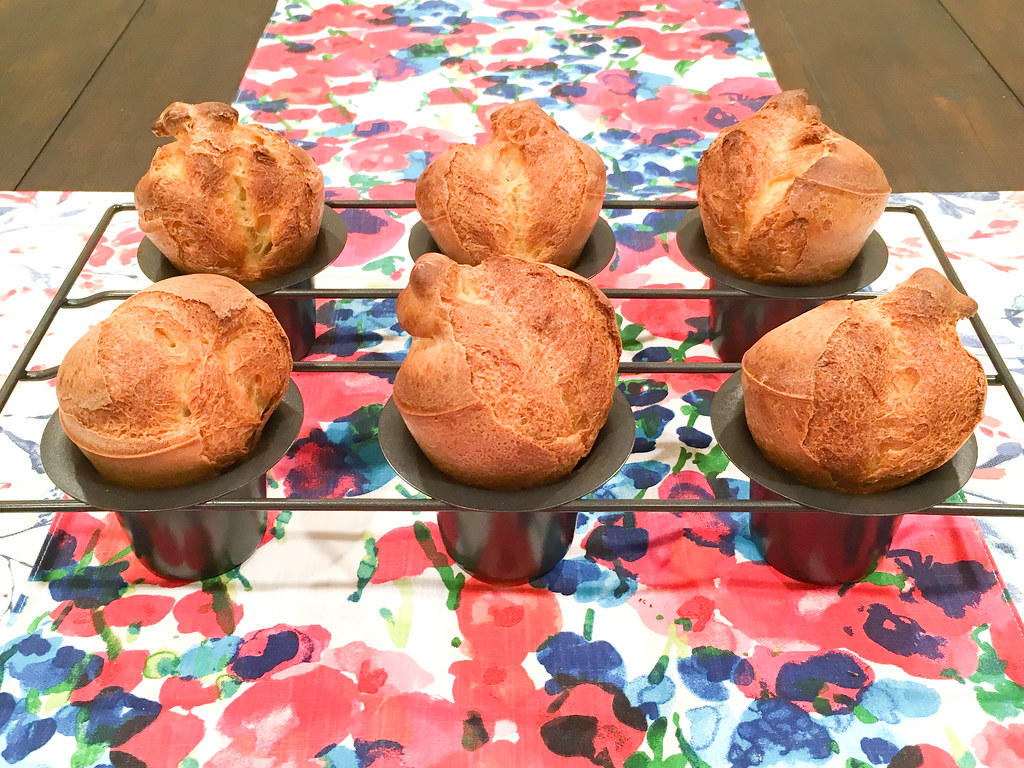

Yorkshire puddings have long been a much beloved staple of classic English cuisine (since the 1700s1), appearing alongside other favourites like beef, roast potatoes, and stuffing in the classic British roast - a meal that is regularly enjoyed by millions of Brits around the country. Deliciously crisp on the outside and beautifully soft in the middle, Yorkshire puddings are known as much for their texture as their taste. While they might appear simple, being primarily made from a mix of flour, eggs, and milk, the way they're prepared regularly varies from one kitchen to the next. Because of this, it can be rather difficult to pin down how many calories a Yorkshire pudding contains. Fortunately, we’ve put together a clear and straightforward guide to help you get a better sense of what you’re actually eating.
An average standard Yorkshire pudding (approximately 20 - 30g, give or take) usually contains between 45 to 80 calories, depending on the recipe and the ingredients used.


📊 Nutritional Breakdown of Yorkshire Puddings
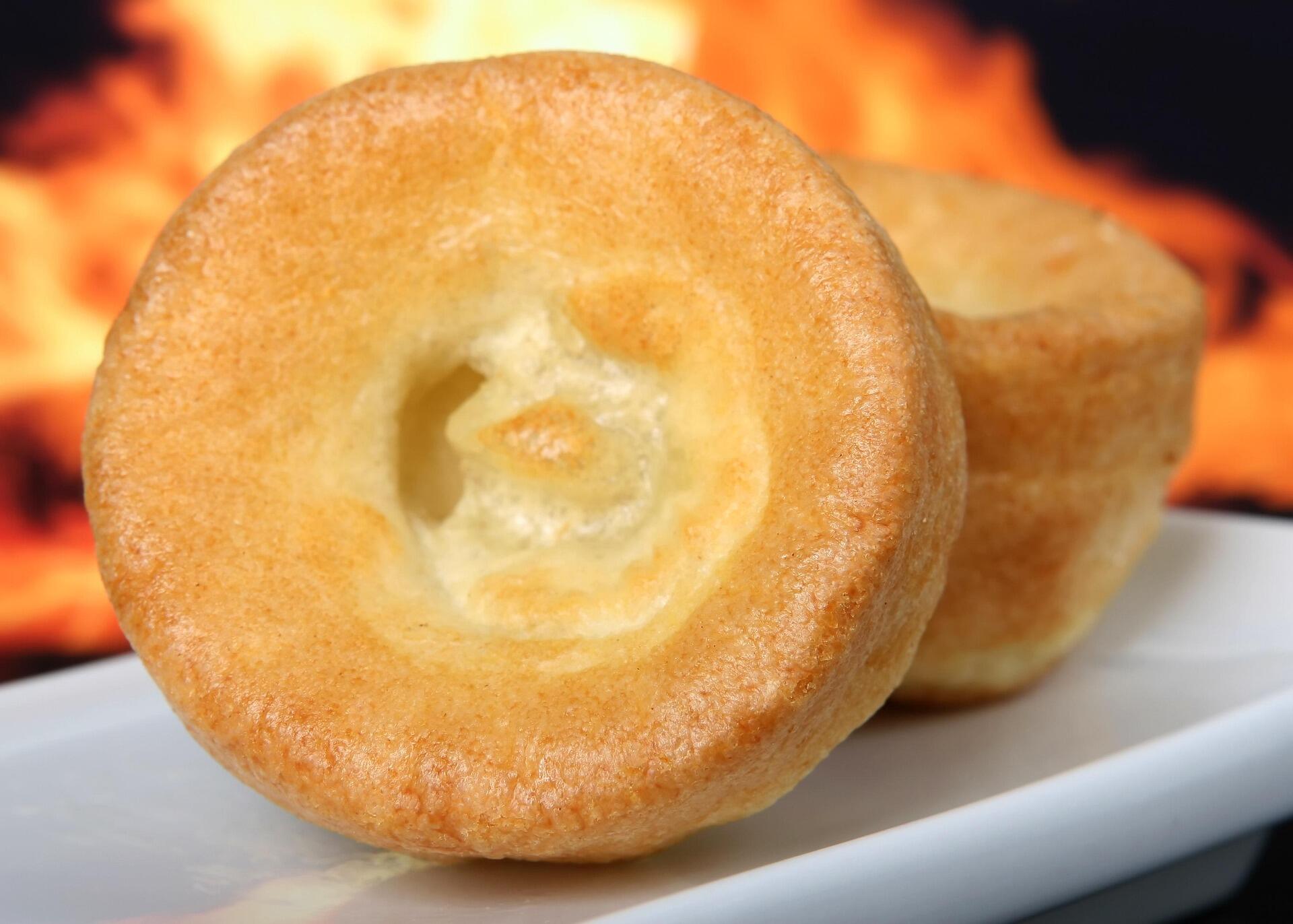
In this section, we’ll break down the key nutritional details behind Yorkshire puddings, looking beyond just calories to understand how carbohydrates, fats, and protein all contribute to their overall makeup.
⚖️ Calories and Macronutrients
While a Yorkshire pudding might not look especially substantial on the plate, for its size, it can be fairly energy dense - especially once oil or dripping is factored in. Small store-bought puddings usually sit at closer to the lower end of the calorie range, while larger homemade ones can climb much higher in calorie content. For example, Tesco’s standard 18g Yorkshire puddings come in at 47 calories each, while its larger 27g version is 79 calories per pudding!
Not all puddings are made the same size, and a giant 110g homemade version may contain up to a whopping 266 calories. if you want to cut down on the calories you have in your roast, sticking to the regular size ones is definitely recommended.
To get a better idea of the nutritional facts of a single Yorkshire pudding, the Nutritionix website has provided a guide based on a single pudding that weighs 65 grams. Take a closer examination of the typical nutritional values of a Yorkshire pudding in the chart below:
| Nutrient | Per 100g | Per Serving |
|---|---|---|
| Calories | 200 kcal | 50 kcal |
| Total Fat | 10 grams | 2.5 grams |
| Saturated Fat | 3 grams | 0.75 grams |
| Trans Fat | 0.1 grams | 0.025 grams |
| Cholesterol | 20 milligrams | 5 milligrams |
| Sodium | 150 milligrams | 37.5 milligrams |
| Potassium | 40 milligrams | 10 milligrams |
| Total Carbohydrates | 15 grams | 3.75 grams |
| Dietary Fiber | 1 gram | 0.25 grams |
| Sugars | 2 grams | 0.5 grams |
| Protein | 5 grams | 1.25 grams |
Carbohydrates (Primary Source of Energy)
The flour base means carbs dominate the profile. This is what gives Yorkshire puddings their shape and rise, but it also explains why calories add up quickly when you have more than one.
Fats (Driven by Cooking Method)
Fat levels aren’t just coming from the batter. The oil or dripping heated in the tray plays a major role, especially as the batter absorbs some of it while cooking.
Protein (Present but Limited)
Eggs and milk contribute a small amount of protein, though not enough for Yorkshire puddings to be considered a meaningful protein source, sadly.
👨🍳 Variations by Ingredients and Preparation Methods
Not all Yorkshire puddings come out exactly the same, usually due to a few small differences in how they're made. For instance, the type of milk used in a Yorkshire pudding can alter the amount of calories a batch contains:
🏠 Homemade vs Shop-Bought Yorkshire Puddings
While they might look virtually identical on the outside, homemade and shop-bought Yorkshire puddings are very rarely equal when it comes to how consistent they are nutritionally. Why is this?
Homemade
When making Yorkshire puds at home, a lot depends on how much batter you pour and how the tray is prepared. Even small differences can lead to larger puddings, which naturally increases the calories per serving.
Shop-bought
Shop-bought versions are generally made to a fixed size. Because everything is measured so carefully during production, it’s way easier to estimate how many calories you’re having compared to homemade versions.
🛒 Calories in Yorkshire Puddings (UK Supermarkets)
| Supermarket | Product Example | Approx Weight | Calories per Pudding |
|---|---|---|---|
| Tesco | Standard Yorkshire Pudding | 27g | 79 kcal |
| Tesco | Smaller Yorkshire Pudding | 18g | 47 kcal |
| Sainsbury’s | Standard Yorkshire Pudding | 30g | 87 kcal |
| Sainsbury’s | Taste the Difference (larger) | ~35–40g | ~100–120 kcal |
| Asda | Just Essentials Yorkshire Pudding | ~15g | 34 kcal |
| Asda | Giant Yorkshire Pudding | 110g | ~253 kcal |
| Morrisons | Standard Yorkshire Pudding | ~19g | 47 kcal |
| Morrisons | Larger Yorkshire Pudding | ~39g | 113 kcal |
| M&S | Standard Yorkshire Pudding | ~22–30g | ~60–86 kcal |
Factors Influencing Calorie Content
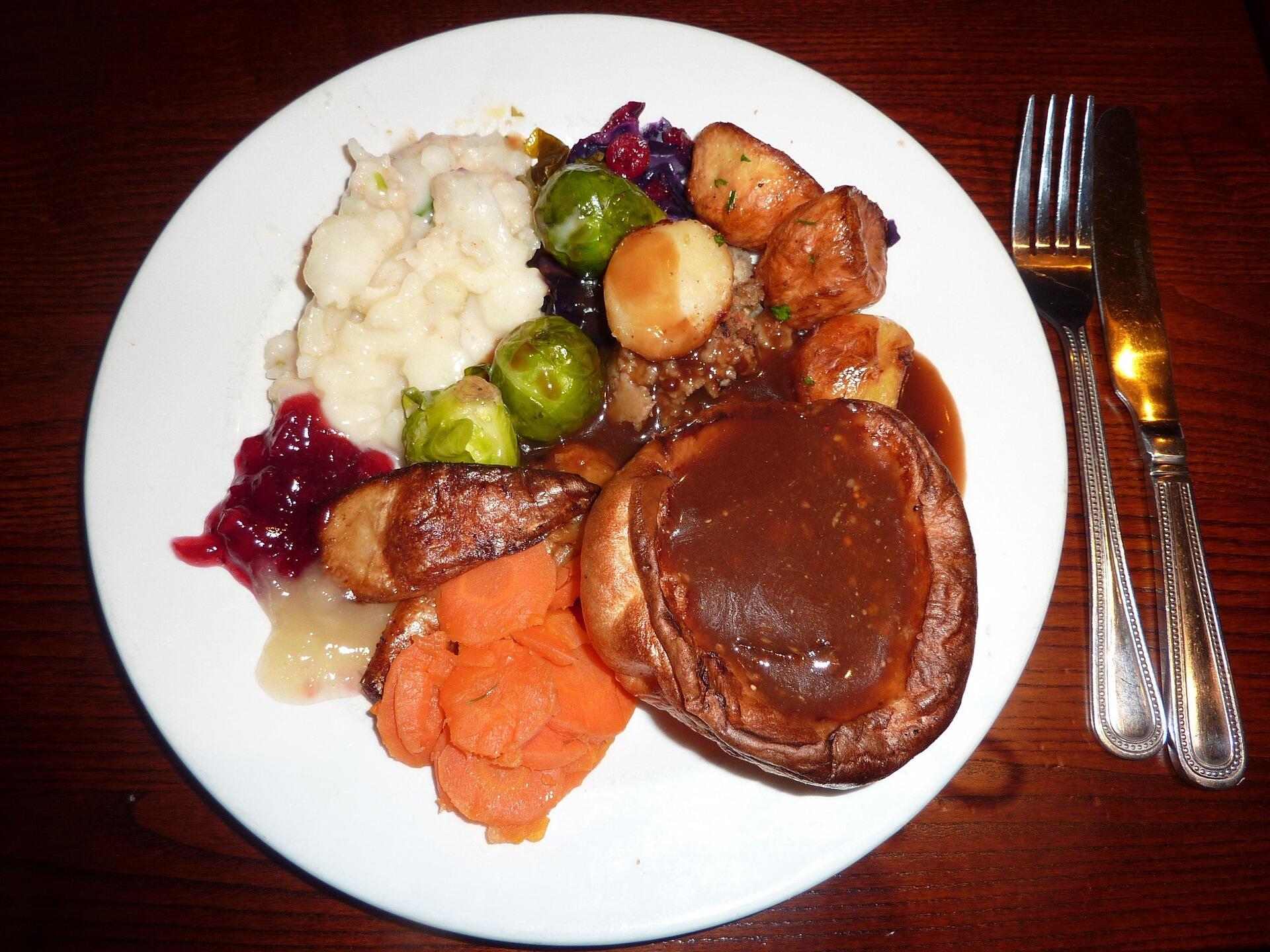
As mentioned previously in this article, small ingredient changes can drastically change how dense or light a Yorkshire pudding turns out. Alongside milk, factors like the type of flour you choose and how the batter is handled all play a role in the final calorie count.
📏 Portion Sizes
The final size of each pudding will generally come down to how the batter is divided and the kind of tray you're using. For example:
- Tray depth and shape - Shallow trays spread the batter out, resulting in flatter puddings, while deeper trays let the mixture climb upwards, giving you more volume per portion.
- Measuring the batter - Keeping the amount consistent across each section makes for even portions. Free-pouring tends to cause noticeable variation across a batch, with some puddings ending up way bigger than others.
- Expansion during cooking - if you've cooked your own Yorkshire puddings you'll be well aware of how dramatically they can grow in the oven. This can make portions seem lighter than they actually are.
🥬 Health Considerations
Yorkshire puddings sit somewhere in the middle when it comes to nutrition. They’re not typically seen as a “health food,” but they’re also not as heavy as many people assume, especially when portion sizes are kept reasonable.
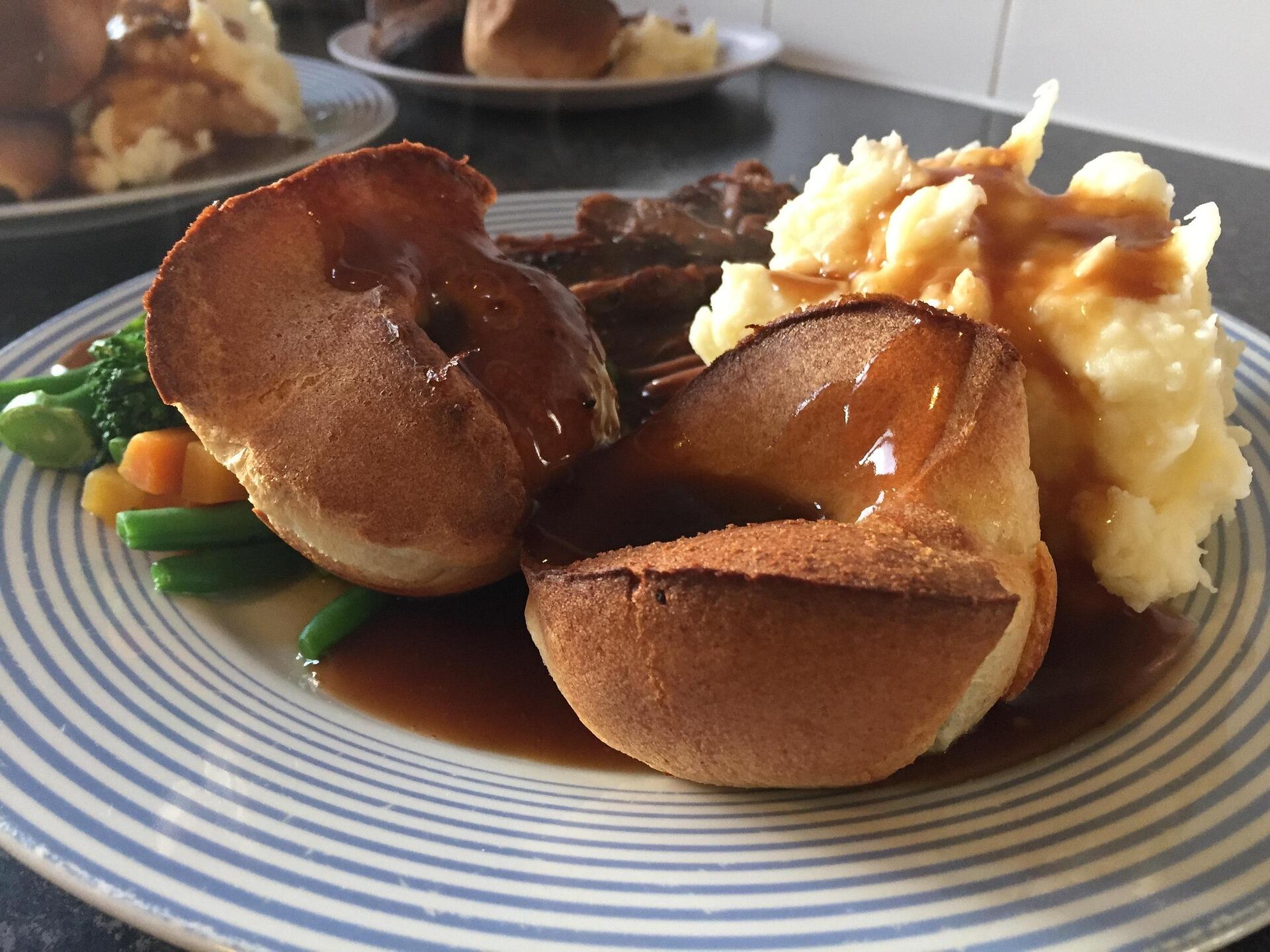
Are Yorkshire Puddings Healthy?
On their own, Yorkshire puddings are relatively simple. The ingredients are basic, and they're baked rather than fried. From a nutritional point of view, they're mostly a source of carbs with smaller amounts of fat and protein coming from the eggs and cooking fat. While they don't offer a wide range of vitamins and minerals, there's no reason they can't fit into a balanced meal.
Recently, a trend has started where Yorkshire puddings are used as a dessert base, loaded to the brim with things like ice cream, chocolate sauce, fruit, or even whipped cream. Obviously, when combined with sugary treats like this, the calorie content will be pretty high!2
However, where things can become a little less favourable is how they're served. Yorkshire puddings are rarely eaten on their own. That wider context is what tends to increase the overall calorie load of the meal. if you're watching your weight, be careful with how many puddings you load up on your plate (1 - 2 is plenty) or cut down on other high-calorie parts of your roast instead.
Low-Calorie Yorkshire Pudding Recipes
In this final section, we’ll look at a couple of simple ways to make Yorkshire puddings a little lighter so you can still enjoy them without worrying too much about the extra calories. Did you know that there are also plenty of vegan Yorkshire pudding options available online, too?
References
- Admin, & Admin. (2020b, January 30). 5 facts you didn’t know about Yorkshire Puddings. The Real Yorkshire Pudding Company. https://realyorks.co.uk/latest/5-facts-you-didnt-know-about-yorkshire-puddings/
- People are turning their leftover Yorkshire puddings into desserts. (n.d.). TwistedFood. https://twistedfood.co.uk/articles/trending/yorkshire-pudding-leftover-sweet-desserts-doughnuts
Summarise with AI:
Did you like this article? Leave a rating!

 Loading...
There’s only one way to make a really great Yorkshire pudding flour eggs and whole milk nothing else will do