
MMA is fast becoming one of the UK's most popular sports, with participation increasing steadily across grassroots gyms, amateur competitions, and sold-out professional events. What once felt like an underground activity has grown into a far more structured and widely respected sport that has captured the attention of fans all around the world.
British MMA fighters now compete on some of the biggest global stages, while local clubs introduce new people of all ages to the discipline every week. In this article, we'll take you on a journey through the rise of the sport in the UK, talking about everything from its earliest beginnings and the rules that helped define it, through to modern well-known fighters, and a lot more.



Early History of MMA in the UK 🥋
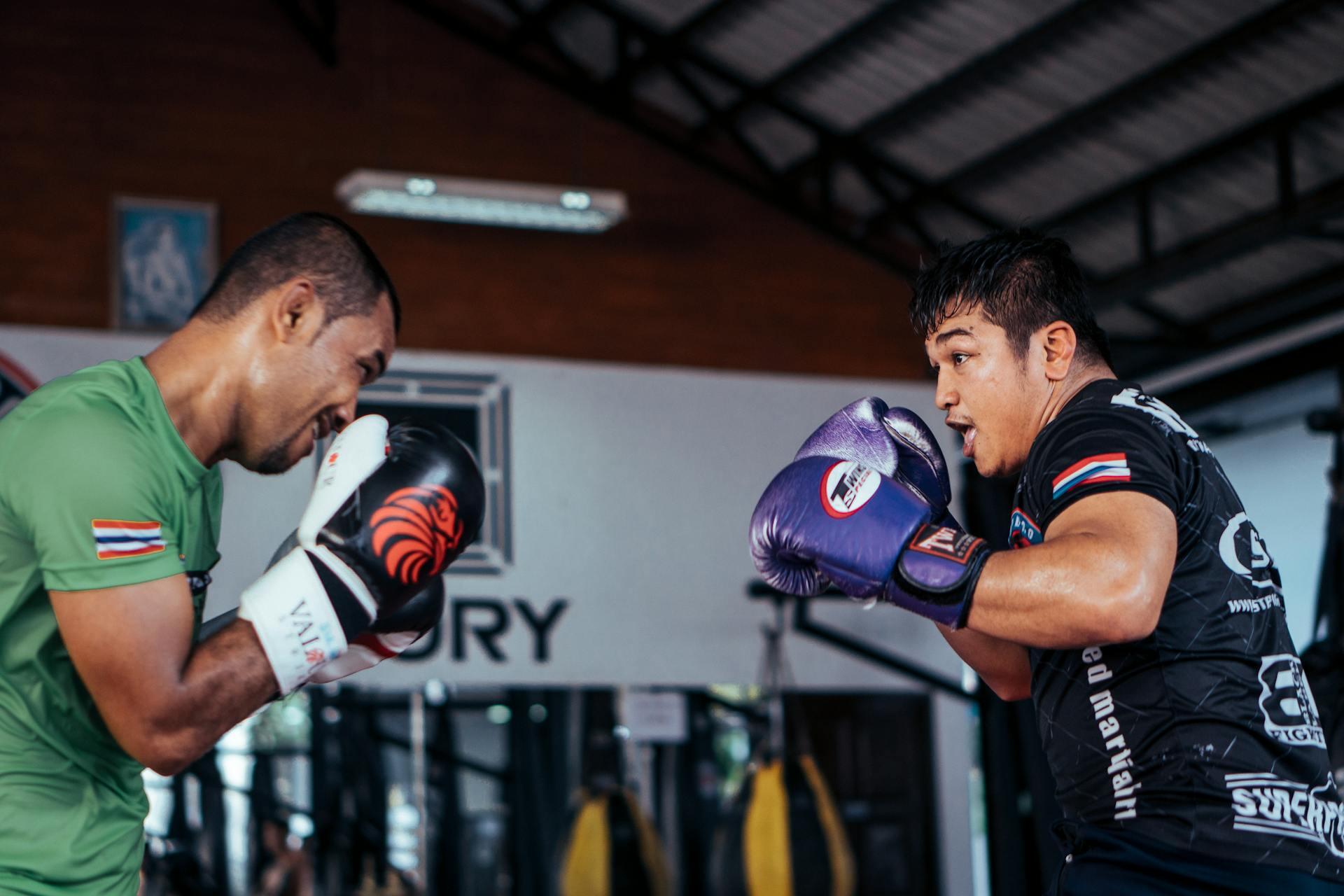
Mixed martial arts in Britain actually began in a fairly low-key way. During the late 1990s, small shows began to appear in local venues; they had little structure and rarely got any significant media attention.
Across the board, rules varied, and safety standards were still very much in development, giving MMA its famous underground vibe (though events weren't illegal). Over time, these early contests revealed a genuine interest in a sports format that combined striking and grappling, rather than keeping the combat styles completely separate.
The first wave of British competitors did not grow up as “MMA fighters.” Most came from boxing gyms, traditional karate clubs, judo dojos, or wrestling backgrounds. Cross-training was often improvised. However, as the 2000s rolled around organisation began to improve exponentially. Regular promotions, particularly in London, began hosting structured fight cards with timed rounds, weight divisions, etc.
Mid-1990s
Early Matches
Some of the first unofficial mixed-style contests involving British fighters start appearing in small venues across the UK. Rules vary widely, and bout formats are still evolving, but these early events planted the seed of what would become organised MMA
2002
First Cage Warriors and Cage Rage Shows
Two of the earliest properly structured UK MMA promotions come to life. Cage Warriors holds its first events in London and Southampton, introducing regular fight cards for local competitors. Soon after, Cage Rage Championships ran its first show in London on September 7, 2002
2003–2005
Growth of Cage Rage in London
Cage Rage events become more frequent, taking place in venues such as Caesar’s Nightclub and the Wembley Conference Centre. Multiple cards each year help build a consistent British MMA circuit
2004–2006
British Fighters Gain Recognition
Championship bouts in promotions like Cage Rage and Cage Warriors allow fighters such as Michael Bisping, Paul Daley, and Brad Pickett to establish themselves and attract wider attention
Mid-2000s
International Exposure
British fighters begin competing more regularly in global organisations such as the UFC. Lee Murray made one of the early UK appearances in the UFC in 2004, and other UK names soon followed.
Late 2000s
Promotion Evolution and New Platforms
Cage Rage eventually ceased regular operations by 2008, and the UK scene evolved with newer promotions and a stronger amateur and professional pipeline.
In the early 2000s, MMA in Britain didn’t always enjoy the best reputation. The phrase “cage fighting” was often used dismissively, and many people assumed the sport was unregulated or overly violent. With little mainstream coverage and few established governing structures, misunderstandings were common.
How MMA Is Regulated in the UK
As MMA garnered more and more popularity across the UK, formal oversight became necessary to protect fighters and ensure fair competition. The main amateur governing body as of today is the UK Mixed Martial Arts Federation (UKMMAF), which works with the International Mixed Martial Arts Federation to align British competition with global standards.
At its heart, regulation is about safety, consistency, and giving fighters a proper route to progress. Modern UK events follow defined medical checks, licensing rules, and officiating standards, replacing the informal approach seen in the sport’s early years1
How Regulation Works in Practice
Amateur Pathways in UK MMA
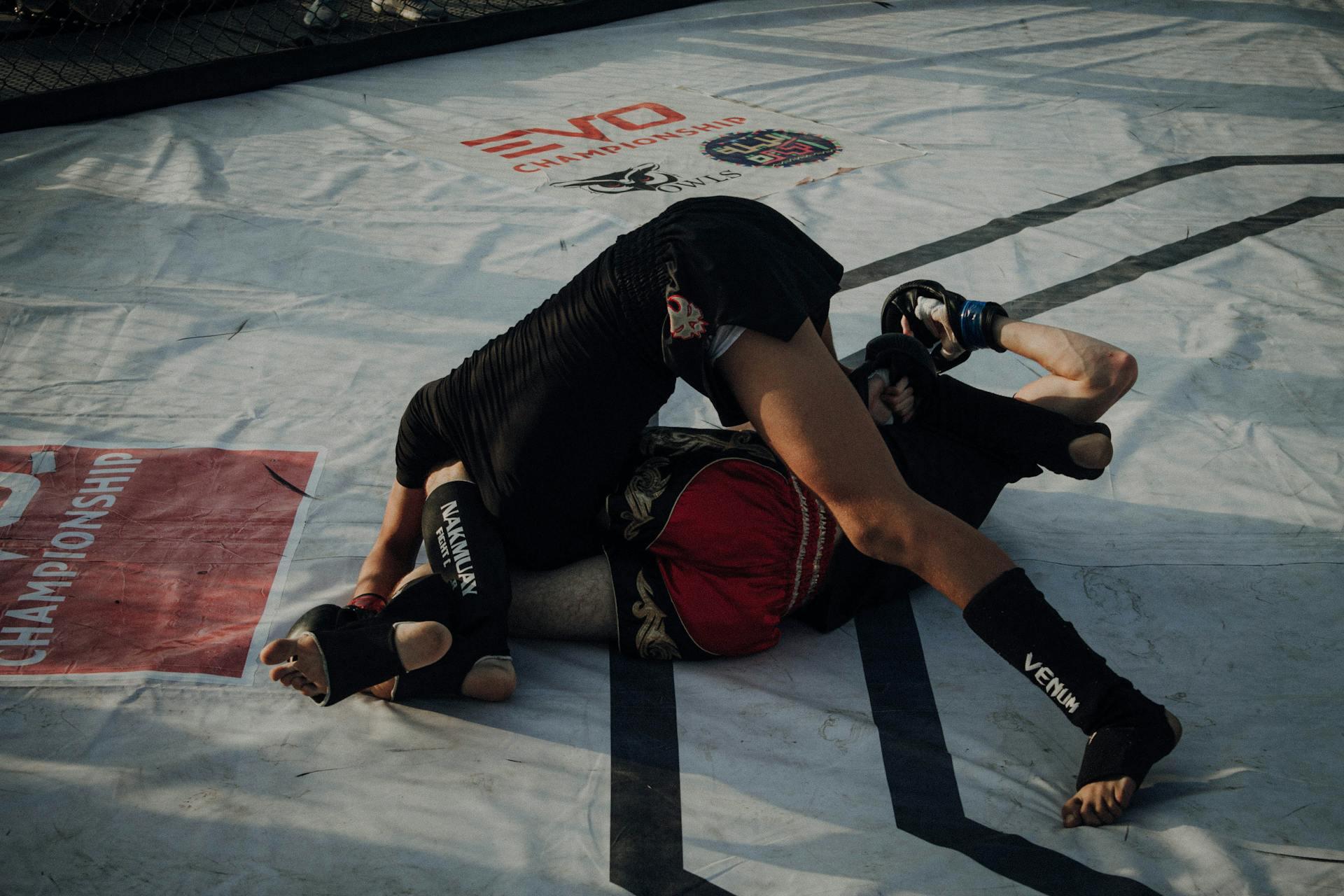
Before reaching major promotions or international attention, most British fighters spend years competing at the amateur level. But how does this differ from the professional ranks? Don't worry, we'll explain all below.
Big Picture: How the Pathway Works
- Fighters have to train regularly at a reputable MMA gym (or boxing, jiu-jitsu, or wrestling club, or similar discipline) while typically juggling work or university until their coaches believe they're technically ready and safe to start competing.
- Most practitioners usually begin competing via controlled settings like interclub sparring events, grappling tournaments, or striking-only bouts before moving into full amateur MMA competition
- Once ready, it's time take part in properly matched amateur fights against fighters of a similar level and skillset. Amateur fights are unpaid and often include additional protective measures, such as shin guards
- As their record, confidence, and skill level improve, many aim for national amateur championships or IMMAF-style international tournaments to test themselves against stronger opposition
- From here, the next natural step is applying for professional status and moving into paid competition
There’s no official number of amateur bouts required before turning professional for both men and women MMA fighters. The decision is typically made between the fighter and coach. That said, many UK athletes build between five and fifteen amateur fights before making the jump.
Age and Rules Progression
Across the UK, youth and amateur MMA often follow the framework created by the International Mixed Martial Arts Federation. The tiered structure exists to prioritise safety and gradual development, introducing contact and complexity in stages rather than all at once.
- Ages 6–9: club-based technical displays with minimal or no hard contact
- Ages 10–11: young athletes can enter club or regional events under modified rules designed to reduce physical impact and limit strength-based exchanges.
- Ages 12–13 (U14): competition becomes more structured, though techniques and contact levels remain restricted for safety.
- Ages 14–15 (U16: rules move closer to standard amateur MMA, but still include additional safeguards for developing athletes.
- Ages 16–17 (U18): The format resembles adult amateur MMA a lot more closely, with age-appropriate limits still in place.
- Ages 18–20 (U21): junior championships operate under full amateur rules, alongside regional and national events.
- 18+ senior amateurs: athletes compete under unified amateur rules; this stage is usually seen as the final one before turning professional.
How MMA Fights Work 🏆
Most professional MMA contests are scheduled for three five-minute rounds, with one-minute breaks in between. Championship fights are usually five rounds. The aim is simple: defeat your opponent by knockout, submission, or judges' decision.
Fights take place inside a cage or enclosed ring, and competitors are divided into weight classes to ensure fairness. This structure keeps matchups at MMA events competitive and reduces size disparities.
Ways to Win in MMA
There are essentially three main ways a fight can end:
Knockout (KO)
When a fighter is no longer able to continue fighting
Submission
This happens if the fighter taps out due to a hold or choke
Decision
When judges score the bout round by round, if it goes the distance
Although MMA allows fighters to use both striking and grappling, there are certain rules enforced to keep things from devolving into out and out chaos. For example, under the belt moves like eye gouging or striking to the back of the head are strictly prohibited, and there is a referee present at all times2.
🥊 Famous British MMA Fighters and Global Impact
A handful of fighters have played a massive role in taking British MMA from a developing scene to a recognised presence on the world stage. In this section, we'll take a look at several of the most famous fighters who call the UK home.
🏋️ Grassroots MMA and Participation in the UK

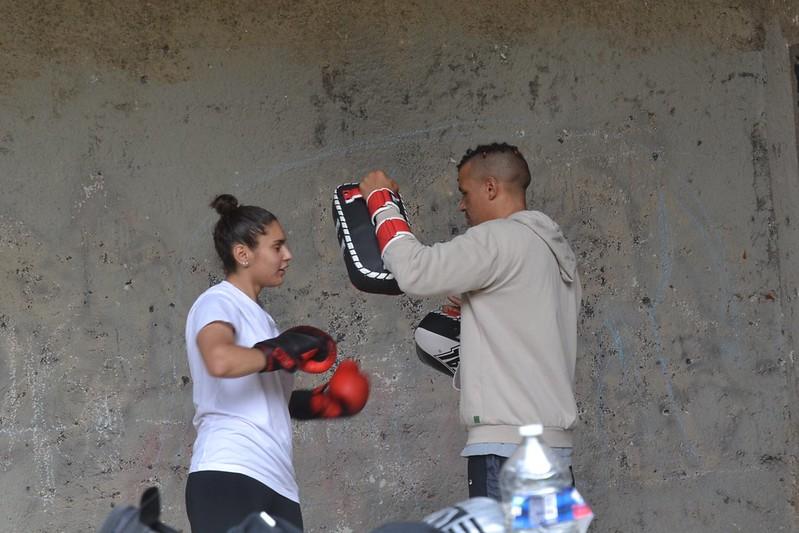
While title fights might grab the most attention, the real strength of MMA comes from inside local gyms. Across the country, people of all ages and backgrounds train morning and night, working on things like striking drills, grappling rounds, and other technical or physical areas of the sport.
However, not everybody who gives MMA a go is looking to go professional down the line; many people use it as a tool to improve their overall fitness or to learn how to defend themselves.
What’s Encouraging The Growth of MMA in the UK?
References
- Ultra MMA. (2017b, July 11). Rules & Regulations - Ultra MMA. https://www.ultra-mma.co.uk/rules-regulations/
- Ultimate Fighting Championship. (n.d.). Unified rules of mixed martial arts. https://www.ufc.com/unified-rules-mixed-martial-arts
Summarise with AI:
Did you like this article? Leave a rating!

 Loading...