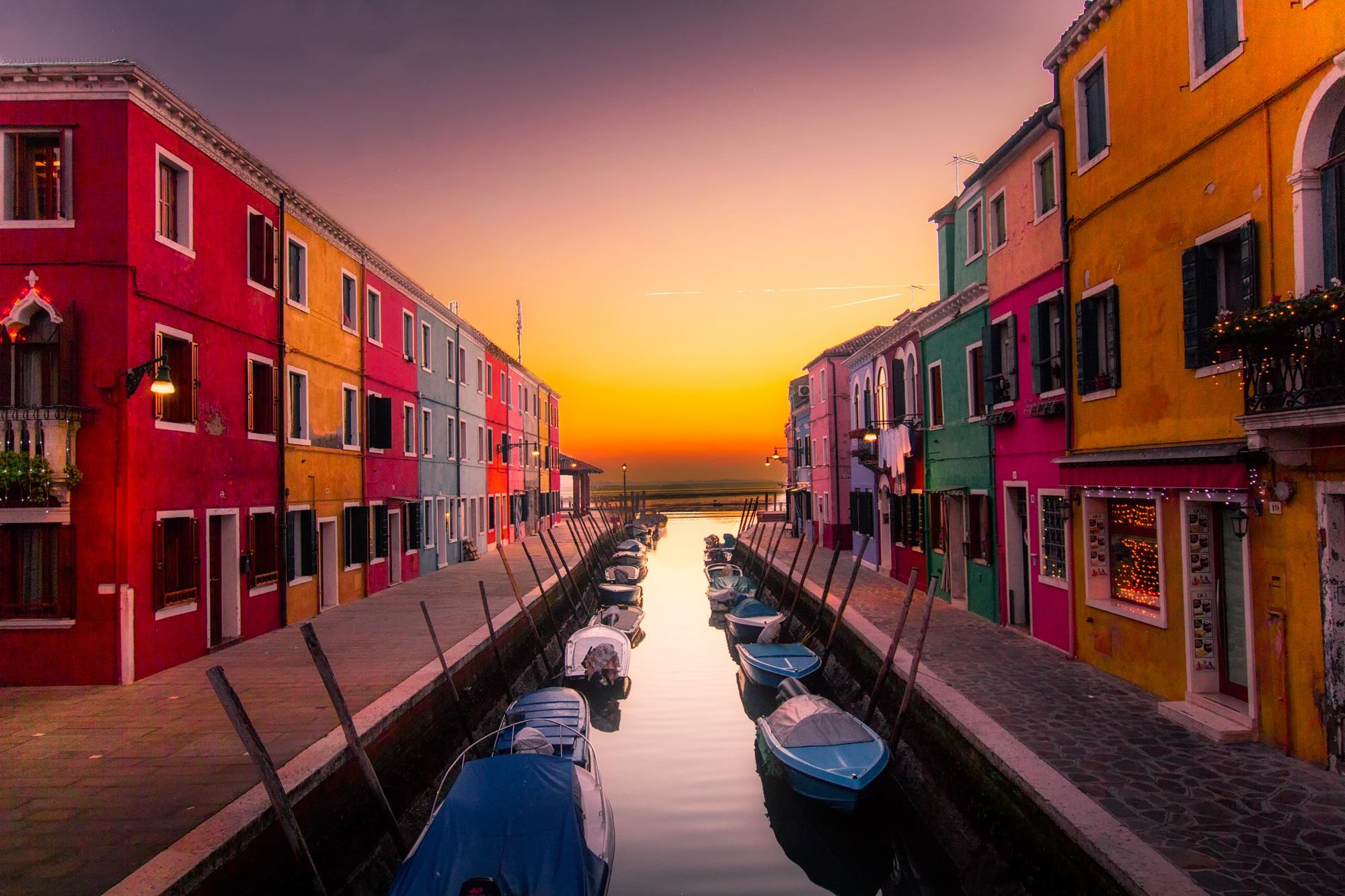

As one of the cradles of humanity, with the traces of Roman and Greek cultures still echoing today, there's no doubt that Italians offer countless lessons in wisdom, history, and philosophy through their sayings, which have resonated across centuries and generations.
You'll find in these famous Italian phrases the motivation to continue studying Italian; the rich culture, with its proverbs and sayings of Latin origin, is an endless source of wisdom and inspiration. With a mind of steel, we can move mountains, and Italian proverbs like these are designed to motivate us beyond language learning.


🇮🇹 Famous Italian Quotes and Their Meanings
Italians have carved inspiring thoughts that speak to everyone at some of life's most essential moments. Whether you're seeking motivation, love advice, or life lessons, these famous Italian quotes 1 are yours to experience their profound impact!
| Italian Quote | Literal Meaning | Equivalent English Expression | Meaning |
|---|---|---|---|
| A buon intenditore poche parole | To the perceptive, few words | A nod's as good as a wink | It could be said ironically, but it’s mainly used when you don’t need too many words or signs to describe the impact or effects of a situation. |
| In bocca al lupo! (response: Crepi il lupo!) | In the wolf’s mouth! / response: May the wolf die! | Break a leg | The first one is to let people know you're going through a challenging situation, and the reply is used to wish someone good luck in theirs. |
| Chi dorme non piglia pesci | Those who sleep don’t catch fish | The early bird gets the worm | In Italian, it conveys the idea that you have to wake up early to be successful, whereas in English, it may be more inclined to emphasize that success requires effort and proactivity. |
| Non avere peli sulla lingua | To not have hairs on your tongue | To speak your mind / Call a spade a spade | To speak honestly and directly, even if it’s blunt. |
| Acqua in bocca | Water in your mouth | Mum's the word/ Keep it under your hat | To keep a secret, don’t say anything. |
| Chi la fa, l’aspetti | Whoever does it, awaits it | What goes around comes around | If you do something bad, expect consequences. |
| Piove sul bagnato | It rains on the wet | When it rains, it pours | Problems (or good things) come all at once. |
| Tirare sempre l’acqua al suo mulino | To pull water to one’s own mill | He always plays for his own team | To act for one’s own benefit, often selfishly. |
| A caval donato non si guarda in bocca | Don’t look a gift horse in the mouth | Don’t look a gift horse in the mouth | A gift is a gift, don't criticise it and be grateful for it |
| Prendere due piccioni con una fava | To catch two pigeons with one bean | Kill two birds with one stone | To accomplish two things at once. |
| Chi si somiglia si piglia | Those who resemble each other, take each other | Birds of a feather flock together | People with similar traits tend to get together. |
🌞 Inspirational Italian Quotes
Positive thinking is a way of thinking that is gaining more and more followers around the world. Indeed, through values such as perseverance, self-confidence, patience, or even wisdom, it allows us to be more motivated to face the hazards of daily life. Some positive Italian thoughts will encourage us to organise our lives and progress in our study of Italian!
With the right motivation - especially from famous Italian sayings or Italian songs - we can manage to move mountains!
Short Positive Italian Sayings: Quotes About Life and Wisdom
🎭 Did Shakespeare copy famous Italian sayings?
"All's well that ends well" (Tutto è bene quel che finisce bene) will resonate with you, thanks to William Shakespeare's famous play. It's the story of Helena's effort and dedication. Despite the challenges she knew she would face, she also knew deep down that the reward would be great.
In the play that inspired the famous Italian saying, Helena is a young woman who seeks love in Bertram, a man of higher social standing, who initially rejects her but eventually marries her. The obstacles presented throughout their relationship are successfully overcome by the protagonist.
Even with the difficulties, it's explained that everything was worthwhile because there was a happy ending: Helena marries, becomes pregnant, heals the king, and Bertram - her beloved- is forgiven after abandoning her to go to war (among other things)2.
Every conflict proves to be worthwhile when it culminates in a happy conclusion: "Everything works out for the best."
Yes, the story is that the Italian use of “Tutto è bene quel che finisce bene” comes directly from Shakespeare's play "All's well that ends well," which was inspired by a Latin proverb that also appears in other 13th-century English poetic works predating his play. The proverb that inspired the artists is apparently “Omnia tunc bona sunt, clausula quando bona est,” which literally translates to “All is then good when the ending is good.”
Italian Proverbs about patience and knowledge
Whether you are young, advanced in a professional career, taking some Italian classes in London, or in the middle of a life project, there is a good chance that there are some obstacles in the way. Problems will encounter us during our journey, and it takes one extra ingredient to get to a solution without losing our minds: patience. Take these short Italian quotations as inspiration to work on your own patience skills:
💔 Italian Quotes About Love and Relationships
Occhio che non vede, cuore che non duole
👉🏼 A handy Italian phrase at any age, it comes from Virgilio's (the poet) proverb collection in Latin "Quod non videt oculus, cor non dolet."
If you don’t know or don’t notice something painful, you might be ignoring a painful truth (a betrayal, a disappointment), but your heart won't suffer, preventing heartbreak. The English equivalent would be “Out of sight, out of mind.”
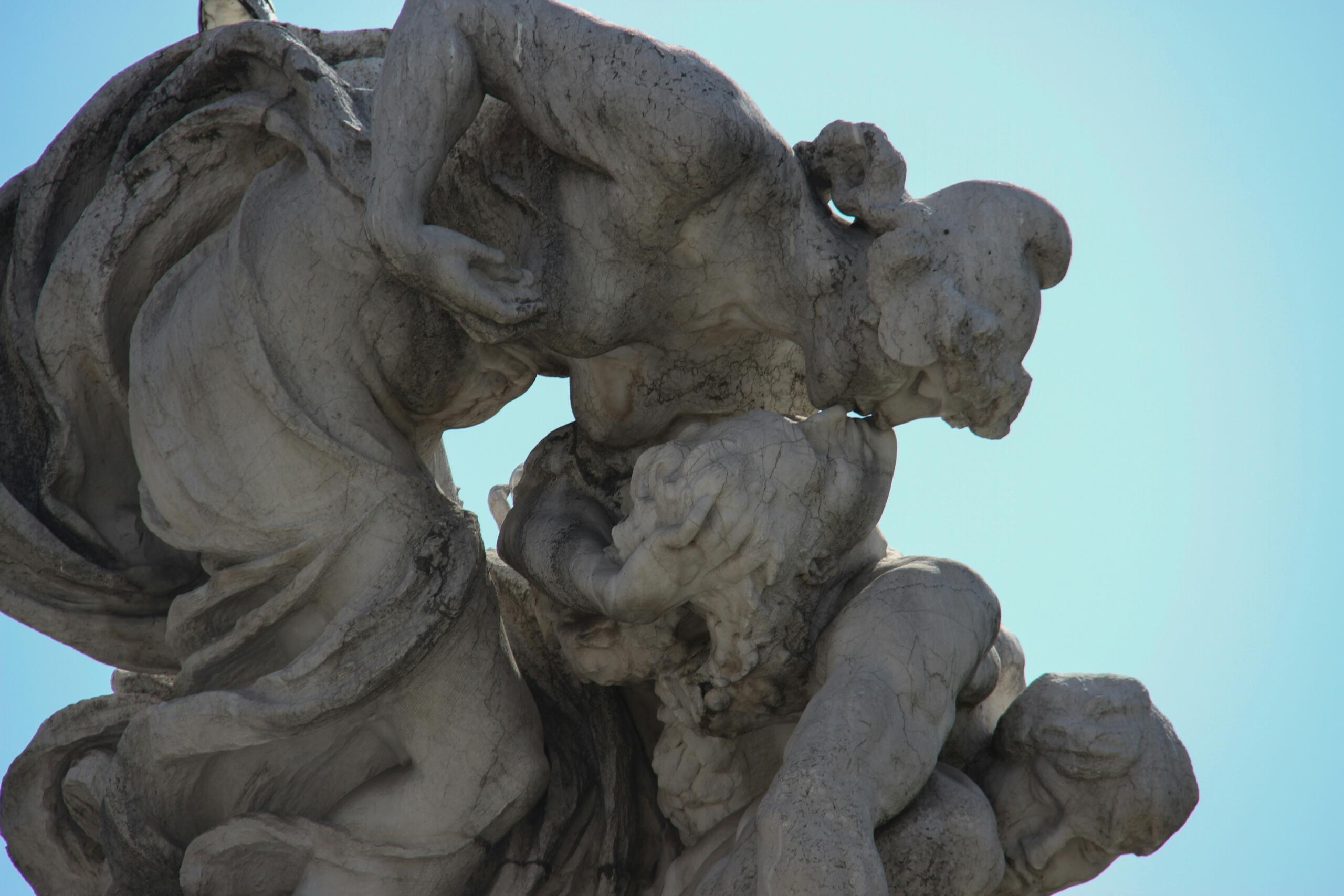
Cuore innamorato non invecchia mai
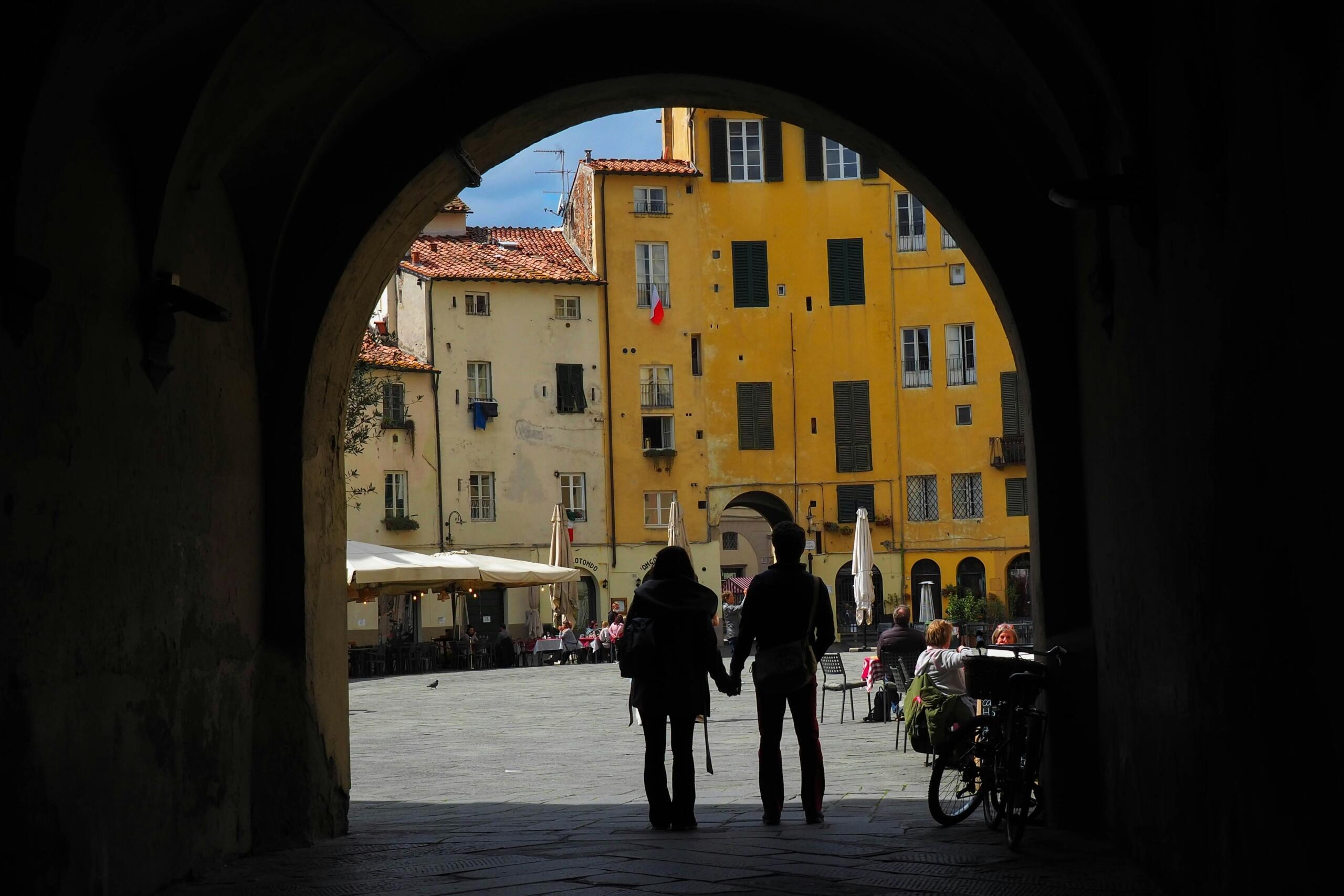
👉🏼 In English, “A heart in love never grows old” is an Italian romantic phrase used as advice to express that, in the best-case scenario, love gives you energy and keeps the spirit youthful. When the heart is in love, it stays young.
Tra due litiganti, il terzo gode
👉🏼 The most literal translation of this Italian Romantic saying would be “Between two quarrelers, the third rejoices", and the meaning is that when two lovers get into a fight, a third person may benefit from it, taking advantage of the discussion of the couple.
As a very well-known Italian phrase, it originated in a Latin proverb: "Duobus litigantibus, tertius gaudet."

L’amore è cieco

👉🏼 From the Latin phrase “Amor caecus", it is the literal translation of a very used expression today in the English-speaking world: "Love is blind."
If you're ever in Sicily - or you're dating a Sicilian -, you can note that in that region the phrase changes a bit and is known as "L’amuri è ciecu."
La vita senza te non ha senso
“Life without you has no meaning", this Italian proverb is more poetic than the ones used on an everyday basis, but a total and straightforward reflection of Italian passion and expressiveness.
This Italian love phrase, in a very romantic and forthright way, illustrates that life feels empty or meaningless when the loved one is not there.
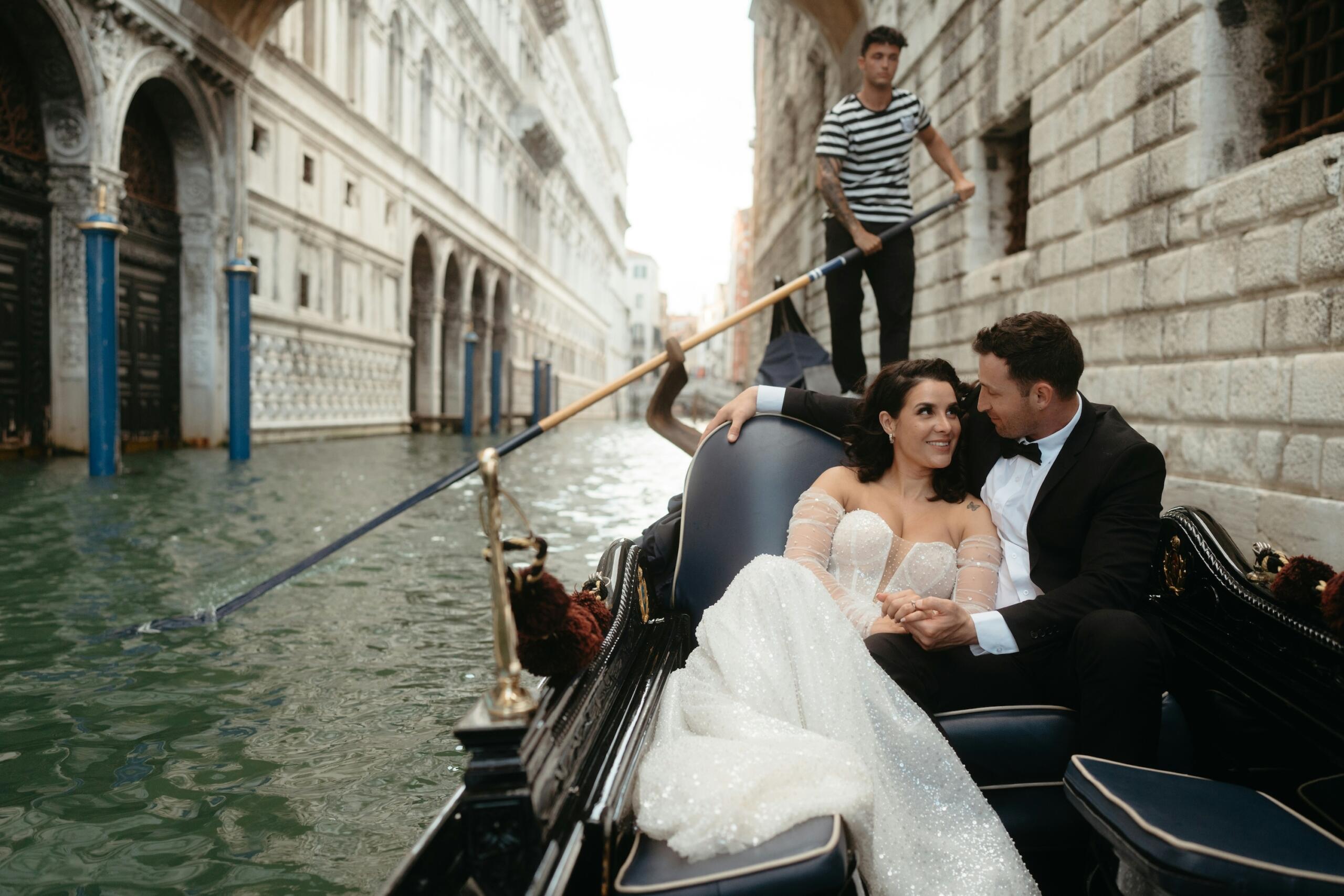
Italian Quotes About Success and Motivation
Work on your state of mind, and you can achieve everything through inspiration and motivation!
📚 Historical Context and Origins of Italian Proverbs
Of course, Italian literature is a rich source of inspiration for many of the most famous Italian proverbs. Italian poets and philosophers from Roman times have given us not only phrases but also words and terminology we still use today.
"Le bugie hanno le gambe corte" 3 ("Truth has short legs") is a prime example of how Italians have preserved their literature for millennia. The expression comes directly from Phaedrus's tale, which tells how Prometheus created the statue of Truth to restore justice among humankind.
When Prometheus left his workshop, his apprentice, Dolus, tried to copy it but ran out of clay, leaving the statue without feet. Hence, the idea that a copy of a lie has short legs. In the story, Prometheus gives life to both statues, although his own, "Truth," strolls, while his disciples' do not.
This second statue is called "Mendacium," which also gives rise to the word "menzogna" or "bugia", directly referring to the false nature of a copy that - unlike Truth - remains immobile and leads nowhere.
😎 Incorporating Italian Quotes into Your Daily Life
What are some popular Italian proverbs about life?
📚 Chi cerca, trova - "Whoever seeks, finds"
🤌🏻 Used in situations where you’re looking for something with a particular fervour. More used in the sense that if you put effort, you’ll find it.
📚 Meglio un uovo oggi che una gallina domani - “Better an egg today than a hen tomorrow”
English equivalent: “A bird in the hand is worth two in the bush"
🤌🏻 Be grateful for what you already have, even if it isn’t everything; it’s wiser to value a more minor but significant gain than to chase an uncertain, bigger one.
📚Chi va piano va sano e lontano - “He who goes slowly goes safely and far”
English equivalent: “Slow and steady wins the race"
🤌🏻 With calmness, patience, and steadiness, you will reach your goals; rushing is unnecessary and can be counterproductive.
📚 L’erba del vicino è sempre più verde – “The neighbour’s grass is always greener.”
🤌🏻 What others have often seems better than what we have; humans tend to idealise what they don’t possess.
📚 Non puoi avere la botte piena e la moglie ubriaca - “You can’t have a full barrel and a drunken wife”
English equivalent: “You can’t have your cake and eat it too.”
🤌🏻 You can’t have everything in life; choosing one thing often means giving up another, so appreciate what you have.
📚 Le bugie hanno le gambe corte – “Lies have short legs”
🤌🏻 Lies don’t last long; the truth always comes out eventually.
Italian Expressions for your Everyday
We sometimes tend to emphasise the peaceful nature of the Italians, even adopting the expression "Dolce Vita" in our daily lives. Here is a list that complements the ones you already know. Just as you listen to the radio in Italian to learn new expressions, integrate this list into your lessons to keep progressing.
| Italian Phrase | Pronunciation for English Speakers | Meaning for Italians | Meaning for English Speakers |
|---|---|---|---|
| No vabbè | noh vah-BEH | An exclamation of strong surprise, disbelief, shock, or amazement. | “No way!” / Expressing surprise or a strong reaction. |
| Macché | mah-KEH | A strong, dismissive “absolutely not,” often expressing disbelief or rejection. | “Of course not!” / “No way!” |
| Magari | mah-GAH-ree | A hopeful “if only!” or “I wish!”, sometimes also “maybe” depending on tone. | “I wish!” / Expressing desire or hopeful possibility. |
| Per forza | pehr FOR-tsa | Used to affirm something obvious or inevitable; “obviously,” “naturally.” | “Of course I do” / Reaffirming something that seems obvious. |
| Un botto | oon BOH-toh | Slang for “a lot,” “a ton,” referring to a big quantity or strong intensity. | “A ton” / A very large amount (slang). |
| Piove a catinelle | PYOH-veh ah kah-tee-NEHL-leh | Means the rain is pouring down extremely heavily. | “It’s raining cats and dogs” / Raining very heavily. |
| Avere le mani di pasta frolla | ah-VEH-reh leh MAH-nee dee PAH-sta FROL-lah | Describes someone very clumsy with their hands. | “Butterfingers” / Clumsy, prone to dropping things. |
| Ci mancherebbe | chee mahn-keh-REHB-beh | A polite but emphatic “of course,” often meaning “don’t even mention it,” “naturally,” or “no problem at all.” | “Of course!” / “Don’t mention it!” / An emphatic reassurance or polite acceptance. |
Remember that Italian is also "spoken" with the hands, so don't forget to include some iconic Italian gestures while studying some of the most famous Italian phrases. It will make your language learning much easier, and you'll feel your inner Italian coming out right away!
How can I learn to pronounce Italian quotes correctly?
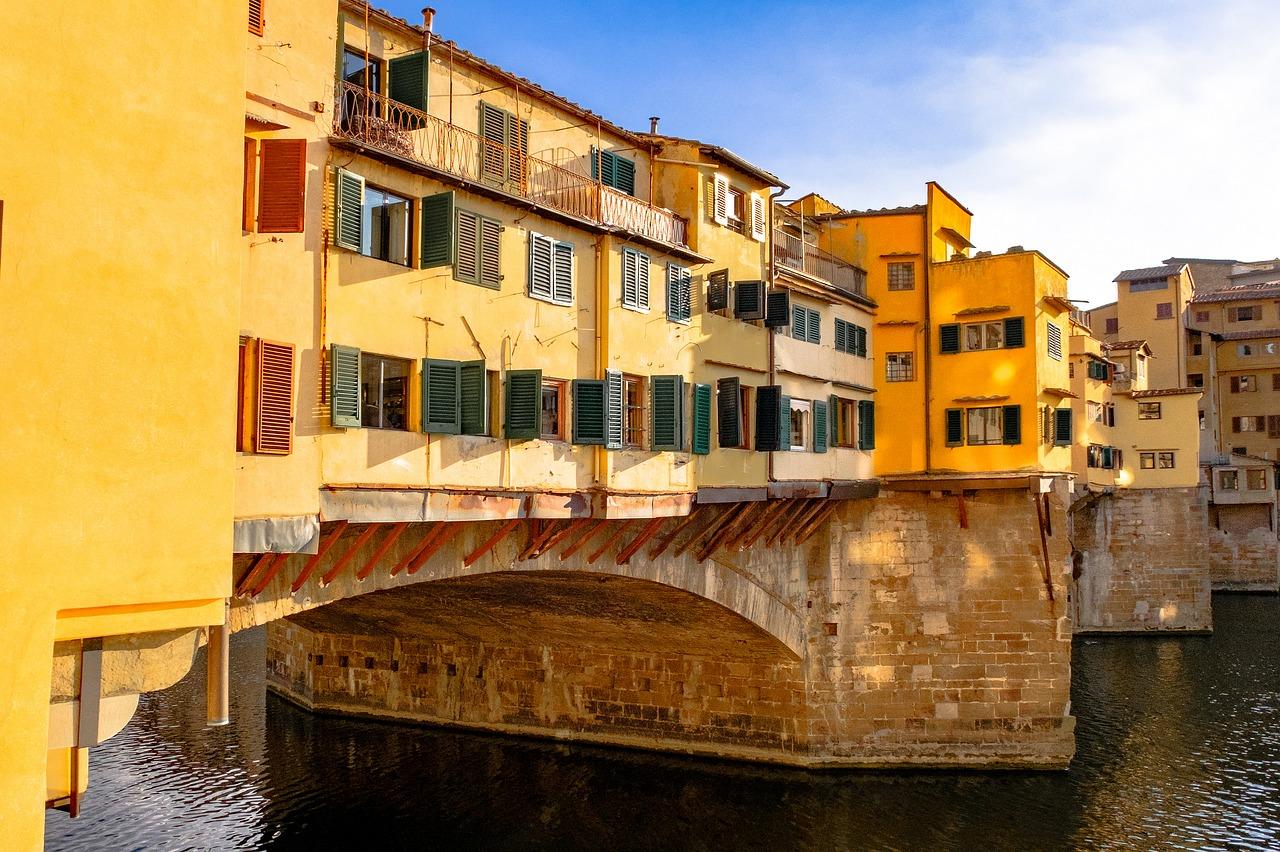
Thus, Italy, beyond gastronomy, Vespa vehicles, Italian cinema and TV, is a country whose quotations perfectly embody its values: patience, effort, the desire to achieve one's objectives...
It is, therefore, part of Italian culture to always maintain the same aim: motivating ourselves.
The best way to stay motivated is to practise all the iconic Italian phrases we just learned. Follow these pronunciation tips for English speakers and learn Italian faster!
When you learn by heart all these Italian quotes, you can bet that you will be more optimistic, wise and ready to face the world! Ci vediamo!
References
- Word Reference Forum. A buon intenditore poche parole. (26 September 2017) https://forum.wordreference.com/threads/a-buon-intenditore-poche-parole.3371653/ (Accessed: November 2025).
- Racini Press. Tutto è bene quel che finisce bene. (14 January 2015) https://www.radici-press.net/tutto-e-bene-quel-che-finisce-bene/ (Accessed: November 2025).
- Il Matino. Perché le bugie hanno le gambe corte? Ecco da dove nasce il proverbio. (5 November 2017) https://www.ilmattinoquotidiano.it/blog/alba-subrizio/34140/perche-le-bugie-hanno-le-gambe-corte-ecco-da-dove-nasce-il-proverbio.html (Accessed: November 2025).
Summarise with AI:
Did you like this article? Leave a rating!

 Loading...