

Poets and philosophers are the unacknowledged legislators of the world.
Percy Bysshe Shelley
One of the many poems you may need to analyse as part of your GCSE English Literature is Ozymandias by Percy Bysshe Shelley. The name of the poem does sound unusual, but it holds a symbolic significance once you have fully understood it. In this article, we will be looking at the context and summary of the poem, line-by-line analysis, key themes and symbols and exam tips.
Key Takeaways From Ozymandias
- While this poem features an ancient Egyptian King, Rameses II, whose Greek name is Ozymandias, Shelley used him to reflect another king in his own country, King George II
- The main themes of this poem are the multifaceted side of power, humans' desire for legacy, and the concept of impermanence reflected through the symbolic imagery of desert and sand
- Shelley uses vivid imagery and description of the statue from the traveller to reveal Ozymandias's true character
- The main message of the poem, Ozymandias, proves that even absolute power is not eternal
- To gain maximum marks for your paper, it's important to apply the right references (key quotes), the right analysis (language), and the right connection (linking context and examples)


📝 Introduction: About “Ozymandias”
Ozymandias is written by one of the most famous Romantic poets of all time, Percy Bysshe Shelley. It was first published on 11 January 1818 in the Examiner, a famous British weekly paper during that period.
Let's go deeper into the context of the poem in terms of its unique title and the purpose of writing this poem:
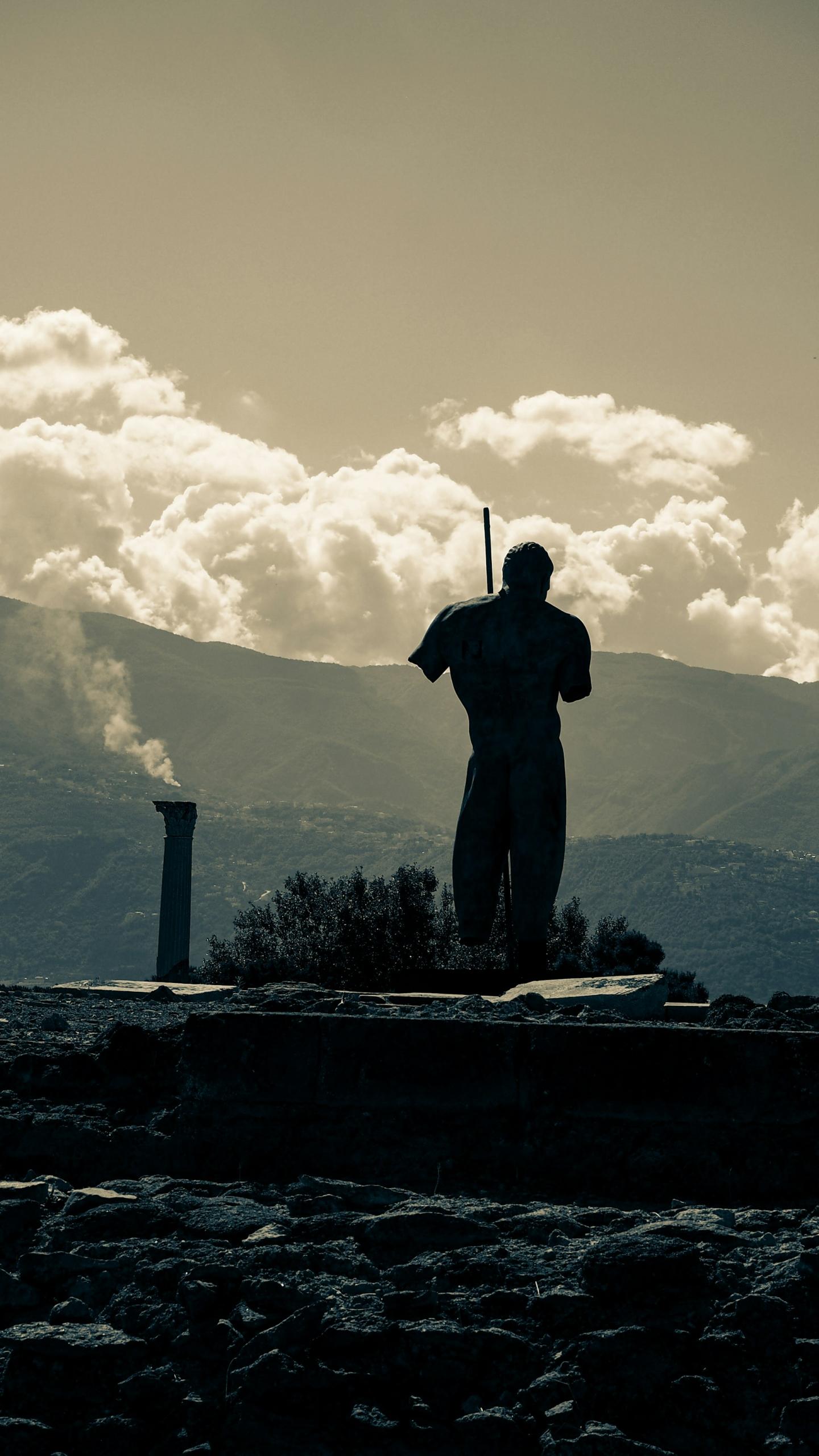
Ozymandias is the Greek name of Ramesses II, one of the most celebrated Pharaohs in Egypt.
Famed for his military conquests and monument-building projects, he was also worshipped as a deity when he was alive.
Shelley and his friend, Horace Smith, engaged in a poetry challenge where they each wrote a poem about Ozymandias.
They were inspired by the arrival of the Younger Memnon, an Egyptian statue acquired by the British Museum.
✍️The Poet and Poem's Significance
Born in Sussex, England, Shelly grew up in a rich and privileged family. While he was a bright student, he was known for his radical spirit and frequently expressed disdain towards the monarchy, religion, war, and social injustice — reflected in his writings eventually. If you’d like extra guidance analysing the poem for GCSE, working with an English tutor can help you build confidence with context, language and exam technique.
As a Romantic poet, Shelley beautifully incorporates elements of idealism and imagination in his writings. He was very much influenced by discussions of philosophies and politics, which he tried to reflect through allegorical and vivid language.
Until today, Ozymandias is known as one of his representative works, as it showcases Shelley's criticism of the monarchy and those in power and his brilliant symbolic insights into time and art. He died at the young age of 29.
📜 Summary of Ozymandias
Ozymandias begins with the narrator recounting a conversation with a traveller from an "antique land." This simply means an old land that is rooted in history. Through the traveller's vivid account, the reader is introduced to the remains of the statue of Ozymandias, an ancient king whose kingdom and achievements have long since crumbled into oblivion.
Despite the ruin, the expression on the face of the statue, its "frown, and wrinkled lip, and sneer of cold command" is still recognisable, suggesting the character of the ruler it once depicted: a powerful and probably arrogant and egotistical king.
The narrative in Ozymandias is framed as a secondhand story, providing a layer of detachment that allows the reader to observe the scene from a distance, much like the narrator himself. There is not a huge level of plot in the poem. It does not weave complex webs and tells us too much of a story. Instead, it serves as a symbolic message for the reader. Many students discover that typing English tutors near me into the Superprof homepage opens up a range of affordable learning options.
💡 Ozymandias Poem Annotated
Now, let's break down this poem and review the meaning behind the lines.
Lines
I met a traveller from an antique land,
Who said — “Two vast and trunkless legs of stone
Stand in the desert. Near them, on the sand,
Description
The poem begins with a past recount featuring the writer and a traveller from another country with a great history.
👑
The traveller began to tell him a story of a vast statue, where its two legs were seen standing in the desert.
Interpretation: Shelley establishes the poem's tone to create a distance between himself (the writer) and the actual message of the poem — a criticism of power and monarchy. He is also introducing the main subject of the poem (Ozymandias) through the descriptions of a ruined statue.
Lines
Half sunk a shattered visage lies, whose frown,
And wrinkled lip, and sneer of cold command,”
Description
Besides the legs, only the face of the statue remained. The face is half-buried and has suffered several damages.
👑
The traveller only described the statue's facial expression, which showed arrogance, contempt, and coldness (frown, wrinkled, sneer)
Interpretation: Shelley intentionally parallels the state of the ruined statue in the desert to the state of powerful monarchs. Power will fade with time — a symbolic meaning akin to the sand burying the statue. The statue's expression is a reflection of the monarch that Shelley had in mind, possibly King George III, and also his own anti-monarchy stance. If you feel stuck with your writing assignments, exploring English tutors near me may provide the support you need.
Lines
Tell that its sculptor well those passions read,
Which yet survive, stamped on these lifeless things,
The hand that mocked them, and the heart that fed;
Description
Another character appeared: the sculptor. The sculptor could see (read) through the ruler's (Ozymandias) true emotions.
👑
His emotions (including cruelty) are captured in detail and immortalised through the sculptor's skills
Interpretation: Shelley uses literary devices such as irony and paradoxes to describe how art surpasses power — people could only know about this ruler through this art. The lifeless statue now symbolises the once-powerful king (while he was alive). The hand of the statue captures, or rather exposes, the cruel behaviour (heart) of the ruler. By taking your search to Superprof and researching for English tutors near me, you can compare tutor profiles, teaching styles, and lesson prices.
Lines
And on the pedestal, these words appear:
My name is Ozymandias, King of Kings;
Look on my Works, ye Mighty, and despair!"
Nothing beside remains. Round the decay
Description
The focus is now on the inscription of the statue's pedestal, which reveals Ozymandias as the subject of the poem and statue.
👑
He claims himself as the most powerful king, and everyone should marvel at his powerful achievements. However, now nothing remains as everything has faded, including Ozymandias and his power.
Interpretation: The existence of the inscription revealed Ozymandias's pride, where he views his power as absolute and immortal — equivalent to God. He commands others to look at his power and be intimidated, but now all his power means nothing.
Lines
Of that colossal Wreck, boundless and bare
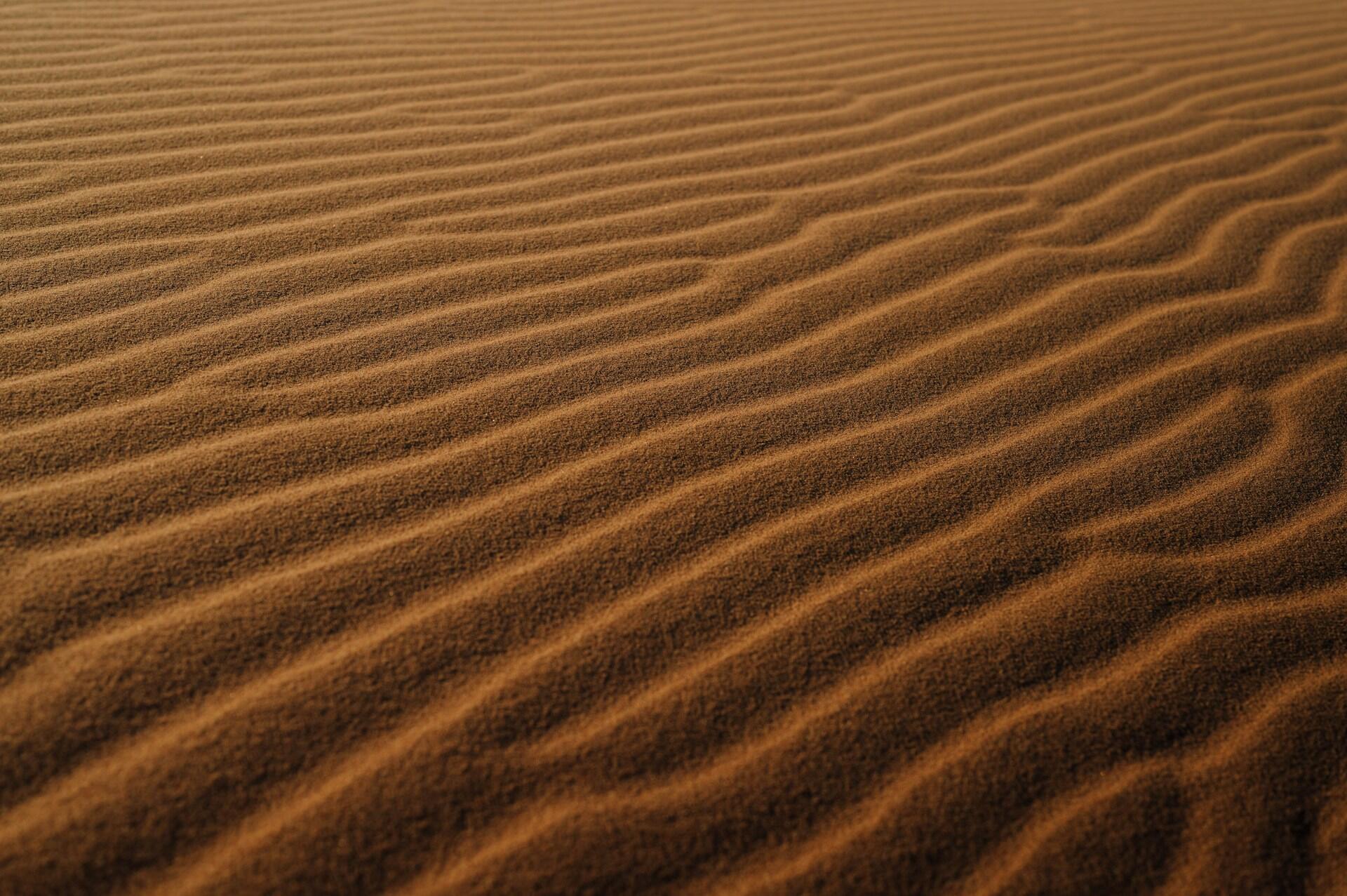
The lone and level sands stretch far away.
Description
What was once great has now become damaged, empty, ruined, and insignificant in the endless layers of the desert.
Interpretation: Shelley uses Ozymandias's example to show that even great empires will one day lose their power. He depicts the eternal power of time and nature over the brevity of human power through the imagery of the desert and the sands.
🔍 Analysis of Ozymanias's Key Themes and Symbols
Moving on, let's review the major themes and symbolism that are showcased in this poem.
📍The Multifaceted Side of Power
Power is the central theme of Ozymandias, which is based on the life of the titular character. While he was still alive, Ozymandias was the symbol of human authority and ruling power, boasting great armies and vast territories. However, even a great ruler like Ozymandias had to bow down to the true nature of power.
A search for English tutors near me on Superprof often leads learners to tutors who specialize in conversation practice and pronunciation.
| Aspect of Power | Explanation | Key Quotes |
|---|---|---|
| Political power | 🔥Ozymandias's position as the highest ruler led him to pride and cruelty. 🔥His pride led him to think that he is the greatest and his power and empire will go on forever. | 🔥“The frown, and wrinkled lip, and sneer of cold command” 🔥“Look on my Works, ye Mighty, and despair!" |
| Artistic power | 🪨Without the sculptor's artistic skills, the statue would not have captured Ozymandias's features or recorded his inscriptions. 🪨Ironically, the sculptor's art (lifeless) showed more enduring power than Ozymandias's authority while he was still alive. | 🪨“The hand that mocked them, and the heart that fed” 🪨“Which yet survive, stamped on these lifeless things” |
| The limits of human power over nature and time | ⌛No matter how great the political power of Ozymandias and the artistic power shown by the sculptor, their glory is temporary as compared to the time and the strength of nature. ⌛Time and nature can and will erase political power and human authority, as well as great monuments. | ⌛“Round the decay / Of that colossal wreck, boundless and bare, / The lone and level sands stretch far away.” ⌛“Two vast and trunkless legs of stone / Stand in the desert.” |
📍Human's Desire for True Legacy
Next, let's review the second theme. Ozymandias tried to immortalise his "powerful" legacy through art, particularly through monuments. Besides his face and body, he also ordered the sculptor to inscribe words that showcased his power and dominance. But eventually, the power of human legacies cannot outlast art.
| Features of legacy | Explanation | Key Quotes |
|---|---|---|
| The fragility of human achievements | 🌟No matter how great Ozymandias was during his rulling, his achievements are now reduced to a ruined statue in the desert. 🌟Human's pride of their legacies will one day be completely erased by time and nature. | 🌟“Round the decay of that colossal wreck, boundless and bare.” 🌟“Nothing beside remains.” |
| The illusion of power's immortality | 🌀The final state of the statue reveals that even absolute power will one day fade away. 🌀Though the inscription of the statue is still visible, it now serves as an irony and reminds us that power is temporary. | 🌀“Two vast and trunkless legs of stone / Stand in the desert.” 🌀My name is Ozymandias, King of Kings.” “Look on my Works, ye Mighty, and despair!” |
| The symbolic and expressive legacy of art | 🎨In this poem, art shows a greater legacy than power and authority because it has more depth and insights. It also survived longer than Ozymandias's legacy. The statue remains, but not Ozymandias's power. 🎨The statue also perfectly captures the true character of Ozymandias, especially his arrogance and cruelty through his facial expressions. | 🎨“Tell that its sculptor well those passions read, Which yet survive, stamped on these lifeless things.”' 🎨"Half sunk a shattered visage lies, whose frown,And wrinkled lip, and sneer of cold command." |
📍The Concept of Impermanence
Finally, Shelley uses the concept of impermanence as the bridge that connects the nature of power and the true meaning of legacy in this poem.
| Symbolic Evidence of Impermanence | Explanation | Key Quotes |
|---|---|---|
| The ruined state of the statue of Ozymandias | 🧱Based on the traveler's description, the once grand statue is now incomplete, with parts either damaged or destructed. 🧱The state of the statue symbolises human power and pride, which will eventually crumble with time. | 🧱" Two vast and trunkless legs of stone / Stand in the desert.” 🧱"Near them, on the sand, Half sunk a shattered visage lies" |
| The empty desert surrounded by only vast sand | 🏜️Shelley uses the imagery of the desert and sand to symbolise how human achievements and power eventually lose out to time. 🏜️The desert also represents a state of emptiness while the endless sands which covered the ruins of the statue showed that physical creations cannot withstand time’s decay. | 🏜️“Nothing beside remains. Round the decay Of that colossal Wreck, boundless and bare 🏜️The lone and level sands stretch far away.” |
| The changed meaning of the inscription | 🪶While the inscription of the pedestal remained, it is now an irony instead of a testament of Ozymandias's past glory. 🪶The words now showed Ozymandias's arrogance and his foolishness into thinking that his power will last forever. | 🪶“My name is Ozymandias, King of Kings; / Look on my Works, ye Mighty, and despair!” |
GCSE Ozymandias Study Focus & Revision Tips
After reviewing the summary, line-by-line analysis, and key themes and symbolism in Ozymandias, let's see how we can apply them aptly to ace the GCSE English Literature paper. Many students turn to past year papers or sample questions for their revision. For tailored support at any stage of preparation, English teacher online can be a flexible option alongside independent study. If you’re based in Scotland, an English tutor can also help you stay on track with poetry comparison practice and exam timing. Here are some sample/model essay questions that could be asked:
✅ How does Shelley use imagery and symbolism in 'Ozymandias' to convey the impermanence of power?"
✅ Compare how poets present ideas about power in ‘Ozymandias’ and in one other poem from ‘Power and Conflict’. (Actual question in Section B for the 2018 AQA paper)

Candidates are awarded marks according to these three assessment objectives (AO) and marking criteria:
Judicious use of precise references to support interpretation(s)
[Max marks: 12 marks]
Explore the effects of the writer’s methods to create meanings
[Max marks: 12 marks]
[Max marks: 6 marks]
For instance, here's a revision cheat sheet guideline on how to answer questions on poem comparisons, which is one of the most popular questions asked.
Step 1
Begin your introduction by mentioning the two poems (opening sentence), where you slowly compare their similarities and differences
Step 2
Similarity paragraph 1: Mention your point, evidence (key quotes), and analysis
Step 3
Similarity paragraph 2: Mention your point, evidence (key quotes), and analysis
Step 4
Difference paragraph 1: Mention your point, evidence (key quotes), and analysis
Step 5
Difference paragraph 2: Mention your point, evidence (key quotes), and analysis
Step 6
Briefly summarise your main points of analysis for the ending
When planning your study focus for this poem, here are some effective revision tips to help you ace this subject like a pro:
💎 Conclusion: Why “Ozymandias” Endures
It’s fitting to end this article by returning to a central message of the poem: the impermanence of power. As a ruler, Ozymandias wanted his power and legacy to endure, but what he once took pride in — his achievements and authority eventually vanished. Even his own monument could not escape the decay of time.
Ironically, the poem about him became the only thing that was truly immortalised, not for his past greatness or glory, but as a symbolic and timeless reminder that only time has the final say over all things, even absolute power and human ambition.
If you want to dive deeper into Ozymandias and other GCSE poems, feel free to connect with an experienced English tutor at Superprof for English tuition.
You get to choose a tutor who matches your learning preferences in terms of teaching experience, teaching qualifications, methodology, teaching mode (face-to-face or online), as well as hourly rates. If you’re looking for support in Scotland, you can find an English tutor for tailored GCSE English Literature revision.
An experienced tutor can guide you to have the best GCSE revision experience in terms of understanding the poetry, analysing the poetry, and mastering the right answering techniques to achieve your desired grades. If you're based in the Midlands, you could also work with an English tutor to build a strong revision plan.
Just head to the Superprof homepage to start browsing the tutors' profiles. The best part is 97% of Superprof tutors offer their first lesson for free, so you can enjoy your first lesson with ease!
Summarise with AI:
Did you like this article? Leave a rating!


 Loading...




‘The hand that mocked them, and the heart that fed.’ Nobody has been able to explain this to me. The hand that mocked them could be the sculptor, but hardly the heart that fed (the passions). So that would leave Ozymandias as the subject of both. But mocking his own passions? That is hardly the sneer of cold command. So we come back to the word ” mocked”. Can it have a different meaning? One more in line with making them as in a mock up?
Hey Peter thanks for your question! “Ozymandias” is all about the rise and fall of power, the ticking clock of time, and how even the mightiest rulers and their accomplishments don’t last forever. Now, that line you’re curious about – “The hand that mocked them, and the heart that fed” – it’s a bit of a poetic riddle itself and can be understood in different ways:
The Sculptor’s Insight: “The hand that mocked them” likely refers to the sculptor who crafted the statue, portraying Ozymandias’ emotions accurately. The “heart that fed” might allude to the sculptor’s deep understanding of Ozymandias’ ambitions. This interpretation emphasises the sculptor’s ability to embody both the exterior and the essence of Ozymandias in the statue.
Ozymandias as Both Subject and Creator: Another view is that Ozymandias himself is the focus of both “mocked” and “fed.” Here, “mocked” could represent Ozymandias’ ambition, while “fed” refers to his emotions. Yet, this notion is complex, as it’s hard to envision Ozymandias mocking his own passions.
Different Meaning of “Mocked”: Your suggestion about “mocked” being akin to making a representation is intriguing. This would imply the statue symbolised Ozymandias’ dreams, and “heart that fed” might refer to the feelings driving his grand ambitions. Such an interpretation aligns with the idea of the statue representing his legacy and aspirations.
Overall, “Ozymandias” is like a wakeup call, shouting out that even the biggest leaders and their fancy monuments crumble over time. The smashed statue and the inscription “Look on my works, ye Mighty, and despair!” really jab at the idea that nobody – no matter how powerful – can escape time’s grasp.
So, there you have it, a bit of poetic unraveling. Hope that helps clear things up a bit!
Like many, I’m puzzled by line 8 (“The hand that mocked …”).
Some people suggest that this refers to Ozymandias in relation to his subjects, and others that it refers to the sculptor vis a vis Ozymandias.
I’d suggest it appears to Ozymandias and that “them” refers back to the preceding noun (“ye Mighty”).
That is, the reference is perhaps to Ozymandias’ dominance of the other potentates (“the hand”) and to his heart feeding on their fear or envy (real or at least perceived).
Fantastic point, thank you for sharing!