

The partition of Ireland stands as one of the most defining moments in Modern Irish history. In simple terms, it refers to the division of the island into two separate political entities: Northern Ireland, which remains part of the United Kingdom, and what later became the Republic of Ireland, an independent state. However, this division didn't appear overnight, nor was it the result of a single agreement. Instead, it grew out of centuries of tension influenced by politics, identity, and even religion1. Even today, the effects of that division are widely debated in conversations around identity and borders. In this guide, we’ll take a closer look at how that division came about - tracing the key events, tensions, and decisions that led to partition, and exploring why its impact continues to be felt today.
Ireland was divided in 1921 following the Anglo-Irish treaty, which ended the Irish War of Independence. The split came about as a result of deep political and religious differences, with most of Ireland wanting independence from British rule while others in the north (particularly in Ulster) wanted to remain a part of the United Kingdom. Partition was agreed upon as a sort of compromise, though it eventually ended up intensifying division rather than resolving it.


🕰️ Historical Context Leading to Partition
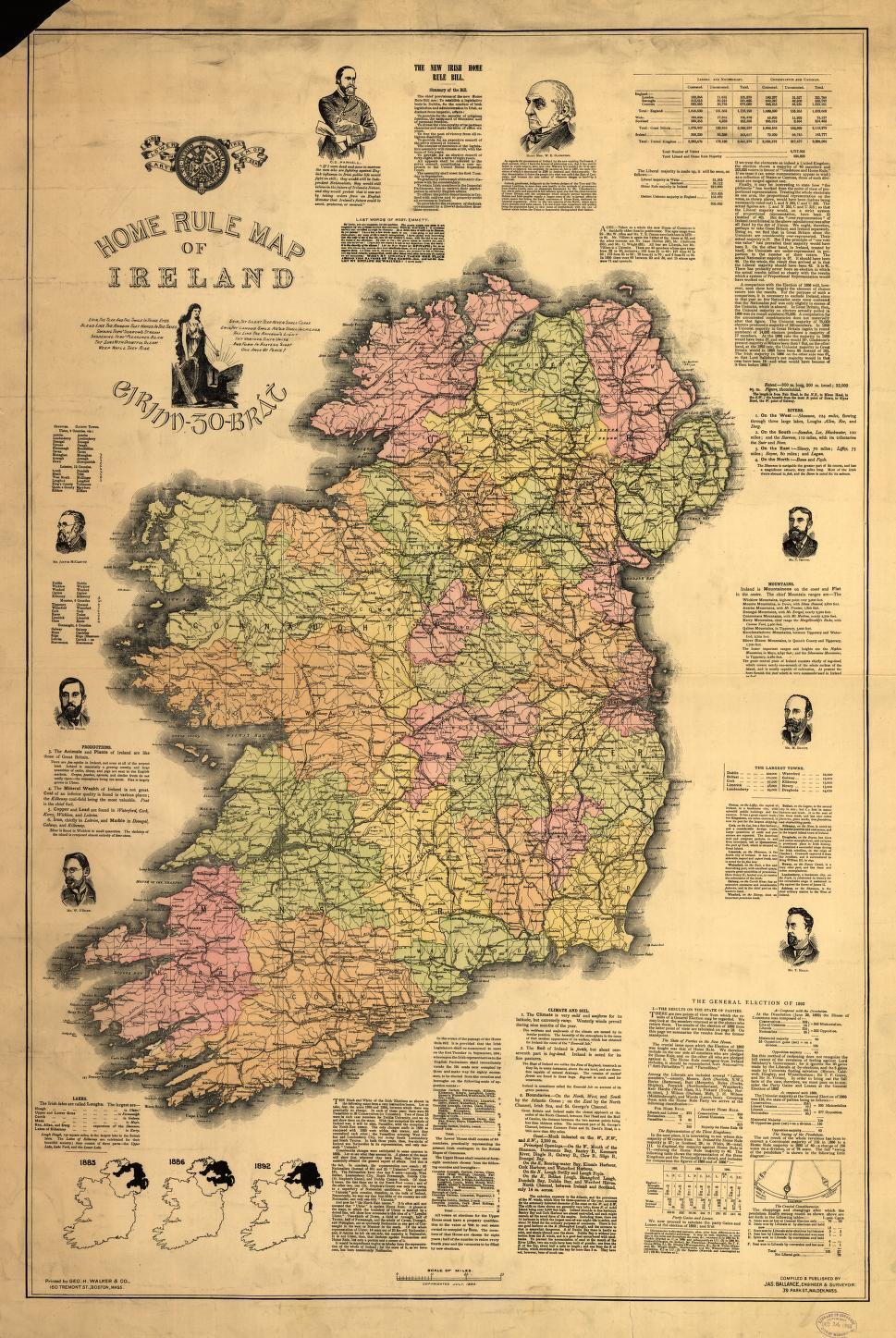
By the time partition was introduced in the early 20th century, the conditions that made it possible had been bubbling away in the background for generations. Let's take a deeper look at the historical factors that led to this defining moment in Irish history.
Early Irish-British Relations and the Home Rule Movement
British involvement in Ireland goes back hundreds of years, beginning with the Norman invasion of 1169. Naturally, over time, this changed how things like land, power, and overall politics worked across the island.
Unfortunately, as the centuries passed, these changes did not affect every region in the same way. The north became more industrial and closely tied to Britain, while much of the rest of Ireland remained more rural.
While the population of Ireland was largely Catholic, with a notable Protestant minority in the north, religious identity became closely tied to political views. Over time, this helped deepen divisions between Catholic nationalists and Protestant unionists, adding to tensions that had already been building long before the Great Famine.
In 1801, the Act of Union was passed. Essentially, this stripped Ireland of its own parliament and brought Ireland into the UK, forming the United Kingdom of Great Britain and Ireland. For many Irish citizens, this is a step too far. Now, decisions affecting Irish life weren't made on home soil but from Westminster in London, which only deepened the sense that Irish voices were not being listened to.
As the 19th century went on, frustration with this new system continued to grow. As a result, various political movements like Sinn Féin, which advocated for complete independence, drawing upon Ireland's historic Celtic identity, began to emerge that called for greater Irish control over domestic matters - eventually leading to the rise of the Home Rule movement.
What Exactly Did Home Rule Propose?
- An Irish parliament based in Dublin
- Control over internal issues such as education and taxation
- Continued ties with Britain
- A middle ground between full independence and remaining fully under British rule
The Rise of Unionism and Nationalism
As the debate picked up pace, two very different sides began to emerge, both with their own unique and varying opinions on what direction Ireland’s future should take.
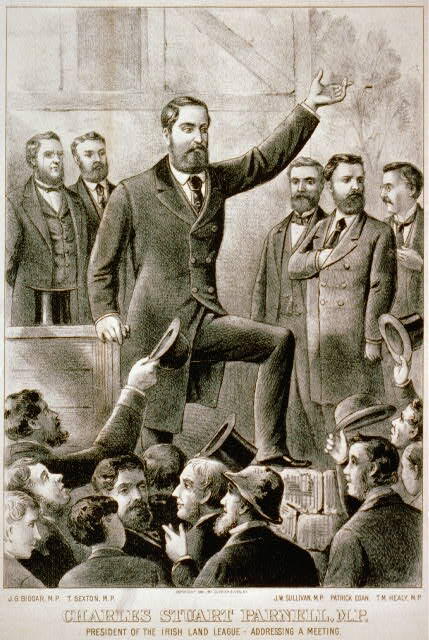
Nationalists
Nationalists felt that Ireland should be able to run its own affairs. For some, Home Rule was enough for the time being, while others saw it as a stepping stone towards something more independent. A lot of this was tied to identity, too - there was a strong feeling that decisions about Ireland should be made by people living there, not from outside.
Unionists
Unionists, especially in Ulster, didn’t see things the same way. They were more comfortable with how things already worked and wanted to keep their connection to Britain. There was also a concern that being governed from Dublin might leave them with less say, particularly in areas where they were in the minority.
⏳The Path to Partition
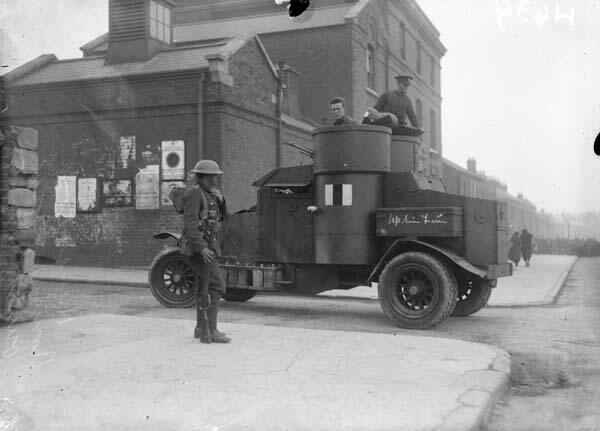
By the early 20th century, tensions in Ireland were beginning to reach a boiling point. What had started as a debate over home rule had grown into something far more serious, with both sides becoming ever more fixed in their views and less willing to compromise with the other side. From here, events began to unfold quickly - each one inching Ireland closer to outright division.
Timeline: How Ireland Moved Towards Partition
1914
Third Home Rule Act
Promised Irish self-governance, but faced strong resistance in Ulster and was delayed by the outbreak of World War I
1916
Easter Rising
This was a failed rebellion in Dublin that was swiftly dealt with harshly by the British, it played a big part in shifting public opinion towards independence
1919–1921
Irish War of Independence
Ongoing conflict between Irish republicans and British forces made political change unavoidable
1920
Government of Ireland Act
Attempted to ease tensions by setting up separate governments in the north and south
1921
Anglo-Irish Treaty
Brought the war to an end and confirmed the division of the island into two political entities
The Irish War of Independence was a conflict between Irish republican groups, led by the IRA, and British forces. It involved guerrilla-style fighting, particularly in cities and rural areas. While it didn’t last particularly long, its impact was massive. It made it clear that the situation in Ireland had moved beyond political debate and that some kind of lasting solution would have to be found as soon as possible.
The Government of Ireland Act 1920
Instead of trying to keep Ireland under one system, the British government introduced a new approach in 1920. The Government of Ireland Act proposed splitting the island into two separate political areas, each with its own parliament.
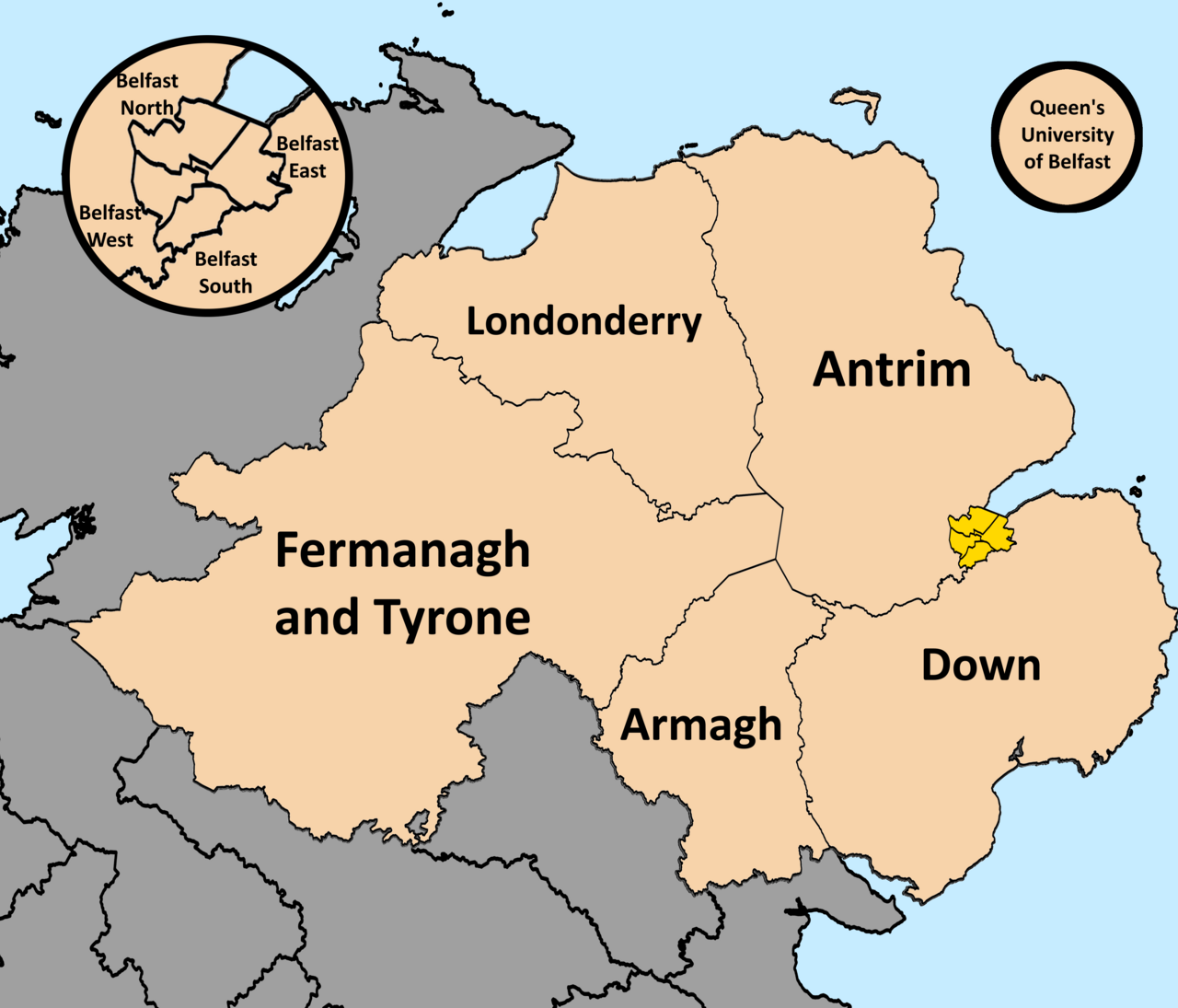
What the Act Actually Did
As you’ve probably guessed, this didn’t resolve the issues beneath the surface. Nationalists were far from satisfied with limited self-rule, while Unionists remained wary of any major change. More importantly, it marked the first time this division was formally written into law.
The Anglo-Irish Treaty and the Establishment of Northern Ireland
By 1921, something had to give. After years of tension and outright conflict, the Anglo-Irish treaty was signed, finally bringing the War of Independence to an end and setting out what Ireland would look like going forward. But what did the treaty actually entail?
The biggest change from the treaty was the creation of the Irish Free State, which gave most of Ireland control over its own government and internal affairs.2 Additionally, it also allowed Northern Ireland to opt out and remain part of the UK, which they soon did when given the option.
In practice, this meant Ireland would now operate under two different systems rather than as a single country - as seen below:
Irish Free State
Northern Ireland
⚖️ Immediate Aftermath and Reactions
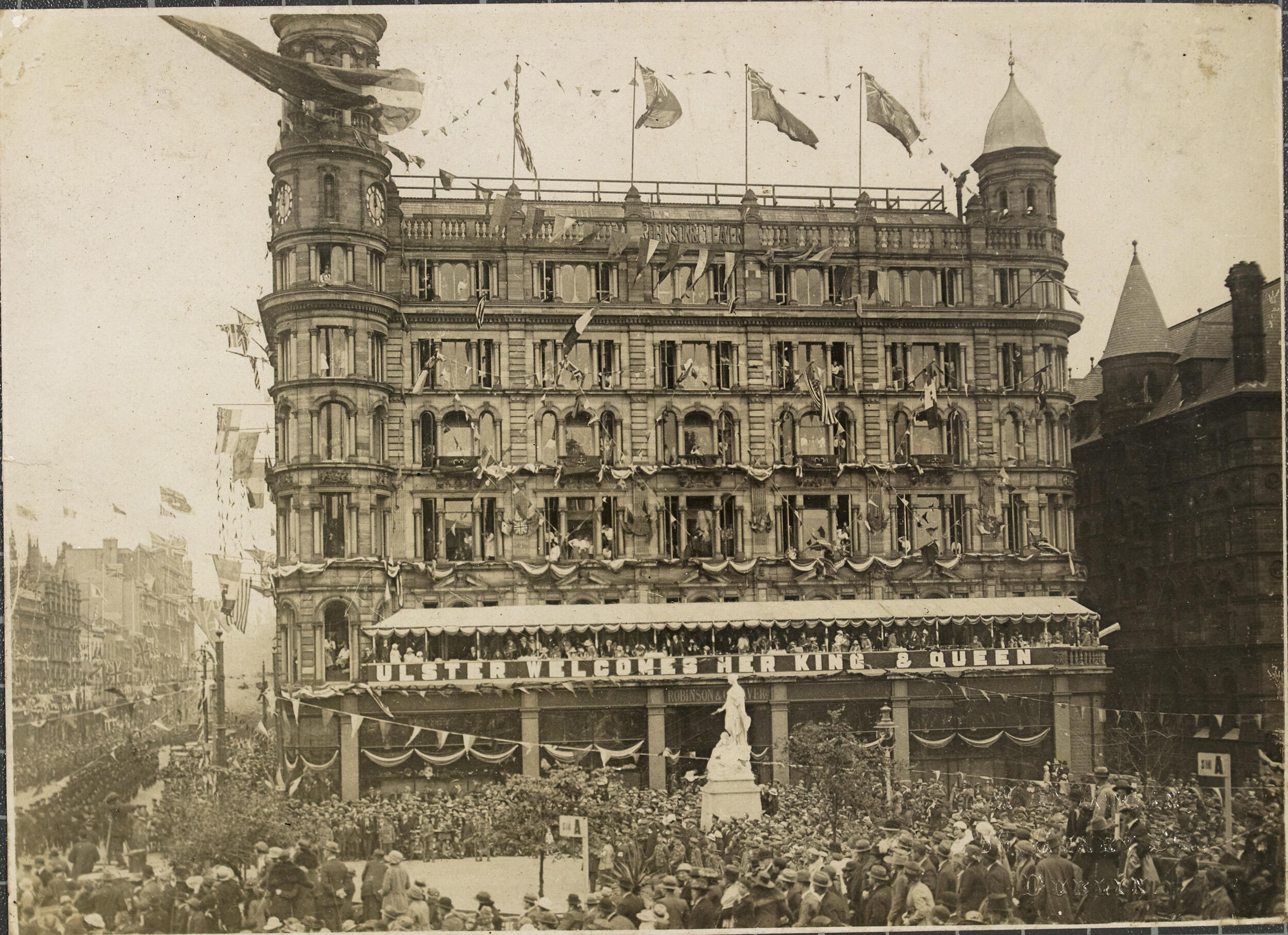
While the treaty may have solved the immediate question of how Ireland should be governed, it certainly didn't bring clarity or stability straight off the bat. Both parts of Ireland were forced to adjust quickly to their new systems, new borders, and in many cases, whole new tensions.
Economic and Social Impacts on Both Regions
One of the clearest ways to see the impact of partition is in how each part of Ireland began to develop in the years that followed. Check the table below for a better idea:
| Aspect | Irish Free State | Northern Ireland |
|---|---|---|
| Economy | Mostly agricultural, so growth was slower and less stable after the conflict | More industrial, with strong links to British trade and investment |
| Stability | Took time to settle, especially after years of unrest and change | More stable early on, though tensions were still there beneath the surface |
| Employment | Fewer opportunities in some areas, which led many to leave the country for work | Industrial jobs were available, but not shared evenly across communities |
| Social Conditions | Still adjusting to a new sense of identity and independence | Divisions between communities became more noticeable, especially in housing and jobs |
| Political Influence | Now had control over its own direction, but systems were still developing | Power largely stayed with Unionists, leaving others feeling pushed out |
Political Responses and the Boundary Commission
Even after the partition had been agreed, another major question hadn't been fully answered - where should the new border be placed? While a line had been drawn, there was uncertainty whether it would stay that way. To deal with this, the Boundary Commission was set up in 1924. Its job was to review the border and make adjustments based on local populations.
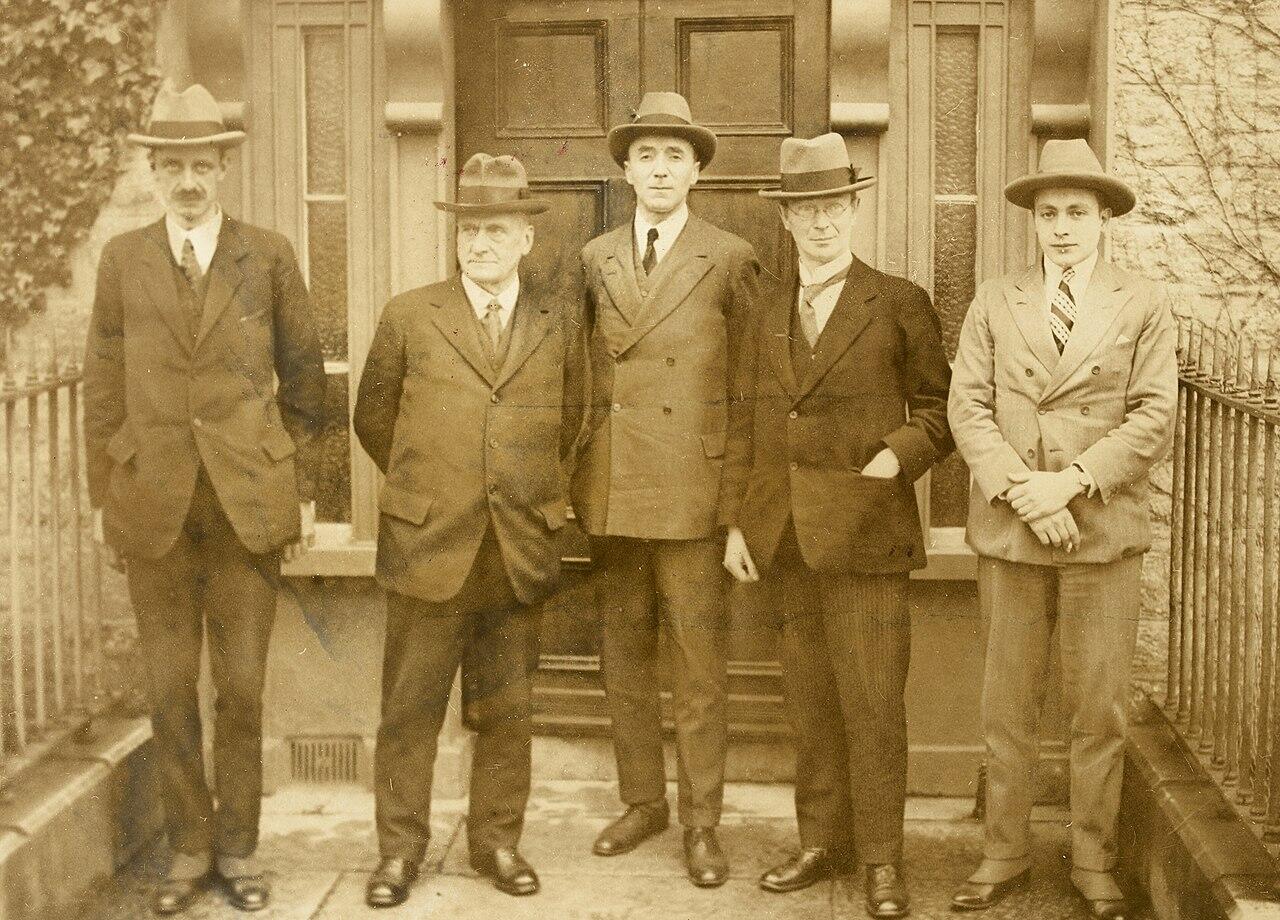
What Followed:
- Most people were under the impression that large swathes of areas would come under the control of the Irish Free State, particularly regions with nationalist majorities
- The commission began reviewing evidence, but its findings were leaked in 1925 before anything substantial was actually finalised
- The proposed changes were small, and in some cases would have moved land from the Irish Free State into Northern Ireland
- In the end, the plans were quietly abandoned, with all sides agreeing to leave the border as it was
⏳Long-Term Consequences of Partition
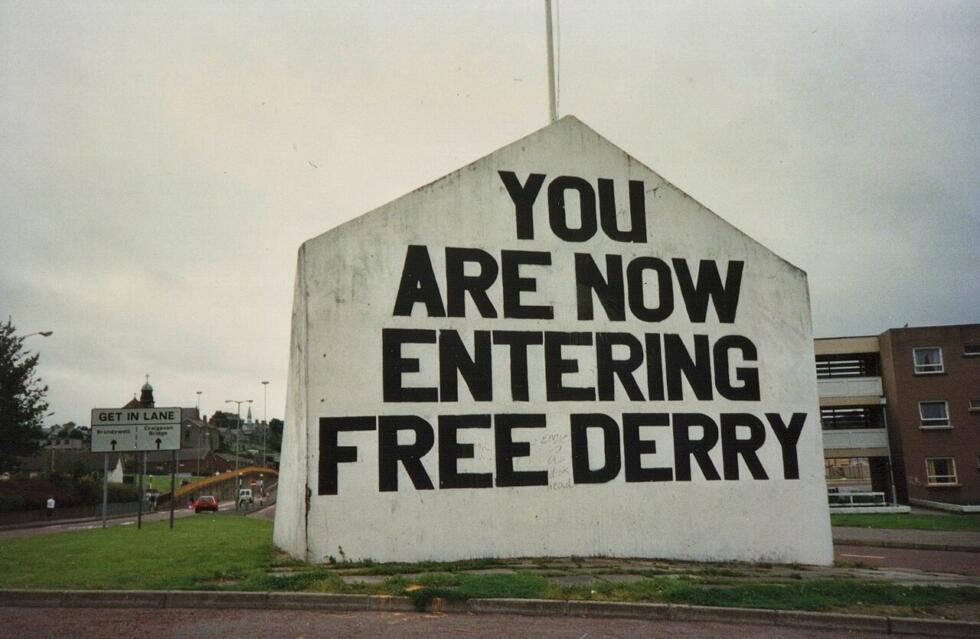
Unfortunately, Partition ultimately didn’t end tensions in Ireland - if anything, it set the stage for problems that would now take decades to fully unfold. While the border created two separate political systems, it also left behind deep divisions in identity, community, and control, particularly in Northern Ireland.
The Troubles: Decades of Conflict
By the late 1960s, these tensions had grown into The Troubles - a period of sustained violence, mainly in Northern Ireland, that lasted for around 30 years. Ireland had been a Christian country for centuries, going back to St Patrick, but in Northern Ireland, many Catholics had long been excluded from political power. By the 1960s, that frustration had started to turn into organised demands for equal rights.
At its core, the conflict once again centred around the nationalists who were largely Catholic and wanted Northern Ireland to rejoin the rest of Ireland, and the Unionists who were largely Protestant and eager to remain a part of the UK3.
The Troubles (late 1960s–1998) were a period of conflict in Northern Ireland involving republican and loyalist groups, alongside British security forces. Over 3,500 people were killed, and many more were injured. While rooted in long-standing divisions, partition nevertheless played a key role in creating the conditions that led to the conflict.
The Good Friday Agreement and Modern Implications
By the 1990s, attempts to bring the violence to an end finally started to gain some traction. That led to the Good Friday Agreement in 1998, which set out a new way of running Northern Ireland:
So, has it completely solved the problem? Not quite. While Northern Ireland is still run through a power-sharing government and is a lot more stable than in the past, there have been several periods where it’s broken down - thus leaving the region without a working government for months at a time.
References
- Knispel, S., & Knispel, S. (2026, March 8). 100 years on: The partition of Ireland explained. News Center. https://www.rochester.edu/newscenter/partition-of-ireland-explained-477342/
- BBC - History - 1916 Easter Rising - Aftermath - The Treaty. (n.d.). https://www.bbc.co.uk/history/british/easterrising/aftermath/af06.shtml
- BBC - History - The Troubles. (2010, January 28). https://www.bbc.co.uk/history/troubles
Summarise with AI:
Did you like this article? Leave a rating!


 Loading...
A very one sided view of what the British rule did in the splitting of the Irish island.
No conversation about the IRA or the paramilitary Irish forces. Also 12 people is not a massacre? Please ready further into this history and look deeper, also rewrite something a bit more accurate. Thanks
One sided view? No mention of paramilitary or IRA involvement. Obviously you are not aware of the fact that the country was partitioned by the British BEFORE either IRA or paramilitary activity came about.
The IRA and it’s political wing Sinn Fein only became active AFTER and as a result of the partition. The one sided treatment of Catholics in that partition angered Catholics (No right to vote, the major employers in Belfast encouraged NOT to employ Catholics i.e., Harland & Wolfe ) .
The “Troubles” were initially to get the Right to be treated equally to the Protestant population. Sane right to vote, equal rights to employment and education. The same rights as Protestants to March for their rights. When these matches (civil rights matches) took place they were met with extreme violence and the MURDER of the occupying British Army. THEN the paramilitaries and IRA became active . This is the truth if the matter. The full story.
Hi Peter.
Thank you for your comment. You’ve raised an important historical point — the Plantation of Ulster was indeed a foundational event that contributed to the divisions that later emerged more formally. In this blog post, we chose to start from 1801 for brevity, but we appreciate your reminder that any serious discussion of Ireland’s division must acknowledge earlier periods of colonisation and conflict. We’ll work on expanding the historical context in future revisions.
The account as I understand it!
Hi Ant.
Thank you for your thoughtful feedback. We appreciate you highlighting that British rule and the history of paramilitary groups like the IRA are complex and deserve balanced coverage. You’re right that the events surrounding the Troubles, including tragic events like Bloody Sunday, involved loss on all sides and require sensitive and accurate treatment. We will review the content with your comments in mind to ensure we are presenting a more complete and nuanced view of Ireland’s history. Thank you again for encouraging a deeper conversation.
You conveniently started in year 1801 to explain ‘Why Is Ireland Split in Two?’. The real reason ireland is split in two is because of the notorious and malicious ‘Plantation of Ulster’ starting in AD1606, which was clearly British colonisation of the Irish people and Irish lands.
Hi Melvin.
Thank you for your comment and for raising an important point. You’re absolutely right that the Plantation of Ulster in the early 1600s was a critical moment in Irish history and a major factor in the long-term division between communities in Ireland. In the blog, we chose to focus from 1801 onwards to keep the article concise and accessible, but we completely agree that a full understanding of Ireland’s division requires looking back to earlier events like the Plantations. We’ll take your feedback into account for future updates to ensure we offer a fuller picture.