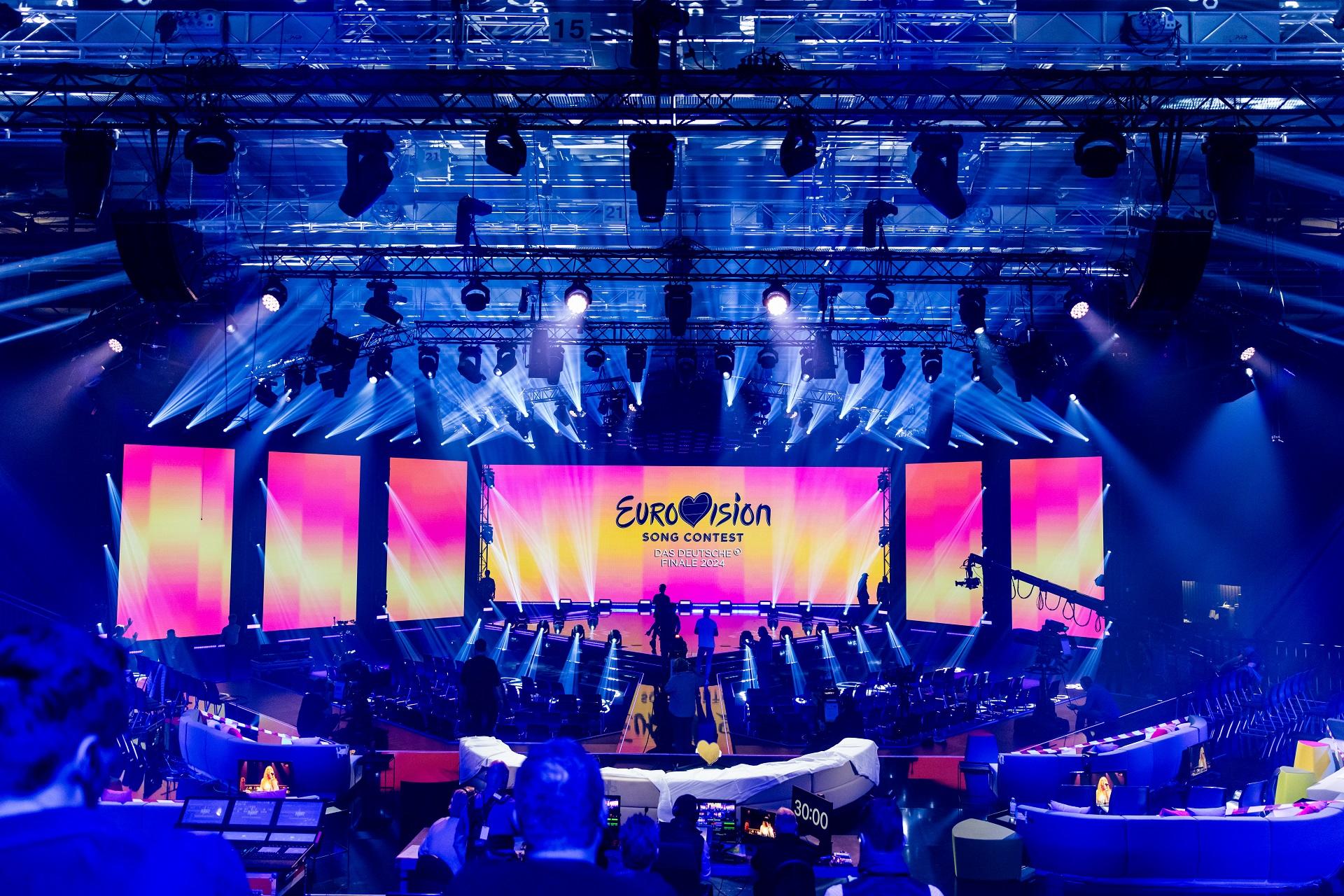

Song competitions have long been audience favourites, whether at local festivals or nationwide celebrations. Even before technology made broadcasting these events possible, audiences flocked to see the latest talent spectacles.
Would you be surprised to learn that the Eurovision Song Contest drew its inspiration from such a local contest? What other remarkable facts does Eurovision cloak with its glitz and glamour? Superprof investigates:
- Eurovision's early days
- the most significant changes in its long broadcast history
- the most famous singers to grace the Eurovision stage
- Eurovision's global impact and cultural reach
Every year, music fans tune in for the latest Eurovision broadcast. Few give any thought to the idea that they're making - and witnessing, television history. Now, as Eurovision fans anticipate this year's contenders, Superprof explores the Eurovision phenomenon.


? Origins and Early Years of Eurovision
The television concept is far older than most give it credit for. Television sets were bulky and expensive, in those early days. During the mid-1950s, the televisions became lighter and more affordable. Soon, households were keen to have a set of their own.
In Great Britain, Queen Elizabeth II's coronation (in 1953) spurred many to buy one. However, at the time, these technological marvels offered little entertainment to justify their cost.
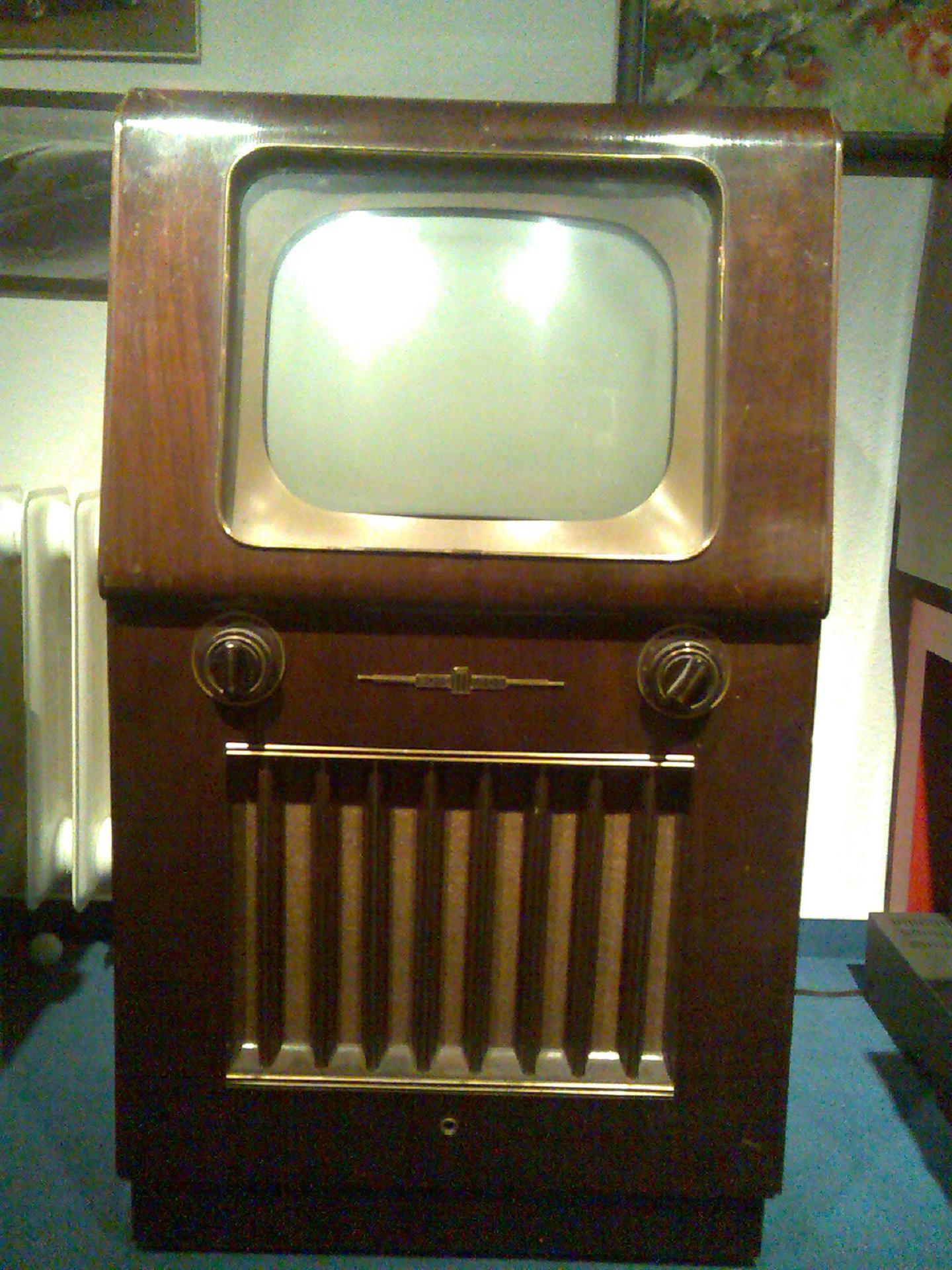
This dilemma wasn't unique to our nation. Wherever the technology was available, its promise far outpaced its offerings. For the nonce, this medium served as a public service broadcaster. But the 'wireless' radio, already in many homes, did an admirable job of that.
The Eurovision Song Contest resulted from the quest to fill television airtime.
The European Broadcasting Union (EBU) formed in the early 1950s, with the British Broadcasting Corporation (BBC) as a model. The EBU was still reeling from the success of transmitting Queen Victoria II's coronation across the 'Eurovision transmission network'. Now, those executives wanted to try their hand at live television programming.
In 1955, the EBU began brainstorming possibilities. The Italian committee representative, Sergio Pugliese, suggested a singing contest. He proposed the Sanremo Music Festival as a likely format. The Swiss delegate proposed to host the event, in Lugano.
With all the decisions made, an iconic singing talent show was born. For this contest's first edition, each of the seven participating countries would perform two songs apiece. An in-house judging panel would determine the contest winner, while a scoreboard displayed vote tallies.
Belgium, Luxembourg, the Netherlands, France, West Germany, Italy, and Switzerland.
The EBU broadcast the first-ever Eurovision song competition in the Spring of 1956. In time, it would find its place in the Guinness Book of Records as the longest-running annual international televised music competition.
It also ranks among the longest-running television programmes in the medium's history. Furthermore, it's among the most-watched non-sporting television events around the world.
Of course, the Eurovision Song Contest changed, over the years. To appreciate how dramatic those changes are, you must see what the very first Eurovision broadcast looked and sounded like. Behold Lys Assia, the first Swiss Eurovision singer, performing her winning song.
? Milestones and Changes in Eurovision Format
Eurovision 1956 was the only edition to permit two songs from each participating nation. The next year's show featured 11 Eurovision singers; too many to afford two songs each and stay within time constraints.
As this contest's popularity grew and new countries joined, the EBU revised the show's format. What started out as a one-night broadcast spectacle morphed into a three-night event. Some features, such as the orchestra, were left along the way. Others, including technological innovations, meshed seamlessly in.
The judging system illustrates those changes well. The first few instalments saw judges deciding the contests' outcomes. The televoting system came online in 1988, allowing viewers to cast their votes for winning tunes. In 2003, the EBU added voting by text message; online voting debuted in 2023.
The contest organisers also had to find ways of distributing points fairly. For the show's first 20-or-so editions, judges assigned points on a 10-1 scale (later a 20-1 scale).
With audience input and ever more acts to judge, the EBU realised they needed a new way to tally points. Today, judging contestants' performance techniques and vocal skills relies on an elaborate system.
The EBU implemented the 12, 10, 8-1 points system in 1975. Since then, they've expanded it twice, to accommodate semi-final and audience voting.
This table shows further hurdles this contest organisers have cleared, through the years. It also reflects some of the Eurovision Song Contest's most dramatic milestones.
| Eurovision episode | Event |
|---|---|
| 1964 | - The voting system changes from a 10-1 scale to a 5, 3, 1 / 6, 3 / 9 format due to the growing list of competitors. - France Gall (Luxembourg) claims the trophy with the competition's first rock'n'roll song (Poupée de Cire, Poupée de Son) |
| 1968 | Eurovision broadcasts in colour for the first time |
| 1969 | Eurovision introduces rules for tie-breaks |
| 1974 | Swedish group ABBA sings Waterloo. They become the most successful Eurovision winners, and one of the most successful groups in music history |
| 1975 | The voting system changes to the 12, 10, 8–1 format, its most enduring points system |
| 1990 | Eurovision introduces new lighting and changeable backdrops |
| 1998 | - Eurovision embraces televoting - The contest also abandons orchestra accompaniment, embraces recorded backing tracks |
| 2004 | - Eurovision introduces voting by text message (SMS voting) - The broadcast becomes a two-night event (expanding to three nights in 2008) |
| 2006 | Brian Kennedy (Ireland) sings Eurovision's 1000th song. (In all, the Eurovision song catalogue counts more than 1500 entries.) |
| 2015 | - Australia enters the competition. It is the first nation without an EBU broadcast licence to do so, and the only new contestant during that decade. - The Guinness Book of Records recognises Eurovision as the Longest Running Annual TV Music Competition. |
| 2020 | The only cancellation in Eurovision history (due to COVID) |
| 2023 | Eurovision debuts online voting; allowing the global audience to vote for their favourite song. |
? Can Famous Singers Enter Eurovision?
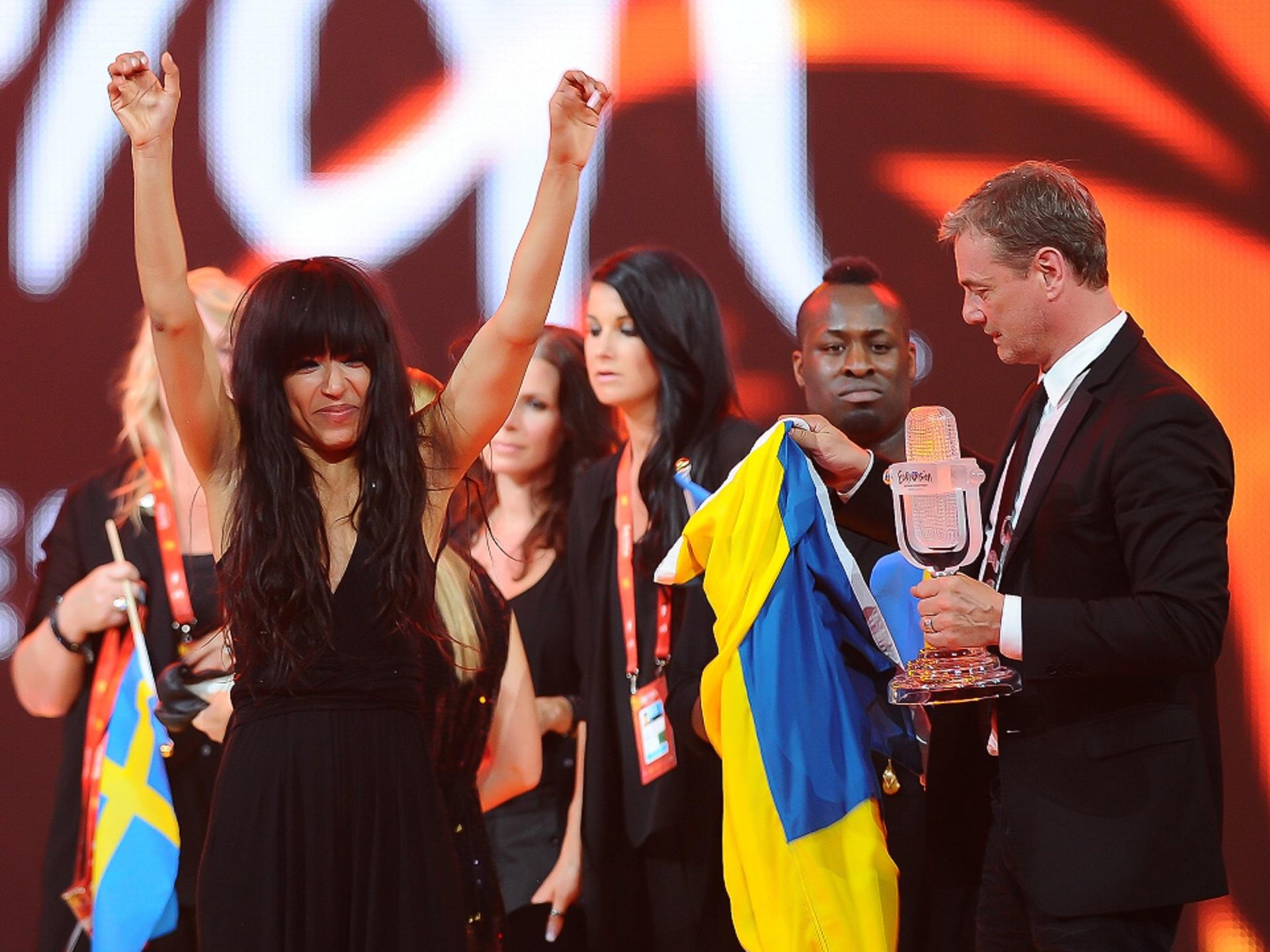
Ireland's Johnny Logan and Sweden's Loreen answer this question for us. Both were already popular in their own countries; their renown grew after their first Eurovision appearance. Johnny and Loreen each competed a second time. Johnny won in 1980 and 1987, and Loreen in 2012 and 2023.
Ireland and Sweden tie for the most Eurovision wins - seven times apiece.
As Loreen and Johnny demonstrate, it's possible for a previous Eurovision winner to win again. That suggests that those artists had prior international exposure, which partly answers the 'famous singers' question. Still, to take this query further, we must understand how Eurovision contestants make it to that stage.
Participating countries have different ways of selecting their Eurovision representatives. For instance, in the UK, the BBC spearheads our country's Eurovision initiative. Aspiring singers often enhance their skills through professional coaching, for example by exploring singing lessons Glasgow. Many emerging artists also benefit from dedicated coaching through singing lessons.
For most of our Eurovision history, the BBC hosted a singing competition to select each year's Eurovision song. Those organisers switched to an internal selection method for the 2011-2015 Eurovision contests. And then, from 2016-2019, it reverted to the competition format. From 2020 on, it returned to the internal selection process.
The country's contest organisers select their Eurovision representative from popular music acts, without input from the viewing public.
Participating Eurovision countries use the same methods to pick the music acts they want to see on the Eurovision stage. For instance, Australian broadcaster SBS hosts Eurovision - Australia Decides to select their representatives. Many emerging artists also benefit from dedicated coaching through singing lessons.
However, this nation - and most other Eurovision countries, have alternated their selection processes. Sometimes, those decisions come about by reviewing popular performers, and choosing from among them. Other times, those decision makers rely on audition tapes. This strategy gives less-well-known artists a shot at the Eurovision contest. Many emerging talents use singing lessons to refine their audition techniques.
Throughout Eurovision history, sensational British musical talent has wowed contest audiences. This year, Olly Alexander will take the Eurovision stage in our name. He might not be famous worldwide (yet!), but he's certainly popular in our country. Many emerging artists find that additional training – such as through singing lessons brighton – can further refine their performances.
? The Cultural Impact and Global Reach of Eurovision
Few statistics remain from Eurovision's earliest broadcasts. We don't know what these shows' audience ratings were, for instance. Back then, many people with televisions hosted viewing parties, inviting set-less friends over to enjoy the shows. Furthermore, the EBU simulcast these contests over radio and television, back then.
Today, we know that the Eurovision Song Contest draws hundreds of millions of viewers. The Eurovision online portal, launched in 2001, allows contest enthusiasts to enjoy the show, even outside the EBU region.
Around the world, countries and communities host Eurovision-related events. Eurovision 'pre-parties' take place between March - when Eurovision singers are announced, and May, when the show broadcasts. These are occasions for the press and Eurovision fans to meet their country's Eurovision singer. They might even enjoy a mini-concert.
The Eurovision fan club, OGAE, currently boasts more than 40 chapters worldwide. These clubs meet, in person and online, to revisit past contests and speculate about upcoming singing competitions.
OGAE is far from being the only Eurovision fan group, but it is the oldest. Many countries boast local and national groups dedicated to all things Eurovision. Those countries' broadcasters keep tabs on these clubs, often adding club activity snippets to each year's coverage.
This song contest even plays well on local festival circuits. For instance, Melbourne Comedy Festival acts crack endless jokes about Eurovision kitsch and controversies. Not in a mean-spirited way, of course. Australians are thrilled to be a part of the experience.
From 2023 on, the Eurovision slogan is "United by Music".
Speaking of mean spirits... To say the world is in turmoil right now would be an understatement. Historically and still today, many of this song contest's controversies have mirrored global events.
Georgia's 2009 withdrawal from the contest is but one example of such. That year, the EBU deemed the Georgian song's lyrics too political for their broadcast.
Rather than present an alternate song or act, that country opted to back out. Throughout Eurovision history, many countries - and viewers, have boycotted the contest over political matters. That's their choice.
However, neither the EBU nor this beloved singing competition will attempt to sway their artists or audience to a particular perspective. Politics are personal, after all, but music is universal. If we ever needed something to unite us, now would be that time.
Summarise with AI:
Did you like this article? Leave a rating!


 Loading...