

The world of singing is not populated by vocalists blessed with perfect pitch and raw vocal power, though they do exist. Most singers — classical, theatre and even popular — work hard at their craft. They prove themselves and the cultivation of their talent through up to eight singing grades; each one serves a specific purpose in UK singers' development. This article explains singing exams UK: what they are, what's expected at each grade, and how to prepare for them.
| 💹Grade | 🎤Singing requirements | 🎶Technical knowledge required |
|---|---|---|
| 1 | 3 pieces; one each from 3 separate lists. Aural test Sight singing | Identify pitch changes Q&A about musical features. |
| 2 | 3 accompanied songs 1 a capella song Aural test Sight singing | Emphasis on articulation, dynamics, and phrasing. Students are expected to perform from memory. |
| 3 | 4 accompanied songs, performed consecutively. Songs selected from each of three repertoire lists | Songs will be performed from a fully-notated score using standard music notation. |
| 4 | Sing 3 pieces, one of which must have a technical focus. Demonstrate a range of vocal techniques and understanding of musical theory appropriate for the level. | Emphasis on vocal technique, performance skills and musicality. Candidates are assessed on candidates on tone, time, pitch, shape, and performance. |
| 5 | 3 accompanied songs 1 a capella traditional song Aural test Sight-singing test | Live piano accompaniment required; candidates must bring their own accompanist. |
| 6 | 3 accompanied songs chosen from 5 repertoire lists. 1 unaccompanied song. Aural test. Sight-reading test. | Successful Grade 5 result required. Grade 6 builds on those technical elements. |
| 7 | 3 accompanied pieces chosen from 5 repertoire lists 1 a capella piece Aural test Sight-reading test | Advanced voice control performance techniques musicality |
| 8 | 3 accompanied songs chosen from 5 repertoire lists. 1 unaccompanied song. Aural test. Sight-reading test. | A discussion of musical theory and/or musicality. Demonstrate other aspects of technical work. |


How Singing Exams Got Their Start
In the late 19th Century, two leaders from two different Royal Music Academies in the UK came together to create a body that would formally test music students, including singers.
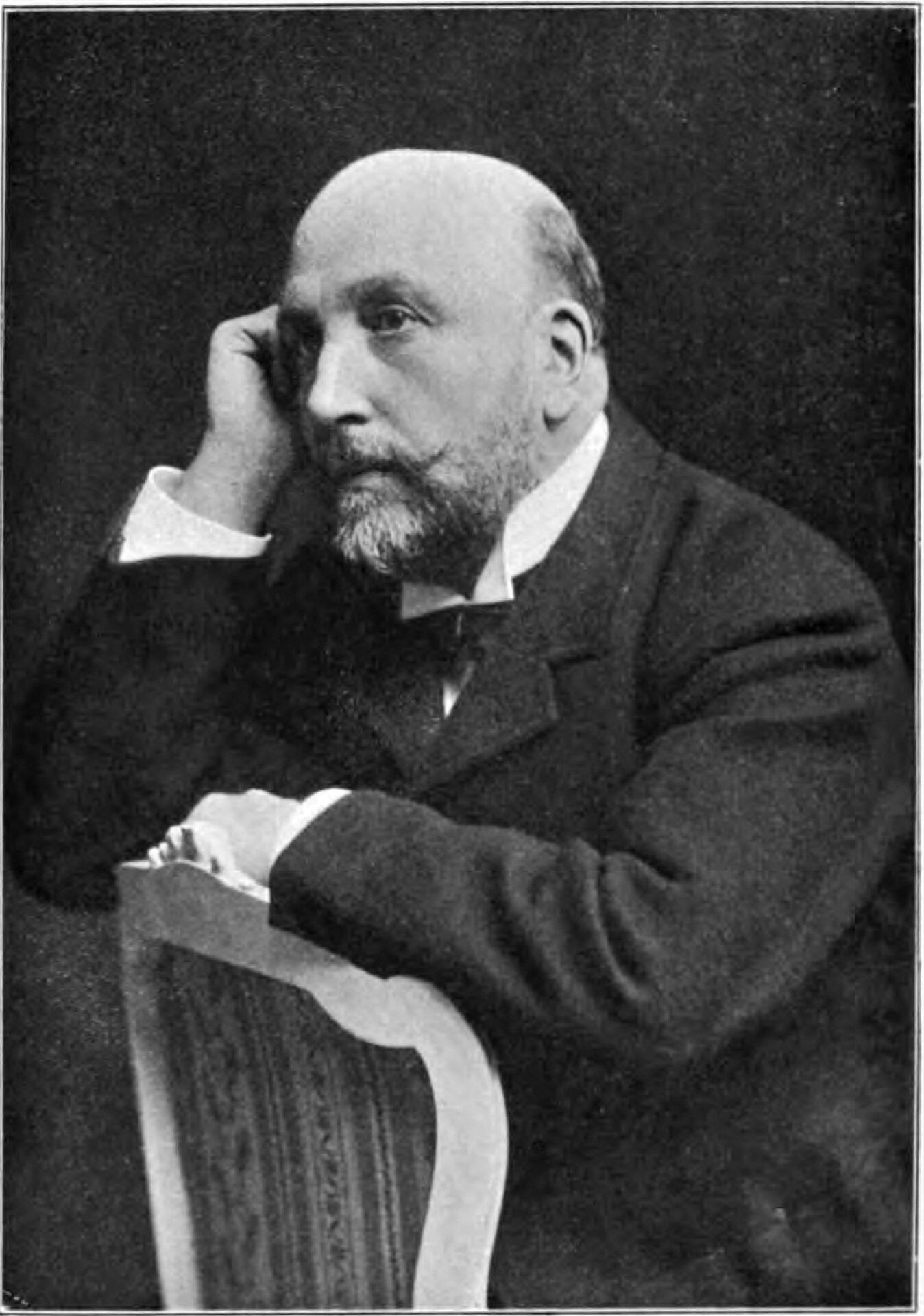
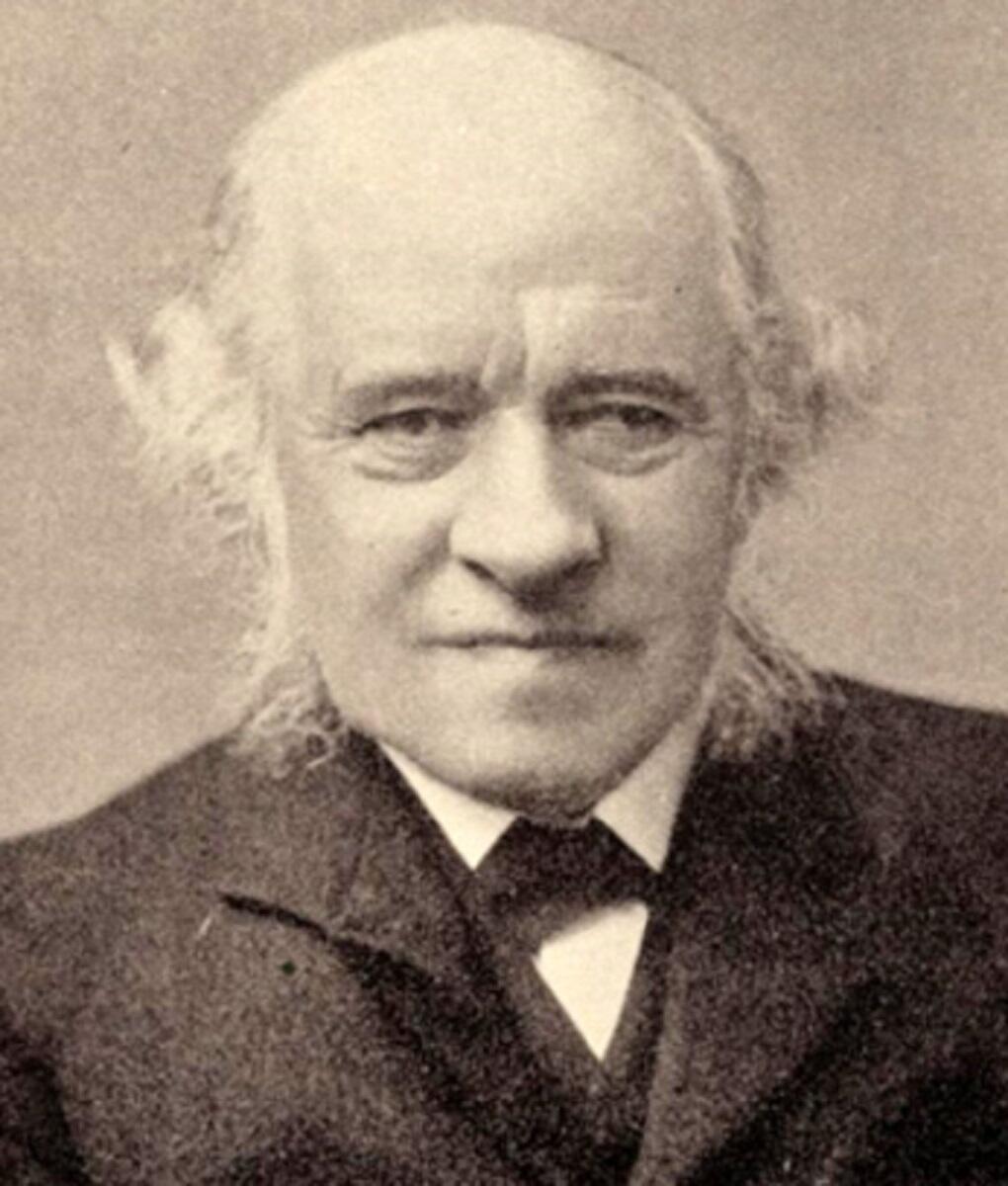
Sirs Alexander MacKenzie and George Grove had grown increasingly frustrated with for-profit enterprises that, more often than not, certified singers of any calibre. Or no calibre at all, as long as the right amount of money changed hands.
They wanted to provide an arena where singing students could reach objective standards of achievement in music. More importantly, they insisted those exams must be graded by professionals unswayed by the silver in one’s palm. Essentially, their initiative meant that anyone taking singing lessons London had a chance to legitimise their skills and talent.
October 1, 1889, the Associated Board of the Royal Schools for Music (ABRSM) assigned the first singing grades in the UK. Initially, ABRSM issued two certifications: Junior and Senior.
Those certifications were roughly equivalent to today’s Grades 6 and 7. The Associated Board (as it was then known) immediately faced pressure, though. Their exams were too advanced for younger musicians and singers to qualify for, let alone competently achieve. In response, ABRSM introduced further grading divisions: Lower and Higher.
Over time, the Associated Board incorporated more divisions and new exams. For instance, the aural exam was introduced 31 years after the initial testing scheme was developed.
In 1933, the organisation took on the name we now know it by: the ABRSM.
That same year, it adopted the eight-tier, graded testing system still in use today.
In this brief look back, we see the importance of having graded exams for singers at every level. They are tailored to evaluate every vocalist, from the youngest and least skilled to the most fully developed who've spent years honing their craft.
Graded Exams at a Glance
You might have picked up on us twice revealing the number of exams. But, in case you were just skimming the article rather than reading in-depth, here it is again. Singing exam boards offer eight singing exams. Every candidate has the chance to get a distinction at every grade.
With that clearly stated, let’s throw a bit of mud in the mix: You have three major testing boards in the UK.
ABRSM
- established in 1889
- formalised the 8-tier grading system in 1933
- offers music exams in 93 countries
Trinity College London
- music exams since 1877
- tests voice and instruments
- students can choose from a range of genres
- online and in-person exams
London College of Music (LCM)
- established in 1887
- inclusive learning programmes
- a broad range of exams for music-making of all kinds
As a general rule, if you enrol (or are already enrolled at) either Trinity or LCM, you should take your graded exams there. Conversely, should you intend to study singing at any of the UK's other Royal colleges of music, ABRSM is the board for you3.
However, those guidelines are not set in stone. For example, very young vocalists could hardly be expected to enrol at university. For that reason, the three major boards present roughly equivalent levels of singing grades with many of the same requirements and standards1.
In general terms, candidates can expect to:
These supplemental tests may be anything from vocal exercises like arpeggios and ‘viva voce’ to improvisation and answering questions about music theory.
Singing Exams: on Skipping Grades
What if your singing performance is already so far advanced that you could comfortably skip a grade? That wouldn't be much of a problem at the lowest grades. However, starting with Grade 5, skipping grades could harm your progress.
Grade 5 is a prerequisite to continue one's formal musical development.
Besides that very important reason, we have more points to offer on skipping grades. Finding one's singing style and developing a repertoire is hard to do on your own. The singing grades help you build a catalogue of songs you can test on competently. Also, those grade books contain all the information a vocal student needs to advance their singing development.
Besides those benefits2, vocal grades help learners master ear-training and sight-reading. They introduce budding singers to the fine art of improvisation across a variety of genres. For students planning their university career around their musical development, certification in each grade is essential.
Taking a Closer Look at Singing Grades
It doesn't take great leaps of logic to understand that the lower-level singing exams are meant for novice singers. The higher grades are targeted at vocalists with more knowledge and experience. Accordingly, whether you're taking singing lessons Glasgow or singing lessons Brighton, the exams get progressively more challenging.
So that you can know what to expect at every level, we now break down the singing grades, so that you can see which musical skills each level targets.
Grades 1-3
You'll find no great difference in the challenges from one grade to the next in this bloc. However, the song list selections students can add to their repertoire are increasingly difficult from one level to the next.
If you anticipated going from Grade 1 to Grade 4 in a single bound, you should be aware that the ordeal will be much more demanding. Also, the supplementary exams will be more complex.
Two other factors define the differences at these grade levels.
Singing time
- Grade 1 sings accompanied pieces for four minutes.
- Grade 2 sings for five minutes.
- Grade 3 sings for six minutes
Music theory
- Grade 1 required knowledge: notation basics, simple time signatures, and major keys and scales.
- Grade 3 required knowledge: time signatures, major and minor scales and keys, and rhythm writing.
You might check for singing lessons online that will help you develop these competencies. Otherwise, be sure to ask your singing teacher about them.
Grades 4 & 5
These two levels represent the intermediate singer. The education is more rigorous and technical, and the challenges grow more complex.
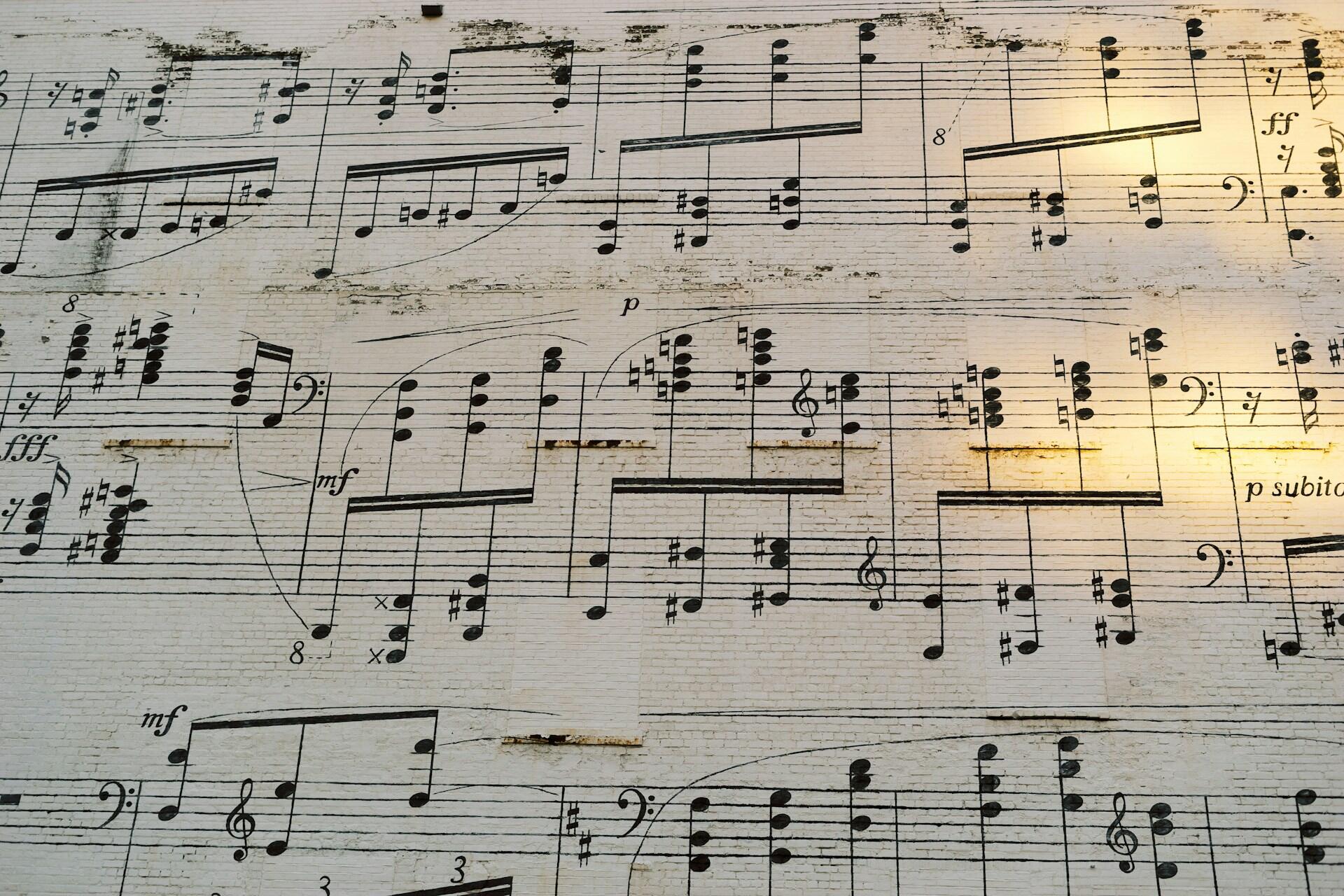
Coming into Grade 4, you should have a grasp on music notation, time signatures, all the scales and keys.
At the same time, you will expand your repertoire to include other music genres and pieces of varying tempos. Your exam includes an a capella component, too.
By contrast, we might call Grade 5 the line in the sand. This grade distinguishes serious vocal artists from those who, till then, might have just been playing with the idea of a future as a singer.
As mentioned above, Grade 5 is a prerequisite to higher-level graded exams. So, if your career aspirations revolve around attending the Royal College of Music or London College of Music – schools that favour Grade 8 singers, you must take this exam.
The practical components remain the same: accompanied pieces, a traditional piece from your own repertoire, sight-reading and aural tests. But the Music Theory exam is much more technical and goes much deeper into the subject, drawing on the knowledge tested in the lower grades.
This is the best reason to not skip musical grades!
Grades 6-8
Even at these higher grades, the practical elements remain, but they're ever more complex and challenging.
Gone are the relatively simple melodies; your repertoire will include selections from the likes of Bach, Handel and Liszt. The more-than-generous three lists you were permitted to choose songs from has now expanded to five. Other features of these levels include:
Much like learning any new skill from languages to engineering, musical students must fully understand and be able to demonstrate their subject knowledge. These eight graded exams test students on the most basic concepts before they can move on to more advanced ideas.
Of course, you'll want to excel at every level, so maximise your potential for success on your singing exams with these tips!
Singing Grades UK References
- ABRSM. Changes in the 2018 Syllabus (Grades 6-8). Apr. 2021.
- May, Jennifer. “The Pros & Cons of Vocal Grades - Expressive Voice.” Expressive Voice, 21 July 2023, expressivevoice.co.uk/the-pros-cons-of-vocal-grades-a-guide-for-singers/. Accessed 5 Dec. 2025.
- “Singing.” ABRSM, 2024, www.abrsm.org/en-gb/instruments/singing/singing. Accessed 5 Dec. 2025.
Summarise with AI:
Did you like this article? Leave a rating!

 Loading...