
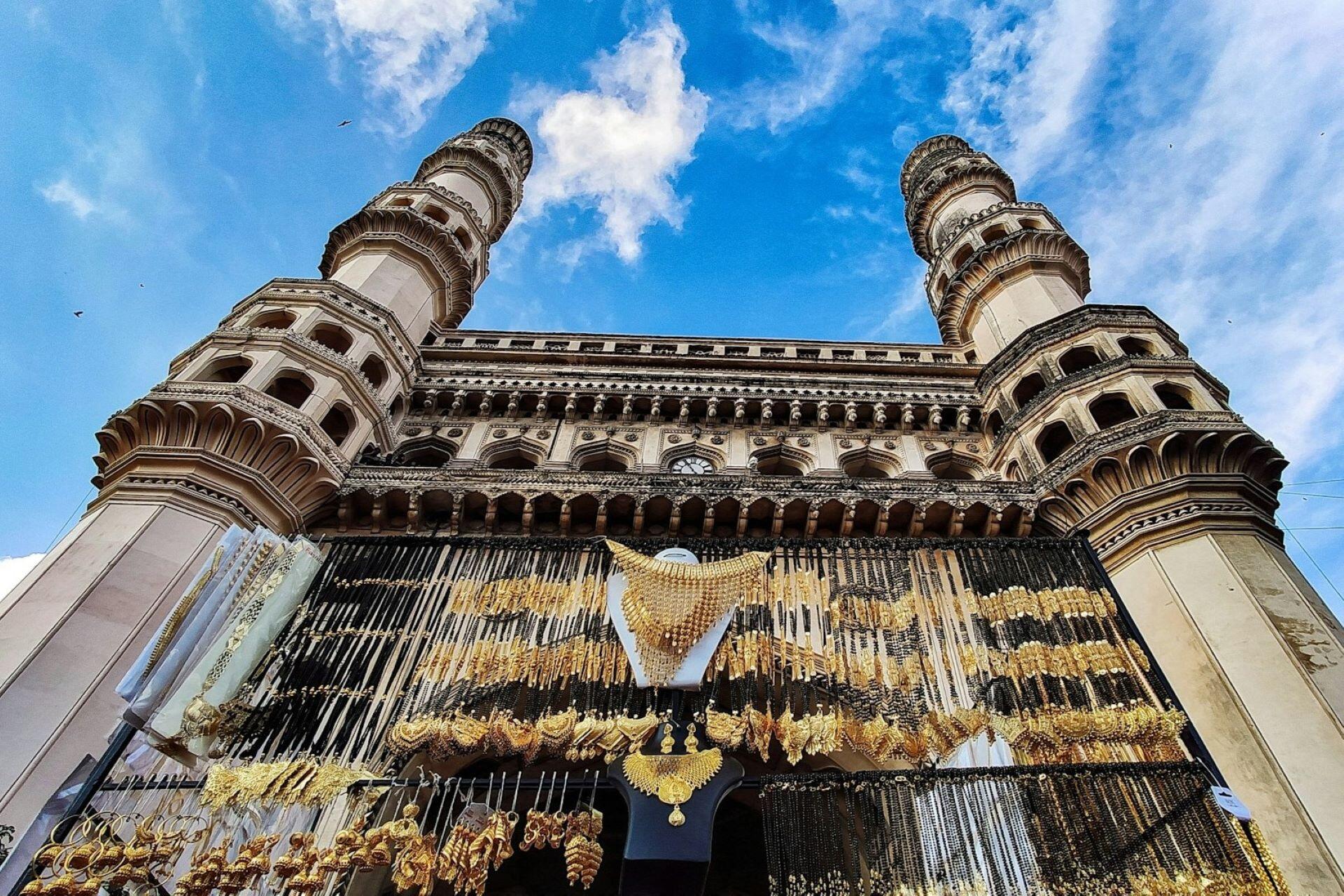

Telugu is a language spoken mainly in India. It belongs to the Dravidian language family and is one of the 22 languages listed in the Eighth Schedule of the Indian Constitution and has also been recognised as a Classical Language of India. Telugu-speaking communities are also found in countries including the United States, the United Kingdom, Australia, Canada, Malaysia, Singapore and the Gulf states.
Key Takeaways
- Telugu belongs to the Dravidian language family and is one of the 22 languages listed in the Eighth Schedule of the Indian Constitution.³
- Andhra Pradesh and Telangana are the main Telugu-speaking regions, while Telugu also has official regional use in Yanam, Puducherry.⁴
- Some of the earliest known full Telugu inscriptions date to around the sixth century CE and are associated with the Renati Cholas.¹
- Telugu uses a Brahmic-derived abugida written from left to right, with vowel signs modifying the inherent vowels carried by consonants.⁷
- Nannaya, Tikkana and Errana are central figures in the classical Telugu literary tradition, particularly through their work on the Mahabharata.²
- Telugu continues beyond India through diaspora communities, with the language separately recorded in modern UK and US census data.⁵


What Is the Telugu Language?
Telugu is one of southern India's major languages. It's widely spoken in Andhra Pradesh and Telangana. It has a long history and continued public use, which is why it's recognised as a Classical Language of India, unlike English in India, which is an official language in a different capacity.⁶
Dravidian
India
Andhra Pradesh and Telangana
Telugu script
One of the 22 languages listed in the Eighth Schedule of the Indian Constitution³
Recognised by the Government of India in 2008⁶
Origins and History of Telugu
Telugu came about from the Dravidian linguistic tradition of southern India. The earliest full inscriptions in Telugu are from around the 6th century CE. The language would later become closely associated with major literary and court traditions across southern India and is one of the many languages spoken in India.²
c. 575 CE
Early Telugu Inscriptions
Some of the earliest known full Telugu inscriptions are associated with the Renati Cholas.¹
848 CE
Early Telugu Verse
The Addanki inscription provides an important early example of Telugu verse.²
11th century
Nannaya and the Mahabharata
Nannaya began translating the Mahabharata into Telugu, marking a major milestone in Telugu literature.²
14th–16th centuries
Vijayanagara Literary Flourishing
Telugu literature grew through courtly patronage and the work of prominent poets during the Vijayanagara period.²
1950
Scheduled Language Status
Telugu was included in the Eighth Schedule of the Indian Constitution.³
2008
Classical Language Status
The Government of India granted Telugu Classical Language status.⁶
Where Is Telugu Spoken?
Telugu is mainly spoken in Andhra Pradesh and Telangana in India. However, it's also spoken in neighbouring states. It has official regional use in Yanam, part of the Union Territory of Puducherry.⁴ Then there are the Telugu-speaking communities around the world.
Telugu in India
One of the two principal heartlands of the Telugu language.
Telugu is widely spoken throughout the state and forms a major part of its linguistic and cultural identity.
Telugu may be used for official purposes in Yanam, the Puducherry district surrounded by Andhra Pradesh.⁴
Telugu-speaking communities are also established in parts of Karnataka, Tamil Nadu, Odisha and Maharashtra.
| Region | Status | Notes |
|---|---|---|
| Andhra Pradesh | Official language | Telugu is one of the state's principal languages and is widely used in public life. |
| Telangana | Official language | Telugu is an official language of the state alongside Urdu. |
| Yanam, Puducherry | Official regional use | Telugu may be used for official purposes in the Yanam region. |
| Karnataka | Community language | Telugu-speaking communities are found particularly in areas bordering Andhra Pradesh and Telangana. |
| Tamil Nadu | Community language | Telugu has long-established speaker communities across parts of the state. |
| Odisha | Community language | Telugu is spoken in some southern and border districts. |
| Maharashtra | Community language | Telugu-speaking communities are present in parts of the state. |
Telugu Around the World
Telugu is recorded as a distinct language spoken at home in the US Census Bureau's American Community Survey.⁸
Telugu is included among the detailed main-language categories recorded by the 2021 Census of England and Wales.⁵
Both countries have established Telugu-speaking diaspora communities supported by migration from India.
Telugu is spoken among Indian communities living and working across countries including the United Arab Emirates and other Gulf states.
Long-standing South Asian communities have helped maintain Telugu language and culture in Southeast Asia.
Telugu Dialects and Regional Varieties
Just like the Bengali language in India, Telugu doesn't have a single variety or accent that every speaker uses. Linguists can broadly group it into Coastal Andhra, Telangana and Rayalaseema groupings with shared pronunciation and speech patterns. However, there are subvarieties within these.
| Variety | Main region | Key characteristics |
|---|---|---|
| Coastal Andhra Telugu | Coastal Andhra Pradesh | Regional vocabulary and pronunciation associated with the coastal districts. |
| Telangana Telugu | Telangana | Distinctive vocabulary and pronunciation, with historical influence from languages including Urdu. |
| Rayalaseema Telugu | Southern Andhra Pradesh | Regional pronunciation and vocabulary associated with the Rayalaseema area. |
| Other regional varieties | Across Telugu-speaking regions | Spoken Telugu also varies by locality, community and social context. |
Telugu Script, Alphabet and Pronunciation
Telugu's distinctive script developed from the wider Brahmic writing tradition in South Asia. Its writing system is known as an abugida, not an alphabet. If you're planning on learning the language, you should be aware of this as it's neither the same writing system as the Marathi language or English.
| Telugu | Transliteration | Approximate pronunciation/use |
|---|---|---|
| అ | a | Short a vowel |
| ఆ | ā | Long a vowel |
| క | ka | k with its inherent vowel |
| కి | ki | k combined with the vowel sign for i |
| క్ | k | k with the inherent vowel suppressed by the virama |
Telugu is written from left to right using its own script, which belongs to the Brahmic writing tradition. It is an abugida, meaning consonant letters normally carry an inherent vowel unless another vowel sign or a virama changes it. Dependent vowel signs attach to consonants, while the virama suppresses the inherent vowel and helps form consonant combinations.⁷
Telugu Literature, Culture and Media
Like the Tamil language another Dravidian language with centuries of tradition, Telugu has an extensive literary canon. Early writers played a key role in the language's literary history, and later writers added to it with poetry, drama and prose.² Like most widely spoken languages, Telugu is now used in cinema, music, television and digital media.
Telugu Literature
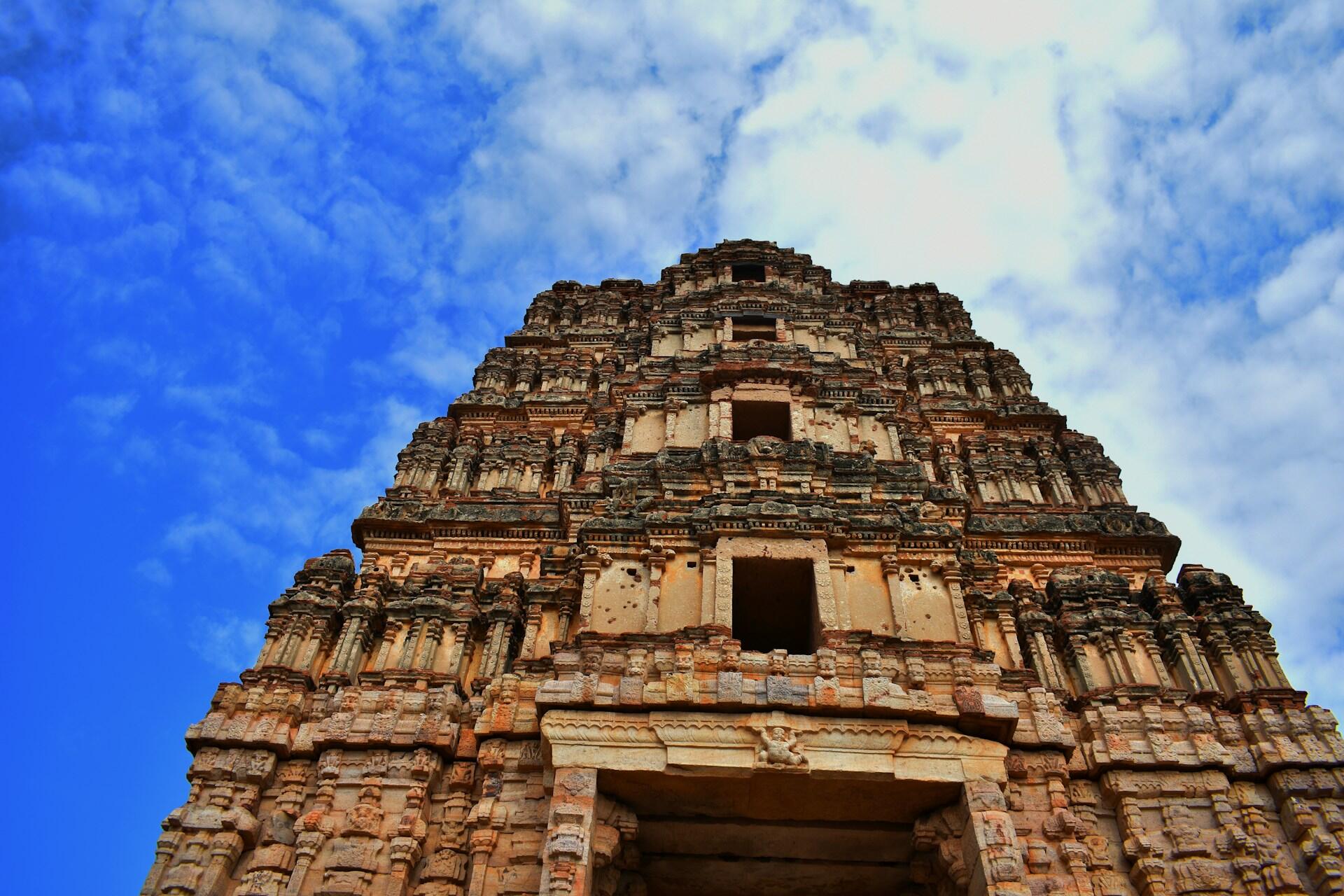
Often regarded as the Adi Kavi, or first major poet of Telugu literature, Nannaya began the Telugu adaptation of the Mahabharata in the 11th century.²
Tikkana continued the Telugu Mahabharata after Nannaya and became one of the most celebrated poets in the language’s literary tradition.²
Errana completed the remaining portion of the Telugu Mahabharata, helping form the celebrated trio known as the Kavitrayam, or Trinity of Poets.²
The Vijayanagara emperor Krishnadevaraya was an important patron and writer whose reign is closely associated with a flourishing period of Telugu literature.²
Telugu in Modern Culture and Media
Telugu is widely used in film, from dialogue and screenwriting to songs and promotional media.
The language features prominently in film music, devotional traditions, folk music and contemporary popular songs.
Telugu remains part of everyday entertainment through television programmes, drama, comedy and stage performances.
Telugu speakers increasingly use the language across social media, video platforms, podcasts and other forms of online content.
Telugu Today: Official Status, Education and Global Use
As we've mentioned, Telugu is a living language. Much like Urdu, another scheduled language in India, it's used in government, education, publishing, entertainment, and everyday communication. It's used officially in India and by diaspora communities outside of the regions where it holds official status.
Telugu in India
- Government and public administration
- Schools and higher education
- Newspapers and publishing
- Television and cinema
- Digital media and online content
Telugu Abroad
- Family and community use
- Cultural organisations
- Language classes
- Diaspora media
- Maintaining Telugu across generations
Telugu is used for official purposes in Andhra Pradesh and Telangana, while it also has recognised regional use in Yanam, Puducherry.⁴
The language continues to be taught and used in educational settings across its main speaking regions, helping new generations develop reading and writing skills.
Telugu appears in newspapers, books, magazines and other published material, supporting both everyday communication and the language's literary tradition.
Telugu is widely used across film, television, music and theatre, giving the language a prominent role in contemporary popular culture.
Unicode support allows Telugu to be represented digitally, helping speakers use the script across websites, messaging platforms and other online services.⁷
Outside India, Telugu remains part of family and community life, including in countries such as the United Kingdom and United States.⁵
References
- Central Institute of Indian Languages. “Antiquity.” Centre of Excellence for Studies in Classical Telugu. Accessed 7 Aug. 2026. https://cesct.ciil.org/antiquity.html
- Central Institute of Indian Languages. “Literature.” Centre of Excellence for Studies in Classical Telugu. Accessed 7 Aug. 2026. https://cesct.ciil.org/literature.html
- Department of Official Language, Ministry of Home Affairs, Government of India. “Languages Included in the Eighth Schedule of the Indian Constitution.” Department of Official Language. Accessed 7 Aug. 2026. https://rajbhasha.gov.in/en/languages-included-eighth-schedule-indian-constitution
- Government of Puducherry. The Puducherry Official Languages Act, 1965. India Code, 3 Apr. 1965. Accessed 7 Aug. 2026. https://www.indiacode.nic.in/bitstream/123456789/6117/1/the_puducherry_official_languages_act%2C_1965.pdf
- Office for National Statistics. “Main Language (Detailed).” Census 2021, 5 Apr. 2023. Accessed 7 Aug. 2026. https://www.ons.gov.uk/datasets/TS024/editions/2021/versions/3
- Press Information Bureau. “Promotion of Classical Languages.” Ministry of Culture, Government of India, 22 July 2024. Accessed 7 Aug. 2026. https://www.pib.gov.in/PressReleaseIframePage.aspx?PRID=2034905&lang=1®=3
- Unicode Consortium. “12.7 Telugu.” The Unicode Standard, Version 17.0.0, chap. 12. Accessed 7 Aug. 2026. https://www.unicode.org/versions/Unicode17.0.0/core-spec/chapter-12/
- US Census Bureau. "B16001: Language Spoken at Home by Ability to Speak English for the Population 5 Years and Over." 2024 American Community Survey 5-Year Estimates. Accessed 7 Aug. 2026. https://api.census.gov/data/2024/acs/acs5/groups/B16001.html
Summarise with AI:
Did you like this article? Leave a rating!


 Loading...
It is helpful for everyone
Hi Roopasree! Thank you for your valuable feedback! Great to hear that you’ve found this article useful.