

Many of the British literary figures throughout history could not have possibly foreseen the impact that they would have on popular culture.
Could Shakespeare have imagined he would still be taught in schools, discussed and debated hundreds of years in the future? Could Dickens have predicted that one of his greatest stories would be adapted and brought to life by Michael Caine and a bunch of Muppets, before being viewed by millions every Christmas?
The Cambridge dictionary’s pop culture definition is “music, TV, cinema, books, etc. that are popular and enjoyed by ordinary people, rather than experts or very educated people.”
We’re talking about the arts and culture that play a part in our daily lives. The things that appeal to the masses and become significant or even era-defining. There is far more to it than just literature, but it is safe to say that literature has had an impact on art, music, and many other aspects of culture.


British Literature in Pop Culture
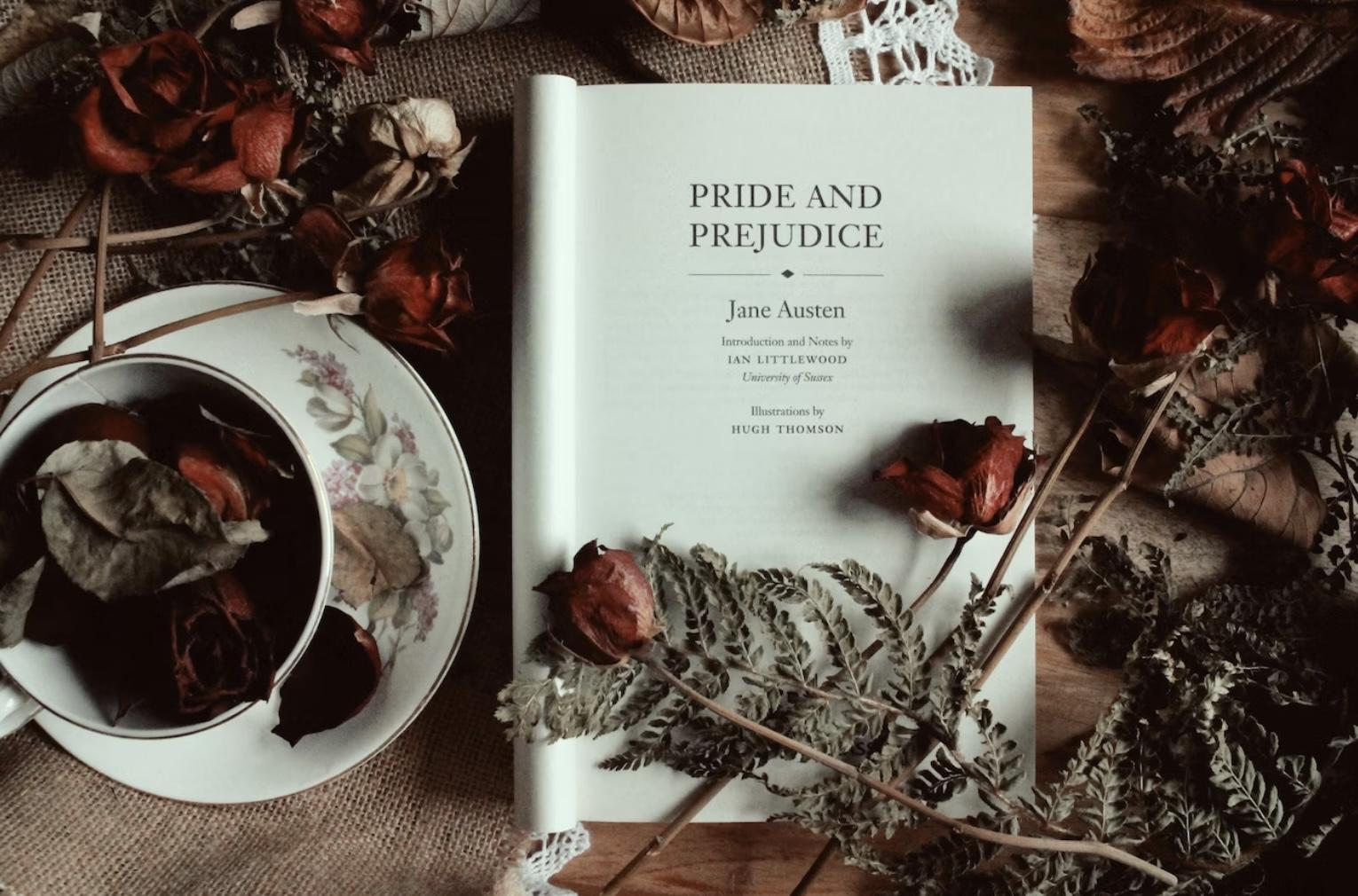
While literature has influenced everything from political values through to…muppets, there are plenty of examples of literary works becoming cultural phenomena in their own right.
Things worked differently in centuries past. The works of Shakespeare were culturally significant, and through his many plays, Shakespeare would permeate popular culture, specifically appealing to the upper and middle classes, but coverage was far from ubiquitous, and it can be argued that his cultural influence is far greater today.
Reading was for the rich until fairly recent history. According to writer Lee Erickson: “The average three-volume novel cost a guinea in 1815, or, based on the current worth of a guinea's gold content, roughly the equivalent of $100 today; and that does not take into account how much lower the standard of living of the average person was then and therefore how many fewer people could afford to buy books”
When Dickens was publishing, most of his novels were released in monthly or weekly instalments as the style of serial publication became so much more popular. This allowed more people to access literature. Dickens was exceptionally popular during his lifetime, and beyond.
With much of the work of Dickens appealing to the poor as well as the wealthy, it helped to turn him into the most popular author of his time. His influence on the world is undeniable.
By the 20th century, books were far more widespread, allowing them to become cultural movements and phenomena in their own right. In a post-war era, we saw a postmodernism trend that meant literature's impact could be felt far and wide, and still is to this day. Books could become not only plays but radio shows, television and film adaptations. Authors could be interviewed and broadcast to the masses. The blur of mediums certainly did not detract from the fact that British literature had influenced culture far and wide.
While the definition of popular culture is largely constrained to arts and culture, there are those who argue that the stereotypes perpetuated in British literature have formed whole belief systems within our society. An English tutor offers practical tips and strategies for improving language proficiency.
How British Literature Influenced Art
A huge number of artists have been influenced by the most popular and influential writers. The culture of art has been partially shaped by other media, and this includes literature, especially since the dawn of the 20th century, and in the post-war period. For instance, the Salvador Dalí work, Mad Tea Party, pays homage to the work of Lewis Carroll, with 12 different heliogravures representing each chapter of the book.
Picasso’s Don Quixote is another example of a literary figure influencing one of the most popular artists of their time. Artland magazine beautifully explains how many artists were inspired by specific pieces of art, and it is fair to say that popular artists were influenced by the writers they loved in more abstract ways.
Enhance your appreciation of British literature with help from an experienced English tutor.
How British Literature Influenced Film and Television
How British literature influenced film and television is hard to condense into a few paragraphs.
There are an incredible number of adaptations of British books, which have been turned into films for almost as long as cinema has existed. Literature serves as a source of stories for the big screen, and this has further fueled the British literary influence on pop culture.
Authors such as female icon Jane Austen have seen some huge films based on their writing, and inevitably we have seen Shakespeare adaptations in the likes of Romeo and Juliet, one of the biggest cinema releases of all time.
As an arbitrary example, a quick look at John Le Carre’s work shows how many books one author can have turned into movies. Adaptations include:
The Constant Gardener
The Deadly Affair
The Little Drummer Girl
The Looking Glass War
A Most Wanted Man
A Murder of Quality
Our Kind of Traitor
The Russia House
The Spy Who Came In from the Cold
The Tailor of Panama
Tinker Tailor Soldier Spy
If we then delve into the work of some of the most famous British authors of all time you will see just how much they have been used by the film and television industries. Did you know that there are 40 different feature films based on A Christmas Carol? (Yes, we’re including the Muppets version).
Examples of films based on the work of British Writers include:
- The Hobbit (J.R.R. Tolkien)
- The Lord of the Rings (J.R.R. Tolkien)
- Pride and Prejudice (Jane Austin)
- Matilda (Roald Dahl)
- Harry Potter (J.K. Rowling)
- The Remains of the Day (Kazuo Ishiguro)
- The Chronicles of Narnia (C. S. Lewis)
The influence of British literature is about far more than just adaptations, though. These books have become part of pop culture, meaning they are referenced and even parodied in the media. When we make a reference to “Gollum” or “Hermione” we can be sure that most people are going to understand who we are talking about. These characters become a part of the public consciousness.
An English tutor will provide targeted instruction to address each student's specific learning needs, so you can add to your enjoyment of British literature!
The Most Influential British Books in Terms of Popular Culture
Of course, there is room for debate on the most influential British authors and books.
The Lord of the Rings - J.R.R. Tolkien
As well as spawning one of the biggest film franchises of all time, and being included on the school curriculum, it could be argued that without The Lord of the Rings, the genre of high fiction would be a shadow of what it is today. Tolkien is considered by some as the man who invented a genre, not just for literature but for games, films, and television.
1984 – George Orwell
It could be argued that 1984 is the most influential book in terms of its impact on pop culture, references, and even influence on language.
This list of the uses of the book in popular culture is a great example of the sheer volume of references. Orwell invented terms like Big Brother, and people even use the term “Orwellian” to describe things that feel dystopian, or that involve mass surveillance. 1984 has even inspired more books by famous writers. Anthony Burgess wrote a novel called 1985 that was based on Orwell’s original.
Orwell’s book has even been used to argue a point in a court case. Justice Stephen Breyer, responding to plans for GPS tracking, explained: "If you win this case, then there is nothing to prevent the police or the government from monitoring 24 hours a day the public movement of every citizen of the United States. So if you win, you suddenly produce what sounds like Nineteen Eighty-Four…”
Lord of the Flies – William Golding
William Golding’s famous novel has not only been studied in schools but it has also had a huge influence around the world.
Lord of the Flies has been parodied in an episode of The Simpsons, referenced in The Sopranos and the Halo games, and it has also inspired TV shows like The Society and The Walking Dead, as well as Lost.
Golding’s legacy continues to form part of modern popular culture.
A Room of One's Own – Virginia Woolf
Not a work of fiction, but an essay that was delivered to colleges outlining the limitations and restrictions on females. Woolf was one of a movement of influential female authors with a huge impact on the fight towards equality. A Room of One’s Own was critical of the patriarchy and was a huge influence on feminism.
Conclusion – The Enduring Influence of British Literature
We live in an age where literary figures can become celebrities. Books can become sensations and “must-read” and they can quickly become pop culture sensations. The future of literature will create more iconic works.
It is perhaps more interesting to consider the fact that those who existed before the ages of mass media have also had an influence on culture. The written word has endured, and many British writers are among the most influential of all time, meaning pop culture references are incredibly common.
Summarise with AI:
Did you like this article? Leave a rating!

 Loading...
