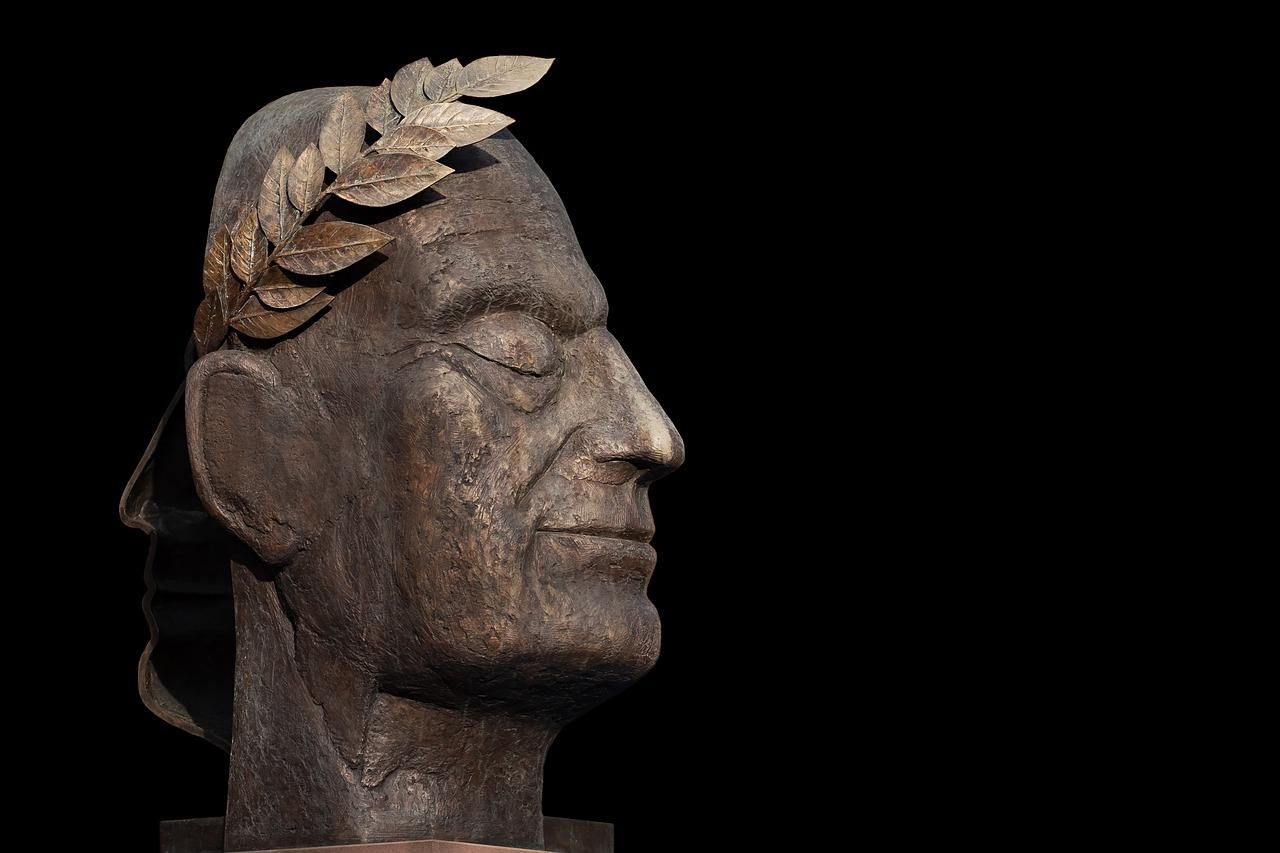

The Roman Empire originated in the city of Rome, on the Italian Peninsula. According to tradition, Rome was founded in 753 BCE, and over time it grew from a small kingdom into a republic and eventually into the Roman Empire under Augustus in 27 BCE.
The Roman Empire remains one of the most influential civilisations in human history. Growing from humble beginnings in Italy, it soon expanded into a vast empire (much like the British Empire) that dramatically changed politics, law, engineering, warfare, and culture as a whole across large swathes of the world. While long gone today, echoes of this once-powerful and all-consuming empire can still be seen in statues and temples scattered across countries throughout Europe and further afield. Join us as we step back into time and chronicle all the major events of the Roman Empire - from beginning to end.
The Roman Empire was established in 27 BCE and was a vast civilisation that stretched across not only Europe, but also parts of North Africa and Asia. It lasted until 476 CE in the western half of the empire, while the eastern territories managed to cling on and survive as the Byzantine Empire up until around 1453 CE.


🏛 Origins and Establishment of the Roman Empire
As you likely guessed, the Roman Empire didn't just pop into existence overnight. Centuries before famous emperors ruled with an iron fist from their impressive palaces and temples, Rome was primarily a republic. However, long-term issues gradually began to change the system of government, paving the way for imperial rule under Augustus in 27 BCE
From Republic to Empire
According to historians, the Roman Republic was officially created in 509 BCE after the removal of Rome's final king. From this point in history, Rome was governed through elected officials and the Senate1, with two consuls serving limited terms to stop power from becoming concentrated in one individual.
For several centuries, the republic did remarkably well, with Rome expanding steadily across the Italian peninsula before becoming one of the Mediterranean’s dominant powers. Victories during the Punic wars also did a lot to help establish Rome as a major force -especially after the defeat of Carthaginian general Hannibal Barca, whose campaigns had once severely threatened Rome itself.
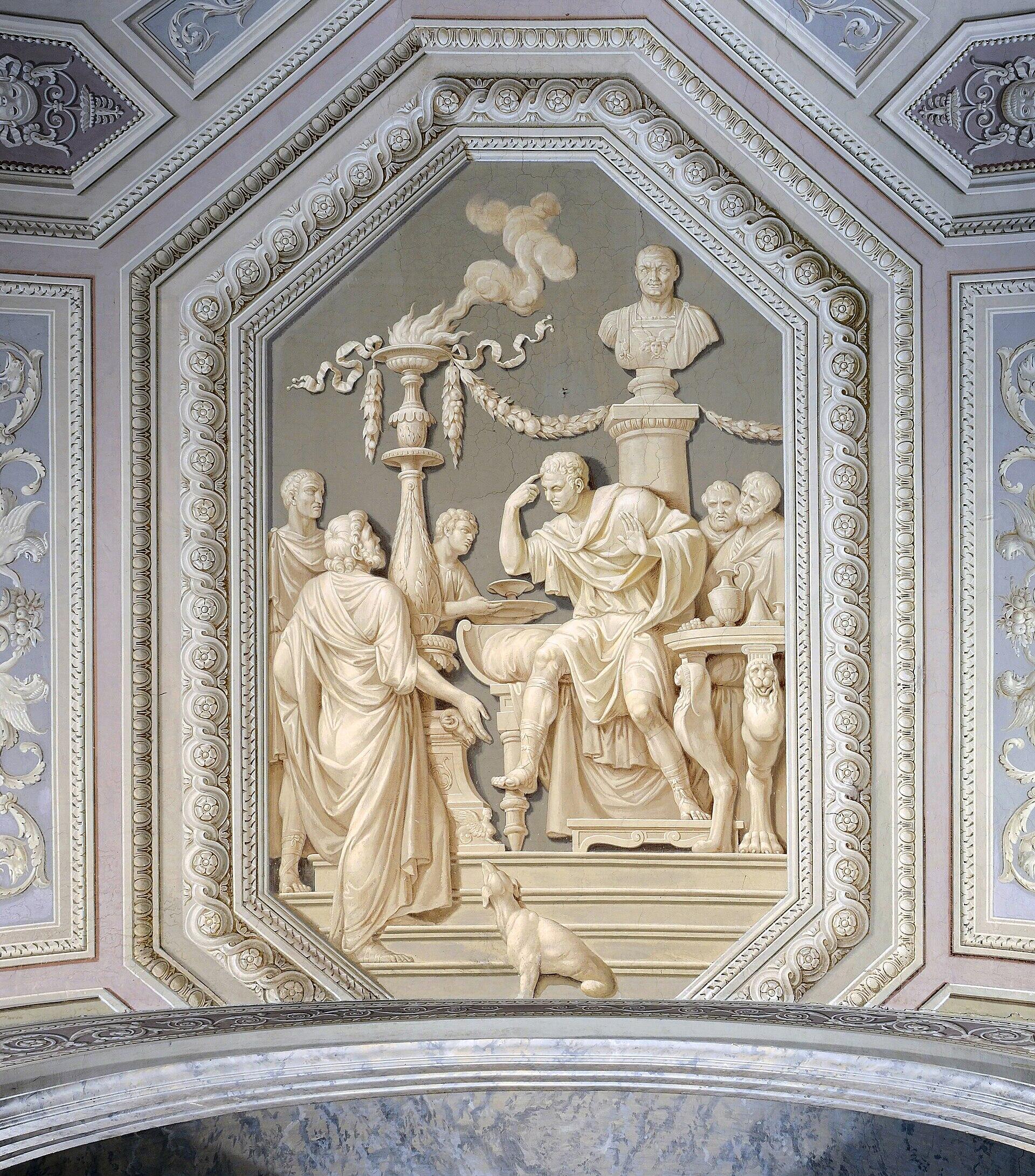
However, as Rome grew richer and more powerful, problems started to emerge. Wealth increasingly ended up in the hands of a small elite, deepening divisions and creating political tension. Likewise, successful generals gained influence through military victories, and many soldiers became more loyal to the commanders who rewarded them than to the Roman state itself. This gave figures such as Julius Caesar huge political influence and made conflict far harder to control.
Following the assassination of Julius Caesar in 44 BCE, Rome descended into another struggle for power between rival leaders. The conflict ended when Octavian defeated Mark Antony and Cleopatra at the Battle of Actium in 31 BCE. A few years later, in 27 BCE, Octavian became Augustus, and the Roman Empire was officially born.
Key Events in Rome’s Transition to Empire
509 BCE
Rome becomes a republic
49 BCE
Julius Caesar crosses the Rubicon River, beginning civil war
44 BC
Caesar is assassinated
31 BCE
Octavian defeats Mark Antony and Cleopatra at Actium
27 BCE
Augustus becomes Rome’s first emperor
Augustus: The First Emperor
💡 Key Reforms Introduced by Augustus
🌍Expansion and Golden Age
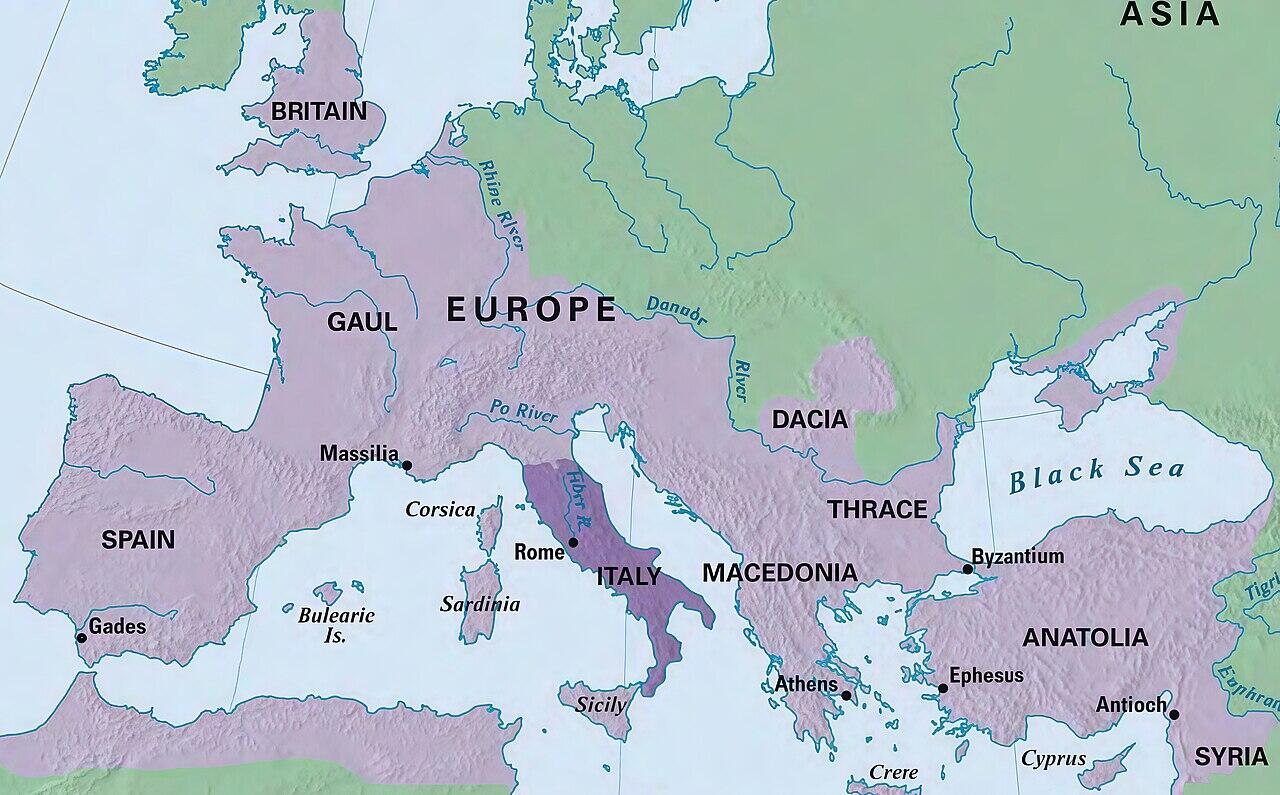
As Roman rule gradually spread further from Italy, new provinces were absorbed into an increasingly large political system. Lands with entirely different languages and customs all came under the umbrella of Roman control, cementing the empire as one of the world's most influential powers of the time. In some ways, Rome’s expansion mirrored later powers such as the Russian Empire, which also governed vast territories.
Rome’s growth happened gradually across generations rather than through one dramatic burst of conquest orchestrated by one person. As happens with all empires, the frontier of the Roman Empire fluctuated and changed as successive rulers lost and gained territory in battle. However, military campaigns, alliances, and political control steadily pushed Roman influence outward. By the reign of Trajan in 117 CE, Rome controlled more land than at any other point in its history.
Regions Controlled by Rome
Pax Romana
Rome’s most successful period is often linked to the Pax Romana, a phrase meaning “Roman Peace.” Lasting roughly from 27 BCE to 180 CE, it was a long stretch in which large-scale internal conflict became less common (many empires, including the Mongolian Empire and Qing Dynasty, had these stable eras). Rather than total peace, this period witnessed far fewer internal power struggles and a stronger sense of order across much of the Roman-controlled land.
What Was Life Like During the Pax Romana?
- Markets quickly grew in size, and economic activity reached an all-time high
- Additionally, lots of towns and cities increased in size, too
- Long-distance movement became increasingly easier, due mainly to the new Roman roads that had been built
For many historians, the Pax Romana represents the high point of Roman power: a time when military success, economic growth, and political order combined to strengthen Rome’s position for generations to come. But as we all know, it wouldn't last forever.
⚖️Political and Social Structure
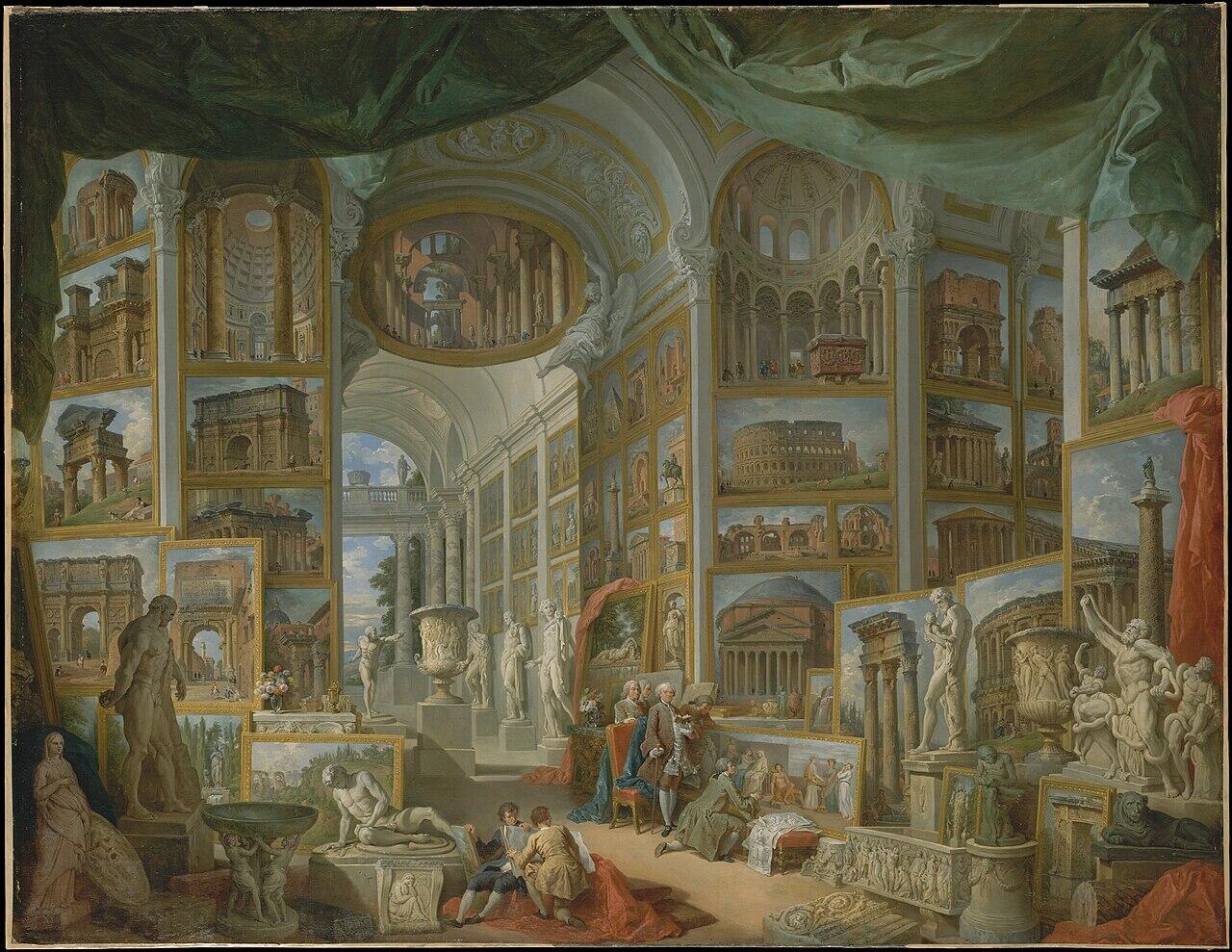
Running such a large empire was never simple. In order to keep the cogs running smoothly, Rome was reliant on a mixture of various political institutions, local officials and a strict social hierarchy to maintain order throughout the land. Depending on where you sat in Roman society, life would look very different.
Government and Administration
While Roman emperors held enormous influence, they did not govern the empire alone. Following the system that developed under Augustus, institutions such as the Senate remained in place, while governors, tax officials, military commanders, and local administrators helped oversee different regions of the empire.
Part of the reason the Roman Empire flourished was its tendency to allow conquered regions to keep their local customs and traditions, so long as taxes were paid and loyalty to Rome remained strong.
Society and Citizenship
Additionally, a person’s place in Roman society had a huge influence on everyday life. Wealth, family background, occupation, and even gender could affect someone’s opportunities and social standing.
Wealthy Elites
At the top of Roman society sat wealthy elites, mainly senators and landowners. Many owned large estates and had access to opportunities unavailable to most ordinary Romans.
Soldiers, Traders, and Labourers
Further down the social ladder were soldiers, traders, craftspeople, and labourers who made up much of everyday Roman life.
Enslaved People
At the bottom were enslaved people, who had very few rights or freedoms. Many worked in homes, farms, workshops, and mines, though treatment varied depending on where they lived/ the type of work they carried out.
Being a Roman citizen came with important rights and protections that many others across the empire did not have. Citizens could legally own property, marry under Roman law, and receive greater legal recognition in disputes or court cases, amongst other varied benefits. As the empire expanded bit by bit, more and more people were given the chance to become citizens.
🏗️Cultural and Technological Achievements
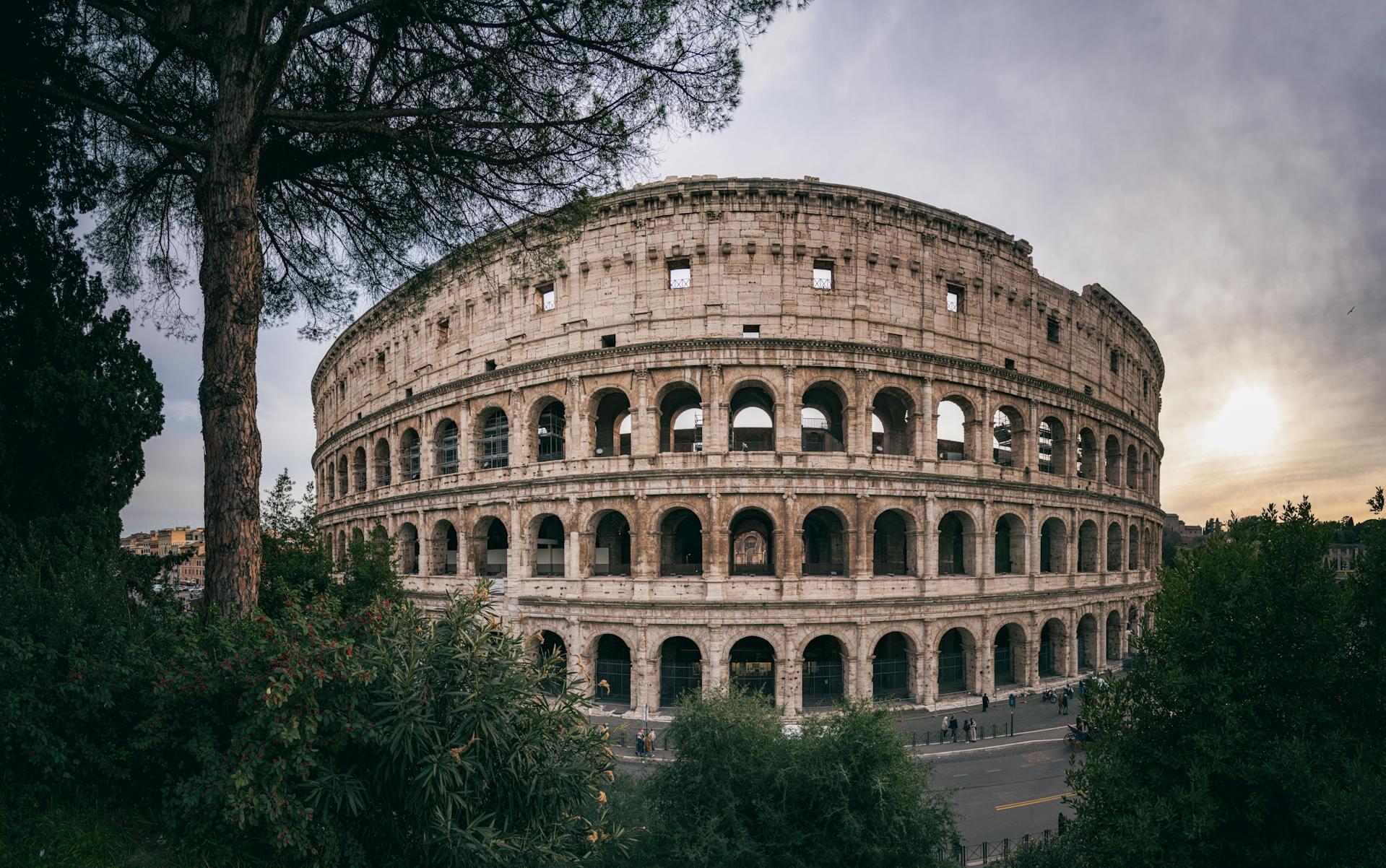
Take a trip to Italy or Greece, and chances are you'll stumble across a piece of old Roman architecture or maybe even travel on one of the many still functioning Roman roads dotted around.
It's no exaggeration to say that the Romans were one of the most innovative civilisations to ever exist, especially when it came to construction and problem solving - as you'll quickly learn for yourself below.
Architecture and Engineering
Roman builders focused on structures that served a purpose and helped daily life run more smoothly. There were aqueducts that brought water into towns, bathhouses that also functioned as lively social spaces, and large amphitheatres designed solely to give people of all ages somewhere to gather for entertainment on a huge scale. Today, many of our modern inventions are directly inspired by the innovators of the Roman age.
| Structure / Innovation | What It Was | Why It Mattered |
|---|---|---|
| Aqueducts | Large systems that carried fresh water into towns and cities | Supplied drinking water, public baths, fountains, and sanitation systems |
| Roads | Carefully planned routes connecting cities, forts, and settlements | Helped movement across long distances and made communication faster |
| Bathhouses | Public spaces used for washing, exercise, and socialising | Became an important part of everyday Roman life |
| Amphitheatres | Large entertainment venues, including spaces for games and performances | Hosted public spectacles and gatherings on a huge scale |
| Bridges and arches | Advanced designs that improved stability and durability | Helped transport and construction become more reliable |
| Roman concrete | A durable building material used in major projects | Allowed larger and longer-lasting structures to be created |
Legal System and Law
Roman law helped create clearer rules around ownership, trade, punishment, and civic responsibility. Rather than relying entirely on personal influence or revenge, disputes could often be handled through courts and written laws. Although legal protections varied depending on social status and citizenship, Roman legal thinking later inspired many legal systems across Europe.
Language and Literature
As Rome grew, so did the use of Latin. It became the main language used across government, education, official writing, and much of everyday administration, helping people across different regions communicate far more easily than before. Although spoken Latin gradually began dying out slowly, it later evolved into languages including Spanish, French, Italian, Portuguese, and Romanian.
Important Roman Writers
⚔️Decline and Fall of the Western Empire
No empire lasts forever, and Rome was no exception. After centuries of success, the western half of the empire began facing growing pressure from both inside and outside its borders.
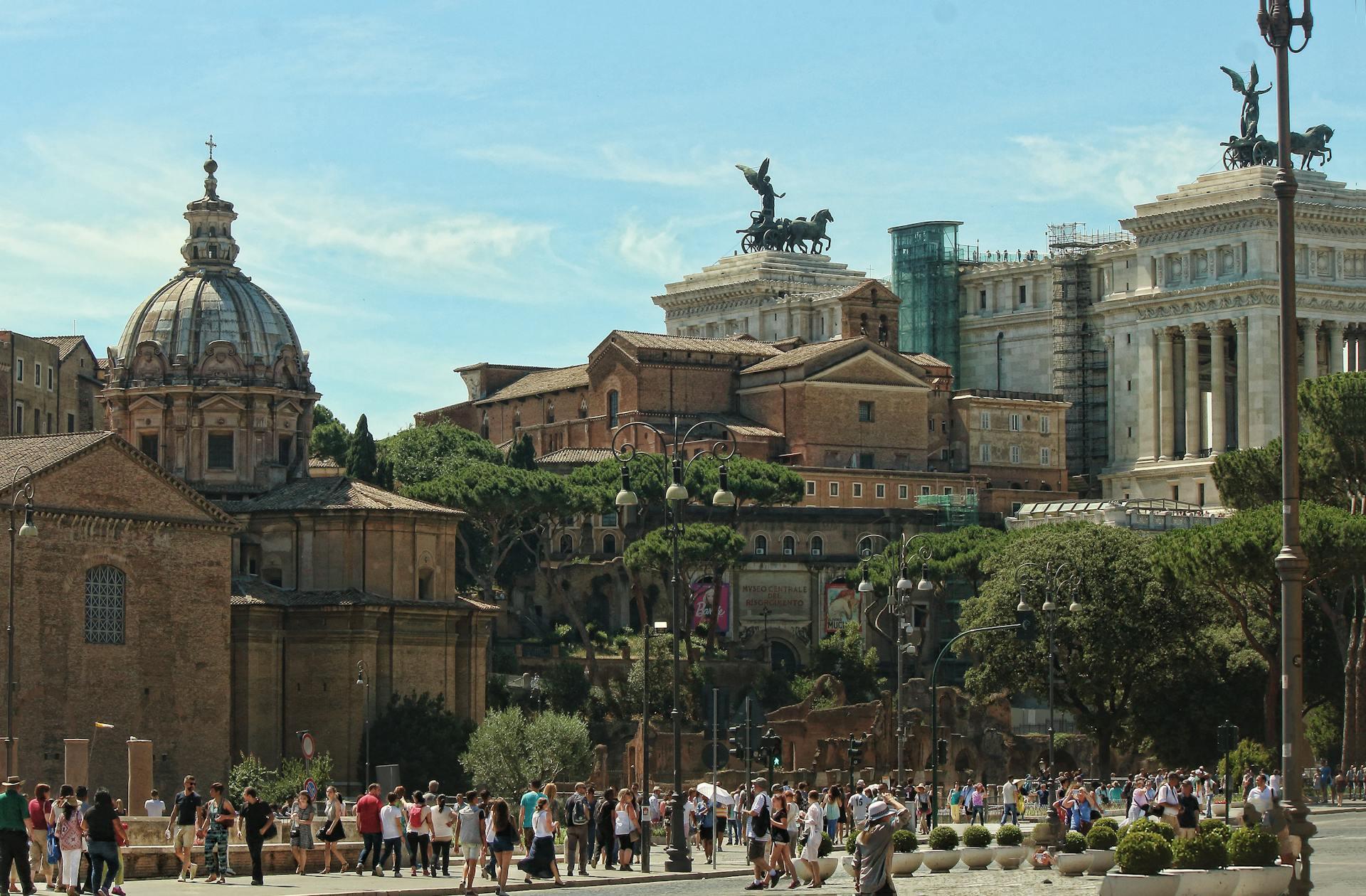
Internal Challenges
Life inside the empire gradually became harder to manage as strong leadership became less consistent and power struggles became more commonplace.
- Short-lived emperors - some rulers lasted only a short time before being replaced, making leadership feel uncertain and inconsistent
- Defending the borders - protecting such a huge area became expensive and increasingly difficult to manage
- Political problems - once again, struggles and rivalries inside Rome created instability
External Pressures
Rome’s problems were not only happening from within. Outside its borders, growing pressure from migrating groups and invasions made life even harder for an empire already under strain. As different peoples moved across Europe, some entered Roman lands peacefully while others arrived through conflict:
Fall of Rome in 476 CE
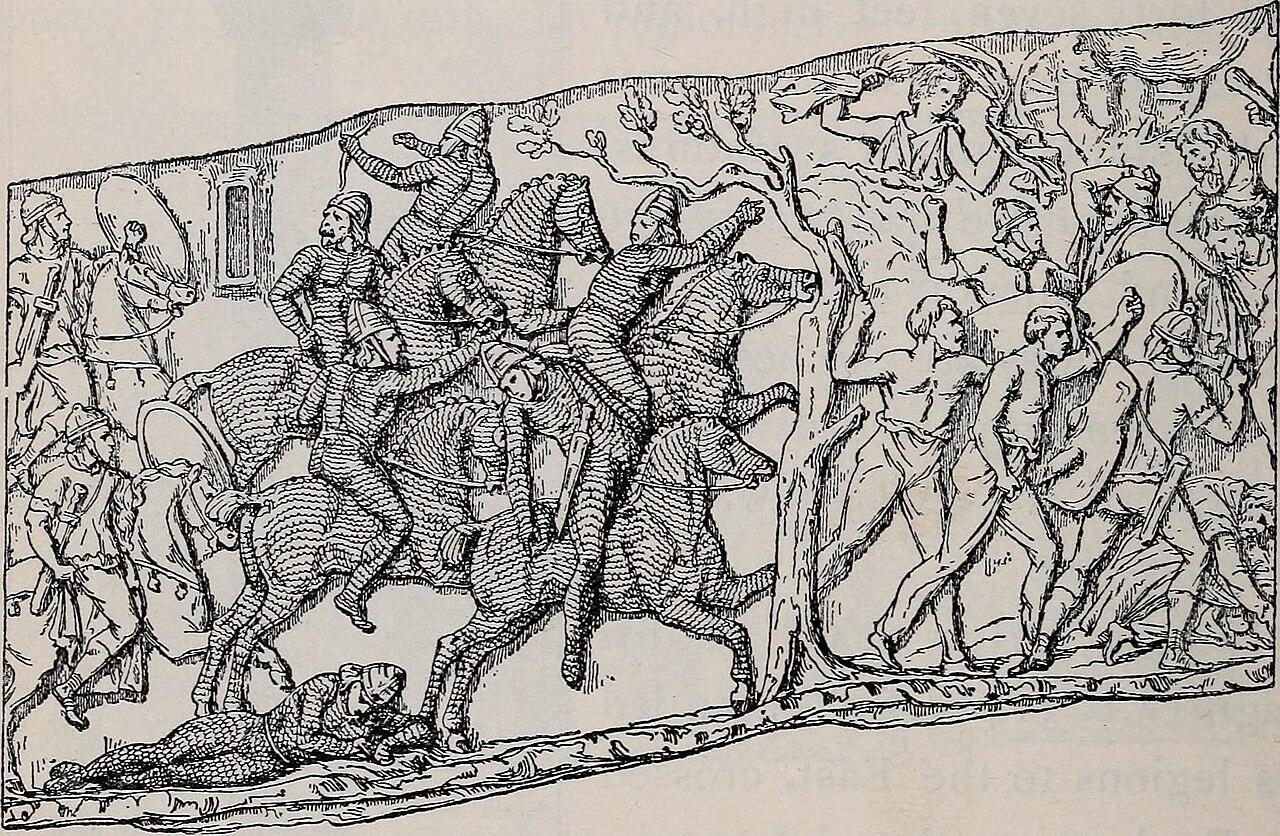
By 476 CE, western Roman rule had weakened to the point where it could no longer hold together in the same way it once had. In that year, the young emperor Romulus Augustulus was removed from power by the Germanic leader Odoacer, a moment many historians use to mark the end of the Western Roman Empire.
Not really - although 476 CE is treated as the symbolic end of the western empire, life did not suddenly stop or dramatically change overnight. Roman customs, buildings and other typical ways of governing still remained part of everyday life in many places for years afterwards.
🏺The Eastern Roman Empire and Byzantine Continuation
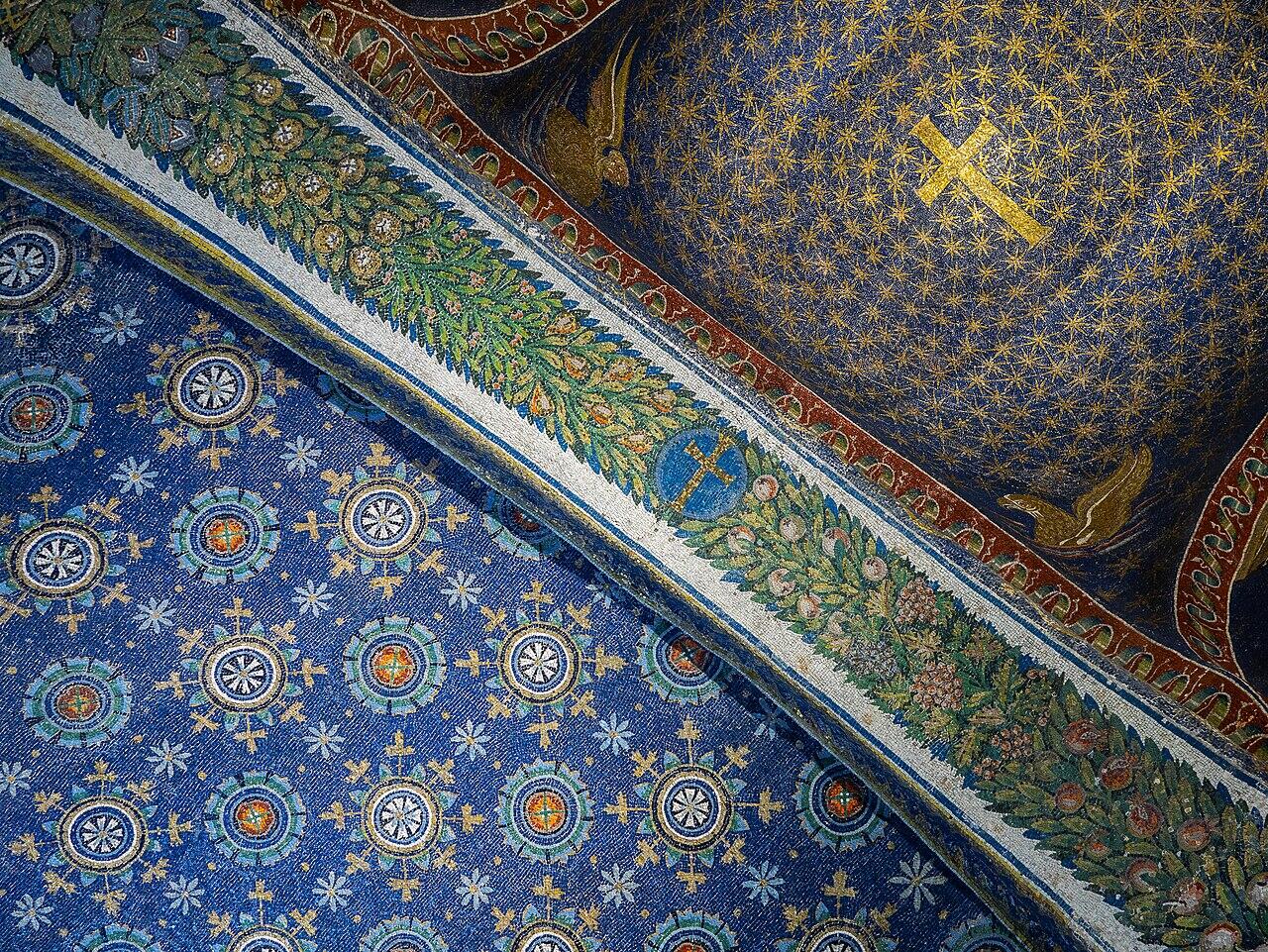
Whilst the Western empire collapsed, the eastern half managed to hang on and gradually turned into the Byzantine Empire. Ruled from Constantinople, this part of the empire continued for almost another thousand years - still seeing itself as Roman in many ways. However, there were also some particularly distinct differences between the two empires:
Cultural Changes
Greek slowly but surely overtook Latin to become the dominant language in the Byzantine Empire. Likewise, new traditions and cultures also developed alongside language, giving life in the east its own character over time.
Religion and Beliefs
Christianity also became the dominant religion, replacing many older Roman beliefs and becoming far more closely tied to government and public life as well.
Longevity
Lasting for centuries longer than its western counterpart, the Byzantine Empire survived until 1453 CE (when Constantinople finally fell to the Ottoman Turks and its leader Mehmed the Conqueror).
References
- The Roman Empire: A Brief History | Milwaukee Public Museum. (n.d.). https://www.mpm.edu/research-collections/anthropology/anthropology-collections-research/mediterranean-oil-lamps/roman-empire-brief-history
- Who were the Romans? - KS3 History - BBC Bitesize. (2023, October 25). BBC Bitesize. https://www.bbc.co.uk/bitesize/articles/zcxcdnb#z4dqtcw
Summarise with AI:
Did you like this article? Leave a rating!

 Loading...