


God respects me when I work, but he loves me when I sing.
Rabindranath Tagore
If you've ever caught yourself wondering about how long it actually takes to sing, you're not alone. It's a question that pops up in the minds of many singing enthusiasts, especially early on before they invest in any sort of singing lessons. However, there isn't really a neat one-size-fits-all answer; factors like how often you practice, the type of guidance you receive, and how patient you are with the process all affect the expected time frame.
Whether you're aiming to belt out tunes on stage or just want to sing your favourite songs, knowing what to expect can help you along the way. In this article, we’ll break down what affects your singing journey and share some tips to help you get there faster.


How Long Does It Take To Learn to Sing?
Many beginners begin to notice small but encouraging changes after around a month or two of regular singing practice. Overall, feeling comfortable and in control of your voice will take you at least 3 to 6 months1, while reaching a more advanced or even professional level could take you upwards of 5 to 8 years of steady training.
Early signs you're making good progress often include:
As these small changes snowball and begin to add up, your confidence will also skyrocket. Songs that once felt awkward or difficult will begin to flow much more naturally, and your voice will sound less like an imitation of your favourite singer and more like something genuinely unique and your own.
Factors That Influence How Long It Takes to Sing 🎶
The voice is muscle, memory, and emotion working together. Train all three, and progress will follow
No two singing journeys look the same. While some people naturally feel comfortable with their voice straightaway, others may take a little longer to settle into the basics. That difference can feel frustrating at first, especially if you start comparing yourself to friends, classmates, or singers online.
In reality, progress is influenced by a handful of small practical habits that stack up over time. In this section, we'll take a look at the everyday things you can do that will quietly help your voice develop as you practice. If you're looking for in-person guidance near you, options such as singing lessons Belfast can help you build a more consistent routine.
Practising With Intention
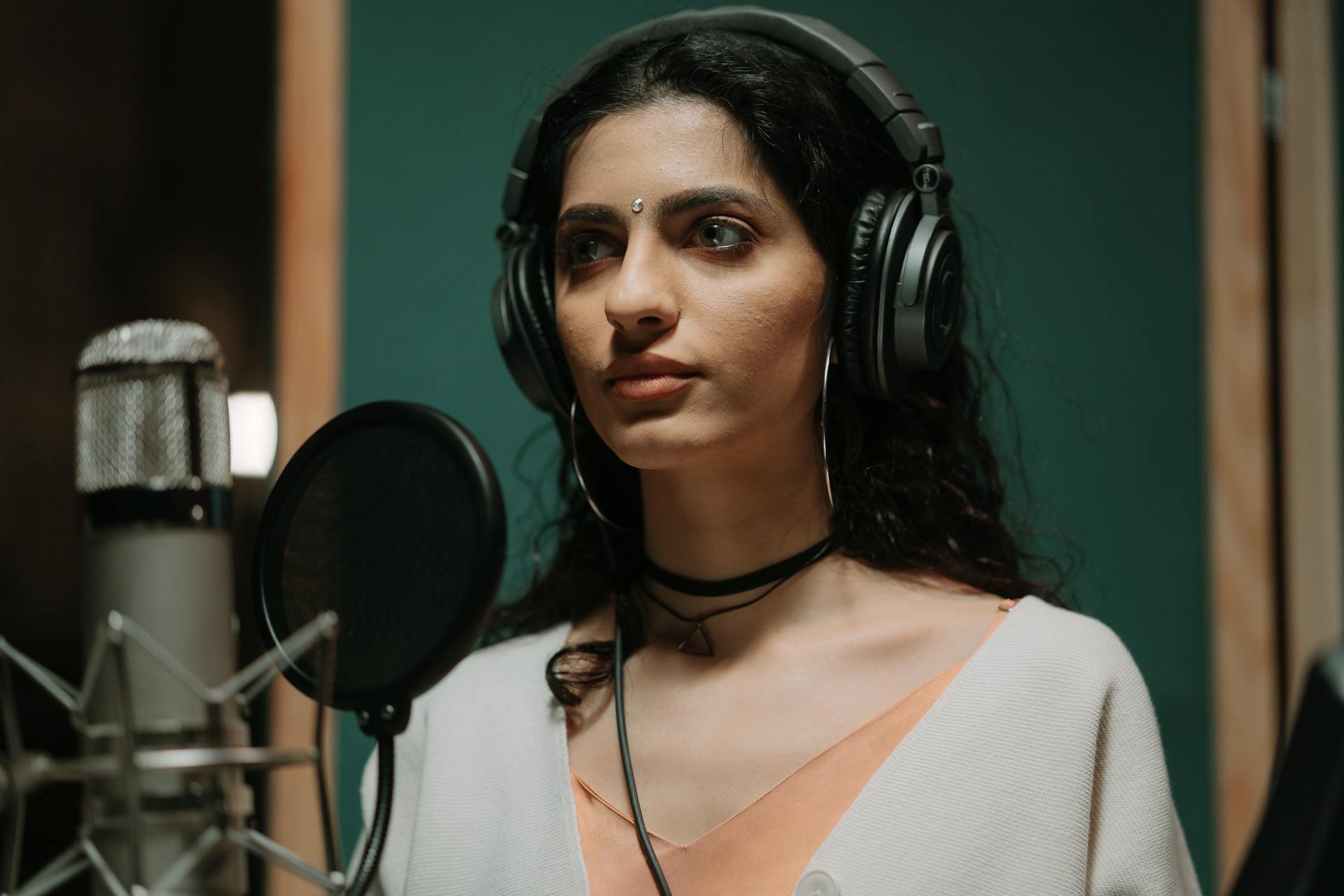
Generally, the quality of your practice will often matter more than the amount of time you spend practising. While running through songs on autopilot is certainly enjoyable, it won't help you improve quickly or develop any sort of consistency in your voice and tone.
Instead, you need to have a clear goal. That might look like working on one tricky line, smoothing out a breath between phrases, keeping a note stable between phrases, or even slowing a song right down so you can hear where your voice starts to drift. Alternatively, it could be figuring out if you have a great singing voice or not.
What Focused Practice Looks Like
Warming Up and Physical Awareness
Singing regularly places a lot of physical demand on your body, even if it doesn't always feel like regular exercise. For example, if your posture is bad or your breathing becomes shallow, your voice will compensate by pushing - eventually leading to strain or inconsistency.

Thankfully, gentle warm-ups can help prepare your voice and breathing system to work together and prevent this from happening. The goal is to wake up coordination, reduce any stiffness and create a sense of ease before moving into belting out full songs. If you'd like hands-on help with this, you could consider singing lessons York.
Simple Warm-Up Habits
Listening Back and Self-Awareness
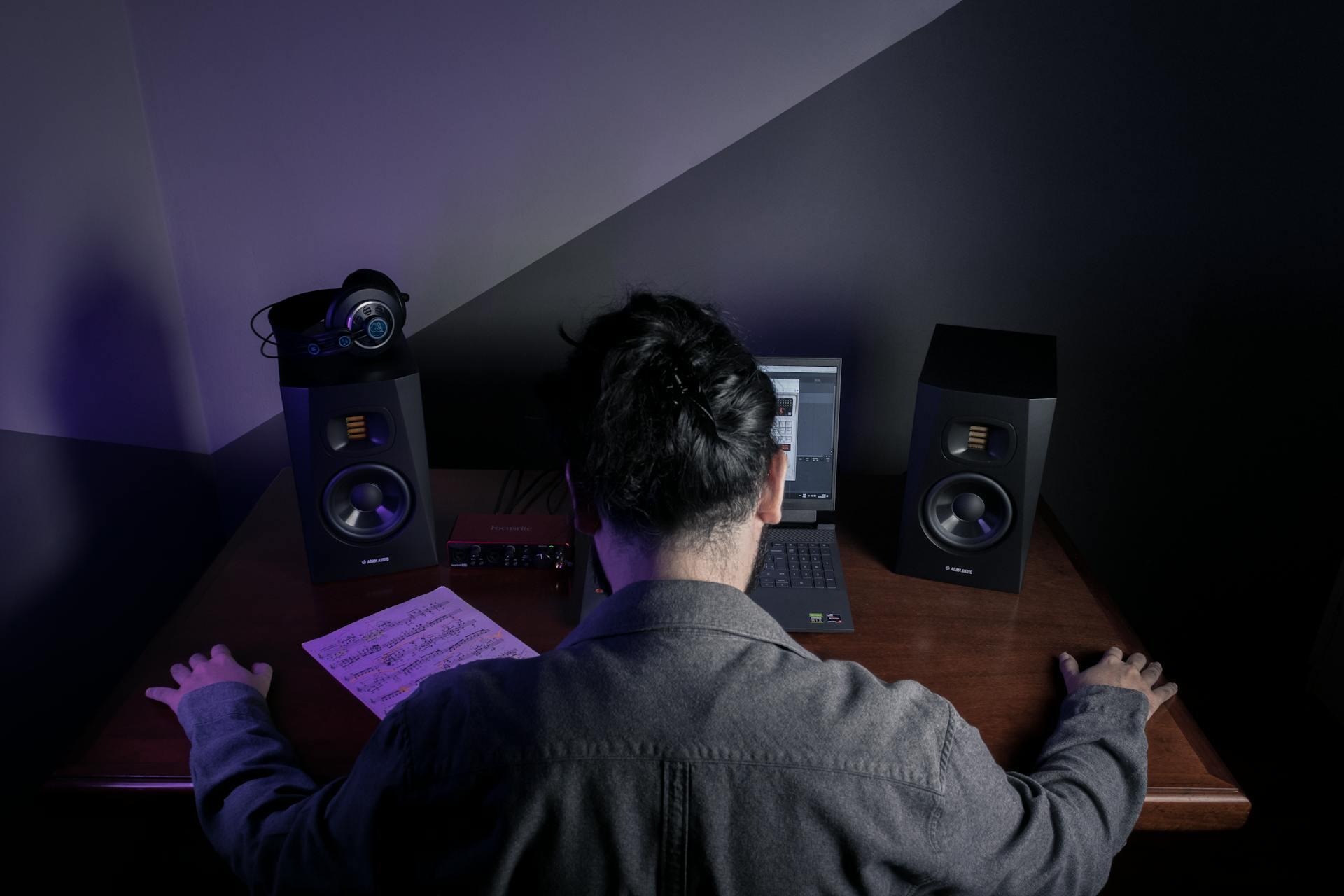
We all know how uncomfortable it can be hearing your voice from the outside, but it's one of the most reliable ways you can improve as a singer. Without making this a core habit, you'll easily miss small details or other bad habits that might be ruining your performance.
By regularly listening to your own voice2, you'll also start to notice patterns. For example, maybe you always rush the same line or let certain words fade at the end of a phrase? With this newfound info in hand, you'll then be better equipped to address this in sessions with your singing tutor or through self-practice. Luckily, there's a wealth of resources out there designed to help singers improve.
What to Listen to For
Feedback and Guidance
Some habits are hard to feel from the inside. For instance, physical things like jaw tension, raised shoulders, and shallow breathing are much easier for someone watching to spot, even if you've never noticed or felt them yourself.

Gaining feedback like this doesn't mean you necessarily have to jump straight into weekly lessons, though. Even just asking a fellow singer or tutor to sit and watch you once a month can give you a fresh set of eyes. If you'd prefer structured support, singing lessons Southampton are another option for building steady progress with guidance.
Useful Sources of Feedback
Taking Care of Your Voice Between Sessions

Obviously, the way you treat your voice throughout the day can have an effect on how responsive it feels. Factors like dehydration and poor sleep can leave the voice in less-than-top-tier condition, and this can eventually affect how long it takes you to learn to sing.
The good news is that good vocal care doesn't mean following a strict set of rules that are overly complicated or draining. Instead, it's mostly about reducing unnecessary strain and giving your voice the best conditions to recover after singing practice.
Everyday Voice Care Habits
Typical Learning Milestones in Singing Progress 📈
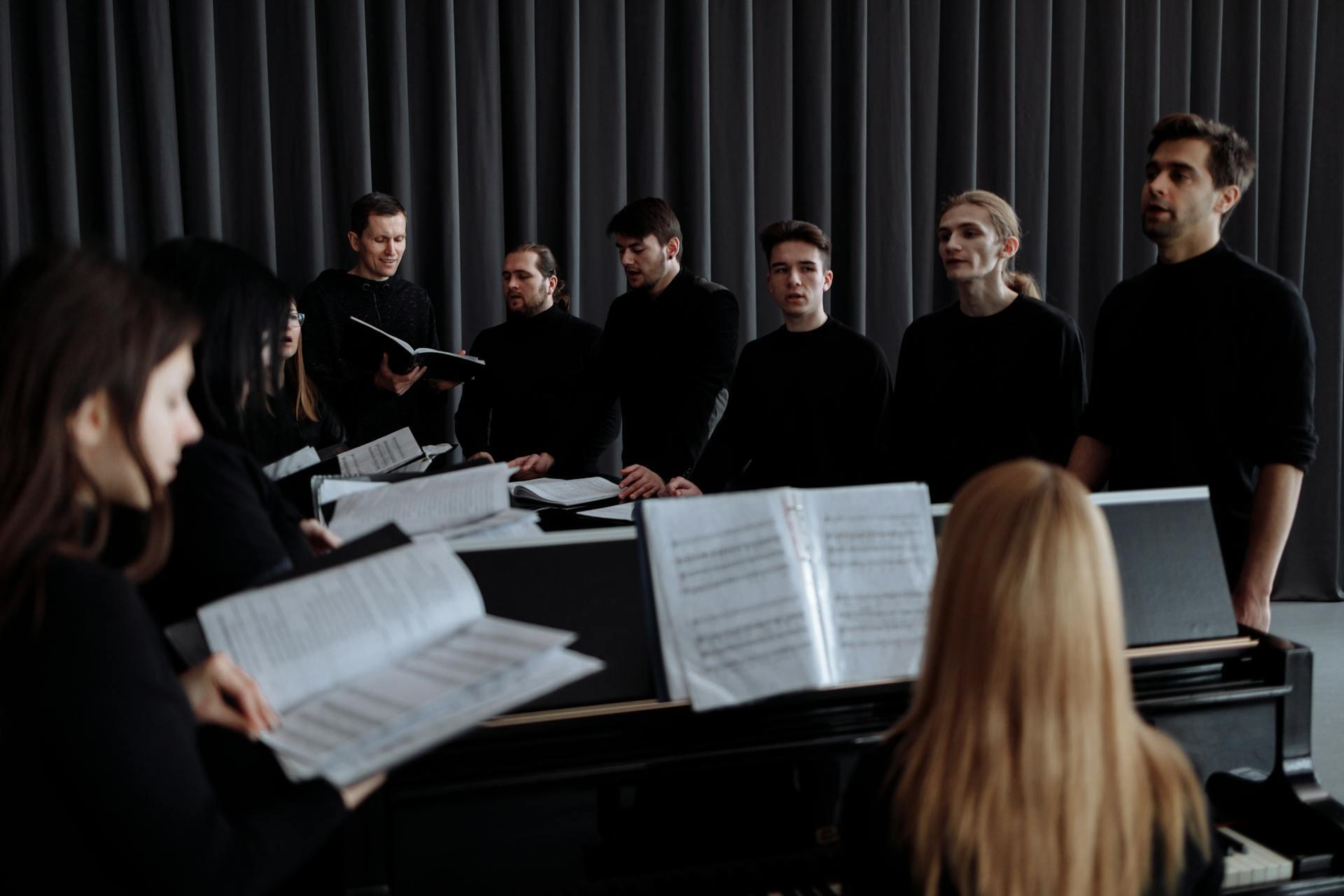
Most people want to know what progress actually looks like in real terms, not just in theory. While it's true that every voice develops at its own pace, there are a few stages most singers will recognise as they stick with their regular daily or weekly practice.
Just bear in mind that the stages mentioned here aren't deadlines or benchmarks you need to race towards. Everybody is different; some students may move quickly through one stage while others may spend a little more time on it before moving forward.
🗓️ First 1–3 Months - Getting the Basics Underway
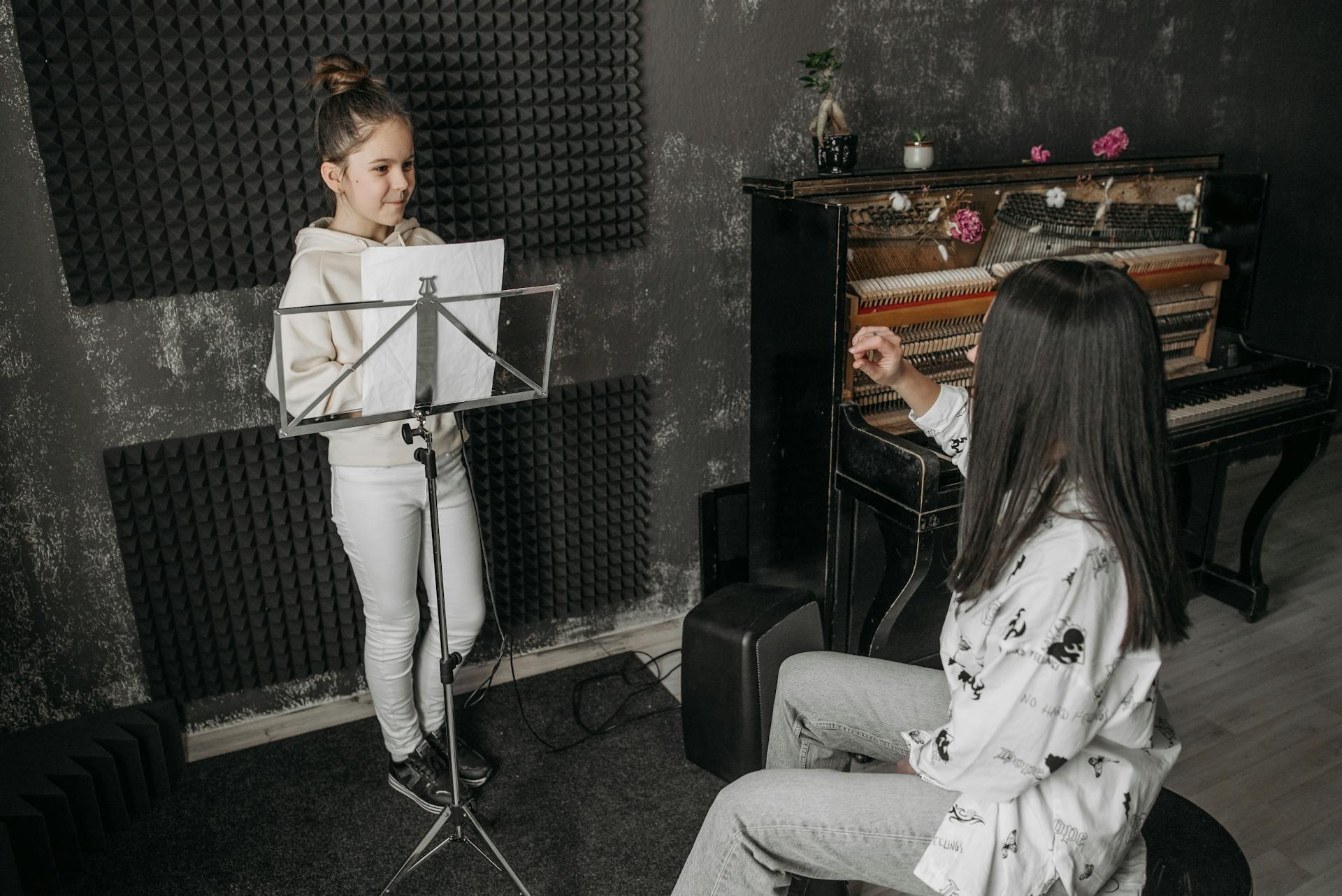
In the early weeks of regular singing training, many new singers start to notice beneficial changes in their singing ability - including early improvements in pitch accuracy and more relaxed breathing.
At this stage:
- You'll begin to recognise pitch more reliably
- Jaw and throat tension should begin to ease as you warm up more consistently
- Singing a simple melody feels like it takes less effort to achieve
If you're particularly talented, you may even see noticeable changes in your vocal range, too - especially if you're diligent with your practice and technique work.
🎶 6–12 Months - Singing Begins to Feel More Natural
Around this time, most people find they don’t have to think as hard about staying in tune or remembering to breathe. Those parts start to happen a little more naturally. This gives you the space to think about how your lines actually sound and where the emphasis should sit, instead of simply trying to make it to the end of the phrase.

This stage often includes:
- Keeping notes steady while changing volume instead of losing control
- Staying in time with backing tracks or other musicians without drifting ahead or behind
- Recording full songs without stopping to fix every small mistake
🌟Beyond Year One - Continuing to Develop Your Voice

There isn’t really a point where you “finish” learning to sing. Even people who’ve been performing for years still work on their voice. After the first year, changes tend to show up more in how steady and reliable your singing feels, rather than in any crazy changes.
In this long-term phase, singers often:
- Explore and refine genre-specific techniques (pop, jazz, musical theatre, etc.).
- Develop a unique vocal tone and expression
- Work on stamina and consistency for performance or recording
Singing Progress Timeline
| Stage | Timeframe | Main Focus | What Typically Improves |
|---|---|---|---|
| Getting Started | 1–3 months | Posture, breathing, basic pitch awareness | Less tension when singing, better breath control, clearer sense of being in or out of tune |
| Building Stability | 3–6 months | Consistency, vocal range, rhythm and timing | Steadier notes, smoother movement between low and high notes, stronger sense of rhythm |
| Finding Control | 6–12 months | Expression, volume control, full-song performance | More control over loud and soft singing, clearer phrasing, greater confidence recording or performing |
| Long-Term Development | 1+ years | Style, stamina, personal vocal sound | More reliable tone, improved stamina, stronger performance skills, personal style becoming clearer |
Common Challenges in Learning How to Sing 🧠

Learning to sing is rarely a straightforward process at the best of times. Most new singers experience highs where everything seems to click into place, and lows where progress feels slow or even nonexistent. It's a normal part of the journey of every singer, but how do you overcome these challenges without giving up singing entirely?
Plateaus in Progress
A plateau is basically when your singing feels okay, but not noticeably better. You can hit the notes and get through songs, yet nothing seems to improve from one week to the next.
Vocal Strain/ Health Issues
Vocal strain and health issues are some of the most persistent problems for new singers who aren’t used to how much physical work singing involves. Your voice may feel fine while you’re practising, but sore or tight later.
Loss of Motivation
Loss of motivation is common among singers who practise day in, day out. When sessions start to feel repetitive, it’s easy for singing to turn into something you tick off rather than something you enjoy. If you want accountability and structure, booking singing lessons Coventry can help you stay on track with clear goals.
Surefire Ways to Keep Making Progress
References
- Graham, M. J. (2025, December 12). How long does it take to learn to sing well? Mark JW Graham: Singing Lessons Nottingham. https://www.markjwgraham.co.uk/articles/how-long-does-it-take-to-learn-to-sing
- Joubert, S. (2021, March 1). How long does it take to learn how to sing - London Singing Institute. London Singing Institute. https://www.londonsinginginstitute.co.uk/how-long-does-it-take-to-learn-how-to-sing/
Summarise with AI:
Did you like this article? Leave a rating!


 Loading...
Best article I have ever seen
What vocal exercise should I do every single day? For how many minutes to improve my voice?
Practice daily vocal exercises including breathing, scales, and articulation for 15-20 minutes to gradually improve voice quality and range, while avoiding strain. Stay hydrated for optimal vocal health, and stay tuned for our comprehensive singing guide coming soon (in December) on the Superprof blog with tips and advice and knowledge from a professional singer! 👩🎤
Thank you!
Thank you! 😊