
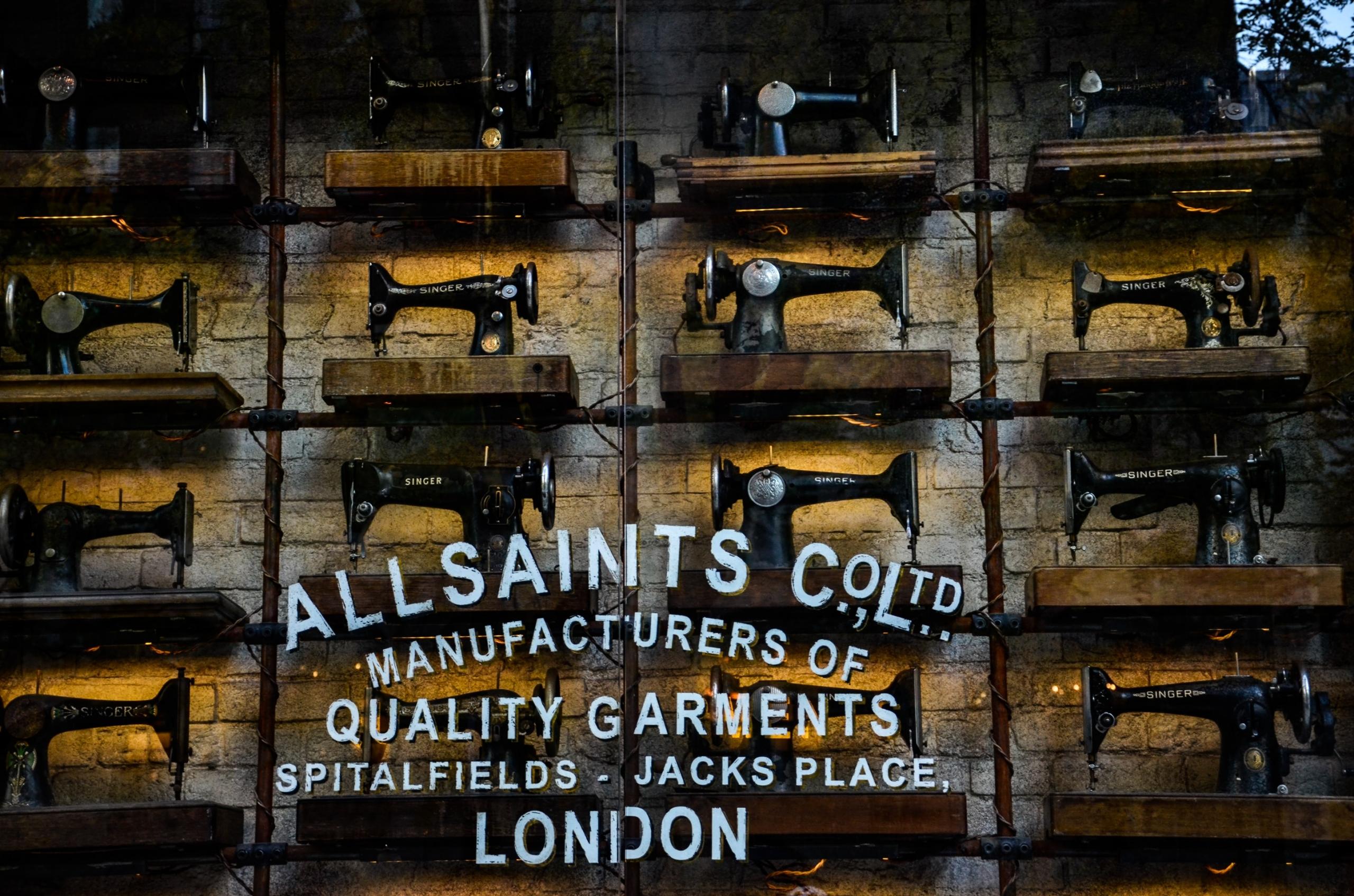

Sewing machines come in different shapes, sizes, and costs. The different types of sewing machines can range from home models to specialist industrial equipment. You should know what they do, what they cost, and what you'll actually need before you buy one.
The main types of sewing machine include mechanical, electronic, computerised, mini or portable, embroidery, quilting, overlocker, coverstitch, heavy-duty and industrial sewing machines.⁵ Mechanical and electronic machines are often suitable for beginners and general home sewing, while specialist machines are designed for tasks such as embroidery, quilting, stretch garments, heavy fabrics or commercial production.


Main Types of Sewing Machines at a Glance
Sewing machines can be classified by how they're controlled, the kind of work they do, and whether they're used industrially or at home. There's a bit of overlap, so it's worthwhile comparing them mainly by main purpose.
| Sewing machine type | Best for | Skill level | Key feature | Domestic or industrial use |
|---|---|---|---|---|
| Mechanical | Basic sewing, repairs and alterations | Beginner | Manual dials and straightforward controls | Domestic |
| Electronic | General home sewing and dressmaking | Beginner–Intermediate | Electronic stitch selection and speed control | Domestic |
| Computerised | Dressmaking, decorative sewing and advanced projects | Beginner–Advanced | Digital controls, automatic settings and larger stitch libraries | Domestic |
| Mini/portable | Small repairs, travel and occasional light sewing | Beginner | Compact and easy to store or carry | Domestic |
| Embroidery | Monograms, motifs and decorative designs | Intermediate | Hoop-based machine embroidery with built-in or transferred designs | Domestic/Specialist |
| Quilting | Patchwork, free-motion quilting and larger fabric projects | Intermediate–Advanced | Larger working area and quilting-focused accessories | Domestic/Specialist |
| Overlocker/serger | Seam finishing, stretch fabrics and garment construction | Intermediate | Sews and finishes edges while trimming excess fabric | Domestic/Industrial |
| Coverstitch | T-shirt hems, knitwear and activewear | Intermediate | Creates stretchable professional-looking hems without trimming fabric | Domestic/Industrial |
| Heavy-duty | Denim, canvas and other thicker materials | Intermediate | Stronger feeding and construction for heavier fabrics | Domestic/Specialist |
| Flatbed lockstitch | High-volume garment construction | Professional | Flat work surface and fast, consistent straight stitching | Industrial |
| Cylinder bed | Sleeves, cuffs, bags and tubular items | Professional | Narrow cylindrical bed for curved or tubular work | Industrial |
| Post bed | Shoes, bags and awkward three-dimensional items | Professional | Raised post provides access around shaped products | Industrial |
Before we dive deep into the different types of sewing machines, let's talk about the history of sewing. Sewing is one of the oldest inventions of textile arts, it most probably started in the Palaeolithic era. Even after the invention of spinning yarn or weaving fabric, sewing remained an essential activity to create different types of clothing, jewellery, or specific garments. Sewing was mostly done by hand until the 18th century when the actual invention of the sewing machine took place. With the rise of the Industrial Revolution, the production of textiles shifted and allowed the mass production of clothing.
1790
Thomas Saint officially patented the first-ever sewing machine design.
1830
Barthélemy Thimonnier, a French tailor invented the first sewing machine, which he later used to produce military uniforms for France's army.
1851
Issac Singer successfully developed the first version of our modern-day sewing machine
19th, 20th century
Sewing by hand remains widespread, but sewing machines began revolutionising textile production.
21st century
Technological advances led to more specialised sewing machines, including automated sewing machines.
Domestic Sewing Machine Types
Domestic sewing machines are those that you'll use at home. They're usually good for repairs or personal projects. Most buyers will be looking at how much control is manual and how much the machine handles automatically. Your choice will depend on how often you sew and how much flexibility you want, certain sewing styles, with certain machines best for different applications.
Mechanical and Electronic Sewing Machines

Mechanical machines are the most basic and can be treadled or hand-operated.
They were designed to be used before electrical power was accessible.
Electronic machines have many more options and the advantage of being electronically operated.
There are many brands of electronic machines to choose from like Brother and Juki, offering different stitches and stitch lengths.
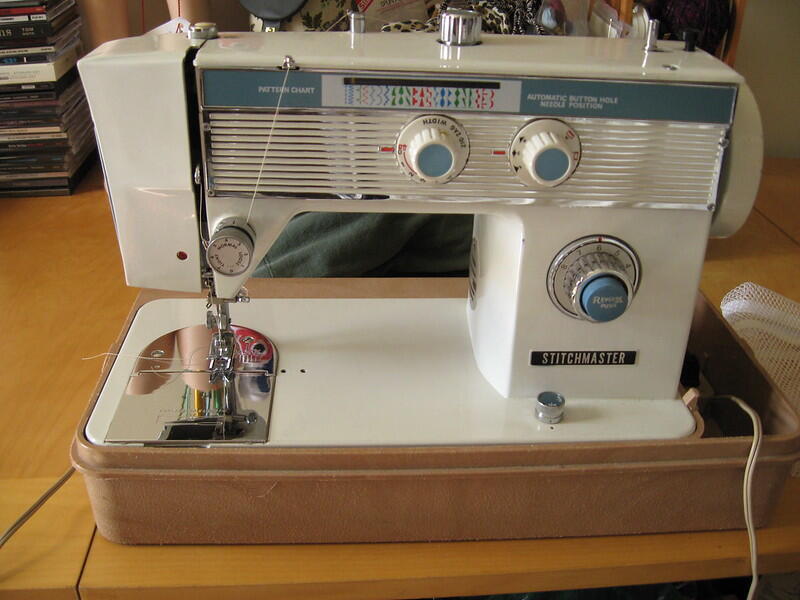
Mechanical
- Controls: Manual dials and switches
- Best for: Beginners, repairs and straightforward sewing
- Main advantage: Simple controls and fewer automated functions
Electronic
- Controls: Electronic buttons or selectors
- Best for: Regular home sewing and dressmaking
- Main advantage: Easier stitch selection and features such as adjustable speed control⁶
Computerised
- Controls: Digital screen and electronic controls
- Best for: More varied or advanced sewing projects
- Main advantage: Larger stitch selections and more automatic settings⁵
Computerised Sewing Machines

Moving on up the scale of machines, computerized and fully automated machines have many more functions and features.
The machine often has an LCD screen display, automatic needle threading, and even embroidery stitches. There are different tension controls and stitch lengths.
Mini and Portable Sewing Machines
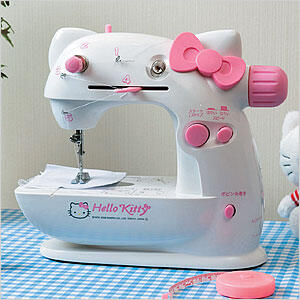
Electronic machines would include mini portable machines. The mini machine is not sturdy enough for vast quantities of sewing.
Although the machine is portable and easy to carry, it is best suited to small projects and mending. Most of them are not strong enough for larger projects and extended stitches.
Specialist Sewing Machine Types by Project
Certain sewing machines are better suited for certain types of projects. However, remember that while they make some tasks faster, neater, or easier, they won't necessarily replace ordinary sewing machines. Again, think about what you'll be making.
Embroidery and Quilting Machines

An embroidery machine is definitely an investment if you plan on doing lots of embroidery stitch.
The USB port on this machine enables the embroiderer to access other designs and import them into the machine's memory.
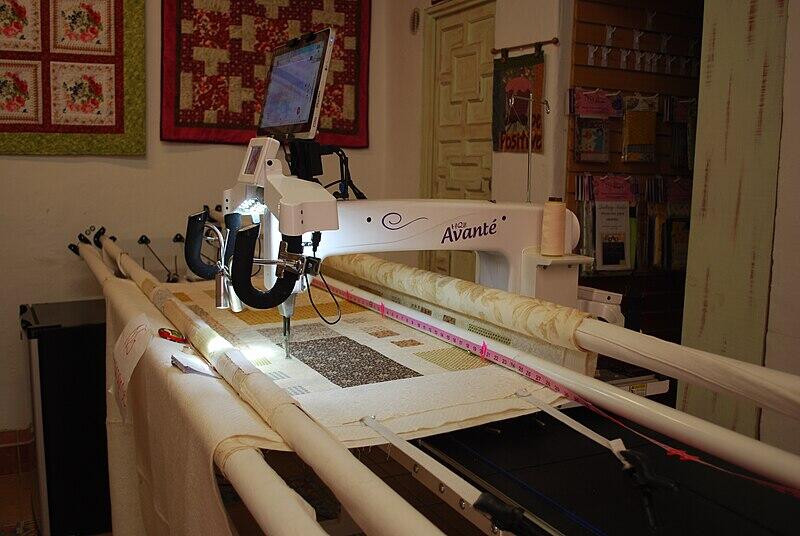
Quilting types of sewing machines are highly recommended if you plan to make large quilts.
This machine has a longer arm, allowing greater volumes of fabric to pass through the machine, enabling you to stitch through thicker quantities of fabric.
Overlocker and Coverstitch Machines
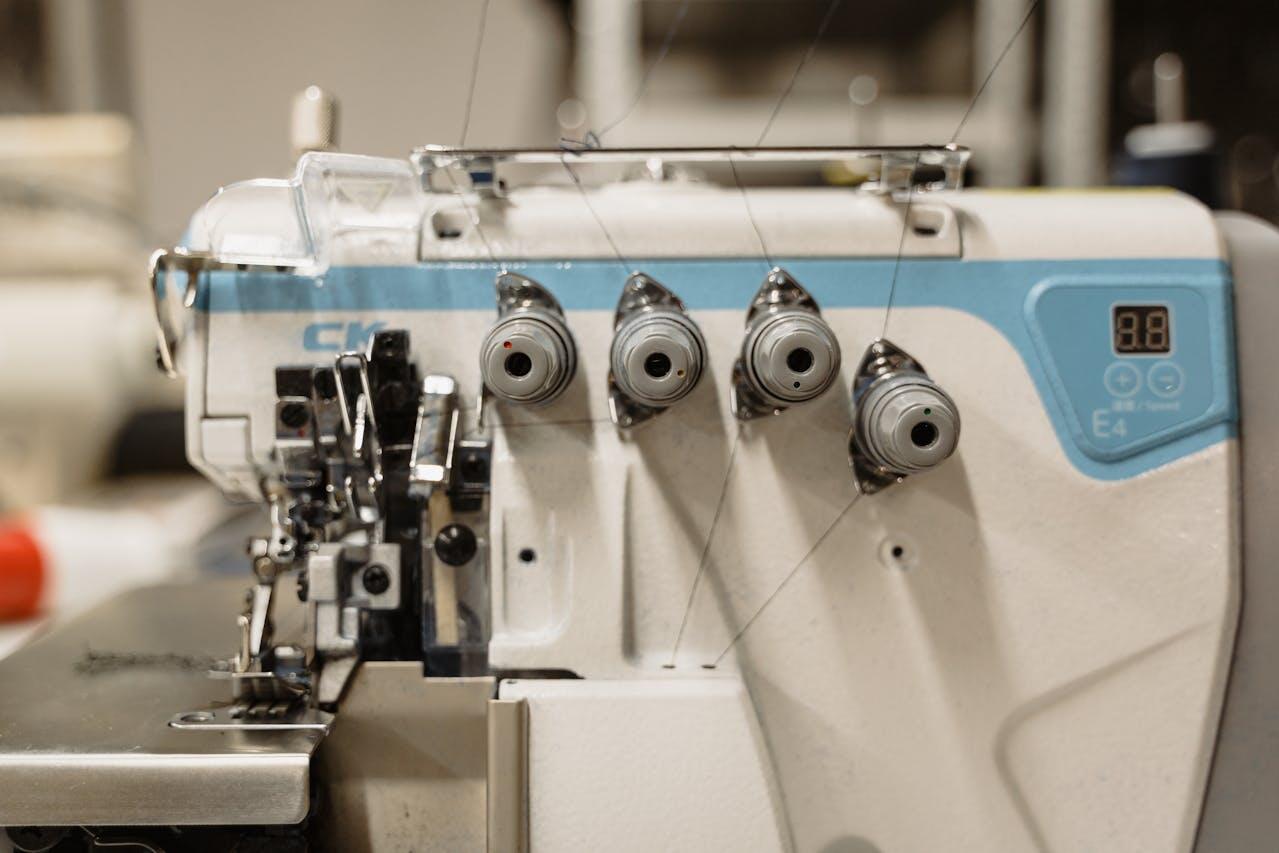
The serger is a relatively new addition to the sewing machine collection. The overlocker or serger may come with three or four threads.
This machine has the ability to sew, trim and over-sew the edges of seams. The serger can be used to stitch edges to create a really professional and neat look.
Overlocker
- Best for: Seams, raw edges and stretch fabrics
- What it does: Sews and finishes an edge while trimming excess fabric.¹
- Common uses: Garment seams, knit fabrics and professional-looking edge finishes
Coverstitch
- Best for: Hems on stretch garments
- What it does: Creates stretchable rows of stitching without trimming the fabric edge.⁵
- Common uses: T-shirt hems, activewear, knitwear and other stretch garments
Heavy-Duty and Leather Sewing Machines
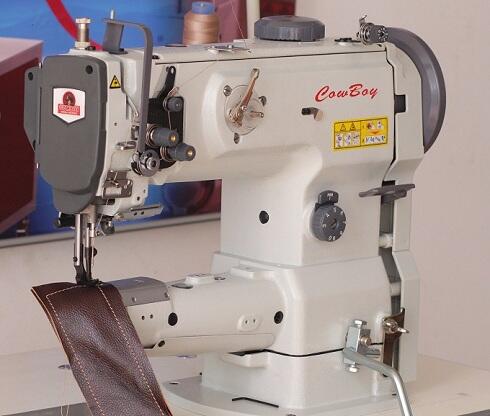
As the name implies, this specialised sewing machine is tailored to all kinds of solid leather designs, whether it's for shoes, wallets, bags, or belts.
These machines are often paired with compound walking foot mechanisms to ensure consistent downward pressure of the needle towards the material throughout the stitches.
Industrial Sewing Machine Types and Their Names
Industrial sewing machines are typically built for specific operations, materials, or product shapes. They're rarely all-purpose. This also means that you'll find their product names are basically what they do.
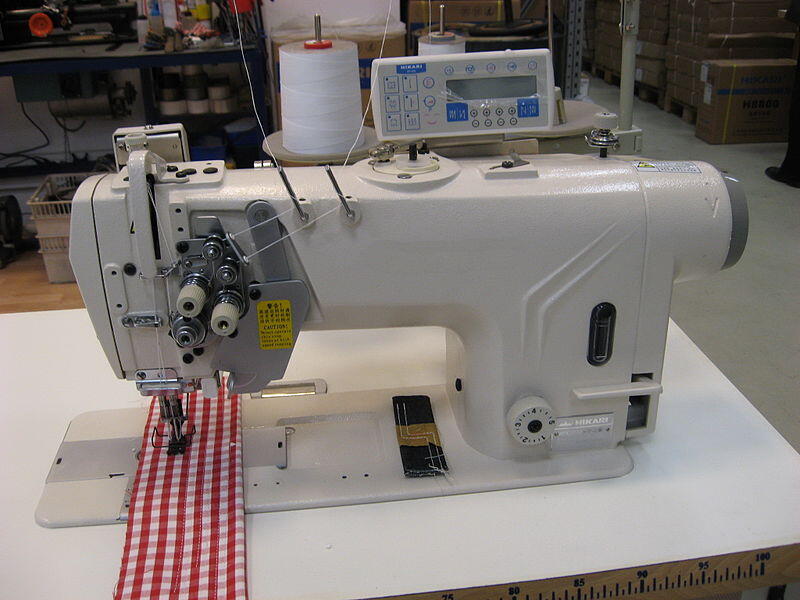
Industrial machines are made to be durable and to stitch multiple types of fabric such as heavyweight fabrics, upholstery fabrics, leather, rubber, plastic, and canvas.
Some industrial machines have found their way into home industries because they are very hard-working and durable machines.
Flatbed, Cylinder Bed and Post Bed Machines
It is one of the most commonly used machines among new learners and seasoned professionals in the industry.
Due to the machine's stable sewing flat design, it offers good control when navigating flat fabrics or sturdy material stitching. If you prefer hands-on instruction, consider sewing classes London.
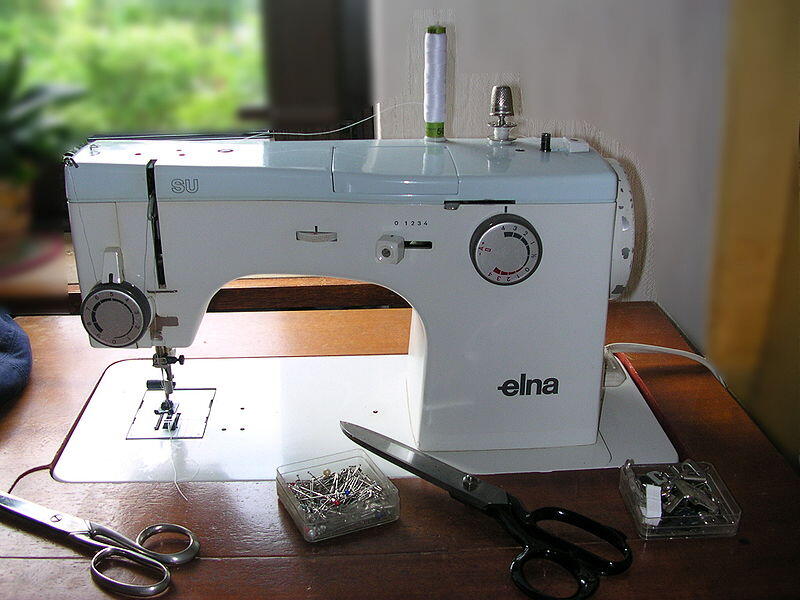

A specialised form of industrial sewing machine, it is widely used in manufacturing industries for tubular design materials such as cuffs, sleeves, and bags.
Thanks to its unique cylindrical arm design, the machine easily allows materials with circular shapes to pass through without distorting the quality of the fabric when sewing.
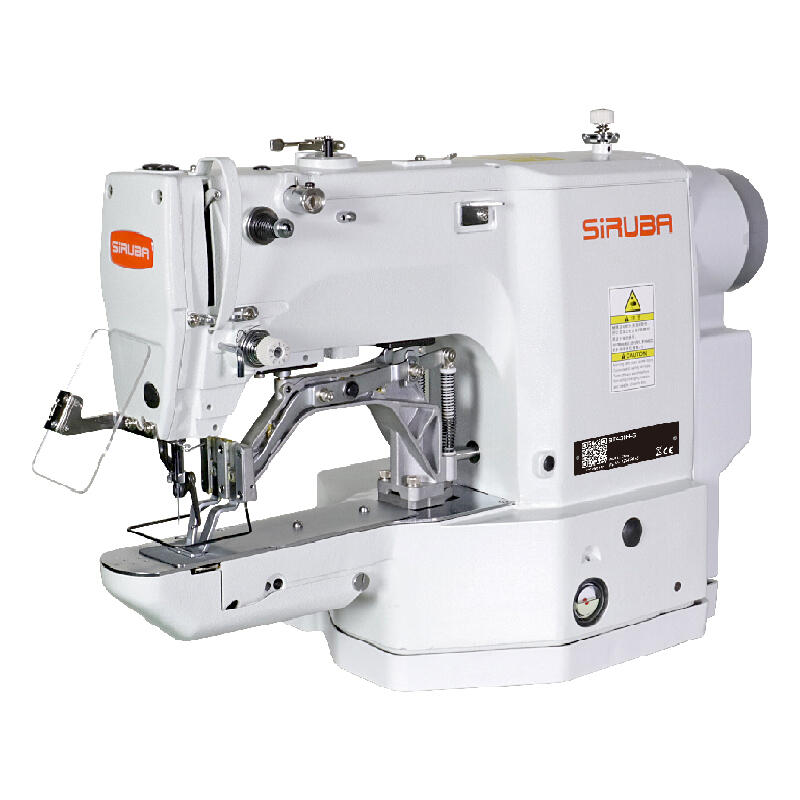
Last but not least, bar tack sewing machines help to reinforce a seam (two pieces of fabric that are sewn together) through dense, short stitches.
As you repeatedly stitch back and forth in a concentrated area, the machine ensures exceptional durability and prevents the fabric from tearing under strain.
Zigzag, Overlock and Garment-Finishing Machines
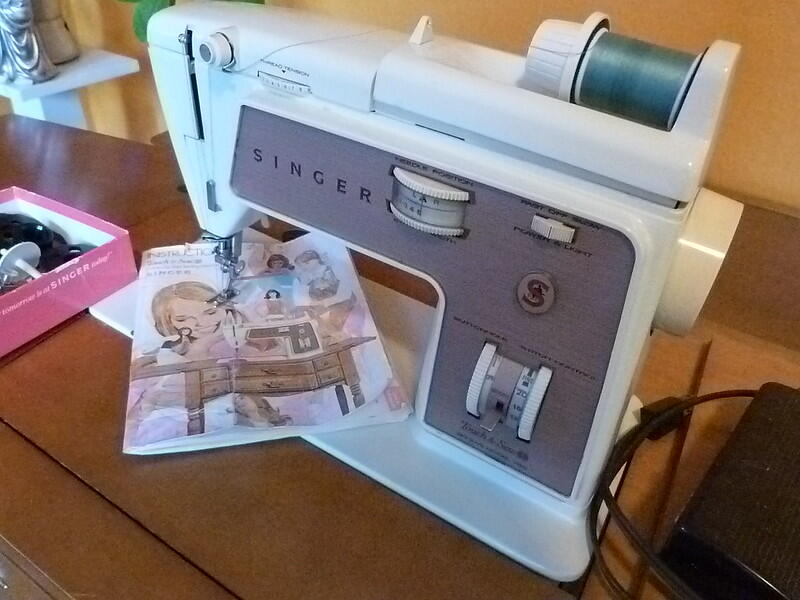
A key feature of zigzag sewing machines is their side-to-side needle movements to create zig-zag patterns, apart from the usual straight stitches.
The machine is often used to stitch elastic materials like Spandex or knit, sewing patches for durability and several decorative edges.
These machines are a staple in factories and garment production lines as they speed up the process of attaching buttons to each buttonhole securely as compared to manually sewing the buttons.
Furthermore, the machine can easily be customised to work on various buttonhole and size configurations with precision and consistency.

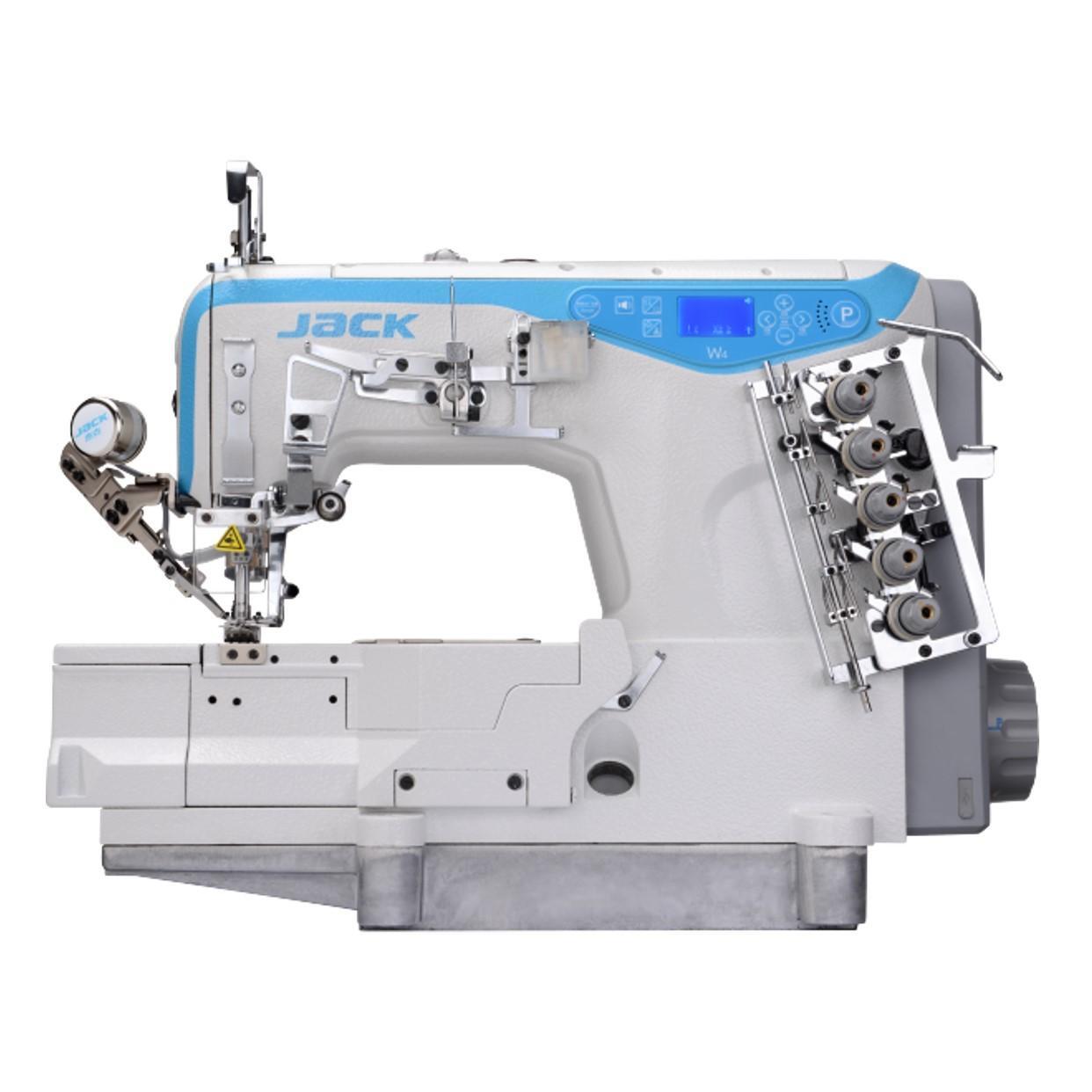
Flatlock sewing machines are essential for creating flat, smooth seams where the needles stitch the fabric edges together without overlapping, resulting in seams that lie flat against the material.
This results in a smooth, aesthetic appearance and is commonly used to make garments that are worn directly close to your skin.
How to Choose the Right Sewing Machine Type
Choose your sewing machine based firstly on what you'll be doing. Think about the fabrics you use, the projects you want to do, and how often you'll actually use it. Beginners making alterations won't need the same sewing machine as a quilter or small clothing business, for example.
What do you mainly want to sew?
Key Features to Compare Before Buying
Still thinking about which machine to buy? Or are you still in the early research phase? Here are the factors to consider.
Sewing Machine Brands and Budget Guide
With prices varying vastly between home machines and professional equipment, you should start by outlining your budget. For example, Janome's summer 2026 offers range from £349 for the computerised 230DC to £4,999 for the Continental M8 Professional.⁷ Don't choose machines solely on brand or cost, though; look at what the machines actually do. You should also look at warranty coverage, servicing and access to compatible accessories before you buy.
| Budget | Typical user | Suitable machine type | What to expect |
|---|---|---|---|
| Under £250 | Beginner or occasional home sewer | Mechanical or basic electronic | Core utility stitches, simple controls and enough functionality for repairs, alterations and basic dressmaking |
| £250–£600 | Regular home sewer or developing dressmaker | Electronic, computerised or some overlockers | More stitch options, speed control, automatic features and better support for varied projects |
| £600–£1,500 | Enthusiast, quilter or specialist home sewer | Advanced computerised, coverstitch, overlocker or entry embroidery | Larger work areas, specialist functions, more accessories and greater automation |
| £1,500+ | Advanced enthusiast or specialist user | Premium quilting, embroidery or combined sewing/embroidery | Large embroidery or sewing areas, extensive automation and specialist creative features |
| Industrial: varies | Small business or professional user | Flatbed, overlock, cylinder bed, post bed or other specialist industrial machine | Choose by material, operation and production volume; table, motor, servicing and specialist setup can affect total cost |
Now that you have reviewed the 15 sewing machines, you might be thinking of building your own sewing room. When it comes to what kind of sewing machine to buy, it depends on the functions you will need, how often you plan to sew and of course your budget. For the majority of beginner sewers, it's best to opt for a cheaper computerised machine or simple electronic machine model on platforms like Amazon.
If you are just starting to sew, we recommend you first get to know the various types of stitches and sewing techniques with an experienced tutor. At Superprof, you can learn anything and everything about sewing regardless of your learning level. For instance, you can learn the right way to use a needle threader for the machine and also get some insights on which machine model suits you the best at your present level.
Key Takeaways
- Mechanical and electronic sewing machines are practical choices for general home sewing, while computerised machines add broader stitch selections and more automated controls.⁵
- Embroidery and quilting machines are designed around specific creative tasks, with features such as design transfer, larger working areas and specialist accessories.²
- Overlockers finish and trim fabric edges, whereas coverstitch machines are particularly useful for flexible hems on garments such as T-shirts and activewear.¹
- Heavy-duty domestic machines can handle materials such as denim and canvas, but they should not be confused with specialist industrial machines.³
- Industrial sewing machines include flatbed, cylinder-bed and post-bed designs, each suited to different product shapes and manufacturing operations.⁹
- Choosing the right machine starts with the fabric, project type and frequency of use rather than simply buying the model with the most features.
Summarise with AI:
Did you like this article? Leave a rating!


 Loading...
nice one
Hi Christopher! Really appreciate the feedback you’ve shared on this article!
Thanks for letting me know how to use the sewing machine but still can you help me on how to measure party dress
You’re very welcome—I’m glad the sewing machine guide helped! 😊
I’d be happy to help with measuring for a party dress too. The key measurements you’ll need usually include:
Bust – measure around the fullest part of the chest
Waist – measure around the natural waistline
Hips – measure around the widest part of the hips
Dress length – measure from the top of the shoulder down to where you’d like the hem to fall
Make sure to keep the measuring tape snug but not tight, and try to measure while wearing any undergarments you’ll use with the dress for accuracy. Let me know if you’re making a specific style of dress—I can guide you further based on that! ✂️👗
I love this page
We’re so glad you loved the page! 😊 It’s great to hear that the article helped clarify the different types of sewing machines for you. Choosing the right one can make such a difference, especially depending on the projects you’re planning.
HI,EVERYONE
Hi there! 👋
Thanks for stopping by — great to see your enthusiasm! Feel free to join the conversation or ask any questions about sewing or finding a tutor.
CAN WE BE CHATING HERE AS GROUP
Hi!
Thanks for your comment. This blog’s comment section isn’t set up for group chats, but you’re welcome to share your thoughts, questions, or tips about sewing machines here — we’d love to hear from you!
Happy sewing!
HI Christopher, wassup
THANKS
Give me another sewing machine that is people are using now
Hi Rebecca! Absolutely! In addition to the Brother HC1850, another popular choice among sewing enthusiasts is the Juki HZL-F300. This model is praised for its user-friendly interface, offering a wide variety of stitch options and features that cater to both beginners and experienced sewers. It’s particularly noted for its smooth sewing performance and durability. Whether you’re into quilting, garment making, or home décor projects, the Juki HZL-F300 is a versatile machine that many crafters are currently enjoying.
Interesting
Hi! Thanks for your comment, glad to hear that you found this article useful :)