


Choosing between dentistry courses can be tricky. It seems every university has its own degree title, entry requirements and selection process. There are the standard five-year BDS, BChD, or MChD routes, as well as graduate-entry, gateway, or newer programmes that require extra checking. Let's explore your options.
Key Takeaways
- Most standard undergraduate dentistry courses in the UK take 5 years to complete.⁴
- UK dentistry courses can be called BDS, BChD or MChD, but the approval status matters more than the title.⁶
- Dentistry entry requirements often include strong science grades, GCSE requirements, the UCAT, interviews, and course-specific selection criteria.⁴
- The British Dental Association lists 16 dental schools across the UK.²
- Access to dentistry courses for UK applicants should be checked with each dental school before enrolling.⁴
- Newer dentistry programmes, including routes at the University of East Anglia and the University of Portsmouth, require careful checks of approval status, start dates, and course details.⁸


Dentistry Courses in the UK by Region
Start your search by looking at which universities actually offer approved or recognised dentistry routes. In the UK, there are dental schools across England, Scotland, Wales and Northern Ireland. However, the spread isn't even. Here's how they break down across the home nations.

England
England has the largest number of dentistry degree university options in the UK. Applicants can compare long-established BDS providers such as Birmingham, Bristol, King’s College London, Leeds, Liverpool, Manchester, Newcastle, Plymouth, Queen Mary University of London and Sheffield. Newer programmes from the University of East Anglia and the University of Portsmouth should be checked carefully against GDC approval status and start-date information.⁶
Scotland
Scotland includes dentistry routes at Aberdeen, Dundee and Glasgow. The University of Aberdeen route is graduate-entry, while Dundee and Glasgow are standard undergraduate options. Applicants should compare academic profiles, course lengths, and fee structures before choosing where to study dentistry.⁴
Wales & Northern Ireland
Cardiff University is the main dentistry degree university option in Wales, while Queen’s University Belfast is the main option in Northern Ireland. These routes are especially useful for applicants who want to study closer to home or compare dentistry courses beyond England and Scotland. As with every BDS dentistry degree, applicants should confirm current entry requirements on the official university and Dental Schools Council pages.⁴
| University | Region | Degree title | Standard duration | Typical entry profile | Notes |
|---|---|---|---|---|---|
| University of Birmingham | England | BDS Dental Surgery | 5 years | High science-based entry profile, usually including Chemistry; check current A-level, GCSE and UCAT requirements before applying. | Established dental school; compare subject, GCSE, UCAT and interview rules in the Dental Schools Council guide. |
| University of Bristol | England | BDS Dentistry | 5 years | Competitive science entry profile; applicants should check standard and gateway route criteria separately. | Useful comparison option for applicants considering both standard BDS and widening participation routes. |
| King’s College London | England | Dentistry BDS | 5 years | Competitive science entry profile; selection may include UCAT and interview stages. | Large London dental school with standard BDS and separate graduate or medical graduate pathways. |
| University of Leeds | England | Dental Surgery BChD and Oral Science BSc | 5 years | Competitive science entry profile; check subject combinations, GCSE rules and selection stages. | Different degree title, but still a recognised undergraduate dentistry route when approved. |
| University of Liverpool | England | Dental Surgery BDS | 5 years | Competitive science entry profile; check standard, graduate and gateway route requirements separately. | Good option to compare if the applicant is considering more than one entry route. |
| University of Manchester | England | BDS Dentistry | 5 years | Competitive science entry profile; check Chemistry, Biology, GCSE, UCAT and interview requirements. | Established undergraduate BDS option in England. |
| Newcastle University | England | Bachelor of Dental Surgery | 5 years | Competitive science entry profile; check current academic and selection requirements. | Established undergraduate dentistry option in North East England. |
| University of Plymouth | England | Bachelor of Dental Surgery | 5 years | Competitive science entry profile; check standard and gateway route rules separately. | Useful option for applicants comparing standard BDS and widening participation routes. |
| Queen Mary University of London | England | Bachelor of Dental Surgery | 5 years | Competitive science entry profile; check current subject, UCAT and interview rules. | Barts and The London School of Medicine and Dentistry; London-based option. |
| University of Sheffield | England | Bachelor of Dental Surgery | 5 years | Competitive science entry profile; check current entry and selection requirements. | Established undergraduate dentistry option in England. |
| University of Lancashire | England | Graduate-entry BDS | 4 years | Graduate-entry route; applicants should check degree background, academic profile and selection requirements. | May still appear as University of Central Lancashire in some official listings. |
| University of East Anglia | England | BDS Dental Surgery | 5 years | Check the university page for current entry requirements, start dates and selection details. | Newer programme; check GDC approval status and course-year details carefully. |
| University of Portsmouth | England | Dental Surgery BDS | 5 years | Check the university page for current entry requirements, start dates and selection details. | Newer programme; check GDC approval status and course-year details carefully. |
| University of Aberdeen | Scotland | Graduate-entry BDS | 4 years | Graduate-entry route; applicants should check degree background and Scotland-specific requirements. | Graduate-entry route delivered in conjunction with Dundee Dental School. |
| University of Dundee | Scotland | Dentistry BDS | 5 years | Competitive science entry profile; compare Scottish Higher, Advanced Higher and equivalent requirements. | Established undergraduate dentistry option in Scotland. |
| University of Glasgow | Scotland | Bachelor of Dental Surgery | 5 years | Competitive science entry profile; compare Scottish Higher, Advanced Higher and equivalent requirements. | Established undergraduate dentistry option in Scotland. |
| Cardiff University | Wales | Dental Surgery BDS | 5 years | Competitive science entry profile; check current subject, GCSE, UCAT and interview requirements. | Main undergraduate dentistry option in Wales. |
| Queen’s University Belfast | Northern Ireland | Bachelor of Dental Surgery | 5 years | Competitive science entry profile; check current academic and selection requirements. | Main undergraduate dentistry option in Northern Ireland. |
A UK dentistry course may be called a BDS, BChD or MChD, depending on the university. The degree name matters less than whether the programme is approved by the General Dental Council and leads to registration as a dentist. Applicants comparing UK dentistry courses should check the official programme listing before focusing too much on the title.⁶
New Dentistry Degree University Options in the UK
Entry Requirements by Course
Dentistry is a competitive undergraduate choice. Entry requirements may differ, but they're always stringent. Don't forget that many universities want more than just the headline grades and may require GCSEs, UCAT scores, interviews, resits, contextual criteria and previous qualifications. The Dental Schools Council guide is a useful starting point because it brings many course requirements into one place.⁴ The 2026 dental school entry requirements were published to help applicants compare course criteria before applying.³
years to complete.⁴
Typical Grades for a BDS Dentistry Degree
Dentistry entry requirements are competitive, but they are not identical across universities. Some dental schools place different emphasis on A-level subjects, GCSEs, UCAT scores, interviews, resits, work experience and contextual admissions. The Dental Schools Council guide is a useful point of comparison, but applicants should still confirm each course on the university's website before applying.⁴
UCAT, Interviews and Selection Tests
GCSEs, Resits and Contextual Offers
Access to Dentistry Courses UK
Access to dentistry courses in the UK can be useful for some mature learners, but they are not accepted automatically by every dental school. The Dental Schools Council advises applicants to check whether a specific Access course is accepted before enrolling. This is especially important because choosing the wrong course could limit where an applicant can apply later.⁴
What You Study on a Dentistry Course
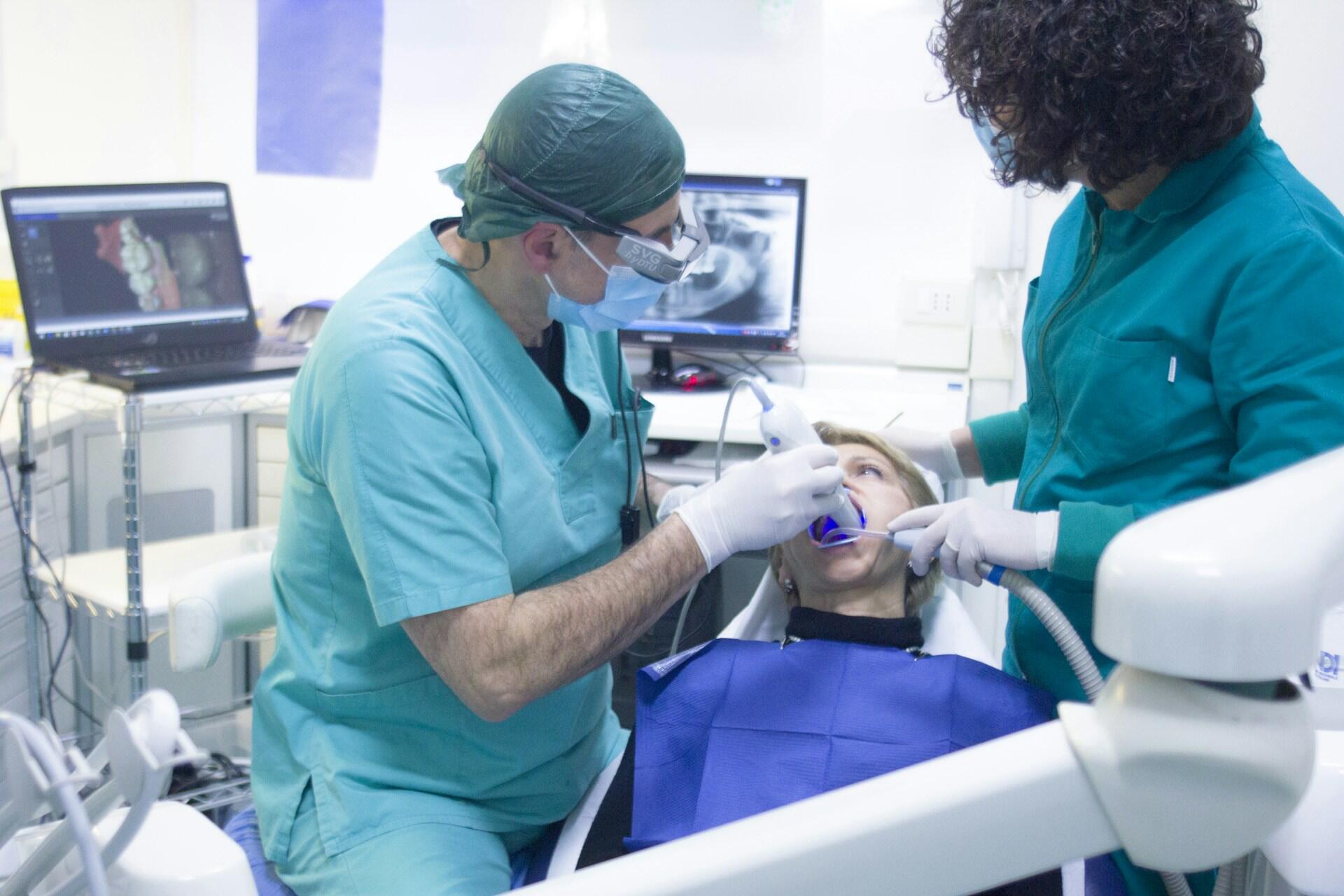
The short answer is dentistry, but what you actually study helps you build a scientific understanding of the body, oral health, disease prevention, communication and professional behaviour. Dentistry courses combine academic, clinical and ethical training. Students may be surprised to see what they actually cover and how long the course is.
Biomedical and Oral Sciences
Clinical Skills and Patient Care
/im
Professionalism, Communication and Ethics
How to Choose the Right Dentistry Degree University
Ultimately, the right choice is the one that works for you. The highest-ranked and most famous options have a lot of things going for them, but they aren't always the right fit. You should consider course length, entry requirements, clinical teaching, location, student support, and how realistic each choice is for you. It's a good idea to shortlist courses that match both your ambitions and your current qualifications.⁴ Apprenticeships may look like a good option, but remember these are for specific dentistry roles and not becoming a dentist.
Location and Clinical Placement Opportunities
Entry Profile and Application Strategy
Teaching Style and Student Support

Differences Between Dentistry Courses
Dentistry courses may look similar at first, since they all generally lead towards the same professional goal. The British Dental Association explains that the main UK dental degree route is usually a five-year undergraduate programme leading to a BDS or BChD qualification.¹ However, look closer, and you'll see differences in degree title, route type, duration, approval status and who each course is designed for. These differences can help you choose between standard entry, graduate-entry, gateway routes and newer programmes.⁶ Postgraduate dentistry courses are also available for those who already have a degree in dentistry.
dental schools across the UK.²
BDS, BChD and MChD Degree Names
Standard Entry, Graduate Entry and Gateway Routes
Some newer dentistry programmes are now appearing in official GDC programme information, including routes at the University of East Anglia and the University of Portsmouth. These courses may be provisionally accepted, or in the early approval stage, so applicants should read the university page and the GDC listing carefully. That extra check helps students understand start dates, approval status and whether the course fits their application year.⁶
References
- British Dental Association. “Dental Degree UK.” British Dental Association, https://www.bda.org/advice/career-hub/how-to-become-a-dentist/dental-degree/. Accessed 12 June 2026.
- British Dental Association. “Dental Schools.” British Dental Association, https://www.bda.org/advice/career-hub/how-to-become-a-dentist/dental-schools/. Accessed 12 June 2026.
- Dental Schools Council. “2026 Dental School Entry Requirements Published.” Dental Schools Council, https://www.dentalschoolscouncil.ac.uk/news/2026-dental-school-entry-requirements-published/. Accessed 12 June 2026.
- Dental Schools Council. “Entry Requirements for UK and Ireland Dental Schools: 2026 Entry.” Dental Schools Council, July 2025, https://www.dentalschoolscouncil.ac.uk/wp-content/uploads/2025/07/DSC-Entry-Requirements-entry-2026.pdf. Accessed 12 June 2026.
- General Dental Council. “Approved Programmes.” General Dental Council, https://www.gdc-uk.org/education-cpd/dental-education/quality-assurance/approved-providers. Accessed 12 June 2026.
- General Dental Council. “Dentistry Programmes and Qualifications.” General Dental Council, https://www.gdc-uk.org/education-cpd/dental-education/quality-assurance/approved-providers/dentistry. Accessed 12 June 2026.
- UCAS. “Dentistry Subject Guide.” UCAS, https://www.ucas.com/explore/subjects/dentistry. Accessed 12 June 2026.
- University of East Anglia. “BDS Dental Surgery 2027/28.” University of East Anglia, https://www.uea.ac.uk/course/undergraduate/bds-dental-surgery. Accessed 12 June 2026.
- University of Portsmouth. “Dental Surgery BDS.” University of Portsmouth, https://www.port.ac.uk/study/courses/undergraduate/bds-dental-surgery. Accessed 12 June 2026.
Summarise with AI:
Did you like this article? Leave a rating!

 Loading...
