
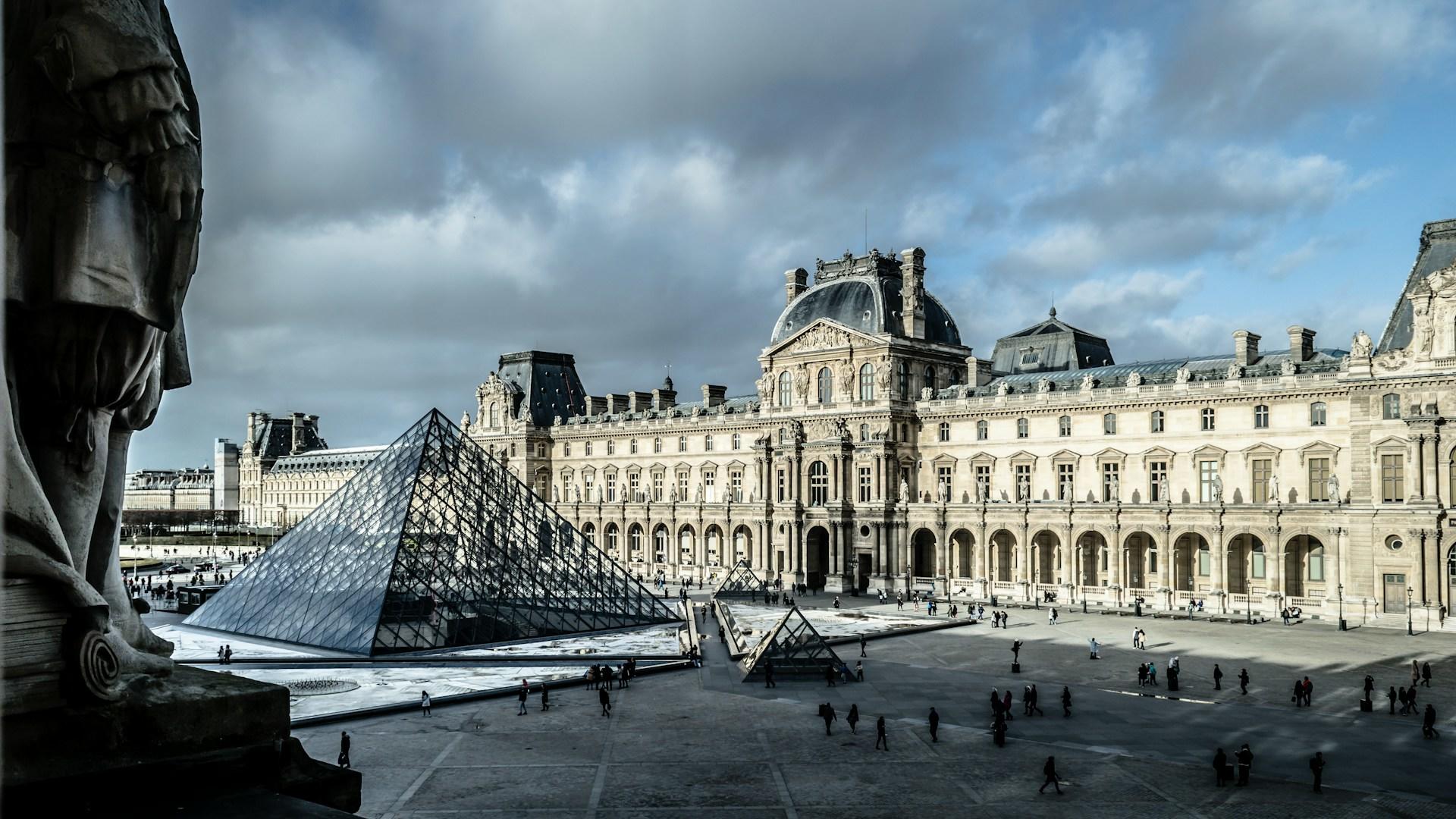

While speaking the language fluently is certainly one part of the puzzle if you want to do business in France or land an internship in France, understanding how people communicate in professional settings is just as vital if you want your interactions to go smoothly. Fortunately, we've put together a thorough guide to help you better understand the French business communication style, with topics including workplace etiquette, business attire, networking, meeting expectations, and much, much more.
| Business Etiquette | France 🇫🇷 | UK 🇬🇧 |
|---|---|---|
| First meetings | Formal, using titles such as Monsieur and Madame. | Generally more informal, with first names often used early. |
| Communication style | Structured, logical and well-reasoned. Clear arguments are highly valued. | Polite, diplomatic and often more indirect to maintain harmony. |
| Decision-making | Usually hierarchical, with senior managers making the final decisions. | Often more collaborative, depending on the organisation. |
| Meetings | Formal introductions, punctuality and thorough discussion are expected. | Typically more relaxed, though punctuality and preparation are still important. |
| Relationship building | Trust develops gradually through professionalism and reliability. | Friendly rapport is often established more quickly through conversation and teamwork. |
| Business attire | Smart, polished and traditionally conservative in many industries. | Dress codes vary more by workplace, although formal sectors still expect smart business wear. |


Key Characteristics of French Business Communication
If you've never worked with a French company before, some aspects of workplace communication might catch you by surprise.

Professional interactions and interviews often begin more formally than they do in the UK, and there's a strong emphasis on courtesy, structure, and clear communication.
That said, no two workplaces are exactly alike, particularly in international businesses and startups. Even so, the characteristics below remain common across many French organisations.
Formality and Hierarchical Structure
Generally, one of the biggest differences English visitors notice is the level of formality during first meetings. While it's quite common for British workplaces to move quickly onto first-name terms, French businesses are traditionally more formal - at least at the beginning anyway.
Until you're invited to do otherwise, make sure you address people as Monsieur or Madame and use the formal vous instead of tu. Starting formally is almost always the safest option.
You'll often find the same approach reflected in the way companies are organised as well. Many French businesses have a clear management structure, so it's super helpful to get to grips with who's responsible for making decisions before presenting your thoughts or requesting approval for something - for instance, important decisions tend to rest with senior managers.
Language and Eloquence
French business culture places a high value on thoughtful communication. Rather than expecting ideas to be accepted at face value, colleagues and clients often prefer clear, well-thought-out explanations that are combined with logical reasoning or well-supported arguments.

Being able to explain not only what you're proposing, but also why, is an important part of building credibility.
| Often appreciated | Best avoided |
|---|---|
| Explaining the reasoning behind your ideas. | Expecting people to accept a proposal without explanation. |
| Supporting points with examples or evidence. | Making broad claims without backing them up. |
| Welcoming detailed questions and discussion. | Interpreting follow-up questions as criticism. |
Even if a meeting is being held in English, opening with a simple bonjour or asking if someone would prefer to continue in French will score you points. While only a small gesture, it shows respect for the people you're working alongside. You don't need to be fluent to make a good impression, either. Learning a handful of everyday greetings and common business phrases can help conversations feel more relaxed and show everybody that you've made an effort.
Useful French Business Phrases
| French Phrase | Pronunciation | English Meaning | When to Use |
|---|---|---|---|
| Enchanté(e) | Pleased to meet you | Used when you're introduced to someone for the first time. **Enchanté** is traditionally used by men and **Enchantée** by women, although the pronunciation is the same in speech. | |
| Merci | Thank you | The most common way to thank someone in business conversations and everyday situations. | |
| Je vous en prie | You're welcome / Please do | A polite response to **merci**. Depending on the context, it can also mean "please, go ahead" or "after you." | |
| Excusez-moi | Excuse me | Used to politely interrupt someone, ask a question, get another person's attention, or apologise for a minor inconvenience. | |
| Pourriez-vous répéter, s'il vous plaît ? | Could you please repeat that? | Helpful if you didn't catch what someone said during a meeting or phone call. | |
| À quelle heure est la réunion ? | What time is the meeting? | Useful when confirming meeting schedules. | |
| Je suis d'accord | I agree with you | Commonly used during meetings and discussions. | |
| Je ne suis pas d'accord | I disagree with you | Polite way to express disagreement | |
| Bonne journée | Have a nice day | A polite closing at the end of meetings, phone calls, or emails. |
Non-Verbal Communication and Etiquette
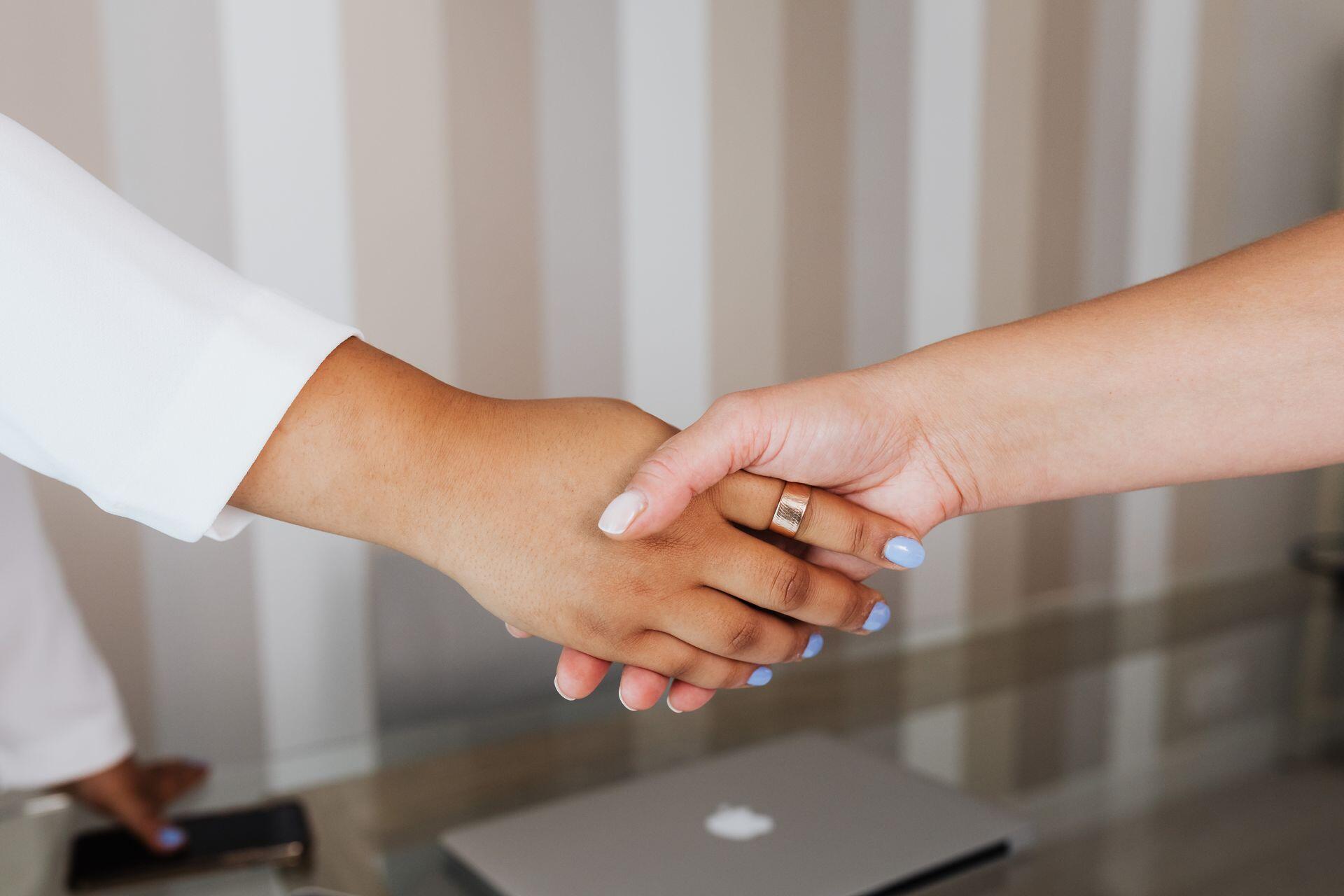
Alongside what you say, how you hold yourself, your body language, and your overall approach to etiquette are just as important. Getting these often overlooked details right can help you make a stronger first impression and avoid any awkward misunderstandings. Let's go over the details below.
Greetings and Physical Gestures
Much like the UK, a handshake is generally the standard greeting in French business meetings. Make sure it's brief and accompanied by eye contact too, as both are seen as signs of professionalism and respect. It's also good practice to shake hands upon leaving, especially for a first-time meeting or formal introduction. While la bise is well known outside France (a kiss on the cheek), it isn't something you should assume is appropriate with clients or people you've only just met professionally1 .
Be Mindful of These Habits
Punctuality and Meeting Conduct
Like most professional environments, punctuality is taken seriously in France. Aim to arrive on time for meetings and always let people know if you're running late. Here are some other tips to keep in mind too:

👍 Do
- Greet everyone individually when joining a small meeting.
- Wait until everyone has been introduced before getting down to business.
- Keep your phone on silent and out of sight during meetings.
- Arrive prepared with any documents or notes you might need.
👎 Avoid
- Ignoring quieter members of the group.
- Rushing straight into business without acknowledging those present.
- Checking your phone while someone else is speaking.
- Turning up to a meeting late and totally unprepared
Building Professional Relationships

Keen to develop strong professional relationships with your French colleagues? Patience is often your biggest asset. It's common for trust to develop over time in business-type settings, so don't expect to form close working relationships after a single meeting. However, showing that you're reliable and easy to work with will benefit you greatly in the long run.
Networking and Trust
🤝 First Impressions
🍽️ Networking
📌 Long-Term Relationships
Gift-Giving Practices
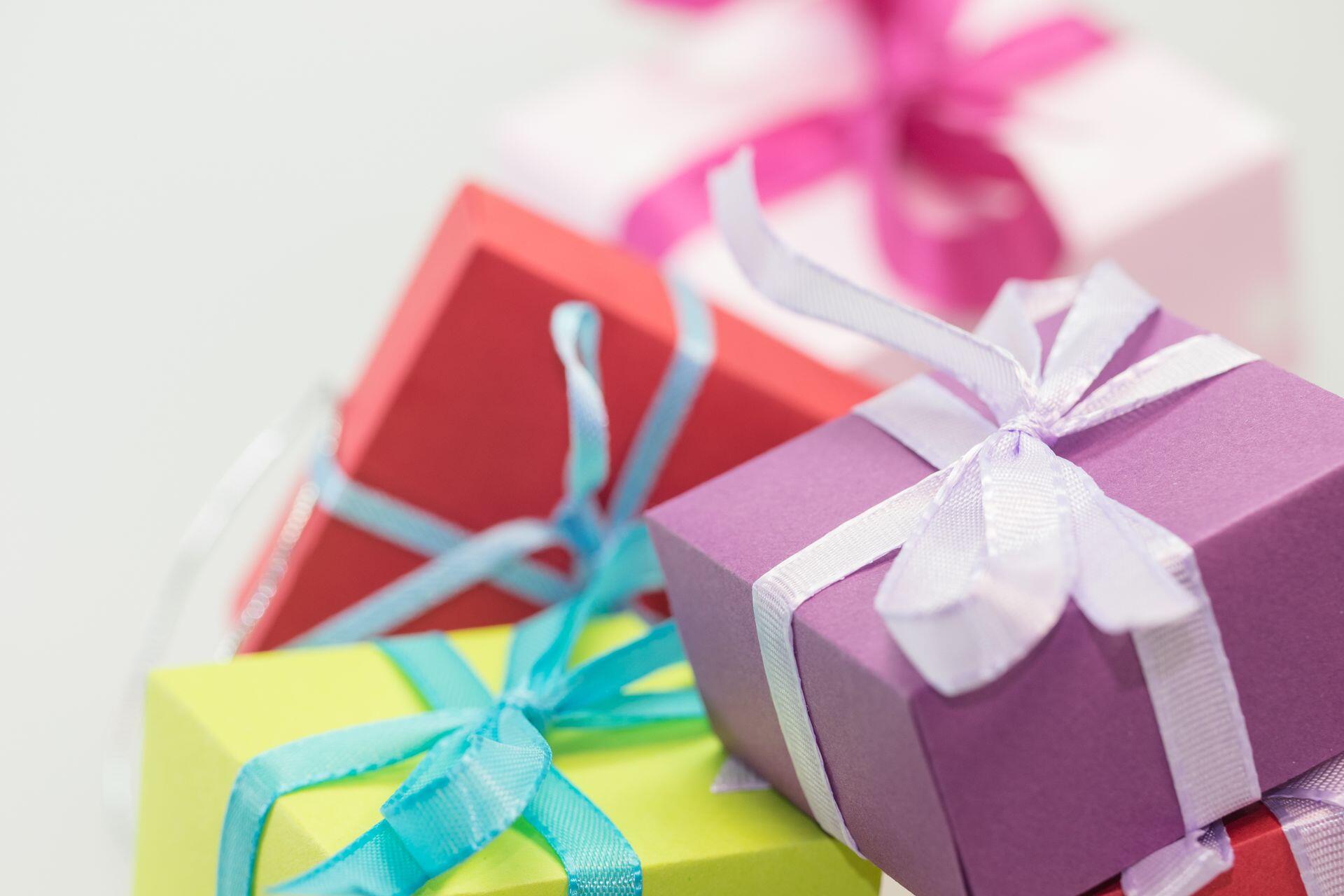
Generally, gift giving isn't usually expected during a first business meeting in France. If a gift is exchanged, it's more likely to celebrate a business agreement or mark the successful completion of a project. Similarly, the Christmas and New Year period is another time when small gifts may be exchanged. But what sort of gifts should you give?
| Gift idea | Why it works | Things to keep in mind |
|---|---|---|
| Quality chocolates | A classic choice that's suitable for most business occasions. | Choose a good-quality brand with simple packaging. |
| Regional speciality | Adds a personal touch and reflects where you're from. | Food or drink is generally a safer choice than decorative items. |
| Bottle of wine | Can be appropriate after a successful project or business agreement. | Only give wine if it's appropriate and you're confident it will be welcomed. |
| Professionally relevant book | A thoughtful gift for an established business contact. | Avoid anything too personal or controversial. |
| Premium tea or coffee | Practical, easy to share, and suitable for an office. | Keep it modest rather than extravagant. |
| Small item from your home country | A simple way to acknowledge your own culture. | Avoid expensive souvenirs or heavily branded promotional items. |
👔 Business Attire in France
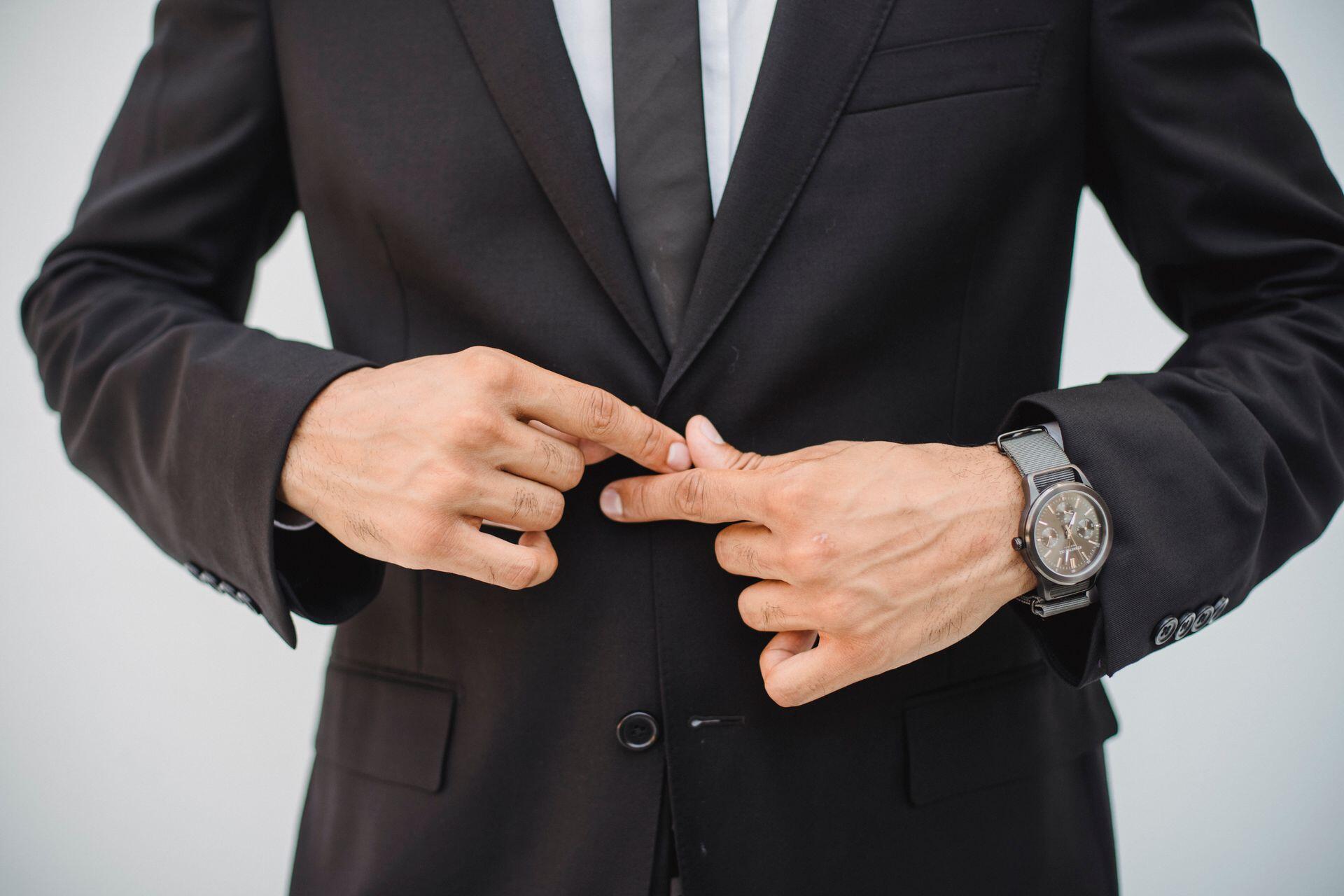
There isn't a single dress code that applies across every French workplace. What you wear will depend largely on the industry and the company itself. For example, places like banks, law firms and public sector organisations will lean towards traditional business clothing2, while technology companies, design studios and many startups are often far more relaxed on what is appropriate to wear.
If you're travelling to France for a meeting or post-internship opportunity and you're not sure what to wear, it's worth playing it safe. A jacket, smart shirt or blouse, tailored trousers and polished shoes will rarely look out of place. Once you've spent a bit of time with the company, you'll quickly get a feel for what's considered normal in that particular office.
It's also worth thinking about the time of year. Summers can be very warm, particularly in southern France, while winter can be surprisingly cold. Lightweight fabrics are much more comfortable during the warmer months, whereas a smart overcoat and a warm jumper will serve you well if you're travelling for meetings in winter.
Dressing for Success in France
References
- Business Culture and Etiquette in France | Today Translations. (2019, March 28). Today Translations. https://www.todaytranslations.com/consultancy-services/business-culture-and-etiquette/doing-business-in-france/
- MyNZTE. (n.d.). https://my.nzte.govt.nz/article/french-business-culture
Summarise with AI:
Did you like this article? Leave a rating!

 Loading...
Thanks for the article! These business etiquette tips will be useful for my own personal tax advisory UK business.
Thanks David! Great to hear that you found this article useful for your own persona tax advisory business. Wishing you the best of luck!