
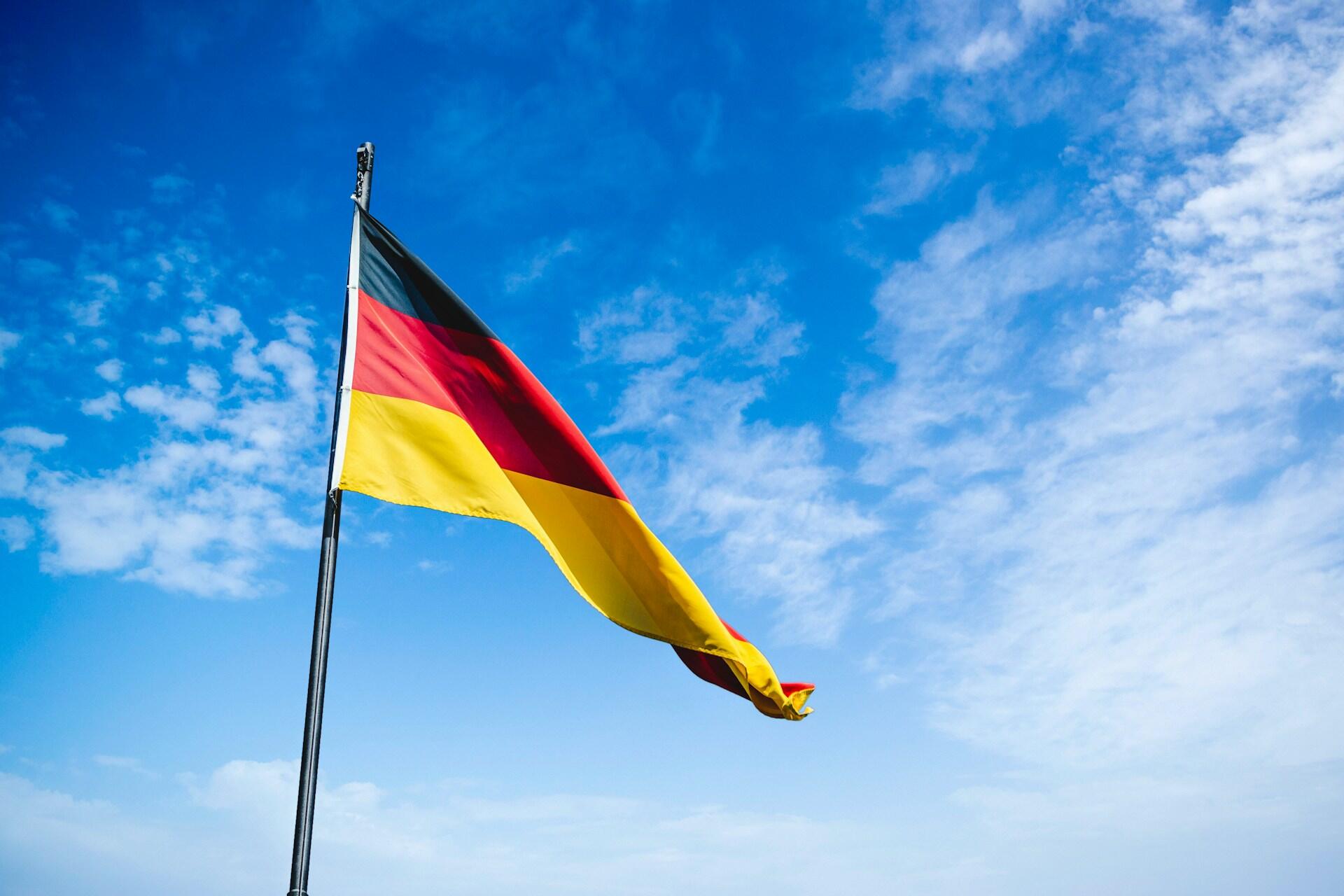

Die Grenzen meiner Sprache bedeuten die Grenzen meiner Welt. / The limits of my language mean the limits of my world.
Ludwig Wittgenstein
“Untranslatable" German words aren't just interesting vocabulary. These terms are useful for students studying the language or for those interested in German language and culture. They provide us with a small window into the culture through the way speakers of the language choose to express ideas (often in singular compound words). Here, we'll learn a dozen interesting German words that often can't be translated directly into English, as well as a bit about German culture.
Key Takeaways
- German words that don't translate neatly into English can usually be explained, but they often require a full phrase rather than a single exact word.
- Unique German words like Gemütlichkeit, Fernweh and Schadenfreude show how the language can capture feelings, habits and cultural ideas very directly.
- Many German cultural words are built from smaller words, which makes their literal meanings useful for remembering their meanings.
- German words with deep meaning can describe emotions that English speakers recognise, such as longing, anxiety, embarrassment or frustration.
- Learning German cultural vocabulary helps you understand not just the language but also how German speakers describe everyday life, work, travel, and emotions.


Why Some German Words Have No English Equivalent
When we say "untranslatable", we really mean that there isn't an elegant 1:1 translation for the words. These aren't your everyday German words, either. Different languages put ideas together differently, especially for certain emotional tones, social habits, or cultural expectations. Sure, with enough work, reformulation, and clever use of the English language, you can explain these ideas and translate them effectively; what we really mean here is that these words don't have a direct translation.
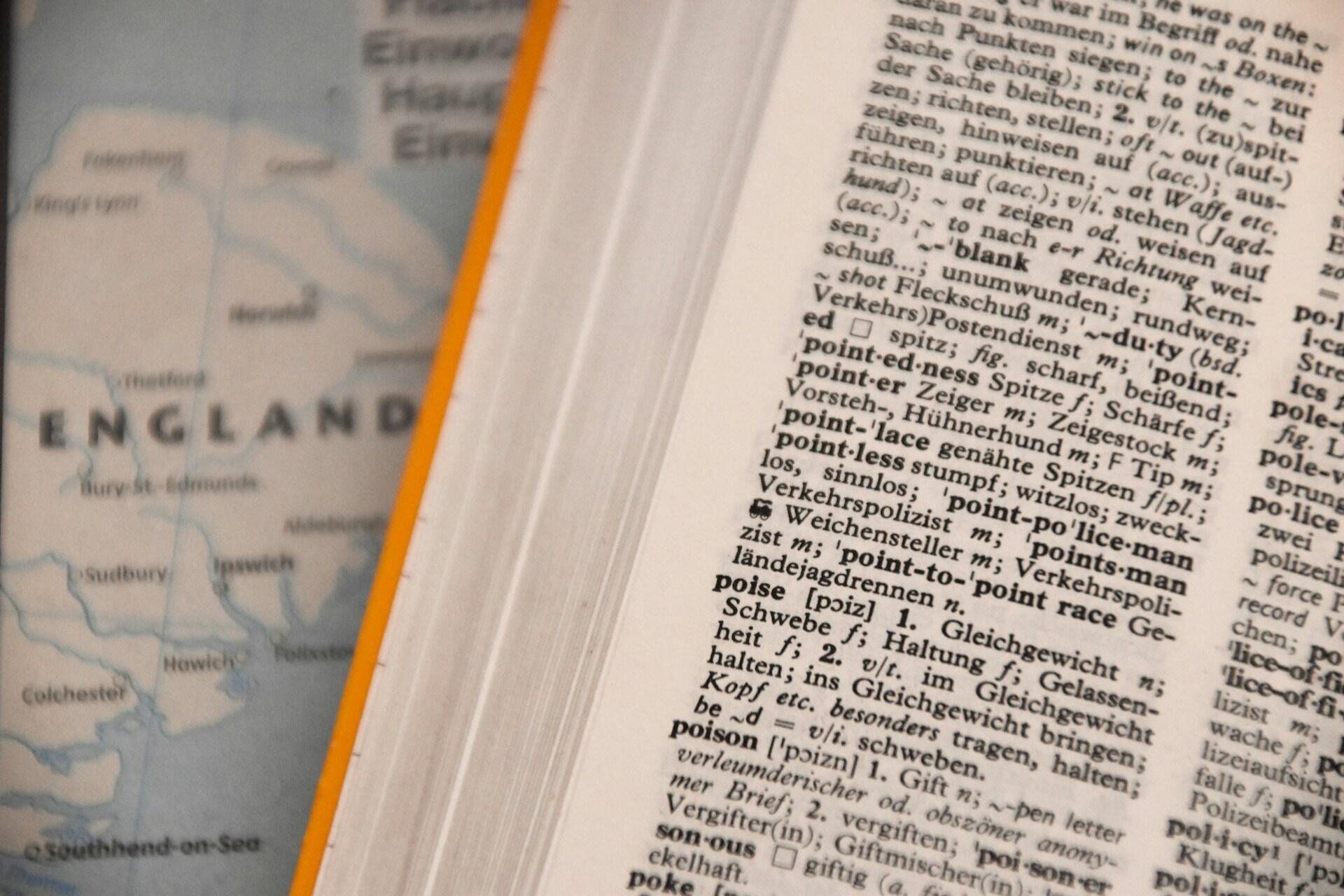
German words with no English equivalent are not impossible to explain, but they often require more than one English word. Words like Gemütlichkeit, Fernweh and Schadenfreude are useful because they condense feeling, situation and cultural context into a single expression.⁹
Now consider that German often compounds words into single words, which means there's a lot of German vocabulary you won't find a single English word that really captures. German speakers often have single words at their disposal that convey ideas English lacks in a single word. However, the words themselves are often just explanations of themselves. Imagine the English word toothbrush, which we obviously understand as a brush used for teeth. It's a bit like that. Now imagine many nouns are put together in German this way. You'll begin to see how German speakers have a flexible way of describing ideas that English might express with a phrase, a metaphor, or a full sentence.¹ In the event that the word is really useful, we may just adopt it into English as a German loanword.
words, depending on how compounds, technical terms and specialist vocabulary are counted.⁷
This flexibility means the German language often offers many interesting combinations of ideas that would feel too flat or too long in English. That's why things like Schadenfreude are memorable: they name an awkward feeling directly, while a word like Fernweh gives shape to the pull of somewhere distant.⁴ There's something catchy about them. These words mightn't eloquently translate into English, but at least they're not German false friends, which can trick you into thinking they mean something else.
of people speak German as their first language, making it the EU’s most widely spoken native language.
German Cultural Words That Capture Everyday Life
Let's start with words useful for describing ordinary moments with lovely emotional detail that English doesn't usually convey so succinctly. These aren't big ideas or dramatic feelings, but they're concepts so universal that German speakers felt the need for a word to express them. These are some terms related to the small routines of home, work, travel, and social life.
- Gemütlichkeit: comfort, warmth and relaxed togetherness. It can suggest comfort, ease, friendliness and a relaxed social atmosphere, which is why “cosy” only captures part of the meaning.³
- Feierabend: the feeling of freedom after work
- Geborgenheit: safety, protection and emotional security
- Fernweh: longing for distant places and travel

Many unique German words become easier to remember when you break them into their literal parts. Fernweh, for example, combines the idea of distance with an ache or longing, which helps explain why it means a desire to travel far away.²
German Words With Deep Meaning
Now let's shift things up a gear with some of the words that feel more poetic and philosophical. These are the terms that describe things that are unusually honest but aren't often expressed in a single word in English. In German, these single words can capture longing, frustration, anxiety, or even uncomfortable pleasure.
- Sehnsucht: deep longing for something absent.
- Weltschmerz: sadness about the imperfect state of the world.
- Torschlusspanik: fear that time or opportunity is running out. It describes the fear that you might miss something decisive before the chance disappears.⁵
- Schadenfreude: pleasure at another person’s misfortune.

German is especially good at naming emotional states that English often explains in a full phrase. Weltschmerz is a good example because it describes the sadness or pain caused by the gap between the world as it is and the world as someone wishes it were.⁶
| German Word | Literal Idea | Closest English Explanation | What It Helps You Express |
|---|---|---|---|
| Gemütlichkeit | Comfort, cosiness and ease | A warm feeling of comfort, friendliness and relaxed togetherness | The atmosphere of a cosy room, friendly gathering or calm social moment |
| Feierabend | Celebration evening | The end of the working day and the free time that follows | The mental switch from work mode to personal time |
| Geborgenheit | Safety and shelter | A deep feeling of protection, security and emotional warmth | The comfort of feeling safe, cared for and at home |
| Fernweh | Distance pain | A longing to travel or be somewhere far away | The opposite of homesickness, when you ache for somewhere distant |
| Sehnsucht | Longing or yearning | A deep desire for something absent, distant or difficult to reach | A strong emotional pull towards a person, place, feeling or possibility |
| Weltschmerz | World pain | Sadness caused by the gap between the world as it is and the world as it should be | A thoughtful, disappointed feeling about life, society or the state of the world |
| Torschlusspanik | Gate-closing panic | Fear that time or opportunity is running out | The anxiety of feeling that you may miss your chance |
| Schadenfreude | Harm joy | Pleasure at someone else’s misfortune | The uncomfortable satisfaction people sometimes feel when someone else fails |
| Ohrwurm | Earworm | A song or tune that gets stuck in your head | The repeated loop of a catchy song you cannot stop hearing |
| Kummerspeck | Grief bacon | Weight gained through emotional eating | The way sadness, stress or heartbreak can affect habits and appetite |
| Kopfkino | Head cinema | Vivid scenes or imagined outcomes playing in your mind | The mental film that appears when you overthink, imagine or anticipate something |
| Fremdschämen | Stranger shame | Feeling embarrassed on someone else’s behalf | The second-hand embarrassment of watching someone else do something awkward |
Unique German Words for Modern Feelings and Situations
Beyond German's untranslatable serious and poetic words, some funny terms delightfully explain modern life. Awkward moments, spiralling thoughts, or that song you just heard (we actually have a direct translation for the first term, but it's so close that we think it's a good one to learn). Spend any time online, and you'll see just how well these terms suit the modern age.
- Ohrwurm: the song stuck in your head.
- Kummerspeck: emotional eating turned into a word. It turns sadness, stress or heartbreak into a memorable everyday expression about comfort eating.¹⁰
- Kopfkino: the movie playing in your mind. It is useful for the imagined scenes, worries and possibilities that play out in your head before anything has happened.⁸
- Fremdschämen: embarrassment felt on someone else’s behalf.
Some words are borrowed into English because they fill a useful gap. Schadenfreude is a good example because English can explain the feeling, but the German word names it more quickly and sharply. The same is true of many German words that don’t translate neatly, especially when they describe a feeling people recognise straight away.⁸
What German Words That Don’t Translate Teach Us About Language
Words like Fernweh, Schadenfreude and Torschlusspanik make it clear that translation isn't just about swapping one word for another. Experiences, habits, and feelings can all be contained in words, whether or not that language has found a single word for them. English speakers may prefer using phrases to put together ideas that German expresses in one word whereas German may have idioms for ideas that English can explain in one word. These are good for glimpsing how languages treat the human experience, but they don't make one language better than another.

This doesn't mean that English isn't capable of these ideas or that English speakers don't experience these feelings. Each language gets to where it needs to be in different ways. What it does show is that you make German feel more vivid by learning its vocabulary. If it's something you'd be interested in, why not look for a German tutor on Superprof?
Which German word is your favourite?
References
- British Council. “Our Favourite Compound Nouns in European Languages.” British Council, 16 Sept. 2019, https://www.britishcouncil.org/voices-magazine/europe-language-compound-nouns. Accessed 3 June 2026.
- Dudenredaktion. “Fernweh.” Duden Online-Wörterbuch, Cornelsen Verlag, https://www.duden.de/rechtschreibung/Fernweh. Accessed 3 June 2026.
- Dudenredaktion. “Gemütlichkeit.” Duden Online-Wörterbuch, Cornelsen Verlag, https://www.duden.de/rechtschreibung/Gemuetlichkeit. Accessed 3 June 2026.
- Dudenredaktion. “Schadenfreude.” Duden Online-Wörterbuch, Cornelsen Verlag, https://www.duden.de/rechtschreibung/Schadenfreude. Accessed 3 June 2026.
- Dudenredaktion. “Torschlusspanik.” Duden Online-Wörterbuch, Cornelsen Verlag, https://www.duden.de/rechtschreibung/Torschlusspanik. Accessed 3 June 2026.
- Dudenredaktion. “Weltschmerz.” Duden Online-Wörterbuch, Cornelsen Verlag, https://www.duden.de/rechtschreibung/Weltschmerz. Accessed 3 June 2026.
- Kunkel-Razum, Kathrin. “How Many Words Does the German Language Have?” Goethe-Institut, Feb. 2020, https://www.goethe.de/prj/ger/en/kre/spk/21784921.html. Accessed 3 June 2026.
- Schantl, Stefanie. “Beyond Schadenfreude: 7 Unique German Words You Can’t Live Without.” Duolingo Blog, 20 Nov. 2023, https://blog.duolingo.com/untranslatable-german-words/. Accessed 3 June 2026.
- Werner, Hendrik. “5 German Words You Should Know.” Goethe-Institut, Aug. 2023, https://www.goethe.de/ins/in/en/kul/soc/osg/24967968.html. Accessed 3 June 2026.
- Werner, Hendrik. “5 More German Words You Should Know.” Goethe-Institut, Aug. 2023, https://www.goethe.de/ins/in/en/kul/soc/osg/24968121.html. Accessed 3 June 2026.
Summarise with AI:
Did you like this article? Leave a rating!

 Loading...
