

Simply put, a ballad poem is a type of narrative poetry that tells a story through verse, moving through a sequence of events and introducing characters and moments of tension along the way. In many respects, it reads sort of like a compact story, yet its rhythm and the way it's structured keep it rooted firmly within the world of poetry. Centuries ago, before books were widely available, ballads were sung by performers in villages and towns all over the country as a means of sharing tales of romance, conflict, adventure, and tragedy. Today, many of our chart-topping songs, particularly love songs, draw inspiration from the storytelling aspects of these early ballads.
A ballad poem is a narrative verse traditionally set to music. It tells a story through poetry and is commonly written in four-line stanzas. Classic ballads follow a steady rhythm and use simple rhyme schemes, which historically made them easier to sing and remember when passed down.


Definition and Characteristics of Ballad Poems 📖
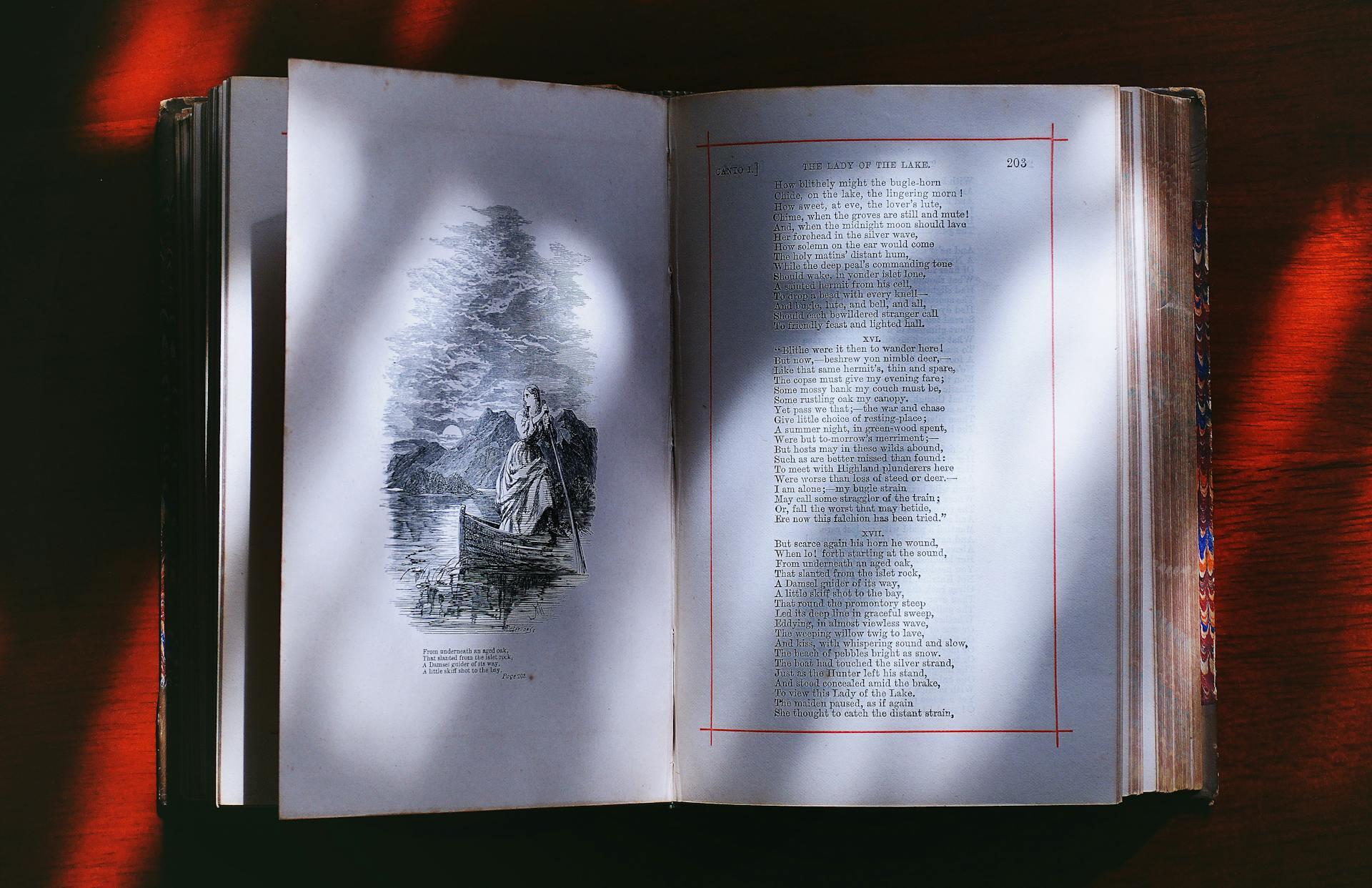
Although the form has evolved, most ballads still tend to follow a few familiar patterns that guide the way the poem develops and is arranged on the page. How do you spot these, you ask? Let's take a look below:
Narrative focus 📜
At the centre of most ballads is a clear sequence of events. The poem will usually focus on one central dramatic situation and avoid telling an overly long or complicated plot. Dialogue and brief exchanges between characters sometimes appear within the lines, helping bring the scene to life and giving the poem an almost theatrical feel
Repetitions and refrains 🔁
Additionally, ballads also tend to repeat key phrases or include refrains, which are lines or short phrases that appear again throughout the poem. This repetition gives the poem a song-like quality and helps important ideas and emotions stand out
Recurring Themes ✨
Some of the most common themes ballads explore are love, heartbreak, tragedy, conflict, and historical events. Some also include folklore or supernatural elements, mainly as a way to add tension or a mysterious quality to the story
If you’re keen how to learn to write poetry yourself, enrolling in a poetry writing course is one of the best ways to achieve this. You can find tutors offering poetry courses and lessons right here on superprof.
Structure and Form of Ballad Poems ✍️

Traditional ballads follow a fairly clear poetic arrangement. The way the lines and stanzas are organised helps create a steady rhythm throughout the poem2. Let's examine this in a bit more detail so you can better understand for yourself:
Other forms of poetry also rely on strict structure. For example, traditional haiku poems from Japan follow a short syllable pattern that creates a very different poetic rhythm.
Example of a Ballad Stanza
To see how these elements work together, let's examine the following stanza from the traditional Scottish ballad “Sir Patrick Spens”:
The king sits in Dunfermline town, Drinking the blood-red wine: “O where will I get a good sailor To sail this ship of mine?”
As you can see, this stanza follows the typical four-line ballad format while the second and fourth lines rhyme with one another (wine and mine) as per the ABCB pattern.
Types of Ballads 🪶
Although ballads share many structural similarities, they're not all written exactly the same way. Since their inception, three main forms of ballads have emerged: traditional ballads, literary ballads, and modern ballads. But how exactly do they differ from each other?
Traditional (Folk) Ballads 🎻
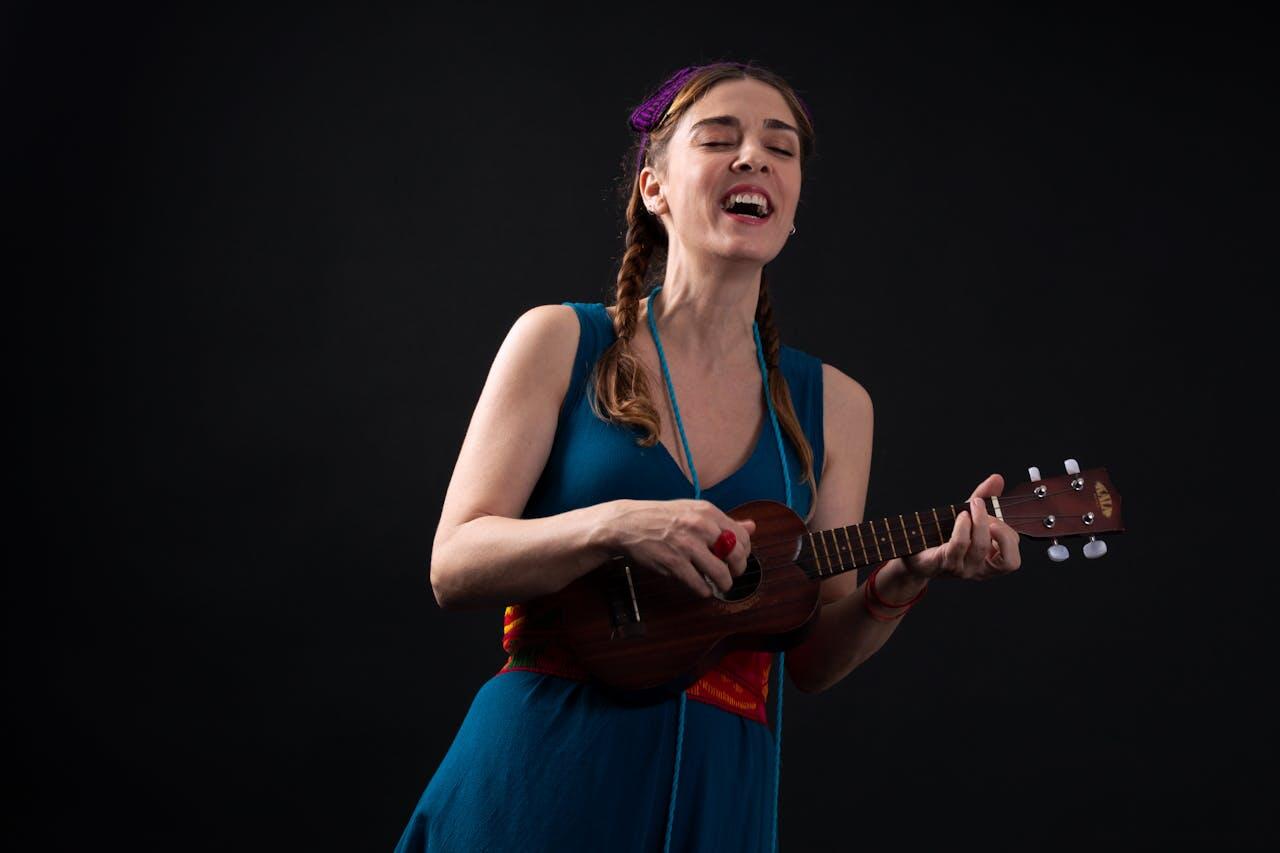
Traditional ballads or folk ballads refer to the earliest form of the genre. In most cases, the original writers were lost to history due to the poems being circulated far and wide by different people before being written down.
Over time, many different versions of these ballads emerged, largely because they were passed down through generations by memory and song1. As singers repeated the verses, small details were often altered, forgotten, or replaced - leading to slight variations in the story.
Some of the earliest traditional epic poems and ballads were performed by minstrels during the 14th century and recounted the exploits of Robin Hood - the legendary outlaw said to steal from the rich and give to the poor.
Examples
- Sir Patrick Spens - A Scottish ballad about a respected sailor ordered by the king to undertake a dangerous winter voyage. The journey ends in tragedy when the ship is lost at sea
- Barbara Allen - One of the most widely known folk ballads in English tradition. It tells of a young man who dies after being rejected by Barbara Allen, who later regrets her actions
Literary Ballads 📚
Literary ballads appeared later when poets began intentionally writing poems in the style of traditional ballads of old. Unlike folk ballads, these works have known authors as they were created for a reading audience rather than being passed down through performance or word of mouth.
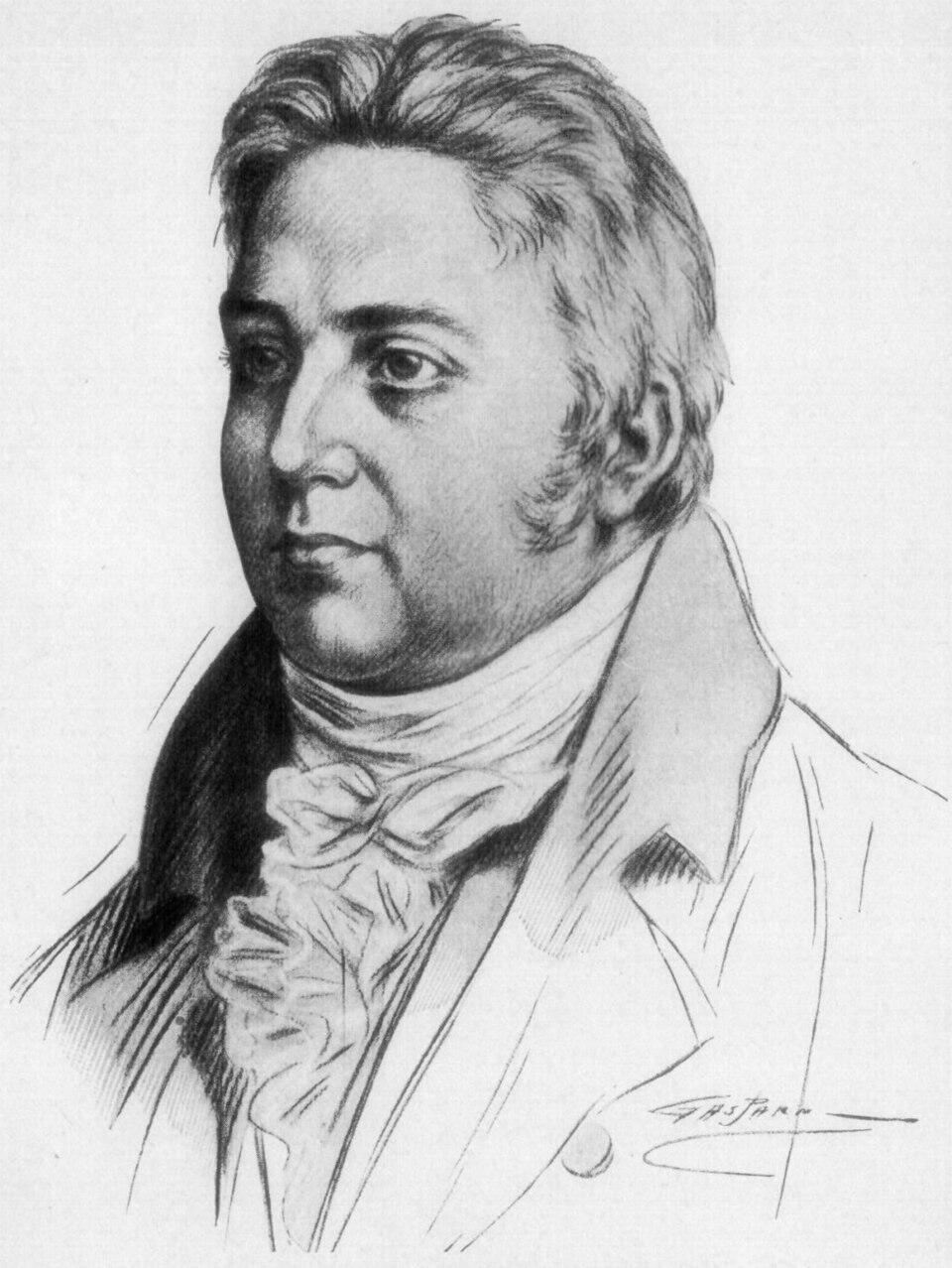
While the authors of these poems set out to mimic folk ballads, they also had greater freedom to refine the language and develop scenes more carefully, often adding richer detail, atmosphere, and overall emotional depth to their verses.
Many poets who wrote literary ballads also experimented with other poetic forms as well. For example, Romantic writers like John Keats and William Wordsworth also wrote sonnet poems.
Examples
- The Rime of the Ancient Mariner (by Samuel Taylor Coleridge) - This Romantic poem follows a sailor who brings a curse upon his ship after killing an albatross. The mariner later recounts the strange and haunting events that follow.
- La Belle Dame sans Merci (by John Keats) - Keats ballad describes a knight who meets a mysterious and enchanting woman. After falling under her spell, he is left abandoned and weakened
Modern Ballad 🎵
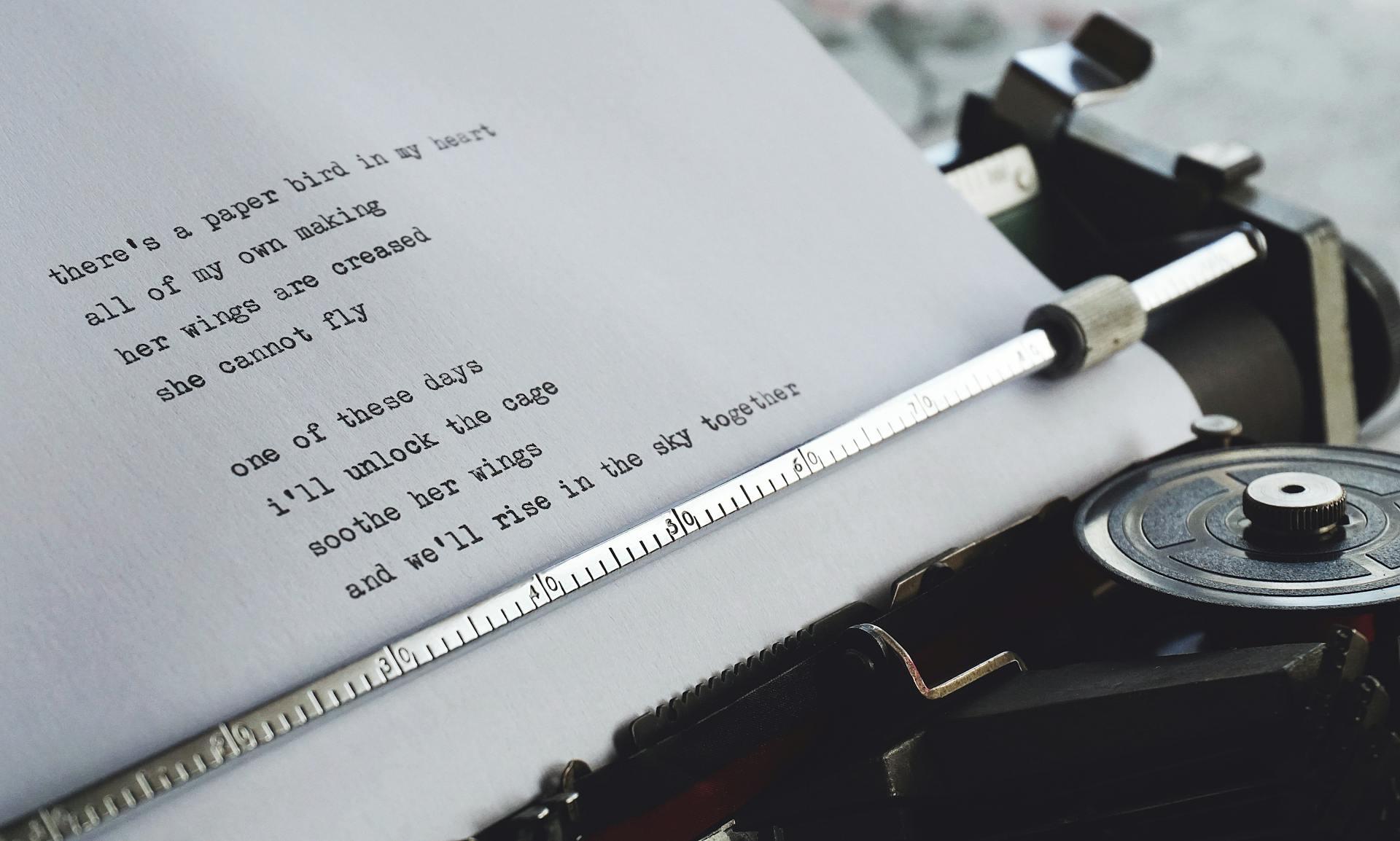
Lastly, we have the modern ballad. Essentially, these are (the clue is the name) more modern versions of ballads that take inspiration from classic ballads but do not always follow the same strict stanza patterns or rhyme scheme.
During the twentieth and twenty-first centuries, many poets adopted this ballad style to write about modern events and social issues. Its simple narrative style was suited to presenting serious or emotional subjects in a way readers could easily follow.
Today, poetry is often performed as much as it is read. Events like slam poetry and free verse shows bring spoken rhythm and storytelling to the forefront, something ballads have relied on for centuries.
Example
- The Ballad of Birmingham (by Dudley Randall): A modern ballad written in response to the 1963 Birmingham church bombing during the American Civil Rights Movement. The poem follows a young girl and her mother on the day of the tragedy.
- Hurricane (by Bob Dylan): This narrative song tells the story of boxer Rubin “Hurricane” Carter, who was wrongly imprisoned. The lyrics recount the events surrounding the case and criticise the justice system.
✍️ How to Write a Ballad Poem

If you're interested in writing your own ballad, the process is fortunately pretty simple. Check out this short guide we've put together to get a better idea of how you can pen your own masterpiece ballad.
Not all forms of poetry focus on dramatic storytelling. Some styles, like limericks, are known for their playful rhythm and humorous tone.
Now that you have a better idea of how to write a ballad, why not try creating one yourself? Think of a dramatic situation (like a ship struggling to journey through a storm) and have a go at writing a four-line stanza where the second and fourth lines rhyme. Once you have your first stanza, continue the story by adding a few more and see where it takes you. Keeping language simple can also help, as it is in line with how traditional ballads once sounded2
References
- What is a ballad guide for KS3 English students - BBC Bitesize. (2023, October 18). BBC Bitesize. https://www.bbc.co.uk/bitesize/articles/zdxwjsg#zgj496f
- Connections: Poetry: Forms: the Ballad. (n.d.). https://eriksimpson.sites.grinnell.edu/Connections/Poetry/Forms/ballad1.html
Summarise with AI:
Did you like this article? Leave a rating!


 Loading...