
It would be hard to come up with a more suitable name than X Factor for a singing competition. X factor describes a certain mystique, an indescribable quality someone possesses that sets them apart from the rest. Is that perhaps why Simon Cowell gave his production that name?
We're not here to speculate on the whys and wherefores of Simon Cowell. Suffice to say that he put together a genius concept that filled a Saturday night timeslot in ITV programming for 17 years.
It wasn't all wonder and glee. Over its long run, X Factor UK stirred its share of controversies, and delivered many cruel blows. Still, the show's sheer brilliance compels us to review:
- the show's format and how it got its start
- who the judges were and what they brought to the show
- the most compelling X Factor contestants
- the most successful X Factor finalists


🎶History and Overview of the Show
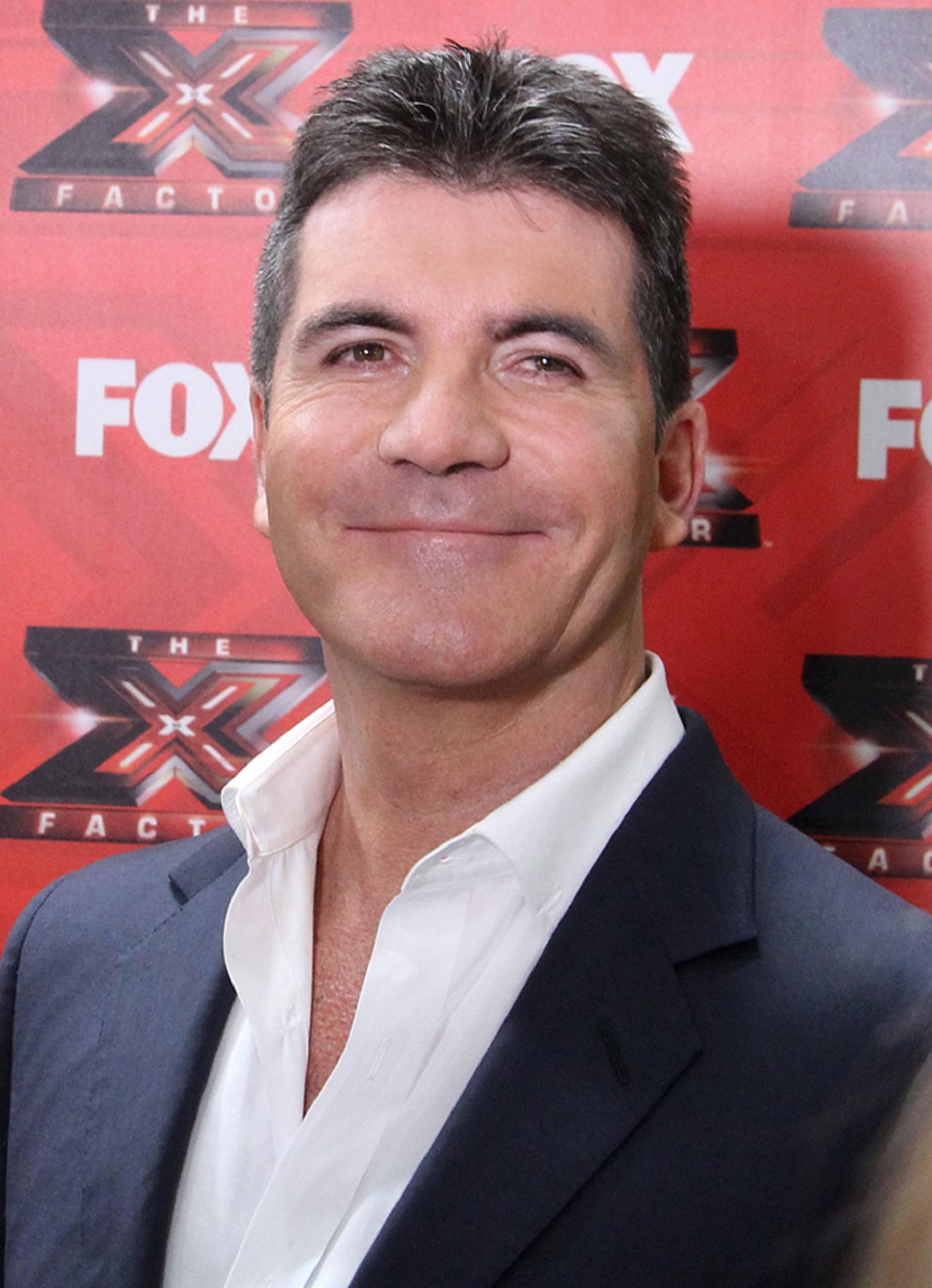
Practically all of Simon Cowell's professional life has revolved around music. His wasn't a straight path to the top, though. He endured many fits and starts - and stops, in his early days. And then, he landed a spot as a judge for a singing contest called Pop Idol.
That was in 2001. From then on, he whirled from one successful singing competition to the next. His first production, the X Factor, debuted in 2004.
Televised talent competitions were all the rage - at the time, and since the dawn of television. To wit, by the time X Factor UK launched, the Eurovision Song Contest was approaching its 50th anniversary.
Apparently, a once-a-year spectacle wasn't enough to satisfy competition-loving audiences. That helps explain why ITV's Pop Idol had enjoyed a strong following during its two seasons on-air.
The format soon became a franchise, with Idol competitions heating up around the world. In the United States (US), the Fox Broadcasting Company wasted no time launching American Idol (June 2022).
The show became a seminal reality/entertainment format once on air that autumn.
Maggie Brown, The Guardian (2001)
Simon played a leading role in cutting short Pop Idol's potential. He (and other judges) disputed the production's choice of winners during the second series. They also criticised the lack of control judges had over production decisions.
By the time Pop Idol's second series wrapped up, Simon was ready to sell ITV on a different production. This time, he - and, by extension, the entire judging panel, would have control. The broadcaster liked the concept and put Pop Idol on permanent hiatus.
X Factor UK launched in September 2004, with Simon, Sharon Osborne, and Lewis Walsh as judges. From its first episode, this show was a hit, with audiences and X Factor contestants alike. It filled ITV's Saturday night timeslot for 14 years, taking its final bows in 2018.

X Factor Auditions and Competition
Work on each series began well ahead of the season's premiere. The show's producers would advertise auditions online. X Factor UK production teams then travelled across the countries (and sometimes Ireland) to hear hopeful X Factor contestants sing. Many aspiring performers often supplement their preparations with singing lessons.
X Factor auditions were a three-stage ordeal. Contenders could turn up at 'open' auditions or apply online for a reserved place in line. Potential X Factor contestants who made it through the first round must then travel to two more locations, where they would audition again.
The first two stages of the audition process weren't televised. The television cameras started rolling for the third round, when selected contestants sang before the judges.
Once they sang, the judges provided feedback and delivered their verdict. And then, the real work began. Successful X Factor contestants split into 'bootcamps' according to various characteristics. Those included age and gender, and group versus solo acts.
This 'basic training' stage behind them, the judges selected contestants to populate their 'houses'. There, the judges mentor their protegees, making recommendations on everything from wardrobe to song selection.
Much of X Factor UK content revolved around the contestants' backstories and development. Singing as a part of the show, of course, especially as the series drew closer to the elimination stages and the final competition.
These rounds invite the audience to express their preferences. As the series progressed, contestants with the lowest ratings were eliminated. These eliminations continued until the X Factor finalists stood alone on the stage.
Throughout its 14-year run, X Factor UK unleashed some of Britain's greatest singing sensations. It became the template for live-show, reality singing competitions.
Granted, it 'borrowed' many elements from the Pop Idol format, including audience participation. Still, X Factor UK was one of ITV's highest-rated shows, and grew into a global franchise.
👍X Factor Judges' Panel and Personalities👎
The judges' panel was one reason X Factor UK was such a hit. Show critics credit one judge, in particular, with keeping the panel lively and engaging. Louis Walsh had that certain something - that x-factor, that supercharged the judges' chemistry.
Louis was dismissed after the third series, with Brian Friedman replacing him. Simon reversed his decision and, by the next season, Louis was back. The show once again began climbing in the ratings. And then, to keep things spicy, the production team added a fourth chair, to seat guest judges; each season would see a new judge seated.
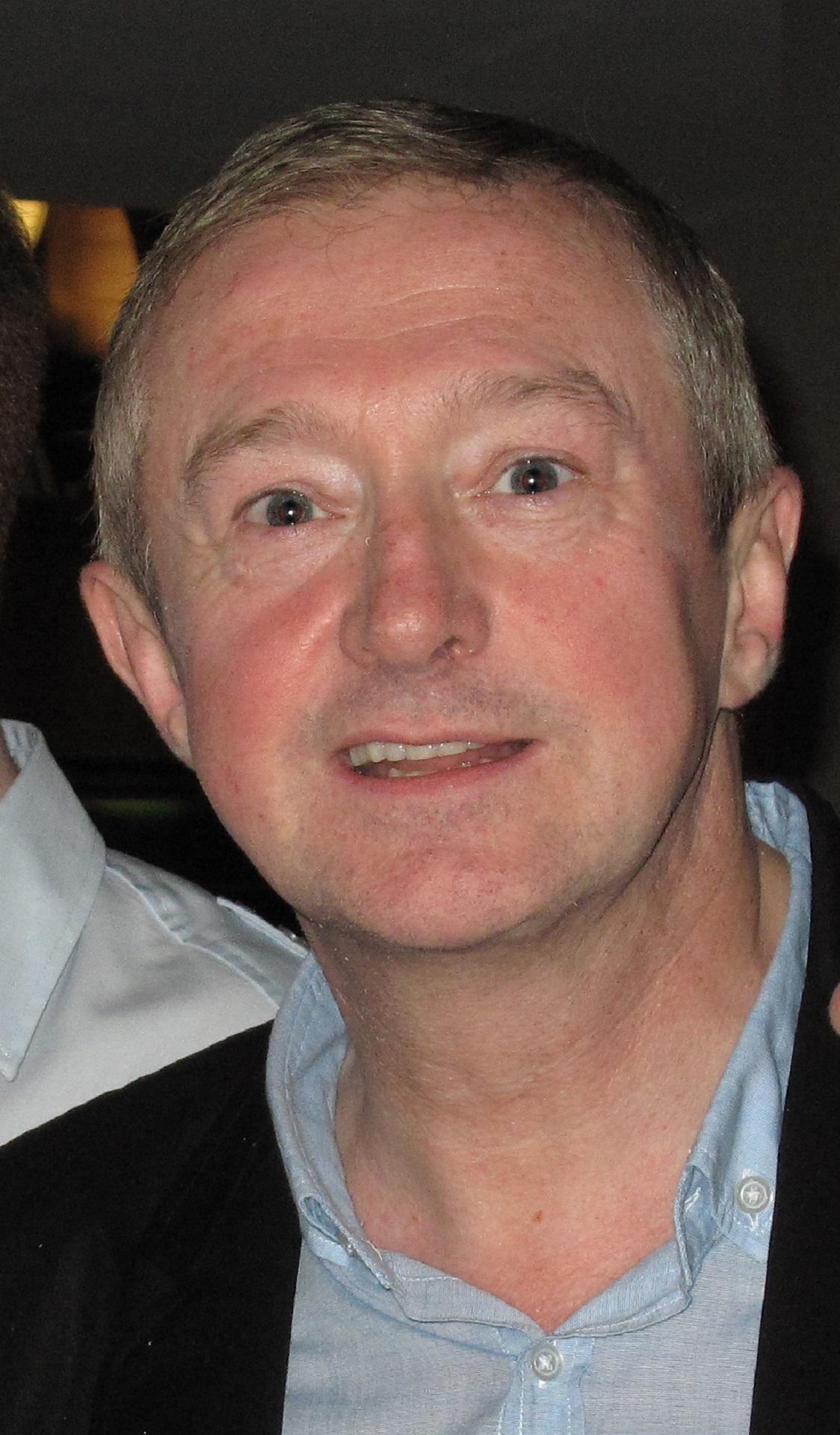
Throughout its long run, X Factor UK featured 15 main judges and an equal number of guest judges. Some main judges, such as Kelly Rowland and Rita Ora, 'served' only one series. Others - Simon, Louis, and Sharon Osbourne were series mainstays. This table lists the rest of the 'main chair' judges.
| Judge | Years on the show | Reason(s) for leaving |
|---|---|---|
| Dannii Minogue | 2007–2010 | professional commitments |
| Cheryl Ann Tweedy | 2008–2010 2014–2015 | focused on launching the US edition |
| Gary Barlow | 2011–2013 | to pursue other projects |
| Tulisa | 2011–2012 | no reason given (Sharon Osbourne's return?) |
| Kelly Rowland | 2011 | medical reasons professional commitments |
| Nicole Scherzinger | 2012–2013 2016–2017 | no reason given |
| Mel B | 2014 | other work commitments |
| Nick Grimshaw | 2015 | no reason given |
| Rita Ora | 2015 | no reason given |
| Ayda Field | 2018 | end of the show |
| Louis Tomlinson | 2018 | end of the show |
| Robbie Williams | 2018 | end of the show |
Music industry involvement was the only criterion needed to claim a seat on X Factor UK's judging panel. Such a connection could be tenuous, such as Nick Grimshaw's (series 12), or profound, like Mel B's (14th series). A handful of judges bounced back and forth between the guest and main judging chairs. Can you recognise any from this list?
| Judge | Year(s) |
|---|---|
| Paula Abdul | 2006 |
| Brian Friedman | 2007 |
| Geri Halliwell | 2010 2012 |
| Natalie Imbruglia | 2010 |
| Katy Perry | 2010 |
| Pixy Lott | 2010 |
| Nicole Scherzinger | 2010 |
| Alexandra Burke | 2011 |
| Leona Lewis | 2012 |
| Rita Ora | 2012 |
| Mel B | 2012 2016 |
| Anastacia | 2012 |
| Tulisa | 2014 |
| Alesha Dixon | 2017 |
| Nile Rodgers | 2018 |
With so many judges, it might have been hard for the audience to keep up with them all. To make matters more confusing, some left mid-season, and others after just one series. Most left for professional reasons; a few for personal reasons.
Looking back, it seems these constant judging panel changes had an x-factor of their own. Sometimes, their personalities and mentoring styles meshed well. Other times, the personality clashes fairly crackled from our screens.
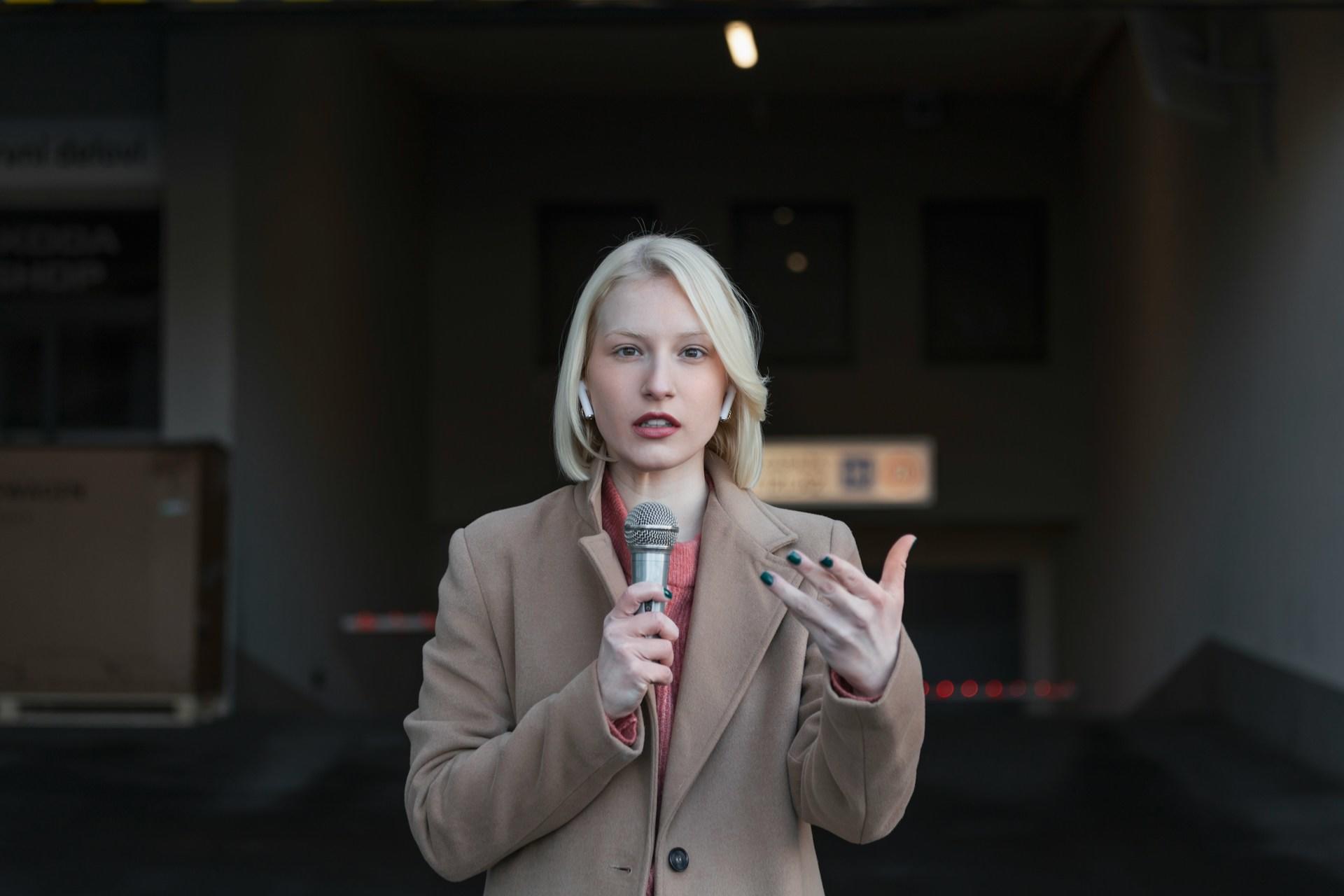
X Factor UK Presenters
Judges consumed most of this production's air time, but presenters were an essential component of the show's success. Unlike the judges, presenters didn't need a music industry tie. In fact, of the four presenters throughout this show's run, only one had anything to do with music.
Olly Murs presented the 15th series, alongside Caroline Flack. Ms Flack, a television presenter (and actress) by trade, had been the show's backstage presenter for two years, by then. She quit the show for personal reasons after the 15th series. Olly left the show after that stint to focus on his music career.
Dermot O'Leary served as the longest-tenured X Factor UK presenter. He joined the show in 2007, replacing Kate Thornton. O'Leary severed his ties with the Big Brother franchise to focus exclusively on presenting on the X Factor UK stage.
Kate Thornton was the show's original presenter. She provided commentary and in-the-wings excitement for three series, making her exit in 2006. By all accounts, the split was a production decision, and it wasn't necessarily amicable.
Could X Factor UK have become a top singing competition without this mix of personalities? Or maybe a different mix? In hindsight, anything is possible. All we can say for sure is that this was the right singing competition for its time.
🥇Most Successful X Factor Finalists and Contestants
Simon Cowell is a notoriously salty personality. Many contend that biting commentary, often verging on ridicule, was a part of his appeal. Audiences across the English-speaking world loved his rudeness, dressed up in a distinguished British accent. Indeed, many judges across the global X Factor franchise copied his acerbic style.
I don't mean to be rude, but ...
Simon Cowell's signature phrase
Thus, one might conclude that any contestant who could reduce Simon to tears should be among the X Factor finalists. Josh Daniel's elimination shocked the audience, particularly because he was such a fan favourite. Still, his departure might have been the best turn of events for him.
Josh has been quietly building his song list and honing his musical skills this whole time. He's not making quite the splash that Leona Lewis did after her 2006 win. Still, he's faring far better than Matt Terry (2016 winner) and Shayne Ward (2005), who, in 2018, announced he quit the music business. For some, additional singing lessons have proven invaluable.
We wrap up this X Factor UK rewind with the last of the X Factor finalists: Dalton Harris. He was among the last series' strongest contenders, beating Scarlett Lee and Antony Russell to the prize. He continued to record and release music until 2019, when his latest single hit the airwaves. Many emerging artists continue to refine their technique through singing lessons.
Summarise with AI:
Did you like this article? Leave a rating!


 Loading...