

“Good food is the foundation of genuine happiness.” -Augusta Escoffier
Yorkshire pudding has been a beloved British dish for centuries, known for its crispy texture and rich flavor. Originating from humble beginnings as a way to make the most of meat drippings, its history reflects both regional tradition and evolving culinary practices across the UK. This article explores the fascinating story behind Yorkshire pudding’s rise to iconic status. Here are a few key milestones in the history of this classic British staple.
1700s
First recorded recipes appear, called “dripping pudding,” made to use meat drippings and stretch meals.
1747
Yorkshire pudding officially mentioned by Hannah Glasse in The Art of Cookery, marking its early popularity.
20th century
Becomes a staple in Northern England, especially Yorkshire, often served with roast beef.
Today
Yorkshire pudding gains nationwide fame and becomes a classic British Sunday roast accompaniment.
Without further delay, in today’s article, we’ll answer questions about the history of Yorkshire pudding!


What is Yorkshire Pudding?

If you’re not from the UK, it’s OK if you’ve never heard of Yorkshire pudding; however, if you reside in England, Northern Ireland, Scotland, or Wales and you’ve never heard of it, surely you’ve been living under a rock!
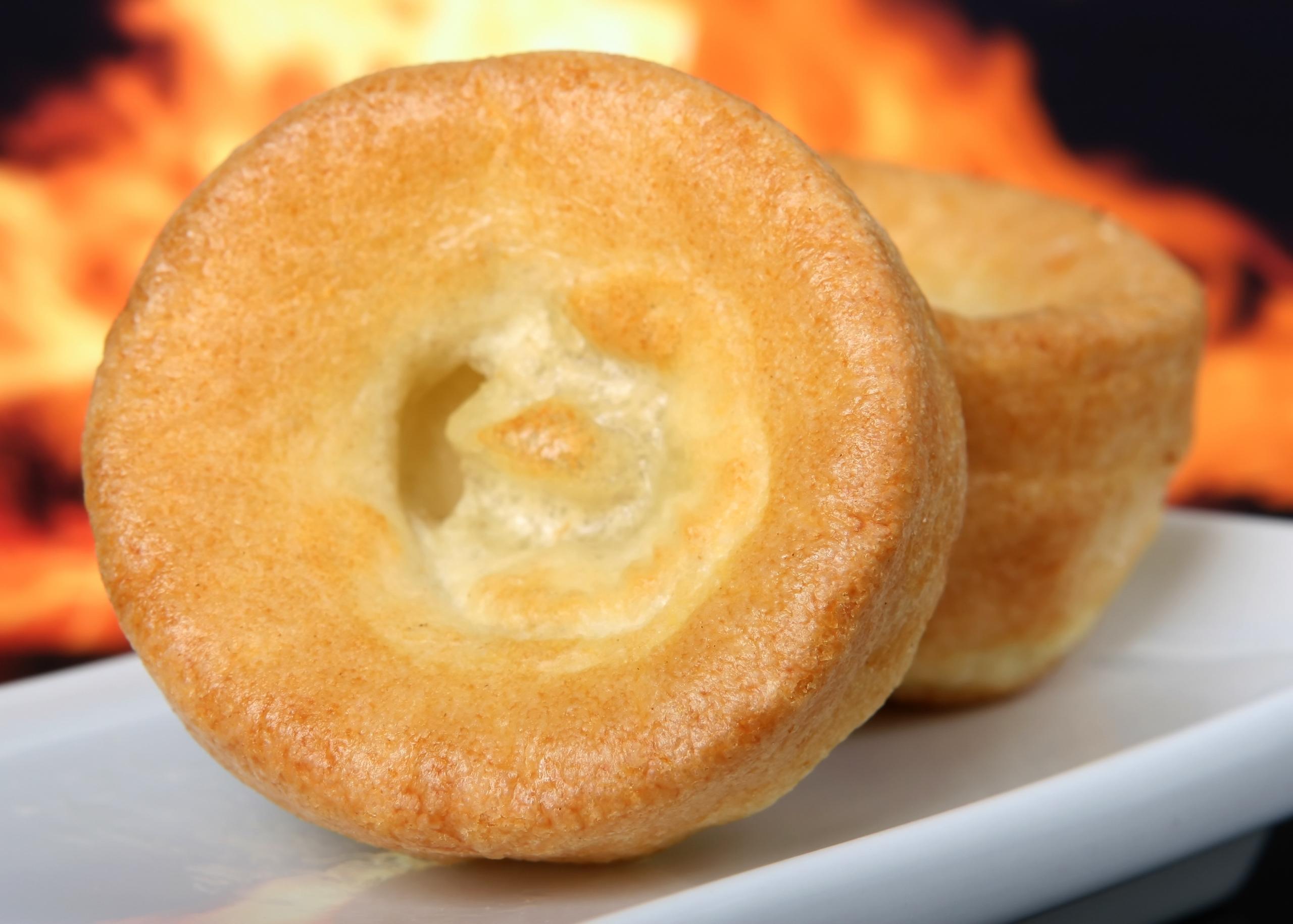
Yorkshire pudding is a baked roll that is similar to bread or a French “pâté a choux.” It’s made from a batter of eggs, flour, and milk or water. It's worth stating that most foreigners outside the UK think of a sweet, soupy, dessert when they hear the term "pudding"; however, Yorkshire pudding gets the second part of its name because centuries ago in England, puddings were a sausage-like meal that was not water-based and was solid.
Yorkshire pudding is called “pudding” because, in traditional British cooking, the term “pudding” refers broadly to dishes made from batter or dough, not just sweet desserts. Originating as a savoury baked batter served with meat and gravy, Yorkshire pudding fits this older definition, which explains its name despite being a crispy, savoury side rather than a sweet treat.
So, don't expect anything like chocolate pudding. Rather, for those who have never tried it, Yorkshire pudding is similar to a savoury pancake; it’s spongy yet cakey.
The best Yorkshire pudding recipes require home cooks to put the batter in cooking pans or muffin tins and have them bake in the oven for 15 minutes, if using small tins, and 30 minutes if you are utilising bigger cake pans. When making Yorkshire pudding, it’s best to leave the batter to sit for a while to ensure that the dough has enough of a chance to rise.
Are you curious about the origins of Yorkshire pudding? Keep on reading to find out!
What is the History of Yorkshire Pudding?
When you're biting into Yorkshire puddings that you've made or that were served to you, do you ever stop and wonder what's the history of these spongey cakes? If you don't, that's completely normal; however, food history is an intriguing topic that permits us to appreciate our food items more deeply.
So, for those who are interested in the history of English cuisine, what are the origins of Yorkshire pudding? While it's impossible to trace back the exact roots, it's worth stating that when wheat flour started to be used commonly in England in the mid-1700s, cooks who were baking bread and cakes found a way to utilise the fat or the excess batter, that was dripping into the dripping pan; hence, the name "dripping pudding."
The name "dripping pudding" was established by Sir Alexander William George Cassey in his book The Whole Duty of a Woman.
The dripping pudding was referred to by early chefs as similar to pancake batter and perfect for making while the meat was cooking in the oven; it was a perfect accompaniment of roasts and meats. Nonetheless, for approximately a decade, these soft and spongey rolls were known as dripping puddings. However, in 1747, Hannah Glasse referred to them as "Yorkshire puddings" and the name has stuck ever since.
Yorkshire puddings became a bit puffier over time and they were originally served with gravy as an appetizer. These small muffin-sized rolls were very popular in the past centuries amongst all Brits since they could be made with cheap ingredients that were staples.
In 2008, The Royal Society of Chemistry suggested that Yorkshire puddings aren't typical or regulation size if they are less than four inches or 10 centimetres in height.
Does Yorkshire Pudding Come From Yorkshire?
With a name like "Yorkshire pudding" and considering the fact that Yorkshire is a place in the UK, it's only normal to wonder if they come from there.
As we have discussed in the previous subheading, the exact origins and precise history of Yorkshire pudding are unknown. However, it's worth highlighting that Yorkshire pudding doesn't necessarily originate from Yorkshire but rather the general geographic region of the North of England.
So, why is it called "Yorkshire pudding" and not Northern England pudding? Some historians have speculated that these spongey baked delights may be called Yorkshire puddings because that region of North England is associated with coal and higher temperatures which helped to make the batter crisper.
Therefore, though they may not have come from the region of Yorkshire specifically, it's worth stating that delicious Yorkshire puddings are made by home chefs and served at pubs in the area of Yorkshire to this day.
The most important thing to remember is not the origins of the puddings but how and what they can be eaten with; which incidentally is what we will discuss in the following subheading.
What Can You Eat Yorkshire Pudding With?
Now that we have a "batter" (get it?) idea of the origins and history of the famous Yorkshire pudding, you might be tempted to make some since food is on the brain!
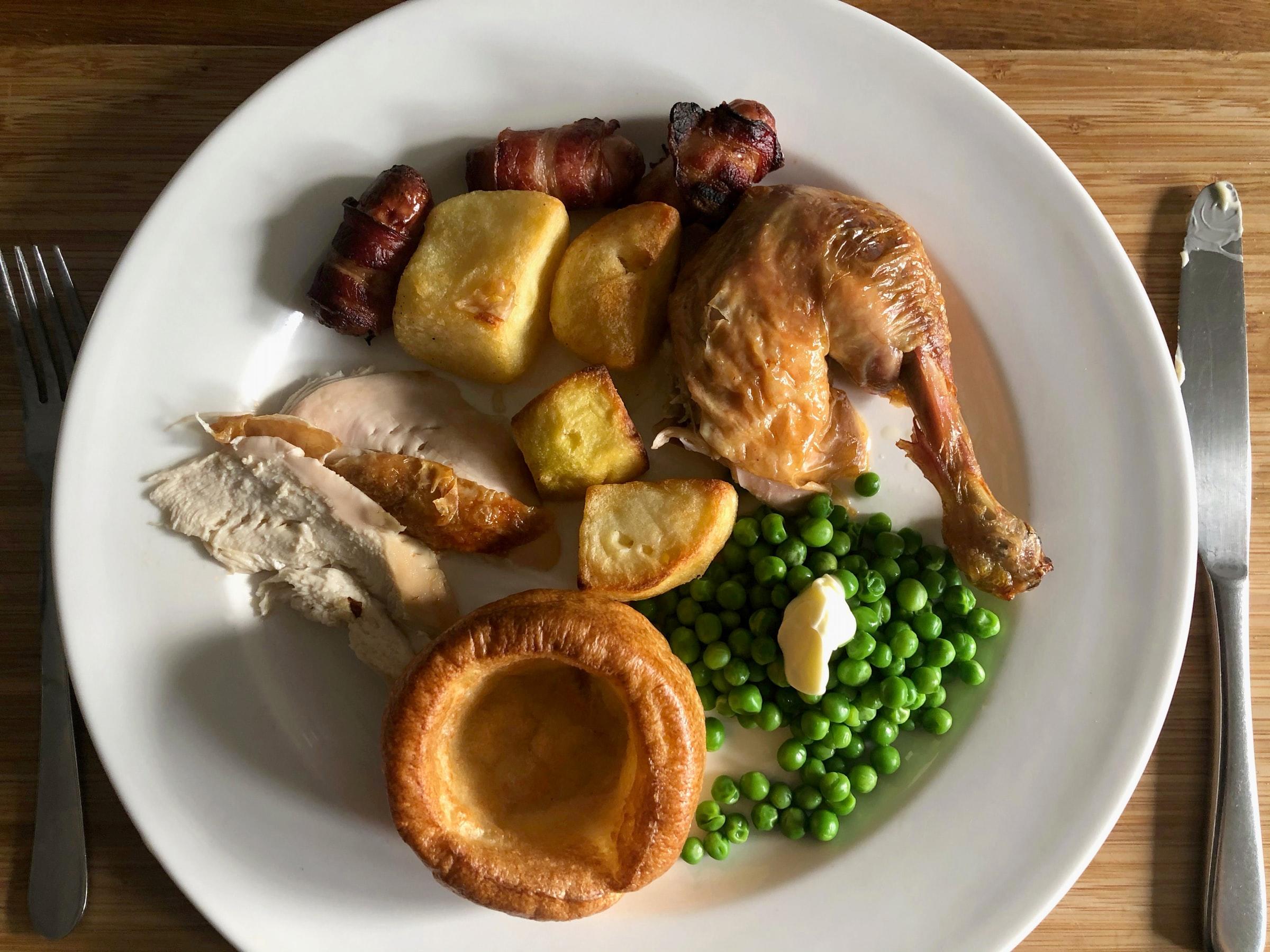
However, with what can you eat Yorkshire pudding? Truthfully, it's one of those food items that go well with anything. But if you're wanting a truly English dish to enjoy Yorkshire pudding with, you'll probably make a Sunday roast with all its trimming such as gravy, potatoes, and vegetables. Also, any typically British stew such as Irish stew is generally served with Yorkshire pudding.
If you're feeling a little adventurous with your Yorkshire pudding pairings, the following features some delicious meals that you can serve Yorkshire pudding with:
- Beef Bourguignon,
- Oxo roast potatoes,
- Your favourite curry,
- Lemon juice & sugar,
- Butter & jam,
- Sausages,
- Minced beef with onions,
- Quiche,
- Chili con Carne,
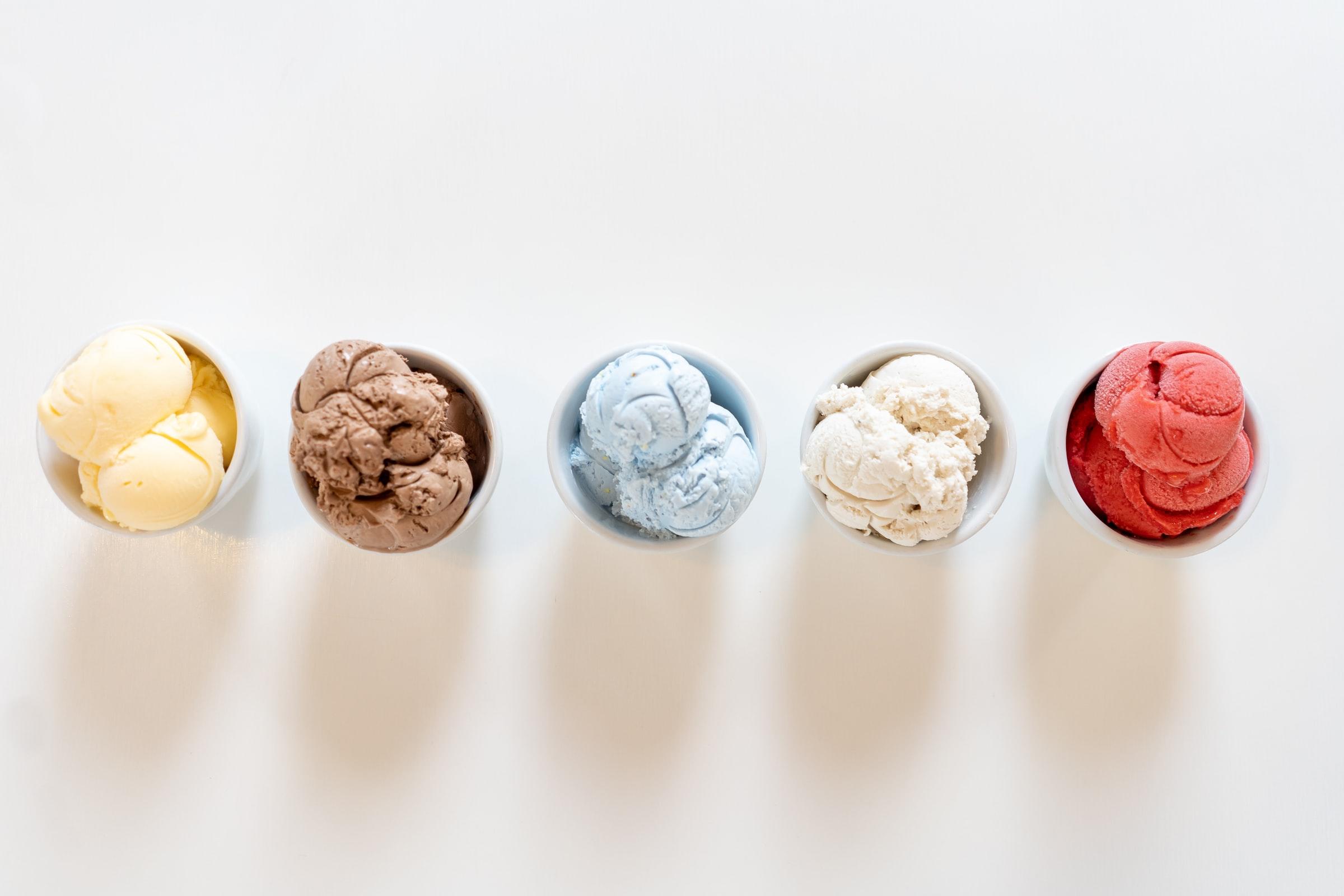
- Ice cream.
Did you read some of the previously mentioned food items and say, "what?" If so, you're not alone; most traditional Brits who have passed are probably rolling in their graves at the mention of Yorkshire pudding with ice cream!
Nonetheless, it's worth stating that since the texture of Yorkshire pudding is spongey and pancake-like, it can easily be paired with both sweet and savoury dishes. Also, some not only eat Yorkshire pudding with bizarre food items but they also stuff them with foods and spices that you would've never thought of such as rosemary, cardamom, curry powder, bacon, and dried fruits; the combinations are endless!
How Can I Learn to Make Yorkshire Pudding?
Are you constantly curious in the kitchen? Do you want to learn new recipes? Do you like cooking for friends and family? If so, we encourage you to keep going since everybody loves a good cook!
There are many different ways to learn how to make new recipes such as Yorkshire pudding. But, how? Take a look at the following list to see some ways that you can learn how to make Yorkshire pudding like a true Brit:
- Written Recipes: either through blog posts, internet sites or by searching through the pages of cookbooks, it’s extremely feasible to find written recipes on how to make Yorkshire pudding. Most recipes feature pictures that help you get an idea of what your finished product should look like.
- YouTube Videos: in a world where everything has gone digital, we have adapted to learning new things through bite-sized teachings and watching videos. There are many YouTubers who have created cooking channels, so, you won’t have a problem finding recipes. Famous British chefs such as Jamie Oliver have videos outlining the fundamentals of making Yorkshire puddings.
- Cooking Tutors: another fantastic method of learning how to cook new recipes is by hiring a personal cooking tutor. Available on sites such as Superprof, experienced cooking instructors are more than content to share their passion for food with others. If you’re wanting to make Yorkshire pudding or another English delicacy, consult with your tutor beforehand to see if they know how to make it.
In conclusion, even though people ranked Yorkshire pudding as the tenth most liked thing about Britain in 2012, learning the history of them will make you appreciate them even more.
Summarise with AI:
Enjoyed this article? Leave a rating!


 Loading...
Loved this history! Now I know why it’s called a “pudding!”
Thank you Joy!