
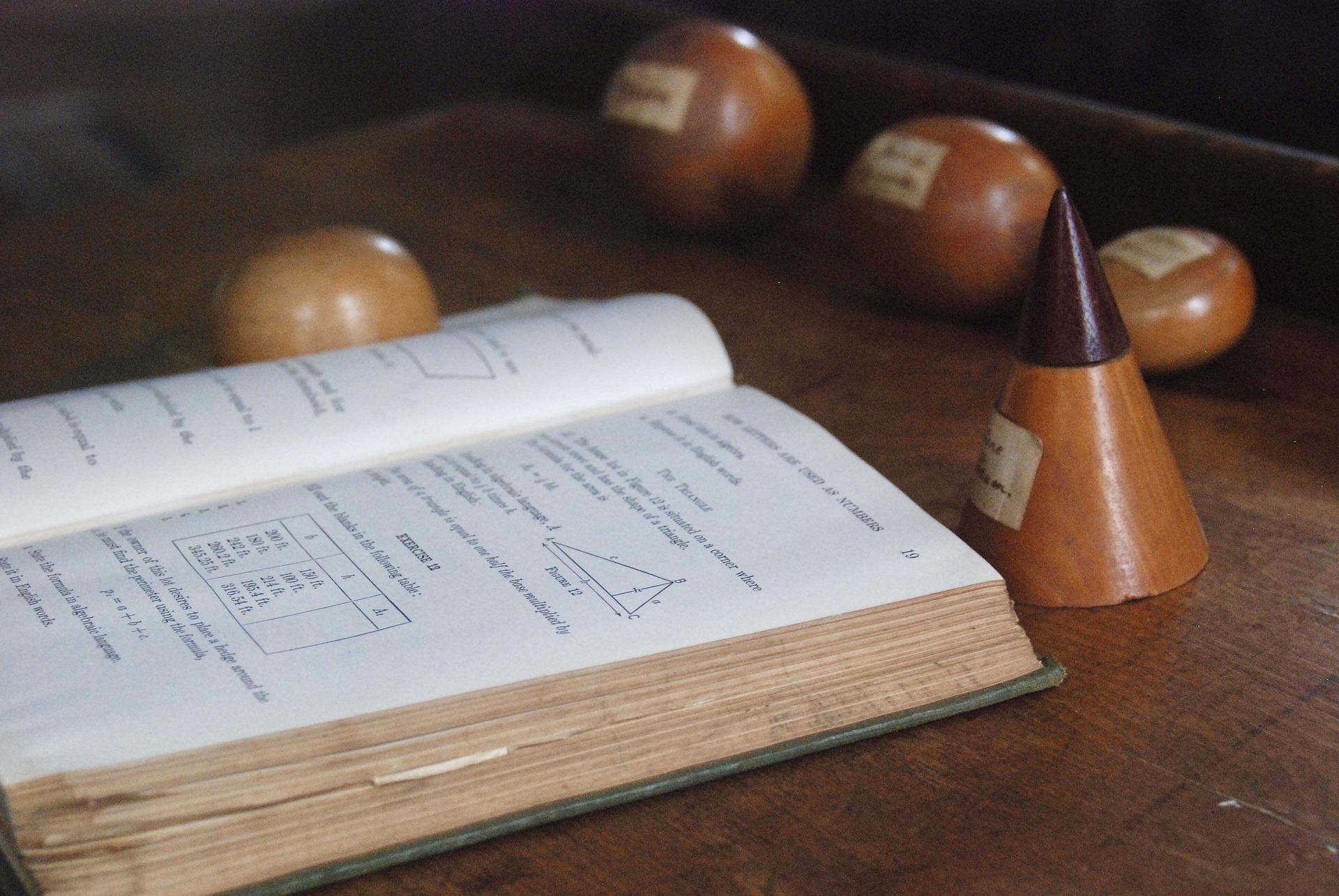

“Go down deep enough into anything and you will find mathematics.” - Dean SchlicterPaper cones have various uses. From cooking to piñatas and Christmas decorations, you can make a paper cone for various things. That said, there are a few mathematical rules you need to know before you can make one. Ready to start making paper cones? Want to know more about what cones are in mathematics? Here’s Superprof’s quick guide to conical geometry.

The best Maths tutors available


Poonam
£100
/h

1st lesson free!

Paolo
£35
/h
1st lesson free!

Sehaj
£60
/h
1st lesson free!

Anthony
£10
/h
1st lesson free!

Intasar
£129
/h
1st lesson free!

Tomi
£65
/h
1st lesson free!

Hiren
£85
/h
1st lesson free!

Harjinder
£25
/h
1st lesson free!
Poonam
£100
/h
1st lesson free!
Paolo
£35
/h
1st lesson free!
Sehaj
£60
/h
1st lesson free!
Anthony
£10
/h
1st lesson free!
Intasar
£129
/h
1st lesson free!
Tomi
£65
/h
1st lesson free!
Hiren
£85
/h
1st lesson free!
Harjinder
£25
/h
1st lesson free!
How to Make a Right Circular Cone
The right circular cone belongs to the pyramid family. Pyramids are defined by their base. Get good Maths tutor here on Superprof.
- A circular base.
- Sloped surfaces.
- An apex.
- An axis of rotation that passes from the summit of the cone to the centre of the circular base.
- A height defined by the distance from the centre of the circular base to the apex.
How to Make a Paper Cone Starting with a Circle
This method is simpler because it’s not as precise. In this case, the radius of the circle will determine the height. Discover different Maths tutor on Superprof.
Step 1: Make a Paper Circle
Determine the radius of your circle and make a mark in the centre. The rounder your circle, the better the surface of your cone will be.Step 2: Draw Diagonal Lines from the Centre of the Circle
With a ruler, draw two segments emanating from the centre. This will give you a somewhat triangular segment on the circle. The smaller your triangle, the wider the cone will be.Step 3: Cut Out the Triangle
Cut out the triangle with some scissors. This will be your basic shape.Step 4: Join the Edges
Bring the two edges together with them slightly overlapping. Make sure they line up to form a base. With a bit of tape, join the edges together. You should have equal slopes. As you can see, this is pretty easy. This is a particularly good method for young learners. You can use this for things other than maths.“Mathematics is the most beautiful and most powerful creation of the human spirit.” - Stefan BanachCheck out our article on algorithms
The best Maths tutors available
Poonam
£100
/h
1st lesson free!
Paolo
£35
/h
1st lesson free!
Sehaj
£60
/h
1st lesson free!
Anthony
£10
/h
1st lesson free!
Intasar
£129
/h
1st lesson free!
Tomi
£65
/h
1st lesson free!
Hiren
£85
/h
1st lesson free!
Harjinder
£25
/h
1st lesson free!
Poonam
£100
/h
1st lesson free!
Paolo
£35
/h
1st lesson free!
Sehaj
£60
/h
1st lesson free!
Anthony
£10
/h
1st lesson free!
Intasar
£129
/h
1st lesson free!
Tomi
£65
/h
1st lesson free!
Hiren
£85
/h
1st lesson free!
Harjinder
£25
/h
1st lesson free!
Make a Cone with the Folding Technique
This is probably the easiest technique. You just have to draw a triangle and you’re done.
Step 1: Cut Out a Triangle
Draw and cut out a triangle. Any triangle will technically work. Of course, how you draw the triangle will affect the resulting cone.Step 2: Fold the Edges
Fold two of the edges inwards and then fold the overlapping segments outwards. You’ll end up with a cone. Make sure the folds hold your cone together.Step 3: Adjust the Cone
You can tweak the folds to ensure that the whole thing has a more uniform shape.Step 4 (optional): Trim the Edges
If you have any overlapping edges after folding, you can always cut off the overlap.Step 5: Refold the Triangular Part
You should still have one part of your original triangle sticking out. You can fold and tape this part down. Get creative with it! Learn about tiling and tessellationUses for Paper Cones
Now you can make paper cones, you need to work out what you can do with them.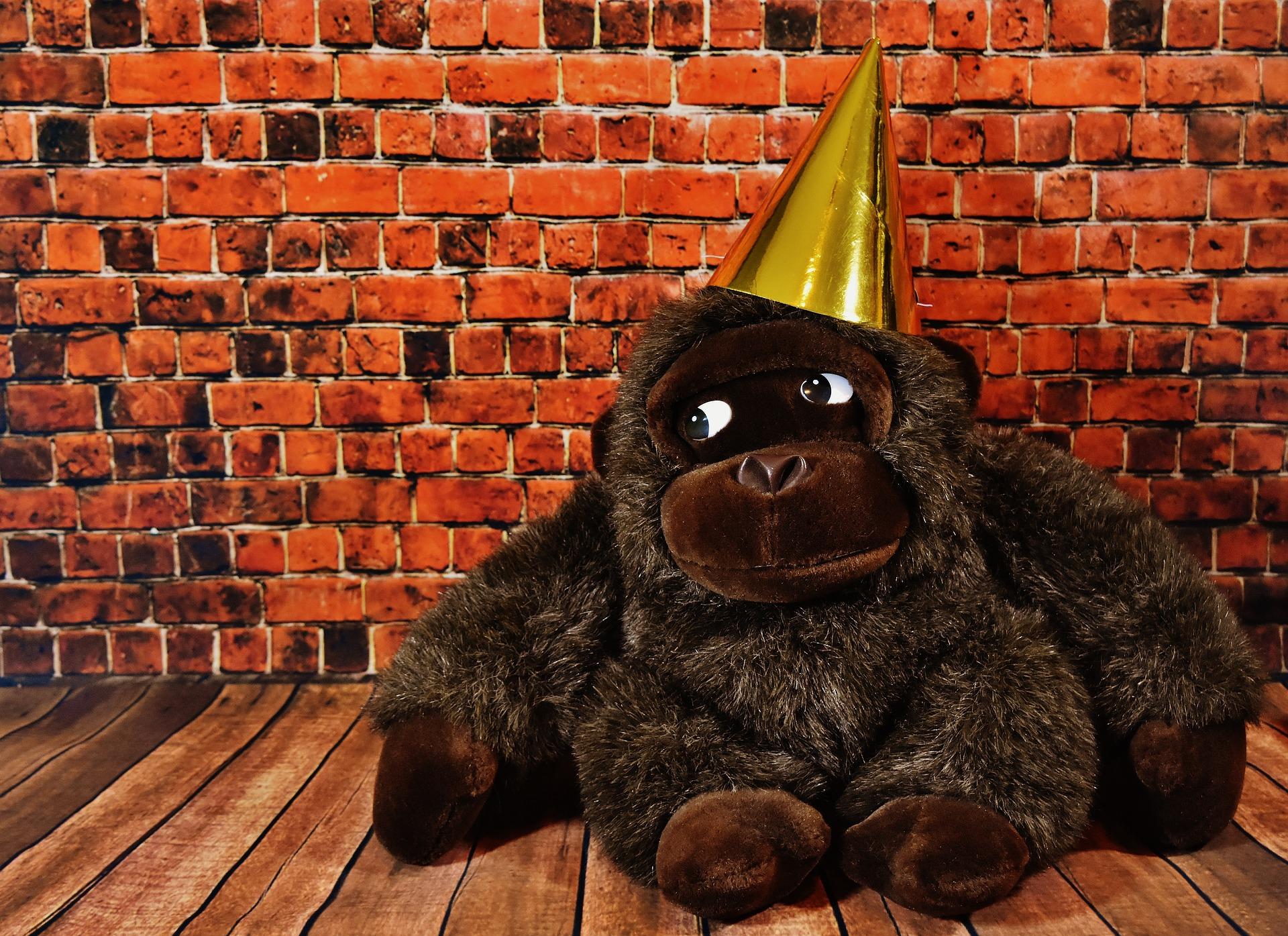
- Funnel
- Paper Christmas trees
- Pointy hat
- Paper dolls
- Noses
- Cones for sweets or chips
- Birthday piñatas
- And many other things...
Find Projects on YouTube
We’ve suggested just how to make paper cones, but there are plenty of projects out there. On YouTube, you can find tonnes of different activities and ideas. For visual learners, these are great as you can see exactly what you’re supposed to be doing and there are projects for all levels, too. If you want to learn more about the mathematical side of things, there are also plenty of maths tutorials on geometry. Whether you want to calculate the volume of a cone, the height, or the surface area, you can learn how to with YouTube tutorials. There are even tutorials on how to make paper cones with paper and materials suitable for cooking. You can also use cones to replace icing bags. Come Christmas, there are plenty of projects for making decorations, too. Learn how to calculate intervals If you'd like to learn more about maths, consider getting help from one of the many talented and experienced tutors on the Superprof website. You can find tutors specialising in maths for all levels from primary school to university. There are different ways to learn from a private tutor so make sure you choose the type of tutoring that works for you, how you like to learn, and your budget. Face-to-face tutoring is the most common and usually involves the tutor teaching just one student at their home. Since there's only one student, the tutor can tailor every minute of the lesson to them and ensure they're getting the most out of every minute they're working together. Of course, this bespoke service tends to cost more as you're paying for the tutoring and the time the tutor has to spend planning the lessons and travelling to their students' homes. Online tutorials can also be taught one-on-one, but since the tutor doesn't have to travel to their students and can teach more lessons each week, they don't tend to charge as much. While these aren't ideal for hands-on subjects and skills, online tutoring is excellent for academic subjects such as maths.Group tutorials are an excellent choice for those on a budget. With several students attending the same class, the tutor can afford to charge less per student. While you won't get to enjoy lessons that are tailored just to you, you can enjoy paying less for them. If you and some friends, family members, classmates, or colleagues need to learn more about maths, group tutoring could be an excellent and affordable option. Don't forget that many of the tutors on Superprof offer the first hour of tutoring for free so you can try a few out before deciding on which one is right for you. You could also try out the different types of tutoring if you're not sure which one you'd prefer. Search for many a maths tutor on Superprof UK.Summarise with AI:
Did you like this article? Leave a rating!


 Loading...
