
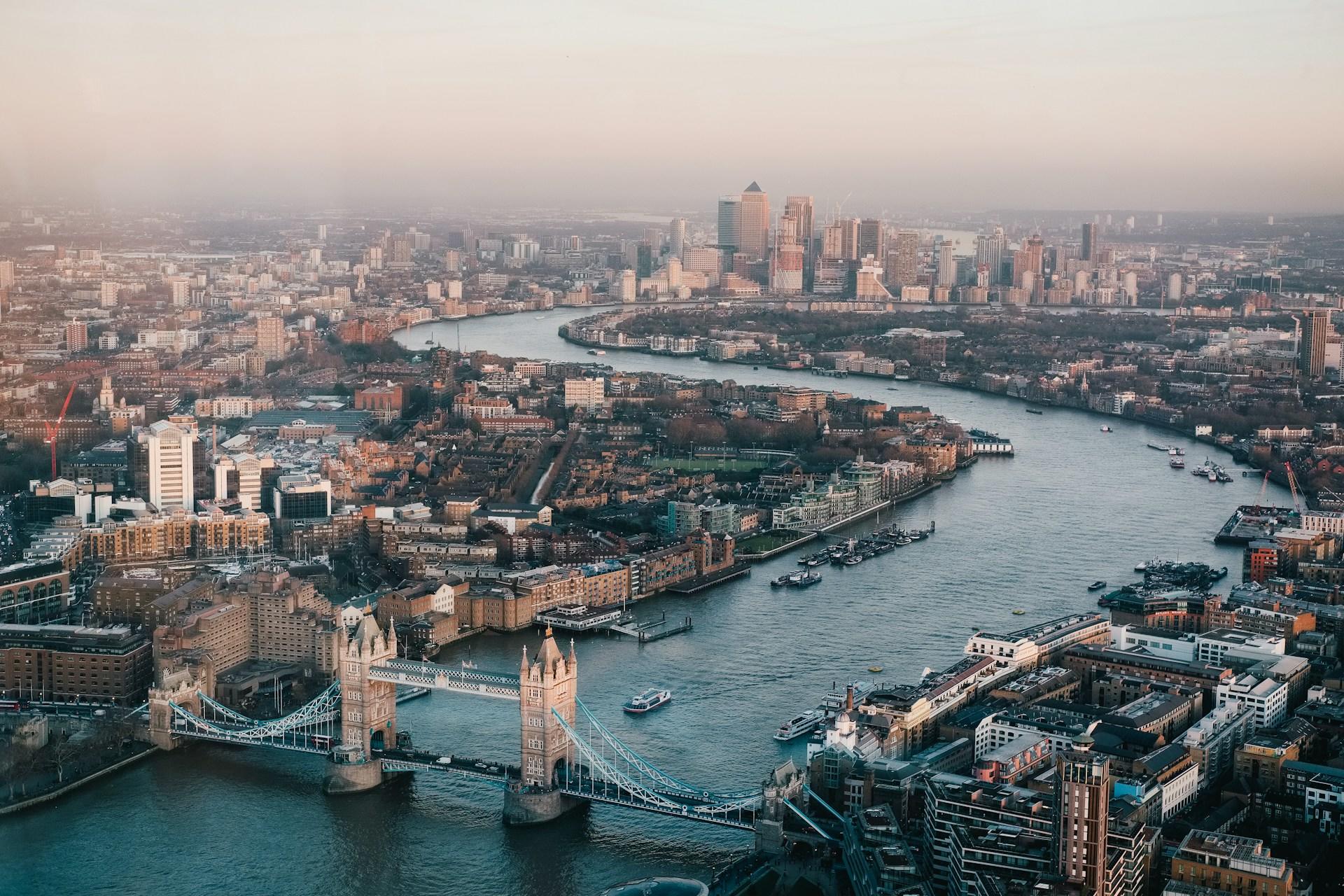

London boasts a rich football heritage, home to numerous clubs with storied histories and passionate fan bases. This guide provides an in-depth look at the city's football landscape, from the Premier League giants to the lesser-known gems. Readers looking to take part in the sport themselves can also explore football training near me alongside following London's clubs.
Key Takeaways
- London football has roots going back hundreds of years, long before the modern professional game developed.¹⁰
- Fulham’s origins date back to 1879, making them one of London’s oldest professional football clubs.⁸
- Arsenal have won the FA Cup 14 times and completed an unbeaten league season in 2003–04.²
- Chelsea have won the UEFA Champions League twice, in 2012 and 2021.⁵
- Tottenham Hotspur became the first British club to win a major European trophy in 1963.¹⁴
- West Ham United won the UEFA Europa Conference League in 2023.¹⁵
- AFC Wimbledon were formed by supporters in 2002 and became one of English football’s best-known fan-led club stories.¹


Premier League Clubs
London has a major presence in the Premier League, with the official table showing several clubs from the capital competing in the top flight.¹² London's top-flight clubs combine global fanbases and deep local identities. Let's see which of the capital's clubs are playing in England's top league.
London is home to some of England's most recognisable football clubs, from long-established top-flight teams to historic local clubs in the EFL. Football in London has roots that go back hundreds of years, while many of the city's major clubs grew out of local communities, workplaces, and neighbourhood identities.¹⁰
Arsenal FC
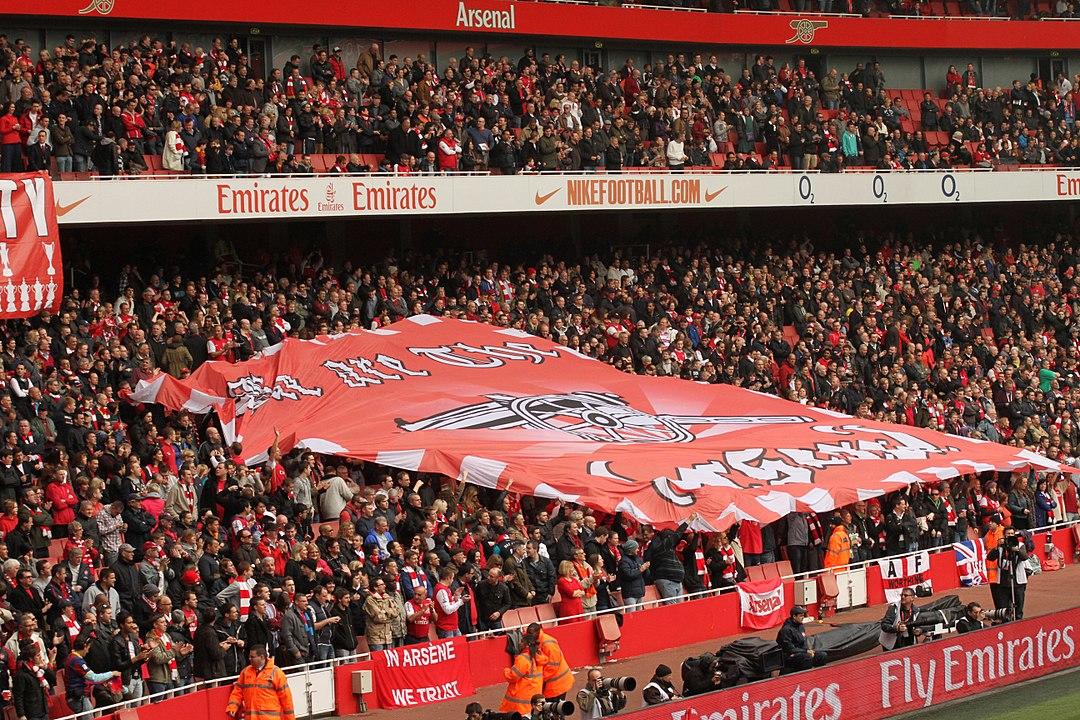
Arsenal Football Club was founded in 1886 as Dial Square and soon became known as Royal Arsenal before settling on its current name. Initially based in Woolwich, the club moved to Highbury in North London in 1913, a venue that would be its home for over 90 years and saw some amazing memories for the club. Now, the club plays at the Emirates Stadium in Holloway. Their stadium is a state-of-the-art venue with a capacity of 60,000+.
Arsenal’s history is marked by periods of significant success, particularly under legendary managers Herbert Chapman in the 1930s and Arsène Wenger from 1996 to 2018. Wenger changed English football with his modern approach, leading Arsenal to numerous trophies and introducing a greater focus on fitness and nutrition. In 2024, under Mikel Arteta, the club finished runners-up to Manchester City in the Premier League.
times, making them one of the most successful clubs in the competition’s history.²
Chelsea FC
One of the best-known football clubs in the UK, Chelsea’s famous royal blue kits and Premier League ever-presence are signatures of this club. Chelsea tend to perform well in European competitions, rivalling the Manchester football clubs in this respect.
Chelsea’s trophy cabinet is impressive, with 6 English League titles, 8 FA Cups, and 5 League Cups. The club has also excelled in European competitions, winning 2 UEFA Champions League titles (2012, 2021) and 2 UEFA Europa League titles (2013, 2019). Chelsea also claimed the UEFA Super Cup and the FIFA Club World Cup.
⚽️ English League Champion
Won six times
🏆 FA Cup
Won five times
🥇 UEFA Champions League
Won twice in 2012 & 2021
The club plays at one of the older stadiums among the biggest clubs, Stamford Bridge, located in Fulham, South-West London. The Bridge has a capacity of 40,341 and has been the club's home since its inception. The stadium is known for its proximity to the pitch and its atmosphere, and has undergone several renovations to modernise it, even though there hasn’t been a full rebuild.
Tottenham Hotspur FC
Another iconic football club in London is Tottenham Hotspur, commonly known as Spurs, founded in 1882 and a fierce rival of Arsenal.
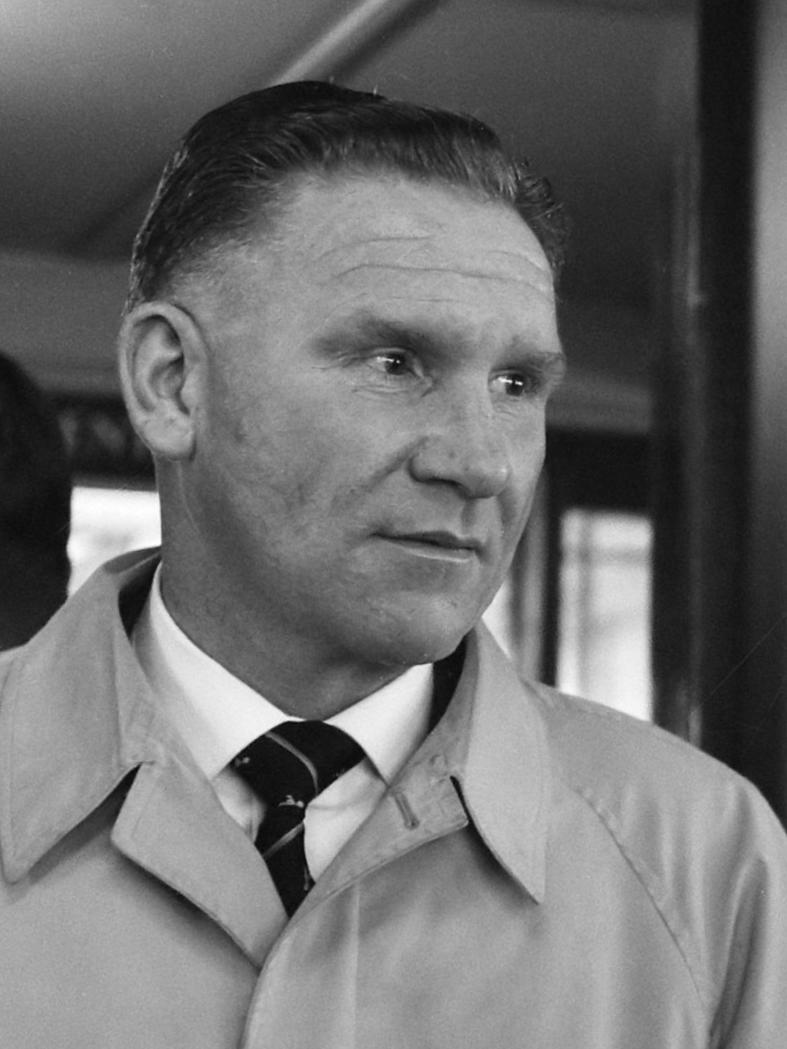
Tottenham achieved early success in the 1960s, winning the league and FA Cup double in 1961, becoming the first club in the 20th century to do so, managed by Bill Nicholson. Spurs have consistently been competitive in the top tier of English football and, in 2019, reached the Champions League final.
The club also has a strong European record, having won the UEFA Cup Winners' Cup in 1963 and the UEFA Cup (now the Europa League) twice, in 1972 and 1984. Despite not winning the Premier League in recent years, Spurs have been consistent contenders for European competition spots, a bit like Aston Villa in the Birmingham region, while still not reaching the absolute heights of football. The Tottenham Hotspur Stadium is the most impressive stadium in the league and has amazing facilities, even hosting NFL games!
Crystal Palace FC
Crystal Palace Football Club, founded in 1905, is another club that is not quite at the top level in terms of its fanbase, but it continues to compete in the Premier League. The club is based in South London and has a big fanbase in the area.
Crystal Palace has consistently been in the Premier League since gaining promotion in 2013, solidifying their place in the top tier and proving to be a Match of the Day mainstay! The team famously reached the FA Cup final twice, in 1990 and 2016, finishing as runners-up on both occasions.
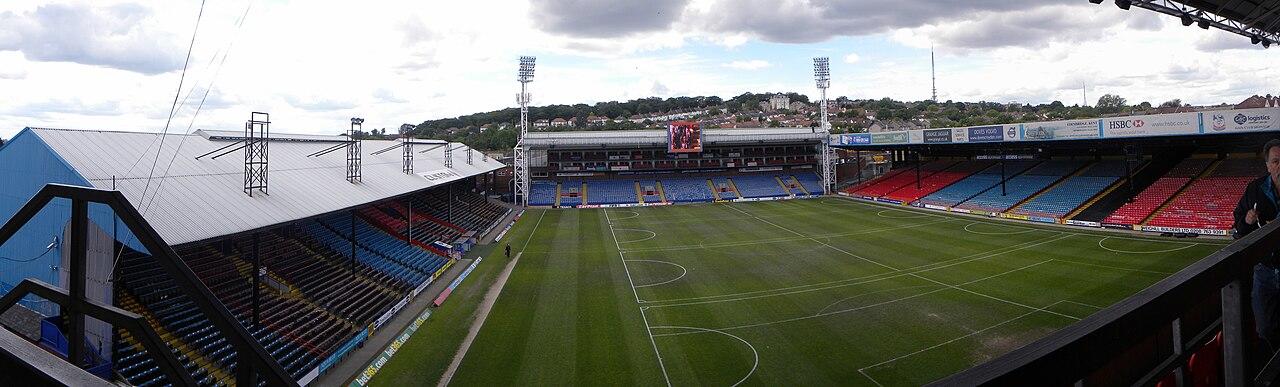
Selhurst Park is the home of Crystal Palace, located in the suburb of Selhurst in South London. With a capacity of 25,486, Selhurst Park has a good atmosphere for big games, particularly in the Holmesdale Stand. This stadium is similar in size to those that the Edinburgh football clubs boast in the Scottish capital.
Brentford FC
Brentford are a modern example of a London club rising through the English football pyramid. The club spent decades outside the top flight. Now established as a Premier League side, the Bees are based in West London and play at the Gtech Community Stadium, a modern ground that replaced Griffin Park.
Recent success has made them an interesting club to follow. Smart recruitment, strong planning, and building a competitive squad without the same budget as the biggest Premier League clubs have earned Brentford a lot of praise. Clubs aren't just defined by trophies, but also by progress.
Fulham FC
Fulham is the oldest football team in London still playing professionally. Fulham has spent much of its history outside the top flight but has enjoyed periods of success in the Premier League in the 2000s and 2010s.
The club has Premier League status at the moment, but they don’t have many honours to their name. The club has won lower-division titles, including the Championship and League One, and it still deserves to be included in this list of top football clubs in London.
Craven Cottage is the club's home; it is a historic stadium on the banks of the River Thames in West London. With a capacity of 22,384, Craven Cottage is renowned for its old-world charm and unique and old-fashioned Johnny Haynes Stand.
London's size, population, transport links, and strong neighbourhood identities have helped the capital sustain several major football clubs at once. Many London-based football clubs grew from specific local communities, which is why North, West, South, and East London each have their own football identities.¹⁰ This gives London football a different feel from cities where one or two clubs dominate the sporting landscape.
Championship Clubs
Even in the country's second division, the Championship, London is still providing strong teams. Each club adds something to the tapestry of London's footballing scene, with fanbases desperate to see their clubs reach the Premier League (or avoid relegation!). It's not always about the top clubs winning trophies; there are also clubs defined by neighbourhood identity, historic grounds, and loyal supporters.
West London Clubs
West Ham United and Queens Park Rangers bring distinct London identities to the Championship. West Ham represent East London and have a history that includes three FA Cup titles and the 2023 UEFA Europa Conference League.¹⁵ QPR’s identity is rooted in Shepherd’s Bush, with Loftus Road giving the club one of London’s most compact and recognisable football grounds.¹³
South and South East London Clubs
Millwall and Charlton Athletic bring South and South East London into the Championship section. Millwall’s history is closely connected to its working-class local identity and long-standing home support.¹¹ Charlton Athletic became one of London’s major historic clubs after forming in the early 20th century and later winning the FA Cup in 1947.⁶
West Ham United FC
The Hammers are a club founded in 1895 as Thames Ironworks before rebranding in 1900. The club has a strong connection to East London, where many fans support it. West Ham is known for its contribution to England's 1966 World Cup-winning team, with three players from the club – Bobby Moore, Geoff Hurst, and Martin Peters – all playing crucial roles. The fans still sing about winning the World Cup. West Ham’s recent history includes Premier League campaigns and a European title, though the club is now in the Championship for the 2026/27 season.
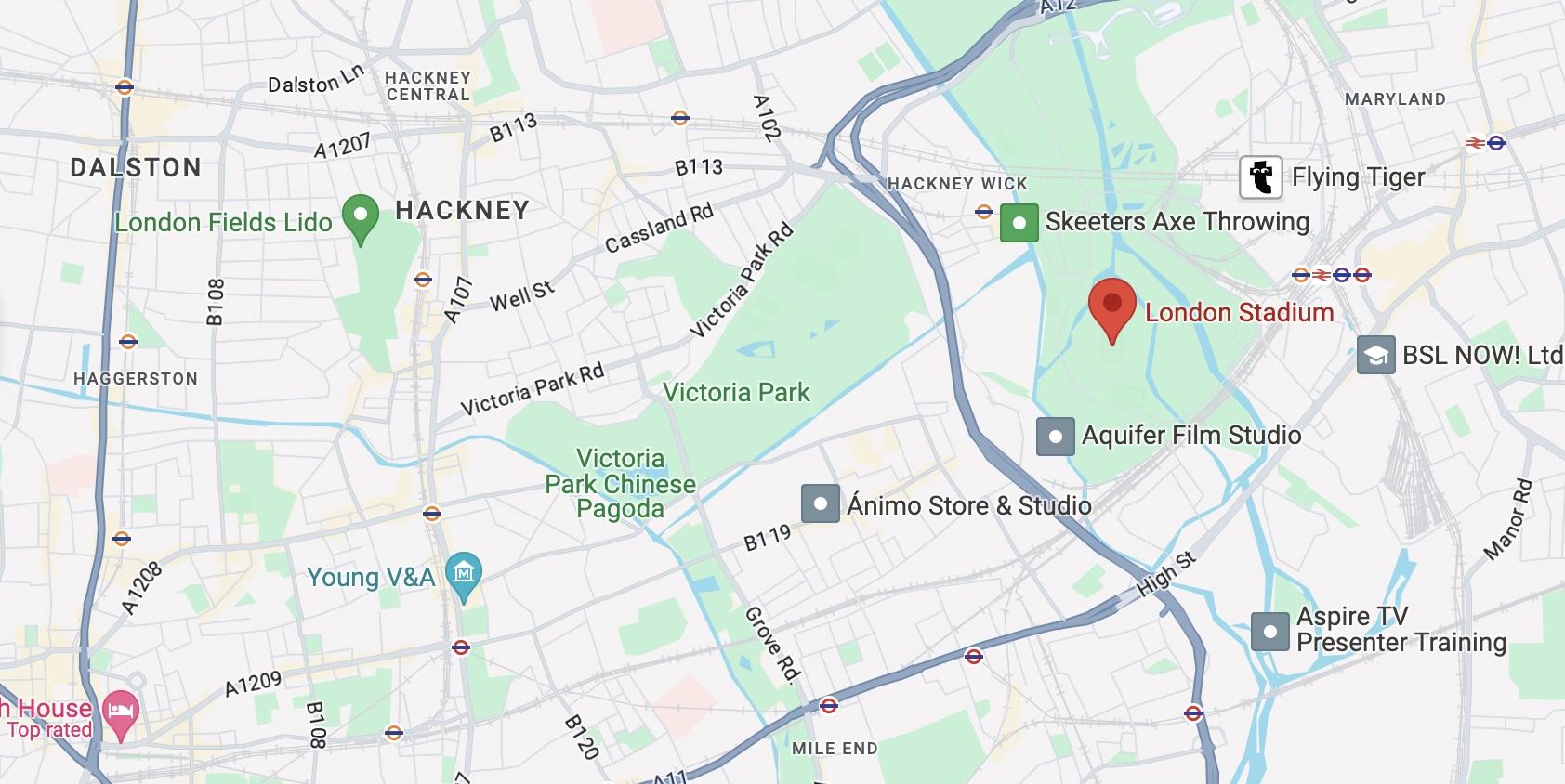
West Ham plays its home matches at the London Stadium, located in Stratford, East London. Originally built for the 2012 Olympics, the stadium has a capacity of 60,000 and provides a modern venue to replace the iconic Boleyn Ground.
Queens Park Rangers FC
Queens Park Rangers, more commonly known as QPR, was founded in 1886. The club has experienced varying degrees of success, with notable periods in the top flight during the 1960s, 1970s, and, more recently, the 2010s. QPR has a strong local following in West London, though at the moment it is experiencing a low ebb by its standards.
QPR’s major honours include winning the League Cup in 1967 and the Championship title multiple times. The club finished as runners-up in the old First Division (now Premier League) in 1976, which remains their highest league finish. Loftus Road, located in Shepherd’s Bush, West London, has been QPR’s home since 1917. The stadium has a capacity of 18,439 and is one of the smaller stadiums in London, comparable in size to those of the Bristol clubs.
Millwall FC
Millwall are one of the most recognisable London clubs. Their history dates back to the late 19th century. Millwall are perhaps most famous for their intense home support, local identity, and a matchday atmosphere that feels very different from the capital’s biggest Premier League grounds. The club's biggest achievement was likely the 2004 FA Cup final appearance.¹¹
Charlton Athletic FC
Charlton Athletic trace their history back to the early 20th century. They're one of South East London's major clubs. Based at the valley, their biggest hnoour was their FA Cup win in 1947.⁶ While now outside of the Premier League, they've had stints in the top flight.
London football rivalries are often shaped by geography as much as trophies. Clubs may be separated by only a few miles, but their fan cultures, histories, and local identities can feel very different. West Ham’s East London identity, QPR’s West London roots, Millwall’s South East London history, and Charlton’s community story all show how football clubs in London history are tied to place as well as performance.¹⁵
League One and League Two Clubs
At the bottom of England's professional football pyramid, there are yet more London clubs. In the wider search for London clubs, you'll find there's something for everyone. If you're looking for a club to support or find the budgets required to follow top clubs quite obnoxious, there's something special about football in the lower leagues.
AFC Wimbledon
Leyton Orient FC
Barnet FC
| Club | Article Section | Area | Founded | Stadium | Achievements & Highlights |
|---|---|---|---|---|---|
| Arsenal FC | Premier League Clubs | North London | 1886 | Emirates Stadium | 14 FA Cup titles and the unbeaten 2003–04 league season. |
| Chelsea FC | Premier League Clubs | West London | 1905 | Stamford Bridge | Two UEFA Champions League titles, won in 2012 and 2021. |
| Tottenham Hotspur FC | Premier League Clubs | North London | 1882 | Tottenham Hotspur Stadium | First British club to win a major European trophy, with the 1963 European Cup Winners’ Cup. |
| Crystal Palace FC | Premier League Clubs | South London | 1905 | Selhurst Park | Historic South London club with major FA Cup history. |
| Brentford FC | Premier League Clubs | West London | 1889 | Gtech Community Stadium | Modern rise into top-flight football after decades outside the highest level. |
| Fulham FC | Premier League Clubs | West London | 1879 | Craven Cottage | One of London’s oldest professional football clubs, with a long history by the River Thames. |
| West Ham United FC | Championship Clubs | East London | 1895 | London Stadium | Three FA Cup titles and the 2023 UEFA Europa Conference League. |
| Queens Park Rangers FC | Championship Clubs | West London | 1882 | Loftus Road | League Cup winners in 1967 and runners-up in the old First Division in 1976. |
| Millwall FC | Championship Clubs | South East London | 1885 | The Den | FA Cup finalists in 2004 and a club with a strong South East London identity. |
| Charlton Athletic FC | Championship Clubs | South East London | 1905 | The Valley | FA Cup winners in 1947 and one of South East London’s major historic clubs. |
| AFC Wimbledon | League One and League Two Clubs | South West London | 2002 | Plough Lane | Supporter-led formation and one of English football’s best-known modern rise-through-the-leagues stories. |
| Leyton Orient FC | League One and League Two Clubs | East London | 1881 | Brisbane Road | One of London’s longest-running professional clubs, with deep roots in East London football. |
| Barnet FC | League One and League Two Clubs | North London | 1888 | The Hive Stadium | Historic North London club with notable non-league and EFL history. |
Historical Overview of London Football
So how did the footballing landscape in the capital end up like this? Most of the most famous clubs were formed from communities, workplaces, churches, or neighbourhood groups. There are a few exceptions, but most professional London clubs can trace their roots back decades.
Medieval London
Football-like games were being played in London long before the modern professional game existed.¹⁰
19th Century
Football became more organised as clubs, rules, and competitions helped shape the sport into a formal game.¹⁰
1879
Fulham's origins began, making the club one of the oldest professional football clubs in London.⁸
1881
Leyton Orient trace their history back to the early 1880s, making them one of East London's long-running professional clubs.⁹
1882
Tottenham Hotspur were founded, beginning the story of one of North London's most famous clubs.¹⁴
1882
Queens Park Rangers were formed, adding another major West London club to the capital's football map.¹³
1885
Millwall were founded and later became one of South East London's most recognisable football clubs.¹¹
1886
Arsenal were founded and later became one of the most successful football clubs in London's history.²
1888
Barnet were founded, giving North London another historic club with roots in both non-league and professional football.³
1889
Brentford were founded, starting a West London football story that would eventually lead to the modern top flight.⁴
1895
West Ham United began as Thames Ironworks before becoming one of East London's defining football clubs.¹⁵
1905
Chelsea were founded and would go on to become one of London's most successful modern clubs.⁵
1905
Charlton Athletic were founded and later became a major South East London club with FA Cup-winning history.⁶
1905
Crystal Palace's modern professional club history began, giving South London another major football identity.⁷
1947
Charlton Athletic won the FA Cup, creating one of the club's defining historical achievements.⁶
1963
Tottenham Hotspur became the first British club to win a major European trophy.¹⁴
1967
Queens Park Rangers won the League Cup, one of the club's most important honours.¹³
2002
AFC Wimbledon were formed by supporters, creating one of English football's best-known fan-led club stories.¹
2004
Millwall reached the FA Cup final, adding a major modern cup run to the club's history.¹¹
2012 and 2021
Chelsea won the UEFA Champions League twice, strengthening London's place in modern European football.⁵
2023
West Ham United won the UEFA Europa Conference League, adding another European trophy to London football history.¹⁵
London has an amazing reputation for football. In the UK, football hubs like Glasgow and the North West are also hubs of football, but the capital was inevitably going to become one of the biggest cities for watching the sport. Modern football is thriving in London, and while a lot of the trophies are going to the Manchester clubs, London clubs continue to be popular and have some success in Europe.
Stadium Tours and Fan Experiences
Want to see where these clubs play and find out more about them? Why not visit the stadiums? Most clubs offer stadium tour experiences where you can get a better look behind the scenes. Of course, the best experience for fans is often just on a matchday.
Big-Club Stadium Experiences
The Emirates Stadium and Stamford Bridge tours are strong options for visitors who want to connect London football history with two of the capital’s biggest clubs. Arsenal’s modern identity is closely tied to the Emirates Stadium and a trophy history that includes 14 FA Cup titles.² Chelsea’s Stamford Bridge experience gives fans a route into the club’s modern success, including its two UEFA Champions League wins.⁵
Modern and Historic Grounds
Tottenham Hotspur Stadium and Craven Cottage offer two very different London football experiences. Tottenham’s stadium represents one of the capital’s most modern football venues and sits within the history of a club with major domestic and European honours.¹⁴ Fulham’s Craven Cottage offers a more traditional riverside setting and connects visitors with one of London’s oldest professional clubs.⁸
Emirates Stadium Tour (Arsenal)
- Players’ tunnel
Walk through one of the most recognisable behind-the-scenes areas at Arsenal's home ground. - Home and away dressing rooms
See the spaces used by players before and after matches at the Emirates Stadium. - Pitchside and home dugout
Get close to the pitch and sit near the area used by the coaching staff on matchdays. - Directors’ Box and premium areas
Explore selected hospitality and premium areas inside the stadium. - Arsenal Museum
Pair the stadium route with club history through the Arsenal Museum experience.
Stamford Bridge Tour (Chelsea)
- Live guided tour
Follow a guided route through one of London's most famous football stadiums. - Dressing rooms
Visit behind-the-scenes spaces connected to the players' matchday routine. - Press room
See the room used for media duties, interviews, and post-match questions. - Players’ tunnel and pitchside
Walk through the tunnel and visit pitchside areas inside Stamford Bridge. - Chelsea FC Museum
Connect the stadium experience with Chelsea's trophy history and club story.
Tottenham Hotspur Stadium Tour
- Self-guided stadium tour
Explore the stadium via an immersive route that lets visitors navigate key areas. - First Team areas
See selected spaces connected to the professional matchday environment. - Changing rooms and tunnel
Walk through the changing rooms and down the players' tunnel. - Premium spaces
Visit selected premium areas inside one of London's most modern football venues. - NFL facilities
Learn how the stadium is designed for both football and major NFL events.
Craven Cottage Tour (Fulham)
- Historic riverside ground
Experience one of London's most distinctive football stadium settings by the River Thames. - Home dressing room
See one of the key behind-the-scenes areas used around matchday. - Stevenage Road setting
Take in the traditional stadium surroundings that help define Craven Cottage's character. - Key locations around the ground
Follow a route through key areas to see how the stadium operates on matchdays. - Craven Cottage character
Enjoy a stadium experience that feels more traditional and intimate than many modern football grounds.
London stadium tours and matchdays can be busy, especially around Underground, Overground, and rail stations near major football grounds. Readers should check official club guidance before visiting because London football teams play in different parts of the city, from Fulham in West London to Tottenham in North London.⁸ For visitors planning more than one football experience, it is worth checking travel time before booking tickets or tours.
References
- AFC Wimbledon. “The Story of the Dons.” AFC Wimbledon, https://www.afcwimbledon.co.uk/club/the-story-of-the-dons. Accessed 2 Jul. 2026.
- Arsenal Football Club. “Honours.” Arsenal.com, 1 June 2017, https://www.arsenal.com/men/honours. Accessed 2 Jul. 2026.
- Barnet Football Club. “History & Honours.” Barnet FC, https://barnetfc.com/history-honours. Accessed 2 Jul. 2026.
- Brentford Football Club. “History.” Brentford FC, https://www.brentfordfc.com/en/history. Accessed 2 Jul. 2026.
- Chelsea Football Club. “Men’s Trophy Cabinet.” Chelsea FC, https://www.chelseafc.com/en/mens-trophy-cabinet. Accessed 2 Jul. 2026.
- Charlton Athletic Football Club. “1905–1923: The Early Days.” Charlton Athletic FC, https://www.charltonafc.com/history/mens-club-history/1905-1923-early-days. Accessed 2 Jul. 2026.
- Crystal Palace Football Club. “Our History.” Crystal Palace FC, https://www.cpfc.co.uk/information/crystal-palace-history/. Accessed 2 Jul. 2026.
- Fulham Football Club. “History.” Fulham FC, https://www.fulhamfc.com/club/history/. Accessed 2 Jul. 2026.
- Leyton Orient Football Club. “History.” Leyton Orient FC, https://www.leytonorient.com/club/history. Accessed 2 Jul. 2026.
- London Museum. “London’s Oldest Football Clubs.” London Museum, https://www.londonmuseum.org.uk/collections/london-stories/london-oldest-football-clubs/. Accessed 2 Jul. 2026.
- Millwall Football Club. “History.” Millwall FC, https://www.millwallfc.co.uk/club-information/history. Accessed 2 Jul. 2026.
- Premier League. “Premier League Table, Standings & Form Guide: 2026/27.” PremierLeague.com, https://www.premierleague.com/en/tables/premier-league/2026-27/all-matchweeks. Accessed 2 Jul. 2026.
- Queens Park Rangers Football Club. “History.” QPR, https://www.qpr.co.uk/club/history. Accessed 2 Jul. 2026.
- Tottenham Hotspur Football Club. “Club Honours.” Tottenham Hotspur, https://www.tottenhamhotspur.com/the-club/history/club-honours. Accessed 2 Jul. 2026.
- West Ham United Football Club. “Honours.” West Ham United FC, https://www.whufc.com/en/the-club/history/honours-and-records/honours. Accessed 2 Jul. 2026.
Summarise with AI:
Did you like this article? Leave a rating!

 Loading...
