
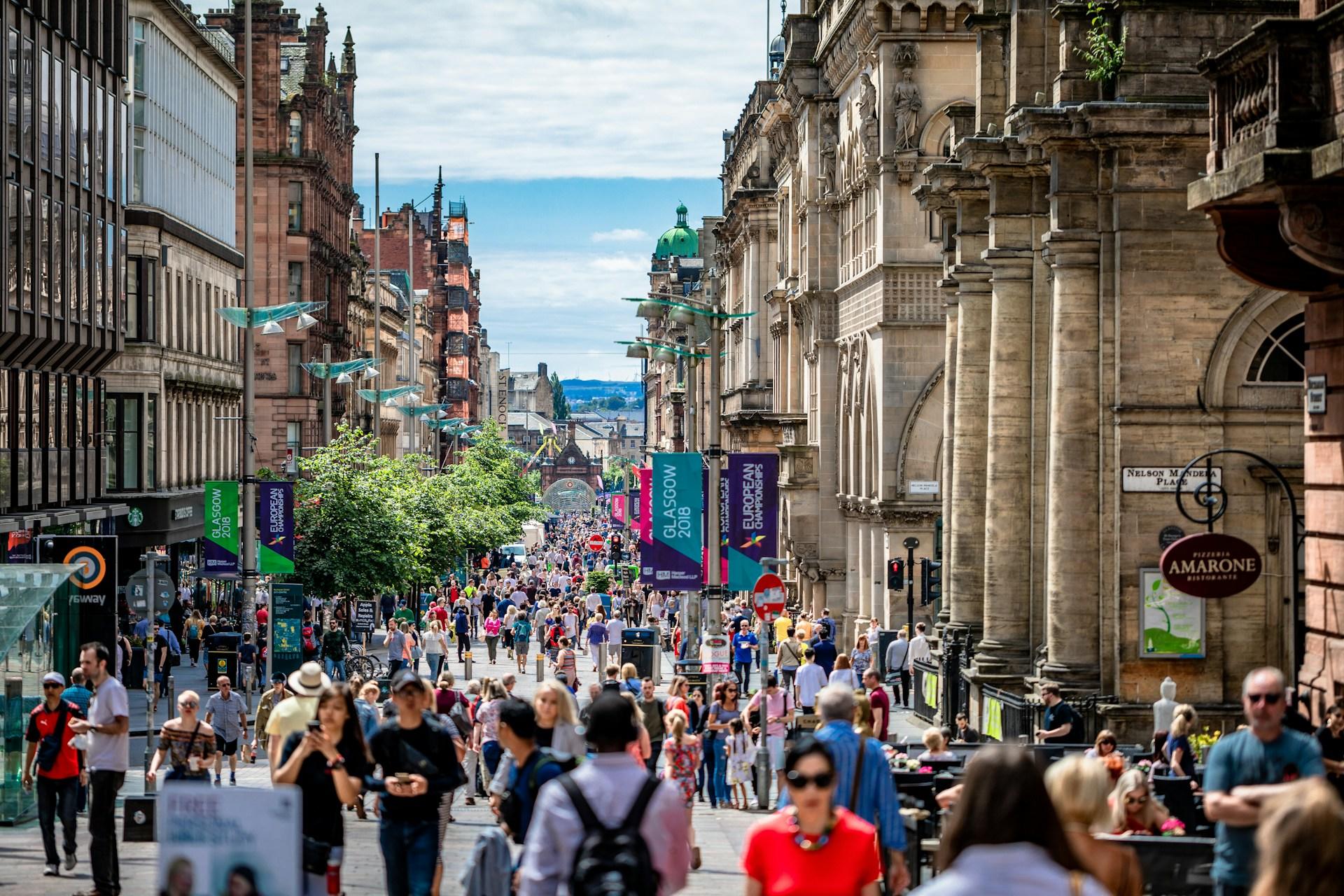

Glasgow, the largest city in Scotland (though not its capital), is known for being football crazy. This vibrant football culture is largely driven by two of the best-supported clubs in Scottish and British football: Rangers and Celtic. These clubs, known collectively as the Old Firm, have a fierce rivalry that dates back over a century. For those comparing football cultures across Britain, working with a personal football trainer can provide focused skill development.
| Club | Team Type | Founded | League/Level | Ground | Best Known For |
|---|---|---|---|---|---|
| Rangers FC | Men's professional | 1872 | Scottish Premiership | Ibrox Stadium | Domestic success and Old Firm rivalry |
| Celtic FC | Men's professional | 1887/1888 | Scottish Premiership | Celtic Park | Lisbon Lions and Old Firm rivalry |
| Partick Thistle FC | Men's professional | 1876 | SPFL | Firhill Stadium | Historic Glasgow league club |
| Queen's Park FC | Men's professional | 1867 | SPFL | Hampden Park / Lesser Hampden context | Scotland's oldest football club |
| Rangers Women | Women's professional | Club women's team | SWPL | Ibrox Stadium / club venues | Growth in women's football |
| Celtic Women | Women's professional | Club women's team | SWPL | Club venues | Top-level women's football |
| Glasgow City FC | Women's professional | 1998 | SWPL | Petershill Park | Independent women's football success |
| Partick Thistle Women | Women's professional | Club women's team | SWPL | Petershill Park | Glasgow SWPL side |
| Pollok FC | Semi-professional/local | 1908 | Local/semi-professional football | Newlandsfield Park | Strong community football presence |


Overview of Glasgow’s Football Landscape
Glasgow has football teams at all levels, from world-famous clubs to local community teams. Rangers and Celtic enjoy the most international attention, but there are also clubs like Partick Thistle, Queen's Park, Glasgow City, Pollok, and many others. Glasgow is a footballing city, and this is evident at every level. Even the rivalries between London's football clubs and those in the North West of England are not usually as fierce and may not be as well attended as these Old Firm games.
Glasgow has four men’s SPFL clubs: Celtic, Rangers, Partick Thistle, and Queen’s Park.⁹ The city’s football scene is much larger when women’s teams, semi-professional clubs, amateur sides, youth teams, and community clubs are included. Scottish Women’s Premier League clubs also give Glasgow a strong presence in the women’s game.¹⁰
men’s SPFL clubs: Celtic, Rangers, Partick Thistle, and Queen’s Park.⁹
Professional Football Clubs
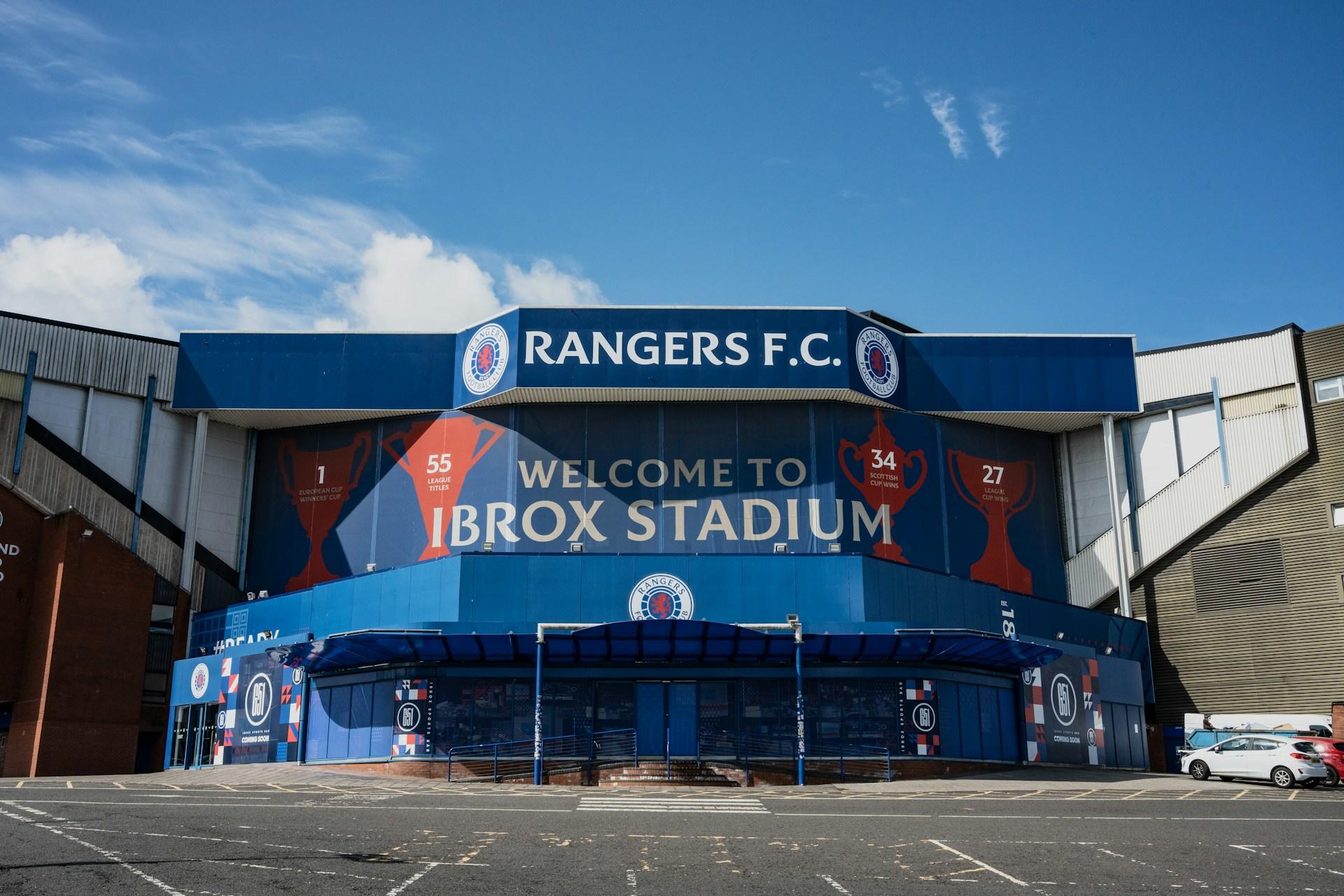
Rangers Football Club, founded in 1872, is one of the oldest football clubs in Scotland. With dozens of Scottish League titles, Scottish Cups, and Scottish League Cups, Rangers are one of the most successful clubs in the world by many people's metrics.⁶ One of the club's most notable periods came under the management of Bill Struth, who led Rangers to numerous league titles and cups.
⚽️ 55 Scottish League Titles
🏆 34 Scottish Cups
🥇 27 Scottish League Cups
Crucially, Rangers play in blue and white, which is a stark difference to rivals Celtic. A bit like clubs in the North West or other football hubs in the UK, fans are keen to show their colours and who they support. As Scottish football continues to develop, aspiring players can also work with a personal football trainer to improve their skills.
Celtic Football Club is another of Glasgow's major professional clubs. Their home ground, Celtic Park, often referred to as Parkhead, is known for its electric atmosphere. 60,000 people pack into the stadium for the big games, and the stadium is iconic for European nights, when it is laden with green and white (the colours of Celtic), though the club does not see as much success as the London or Manchester football clubs.
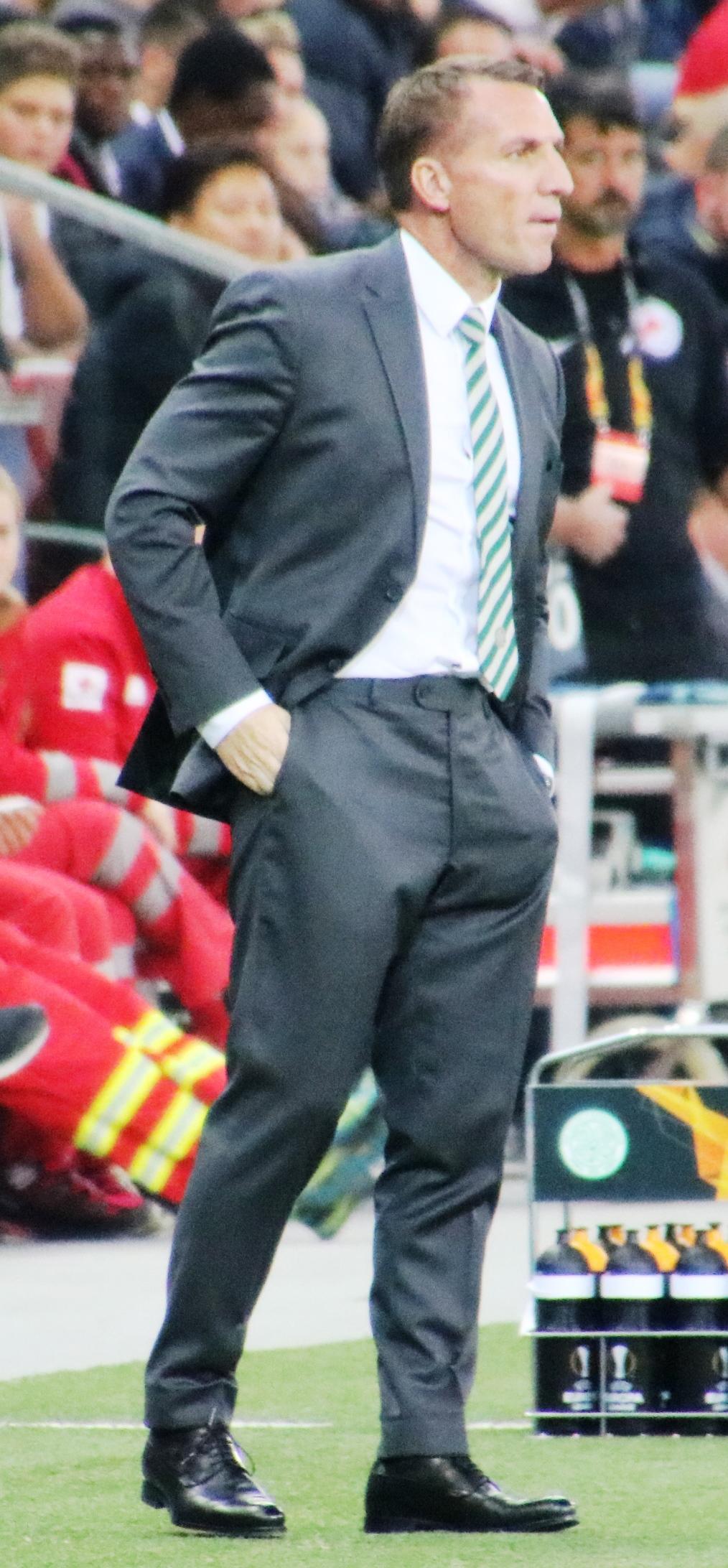
One of Celtic's most significant achievements came in 1967 when they became the first British club to win the European Cup, under the management of Jock Stein. This legendary team, known as the "Lisbon Lions," remains a source of pride for the club and its supporters, and the tales have been passed on through the generations.
It is fair to say that since the turn of the century, Celtic have been the most successful team in the country by a mile.
In the past decade, Celtic has dominated Scottish Premiership football, winning nine consecutive league titles from 2012 to 2020. Under the guidance of managers like Brendan Rodgers and Neil Lennon, Celtic also enjoyed considerable success in domestic cup competitions and made respectable runs in European tournaments.
There are a lot of clubs around the country, of course, and Edinburgh has more football clubs with rich histories and some big rivalries, but the Glasgow Derby is known all over the world, and rivals anything in world football.
Rangers and Celtic dominate much of the attention around Glasgow football, but they are not the city’s only important clubs. Partick Thistle has a long history in Glasgow football.³ Queen’s Park also has an important place in the Scottish football pyramid and the early history of the game.⁵
Women’s Football Teams
Rangers Women have been making significant progress since their formation. Initially playing a more modest role in Scottish women's football, they have seen substantial growth in investment and development, paralleling the men's team’s success. The women's team has been competing in the Scottish Women's Premier League (SWPL), with notable improvements in their performance each season.
The club's focus on youth development and professional training facilities has started to yield results, with Rangers Women now regularly challenging for top honours and having senior international players. The introduction of full-time professional contracts has been a game-changer, allowing the team to attract and retain top talent. This commitment to the women's game reflects a broader trend in Scottish football, where women's teams are gaining increased support and recognition.
Celtic Women have been a key player in the development of women's football in Scotland. The women's team has also participated in the UEFA Women's Champions League, gaining valuable experience and exposure on the European stage. This involvement not only boosts the team's profile but also helps raise the standard of women's football in Scotland. Players in other major football cities can benefit from a personal football trainer when developing their technique and confidence.
Founded in 1998, Glasgow City Women is a dominant women's team in Glasgow, providing competitive opportunities for female footballers. The club quickly grew to dominate the Scottish Women's Premier League (SWPL). The club's success extends beyond national competitions.

Glasgow City Women have regularly competed in the UEFA Women's Champions League, where they've achieved notable success, including reaching the quarter-finals. This international exposure has helped elevate the profile of Scottish women's football. The club wears orange and plays home games at Petershill Park.
Glasgow City is especially important because it is not simply the women's side of one of Glasgow's major men's clubs. Founded in 1998, the club became one of the most recognisable names in Scottish women's football. It helped raise the profile of the women's game in the city.² Its success gives Glasgow football a story that reaches beyond Rangers and Celtic.
Semi-Professional and Amateur Clubs
Glasgow’s football scene also includes semi-professional and amateur clubs outside the city’s best-known professional teams. Pollok FC is one of the most notable examples, with a long history in local football and a strong community presence.
One of the best-known local Glasgow football clubs, Pollok has a long history and a strong community presence.⁴
Amateur clubs give players across Glasgow the chance to keep playing competitively outside the professional game.
Youth football helps young players learn the game, build confidence, and develop links with local clubs.
Community sessions make football more accessible for beginners, casual players, and people returning to the sport.
Coaching gives players a way to improve technique, fitness, positioning, and match confidence.
Historical Significance of Glasgow Football
Glasgow's footballing history is part of the city's sporting story and of football history in Scotland and beyond. The earliest organised clubs, the first recognised men's international match, and one of British football's most famous European achievements are all part of the history. It's not just about trophies; it's helped define the sport's culture. For people across the country, football training near me can make it easier to take part in the game and develop their abilities.
1867
Queen's Park FC is founded
Queen's Park was founded in Glasgow in 1867, making it one of the most important early clubs in Scottish football history.⁵
1872
Rangers FC begins
Rangers Football Club was founded in 1872 and grew into one of Glasgow's best-known and most successful football clubs.⁶
1872
The first recognised men's international match
Scotland and England played the first officially recognised men's international football match in 1872, giving Glasgow a central place in football history.⁷
1876
Partick Thistle is founded
Partick Thistle was founded in 1876 and became one of Glasgow's long-standing professional football clubs.³
1887
Celtic FC is founded
Celtic Football Club was founded in Glasgow in 1887 and became one of the defining clubs in Scottish football.¹
1908
Pollok FC is founded
Pollok FC was founded in 1908 and became one of the best-known local clubs in Glasgow football.⁴
1967
Celtic's Lisbon Lions make history
Celtic became the first British club to win the European Cup in 1967, one of the most famous achievements in Glasgow football history.¹
1998
Glasgow City FC is founded
Glasgow City FC was founded in 1998 and became one of the most important independent women's football clubs in Scotland.²
The Old Firm Rivalry
It is impossible to write a post about this footballing city without discussing rivalries. While some rivalries, like those between Bristol teams, aren’t known to be too fierce, the rivalry between Rangers and Celtic is one of the most intense in world football. Known as the Old Firm, matches between Rangers and Celtic are more than just football games; they are cultural events steeped in history, politics, and religion.

The rivalry extends beyond the men's teams, with the women's matches also drawing significant attention and passion from fans. The Old Firm rivalry reflects deeper social and cultural divisions in Glasgow, particularly between the Protestant and Catholic communities. Unfortunately, there have been incidents at the games, but the sport can also bring people together in Glasgow.
The Old Firm is the name commonly used to refer to the rivalry between Celtic and Rangers. It is one of the best-known football fixtures in the world, shaped by sporting success, geography, identity, and more than a century of competition. The rivalry is intense, but it should be understood as part of Glasgow's wider football culture rather than the whole story of the city.
Pioneering Moments
Queen's Park was founded in Glasgow in 1867 and became one of the most important early clubs in Scottish football history.⁵
Scotland and England played the first officially recognised men's international football match in 1872, giving Glasgow a central place in football history.⁷
Celtic became the first British club to win the European Cup in 1967, creating one of the most famous achievements in Glasgow football history.¹
Hampden Park gives Glasgow a major role in Scottish football as the country's national stadium and a venue for historic matches.⁸
Founded in 1998, Glasgow City became one of Scotland's most important independent women's football clubs.²
Football Venues in Glasgow
Glasgow's stadiums are the physical representation of the city's teams. There are famous venues as well as locations for community and youth teams. Stadiums like Ibrox, Celtic Park, Hampden Park, Firhill, Petershill Park, and Newlandsfield Park are monuments to the teams that play there.
Major Stadiums
Rangers' home, Ibrox Stadium, has been a fortress where many memorable matches have taken place. Ibrox is also the name of a suburb of Glasgow, south of the River Clyde, where the club is based. More than 50,000 people can flock to the stadium to watch their beloved club.
Celtic’s home ground, Celtic Park, often referred to as Parkhead, is known for its electric atmosphere. Around 60,000 people can pack into the stadium for the big games, and Celtic Park is iconic for European nights when it is laden with green and white, the colours of Celtic.
Other Notable Grounds
Other notable football grounds in Glasgow include Hampden Park, Firhill Stadium, Petershill Park, and Newlandsfield Park. Hampden Park is Scotland’s national football stadium and has hosted some of the biggest matches in the Scottish game.⁸ Firhill is the home of Partick Thistle, though the stadium has other uses too.³ Petershill Park and Newlandsfield Park offer women’s and local football places to play in the city.
Hampden Park gives Glasgow a role that goes beyond club football. As Scotland’s national football stadium, it has hosted major finals, international matches, and historic moments in the Scottish game.⁸ Its connection to Queen’s Park and the national team makes it one of the most important venues in Glasgow football history.
and is Scotland’s national football stadium.⁸
The Role of Football in Glasgow’s Culture
Football is part of the city’s sporting culture. Glasgow’s football teams give supporters a sense of identity, local pride, and shared history. These deep roots have not always translated into a positive impact, but football’s influence on the city is undeniable. The growth of women’s football, youth football, amateur teams, and coaching shows how the game reaches beyond professional men’s clubs. When football has such a significant place in a city, it opens doors for more people to play and participate.
Community Engagement
Glasgow’s best-known clubs, Rangers and Celtic, represent more than just sports teams; they are cultural figures in the city, with rich histories and passionate fanbases. Their women's teams, now gaining prominence, highlight the growing importance of women's football in Scotland, and Glasgow City is an independent women’s team that has grown a lot in recent years.
Which Glasgow football experience would you most like to try?
Economic Impact
Football has an impact on Glasgow beyond the pitch. Matchdays bring supporters into different parts of the city. At the same time, major fixtures and stadium events support local hospitality, transport, tourism, and employment.
Key Takeaways
- Glasgow has four men’s SPFL clubs: Celtic, Rangers, Partick Thistle, and Queen’s Park.
- Rangers and Celtic dominate global attention, but Glasgow football clubs also include women’s teams, semi-professional clubs, amateur sides, and youth teams.
- Queen’s Park, Rangers, Celtic, Partick Thistle, Pollok, and Glasgow City all help explain the city’s wider football history.
- The Old Firm rivalry is central to Glasgow football, but it is not the whole story of the city’s football culture.
- Glasgow’s major football venues include Ibrox, Celtic Park, Hampden Park, Firhill, Petershill Park, and Newlandsfield Park.
Learn About Football In Glasgow With Superprof
Those best-known clubs, Rangers and Celtic, represent more than just sports teams – they are cultural figures in the city, with rich histories and passionate fanbases. Their women's teams, now gaining prominence, highlight the growing importance of women's football in Scotland, and Glasgow City is an independent women’s team that has grown significantly in recent years. If you’re looking to learn more about football in Birmingham, Superprof can help. Maybe your wish is to become a professional, or just to boost your performance in local, amateur football. There are many options for Glasgow football fans to learn more about the sport. Get started at a time to suit you today. Start your search for a football coach or tutor right here on Superprof.
References
- Celtic Football Club. “Celtic Football Club 1880 to 1889.” Celtic FC, https://www.celticfc.com/history/history-timeline/1880-to-1889/. Accessed 2 Jul. 2026.
- Glasgow City Football Club. “Our Story.” Glasgow City FC, https://glasgowcityfc.co.uk/pages/our-story. Accessed 2 Jul. 2026.
- Partick Thistle Football Club. “History.” Partick Thistle FC, https://ptfc.co.uk/club/about-us/history/. Accessed 2 Jul. 2026.
- Pollok Football Club. “History.” Pollok FC, https://www.pollokfc.com/history/. Accessed 2 Jul. 2026.
- Queen’s Park Football Club. “History.” Queen’s Park FC, https://queensparkfc.co.uk/history/. Accessed 2 Jul. 2026.
- Rangers Football Club. “150 Years of Rangers Football Club.” Rangers FC, https://www.rangers.co.uk/article/150-years-of-rangers-football-club/15xSSVGyaVsdkLMEXxk8rb. Accessed 2 Jul. 2026.
- Scottish Football Association. “The First Men’s International.” 150 Years of Scottish Football, https://150.scottishfa.co.uk/classic-moments/scotland-internationals/the-first-mens-international-1872/. Accessed 2 Jul. 2026.
- Scottish Football Association. “The History of Hampden Park.” Scottish FA, https://www.scottishfa.co.uk/en/stadium-history. Accessed 2 Jul. 2026.
- Scottish Professional Football League. “SPFL Football Clubs.” SPFL, https://spfl.co.uk/clubs. Accessed 2 Jul. 2026.
- Scottish Women’s Premier League. “Clubs.” SWPL, https://swpl.uk/clubs/. Accessed 2 Jul. 2026.
Summarise with AI:
Did you like this article? Leave a rating!

 Loading...
