


Bristol is one of those cities with two main clubs. In most cases, fans are either Bristol City or Bristol Rovers. Though elite silverware is not common in Bristol, the city remains a proud footballing place where the game is at the heart of the community. Tens of thousands of supporters follow the red and blue sides of the city, while women’s, non-league, and grassroots clubs help make Bristol football much bigger than just two professional teams. Players inspired by Bristol’s football culture can also work with a personal football trainer to develop their skills through focused practice.
| Club | Founded | League / Level | Home Ground | Notes |
|---|---|---|---|---|
| Bristol City F.C. | 1894 | EFL Championship | Ashton Gate Stadium | Largest club in Bristol by attendance; nicknamed 'The Robins'. |
| Bristol Rovers F.C. | 1883 | EFL League One | Memorial Stadium | Known as 'The Pirates' or 'The Gas'; long-standing rivals of Bristol City. |
| Bristol City W.F.C. | 1998 | Women's league system | Stoke Gifford Stadium | Originally linked to Bristol Rovers before becoming part of Bristol City. |
| Bristol Rovers Women | 2019 | Regional women's leagues | Lockleaze Sports Centre | Also known as the 'Gas Girls'; affiliated with Bristol Rovers. |
| Bristol Aztecs | 2010 | BAFA National Leagues | SGS College | American football team representing Bristol. |
| Bristol Manor Farm F.C. | 1960 | Southern League Division One | The Creek | One of Bristol’s most notable semi-professional clubs. |
| Clifton AFC | 1872 | Amateur / historic club | Various | One of the oldest football clubs in the Bristol area. |


Professional Football Clubs in Bristol
Bristol is home to two major professional football clubs. These teams play in the English football pyramid. Bristol City and Bristol Rovers share one of the most famous sporting rivalries in the region.
Bristol City FC.
Bristol City FC.
EFL Championship
Ashton Gate
The Robins
Bristol City Football Club was founded in 1894 and plays its home matches at Ashton Gate Stadium. Known as "The Robins" because of their red kit and crest, the club regularly attracts crowds of over 20,000 supporters and competes in the EFL Championship, the second tier of English football.
Bristol City are known for their iconic red kit, which has contributed to the nickname “The Robins,” as a robin also appears on their club crest. Ashton Gate is Bristol City’s home ground and one of the city’s main football venues, although the club previously played at St John’s Lane.¹ The club has a long football history, including early success in the Football League, an FA Cup final appearance, and a modern identity built around Championship football.⁴
people flock to the Bristol City Stadium on matchday
The club was founded in 1894, when it competed in the Southern League and Western League before eventually joining the Football League in 1901.⁴ Throughout the early 1900s, Bristol City had ups and downs, including a loss in the 1909 FA Cup final. They were relegated to the Third Division South in the 1920s, and wouldn’t return to the top flight until the 1970s. In more recent history, Bristol City have been up and down throughout the football leagues, with some of their most recent wins being:
- They won the Football League Trophy in 2003, a competition that doesn’t include teams from the top two flights of English football
- They were promoted from League One in 2006-07 and again in 2014-15 after dropping out of the Championship.
1894
Bristol City Founded
The club was established and began competing in the Southern and Western leagues.
1906
Second Division Champions
Bristol City won the Football League Second Division and reached the top tier of English football.
1909
FA Cup Final Appearance
The club reached the FA Cup Final for the first time in its history.
2007
Promotion to the Championship
Bristol City secured promotion back to the second tier of English football.
2015
Championship Return
The Robins returned to the Championship after winning promotion from League One.
Currently, Bristol City are one of the longest-serving teams in the Championship, having been there for almost a decade. Many teams have been promoted and relegated in this time, but Bristol City have been something of a mainstay in the league. Bristol City don’t have many honours to their name, but they do have the Second Division title from 1905–06, as well as some other minor trophies.⁴ There aren’t as many trophies as we would see in some locations, such as London or even Birmingham's football clubs, but Bristol City's trophy cabinet certainly isn't empty.
People know all about the relationship between Bristol City and Bristol Rovers. These two Bristol football teams have a rivalry, and their matches are often fiercely contested. However, Bristol City also consider Cardiff City as rivals, and they contest the cross-border Severnside derby. For players who want to improve beyond the excitement of local rivalries, a personal football trainer can provide tailored guidance and structured training.
Bristol Rovers FC.
Bristol Rovers FC.
Sky Bet League Two
Memorial Stadium
The Pirates / The Gas
Bristol Rovers may not be a high-flying Premier League club like the Manchester football teams, but they are an immensely historic club, and it is worth delving into their history for those interested in football or even just Bristol's history.
Bristol Rovers Football Club are competing in Sky Bet League Two for the 2026/27 season, placing them below Bristol City in the English football pyramid.⁶ The club's nickname is "The Pirates" because the city has a piratical history. In the modern age, people commonly call the club "The Gas" because, when they played at Eastville Stadium, there was a gasworks next door. Now, they play at the Memorial Stadium.⁷
Bristol Rovers Football Club was founded in 1883 and plays at the Memorial Stadium in Bristol. Known as "The Pirates" and commonly called "The Gas," the club are competing in Sky Bet League Two for the 2026/27 season.⁶
Football clubs have some interesting names. British football clubs are famous for it, and London clubs, for instance, need to differentiate themselves. One of the most unusual names was Bristol Rovers' original name, the Black Arabs.
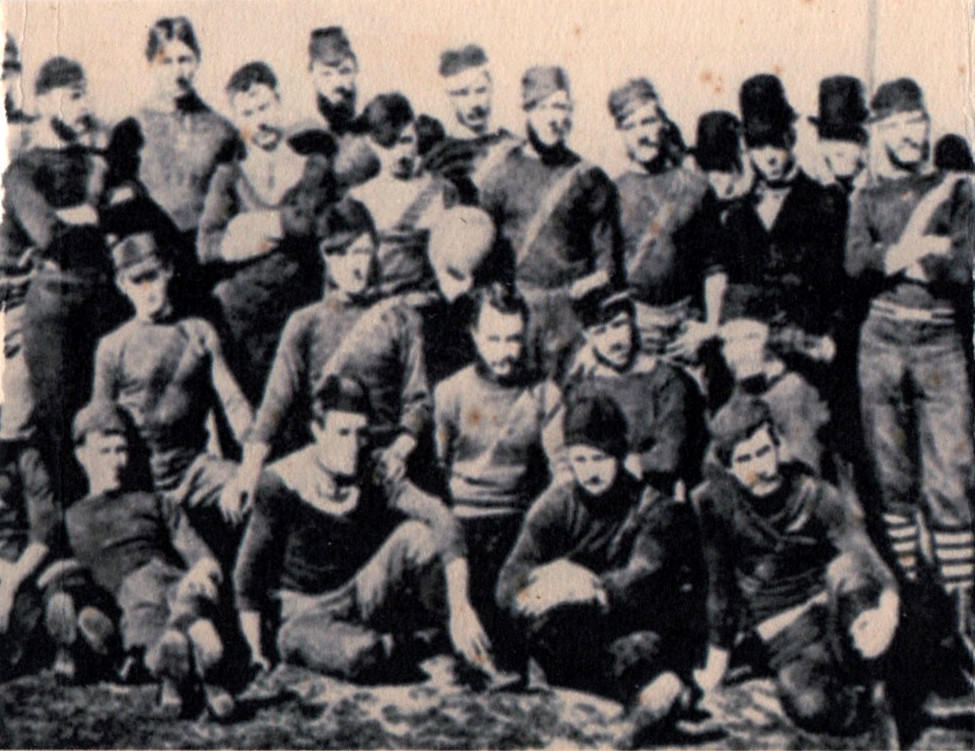
In September 1883, five young men founded the club and named it after the black shirts worn by players at a rugby club known as the Arabs in the area.⁷ The Black Arabs were born, quickly getting a nickname of 'The Purdown Poachers’. Those interested in the wider development of the sport can benefit from working with a personal football trainer to build their technical ability.
1883
Club Founded as Black Arabs
Five young men established the club in Bristol, naming it after the black shirts worn by a local rugby team known as the Arabs.
1884
Renamed Eastville Rovers
The club adopted the name Eastville Rovers shortly after its formation.
1897
Became Bristol Rovers
The club adopted the name Bristol Rovers when it moved toward professionalism.
1953
Third Division Champions
Rovers won the Third Division title during the 1952–53 season.
1990
Third Division Title
The club secured another Third Division championship in the 1989–90 season.
The club changed its name again, becoming Eastville Rovers in 1884-85, but when they eventually went professional, they took the name Bristol Rovers. They’ve been Bristol Rovers for over 130 years now! Rovers do have some honours, though, especially at lower levels. They won the third division in 1952–53, and again in 1989–90. Like some Scottish and Welsh clubs, they also compete in more regional locations. They have won the Gloucestershire Cup on so many occasions!
Women’s Football in Bristol
As in many football hubs in the UK, women's football has grown significantly in the past few decades. Both of the city's professional clubs now support women's teams. They play in organised leagues and competitions, helping promote the development of women's football and providing opportunities for players.
Bristol City W.F.C.
Bristol City W.F.C.
WSL2
Bristol City setup
The Robins
Like so many other teams now, Bristol City has an affiliated women’s team. This team has been on an unusual journey, though. The team was founded in 1998 as the result of a merger between a Bristol Rovers girls team and the Welsh side Calbe-Tel. The Welsh team had a senior squad, which gave women a pathway into adult football after playing for Bristol Rovers’ youth team.
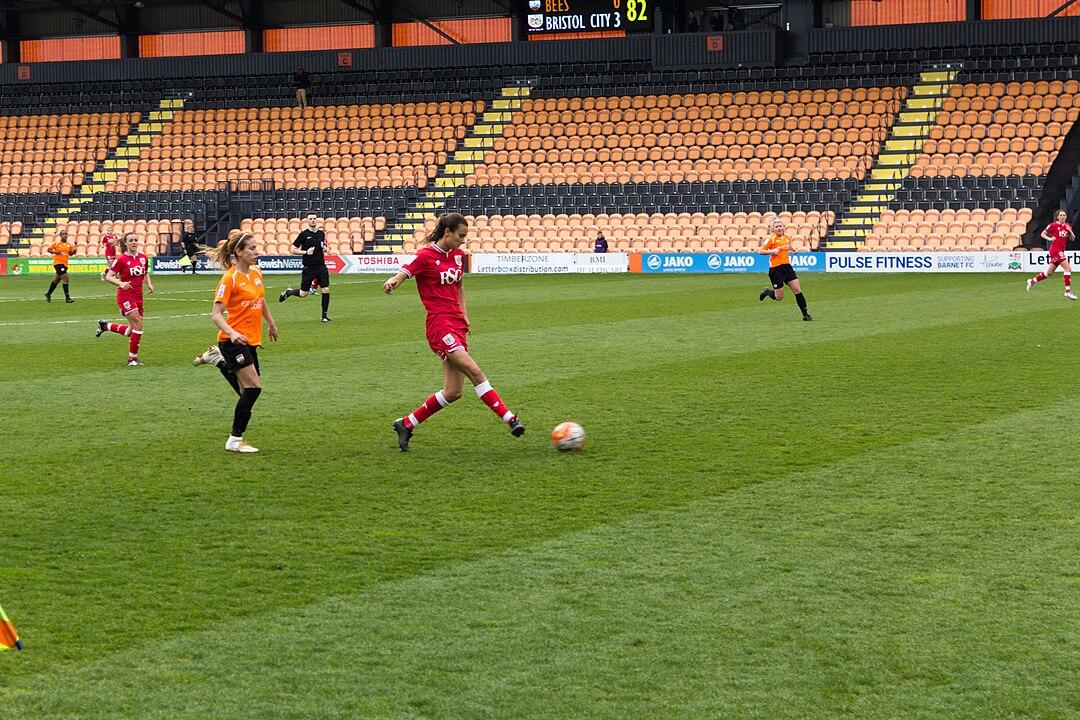
Bristol City jumped between grounds in the early years. They’ve played at grounds including: As women’s football continues to grow, a personal football trainer can help aspiring players improve their fitness, technique and confidence.
- Lodge Road (home of Yate Town)
- Cossham Street (Mangotsfield United)
- The Memorial Stadium (Bristol Rovers)
- Fry's Sports Ground in Keynsham
- The Hand Stadium (Clevedon Town)
Eventually, they would have their own home ground built at Stoke Gifford Stadium on the grounds of South Gloucestershire and Stroud College. In 2013, amid some financial issues, the team (then known as Bristol Rovers W.F.C.) signed a sponsorship deal with Bristol City FC and changed their kit to the iconic red. It was three years later that they changed their name to Bristol City Women's Football Club.
Bristol Rovers Women
Bristol Rovers Women
FA WNL Division One South West
Bristol Rovers setup
The Gas Girls
Bristol Rovers Women, also known as the Gas Girls, are another part of the Bristol Rovers Football Club family. The story is unusual, as the team formerly known as Bristol Rovers became Bristol City Women. Fourteen years after Bristol Rovers Women became Bristol City Women, a new team was launched. Initially, they played in the Gloucestershire County Women's Football League. They haven't been able to play against some of the bigger teams from London or elsewhere just yet. The team plays its home matches at Lockleaze Sports Centre.
The Gas Girls' kit proudly features the traditional blue-and-white quarters, mirroring the iconic design worn by the men's team. Even if the club is not huge, the blue-and-white quarters are instantly recognisable.
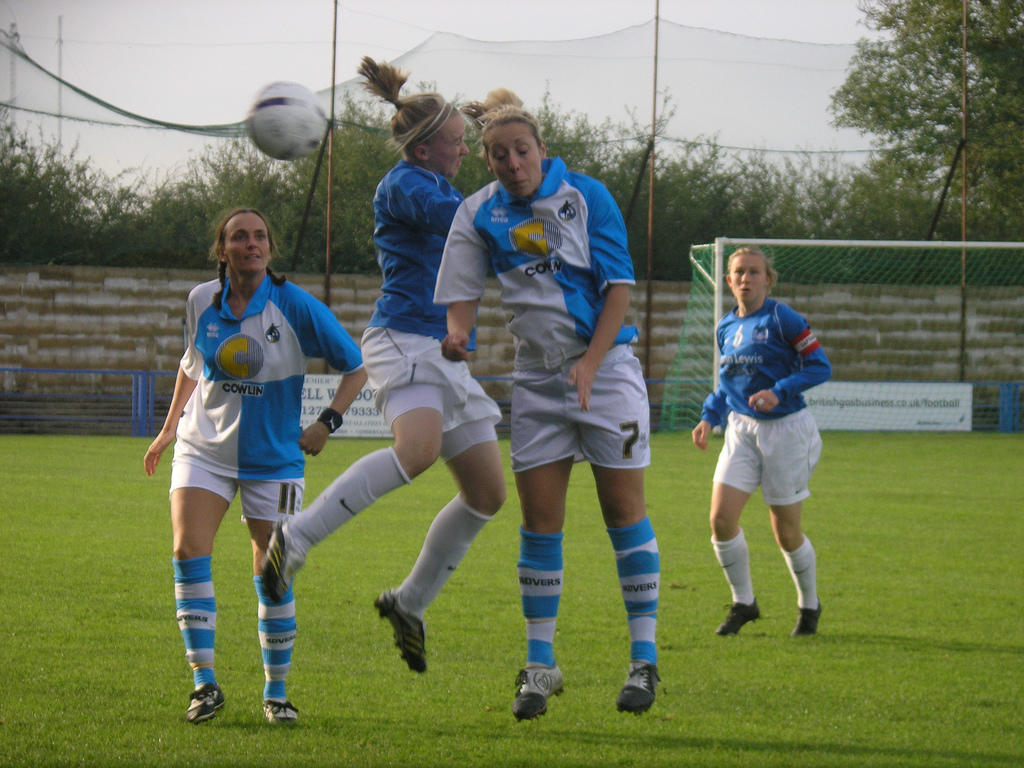
In terms of honours, Bristol Rovers Women have achieved notable success since their reformation. Players joining these local teams can also work with a personal football trainer for individual support alongside their club training.
The team won the Gloucestershire County Women's League in the 2019-2020 season. In 2023/24, they finished top of the South West Regional League.
The club have worked on community issues and won the 'Best Community Football Development Initiative Award' at the 2020 FA Women's & Girls Football Awards. The women’s club explains its four key values (Community, Education, Participation & Performance). The club has also had a community partnership with Bristol Pride and created a special shirt in conjunction with the organisation.
Non-League and Amateur Football in Bristol
While Bristol City and Bristol Rovers are the city's famous professional teams, there are also non-league and amateur football clubs. These clubs provide opportunities for players of all ages and levels to participate in football. From grassroots football to community clubs, Bristol's tradition of local, accessible football is alive and well.
Bristol Manor Farm FC
Bristol Manor Farm FC.
Southern League Division One South
The Creek⁵
The Farm / The Portwaymen
Brislington FC
Brislington FC.
Non-league football
Ironmould Lane²
The Foxes
Port of Bristol F.C.
Port of Bristol F.C.
Youth and community football
Port of Bristol Sports and Community Hub
Purple Army
| Club | Category | Current Level | Home Ground | Identity |
|---|---|---|---|---|
| Bristol City F.C. | Professional men’s club | EFL Championship | Ashton Gate | The Robins |
| Bristol Rovers F.C. | Professional men’s club | Sky Bet League Two | Memorial Stadium | The Pirates / The Gas |
| Bristol City W.F.C. | Women’s football club | WSL2 | Bristol City setup | The Robins |
| Bristol Rovers Women | Women’s football club | FA WNL Division One South West | Bristol Rovers setup | The Gas Girls |
| Bristol Manor Farm F.C. | Non-league club | Southern League Division One South | The Creek | The Farm / The Portwaymen |
| Brislington F.C. | Non-league club | Non-league football | Ironmould Lane | South-east Bristol club |
| Port of Bristol F.C. | Community football | Youth and grassroots football | Port of Bristol Sports and Community Hub | Purple Army |
Football Culture in Bristol
Bristol has a huge football heritage. Clubs across the UK, from Edinburgh's football scene to the South Coast, instantly recognise Bristol's clubs. The city sits close to Wales and even shares derby rivalries with Welsh clubs.
1883
Bristol Rovers trace their origins back to 1883, making them one of the oldest football teams in Bristol.⁷
1894
Bristol City's roots go back to Bristol South End, which was formed in 1894.⁴
1900
Bristol City took shape as a major club when Bristol City and Bedminster joined forces at the start of the 20th century.⁴
1907
Bristol City finished second in the First Division, one of the club's highest league achievements.⁴
1909
Bristol City reached the FA Cup final, adding another major moment to the club's early football history.⁴
1996
Bristol Rovers returned to Bristol and began playing at the Memorial Stadium, which became central to the club's modern identity.⁷
2026/27
Bristol City are competing in the EFL Championship for the 2026/27 season.³
2026/27
Bristol Rovers are competing in Sky Bet League Two for the 2026/27 season.⁶
2026/27
Bristol City W.F.C. are listed by WSL Football as a WSL2 club.¹⁰
2026/27
Bristol Rovers Women are listed for FA Women's National League Division One South West.⁸
Rivalries and Derbies
People know all about the relationship between Bristol City and Bristol Rovers. These two Bristol football teams have a rivalry, and their matches are often fiercely contested. However, Bristol City also consider Cardiff City as rivals, and they contest the cross-border Severnside derby. North of the border in Scotland, Glasgow Celtic and Rangers are hugely decorated clubs (not something that Bristol Rovers can boast complete with a fiercely unmatched rivalry. If you’re playing in Scotland yourself, you might look for a personal football trainer to help sharpen your match fitness and technique.
- Bristol City vs Bristol Rovers: The Bristol Derby is the city’s defining football rivalry.
- Red vs Blue: City’s red identity and Rovers’ blue identity give the rivalry a clear visual split.
- Ashton Gate vs Memorial Stadium: The derby is also tied to two different football homes in Bristol.
- Bristol City vs Cardiff City: City also have a notable cross-border rivalry with Cardiff.
- Local pride: Bristol rivalries are shaped by geography, history, family loyalty, and matchday atmosphere.
Fan Engagement and Community Involvement
Bristol may sometimes be overlooked in the wider football conversation, but the city has plenty of ways for supporters and players to get involved. Non-league clubs, women’s teams, youth football, and community programmes all help keep the game active beyond the professional matchday. For readers who want to move from watching football to playing it, Bristol’s football scene offers routes into casual games, organised teams, and coaching.
- Matchday support: Fans help give Ashton Gate, the Memorial Stadium, and local grounds their identity.
- Supporter groups: Club communities keep traditions, chants, colours, and local pride alive.
- Youth football: Community clubs give young players a route into organised football.⁹
- Women’s football: Bristol City W.F.C. and Bristol Rovers Women add important pathways for female players.⁸
- Grassroots culture: Non-league and community teams help make football part of everyday life in Bristol.
Key Takeaways
- Bristol's two major professional football teams are Bristol City FC and Bristol Rovers FC.
- Bristol City are competing in the EFL Championship for the 2026/27 season, while Bristol Rovers are competing in Sky Bet League Two.
- Bristol City W.F.C. are listed in WSL2, and Bristol Rovers Women are listed in FA Women’s National League Division One South West.
- Bristol football also includes non-league, youth, grassroots, and community clubs such as Bristol Manor Farm, Brislington FC, and Port of Bristol F.C.
- Bristol City vs Bristol Rovers is the city’s defining football rivalry and a key part of local football culture.
References
- Ashton Gate Stadium. “About Us.” Ashton Gate Stadium, https://www.ashtongatestadium.co.uk/about-us/. Accessed 2 Jul. 2026.
- Brislington Football Club. “Stadium.” Brislington FC, https://www.brislingtonfc.net/brislingtonstadium. Accessed 2 Jul. 2026.
- Bristol City Football Club. “2026/27 Championship Fixtures.” Bristol City FC, 25 June 2026, https://www.bcfc.co.uk/city-men-news/2026-27-championship-fixtures-announced/. Accessed 2 Jul. 2026.
- Bristol City Football Club. “Men’s History.” Bristol City FC, https://www.bcfc.co.uk/club-history/. Accessed 2 Jul. 2026.
- Bristol Manor Farm Football Club. “First Team.” Bristol Manor Farm FC, https://bristolmanorfarm.com/first-team/. Accessed 2 Jul. 2026.
- Bristol Rovers Football Club. “2026/27 Sky Bet League Two Fixtures Revealed!” Bristol Rovers FC, 25 June 2026, https://www.bristolrovers.co.uk/news/202627-sky-bet-league-two-fixtures-revealed. Accessed 2 Jul. 2026.
- Bristol Rovers Football Club. “History.” Bristol Rovers FC, https://www.bristolrovers.co.uk/club/history. Accessed 2 Jul. 2026.
- Bristol Rovers Football Club. “Women’s Opponents for 26/27 Confirmed.” Bristol Rovers FC, 3 June 2026, https://www.bristolrovers.co.uk/news/womens-opponents-2627-confirmed. Accessed 2 Jul. 2026.
- Port of Bristol Sports and Community Hub. “Football.” Port of Bristol Sports and Community Hub, 26 Mar. 2023, https://portofbristolhub.co.uk/football/. Accessed 2 Jul. 2026.
- WSL Football. “Bristol City.” WSL Football, https://www.wslfootball.com/clubs/wsl2/bristol-city. Accessed 2 Jul. 2026.
Summarise with AI:
Did you like this article? Leave a rating!

 Loading...
