
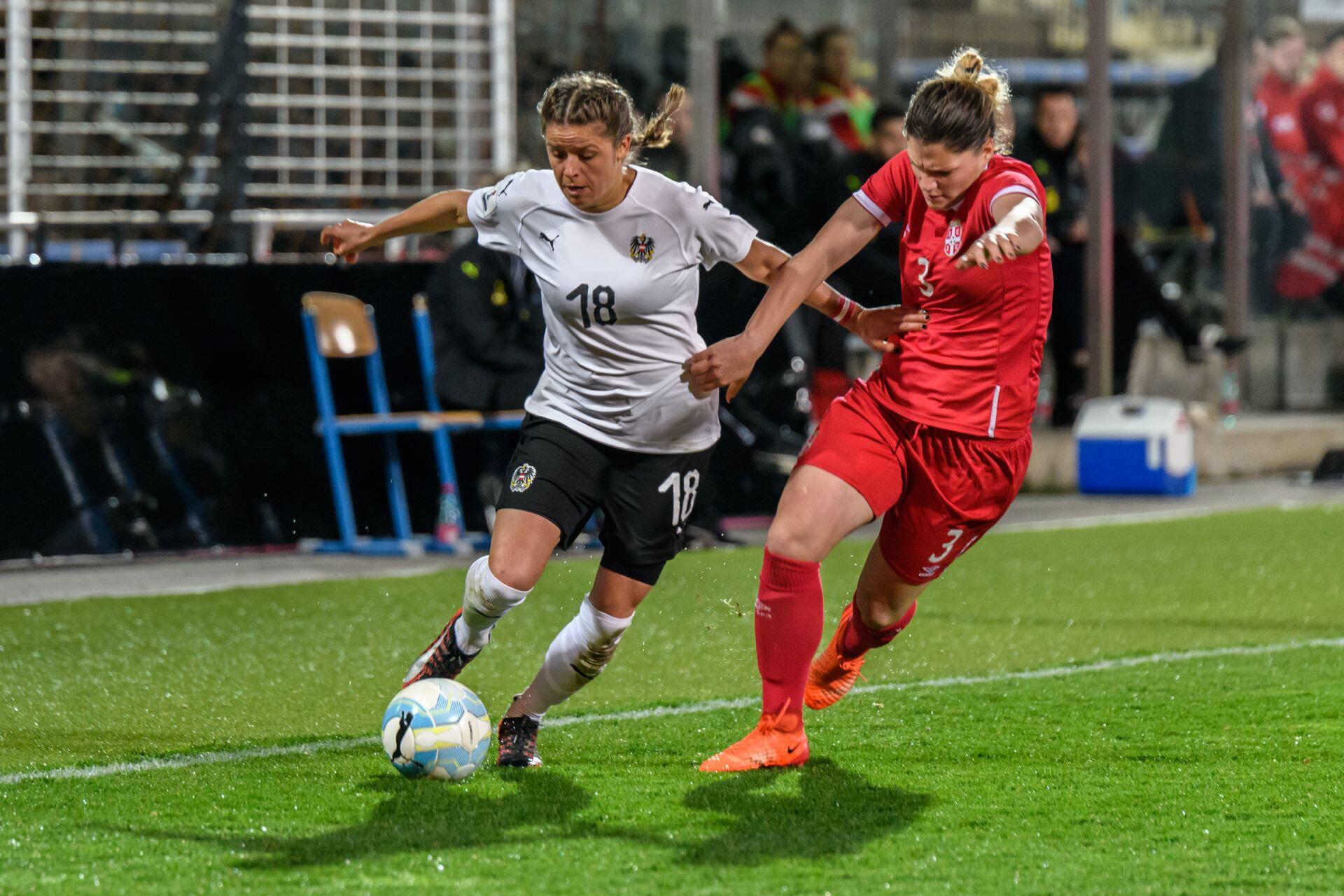

The FIFA Women's World Cup is the biggest women's football tournament. It brings together teams from every continent and is a showcase of the best football. With the next tournament taking place in Brazil in 2027, it's time you started getting ready for it.
Key Takeaways
- The FIFA Women’s World Cup began in 1991, when the United States won the inaugural tournament in China.³
- The competition takes place every four years and features the best national teams in women’s football.
- The tournament expanded to 32 teams starting with the 2023 edition, reflecting the sport's global growth.⁷
- The United States women’s national football team holds the record for the most titles with four victories.⁴
- The next FIFA Women’s World Cup will be hosted in Brazil from 24 June to 25 July 2027.¹


History of the FIFA Women's World Cup
The FIFA Women's World Cup was first held in 1991, decades after the first Men's World Cup. Since then, the tournament has been held every four years and increased in scale, visibility, and competitiveness as more nations have invested in women's football programmes.⁷ The next tournament will take place in Brazil in 2027, marking the first time the FIFA Women’s World Cup will be hosted in South America.¹
The FIFA Women's World Cup is the most prestigious international tournament in women's football. Organised by FIFA, it takes place every four years and brings together the world's best national teams. The competition began in 1991 with 12 teams and has expanded over time, reaching 32 teams starting with the 2023 edition. The tournament showcases the highest level of women's football and continues to grow in popularity globally.
Inception and Early Years
Notable Milestones
| Year | Host nation | Winner | Runner-up | Final score |
|---|---|---|---|---|
| 1991 | China PR | United States | Norway | 2-1 |
| 1995 | Sweden | Norway | Germany | 2-0 |
| 1999 | United States | United States | China PR | 0-0 (5-4 pens) |
| 2003 | United States | Germany | Sweden | 2-1 (AET) |
| 2007 | China PR | Germany | Brazil | 2-0 |
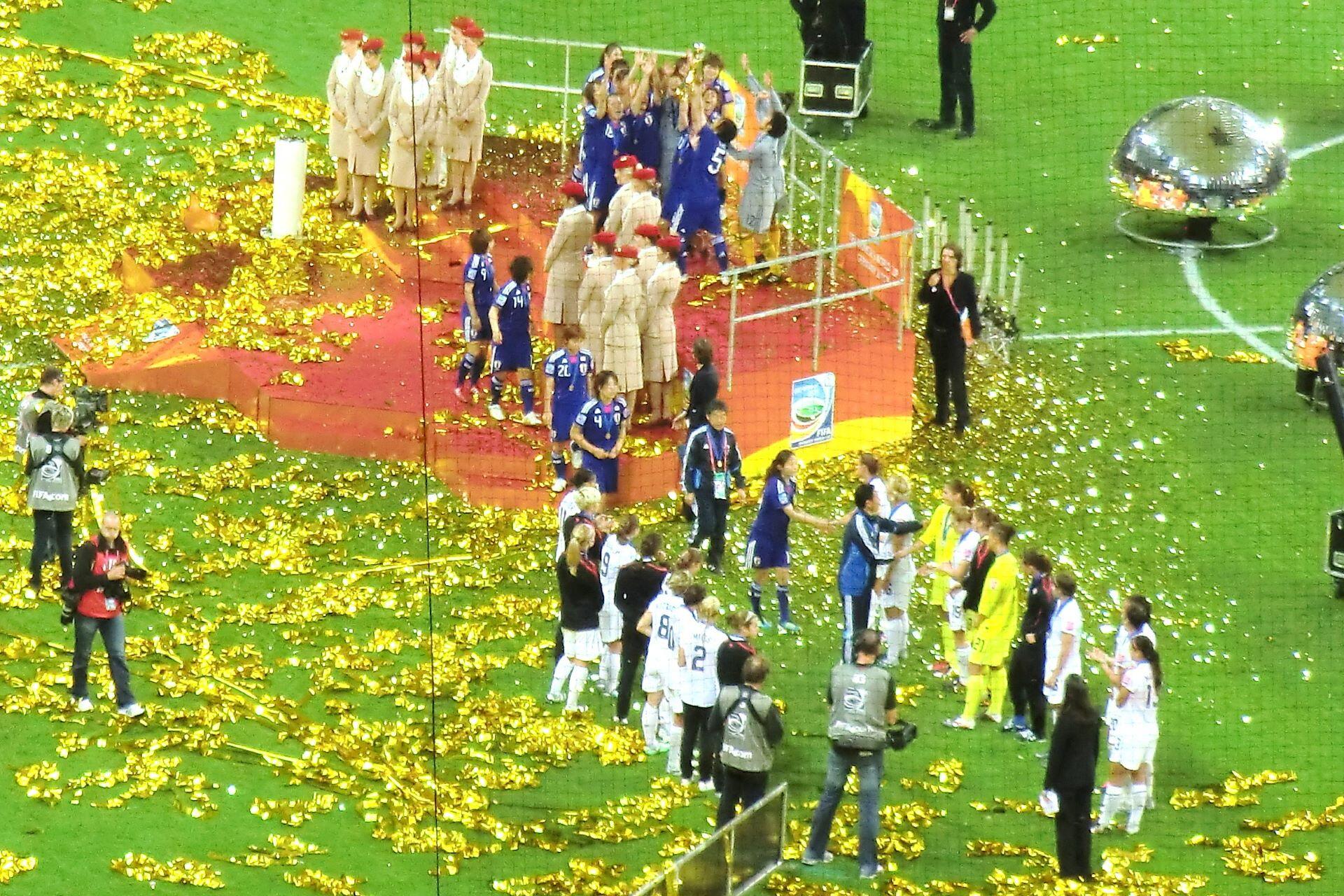
| 2011 | Germany | Japan | United States | 2-2 (3-1 pens) |
| 2015 | Canada | United States | Japan | 5-2 |
| 2019 | France | United States | Netherlands | 2-0 |
| 2023 | Australia & New Zealand | Spain | England | 1-0 |
Participating Teams and Qualification Process
The FIFA Women's World Cup features teams from every continent. It is one of the most representative tournaments in international football. The teams have to qualify through regional competitions through their respective confederations. The expansion of the competition has allowed more countries to compete on the world stage and, as a result, strengthened women's football globally.⁷
Qualification Process
Notable Teams, Players and Performances
Tournament Structure and Schedule
The FIFA Women's World Cup has evolved as the tournament has expanded. Early editions were smaller, but the modern format has 32 teams competing in a group stage followed by knockout rounds to determine the world champion.⁷ The upcoming 2027 FIFA Women’s World Cup in Brazil will follow this expanded structure, with matches scheduled between 24 June and 25 July 2027.¹
Format of the Competition
| Stage | Description | Teams | Matches in stage |
|---|---|---|---|
| Tournament | Total teams in the finals | 32 | |
| Group stage | Eight groups of four teams; top two in each group advance | 32 | 48 |
| Round of 16 | 16 teams play single-elimination ties | 16 | 8 |
| Quarter-finals | Eight teams remain | 8 | 4 |
| Semi-finals | Four teams remain | 4 | 2 |
| Third-place play-off | Losing semi-finalists play once | 2 | 1 |
| Final | Semi-final winners play for the title | 2 | 1 |
| Tournament total | The modern 32-team format contains 64 matches | 64 | |
| 2027 dates | Brazil 2027 will run from 24 June to 25 July 2027 |
Schedule and Key Dates
Venues and Host Countries
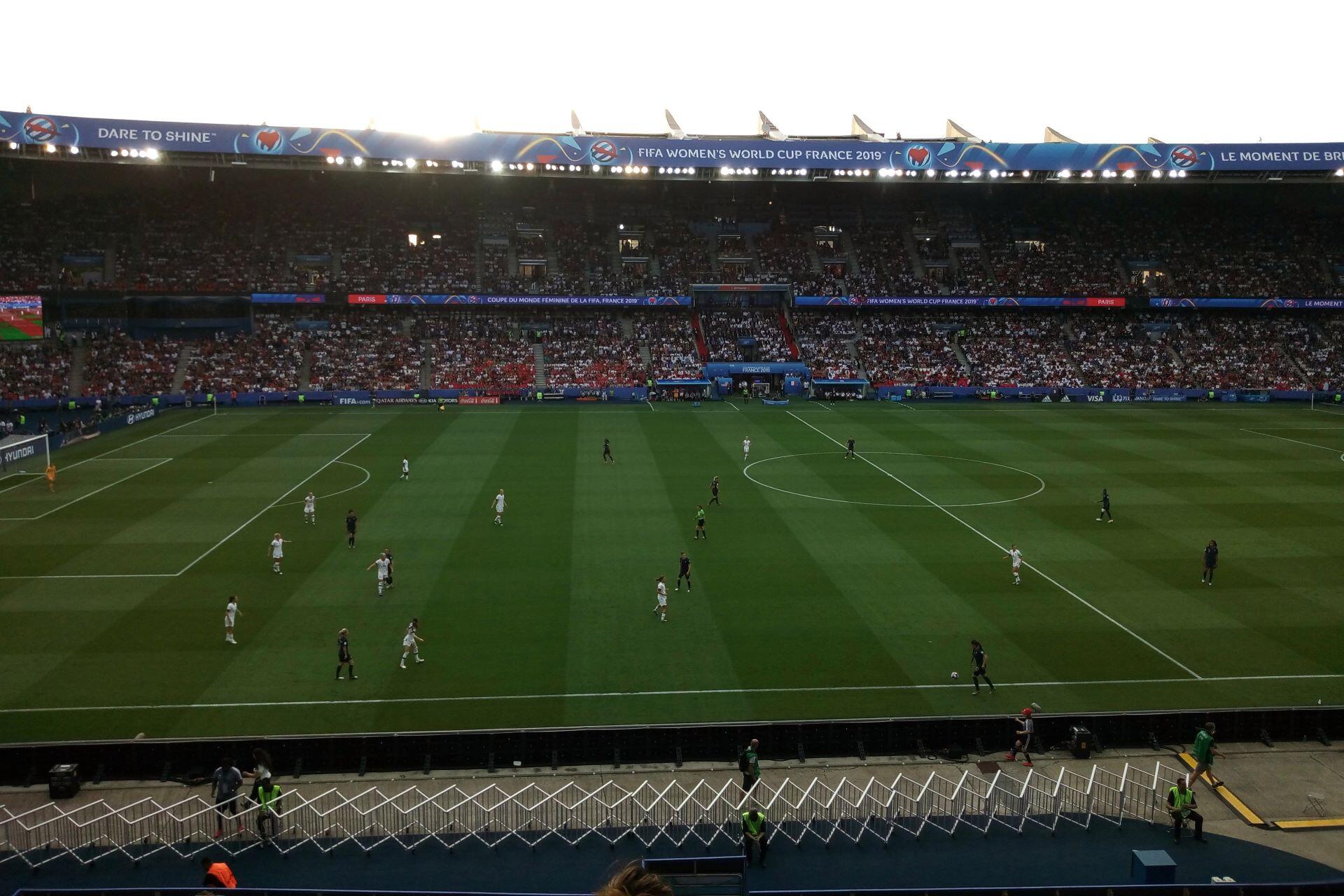
The FIFA Women's World Cup has been hosted by countries in Asia, Europe, North America, and Oceania. The next tournament will finally head to Brazil in 2027, making it the first FIFA Women’s World Cup hosted in South America.¹ Throughout its history, the tournament has headed to some excellent locations and stadia.
Host Country Selection
Notable Venues
Records and Statistics
In its relatively short history compared to the history of the men's World Cup, the FIFA Women's World Cup has produced plenty of great moments. From the domination of teams like the United States to individual goal-scoring feats of Marta, every tournament promises great moments.⁴ Don't be surprised if 2027 is the same. For families inspired by the tournament, it can also be a great time to look for kids football training near me to help young players build their skills.
Team Records
| Record | Player/Team | Statistic |
|---|---|---|
| Most titles | United States | 4 titles |
| Most goals by a player | Marta (Brazil) | 17 goals |
| Most goals in a single tournament | Michelle Akers (United States) | 10 goals in 1991 |
| Biggest victory | United States 13-0 Thailand | 13-goal winning margin (2019) |
| Longest winning streak | United States | 13 consecutive wins |
| Highest-scoring final | United States 5-2 Japan | 7 total goals (2015) |
Awards and Recognitions
The World Cup is obviously the top award. However, since the first tournament in 1991, the Women's World Cup has also recognised team and individual performances through various awards. The 2027 FIFA Women’s World Cup in Brazil will continue this tradition, with awards presented for the tournament’s top players, goal scorers, and teams.¹
Individual Awards
Team Awards
Impact on Women's Football
The FIFA Women's World Cup has helped raise the visibility and credibility of women's football worldwide. It's increased participation, investment, and media coverage for the sport. While there are many valid critiques of why it took over 60 years after the first men's tournament for the first Women's World Cup, and of the overall suppression of the women's game for over a century, the positive impact once the tournament finally got going has been undeniable, especially for England, whose men's national team regularly disappoints, while the Lionesses are two-time champions of Europe.
Growth of the Sport
viewers watched the FIFA Women's World Cup across all platforms.
Socio-Economic Impact
a major increase from previous tournaments.
References
- FIFA. “FIFA Women’s World Cup Brazil 2027™.” FIFA, https://www.fifa.com/en/tournaments/womens/womensworldcup/brazil-2027. Accessed 6 Apr. 2026.
- FIFA. “Looking Back on Every FIFA Women’s World Cup Final.” FIFA, https://www.fifa.com/en/articles/every-final-highlights. Accessed 6 Apr. 2026.
- FIFA. “Remembering the First FIFA Women’s World Cup Final.” Inside FIFA, https://inside.fifa.com/news/remembering-the-first-womens-world-cup-final. Accessed 6 Apr. 2026.
- FIFA. “Who Has Won the Most FIFA Women’s World Cups?” FIFA, https://www.fifa.com/en/tournaments/womens/womensworld-cup-all-time-ranking-teams. Accessed 6 Apr. 2026.
- FIFA. “Marta: ‘I’ve Got a Dream’.” Inside FIFA, https://inside.fifa.com/organisation/news/marta-ive-got-a-dream. Accessed 6 Apr. 2026.
- FIFA. “Ten of Brazil’s Greatest Female Players.” FIFA, https://www.fifa.com/en/tournaments/womens/womensworldcup/brazil-2027/articles/brazil-best-players-marta-sissi-formiga-cristiane-pretinha-rosana-tamires-roseli-cilene-marileia. Accessed 6 Apr. 2026.
- FIFA. “Stage Set for Biggest FIFA Women’s World Cup in History.” Inside FIFA, https://inside.fifa.com/news/stage-set-for-biggest-fifa-womens-world-cup-in-history. Accessed 6 Apr. 2026.
- FIFA. “Vintage Year for FIFA-Run Events.” Inside FIFA, https://inside.fifa.com/news/vintage-year-for-fifa-run-events. Accessed 6 Apr. 2026.
Summarise with AI:
Did you like this article? Leave a rating!

 Loading...
