
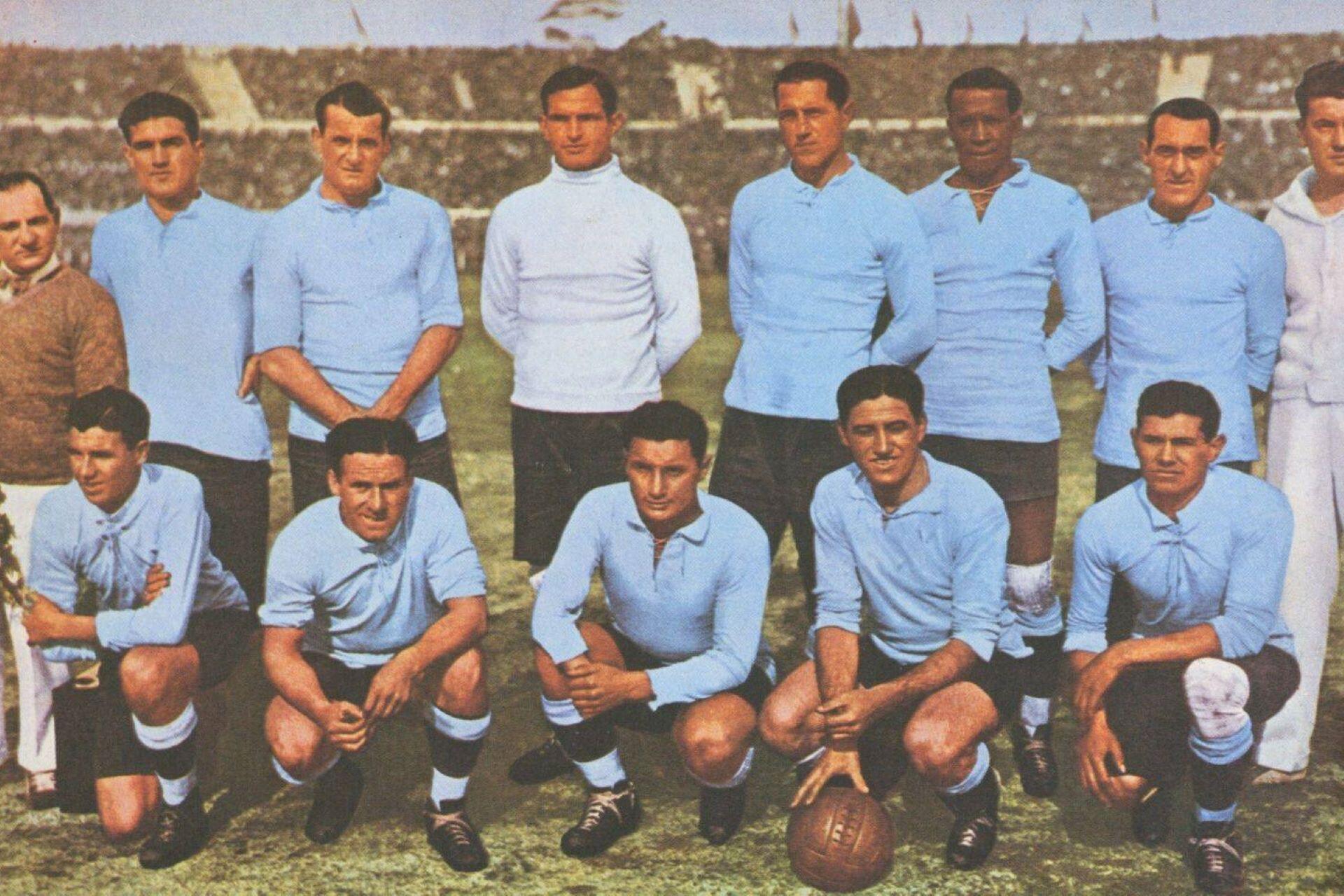

The FIFA World Cup, established in 1930, is the premier international football tournament, held every four years, showcasing the world's top national teams competing for the title of world champion.
Key Takeaways
- The FIFA World Cup began in 1930 and is the most prestigious international football tournament.
- Uruguay won the first World Cup in 1930 after defeating Argentina in the final.³
- The tournament resumed in 1950 after World War II and expanded its global reach.⁵
- Legendary players such as Pelé, Diego Maradona, and Zinedine Zidane shaped World Cup history.²
- Brazil holds the record for the most World Cup titles with five victories.³
- The competition has expanded several times and will feature 48 teams starting in 2026.⁶


Origins and Early Years (1930–1938)
The FIFA World Cup started in 1930. The international tournament was led by Jules Rimet, then FIFA president, who wanted an independent football competition outside of the Olympic Games. The early tournaments laid the foundations for the modern tournament, but they looked very different from the tournament we know today.⁵
The FIFA World Cup is the most prestigious tournament in international football. Since the first tournament in 1930, the competition has grown into a global event watched by billions of fans. More than 80 national teams have participated across different tournaments, with Brazil holding the record for the most titles. The competition has also produced thousands of goals and iconic moments that shaped football history.
Inception and the First Tournament
Subsequent Early Tournaments
Post-War Resumption and Expansion (1950–1978)
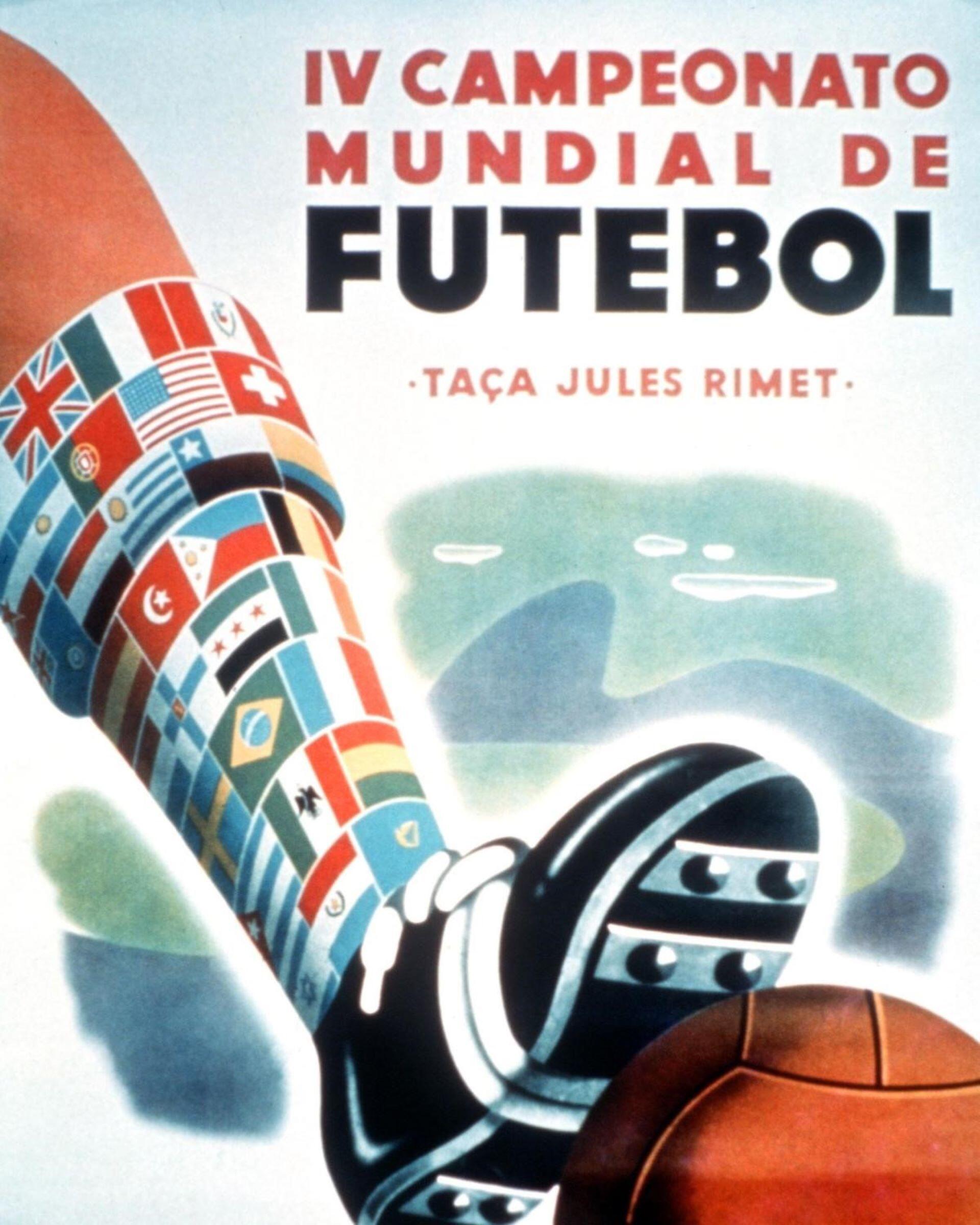
After a 12-year pause caused by World War II, the FIFA World Cup returned in 1950. This was a period of renewed growth.
Between 1950 and 1978, new footballing nations produced legendary teams and players.
This is when the World Cup expanded its global reach and established itself as the most prestigious competition in international football.⁵
It was during this era that the England men's team won their first and only World Cup.
Resumption in 1950
Growth and Globalisation
Modern Era and Commercialisation (1982–2002)
In the 1980s, the FIFA World Cup began to attract greater global participation and increased commercial influence.
Television helped expand the tournament's reach, with billions of viewers able to watch the matches live.
The World Cup also expanded to 24 teams in 1982 and 32 teams in 1998.⁶
During this era, over 60 years after the first iteration, the Women's World Cup also started in 1991.
Expansion to 24 and 32 Teams
Notable Moments and Records
1930
First FIFA World Cup (Uruguay)
The inaugural FIFA World Cup takes place in Uruguay. The host nation defeats Argentina 4–2 in the final in Montevideo.
1934
Italy Hosts and Wins
Italy hosts the tournament and becomes the first European nation to win the World Cup.
1938
France World Cup
Italy successfully defends its title, becoming the first team to win consecutive World Cups.
1950
Tournament Returns After WWII
The World Cup resumes in Brazil after a 12-year hiatus. Uruguay defeats Brazil in the decisive match, an event known as the Maracanazo.
1958
Pelé Emerges in Sweden
Brazil wins its first World Cup, and 17-year-old Pelé becomes a global football star.
1982
Expansion to 24 Teams
Spain hosts the first expanded tournament with 24 teams, increasing global participation.
1998
Expansion to 32 Teams
France hosts the first World Cup with 32 teams and wins the tournament on home soil.
2010
First World Cup in Africa
South Africa becomes the first African nation to host the tournament.
2018
France Wins in Russia
France claims its second World Cup title after defeating Croatia in the final.
2026
Expansion to 48 Teams
The tournament expands to 48 teams and will be jointly hosted by the United States, Canada, and Mexico.
Recent Developments and Future Outlook (2006–2026)
The World Cup continued to evolve in the twenty-first century. Tools like goal-line technology and Video Assistant Referee (VAR) were introduced to improve decision-making and fairness (whether they did or not is another article). The 2026 tournament features 48 teams and is hosted across three countries!⁶
Technological Innovations
2026 World Cup and Beyond
Records and Statistics
There have been many records broken throughout the World Cup.
From successful teams to high-scoring players, you can enjoy the tournament's evolution through its stats.
Look at the records to learn more about the performances and milestones that have shaped the legacy of the World Cup.²
Certain individuals have etched their names into footballing history with their performances, especially when they helped their country bring home the ultimate prize. If watching iconic games has inspired you to sharpen your own skills, options such as 1 to 1 football coaching near me can help you work on technique and match awareness.
Most Successful Teams
Top Scorers and Memorable Performances
| Player | Country | World Cups Played | Goals Scored | Tournaments |
|---|---|---|---|---|
| Miroslav Klose | Germany | 4 | 16 | 2002–2014 |
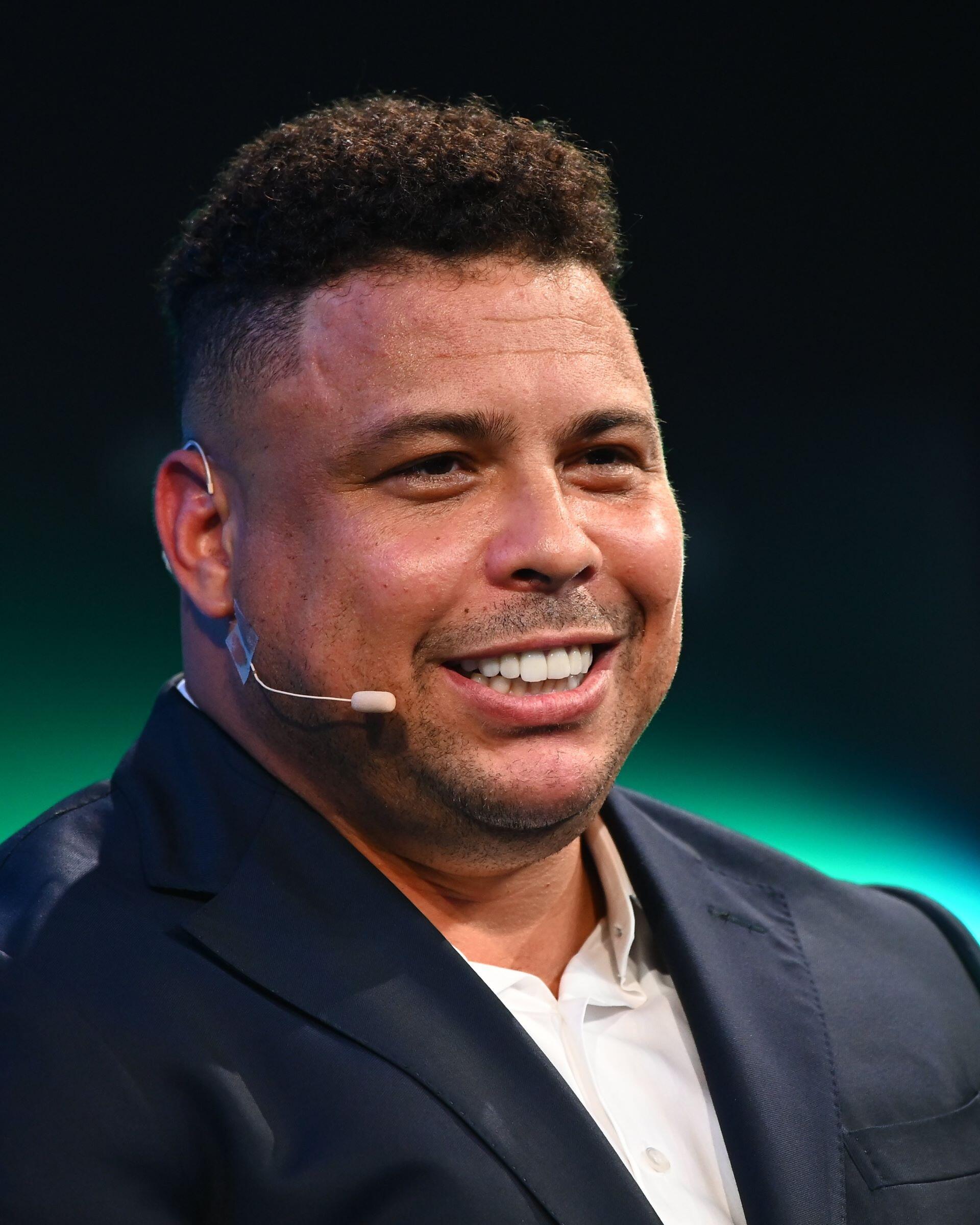
| Ronaldo | Brazil | 4 | 15 | 1994–2006 |
| Gerd Müller | West Germany | 2 | 14 | 1970–1974 |
| Just Fontaine | France | 1 | 13 | 1958 |
| Pelé | Brazil | 4 | 12 | 1958–1970 |
| Sándor Kocsis | Hungary | 1 | 11 | 1954 |
| Jürgen Klinsmann | Germany | 3 | 11 | 1990–1998 |
| Helmut Rahn | West Germany | 2 | 10 | 1954–1958 |
| Gary Lineker | England | 2 | 10 | 1986–1990 |
| Gabriel Batistuta | Argentina | 3 | 10 | 1994–2002 |
Evolution of the Tournament
The World Cup has changed a lot since 1930. After nearly 100 years, the format, rules, and participation look very different to that first version. In a sense, the tournament reflects football globally.⁶
Changes in Format and Rules
Cultural and Economic Impact
References
- “Estadio Centenario: An Icon of World Football Turns 90.” FIFA, 18 July 2020, https://inside.fifa.com/en/news/estadio-centenario-an-icon-of-world-football-turns-90. Accessed 6 Apr. 2026.
- “FIFA World Cup.” Encyclopaedia Britannica, https://www.britannica.com/topic/Federation-Internationale-de-Football-Association. Accessed 6 Apr. 2026.
- “FIFA World Cup Champions: 1930–1978.” FIFA, 24 Apr. 2023, https://www.fifa.com/en/tournaments/mens/worldcup/articles/world-cup-champions-1930-1978-uruguay-italy-germany-brazil-england-argentina. Accessed 6 Apr. 2026.
- “FIFA World Cup Champions: 1982–2022.” FIFA, 25 Apr. 2023, https://www.fifa.com/en/articles/world-cup-champions-1982-2022-italy-argentina-germany-brazil-france-spain. Accessed 6 Apr. 2026.
- “History of the FIFA World Cup.” FootballHistory.org, https://www.footballhistory.org/world-cup/index.html. Accessed 6 Apr. 2026.
- “How the World Cup Format Has Changed from 1930 to 2026.” FIFA, 5 Feb. 2024, https://www.fifa.com/en/tournaments/mens/worldcup/canadamexicousa2026/articles/world-cup-format-evolution-change-history-1930-2026. Accessed 6 Apr. 2026.
- “Lucien Laurent, the First World Cup Goalscorer.” FIFA, 13 July 2020, https://inside.fifa.com/news/lucien-laurent-the-first-world-cup-goalscorer. Accessed 6 Apr. 2026.
- “Uruguay’s Early Domination of World Football.” FIFA, 24 May 2024, https://www.fifa.com/en/tournaments/olympicgames/paris2024/articles/uruguay-1924-1928-1930-world-cup. Accessed 6 Apr. 2026.
- “Uruguay’s World Cup History and Records.” FIFA, 5 Feb. 2026, https://www.fifa.com/en/articles/uruguay-team-profile-history. Accessed 6 Apr. 2026.
- “World Cup Format Evolution and Tournament Expansion.” FIFA, https://www.fifa.com/en/tournaments/mens/worldcup/articles/world-cup-format-evolution-change-history-1930-2026. Accessed 6 Apr. 2026.
Summarise with AI:
Did you like this article? Leave a rating!

 Loading...
