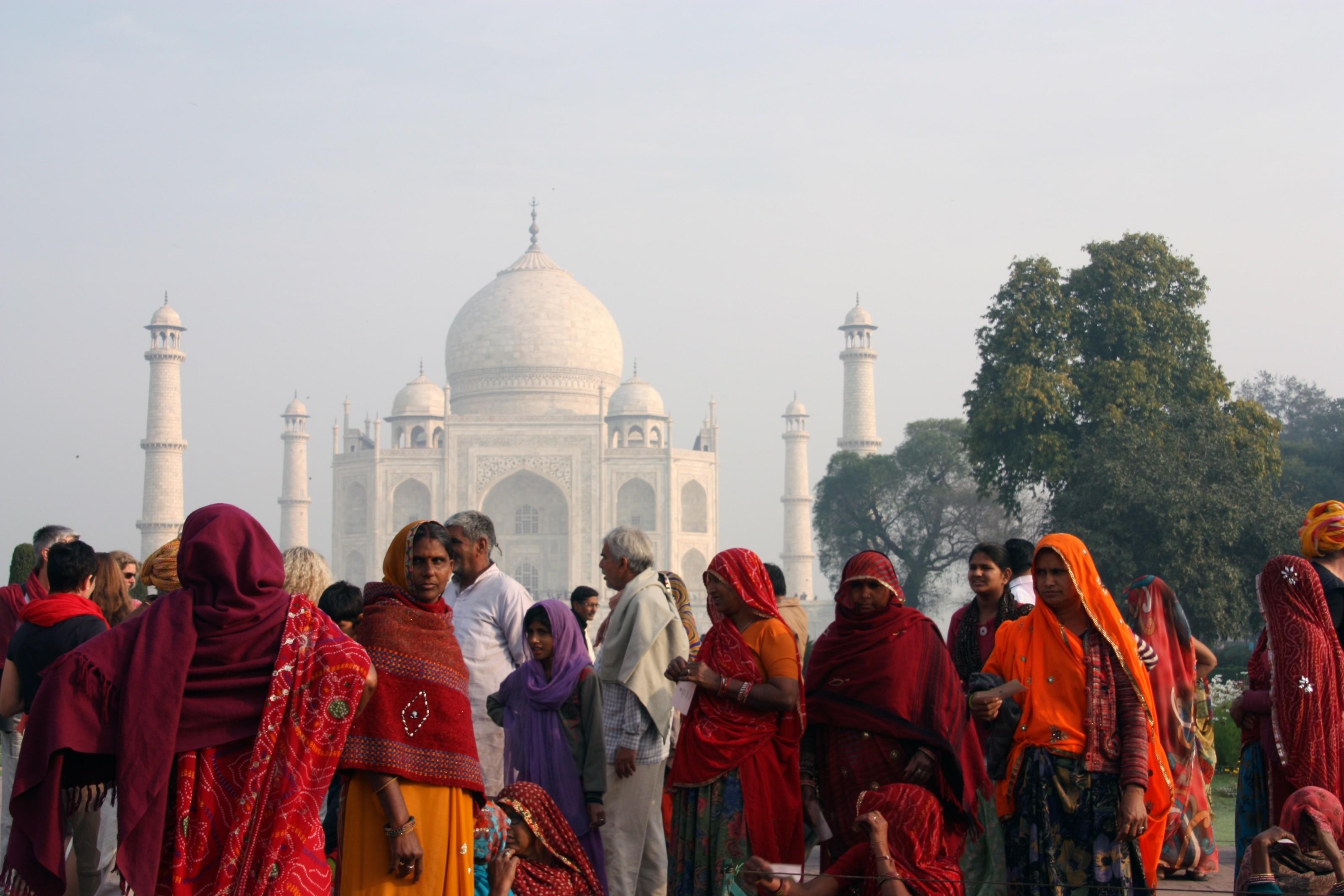
Step into a crowded railway station in Mumbai or stop for a cup of tea in Assam, and you'll hear people move between speaking different languages almost automatically. Many Indians grow up speaking more than one language, so it feels normal to use one during the school or work day, then slip back into a different one as soon as they're home.
While the Indian Constitution recognises a whopping 22 official languages, that figure doesn't really tell the whole story. According to recent data collected from the 2011 Census, there are actually estimated to be a staggering 19,500 mother tongues spoken across the country.
But what's the reason for so much variety? To understand why, it helps to examine the long and complicated history of languages in India - a story influenced by movement across regions and centuries of social change.
| Languages in India | Key Figures |
|---|---|
| Total mother tongues recorded in India | More than 19,500 |
| Constitutionally recognised official languages | 22 |
| Union government languages | Hindi (Devanagari script) and English |
| Major language families | Indo-Aryan; Dravidian; Austroasiatic; Sino-Tibetan |
| Most widely spoken languages | Hindi; Bengali; Marathi; Telugu; Tamil |
| Most linguistically diverse regions | Central and north-eastern India |
| Estimated percentage of multilingual speakers | Over 55% |


Historical Evolution of Languages in India
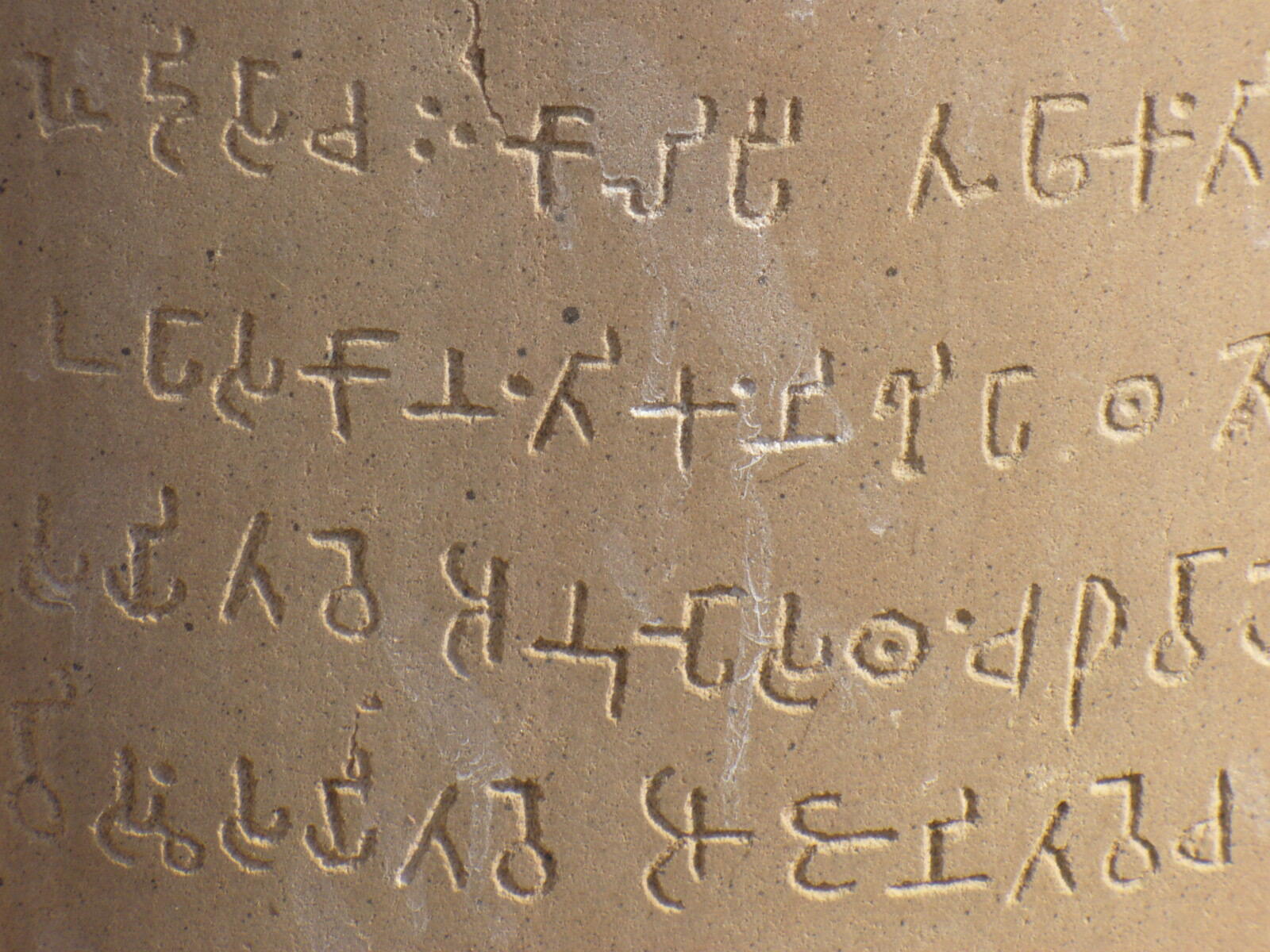
As you've probably guessed, India's languages reach back thousands of years. Speech existed long before writing entered the picture, and over time, many communities naturally developed their own scripts and storytelling traditions.
In the north, Sanskrit and later the Prakrits laid the foundations for what would become today's Indo-Aryan languages. Meanwhile, in the South, Dravidian languages like Tamil and Telugu were evolving along their own timelines, being passed down through poetry, religion, and local cultural traditions that helped them stay strong from one generation to the next.
Families often continued speaking the language they used at home, even while learning other languages for educational reasons or to use during work. Likewise, cultural identities also played a big role, with storytelling and traditions keeping the languages alive. Together, these patterns explain why India remains one of the most multilingual countries in the world today.
Early Records
Vedic Sanskrit is among the earliest language traditions in India. Later on, literature and administration introduced new forms of writing that continued to spread across northern regions
Dravidian South
Tamil, Kannada and Malayalam have some of the world's oldest continuous literary histories. Stone inscriptions and early manuscripts show how deeply rooted these languages are in the south
New Influences
As people lived under new rulers, new words and expressions entered everyday speech. Persian and Arabic became popular during the medieval period, and later English spread extensively during British rule.
Language Families in India
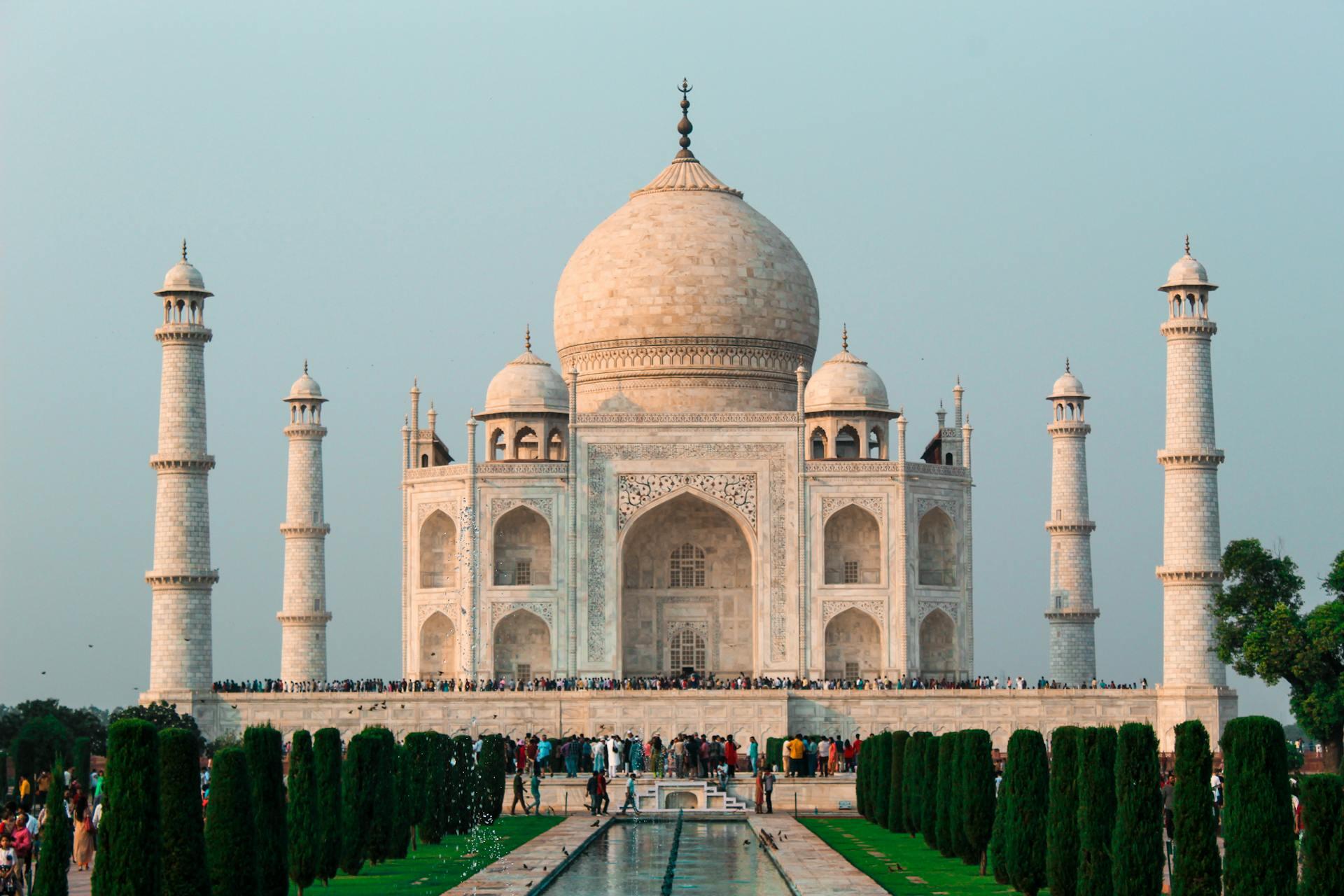
The many languages spoken across India, like Urdu, come from a few different roots that have developed over a long, often centuries-long, period of time. However, most of them do fall into four major language families, each of which is closely tied to particular regions and communities.
Indo-Aryan Languages
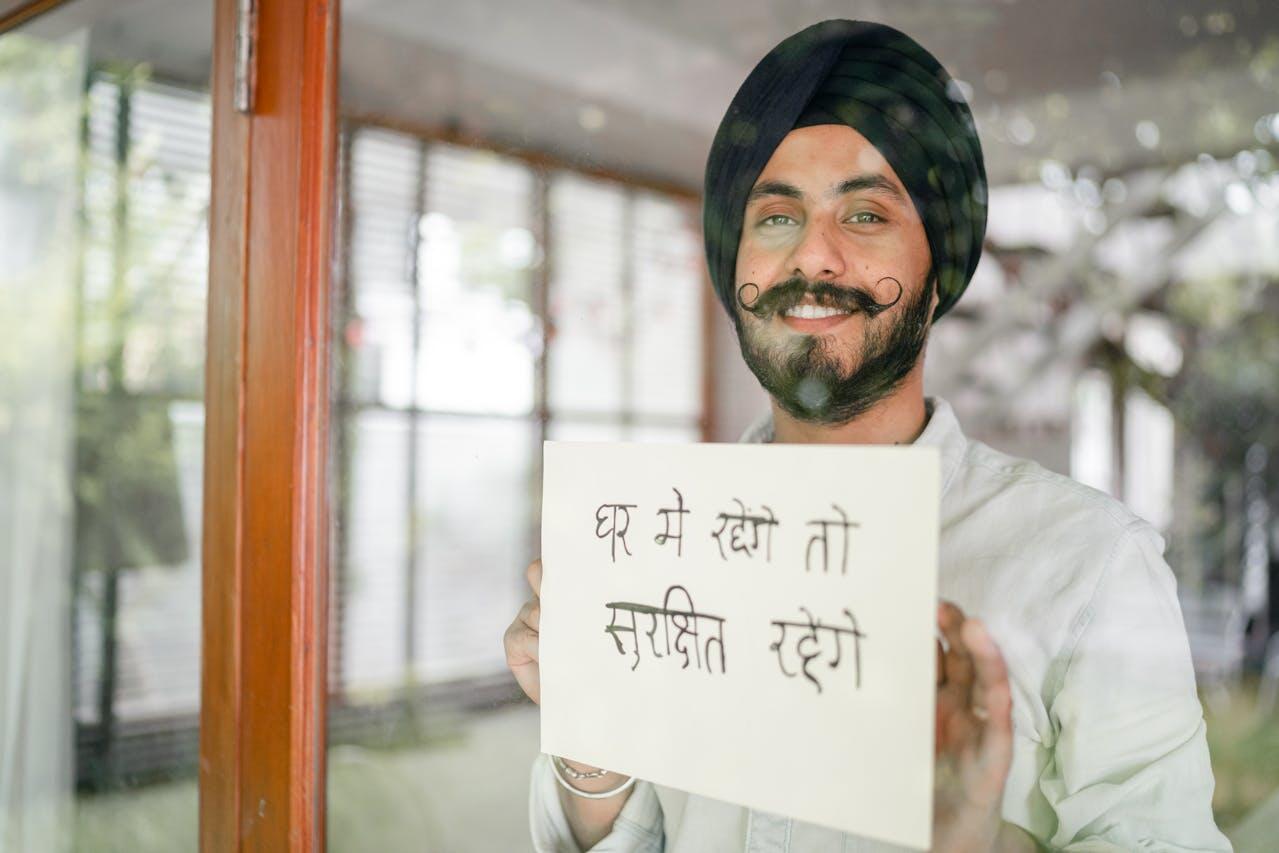
Used mainly across the north, centre and east, Indo-Aryan Languages account for the majority of speakers in India. As mentioned, they developed from Sanskrit and the Prakrits and later evolved into a slew of distinct regional languages.
Many languages in this family share similar sentence patterns and vocabulary to one another. Marathi is another Indo-Aryan language mainly spoken on the western coast of India in the states of Goa and Maharashtra:
- Areas Spoken: Uttar Pradesh, Maharashtra, West Bengal, Delhi, Rajasthan
- Examples: Hindi, Bengali, Marathi, Gujarati, Punjabi, Urdu
- Interesting Fact: These languages cover roughly three-quarters of India's population
Dravidian Languages
The Dravidian family is most common in the southern states. These languages, including Tamil, have some of the oldest ongoing literary traditions in the world, and they play a huge part in regional music and film today. Several smaller Dravidian languages are also spoken in central India, hinting at a time when this family may have covered a much wider area.
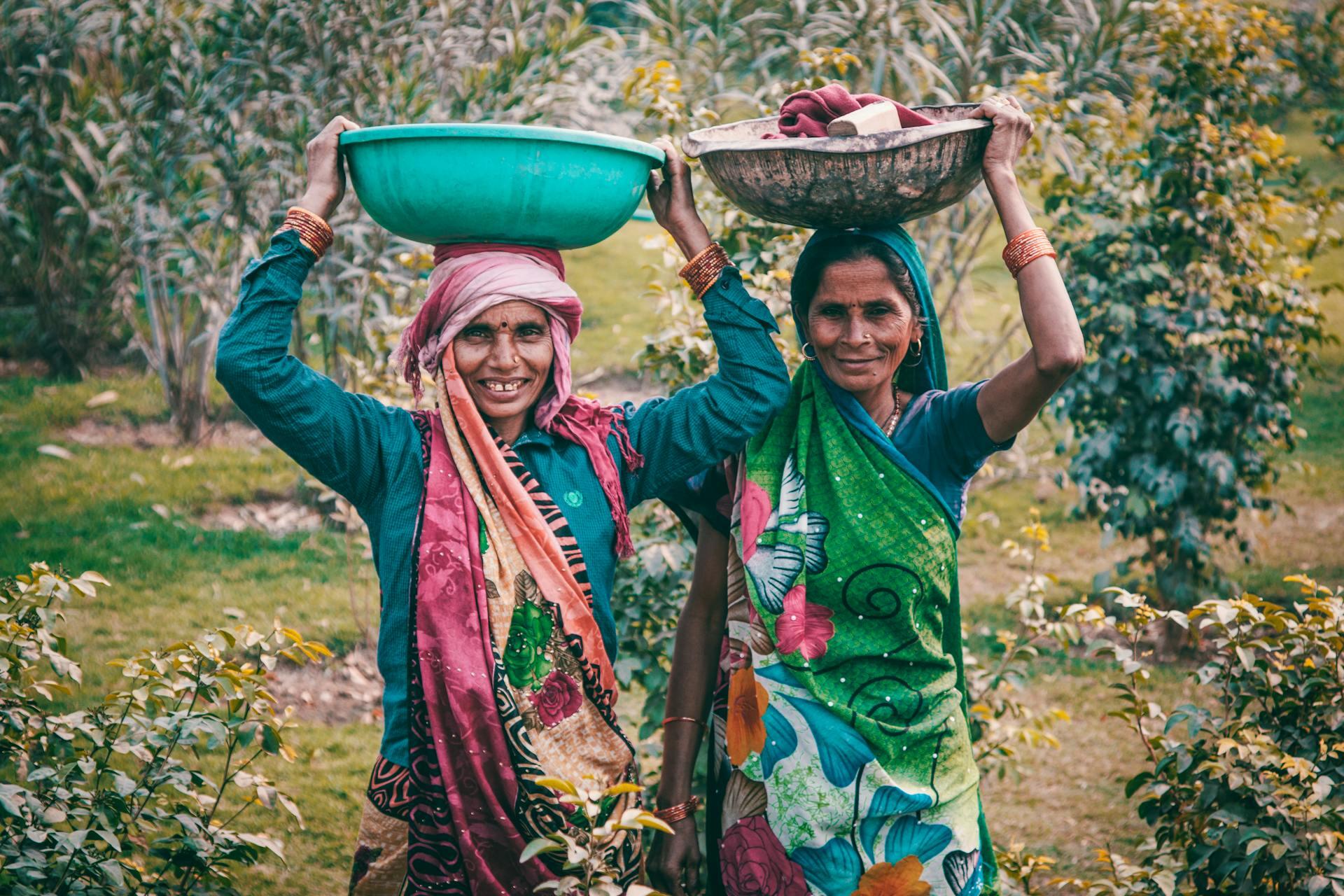
- Areas Spoken: Tamil Nadu, Andhra Pradesh, Karnataka, Kerala
- Examples: Tamil, Telugu, Kannada, Malayalam
- Interesting Fact: These languages have deep roots that predate Sanskrit
Austroasiatic Languages
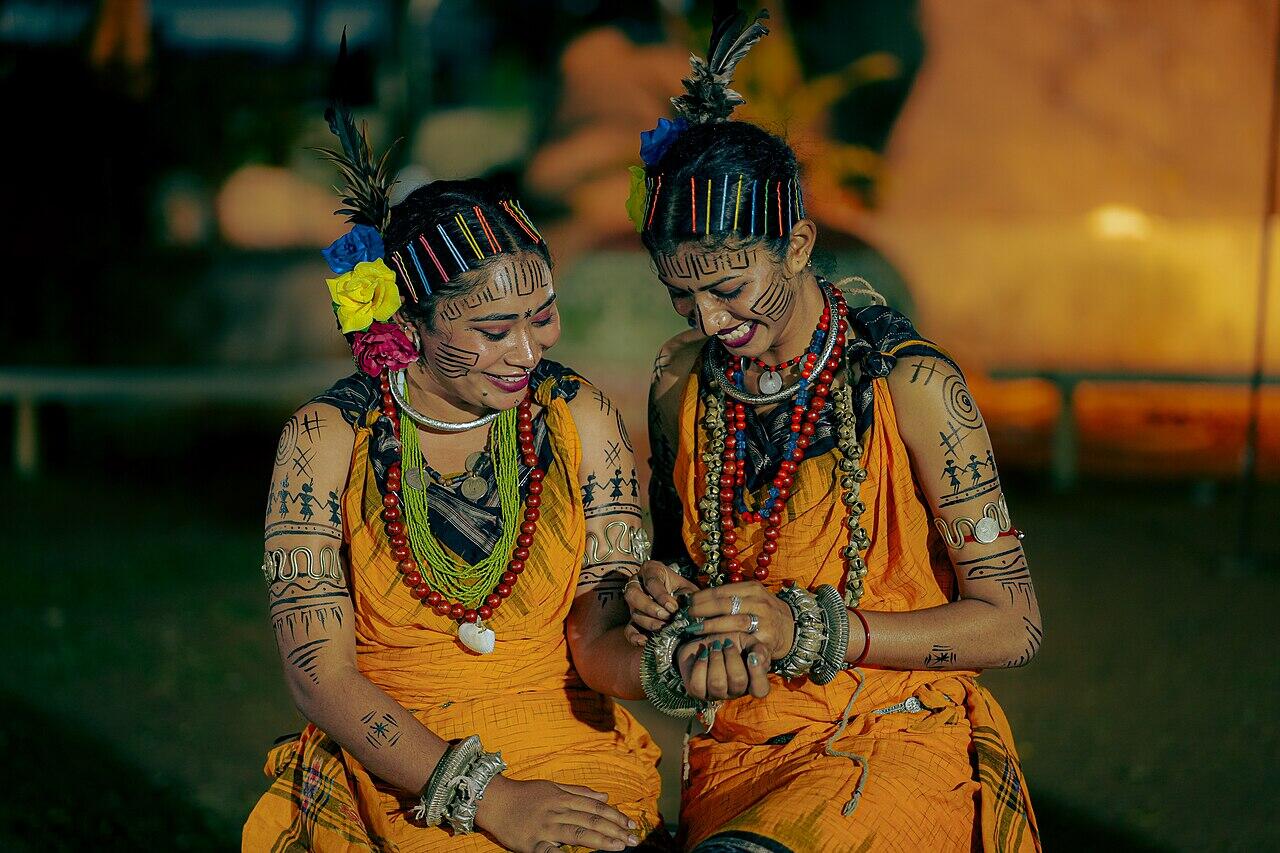
This family is spoken mainly by tribal communities in eastern and central India. Many Austroasiatic languages are oral-first, meaning stories and knowledge were passed down through speech long before being written down on paper.
- Key Areas: Jharkhand, Odisha, Chhattisgarh, West Bengal
- Examples: Santali, Mundari, Ho
- Interesting Fact: Many of these languages were spoken long before major kingdoms and empires formed in India
Sino-Tibetan Languages
Sino-Tibetan languages are mainly spoken in India’s northeastern states and form part of a wider Asian linguistic network that stretches beyond the country’s borders. They often use tone and sound patterns that are extremely different from those heard elsewhere in India, too.

- Key Areas: Assam, Manipur, Nagaland, Arunachal Pradesh
- Examples: Bodo, Manipuri (Meitei), Garo
- Interesting Fact: Even within the same state, two Sino-Tibetan languages can sound completely different from one another.
Official Languages and Language Policy
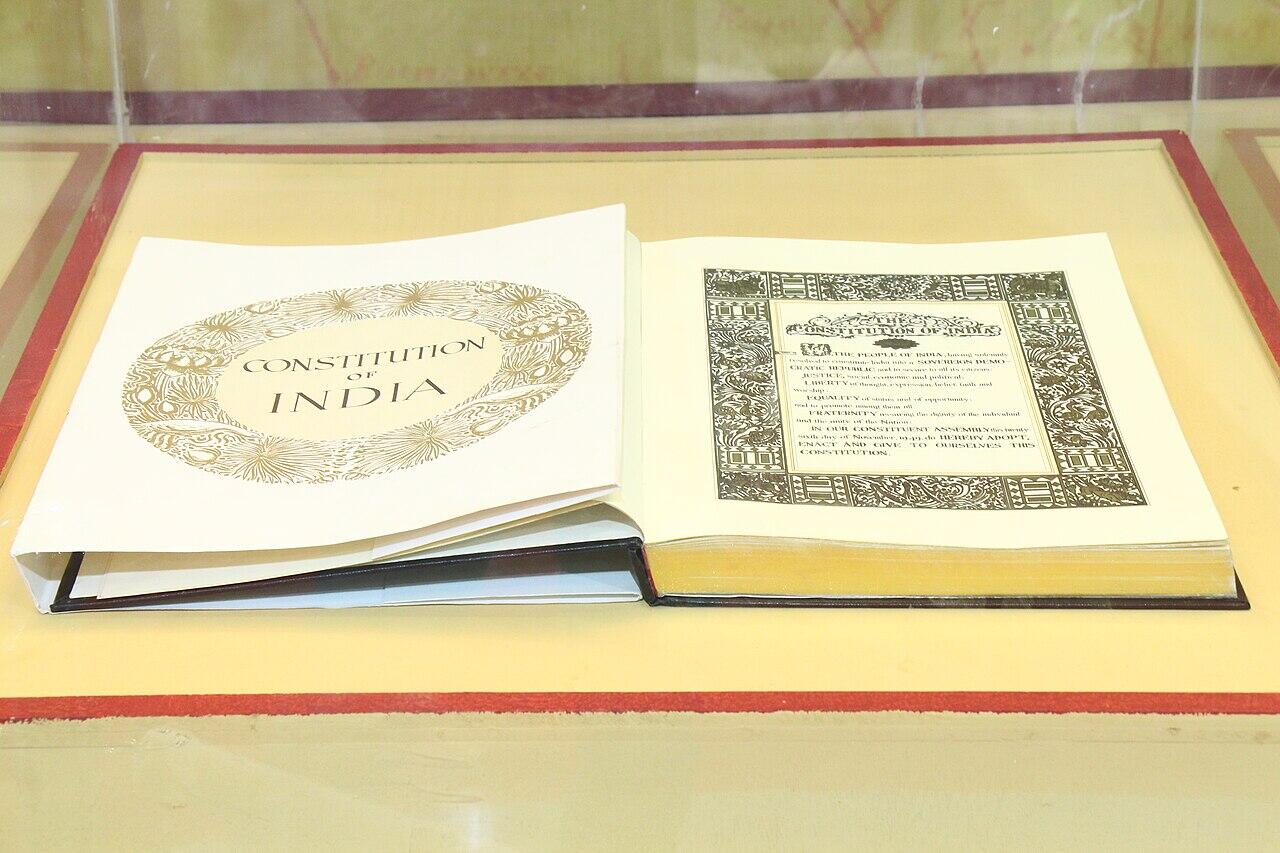
When India became independent in 1947, the new government was faced with a difficult decision. With so many languages being spoken across the country, how could the administration run effectively?
The answer to this was laid out in the Indian Constitution, which recognised 22 distinct languages it deemed the most important to education and government work across different regions.
Languages listed in the Eighth Schedule can be used in public services, schools, legal settings, and government communication. Recognition also helps these languages receive funding and resources as well, making sure they continue to be taught and used by future generations.
At the union level, Hindi (Devanagari script) is the official language of the government, while English is widely used for parliament and in the higher courts and central administration. English was introduced in India in 1611 when the East India Company arrived at the court of Mughal Emperor Jahangir and secured the rights to trade in India. Each state also selects its own official language for day-to-day administration, too - for instance, Bengali is used in West Bengal and Tamil in Tamil Nadu.
You can learn Hindi classes London here.
Major Languages by Number of Speakers
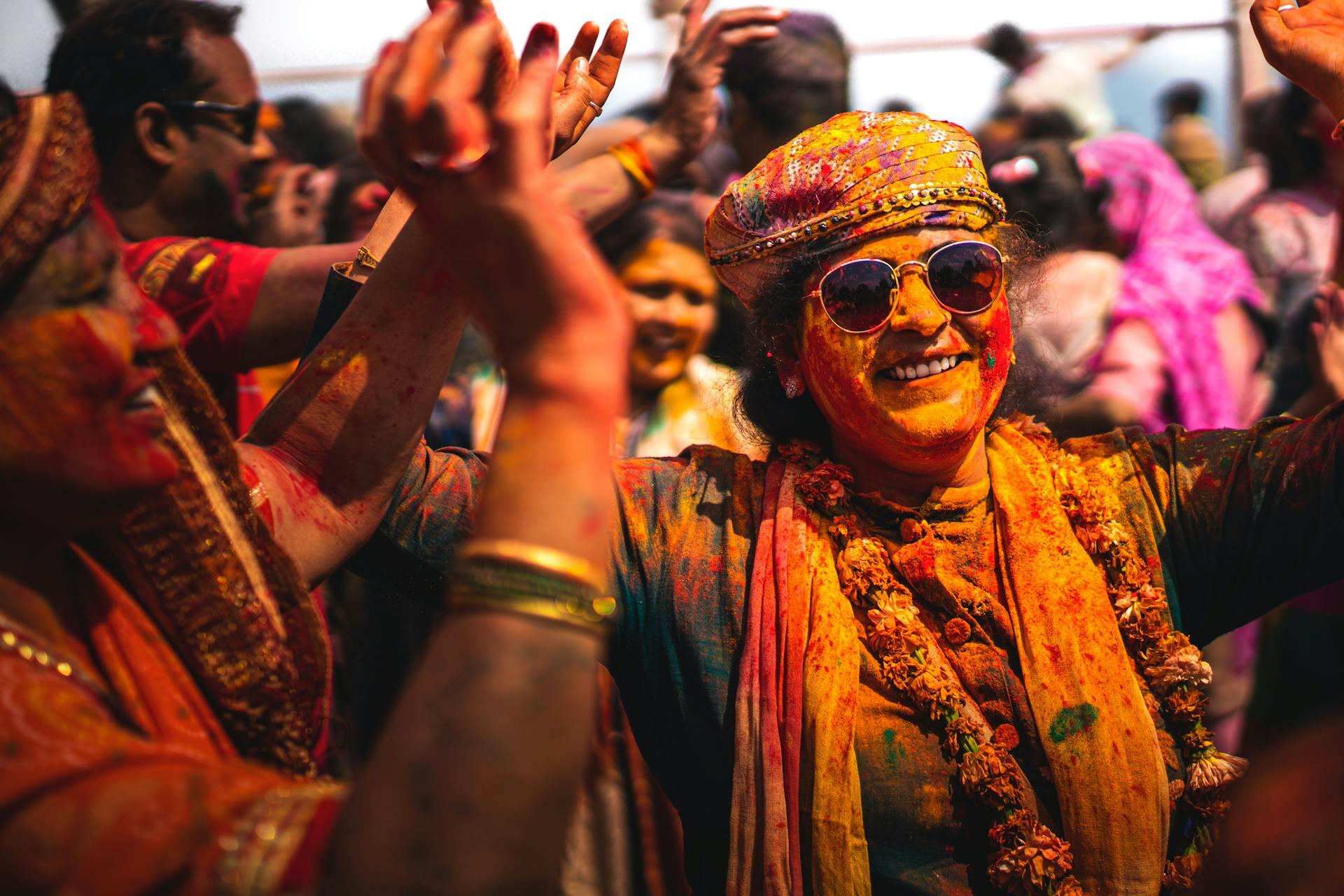
Curious about what languages are the most spoken throughout India? Check out the table below, which shows the languages with the highest number of native speakers, based on the most recent official census data available online.
| Language | Speakers (Millions) | Percentage of Population |
|---|---|---|
| Hindi | 528.35 | 43.63% |
| Bengali | 97.24 | 8.03% |
| Marathi | 83.03 | 6.86% |
| Telugu | 81.13 | 6.70% |
| Tamil | 69.03 | 5.70% |
| Gujarati | 55.49 | 4.58% |
| Urdu | 50.77 | 4.19% |
| Kannada | 43.71 | 3.61% |
| Odia | 37.52 | 3.10% |
| Malayalam | 34.84 | 2.88% |
Multilingualism and Language Use in India
Even if someone has a main language they use at home, it's normal for them to move between two or more languages during the day in India (a process called code switching). By and large, it's a very different experience compared to the UK, where English is the primary spoken language

Confused about when someone might change between languages? Take a look at the list below for more context:
Preservation and Promotion of Regional Languages in India
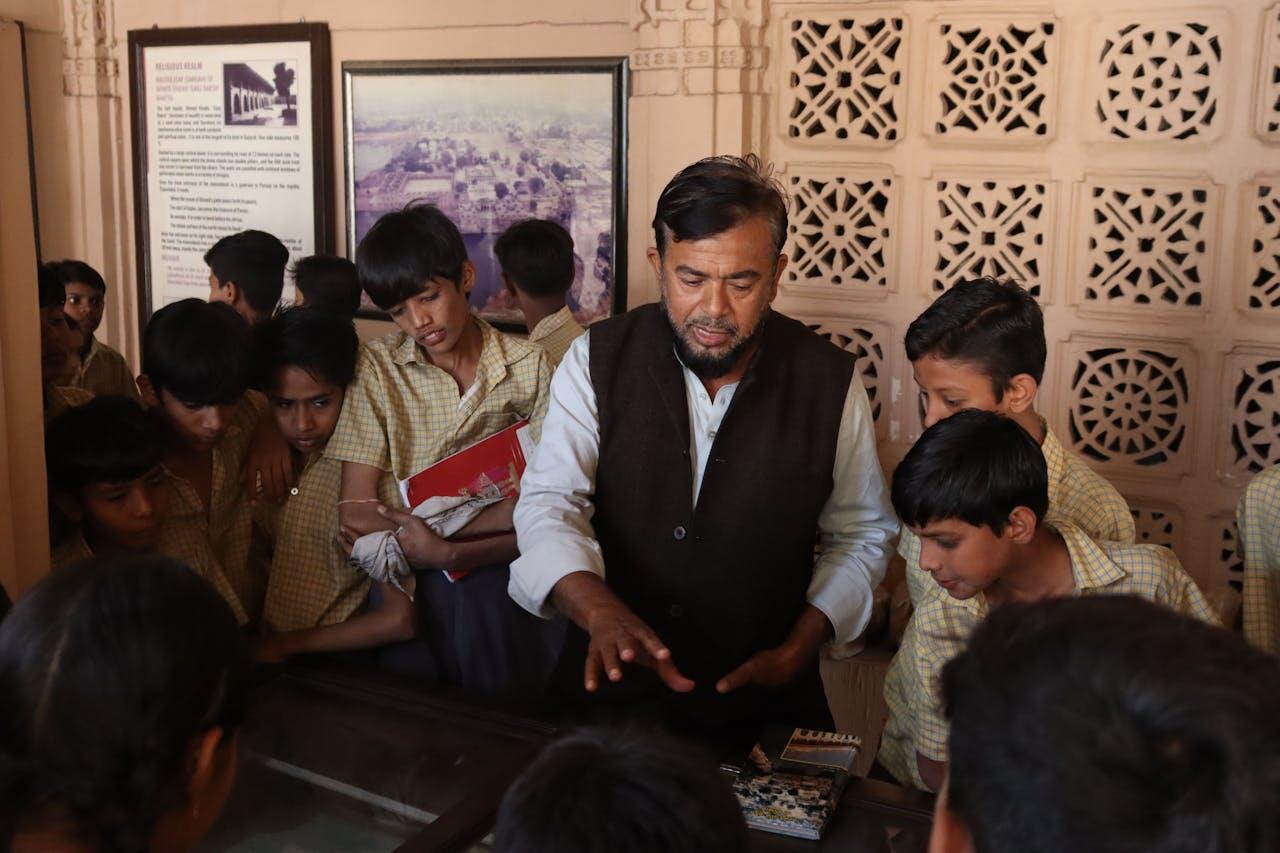
India's regional languages continue to be a big part of everyday life. People read local newspapers, watch the news, in their home language and enjoy films, songs, and comedy shows made for their region. Additionally, schools and various organisations also teach children to read and write using the regional script as well.
For instance, in the Jajpur district of Odisha, the NGO Adivasi Socio Education & Culture Association operates 15 Ol Chiki learning centres where unpaid volunteers teach the Santali script to children and youth three days a week.
Across the country, efforts like this are continuously being made by government and local community members to keep lesser-known languages alive:
- State language academies - Bodies like the Tamil Development and Karnataka Sahitya Academy regularly publish books and sponsor translation projects that keep regional languages in the public eye
- Festivals and cultural events - Likewise, annual celebrations like the Manipuri Language Festival and Bengali Bhasha Utsav showcase traditional music and poetry, plus other performances in the very languages they aim to protect.
- Regional Cinema and theatre - Lastly, film industries like Tollywood, Kollywood and Mollywood, along with countless theatre groups, tell stories in native languages and have developed massive followings both in India and abroad
The Indian government's SPPEL is a scheme run by the Central Institute of Indian Languages (CIIL) in Mysuru. Launched in 2013, it aims to identify languages that are spoken by fewer than 10,000 people and document them through various methods, like dictionaries and grammar and audiovisual archives. Over the years, over 117 distinct languages have been selected for study.
You can learn Hindi classes London here.
Summarise with AI:
Did you like this article? Leave a rating!


 Loading...