

The history of the Victorian Age will never be written: we know too much about it.
Lytton Strachey
The inventions in Victorian times transformed Britain and the world forever. Between 1837 and 1901, during the reign of Queen Victoria, society experienced a period of remarkable creativity and innovation. If you're wondering what was invented during the Victorian era, the answer is many of the technologies that made modern life possible, from railways and the telephone to electric light bulbs and safer medicine. These are the Victorian-era inventions that have shaped how we travel, communicate, and live today.
| Invention | Inventor | Year | Impact on Society |
|---|---|---|---|
| Bicycle | Kirkpatrick Macmillan (Scotland) | 1839 | Made personal transport more accessible |
| Penny Post | Rowland Hill (England) | 1840 | Affordable nationwide communication |
| Pneumatic Tyre | Robert Thompson (Scotland) | 1845 | Smoother travel, precursor to modern transport |
| Concrete (reinforced) | Joseph Monier (France) | 1849 | Revolutionised construction |
| Flushing Toilet | Public debut in London | 1852 | Improved sanitation and hygiene |
| Pasteurisation | Louis Pasteur (France) | 1856 | Safer food and drink |
| Underground Railway | Charles Pearson (London) | 1864 | Birth of modern urban transport |
| Telephone | Alexander Graham Bell (Scotland) | 1876 | Transformed communication |
| Phonograph | Thomas Edison (USA) | 1877 | Enabled recorded sound |
| Electric Lightbulb | Joseph Swan (England) / Edison | 1879 | Safer homes, extended working hours |
| Moving Pictures | Lumière Brothers (France) | 1894 | Birth of cinema |
| X-Ray | Wilhelm Röntgen (Germany) | 1895 | Revolutionised medicine |
| Wireless Telegraphy | Guglielmo Marconi (Italy) | 1895 | Pioneered radio communication |


Why Did Inventions Flourish in Britain?
It's no coincidence that Victorian Britain's inventions were some of the most groundbreaking and revolutionary. Industrialisation, urbanisation, and scientific progress all combined between 1837 and 1901 to make Britain the "workshop of the world". Unlike Britain under the Vikings, Victorian inventors had the resources, markets, and motivations to develop groundbreaking ideas.
Key Factors Behind Victorian Era Inventions
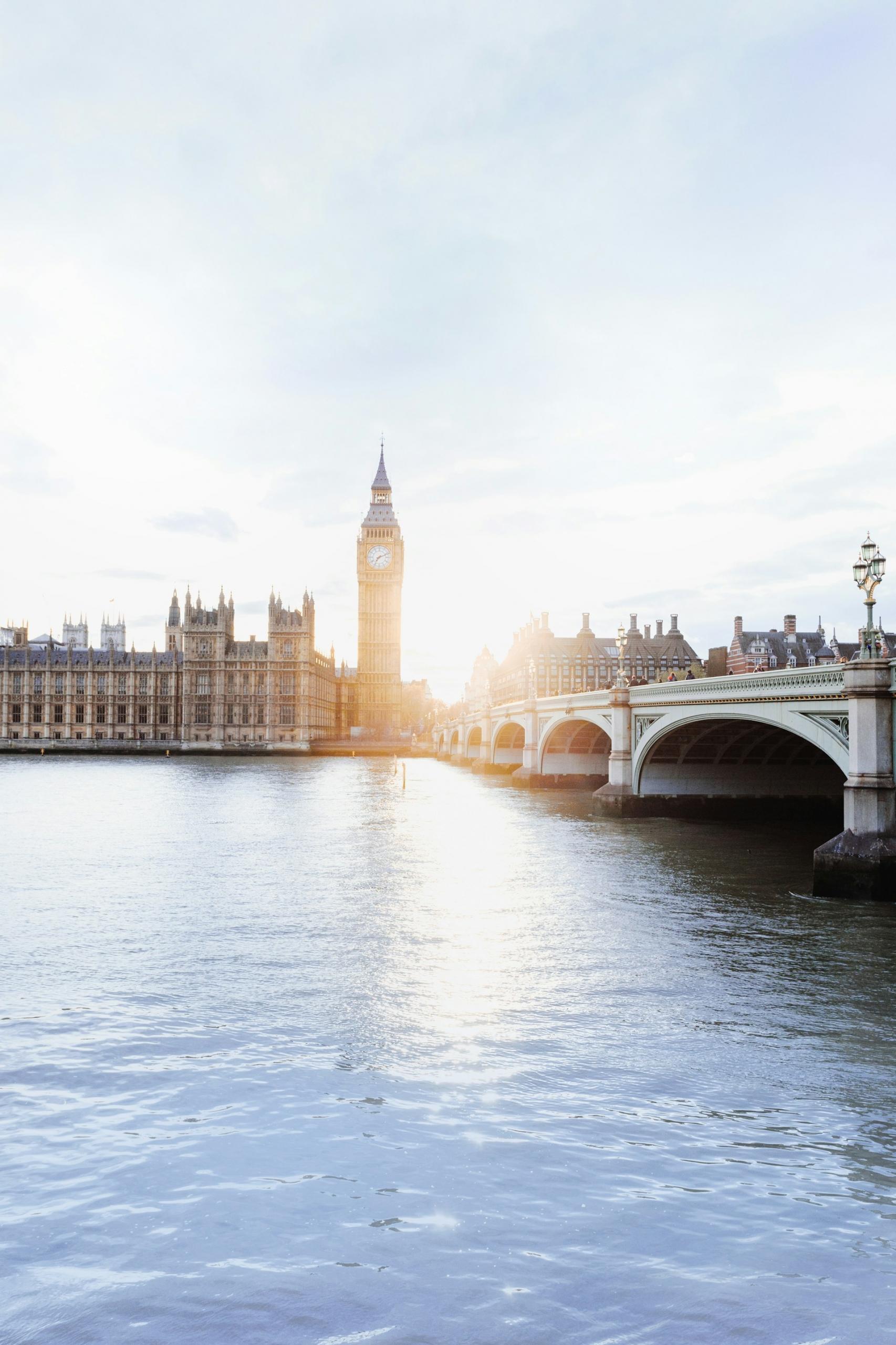
Most historians agree that Victorian Britain spanned from 1837 until 1901, the period of Queen Victoria's rule. Some add a few years at either end of that window, claiming it lasted from 1820 to 1914. This disparity results from the beginning of industry, and from social reforms.
The First Industrial Revolution, which reached its peak in 1820, is part of what defined Victorian Britain. Its momentum helped the United Kingdom transform from an agrarian economy to the world's industrial powerhouse.
Two years later, the Reform Act took a (small) step towards equalising society, an imbalance that had plagued society since life in Medieval Britain.
To keep things simple, we'll limit our exposé to the innovations during Queen Victoria's reign, the period most often defined as the Victorian era. Furthermore, you'll note that our list includes inventions from non-British originators. Clever minds made discoveries all over the world during this period. This timeline highlights the most important ones.
1838
Louis Daguerre takes the world's first photograph
Briton William Henry Fox-Talbot repeats the feat in the UK
1839
Scotsman Kirkpatrick Macmillan builds the first bicycle
It featured pedals, cranks and drive rods.
1840
The birth of the Penny Post
The first post boxes appeared in the 1850s
1844
The first Morse Code message dispatched
American Samuel Morse created the code in 1837
1845
The world's first paved road (Nottingham)
Scotsman Robert Thompson invents the pneumatic tyre
1849
Frenchman Joseph Monier develops concrete
His formula heralds a new construction era
1852
London debuts the first public flushing toilet
At the Hyde Park Great Exhibition
1856
Louis Pasteur makes food safer
1864
The world's first underground railway opens in London
1876
Scotsman Alexander Bell invents the telephone
1877
Invention of the phonograph
The first-ever recording of a human voice
1879
The electric lightbulb makes homes safer
In 1878, electric streetlights replaced gas lamps
1883
Germany debuts the electric railway system
1884: Blackpool opens its first electric tramway
1894
Lumiere Brothers invent the 'moving pictures'
1895
W K Roentgen takes the first X-Ray
Also that year, Guglielmo Marconi pioneers the wireless radio
All these innovations changed the world, both individually and collectively. Seen from this perspective, we may argue that Victorian Britain itself was a significant period in British history. This remarkable list of discoveries sets the tone for the rest of this article.
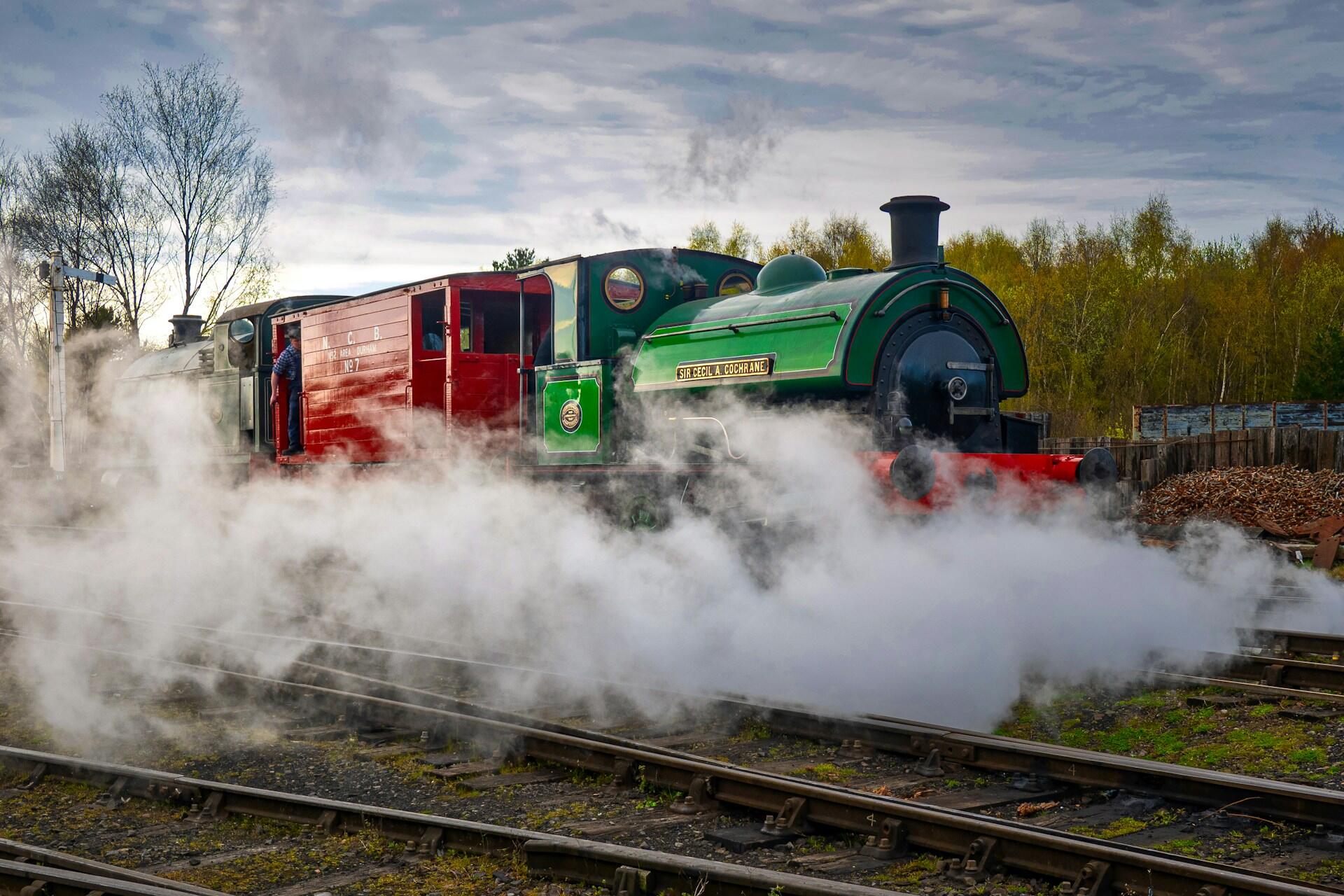
By 1850, Britain produced more iron and coal than any other country, powering trains, factories, and the inventions that defined the age.
Transportation in Victorian Britain
Our timeline lists four transportation-related inventions during this era, but remember: those are just the most momentous ones. This period was THE era of locomotion - on rails, roads, and even in the skies.
Kirkpatrick Macmillan's 1839 model bicycle was a complex affair. It was expensive to build and hard to ride. Still, that didn't make the penny-farthing a suitable replacement. James Starley, a British engineer, designed that contraption in 1872. Fortunately, it was just a fad, which passed by the late 1880s.
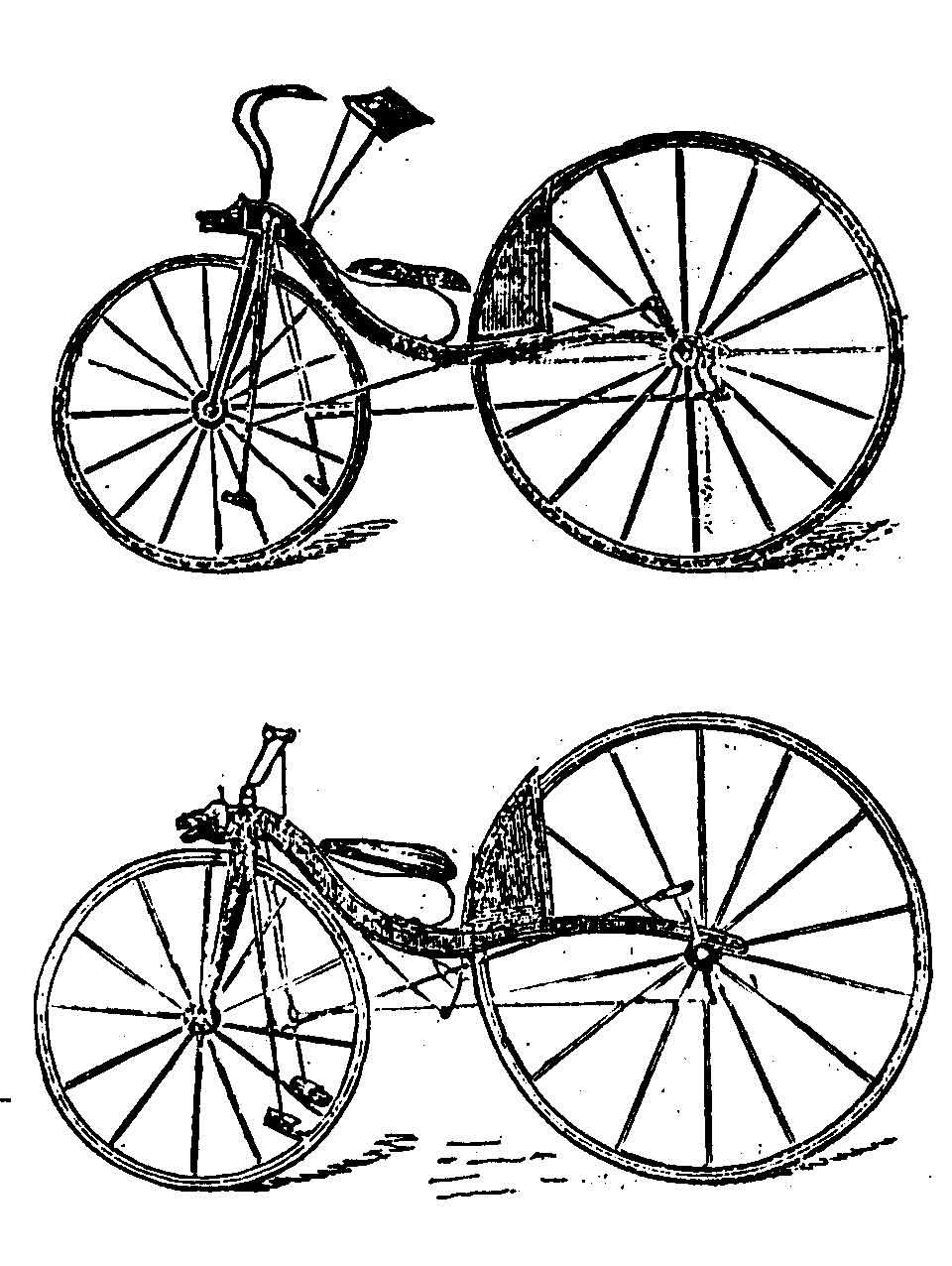
The penny-farthing bicycle was nicknamed for its shape, like a big English penny paired with a tiny farthing. It was notoriously dangerous, and riders often “took a header,”, which meant flying over the handlebars head-first.

Air Transport
About 100 years ago, an Englishman, Sir George Cayley, carried the science of flight to a point which it had never reached before...
Wilbur Wright, 1909
The American Wright Brothers get credit for the first flight but it rightly belongs to the English engineer, George Cayley. He wrote a three-part treatise in 1809, titled On Aerial Navigation. He didn't build his flying machine until 1849, though he flew a model glider decades before then.
Railways
Eisenbahn, chemin de fer, fire-cars, or railroads: trains by any name were the name of the game during the Victorian era. The British engineer and inventor, Richard Trevithick, demonstrated his first steam locomotive in 1804 in Wales. From then, on the race to connect the world by rail was on.
Eisenbahn is German, chemin de fer is French; they both translate to the same: 'iron path'.
China still refers to its trains as fire-cars (huo che), a visual description of the fiery beasts those machines once were.
The words 'railway' and 'railroad' predate trains by about 100 years; they referred to any path with 'rails', typically wooden planks, that made travelling on them easier..
Not just in Europe and Britain, either. In China and India, British engineers hired local workers to lay the tracks. In the US, railroad magnates imported labour to get the job done. Across Africa, colonial powers laid down rails to grid the continent.

Mainline transport
- for distance travel
- connects cities and countries
- passenger conveyances
Urban transport
- tramways and subways
- funiculars
- monorails
Industrial transport
- freight railways
- mining railways
- military railways
Of all the rails, the monorail is one of the earliest assays. British inventor Henry Robinson Palmer patented this idea in 1821. Two years later, the Chestnut Railway became the world's first passenger monorail.
The funicular took longer to materialise. France operated the first functional funicular (1862); other European cities quickly built their own.
This renowned 1880 Italian song describes the wonder of the funicular.
Road Transportation
In 1847, Scottish chemist James Young distilled petroleum into easy-to-burn petrol. Two years before that, Robert Thompson had trialled rubber tyres. They delivered a smooth ride, but were impractical - both to manufacture, and because they lacked a purpose.
Those discoveries paved the way for a more momentous one: in 1885, Carl Benz gave the world it's first-ever petrol car. Three years later, John Boyd Dunlop revisited the pneumatic tyre. This time, the idea bore fruit. The tyre was initially a commercial failure since rubber was too expensive to produce, but the patented tyre ran 1,200 miles on a horse-drawn carriage, proving their utility if not initially being affordable.
Victorian Britain Technology
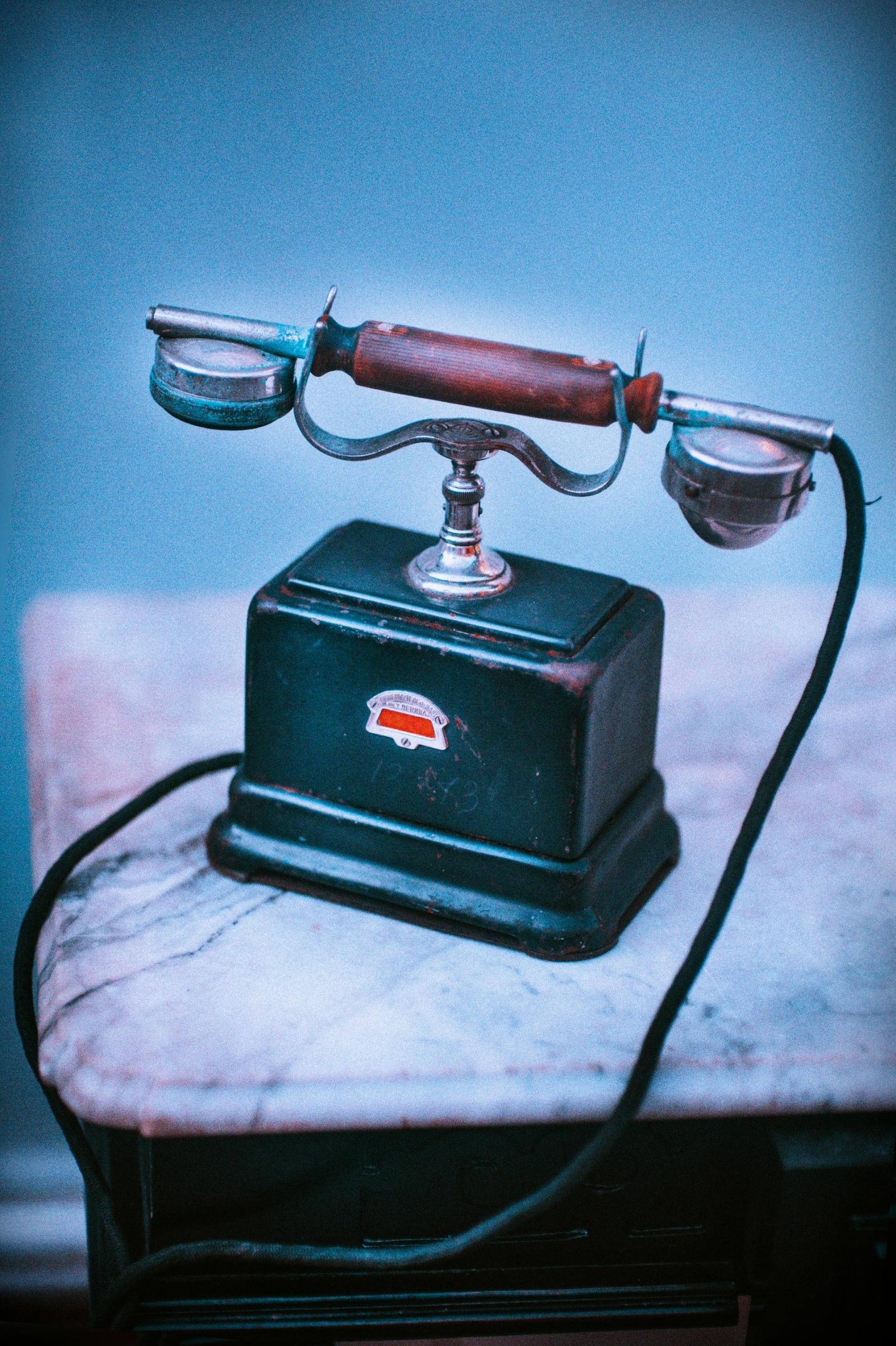
Many of the conveniences we use and enjoy the most are Victorian-era inventions. Victorian inventors such as Michael Faraday, Alexander Graham Bell, and Thomas Edison pushed science into daily life. Fancy a night at the cinema? Give thanks to the Lumiere Brothers. Chatting for hours on your handheld? Thank Alexander Bell.
On March 10, 1876, Alexander Graham Bell’s first words spoken on his newly invented telephone were, “Mr. Watson, come here, I want to see you.”
The Victorian period coincided with - or immediately followed, Enlightenment movements around the world. Enlightened thinkers pursued knowledge grounded in empiricism and rationalism. They shared their ideas at salons, academies, and through printed materials.
It didn't take long for those ideas to build upon one another. Toward the end of the Victorian Era, wired technology, like the telephone and telegraph, make collaboration even faster. The very first Morse Code message sent on May 24, 1844, read "What hath God wrought?", which was suggested by a friend’s young daughter. Of course, those devices wouldn't have been possible without one unschooled English scientist.
Self-educated and eternally curious, this British scientist gave the world (usable) electricity.
Hyperbole aside, Faraday's exploration of electromagnetism paved the way for Victorian inventors' most dramatic devices. By the turn of the century, electrical systems were advanced enough to overhaul the London Underground's systems. Starting in 1902, the Underground Electric Railways Company of London began refurbishing three tube lines.
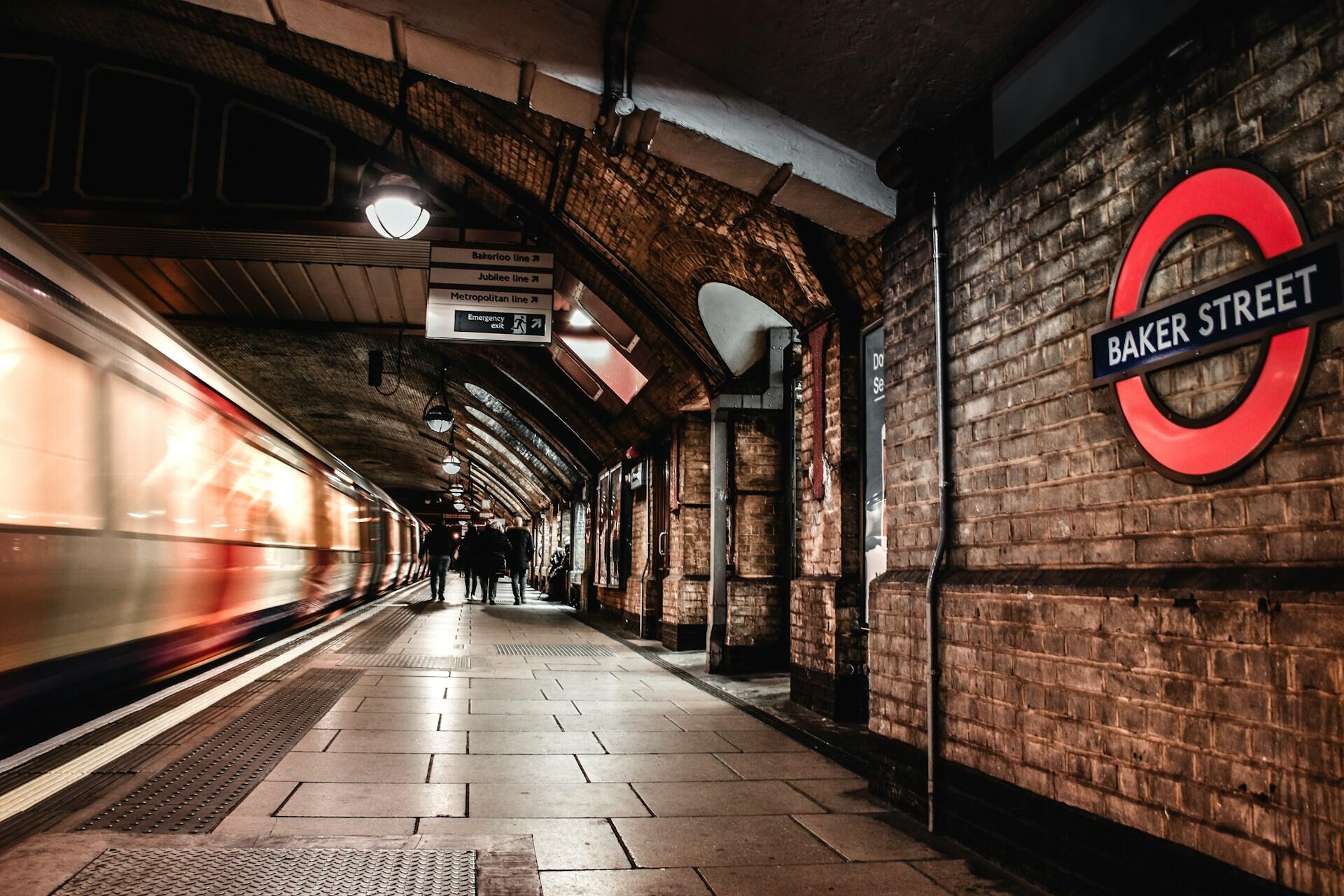
With electrification, 20th-century British life hurtled into a new age. In homes, shops, and factories, the hum of activity basked in a warm, incandescent glow. The world was at once safer and far more dangerous in Victorian Britain.
travelled on opening day.
Improving Life in Victorian Britain
It's likely thanks to the orderly society and established government that people could yearn. The conflicts that shaped Tudor Britain were long past; aspirations turned towards civil living. Work and home life were the two prongs around which this new society revolved.
That doesn't mean Victorian Britain achieved equality during these times. The well-to-do could afford home luxuries; the less well-off were happy just to have a home and a bite to eat.
As the country strode ahead with one discovery after the other, the Hungry Forties devastated the population. Still, one Victorian initiative hinted at a future balance between classes.
England and Wales introduced compulsory education in 1880. Although not a Victorian invention, this innovation improved lives and the country's future.
Victorian Medicine
We must give credit to Victorian doctors and surgeons, who expanded the store of knowledge and developed new techniques. Engineers deserve praise too, particularly for innovations in sanitation. Waste and water supply management strategies helped reduce the incidence of disease.
Pasteurisation limited foodborne illnesses, though other types of food contamination still affected the population. Louis Pasteur's initial pasteurisation experiment in the 1960s involved heating wine so it wouldn't turn into vinegar, which seems to indicate the priorities of the French at the time. New devices helped improve surgical outcomes, and better hospital management saved lives. Anaesthesia and antiseptics were also significant discoveries of the Victorian era.
Victorian Britain Inventions for the Home
Electricity is arguably the most significant home innovation. In Victorian times, it reduced indoor pollution and virtually eliminated carbon monoxide deaths. More importantly, it paved the way for these and other amazing innovations.
| Invention | Year | Inventor |
|---|---|---|
| The flushing toilet | 1845 | George Jennings |
| The sewing machine | 1845 | Isaac Merrit Singer |
| Central Heating | 1846 | William Strutt |
| The light bulb | 1870s | Warren de la Rue, Joseph Swan, and others |
| The telephone | 1876 | Alexander Bell |
| The electric kettle | 1891 | Crompton & Co |
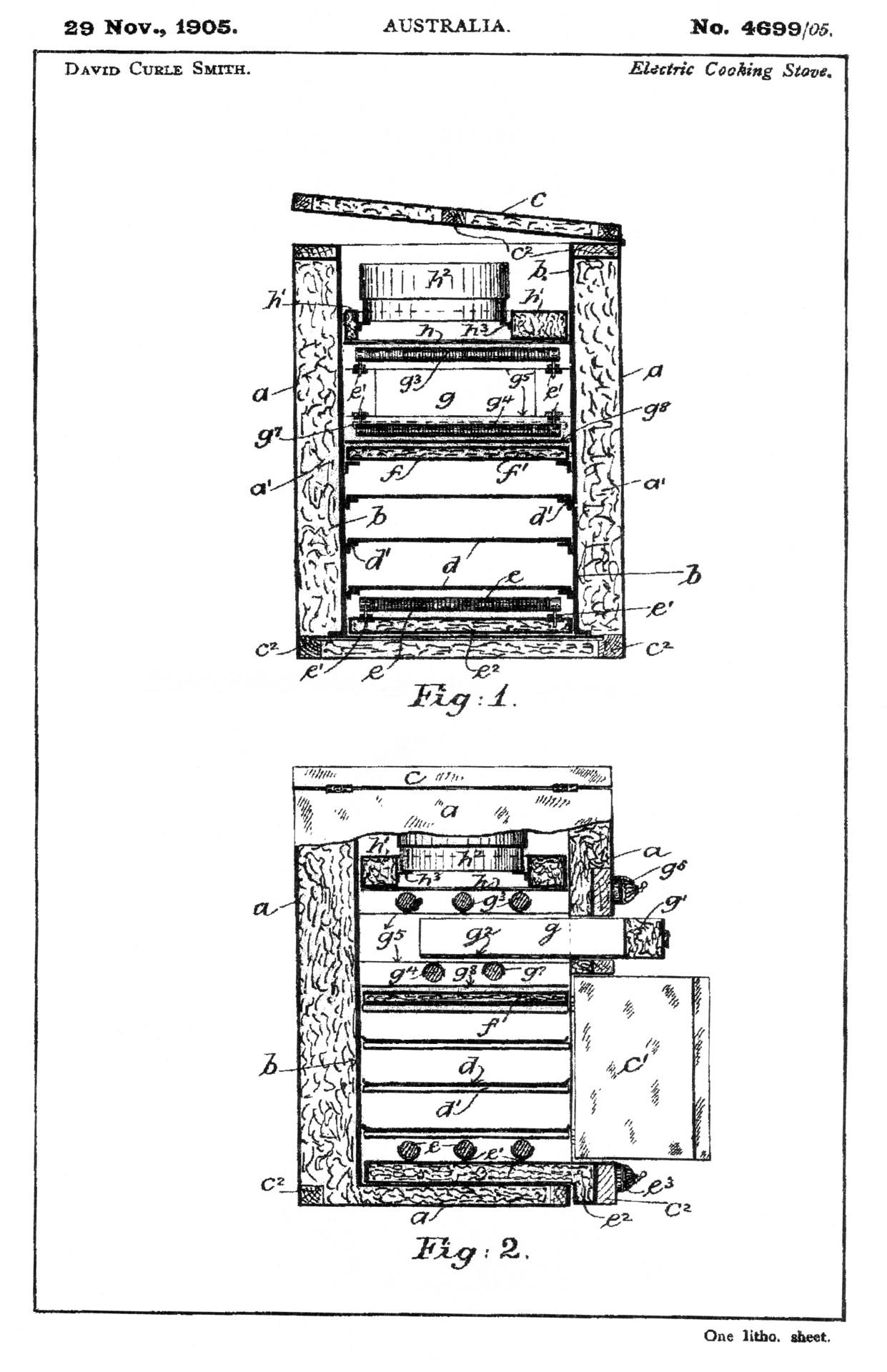
| The electric cookstove | 1892 | Thomas Ahearn |
| The icebox | 1894 | István Röck |
| The hoover | 1901 | Hubert Cecil Booth |
| Kitchen gadgets graters, peelers, ice-cream makers | multiple dates | Agnes Bertha Marshall |
Many of these Victorian-era inventions continue to impact modern British life today. Londoners routinely ride the tube, and we all curse the dark when the electricity fails. Digital technology is relatively new, but it relies on concepts that were discovered long ago.
Key Takeaways
- The Victorian period (1837–1901) was the most inventive age in British history.
- Victorian inventors pioneered breakthroughs in transport, communication, science, and home life.
- Many famous Victorian inventions, such as the telephone, the flushing toilet, and the light bulb, still impact us today.
- The most significant Victorian inventions and their inventors, along with their impact on everyday life.
Summarise with AI:
Did you like this article? Leave a rating!

 Loading...
