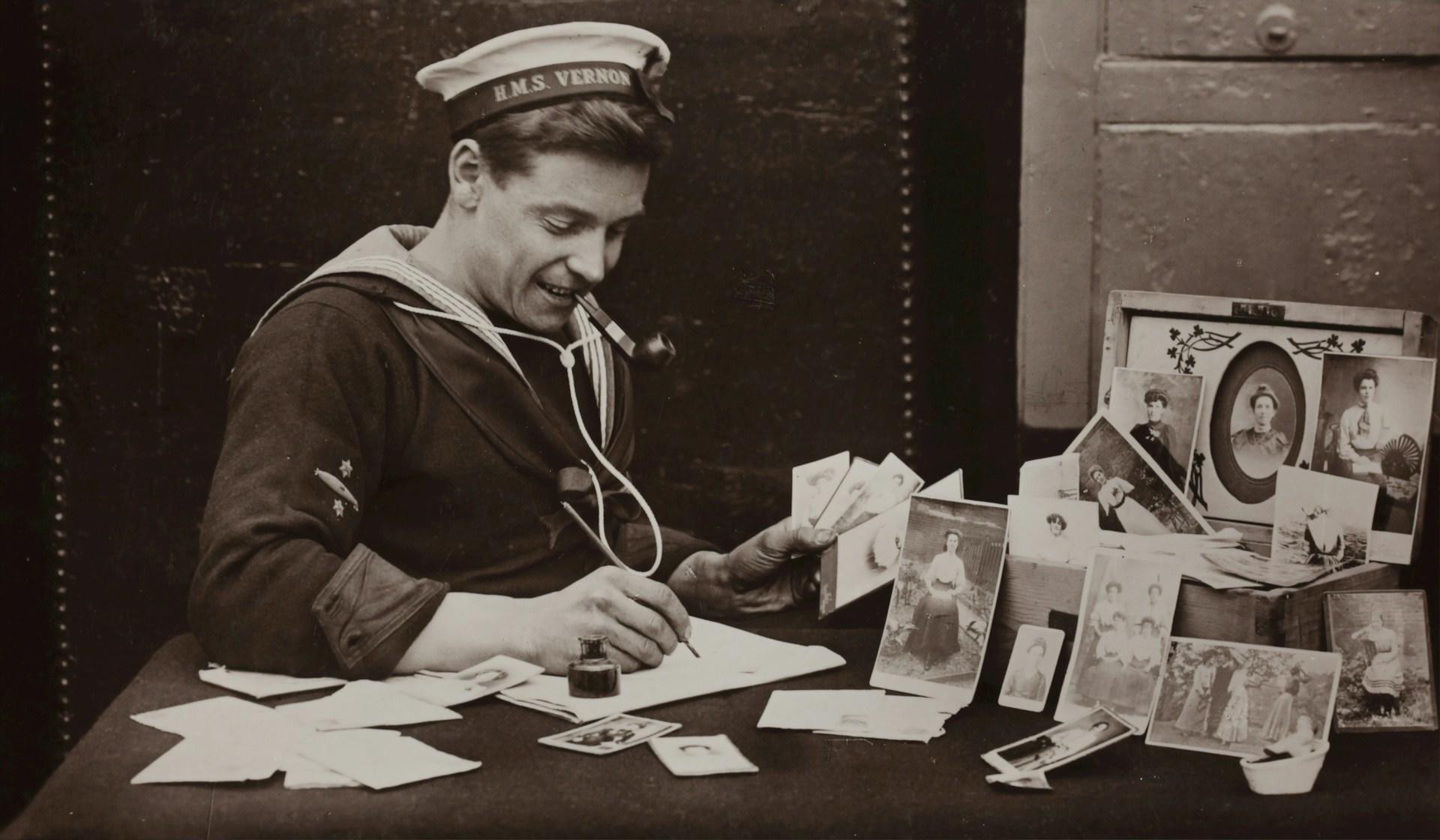

During the 19th century, Britain was described as “the empire on which the sun never sets,” particularly during the reign of Queen Victoria. The following century proved to be a turning point, as Britain gradually lost its imperial power and global dominance through a series of major historical events and transformations.
As momentous as they were, those didn't have the reach that comparable events during Tudor Britain had. The impacts of World Wars I and II were far greater, so we must talk about them in detail. This article explores the key global developments that shaped 20th-century Britain, the effects of which are still felt today.
1901
The end of the Victorian era, King Edward ascended to the throne
1904
Introduction of the Public Health Act and the Licence Act
1914-1918
The start of World War I, Britain was part of the Allied Powers
1928
Everyone is given voting rights
1939–1945
World War II: Britain suffered a huge blow to its economics
1948
Formation of the National Health Service
1979
Margaret Thatcher became Britain's first-ever female Prime Minister


👑The Dawn of the 20th Century (1901-1910)
The beginning of the 20th century marked the end of Queen Victoria's long reign (63 years and 216 days). Her eldest son, Edward VII, succeeded her at the age of 59. 1
🌍The Edwardian Era and Its Significance
The Edwardian era was generally more relaxed in terms of social customs and public behaviour compared to the Victorian era, which was known for its more conservative values.
These changes were reflected in several cultural and social developments during the period, including the growing momentum of the women’s suffrage movement, the widening gap between rich and poor, and the social reforms introduced by the Liberal government during the later years of the Edwardian era.2
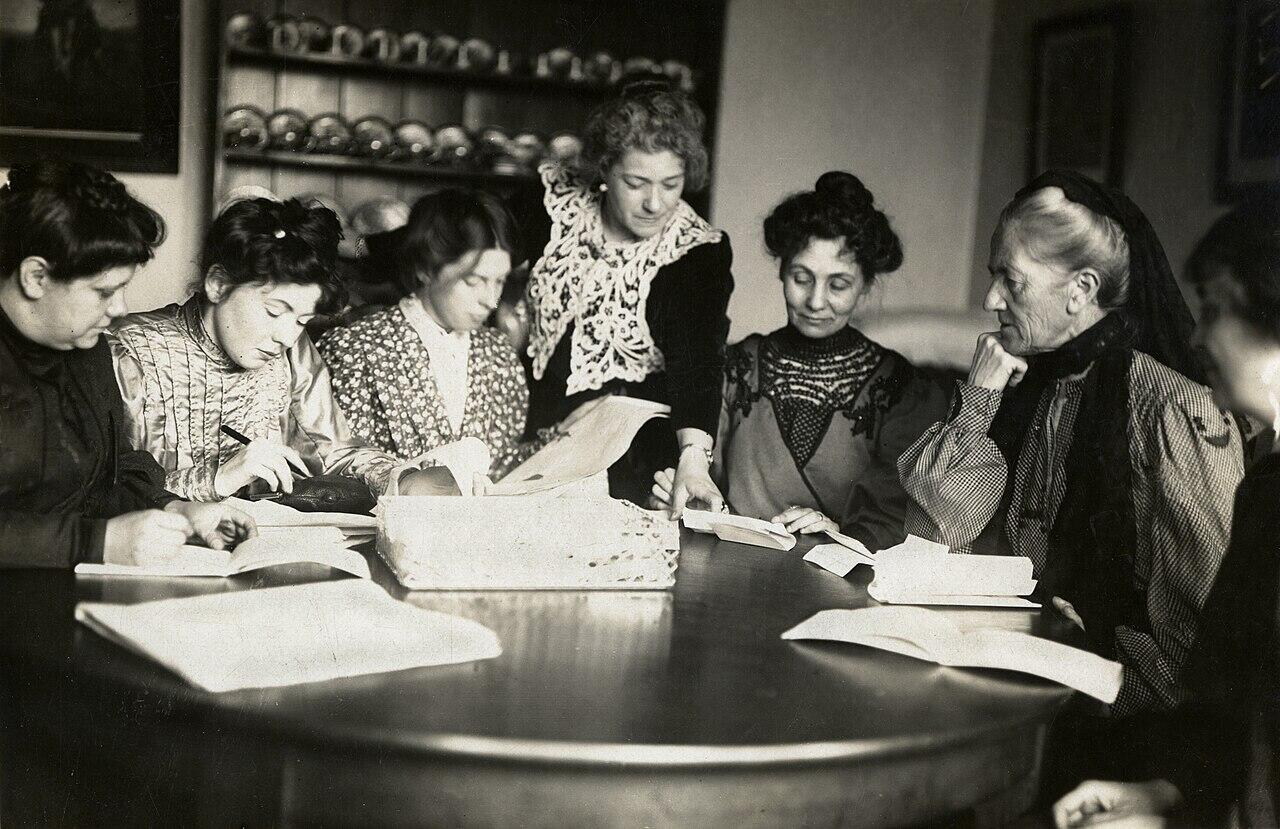
Here are two major highlights:
🗳️ Women’s Suffrage Movement
- More mass activism and public protests to uphold equal women's rights
- More coverage in newspapers to push for political change
- A bottom-up change initiative (pressure from society)
🏛️ Liberal Social Reforms
- Introduced welfare measures like: Free school meals, Old Age Pensions (1908), and Workmen's Compensation Act 1906
- Laid the foundation for the modern welfare state
- A top-down change initiative (government implementation)
You might want to explore the Viking connections in terms of Britain's history.
📜 Key Events of 1904 in England
1904 was an important year during the Edwardian era, as it had major legislative acts that shaped the future of modern England. There was a growing understanding and acceptance that the state should intervene to improve living conditions and public welfare.
✅ New residential areas must have running water and an internal drainage system
✅ Every public health authority had to have a doctor and a sanitary inspector
✅ Towns need to have pavements and street lighting.
✅ Aimed to reduce the number of pubs to address drinking problems
✅ The Conservative Party proposed a compensation scheme for brewers for their cancelled licences
✅ Backfired and helped the Liberal Party win the 1906 election by a landslide
Both acts helped normalise public health and social reforms as a government responsibility.
💂♂️World War I and Its Aftermath (1914-1918)
After the death of Edward VII, his eldest son, George V, ascended the throne. During his reign, Great Britain entered World War I in August 1914 following Germany’s invasion of Belgium.
Allies: UK + France + Russia + later USA + many others
Central Powers: Germany + Austria-Hungary + Ottoman Empire + Bulgaria
💥Britain's Role in the Great War
Britain’s military contribution was substantial, drawing on troops from both the United Kingdom and its colonies. 3
Britain
soldiers served
British colonies
soldiers served
At the start of WWI, Britain sent in the British Expeditionary Force (BEF) to fight in France and Belgium. Alongside the Royal Navy, Britain managed to block German ports to prevent imports like food, raw materials, and war supplies — eventually weakening Germany’s ability to continue the war.
Some of the major battles that Britain participated in include:
- Battle of the Somme (1916)
- Battle of Jutland (1916)
- Battle of Passchendaele (1917)
The entire population of Britain was affected by the war in one way or another, either through direct battles or home front contributions in these three main areas:
Factory production
- Women replaced men in industrial jobs
- Manufactured items include rifles, aeroplanes, machine guns, artillery pieces, and shells to equip Britain's armed forces 4
Food control
- Food was sent away due to the war
- Introduction of food rationing
- Fixed amount of sugar, meat, butter, and milk for every family 5
Women's involvement
- Working outside the home in various sectors, such as factories, nursing, and transportation
- Rise of female police officers and armed forces during the war
🩹 Social and Economic Impact Post-War
By the time World War I ended in 1918, Britain was never the same again — both socially and economically. Both the social and economic impacts are deeply interconnected.
Economic problems often created social change, while social pressures pushed governments toward economic reform.
| Economic Impact | Social Impact | How They Were Connected | Example |
|---|---|---|---|
| Heavy national debt and war expenditure | Pressure for social reform | Britain borrowed heavily during the war, making reconstruction difficult while increasing public expectations for government support | Government spending constraints but continued expansion of welfare measures |
| Unemployment among returning soldiers | Social unrest and demands for support | Millions returned from military service and expected jobs and improved living conditions | Post-war unemployment and labour protests (1919–1921) |
| Industrial disruption and restructuring | Changes in class relations | Wartime industries expanded but later contracted, affecting workers and communities | Decline in traditional industries such as coal and shipbuilding |
| Labour shortages during war → women entered workforce | Changing gender expectations | Women's wartime contributions strengthened arguments for greater social and political rights | Partial women's suffrage granted in 1918 |
| Inflation and rising cost of living | Growing dissatisfaction with government | Economic hardship contributed to strikes and stronger labour movements | Expansion of trade union activity during the 1920s |
Historians agree that the Medieval British era was one of our country’s most violent periods. Disputing such is out of the question. However, the harsh realities of Medieval Britain might be countered by arguing that the First World War was more psychologically damaging.
⚔️ The Interwar Period and the Road to World War II (1919-1939)
Various cultural shifts and social tensions marked the 1920s in Britain. Although it was a temporary period of welcome peace, many developments during this decade contributed, directly or indirectly, to the outbreak of World War II in 1939.
🎶 The Roaring Twenties and the Great Depression
The early 20s were among the most colourful years in British history in terms of leisure habits, fashion, and social life. 6
Fast forward to the late 20s and early 30s, and the economy of Britain began to suffer a huge blow, as seen through these examples:
Rise of Political Movements and International Tensions
During the interwar period, political movements and international tensions transformed different parts of Europe, including Britain. Here's an overview of what happened during that time.
| Development | What Happened | Why It Happened | Examples | How It Contributed to WWII |
|---|---|---|---|---|
| Growth of Socialist and Labour Movements | Workers and labour groups became more politically influential after WWI | Economic hardship, unemployment, and demands for social reform increased support for parties representing workers | In Britain, the Labour Party replaced the Liberals as a major political force and formed its first government in 1924 | Changed political priorities and increased pressure for domestic stability rather than military confrontation |
| Rise of Fascism in Europe | Authoritarian governments emerged promising order, nationalism, and economic recovery | Post-war instability, fear of socialism, and dissatisfaction with existing governments | Benito Mussolini came to power in Italy (1922); Adolf Hitler became German Chancellor (1933) | Aggressive nationalism and territorial expansion destabilised Europe |
| Economic Crisis and the Great Depression | The economic collapse of the 1930s increased political extremism | High unemployment and reduced confidence in democratic governments | Industrial unemployment spread across Europe; extremist parties gained support | Economic insecurity strengthened radical political movements |
| Britain's Policy of Appeasement | Britain attempted negotiation and concessions to avoid another major war | Public trauma from WWI and military unpreparedness encouraged peace-first policies | British leaders accepted some territorial demands made by Germany | Allowed expansionist states to grow stronger before resistance increased |
| Spanish Civil War (1936–1939) | Civil war became a wider ideological struggle between political systems | Europe was increasingly divided between left-wing and authoritarian politics | Spanish Civil War involved support from Germany and Italy for nationalist forces | Served as a testing ground for military tactics and exposed international divisions |
| Munich Agreement (1938) | Britain and France agreed to allow Germany to annex part of Czechoslovakia | Leaders hoped concessions would preserve peace | Munich Agreement became associated with appeasement | Encouraged further German expansion and weakened deterrence |
💣 World War II and Its Consequences (1939-1945)
On 1 September 1939, World War II began when Germany (under Adolf Hitler) decided to invade Poland. Alongside France, Britain declared war against Germany on 3 September and became a leading member of the Allied Powers.
Axis Powers
Germany, Italy, Japan
Allied Powers
United Kingdom, France, Soviet Union, United States, China
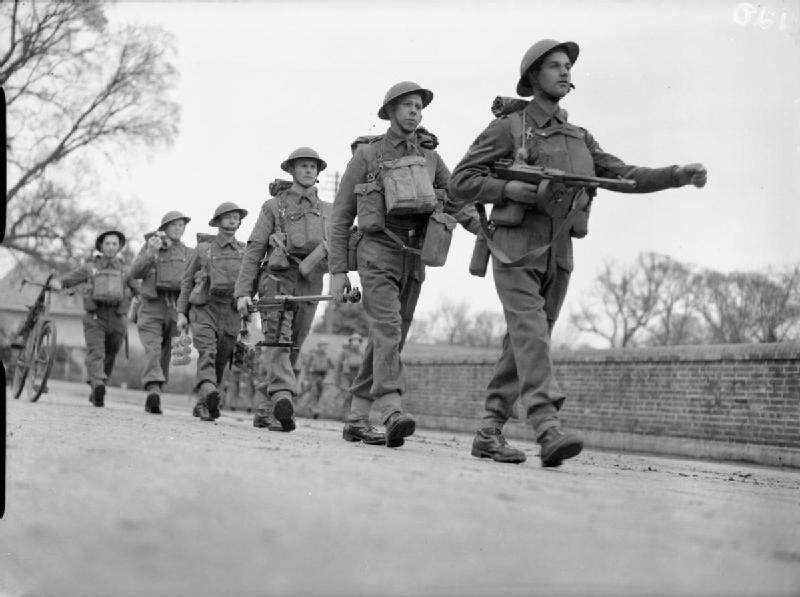
🪖Britain's Strategic Role in the War
Britain's military campaigns and alliances have been crucial in sustaining the Allied Powers' ultimate victory in the war.
| Campaign | What Happened | Why It Was Important | Example / Outcome |
|---|---|---|---|
| Battle of Britain (1940) | Germany launched an air campaign against Britain to weaken British defences and gain air superiority | Britain successfully prevented a German invasion and remained active in the war | The Battle of Britain became Britain's first major military victory |
| The Blitz (1940–1941) | German bombing targeted British cities and industrial centres | Intended to damage production and reduce civilian morale | London, Coventry, Liverpool, and Birmingham experienced sustained bombing |
| North African Campaign (1940–1943) | Britain fought Axis forces for control of North Africa and Mediterranean routes | Protected imperial connections and trade routes | Allied victories improved strategic positioning for later campaigns |
| Battle of the Atlantic (1939–1945) | Britain defended shipping routes against German submarines | Britain depended heavily on imported food, fuel, and supplies | Convoys and naval coordination maintained national survival |
| D-Day and the Normandy Campaign (1944) | Allied forces launched a major invasion of German-occupied France | Opened the Western Front and accelerated Germany's defeat | Britain coordinated operations alongside Allied partners |
🤝 Home Front and Civilian Life During the War
Let's review the highlights for the home front in Britain during WWII.
🍞Rationing
- Ration books containing coupons were issued to ensure fairness for food distribution
💣The Blitz
- Bombing raids in London, with citizens seeking shelter in stations
🏭Societal resilience
- Child evacuation and more volunteers signing up for civil defences
🏗️ Post-War Britain and the Welfare State (1946–1979)
The Second World War brought significant economic and social disruption to Britain. In the years that followed, the country rebuilt its economy and welfare system, while the British Empire gradually declined and was eventually dismantled.
🏘️ Reconstruction and Economic Recovery
Following the heavy bombing of the Blitz, infrastructure, housing areas, and transportation links in various towns had to be rebuilt. Children who relocated back to their original cities after evacuation witnessed the aftermath of the war. The Blitz itself was one of the most defining moments in British history.
As a result, about one million new homes were built in new towns. 7
I came home in December 1945 as a six-year-old and Liverpool was grimy, dusty, the air was polluted, you could almost taste it. Lots of streets where I lived were still dangerous from the war.
John McEwan, as a child at the time, was evacuated from the city to the Welsh countryside in 1941
Other reconstruction initiatives include:
The nationalisation of key industries
- The government could create and maintain stable employment for workers, preventing unemployment on the scale of the Great Depression
Continued rationing
- Bread and meat rationing continued to ensure the fair distribution of limited resources after the war 8
👨👩👧👦 Establishment of the National Health Service (NHS)
The creation of the NHS in 1948 became one of the most significant reforms in the UK after the Second World War.
It was established by Aneurin Bevan, who was the health minister of Britain from 1946 to 1951.
The purpose of the NHS is to make healthcare a basic necessity, which had previously been unaffordable.
Under the NHS:
- Surgery and inpatient care are free
- Doctor visits (GPs) are free
- Hospital treatment is free
- Emergency care is free
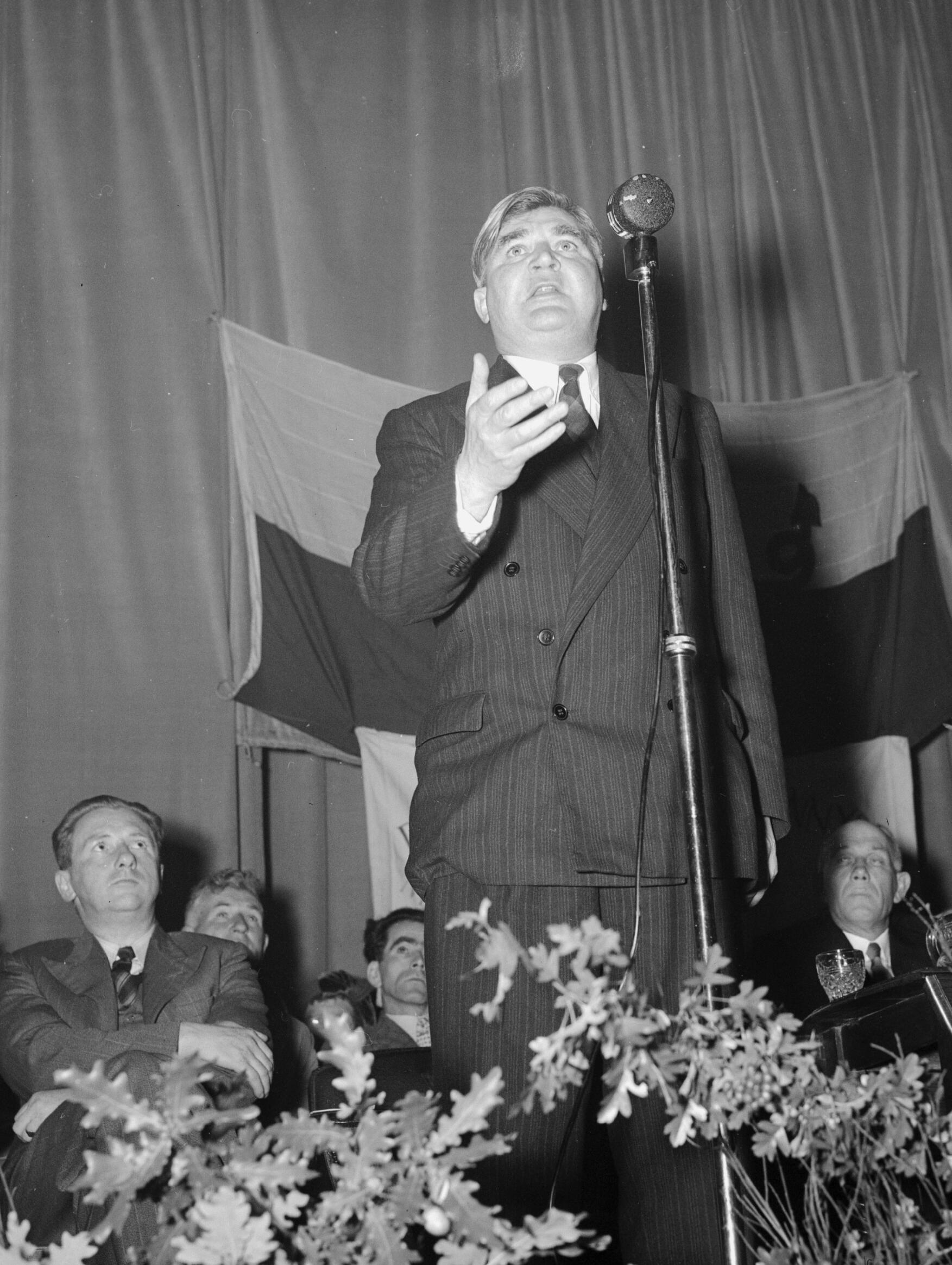
As soon as it was launched, it reached the following metrics:
| Metric | Statistics |
|---|---|
| Registration | 95% of population registered before launch |
| Patients | 30 million on doctors' registers |
| Glasses prescriptions | 5+ million in first year (£32 million cost) |
| Doctor Prescriptions | 19 million/month (1951) vs. 7 million (1947), showing steady increase |
🌐 Decolonisation and the End of the British Empire
Three main factors contributed to the decolonisation:
- Economic pressure: Maintaining colonies is costly after the war, especially when Britain's economy has weakened
- Nationalist movements: Colonised countries across Asia, Africa, and the Caribbean wanted full independence
- International pressure: The United Nations' Declaration on Decolonisation in 1960, asserting for self-determination
💼 Late 20th Century: Social Change and Technological Advancements (1980–2000)
The late 20th century brought many significant changes to Britain.
🏦 The Thatcher Era and Economic Policies
In 1979, Margaret Thatcher became Britain’s first female prime minister. Nicknamed “the Iron Lady”, she was one of the longest-serving prime ministers in British history.
During her administration, Thatcher introduced several economic policies that were divisive but remain part of her political legacy to this day. 9
| Policy | What Thatcher Did | Intended Goal | Major Effects / Legacy |
|---|---|---|---|
| Privatisation | Sold state-owned industries including telecoms, energy, transport, and manufacturing | Reduce state involvement and encourage competition | Expanded private ownership and shareholder culture; critics argue essential services became less publicly accountable |
| Financial Deregulation (“Big Bang”, 1986) | Removed restrictions in the City of London and opened markets to foreign investment | Increase competitiveness and modernise finance | London became a leading global financial centre and finance gained greater importance in the UK economy |
| Trade Union Reform | Restricted strike activity and reduced union bargaining power | Increase productivity and reduce industrial disruption | Significant decline in union influence and a shift in power toward employers |
| Tax Reform | Reduced direct taxes (especially higher income tax rates) while relying more on indirect taxation such as VAT | Encourage investment, entrepreneurship, and economic growth | Changed Britain’s tax structure and reinforced free-market principles |
| Monetarism | Focused on controlling inflation through tight monetary policy and restraint of public spending | Stabilise the economy after 1970s inflation | Inflation fell, but unemployment rose sharply during the early 1980s recession |
| Housing (“Right to Buy”) | Allowed council tenants to purchase their homes at discounted prices | Expand home ownership and create a “property-owning democracy” | Increased ownership rates but contributed to long-term pressure on social housing supply |
🏙️ Cultural Shifts and Technological Innovations
The late 20th century saw major cultural shifts and technological changes globally, including in Britain.
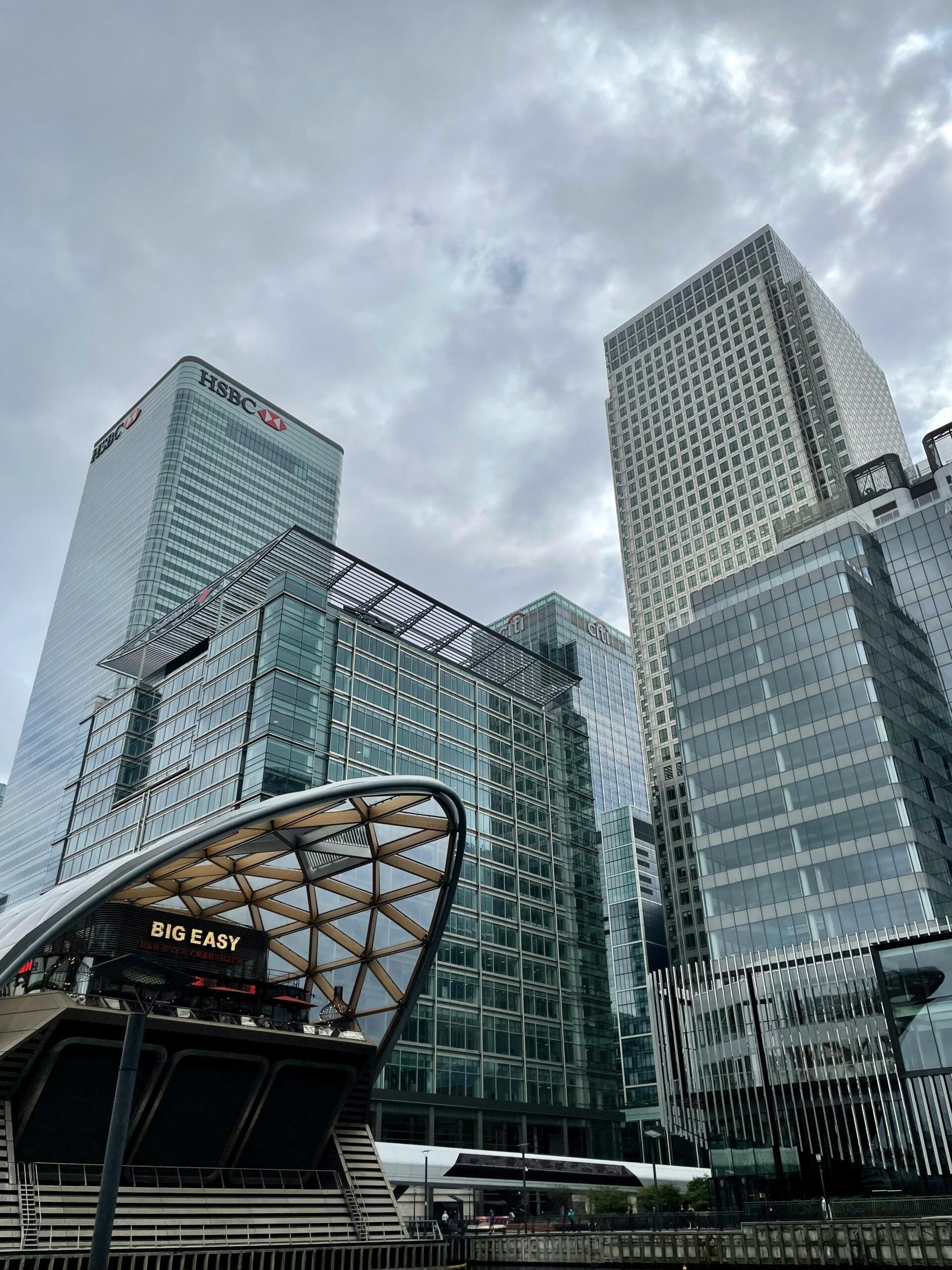
The economic restructuring during Thatcher's era led to privatisation and the growth of the financial sector, especially in London — leading to more jobs in service sectors and offices
Great interest in British culture:
Prince Charles and Lady Diana Spencer in 1981 (watched by 750 million viewers in 74 countries),
Global viewers were also able to watch and listen to Britpop acts (80s-90s)
We hope you have enjoyed exploring Britain's historical events and legacy during the 20th century. These events ultimately set the stage for all the events modern Britain endured.
References
- Victoria (r. 1837-1901). (n.d.). The Royal Family. https://www.royal.uk/encyclopedia/victoria-r-1837-1901
- An Introduction to 20th-Century England. (2022). English Heritage. https://www.english-heritage.org.uk/learn/story-of-england/20th-century/introduction/
- What role did the British Empire play in the war? (n.d.). BBC Bitesize. https://www.bbc.co.uk/bitesize/articles/z749xyc#zhj6xbk
- The Factories That Fed The Front in the First World War. (2018). Imperial War Museums. https://www.iwm.org.uk/history/first-world-war/home-front/the-factories-that-fed-the-front-in-the-first-world-war
- What did people eat during World War One? (n.d.). BBC Bitesize. https://www.bbc.co.uk/bitesize/articles/z8kv34j#znmvvwx
- Johnson, B. (2014). The 1920s, the Roaring Twenties, in Britain. Historic UK. https://www.historic-uk.com/HistoryUK/HistoryofBritain/The-1920s-in-Britain/
- Royal British Legion. (2020, February 20). Why the world needed rebuilding after WW2 | royal British Legion. The Royal British Legion. https://www.britishlegion.org.uk/get-involved/remembrance/stories/why-the-world-needed-rebuilding-after-ww2
- Cartwright, M. (2024, June 21). Rationing in Wartime Britain. World History Encyclopedia. https://www.worldhistory.org/article/2491/rationing-in-wartime-britain/
- Coman, J. (2013, April 14). Margaret Thatcher: 20 Ways That She Changed Britain. The Guardian; The Guardian. https://www.theguardian.com/politics/2013/apr/14/margaret-thatcher-20-changes-britain
Summarise with AI:
Did you like this article? Leave a rating!

 Loading...