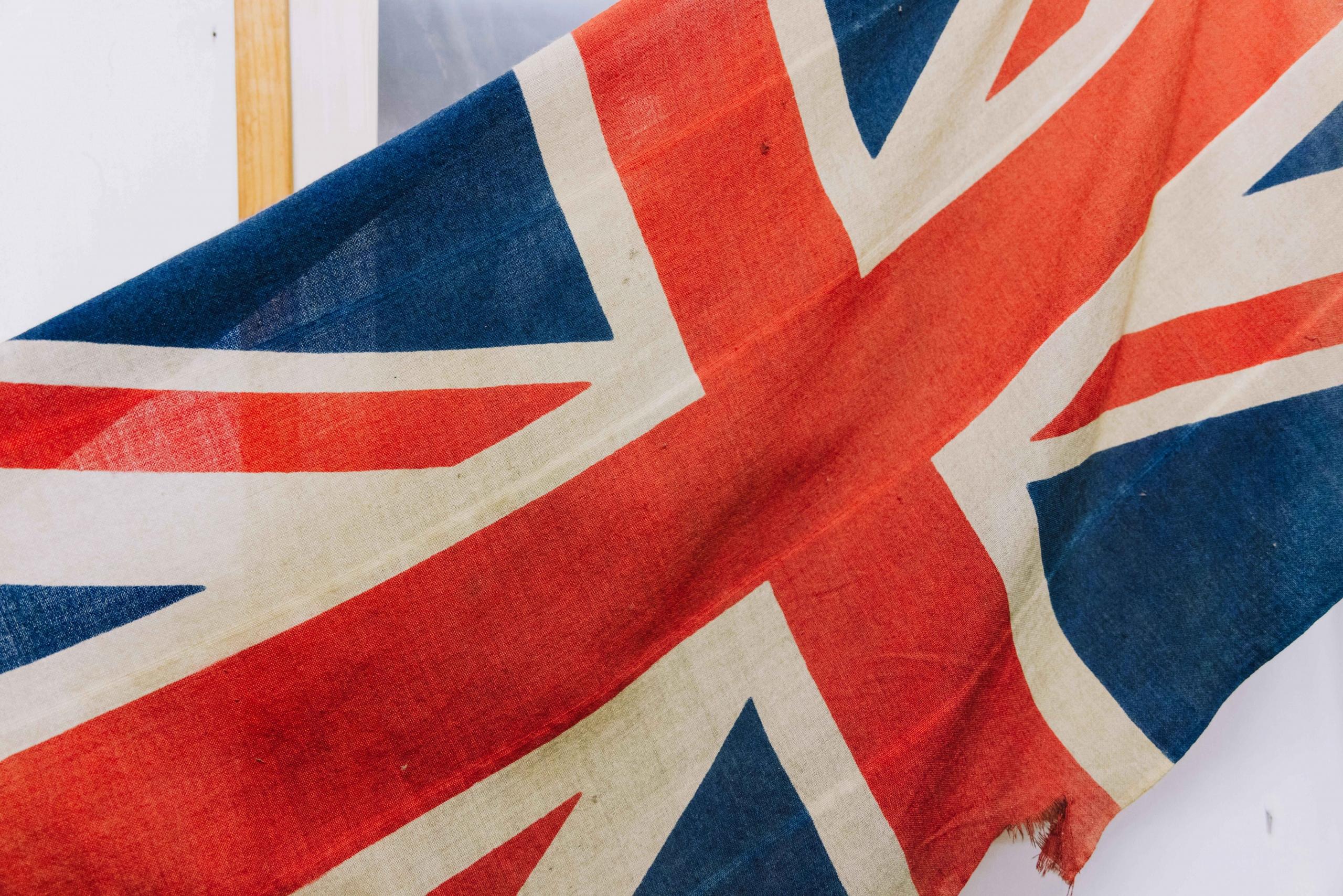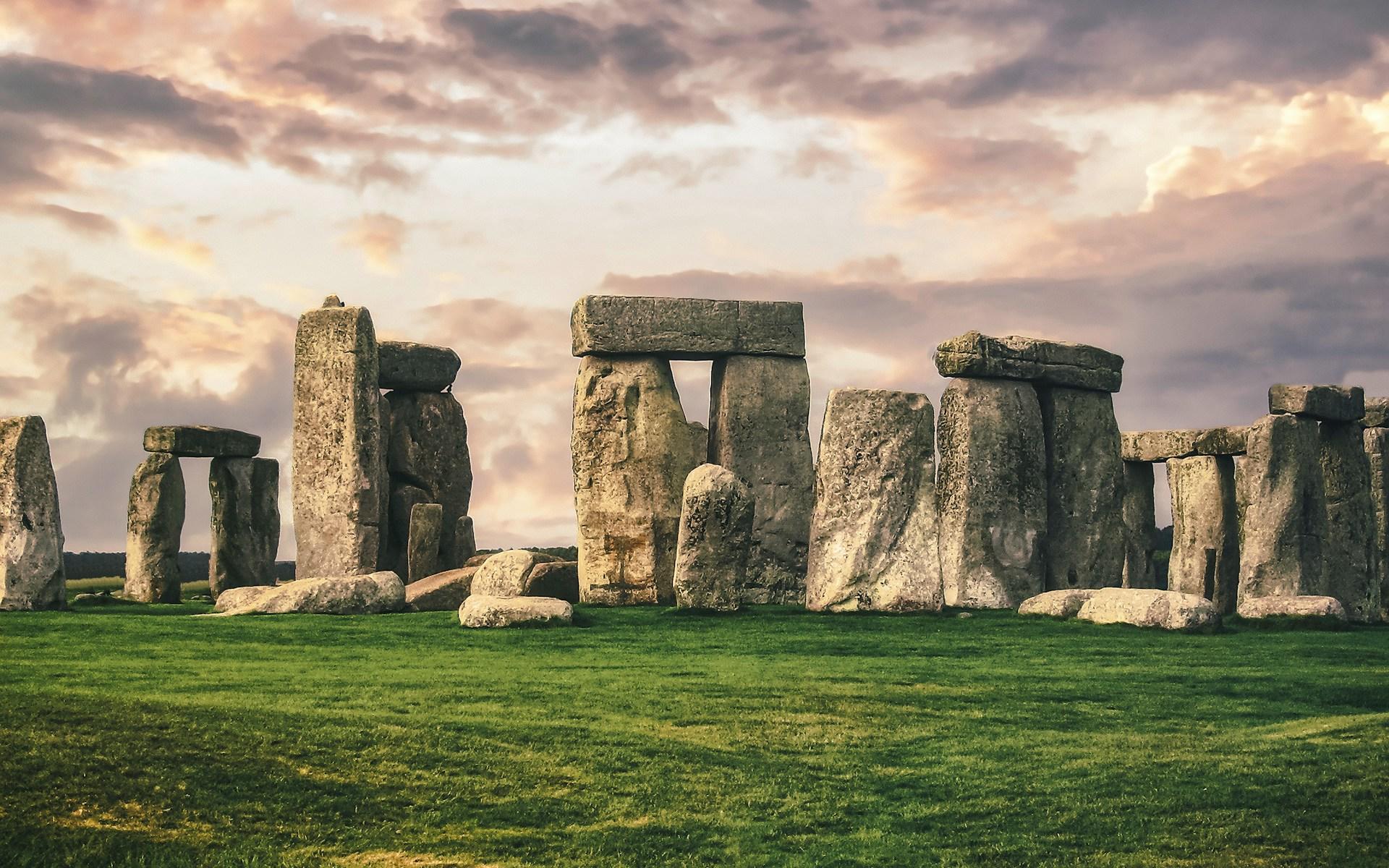

Evidence exists of human activity in our island long before anyone kept any kind of records. However, we're certain that inhabitants battled newcomers for supremacy every step of the way. For one, because evidence of humans doing such exists the world over. For two, archaeological work and eventual written historical records, all of which we preview in this timeline and detail throughout this article.
900,000 BCE
Prehistoric Britain
Several species of humans occupied these lands, including Homo Erectus and Homo Antecessor.
43 - 410 CE
Roman Britain
Roman rule lasted for nearly 4 centuries, until the fall of the Roman Empire, which caused the Roman withdrawal.
410-1066 CE
Early Mediaeval Period
Vikings fought the Picts, Celts, Scots, and Anglo-Saxons
1066-1455
Medieval Britain
From the Norman Conquest to the Wars of the Roses
1485-1707
Early Modern Britain
Comprises the Tudor Era, the Stuart Period, the English Civil War, and the Glorious Revolution.
1707-1837
The Georgian Era
The time of Enlightenment and British expansion, despite the Napoleonic wars.
1837-1901
Victorian Britain
Seizing the global reins
1901-2000
20th Century Britain
Fighting for, and losing, dominance
2000s
Modern Britain
British life in the new millennium


Prehistoric Britain
Archaeological evidence exists to prove these isles' inhabitation for roughly a million years, give or take a few thousand. The Happisburgh Footprints, uncovered in Norfolk in 2013 and subsequently destroyed by incoming tides, set the earliest occupation timeframe around the end of the Early Pleistocene age1.
At the time, a thin land bridge linked Britain with the main European continent, which helps explain this early human migration. However, so far, the oldest human fossil remains found belong to Boxgrove Man. They were discovered in Sussex and subsequently dated to around 480,000 years old.
About 425,000 years ago, a cataclysmic weather event severed the land bridge, leaving the British Isles populated with several species of early humans. From their remains and artefacts, we can sketch their lives.
Bronze and Iron Ages
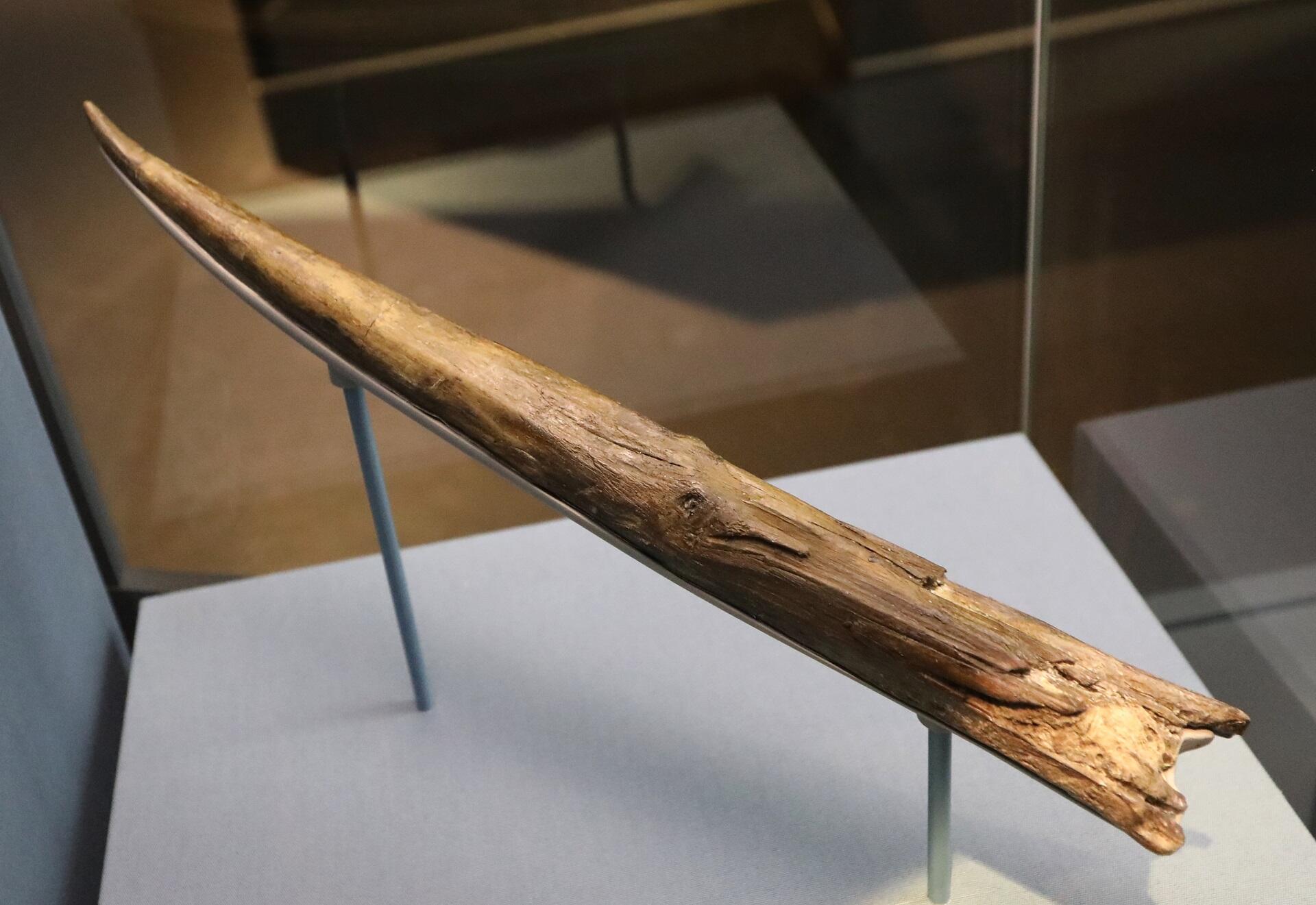
By the Bronze Age, remaining Neanderthal populations had died out, leaving modern humans as the only remaining human species. This period spanned roughly from 2300 BCE (Before the Current Era) to 700 BCE2.
All signs point to the transition to bronze in Britain being a result of imports from the European mainland. Specifically, by the Bell Beaker people, who got that name thanks to the bell-shaped pottery they left us as artefacts.
Today, we refer to the Bell Beaker People as the Wessex culture. Evidence exists that they traded with the Mycenaeans, which paved the way into the Iron Age.
The Wessex culture’s presumed trade with Greece likely paved the way for iron crafting’s arrival in Britain. Southern Europe had already perfected the making of iron tools and demonstrated their efficiency.
Iron plough blades were more resilient than wooden or brass ones, and iron weapons were far more deadly. Iron axes could clear land faster, making way for growing agricultural settlements. At this point, land ownership became culturally important.
The downside to these civilisational actions was the need to constantly defend what you had.
Warfare became a staple of Iron Age Britain, with lands frequently changing hands. Iron weapons’ lethality overshadowed more progressive social developments, such as textile weaving and expanded food production.
Roman Britain
By the time the Roman Empire took over British civilisation in 43 CE (Current Era), writing had long been a fact of life for them. So, they kept meticulous records of their activities and riches. Those records, along with remaining artefacts, describe life in Roman Britain.
Conquest and rule
- Emperor Claudius craved political prestige
- conquering northern Gaul led to Britain's conquest
- Roman troops captured Caratacus, neutralising his guerilla forces
- Romans began pushing east, into Wales, and north, to Lincolnshire.
Decline and withdrawal
- increasingly frequent Saxon attacks tax Roman forces
- Scoti (Gaels - Irish) also attacked Romans
- Hadrian's Wall garrison dissented from Roman orders
- Theodosius re-established (short-lived) order
- economic hardship caused more troop dissent
In the end, a combination of 'barbarian' attacks, coupled with economic decline, put an end to the Roman presence in Britain. And everywhere else, too.
Early Mediaeval Britain
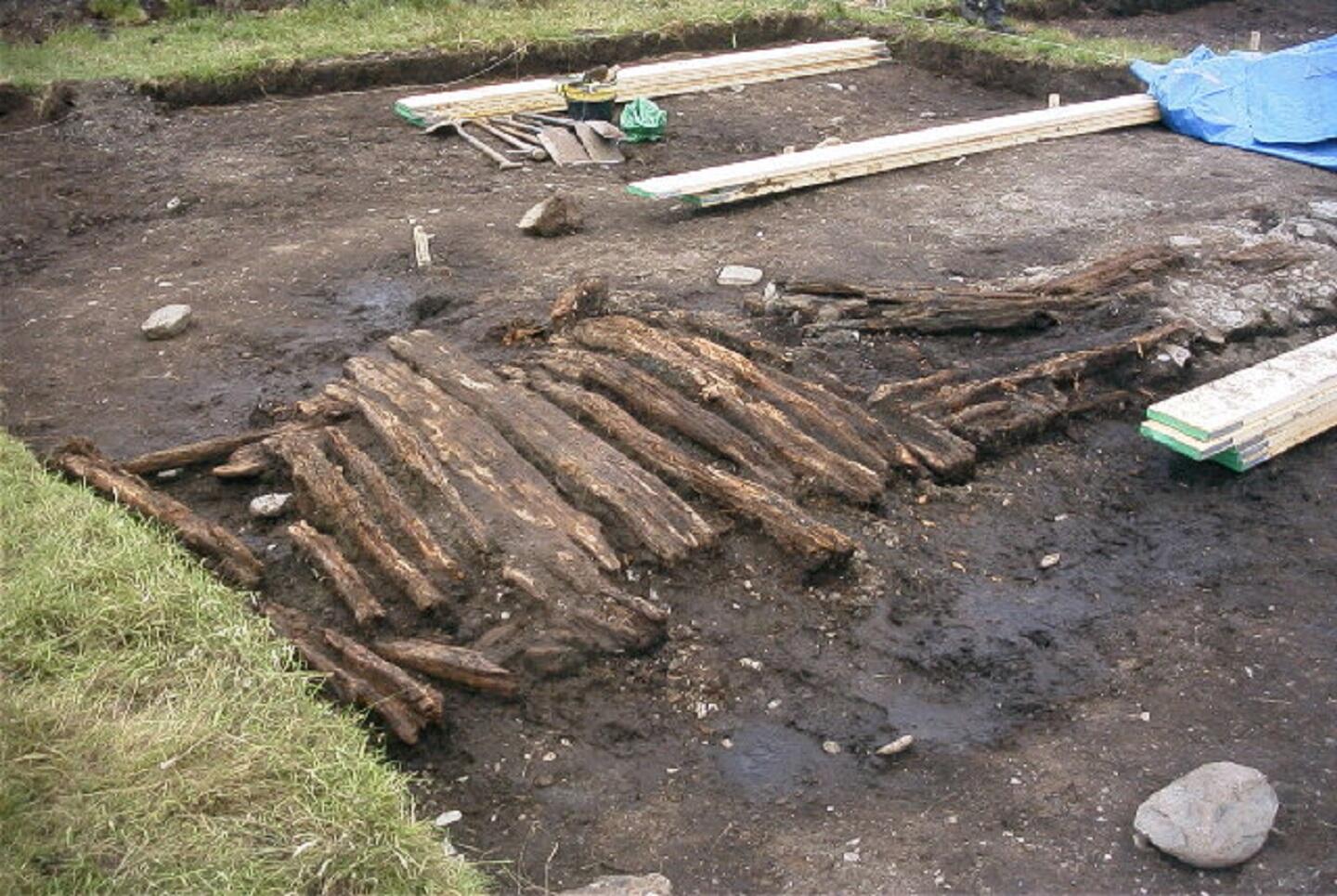
The Roman collapse brought a power vacuum in Britain, which other invaders were happy to migrate into and fill.
Anglo-Saxon Settlements
Angles, Saxons, and Jutes made their way to Britain posthaste. They carved up the eastern and southern parts of the island. Surprisingly, they didn't seek to dominate local populations. Instead, they pushed them away from fertile lowlands, claiming them for their own settlements.
This process required major cultural and language changes. However Britons felt about their Roman occupiers, they absorbed a lot of cultural markers by osmosis. The switch from Latin-based to Germanic language patterns was a long process.
The Anglo-Saxon settlements gave rise to claimed lands, monarchies, and more tribal wars.
Vikings in Britain
By the mid- to late 9th Century, enough Vikings had arrived to establish settlements. Soon, another influx would make land. This Great Heathen Army battled Britain's three major kingdoms into submission. The lands of East Anglia, Northumbria, and Mercia fell under Viking control.
This swath of land covered Northern and Northeast England.
The fight for control and dominance continued until early in 1066. By that time, the Vikings were turning away from their gods, and their bloodlust was fading. Still, there are many key battles in Viking Britain that we didn’t cover here. This clip highlights a few such moments, too.
Medieval Britain Timeline
So, we pick up our narrative thread around the time of the Norman Conquest, an event the Vikings also influenced3.
As Viking hordes invaded Britain, the French feared they would be next. They invited a Viking contingent to settle in Normandy, provided they would repel further Viking invasions.
That arrangement worked a treat. The French attained a measure of security from their fierce northern neighbours, and the Vikings found a peaceful, pleasant place to set up camp. Over time, those Northmen (Norman!) gave up their warring ways and fiery gods. They embraced Christianity, and French culture.
A bit of that fighting spirit remained, though, in the person of William the Conqueror. It was he who led the charge into Britain in 1066, and who tasted victory in the Battle of Hastings. However, he was denied the crown.
By then, monarchical rule was the norm, having been established during the Anglo-Saxon era. But the people insisted on an English king; no outsider would do. That made William the Conqueror ineligible, so he took the crown by force and ruled like a tyrant.
The Magna Carta, meaning "Great Charter" in Latin, is one of the most important legal documents in history, established to limit the king's powers, protect the nobility, and guarantee the Church's place. It was agreed in 1215 between King John of England and a group of rebellious barons who sought to limit the king's power and protect their rights.
Although many of its original clauses applied only to medieval society, the Magna Carta established the revolutionary principle that no one—not even the monarch—is above the law. It introduced ideas such as the right to a fair trial, protection from unlawful imprisonment, and the requirement that the king govern according to established laws rather than personal authority.
William I, his son, incurred so much disfavour the nobility sought to limit his reach. As this clip shows, the power struggles continued throughout the Medieval Britain period.
Early Modern Britain
The War of the Roses (1455 to 1487), a series of civil wars across England, finally decided which house would rule England.
Tudor Britain
The Wars of the Roses was the fight was between two British Houses, not Britain and some outsider. The crown passed between the Houses of York and Lancaster seven times before Henry VII, the Lancaster king, finally claimed it.
To cement his power, he married House of York's daughter Elizabeth (1486), thus forging the House of Tudor. And then, he began reforming England's political and economic structures.
Henry VII was a thrifty and prudent king, but Henry VIII loved his lavish lifestyle and treated his court and courtesans well. He spent wildly on all manner of grand schemes. He wanted castles and boats and weapons, and he wanted to do as he pleased.
England breaks from the Catholic Church. Henry VIII declares the monarch the head of the Church of England.
This break from dogma wasn't out of some deep, philosophical questioning. The Church denied the king's request, so he arranged things such that the church could never deny him again. Yet more proof of Mr Bragg's words.
Henry VIII might have been a selfish king, but he was astute. His war fears led to Britain establishing the world's first navy. Changing the land's religion paved the way for the Tudor Dynasty’s most impactful events to unfold.
The Tudor Dynasty spanned just 118 years. It ended with Queen Elizabeth I, as she left no heirs. Britain would not see a ruler like her until Queen Victoria took the throne.
The Stuart Period
This rather short-lived era ran from 1603 to 1714, in which religious and civil strife ruled. King Charles I was executed just four years after taking the throne and his son/heir was exiled. This allowed Oliver Cromwell to seize power. His tyrannical leadership lasted five years, from 1653 to his death in 1658.
Cromwell's son took over where his father left off, only he was simultaneously more brutal and more negligent of state affairs. The power vacuum his leadership caused led to the Stuart Restoration in 1660, ending the 11-year interregnum.
The Glorious Revolution
In 1660, King Charles II reclaimed the throne with broad support. He ruled until his death in 1685, after which the crown passed to his brother. James II was far less popular; his rule was marked with repeated rebellions and uprisings. In the end, he was overthrown in an event dubbed the Glorious Revolution (1688). This event brought many changes to the British monarchy4.
The Georgian Era
This period's main drivers were intellectual and industrial advances. It started in 1707 and lasted until 1837, transforming Britain from a largely agrarian society to a towering industrial power. It also did much to change social and monarchical roles.
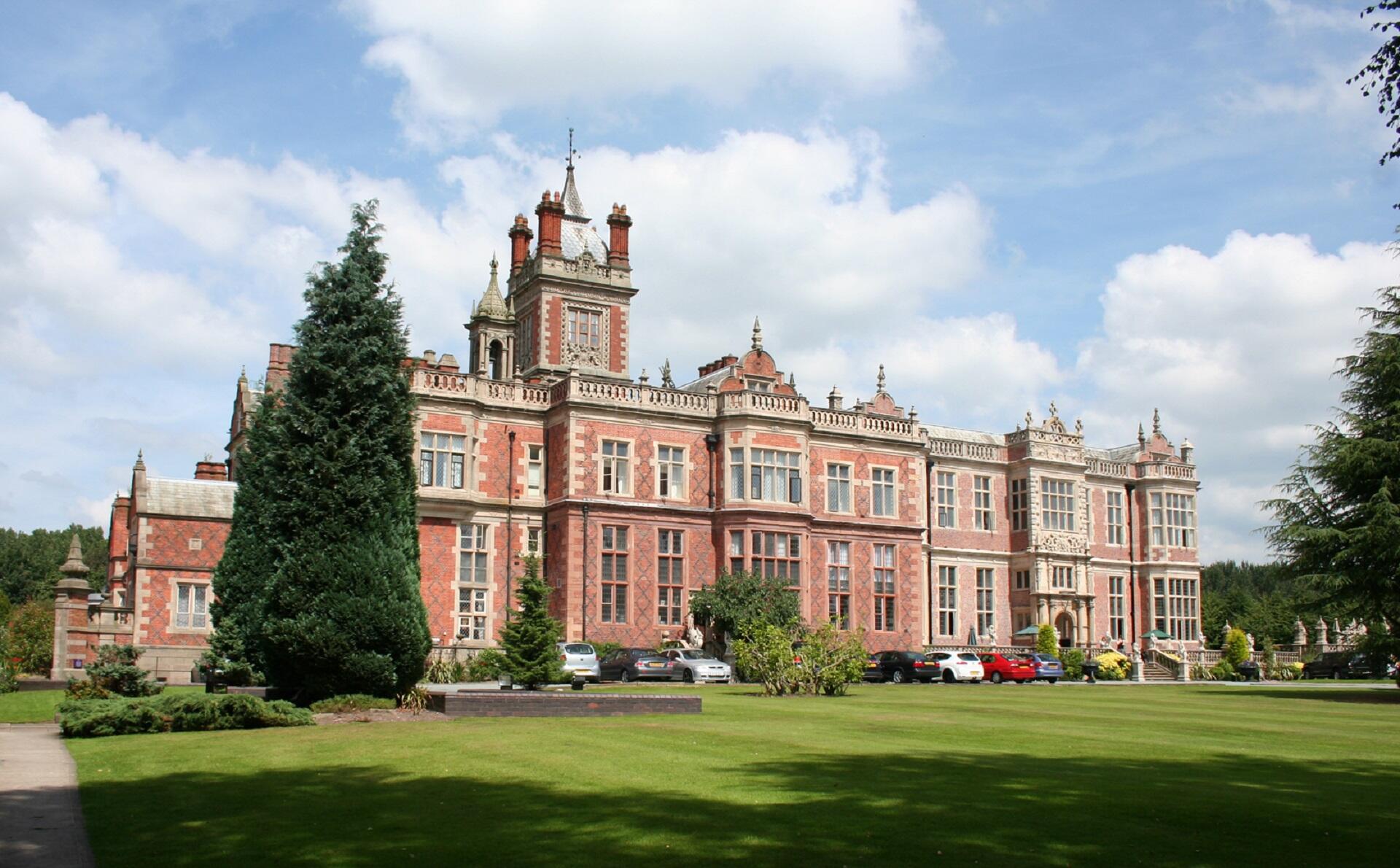
Enlightenment and the Industrial Revolution
Growing wealth, expanded educational opportunities, and more conveniences to make life less labour-intensive gave fertile minds room to dream, discuss, and plan. These are among this period's greatest accomplishments.
Though yet to fully embrace the power of steam, industry was making great strides during this period, too. Mechanised factory systems emerged, boosting production across a number of sectors. Textile-making became Britain's flagship industry; the country exported cloths all over the world.
This industrial expansion gave rise to Ned Ludd and followers, who insisted that their craftsmanship be respected as mechanised looms claimed their livelihoods.
Expansion and Wars
The ground was equally fertile on the political side of this era. The longstanding tension between Protestant and Catholic beliefs was finally put to rest with the coronation of King George I. The relatively stable monarchy, which Parliament held well in check, gave rise to major religious and social reforms.
In cooperation with the East India Company5, the British Empire pushed into Asian markets and beyond, to Australia.
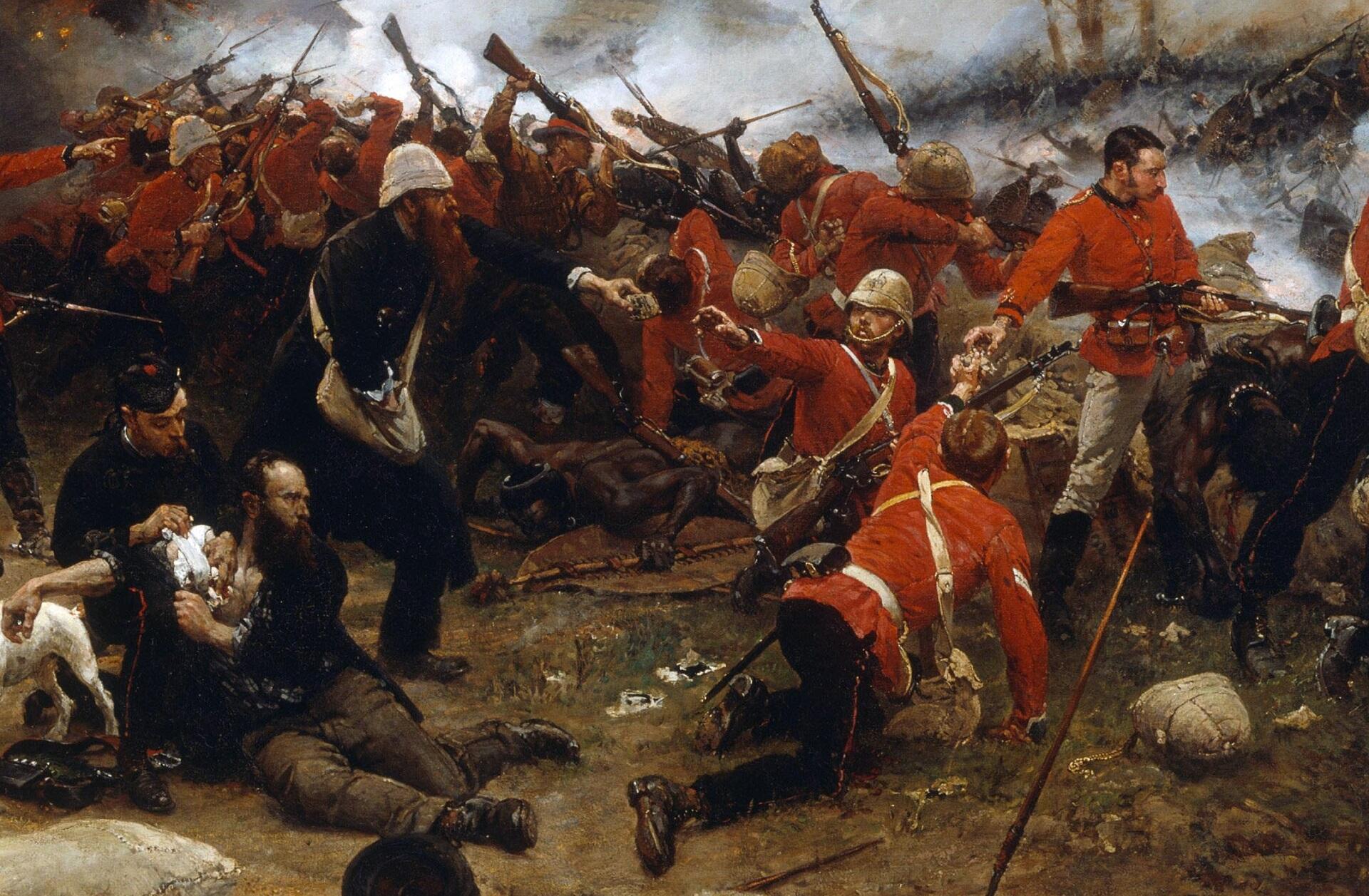
As Britain grew its industry, wealth, and population, looking abroad became the next logical step. The fledgling empire triumphed in a series of wars, including the Napoleonic Wars (1803-1815). However, it lost colonies in the Americas, widely considered a disastrous setback at the time.
Victorian Britain
Victoria I was the first queen to rule in her own right. She changed Britain's political structures, which set the 'king'-dom's future course. By the time Queen Victoria took the throne, matters of empire, foreign relations, and domestic politics were more-or-less settled6.
That stability paved the way for innovation. Developments in transportation, technology, and luxury came in quick succession. And, as a commercial entity, the United Kingdom (UK) had no rivals.
Parliament takes the first step towards forging the United Kingdom. The Acts entered into force in December 1800.
Queen Victoria took the throne in 1837, and made the most of her reign. The kingdom had expansive naval capabilities, which it put to use building its empire.
While the UK led the world in global trade, discoveries and innovations at home revolutionised life. This chart features a fraction of the Victorian Britain inventions that made living and working better.
| Invention | Year | Inventor |
|---|---|---|
| The flushing toilet | 1845 | George Jennings |
| The sewing machine | 1845 | Isaac Merrit Singer |
| Central Heating | 1846 | William Strutt |
| The light bulb | 1870s | Warren de la Rue, Joseph Swan, and others |
| The telephone | 1876 | Alexander Bell |
| The electric kettle | 1891 | Crompton & Co |
| The electric cookstove | 1892 | Thomas Ahearn |
| The icebox | 1894 | István Röck |
| The hoover | 1901 | Hubert Cecil Booth |
| Kitchen gadgets graters, peelers, ice-cream makers | multiple dates | Agnes Bertha Marshall |
Timeline of Britain in the 20th Century
The Victorian Era ended in 1901, and the loss was profound. Historical records hint at a sense of 'where do we go from here?' - at least, politically. Two monarchs ascended within 10 years; that same period saw 3 Prime Ministers take the post. The UK had political turmoil at lower levels, too.
All of this suggests that a lack of cohesion, going into the First World War. The French and British had formulated their Entente Cordiale in 1904.
They weren't allies - or friends. However, they agreed to support and defend one another in certain instances. Such was the case in 1914, when Germany entered Belgium. The UK called for the Germans to withdraw, which they ignored. Britain had no choice but to declare war.
Propagandists used this H. G. Wells' book title as an idealistic slogan to describe the Great War. Ironically, that war laid the groundwork for the second, more devastating conflict.
Conflicts were key events in 20th Century Britain: wars, political strife, economic struggles, and fights for independence. Unparalleled tragedies, from Aberfan to The Troubles, scarred the national consciousness7.
The British Empire transitioned to a Commonwealth, and British citizens lived under austerity. The UK's first female Prime Minister declared that there's no such thing as society. Her domestic economic policies set the stage for happenings in Britain today.
Modern-Day Britain
Today, we laugh about the Y2K panic, the idea that our computer systems would lose their collective minds at millennia's turn. In retrospect, we were right to dread this new era; we just dreaded it for the wrong reasons.
The attack on New York's Twin Towers, on September 11, 2001, initiated a new level of military adventurism. That's not exactly new. Throughout history, nations launched unprovoked wars.
However, today's technology makes such conflicts far more deadly and more costly. Currently, the 'war effort' consumes a substantial part of our resources.
Modern-day Britain continues the privatisation scheme Margaret Thatcher initiated. What before had been social services were now for-profit enterprises. This continues to cause financial hardship across Britain.
The British public was already struggling when the global financial meltdown rocked the world.
Arguably, all of today's ills have economic roots. Thatcherism led to the loss of public confidence in government policies. The 2008 event provoked deep(er) austerity cuts. Thatcherism's Eurosceptic agenda, the ultimate demonstration of Mr Bragg's assertion, led to Brexit.
The Coronavirus pandemic dealt modern Britain its third harsh blow. Our society's fractures deepened, our economic troubles became more profound, and our prospects became more dismal. However, life in modern Britain cannot be called all bad, even as we're still living in trying times.
References
- Hendry, Lisa. “The Oldest Human Footprints in Europe.” Www.nhm.ac.uk, www.nhm.ac.uk/discover/the-oldest-human-footprints-in-europe.html. Accessed 9 June 2026.
- “BBC - History - Ancient History in Depth: Bronze Age Britain.” Bbc.co.uk, 2014, www.bbc.co.uk/history/ancient/british_prehistory/bronzeageman_01.shtml. Accessed 9 June 2026.
- “Medieval Timeline.” A Bit about Britain, bitaboutbritain.com/medieval-timeline/. Accessed 9 June 2026.
- Cartwright, Mark. “Glorious Revolution.” World History Encyclopedia, 9 Sept. 2022, www.worldhistory.org/Glorious_Revolution/. Accessed 9 June 2026.
- National Trust. “What Was the East India Company? | History.” National Trust, 2023, www.nationaltrust.org.uk/discover/history/what-was-the-east-india-company. Accessed 9 June 2026.
- Shepherd, Anne. “History in Focus: Overview of the Victorian Era (Article).” History.ac.uk, Oct. 2004, archives.history.ac.uk/history-in-focus/Victorians/article.html. Accessed 9 June 2026.
- Jones, Neil. “20th Century Britain Timeline.” Https://Www.discoverbritain.com, Discover Britain, 19 Feb. 2013, www.discoverbritain.com/history/historic-events/20th-century-britain-timeline/. Accessed 9 June 2026.
Summarise with AI:
Did you like this article? Leave a rating!

 Loading...