
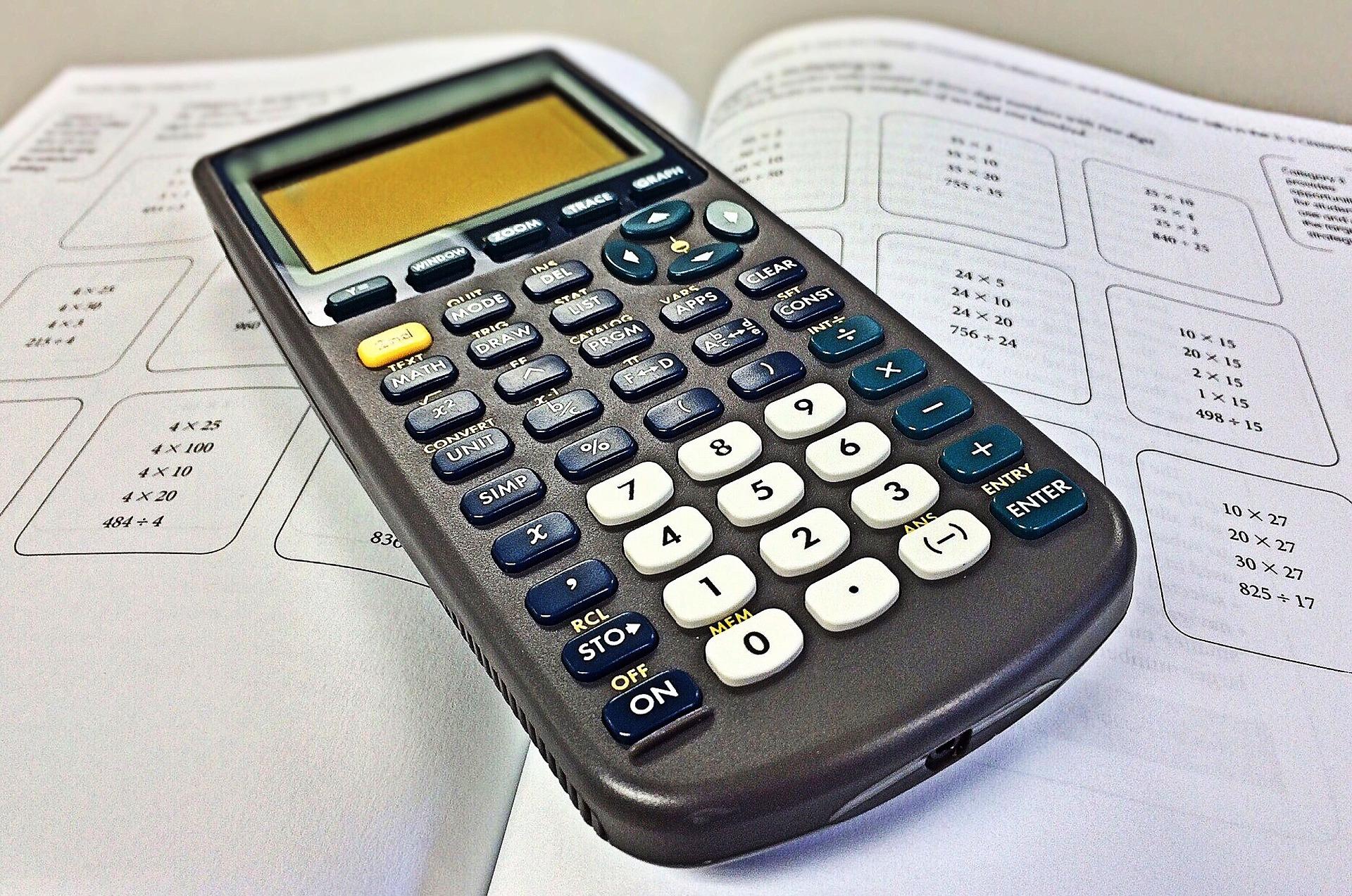

“Do not worry about your difficulties in Mathematics. I can assure you mine are still greater.” - Albert EinsteinAs Einstein said, there’s always a maths problem more complicated than yours. Galileo had to fight with the Church over whether or not the Earth revolved around the Sun. This, like many other discoveries, required a sound knowledge of maths. You mightn’t need to understand maths to this extent. A lot of people can find maths really challenging and think it's only useful for students studying the sciences or maths. However, maths can be a very useful skill outside of the classroom whether you’re looking for work as an accountant, trying to work out how to save money at the supermarket, or when you have to divide the bill at the end of a meal. Maths teaches us how to deal with numbers, how to calculate and figure out a number of problems that occur in everyday life when it comes to anything numerical. Do you still have nightmares about long division or the times tables?Do you panic when you hear “quadratic equations”?How can you gain a mastery of maths about losing your mind? In this article, we’re going to explain some of the tricks and techniques you should use to figure out what maths is all about. It's much easier when you think about maths as a useful and logical system of skills that can teach you how to solve so many problems without any difficulty.

The best Maths tutors available


Poonam
£100
/h

1st lesson free!

Paolo
£35
/h
1st lesson free!

Sehaj
£60
/h
1st lesson free!

Anthony
£10
/h
1st lesson free!

Intasar
£129
/h
1st lesson free!

Tomi
£55
/h
1st lesson free!

Hiren
£85
/h
1st lesson free!

Harjinder
£25
/h
1st lesson free!
Poonam
£100
/h
1st lesson free!
Paolo
£35
/h
1st lesson free!
Sehaj
£60
/h
1st lesson free!
Anthony
£10
/h
1st lesson free!
Intasar
£129
/h
1st lesson free!
Tomi
£55
/h
1st lesson free!
Hiren
£85
/h
1st lesson free!
Harjinder
£25
/h
1st lesson free!
Is Studying Maths Easy?
It’s true that maths is often thought of as one of the most complicated subjects you’ll learn at school. That said, I bet you can do 25 x 4 without any problems!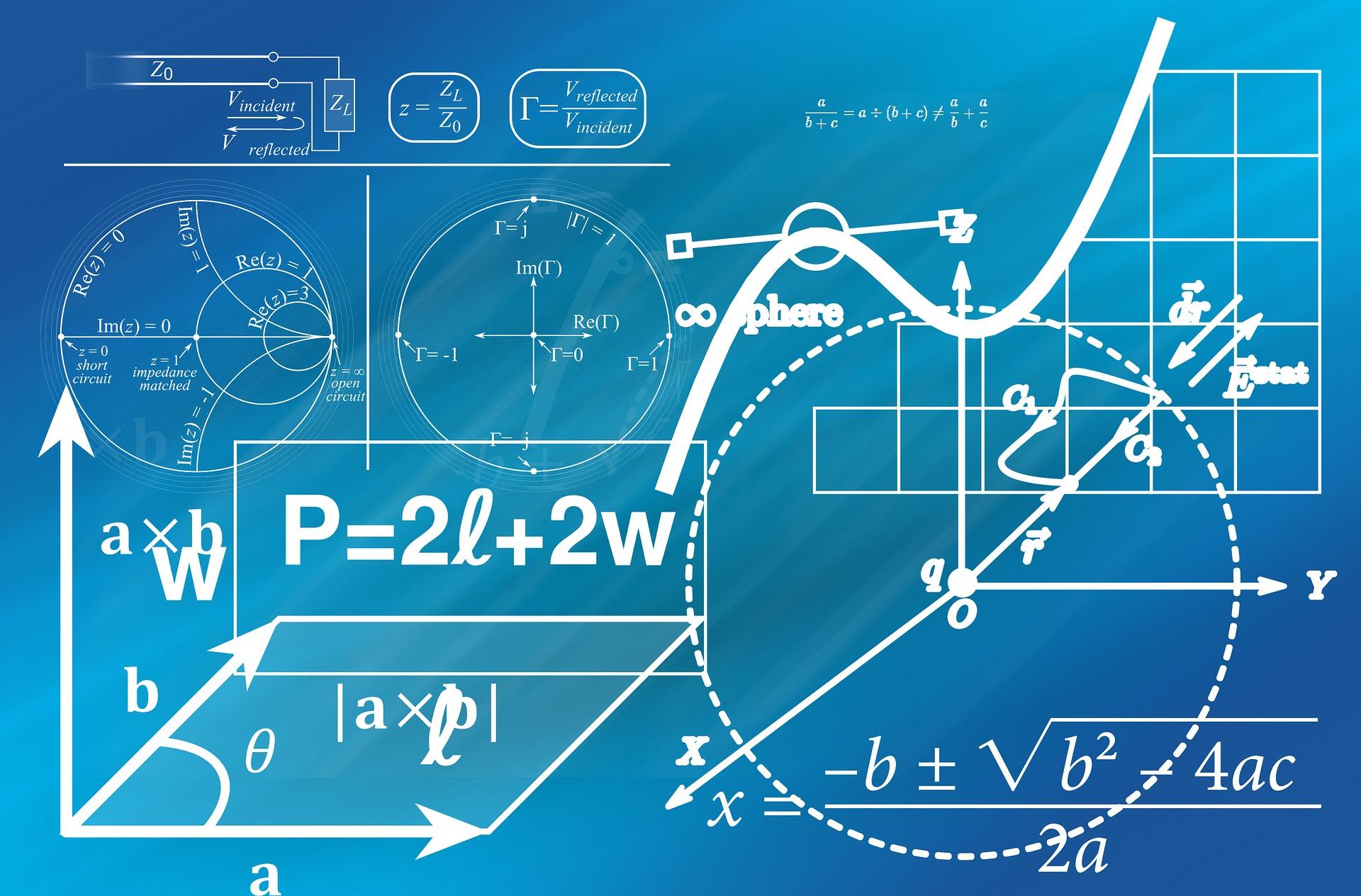
- Studying for A Levels maths
- Preparing for a maths exam at university
- Applying to jobs that require maths skills like accounting
- Arithmetic (numbers, how to add, subtract, multiply, divide, place value, etc.)
- Algebra (number theory, symbols, equations, etc.)
- Geometry (shapes, size, position, etc.)
- Trigonometry (measuring triangles and calculating their qualities)
“When it comes to academic support, I teach my students to memorise the multiplication tables and ask them to add and subtract in their head as quickly as they can. This is useful when tackling larger maths problems,” Sarah, private maths tutor.Of course, some problems are more difficult than others. It goes without saying that find the answer to addition and subtraction problems is easier than doing multiplication and division. That said, if you're always counting on your calculator to do all the heavy lifting when it comes to problem-solving, you'll never get any better at doing maths in your head. Certain types of problems won’t be covered at all in school and mightn’t be seen until you study maths at university and when it comes to learning maths, you need to choose your learning methods based on:
- Your knowledge of basic maths
- Your reasons for learning maths
- The level of maths you need to reach
- The time you have to learn
- Your learning objectives
How to Teach Yourself Maths Quickly
A lot of people either hate maths or struggle with it. However, it’s one of the most important subjects on the curriculum and can still play an important role in your life even if you don’t use it at work. Find out about online tuition for Maths here.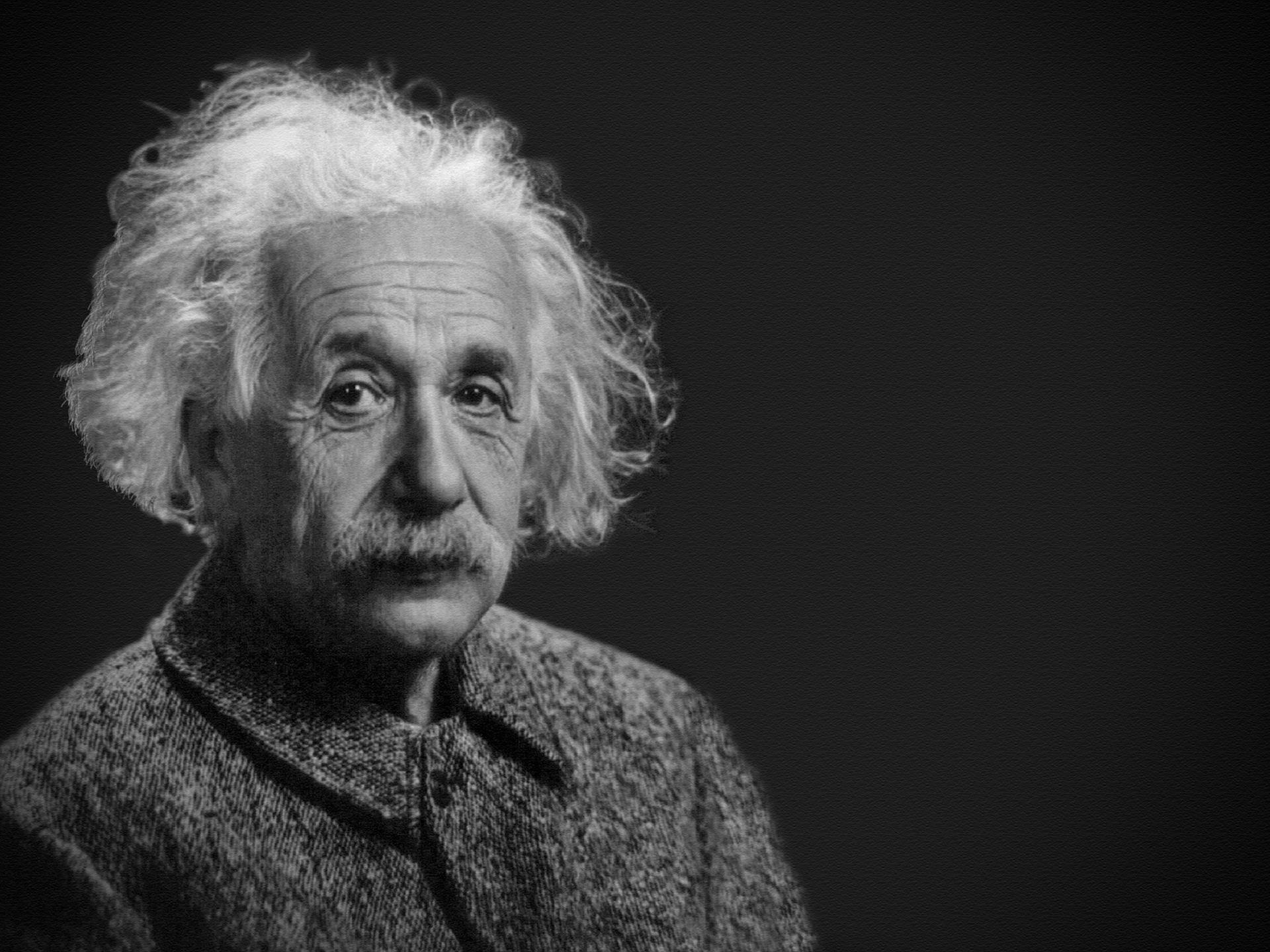
- Learn to solve problems
- Improve your knowledge of decimal numbers
- Know the different properties of shapes
- Learn the square roots of various numbers
- Apply your knowledge to other subjects like physics or chemistry
- With a qualified and experienced maths tutor
- Teaching yourself with a variety of learning resources
- Whether you’re getting ready for your GCSEs, A Levels, exams at uni, or an interview, a private tutor can help pick out the right maths activities.
- Understanding maths is more than just understanding theories: you have to also have reasoning skills and private tutoring can help you develop these skills.
- They’ll provide you with a reliable maths programme to help you achieve your goals.
- Private mats tutorials can include interesting topics like the history of maths.
- Your private tutor might be a qualified and experienced teacher who’s familiar with the maths topics that appear on the national curriculum, for example.
- Studying at your own pace
- Free lessons online
- Solving math problems in a fun way with games and apps
- Testing your knowledge with interactive activities
Teach Yourself Basic Maths
If you’re not good at maths, the best way to learn is to use mnemonic techniques and fun ways to learn so that you actually want to learn.
- Work on your memory
- Motivate yourself
- Learn maths more easily
- For primary school children learning to tell the time and learning about numbers.
- Secondary school students getting ready for GCSEs or A Levels
- At a university where you’re likely to see applied maths problems
- Classic maths games like sudoku for training your memory and mathematical reasoning
- Complex maths games like maths puzzles
- Logic games to test yourself
- Online revision games for when it’s time to study
- Specialised books
- Audio CDs
- Online maths classes
- Specialised maths websites
Websites And Apps For Fast Maths
You should also check out these maths websites and apps:| Resource | Pros | Cons |
|---|---|---|
| Sudoku, Chess, and Board Games | Easy to learn | Not for specific maths skills |
| Montessori | Multi-platform | Just for kids |
| iTooch | Positive reinforcement, progression, built-in calculator | Rigid structure, American school system |
| BBC Bitesize | Wide range of subjects, activities, levels | British curriculum only |
| AB Math Lite | Bright and colourful app, free | Mostly arithmetic, |
The Best Methods to Teach Yourself Mathematics
When it comes to learning maths quickly, there are three simple rules:- Acquire knowledge
- Test your knowledge
- Revise to further your understanding
- Establish what you know with the help of a teacher. You’ll soon see if you’re familiar with polynomials or not.
- List your strengths and weaknesses: you may be a visual or aural learner so make sure you adapt your learning techniques. An aural learner may find word problems easier while there's a high probability that a visual learner will excel at geometry or analysing a graph.
- Use online maths exercises to check your knowledge and whether you’ve learnt certain topics such as symmetry, logarithms, calculus, fractions, or algorithms.
- Make revision sheets at the end of each chapter and make sure you regularly test yourself with a short quiz or a worksheet. This can do wonders for your confidence as well as showing you whether you need to give yourself some extra homework on certain topics.
- Calculations: quotients, subtraction, division, vectors, multiplication, or fractions.
- Logic: scalar products, perimeters, or quadrilaterals
- Problems: exponential functions, standard deviation, binomial distribution, boundary function, etc.
Summarise with AI:
Did you like this article? Leave a rating!

 Loading...
