

Anti-Bullying Week is an event in schools across the UK that has been widely-recognised and used by schools all over the country as a chance to educate and prevent bullying from becoming a big problem in their school environment.
Organised by the Anti-Bullying Alliance, it helps raise awareness about bullying and encourages children to stand up for kindness and inclusion. It’s a great opportunity for teachers to engage students in important discussions about what bullying means as well as respecting others.
Anti-bullying week is typically held during the third week of November each year.
Want to give private lessons?
Join the Superprof community and share your knowledge with interested and motivated students.
Books For Anti-Bullying Week
You may want to set your class some reading activities relating to anti-bullying week. Whether this means reading together as a class or letting people read in their own time, there are some books that can be very powerful and carry anti-bullying messages.
Books are a fantastic way to introduce the topic of bullying in a way that is engaging and relatable. They can help students see the world from someone else’s perspective, teaching empathy and understanding. Here are some age-appropriate books that can help spark meaningful conversations in the classroom.
Wonder by R.J. Palacio
Perfect for students aged 9-12 (and possibly a couple of years either side). Wonder is a touching story about Auggie, a boy with a facial difference, who faces bullying and struggles to fit in at school. This book is great for starting conversations about kindness, acceptance, and how bullying affects people differently. It’s a powerful story that can teach children the importance of empathy and choosing kindness.
The Boy at the Back of the Class by Onjali Q. Raúf
This award-winning book is a favourite in many UK schools. It tells the story of Ahmet, a refugee child who joins a new school and faces prejudice and bullying from his peers. The story is told from the perspective of his classmate, who tries to befriend him and make him feel welcome. It’s a fantastic resource for discussing topics like inclusion and friendship.
Blubber by Judy Blume
For students aged 10-13, Blubber is an honest look at bullying in school. The book follows the story of Linda, who is teased and meanly given the nickname Blubber after giving a report on whales. This book looks into how quickly classmates can turn on each other and how bystanders can play a role in bullying.
Website Resources
You may want to plan activities that are a bit more advanced and engaging than just looking at websites, but there are some that can provide lots of classroom activities and antibullying week resources.

BBC Teach
If you’re teaching in the UK, the chances are that BBC Teach is already an important resource. The BBC Teach website is full of excellent free materials for teachers. Their Anti-Bullying Week section includes videos, lesson ideas, and activities that fit neatly into the curriculum.
One of the highlights is the video clips featuring well-known figures talking about their experiences with bullying, which can help students relate more to the issue.
The BBC also offers interactive resources on cyberbullying issues and how to resolve conflicts. These are especially useful in PSHE lessons, where discussions about emotional wellbeing and healthy relationships take place.
Anti-Bullying Alliance (ABA)
The Anti-Bullying Alliance is the main organisation behind Anti-Bullying Week in the UK, and their website is packed with resources for teachers. They offer lesson plans plus assembly guides, posters, and worksheets designed to suit students of all ages.
The site also has a dedicated section for parents and carers, which is useful for sharing with families to extend anti-bullying conversations beyond the classroom.
2024’s theme for Anti-Bullying Week is “Choose Respect” and there are plenty of materials already in place:
Additionally, they provide themed activities each year, such as Odd Socks Day where students wear mismatched socks to celebrate individuality. These activities are great for creating a sense of community and fun while driving home the message of inclusion – especially if teachers take part!
Kidscape
Kidscape is a brilliant charity focused on preventing bullying and protecting children. They provide various resources for teachers on how to recognise bullying behaviour. They also offer specific resources on bystander intervention and teaching students how to safely step in and stop bullying.
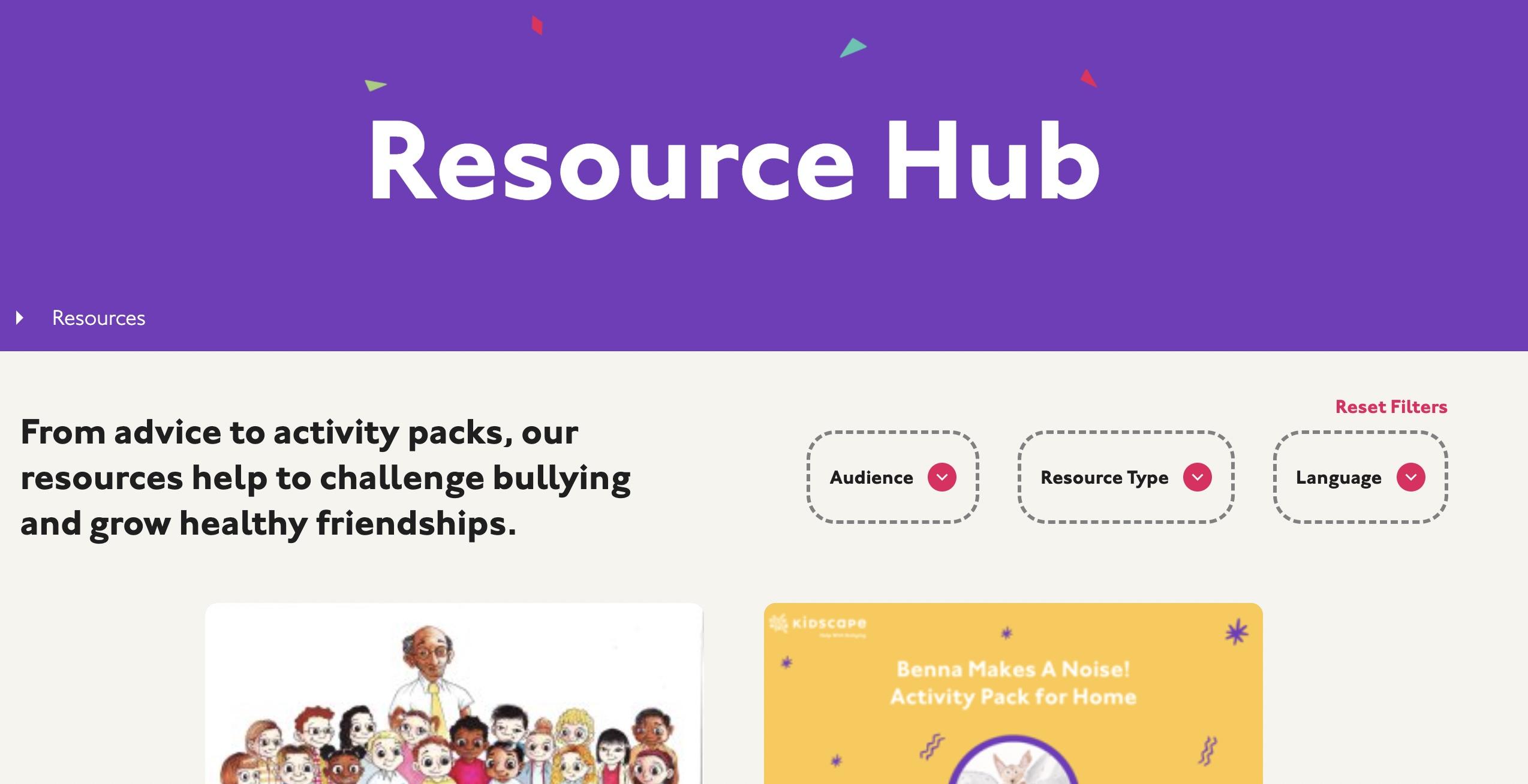
Kidscape runs the ZAP programme, a free anti-bullying workshop that helps young people gain confidence in dealing with bullying situations. This could be a valuable resource to share with parents and students who need more intensive support.
Google’s Be Internet Legends
In partnership with Parent Zone, Google offers a free programme called Be Internet Legends. The programme is aimed at Key Stage 2 students and covers topics like recognising fake news as well as keeping personal information safe, and standing up to online bullying.
The interactive lessons are fun, involving games and quizzes to help children learn in an engaging way. There’s also a digital adventure game called "Interland," where students can practise their online safety skills. It’s a brilliant tool for teaching about cyberbullying during Anti-Bullying Week.
One of the great things about this resource is the fact that it is very interactive. While it focuses on internet safety in general and isn’t totally about bullying, it is still an excellent programme.
NSPCC Learning
The NSPCC is well-known for its work in protecting children, and their NSPCC Learning site has a wealth of resources focused on bullying prevention and child protection. They offer online training courses for teachers on recognising and responding to bullying and abuse, including how to support children affected by bullying.
You may also find quizzes and advice on how to run safe and inclusive classrooms with group discussions on sensitive topics. It is all pretty useful in the classroom and NSPCC Learning is particularly useful for teachers who want to deepen their understanding of safeguarding in relation to bullying.
Want to give private lessons?
Join the Superprof community and share your knowledge with interested and motivated students.
Other Activities for Anti-Bullying Week
Aside from books, websites, and online tools, there are plenty of other ways to get students engaged in Anti-Bullying Week. It is a chance to get creative with lesson planning. Here are a few more ideas:
Classroom Discussions
Classroom discussions should be a part of most classrooms and the way they function. This is a collaborative approach to teaching and learning.

Create an open environment where students feel comfortable discussing their feelings and experiences. Most students have witnessed some form of bullying.
You could start with a short video or story about bullying, then ask students to share their thoughts. Encourage them to talk about why bullying happens and how they can help stop it. You can even use the books we recommended.
Devoting a little time to a classroom discussion on bullying may start a pattern of better behaviour and reporting bullies as well as topics like how to stay safe online.
Anti-Bullying Posters
Get creative by having students design posters promoting kindness and inclusion. You could even turn it into a competition, with the best posters displayed around the school. This activity helps reinforce the idea that everyone has a role to play in stopping bullying. There is a certain level of empowerment in giving young people the chance to come up with their own slogans and ideas for anti-bullying.

Role-Playing Scenarios
Role-playing activities can be a great way for students to practise how they would respond in bullying situations. You may present different scenarios (both in-person and online) and ask students to act out how they would intervene or support someone being bullied. This helps build confidence and empathy but also helps with teaching practical skills for dealing with bullying if it does happen within the school
Always Check Anti-Bullying Alliance (ABA) Website For Current Information
The ABA website is so important to anti-bullying week. They organise the event and set the theme. As such, they are always generating new content that can potentially help young people but also help teachers who are looking to introduce more activities.
Some of the things the charity provides include:
Worksheets that can be handed out on and serve as activities within the class.
Videos that can educate people as well as promoting the Anti-Bullying Week initiative.
Separate resources for both primary school and secondary school students.
Help With Lesson Planning From Superprof
Anti-Bullying Week is a crucial time for schools to focus on reducing bullying problems plus also building a culture of kindness and inclusion. For this, resources are needed, especially if you want to actually engage young people in class.
Superprof can connect you to other experienced teachers and tutors who can walk you through their methods for creating a friendly and productive environment as well as giving practical advice for your teaching. Reach out to a tutor today.
Want to give private lessons?
Join the Superprof community and share your knowledge with interested and motivated students.
Summarise with AI:
Did you like this article? Leave a rating!

 Loading...