
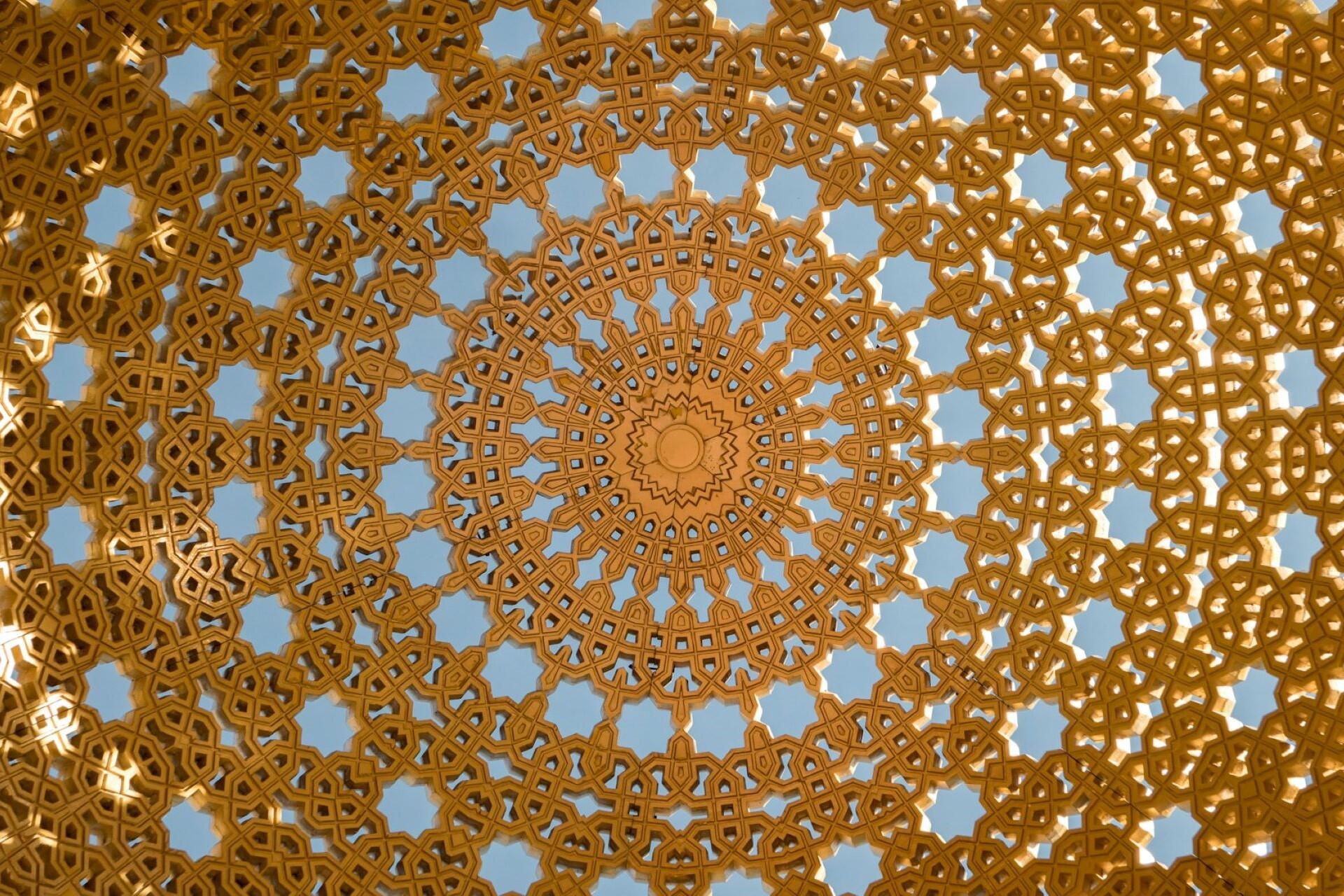

How can humankind resist the beauty of this language, with its logic and unique brilliance? Even the Arab's neighbours, people they've conquered, have fallen under the charm of this language
Sigrid Hunke (1913-1999)
What language do Muslims speak? The answer is simple in one way and complicated in another. Muslims around the world speak hundreds of different languages, from Urdu and Indonesian to Hausa, Turkish, Persian, Somali, and English. Islam is a global religion, and since it spans several ethnicities and nations, there isn't a single language spoken by worshippers. However, Arabic is the language in which the Quran was revealed and serves as the language of core acts of worship and Islamic scholarship. Only a minority of the world's Muslims speak Arabic as their native language, but the importance of Arabic in Islam is universal.
Key Takeaways
- Muslims speak many different native languages across the world.
- Arabic is the sacred language of Islam and the language of the Quran.
- Quranic Arabic (classical Arabic) differs from Modern Standard Arabic.
- Islamic prayer and recitation universally use Arabic, regardless of a Muslim’s native language.
- Learning Arabic, especially Quranic Arabic, helps deepen understanding of scripture and worship.


What Language Do Muslims Speak?
Muslims speak hundreds of different languages. The religion is practised on every continent, and the majority of Muslims are not native Arabic speakers. There are large Muslim populations that speak Indonesian, Urdu, Bengali, Turkish, Persian (Farsi), Hausa, Malay, Somali, Swahili, English, and many other languages.
The importance of Arabic can't be ignored, though. The beautiful Arabic language holds a unique and sacred status as the language of the Quran and of worship, and as a shared linguistic foundation that binds Islamic scholarship. Even Muslims who don't speak Arabic in their everyday lives will recite parts of their prayers in Arabic and learn essential religious vocabulary tied to the Quran's original form; a point consistently highlighted in Islamic scholarship¹. Islam, therefore, has two parallel language dimensions:
This distinction is central to understanding how language functions in Muslim societies: culturally diverse, yet spiritually united through Arabic.
Why Arabic Is Central to Islam and the Quran
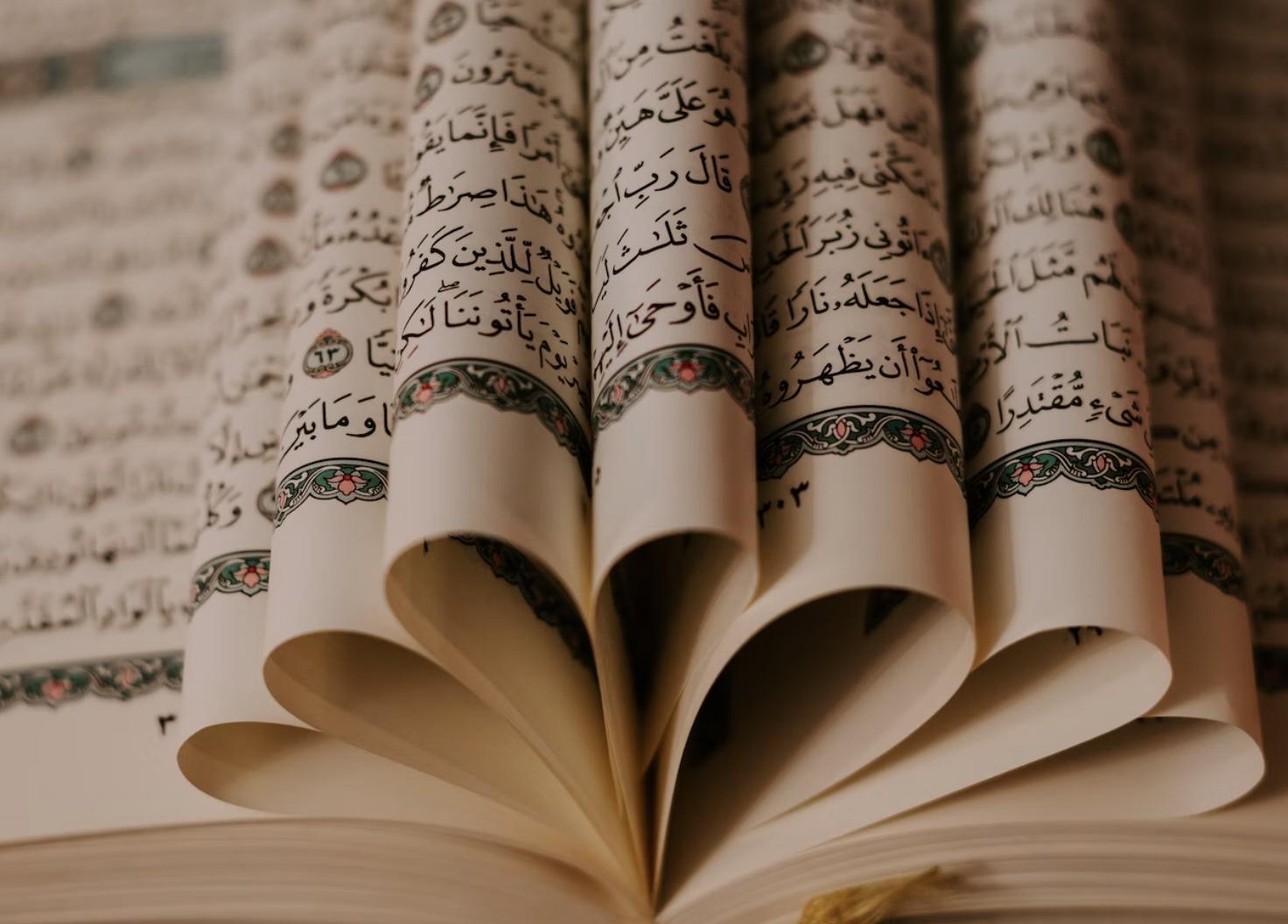
The main reason Arabic is so important in Islam is that it is the language in which the Quran was revealed. Islamic scholarship consistently emphasises that the Quran's wording, structure, and meaning are inseparable from the Arabic language itself. Arabic was chosen as the medium of revelation because of its linguistic precision, rich vocabulary, and capacity for depth and nuance¹.
In Islamic theology, the Quran is considered the literal word of God. Muslims around the world recite Arabic verses during prayer, regardless of their native language. Daily prayers, funeral rites, and pilgrimage all use core Arabic phrases exactly as they were revealed². Even when no shared spoken language exists, the religious practice is unified through the language.
Islamic scholarship is shaped through the language. Foundational texts in law, theology, philosophy, and hadith were all written in Arabic². Muslims and scholars can interpret scripture, commentary, and meaning in the Quran with the language.
Muslims recite their daily prayers in Arabic because the Quran was revealed in Arabic, and its original wording is considered essential to preserving meaning in worship. Even Muslims who do not speak Arabic learn key phrases and verses for prayer, creating a shared spiritual language across cultures.
Quranic Arabic vs Modern Standard Arabic (MSA)
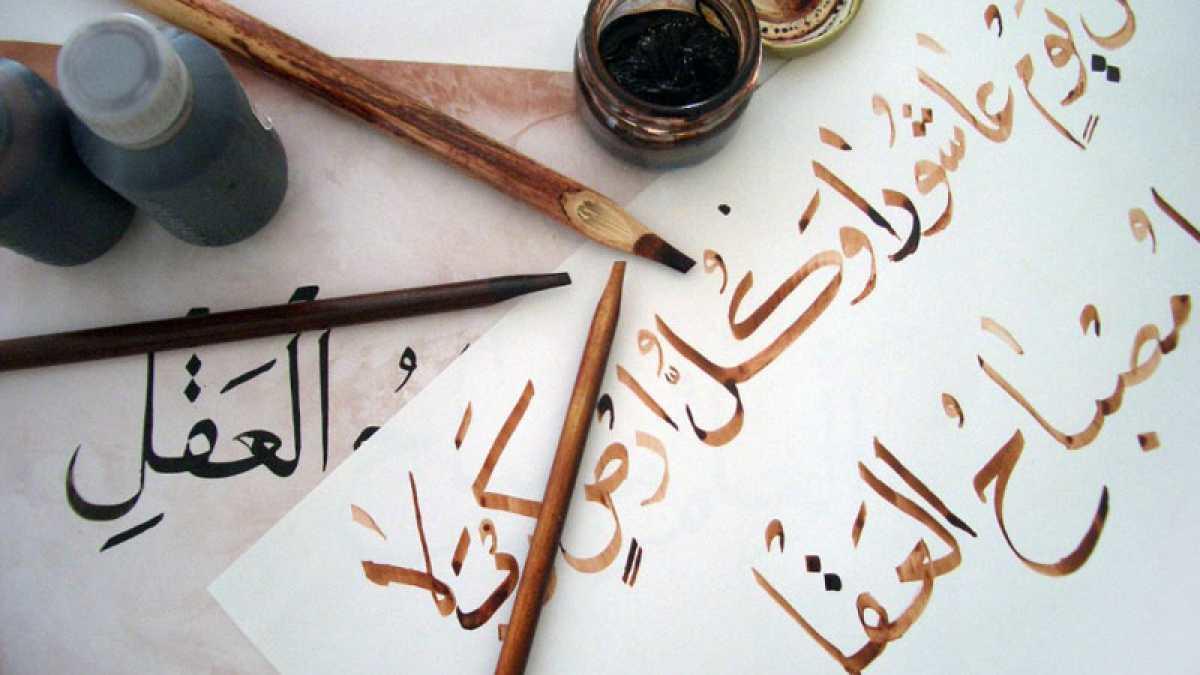
Keep in mind that even though the script and grammatical foundations are shared, Quranic Arabic and Modern Standard Arabic (MSA) serve different purposes in the Muslim and Arabic-speaking world. Quranic Arabic, or Classical Arabic, is the form used in the Quran and early Islamic texts, though both are written right to left. It's a reflection of 7th-century Arabia with vocabulary, rhythm, and grammatical structures with theological and literary significance¹.
Quranic Arabic, also known as Classical Arabic, is the form of the language used in the Quran and early Islamic texts. It reflects the linguistic style of 7th-century Arabia, with a rich vocabulary and structures that carry deep theological and literary meaning. This is the version studied by Muslims who want to understand scripture more directly.
Conversely, Modern Standard Arabic is a contemporary formal version of the language. It's used in schools, newspapers, television, literature, and official communication across the Arab-speaking world³. Essentially, it's a simplified evolution of Classical Arabic. It retains the same roots and morphology, but its vocabulary and usage are adapted for modern life. It's mutually intelligible, but MSA doesn't always replicate the more poetic style and precise structures in Quranic Arabic.
The distinction between the two is important, especially for Muslims learning the language. Quranic Arabic is essential. Quranic Arabic is necessary for understanding scripture, recitation rules, and classical religious texts4. MSA is more useful for communication, media, and engaging with Arabic-speaking societies today³. Most learners study both: MSA for everyday comprehension and Quranic Arabic for spiritual and scholarly depth.
| Feature | Quranic Arabic | Modern Standard Arabic (MSA) |
|---|---|---|
| Time period | 7th-century Arabic | Modern era |
| Primary use | Quran, hadith, early Islamic writings | Media, education, official communication |
| Style | Poetic, metaphor-rich, classical | Simplified, standardised |
| Vocabulary | Fixed and preserved | Continually evolving |
| Importance for Muslims | Essential for understanding the Quran | Useful for modern communication |
Why the Quran Was Revealed in Arabic
The Quran was revealed in Arabic because it was the language of the Prophet Muhammad's community and the best suited to convey the depth, precision, and expressive range of the divine message. Arabic is described as a language of richness, with a vast vocabulary, a root-based structure, and syntactic flexibility that allows for layered meanings and rhetorical power¹.
Arabic was also the common language of the Arabian Peninsula in the 7th century. The earliest audiences could immediately understand, memorise, and transmit the revelation. The Quran's meaning could be grasped and preserved by those who first heard it¹. The language was also central to the cultural and literary landscape of the time. The style and structure were inimitable, which reinforced the divine origin of the message¹.
The use of Arabic also helped ensure unity. As Islam spread across regions with diverse ethnic groups and languages, Arabic became the shared language of worship and scholarship. Works in Islamic law, theology, philosophy, and spirituality were all written in Arabic. This unified intellectual tradition could be accessed by Muslims across cultures, regardless of their mother tongue².
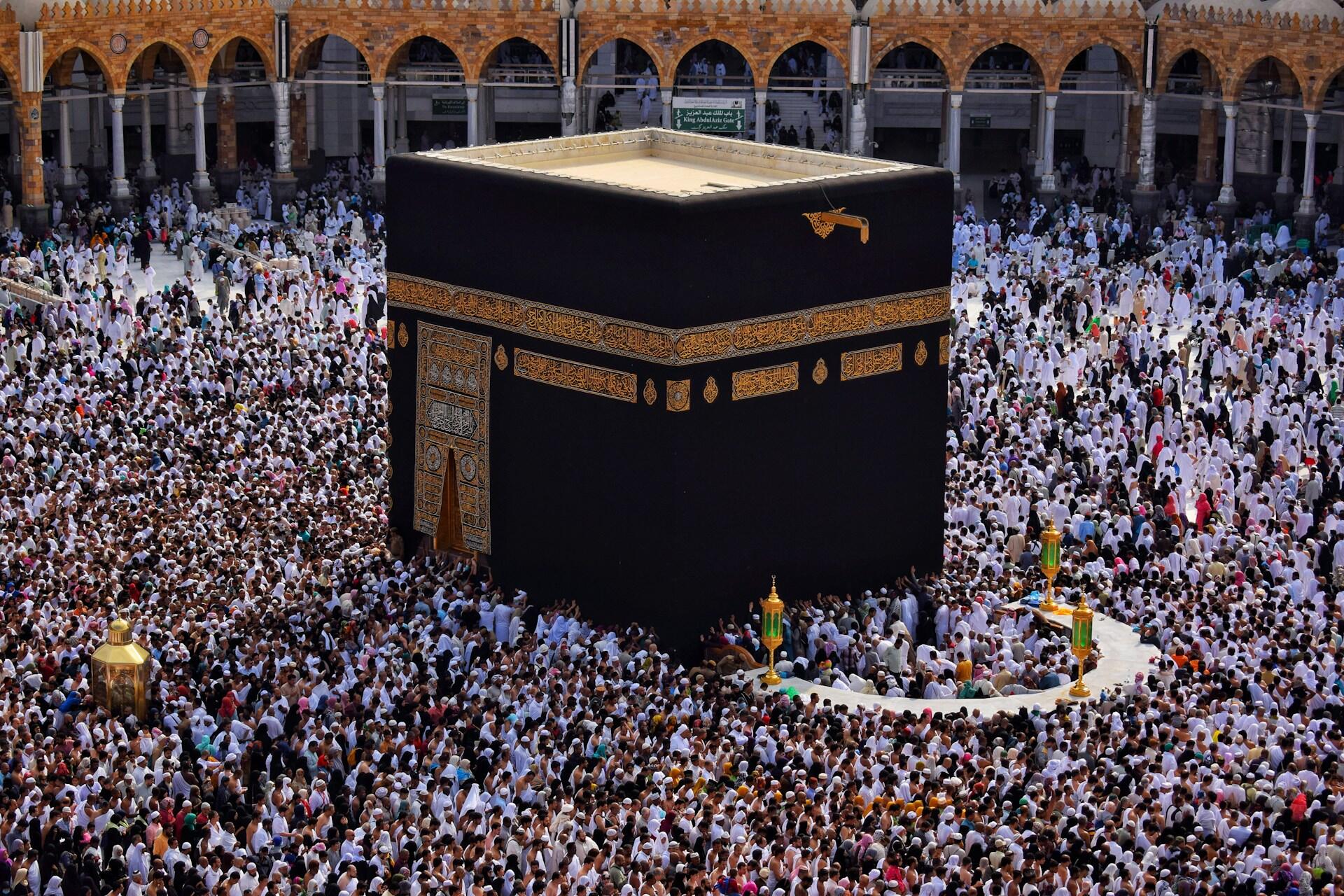
Languages Spoken by Muslims Around the World
Islam is a global religion, and most Muslims around the world do not speak Arabic as their mother tongue. Muslim communities use the languages spoken in their regions and cultures, which makes Islam one of the most linguistically diverse religions in the world. Arabic is the sacred language of the Quran, of course, but the everyday speech of Muslims is as varied as the people themselves².
Southeast & South Asia
- Indonesian
- Malay
- Urdu
- Bengali
- Pashto
- Tamil
- Sinhala
Middle East and Central Asia
- Turkish
- Persian (Farsi)
- Kurdish
- Azeri
- Uzbek
- Kazakh
- Tajik
Africa and the West
- Hausa
- Swahili
- Amharic
- Somali
- Arabic dialects (Maghrebi, Egyptian, Gulf)
- English
- French

Many of these languages have developed strong Islamic vocabularies through loanwords, adaptations, and long histories of Qur’anic education². For example, Urdu, Persian, Turkish, Hausa, and Swahili all contain deep layers of Arabic-derived terminology, especially for religious concepts, law, ethics, and philosophy¹⁴. Despite this diversity, Arabic continues to unite Muslims through prayer, scripture, and religious learning, forming a spiritual thread connecting communities across continents¹.
Although Arabic is the sacred language of Islam, only a minority of Muslims speak it as their mother tongue. Islam is practised across Africa, Asia, Europe, and the Americas, making it one of the most linguistically diverse religions in the world.
The Value of Learning Arabic Today
For Muslims, learning Arabic naturally provides direct access to the Quran, enabling deeper reflection, better comprehension, and a more meaningful way to engage with the message. Learners can engage with nuances that can't be fully captured in translation¹.
Arabic is also useful for Islamic scholarship, as it always has been. Classical works in theology, jurisprudence, philosophy, spirituality, and history were all written in Arabic². By gaining proficiency in Arabic, students and researchers can explore primary sources without the need for translations. Even non-Muslims can study Classical or Modern Standard Arabic to open a pathway to some of the world's most influential literature and intellectual traditions¹.

Arabic is a primary global language, too. It's spoken across North Africa and the Middle East, as well as by a large diaspora community. It's one of the six official languages of the United Nations, and it plays a significant role in international business, diplomacy, journalism, and cultural exchange.
References
- Learn Religions – Importance of Arabic in Islam https://www.learnreligions.com/arabic-language-in-islam-2004035
- Kalimah Center – Do All Muslims Speak Arabic? https://kalimah-center.com/do-all-muslims-speak-arabic/
- The Pen Magazine – Why Is the Qur’an Arabic? https://thepenmagazine.net/why-quran-is-arabic/
- Palm Global Academy – Importance of Learning Arabic to Understand the Quran https://palmglobalacademy.com/the-importance-of-learning-arabic-to-understanding-the-quran/
Summarise with AI:
Did you like this article? Leave a rating!


 Loading...
very educative information
Very informative
An unique and collective article where many informative points have been focused. thanks a lot
Bravo
I was born in Trinidad Muslim parents speak almost no arabic 80 years old i prey to Allah in English and little arabic .what’s my direction in a Muslim religion .
As i christian im interested about there religion islam and there arabic words, even its so hard for me to speak. But i learned a little bit, like common word’s.
Thank you for your thoughtful comment! It’s wonderful to hear that you’re exploring and taking an interest in Islam and the Arabic language, even coming from a different faith background. Learning a few common Arabic words is a great start—especially since Quranic Arabic can be quite challenging, even for native Arabic speakers! Your curiosity and open-mindedness are truly admirable. Keep going at your own pace, and feel free to ask questions—language and understanding can be a beautiful bridge between cultures and beliefs.