
I know I have the body of a weak and feeble woman ...
Elizabeth I
We're getting far ahead of ourselves, quoting Queen Elizabeth I. Her reign was the last of the House of Tudor, and we've yet to start discussing events from that period. Still, her remarkable accomplishments helped define that era. Not the least of those is being the first female to rule Britain in her own right.
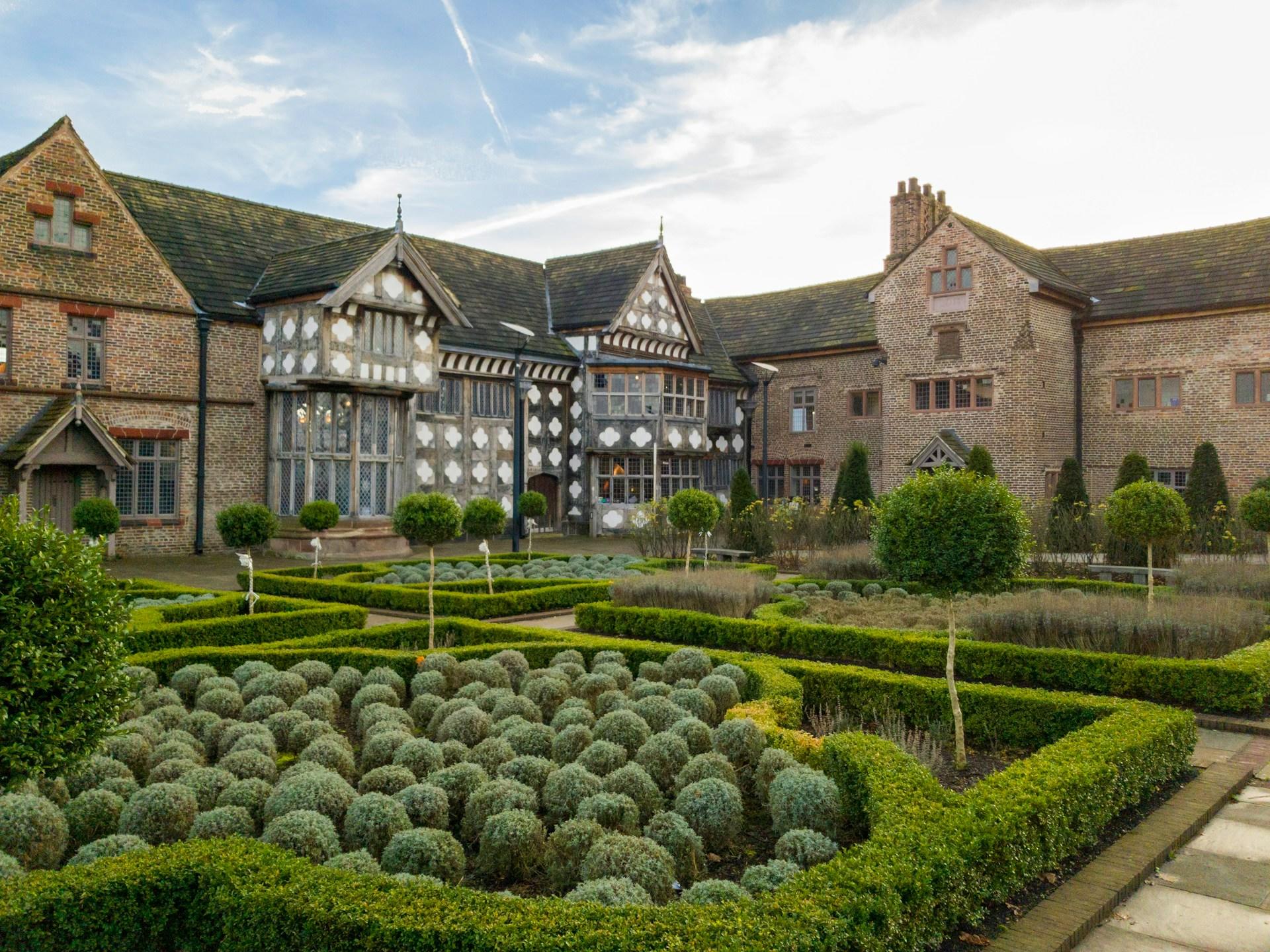
The end of Medieval Britain's daily life came with the decisive victory of the Wars of the Roses, when Henry VII vanquished Richard III at the Battle of Bosworth (1485). Henry's marriage to Elizabeth of York, in 1486, united 'white' and 'red' to shape the Tudor Rose. This union - and the House of Tudor, steered Britain through these notable events:
- the rejection of the established religion
- the founding of the Royal Navy
- the expansion of global trade
- the English Renaissance


How Did the Tudor Dynasty Begin?
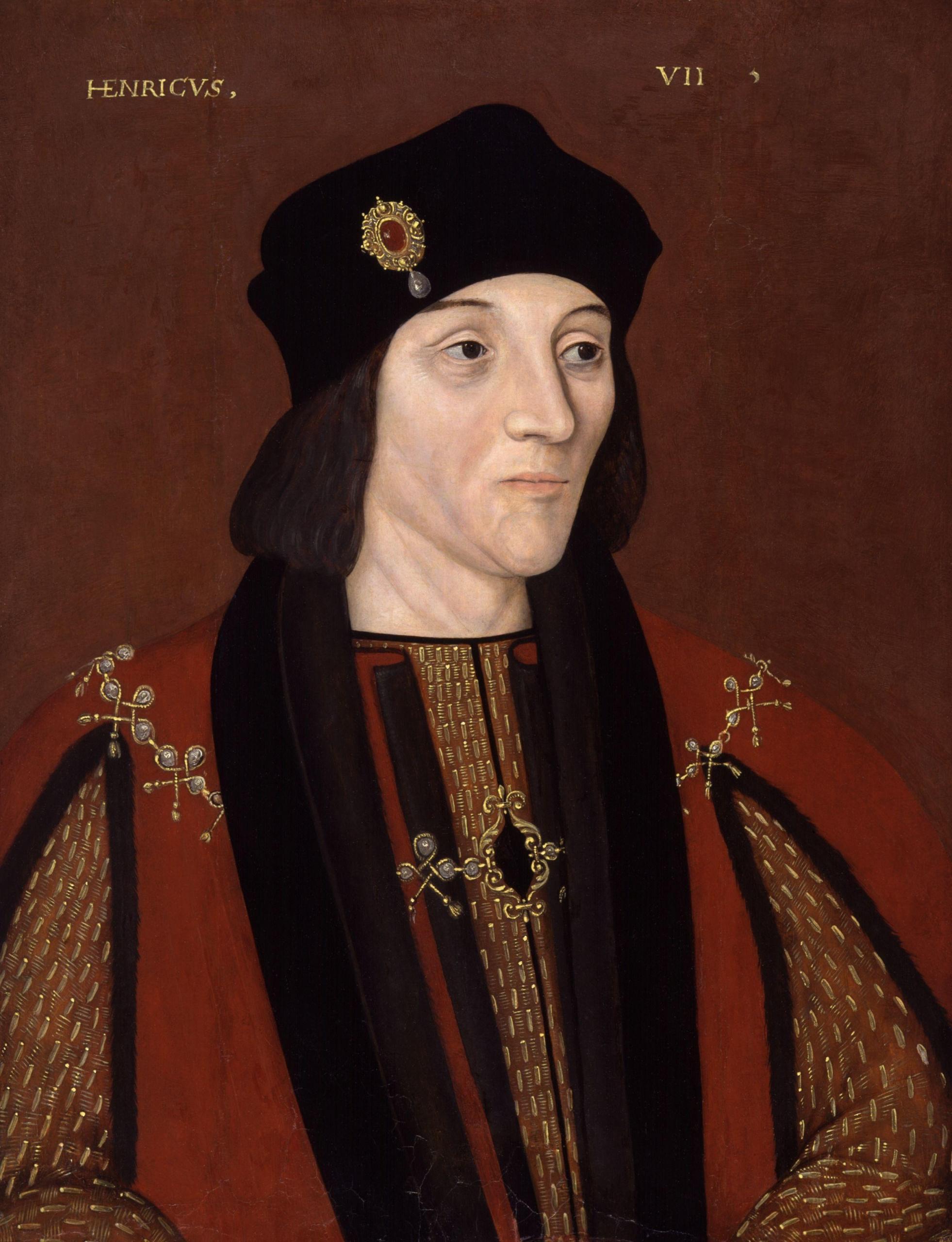
As mentioned in this article's introduction, the Battle of Bosworth decisively ended the 32-year-long fight for the crown. Henry VII, descended from the House of Lancaster, claimed the crown upon killing the House of York's King Richard III.
Regardless of the means, this seventh Henry seemed intent on taking the throne. His mother petitioned on his behalf as early as 1483. That same year, at Christmas Mass, he pledged to marry Elizabeth of York, as she was an heir to the crown.
With all bases covered, his ascension was only a matter of time - and not a long time, at that. Once crowned, he forged Britain's future:
1485
Henry VII takes the throne
The Tudor Dynasty begins
1486
Henry VII marries Elizabeth of York
The Houses of York and Lancaster Unite
1509
Henry VIII ascends to the throne
Henry VII dies of tuberculosis
1533
Henry VIII seeks to annul his marriage
The Pope denies him.
1534
The English Reformation begins
Henry VIII becomes Head of the Church of England.
1547
Henry VIII dies
His son, Edward VI, takes the throne
1553
Edward VI dies
Mary Tudor takes the throne
1558
Queen Mary dies
Elizabeth I takes the throne; Elizabethan Era begins
1603
Queen Elizabeth dies
The Tudor Dynasty ends
This timeline is a rather dry succession report. It says nothing of Henry VII's grief when first his son - Arthur, Prince of Wales, passed on, and then his wife, just a year later. Nor does it convey any salacious details, like the king arranging for the future King Henry VIII's dispensation to marry his brother's widow. And, it omits the steamiest detail of all.
The widow of King Henry V, the dowager queen Catherine of Valois, secretly married a royal attendant. Owain ap Maredydd ap Tudur hailed from Wales, but was not royalty.
A mild scandal, but the Tudor name took root, nevertheless.
Finally, our timeline doesn't detail how Henry VII kept the peace. Since the Viking Britain period, England had been in turmoil. Nobility and the Church had vied for control for centuries, but that didn't happen on Henry's watch. Our first Tudor king checked aristocratic power - by giving them little to complain about.
Religion During the Tudor Dynasty
Henry VII also ensured Britain's ties to Spain remained steadfast. King Henry VIII did take his brother's widow as his first wife for that reason, at his father's urging.
The record shows it was not a happy union. The King had several dalliances, including one with Catherine's lady-in-waiting, Mary Boleyn. It was Catherine of Aragon's supposed inability to deliver the requisite heir that drove the king's efforts to break from her.
Well, that, and Anne Boleyn, who wouldn't give up her favours before marriage, as her sister had.
The Pope was unwilling to grant the king his annulment. Not after nearly 25 years of marriage, and especially not with a child born of the union - 'sadly', not male. And also, not while Catherine's nephew, Charles V, controlled the papacy.
The English initiative to abandon Catholicism in favour of Protestantism.
Henry VIII, formerly a devout Catholic, turned away from the Church. Starting in 1532, he signed into law several statutes that defined the relationship between the king and religious institutions. By the time he was finished, in 1537, he'd outlined the Church of England's structure. The most significant edict was the Act of Supremacy.
The King will be "the only Supreme Head on Earth of the Church of England".
The king, now free to declare his own unions' legitimacy, enjoyed four more wives, after Anne Boleyn. That marriage didn't last long, and didn't yield a male heir. More importantly, King Henry VIII's unilateral Reformation revolutionised every aspect of English law and life. The Reformation was a pivotal moment in British history.
The Tudor Dynasty Goes to Sea
Crucially, the Reformation diverted funds originally meant for the Church, back into the royal coffers. This provoked worry that French and Spanish monarchies and armies would invade on Rome's command.
So, the king ordered that huge sums be spent on battlements and other defences along the southern and eastern coasts. Those 'Device Forts' enhanced already-existing structures.
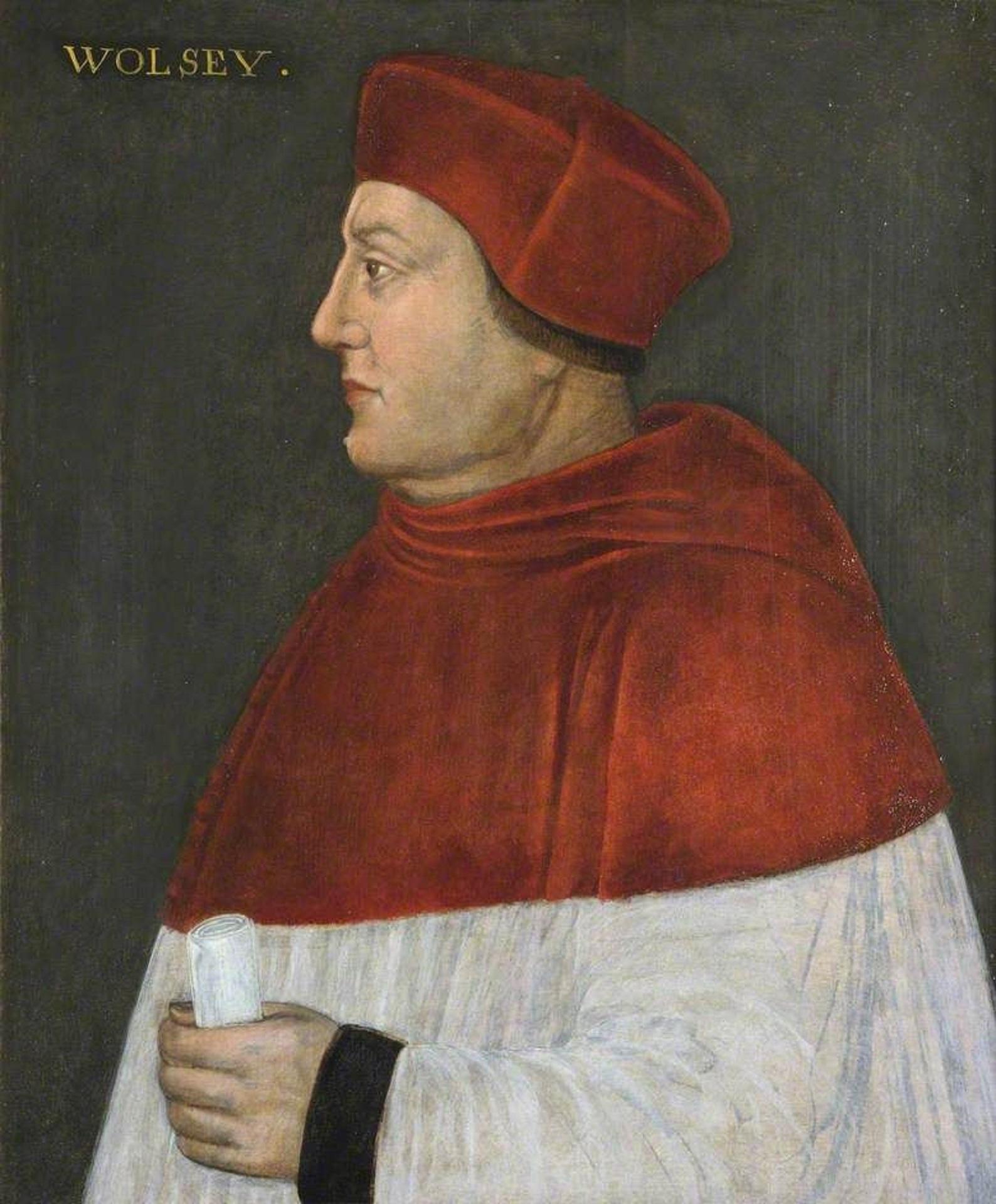
The king's flurry of defensive activity frustrated many who had influence in his court, such as Thomas Cromwell and Cardinal Wolsey. The latter had inventoried defence capabilities and submitted a report, to no end. Cromwell's efforts to overhaul military accountability only proved how inadequate the military was.
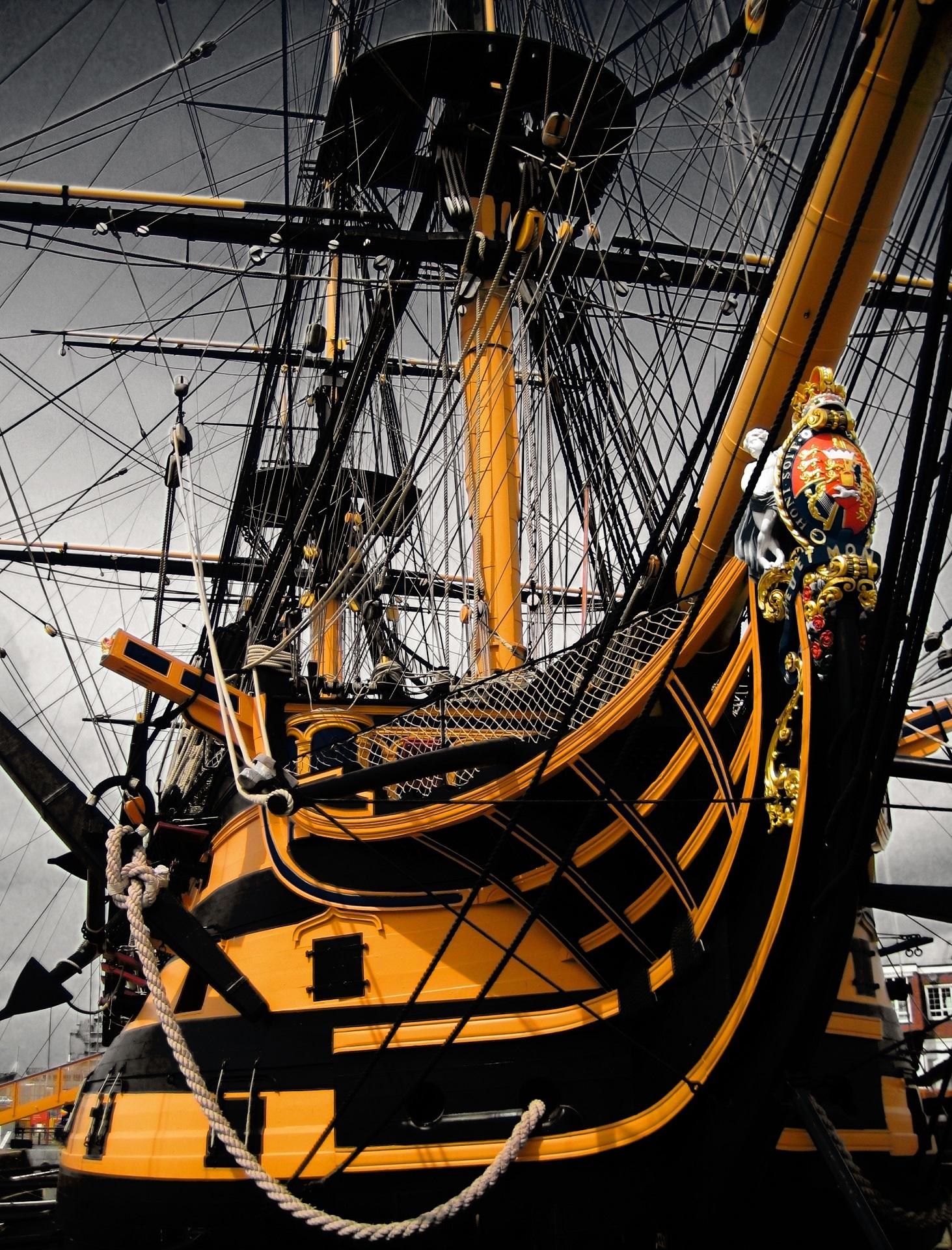
None of that discouraged the king from further investment. His treasury paid for large cannons for his warships, and planned a much larger fleet. The boats would be bigger, too, as Henry wanted to have a hand in designing them.
At one time, the monarchy boasted the world's most powerful Navy, an asset used to the UK's advantage during 20th Century Britain's wartime efforts. We have Henry VIII to thank for our permanent Navy and the infrastructure to support it.
Tudor Dynasty: Culture and Economy
Henry VIII had inherited a wealthy kingdom but he spent lavishly and, often, foolishly. His Reformation helped in this regard, too. Having seized the monasteries and assigned the lands to the monarchy, they generated a stable, relatively high income.
Still, the king left a poor treasury when he died, in 1547. He had arranged for a group of executors to help the next king, his 10-year-old son. He also specified the lands they should receive in exchange for loyalty to the new monarch.
All of these favours meant that King Edward VI led a further-impoverished kingdom. And, in fact, it wasn't him that led it, as he died before reaching the age to govern.
Two years into his five-year reign, the country erupted into violence. Economic problems were such that nobody saw the sense of expensive wars. Further church reforms also cost - both money, and goodwill. The Norfolk and Cornwall Rebellions stand as examples of those revolts, but many more flashed across the country.
Perhaps it was a blessing that King Edward VI wasn't long on the throne. He fell ill early in 1553, penning a 'Devise for Succession' to ensure the continuation of the religious Reformation. He also specified who should succeed him to the throne. He died later that year.
Edward VI's succession crisis was like nothing we've experienced in modern Britain today. The power struggles and political maneuvering that took place during his reign were far more intense than any royal disputes we see now. Not even the recent falling-out between Princes William and Harry compares to the stakes involved back then.
In Tudor Britain, religion, shifting allegiances, and rivalries between noble families decided the fate of the crown, making the crisis a defining moment in British history, unlike the more stable and constitutional processes we see in 21st century British monarchy today.
How Long Did the Tudor Dynasty Last?
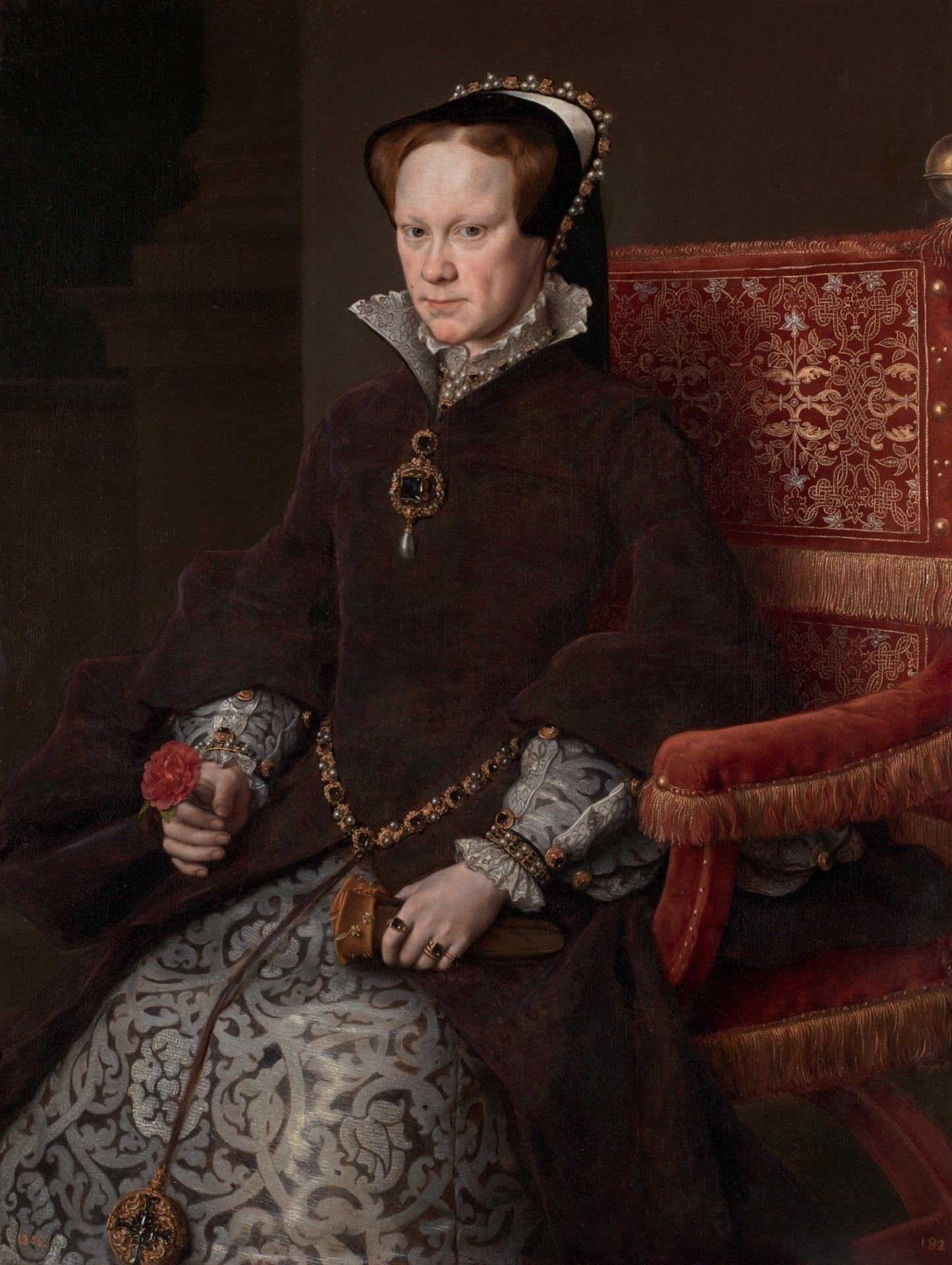
King Edward's 'Devise' excluded his half-sisters as contenders to the throne. Mary and Elizabeth had other ideas. Nine days after Lady Jane Grey became queen, Mary deposed her and claimed the crown for herself. She ruled for just five years before dying, in 1558.
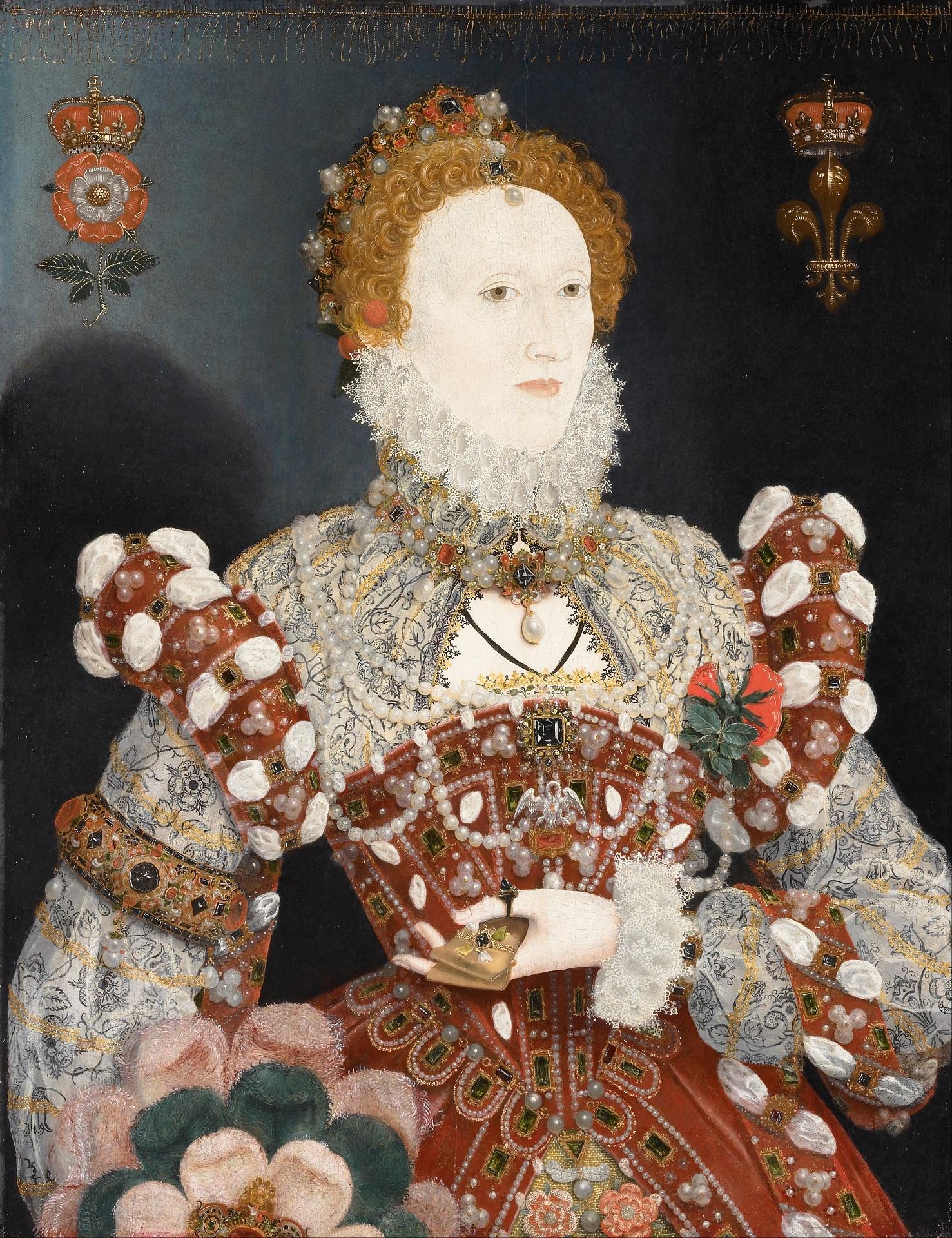
During her short tenure, Mary I rolled back many of the Reformation initiatives. Elizabeth I, a staunch Protestant, reinstated them soon after she ascended, in 1558.
She then surrounded herself with qualified advisors, establishing governing partnerships rather than ruling by fiat.
Video et taceo - I see and I keep quiet.
Elizabeth I
She was the right monarch for the times. Under her cautious stewardship, Britain maintained relations with major world powers. A few half-hearted attempts at military campaigns netted the country nothing. She kept a defensive footing in foreign policy, while turning her focus to global trade.
Expanding Commerce
Thanks to Henry VIII's shipbuilding initiatives, Britain had the vessels to send merchants all over the world. They opened new trade routes in Asia, Africa, and the newly-discovered Americas.
All this economic activity enriched the crown's coffers, and society, too. Seafaring merchants brought back exotic goods; silks and spices, and more functional stores, like cotton. Putting all of these riches to work for the kingdom's good made Britain one of the wealthiest, and most advanced countries.
and description
The Tudor Dynasty ended with Elizabeth I's death, in 1603. She held the throne for a remarkable 45 years, despite attempts to unseat her and/or end her life. The kingdom would not see such a burst of innovation for another 200 years, until Victorian Britain brought waves of innovation.
Summarise with AI:
Did you like this article? Leave a rating!

 Loading...