With dozens of medical specialities available to study in the UK, figuring out which path to study medicine can be quite stressful. After all, each speciality comes with unique training requirements, working patterns, level of patient contact and career opportunities, amongst many other things. Therefore, choosing the right path highly depends on your personality and what your goals in learning medicine are.
In this article, we'll take you on a journey through the ins and outs of some of the best medical specialties open to doctors in the UK - comparing factors ranging from work-life balance, earning potential, competitiveness and more. We'll also look at how different specialities suit different skills and working styles, so you can get a clearer idea of where your future in medicine could take you.
There isn't one medical speciality that comes out on top. General practice can be attractive for flexibility and continued patient relationships while radiology suits those interested in diagnostics and problem-solving. Likewise, anaesthetics provides plenty of practical and procedural work while psychiatry centres heavily on patient care, and surgery offers a hands-on career in demanding clinical settings. Ultimately, your strongest option will depend on the type of work you enjoy, plus your preferred lifestyle and the NHS training commitment you're prepared to take on.


What Makes a Medical Specialty “Best” in the UK?
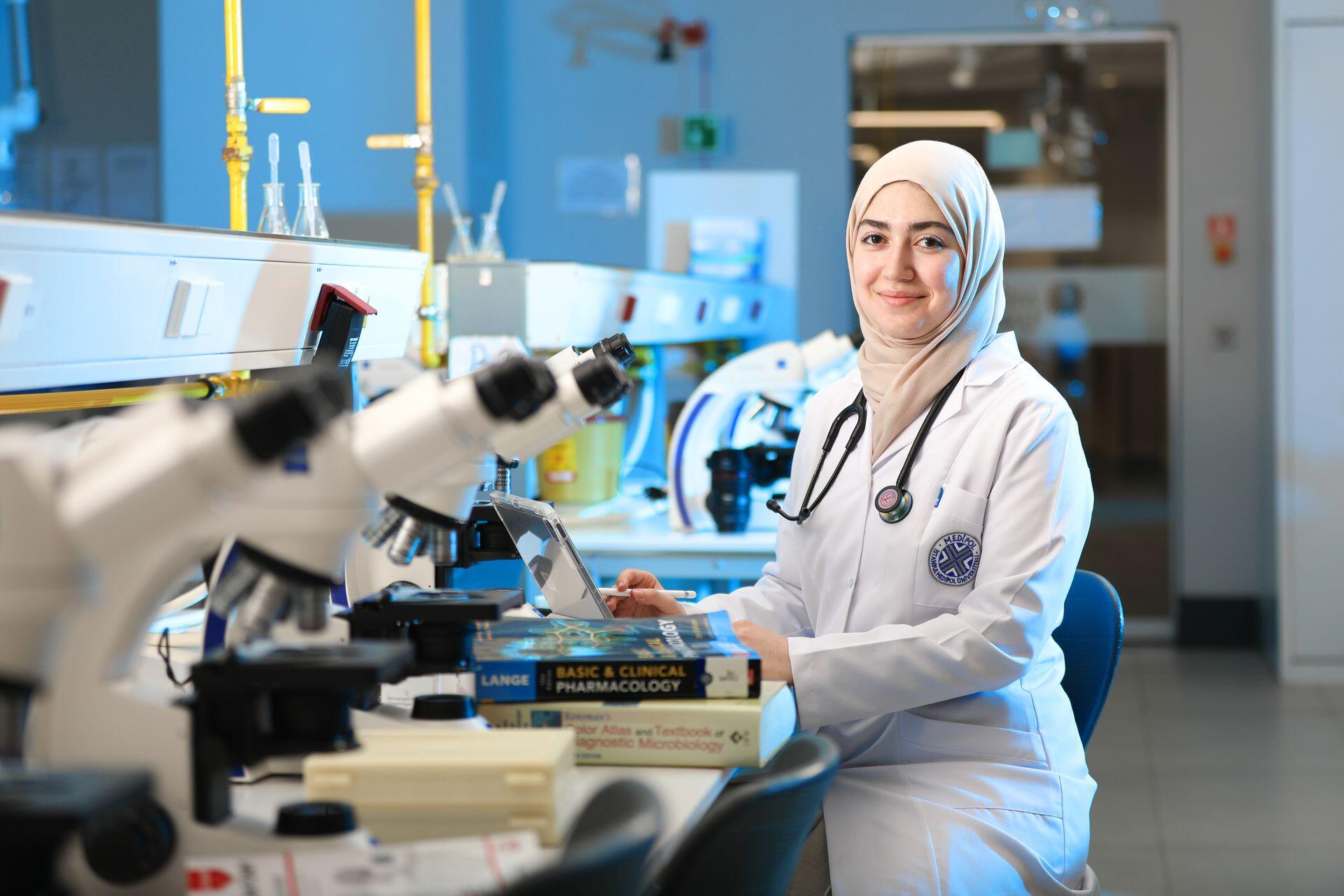
As briefly mentioned in the intro, what makes a speciality best is generally going to vary from one doctor to another. Having predictable working hours and enough down-time to relax outside medicine is a major priority for some. Meanwhile, other people are more concerned about earning potential or even the types of procedures they'll be expected to perform on their everyday shift. Overall, it depends on the individual.
Factors to Consider When Choosing a Specialty
| Factor | What should you consider? |
|---|---|
| Lifestyle & rota | Think about nights, weekends, on-call work, working hours and how predictable your schedule is likely to be. |
| NHS competitiveness | Competition for specialty training posts varies, so consider how competitive entry is and what may strengthen your application. |
| Training & exams | Compare the length of specialty training alongside Royal College exams, assessments and portfolio requirements. |
| Earning potential | Consider NHS career progression alongside opportunities for private practice or additional professional work. |
| Patient contact | Decide how much direct patient interaction you want and if long-term continuity of care is important to you. |
| Type of work | Consider if you prefer practical procedures, diagnostic problem-solving or a combination of the two. |
| Career opportunities | Look at opportunities to pursue research, teaching, medical education, leadership or a broader portfolio career alongside clinical work. |
Best Medical Specialties in the UK by Career Priority

Once you've worked out what matters most to you, comparing the myriad of medical specialties out there becomes a little more manageable. Here are some of the strongest options to consider depending on your priorities.
⚖️ Best for work-life balance
Finding a good work-life balance in medicine can be tricky at the best of times, even more so while training. That being said, the options listed below are generally considered the best fit.
General Practice
One of the attractions of general practice is the number of directions you can take your career. Alongside salaried and partnership roles, there are opportunities for locum and portfolio work, giving you more options as your career develops.
Dermatology
Dermatology is largely centred around outpatient care, so much of the work is planned rather than emergency-based. You'll still get plenty of variety, from diagnosing skin conditions to managing long-term problems and carrying out procedures.
Occupational Medicine
Occupational medicine takes you into a rather different side of healthcare. Instead of treating patients on a hospital ward, you'll look at how someone's health affects their work, and how their working environment can affect their health.
💷 Best for high earning potential
Money probably shouldn't be the sole reason you choose a speciality, but it's still fair to think about what you could earn later in your career. NHS pay is structured largely around grade and experience, so some of the bigger differences come from opportunities for private practice and additional work.
Surgery
Once established, surgeons in certain fields may be able to combine NHS work with private practice. This can increase earning potential, though beware: getting there involves a fairly long and demanding training route.
Radiology
Radiology can also provide opportunities to earn outside a main NHS role. Experienced radiologists may take on private work or additional reporting, depending on their speciality and working arrangements.
Anaesthetics
Anaesthetists can work across operating theatres, intensive care and pain medicine. As their careers progress, there may also be opportunities to take on additional NHS sessions or private work too.
🤝 Best for patient relationships
If getting to know your patients is one of the parts of medicine you value most, some specialities naturally provide more opportunities for continued contact. Let's look at them:
Paediatrics
Working in paediatrics means caring for babies, children and young people, often while communicating closely with their parents or carers too. This makes forming trust and explaining treatment clearly an important part of everyday work.
Psychiatry
Psychiatry places a great deal of emphasis on listening and communication. You'll need to understand each patient's circumstances and work with them over time as their treatment and recovery progress.
Oncology
Oncology can involve caring for patients across diagnosis, treatment and follow-up. Alongside the clinical side of the job, you'll be expected to discuss complex treatment choices and support people through difficult periods in their lives.
🩺 Best for practical procedures
If you prefer learning by doing and like the practical side of medicine, a procedure-heavy speciality could be a natural fit.
Emergency Medicine
There's rarely much repetition in emergency medicine. Alongside assessing and stabilising patients, doctors regularly use practical skills to deal with injuries and sudden illness, often when decisions need to be made quickly.
Obstetrics & Gynaecology
Obstetrics and gynaecology mixes clinical medicine with a considerable amount of hands-on care. The work can range from managing labour and deliveries to performing gynaecological procedures and surgery.
Ophthalmology
Doctors diagnose and treat conditions affecting the eyes, with the speciality also offering plenty of procedural work and microsurgery for those who enjoy precise, technical tasks.
🔎 Best for diagnostics and problem-solving
Not every medical issue is easy to immediately diagnose. If you enjoy trying to piece together symptoms using test results and clinical evidence, these roles should be a good fit for your interests.
Pathology
A lot of detective work in medicine happens in pathology. In this role, you'll be busy examining samples and laboratory findings to work out what's causing disease.
Neurology
Neurological symptoms can be difficult to pin down, with several conditions sometimes causing similar problems. Neurologists look closely at a patient's symptoms and test results to work out what's happening and how best to treat/ manage it.
Internal Medicine
In acute internal medicine, you won't always know what's wrong when a patient first arrives. Part of the job is working through the clues, ruling out serious problems and deciding on the right course of treatment.
UK Medical Specialities Compared: Training Length, Competitiveness and Lifestyle
Choosing a speciality isn't only about finding an area of medicine you enjoy. You also have to consider the route you'll take to qualify. Depending on the speciality, you could be looking at several more years of training, Royal College exams, on-call work and competition for a limited number of NHS training posts.
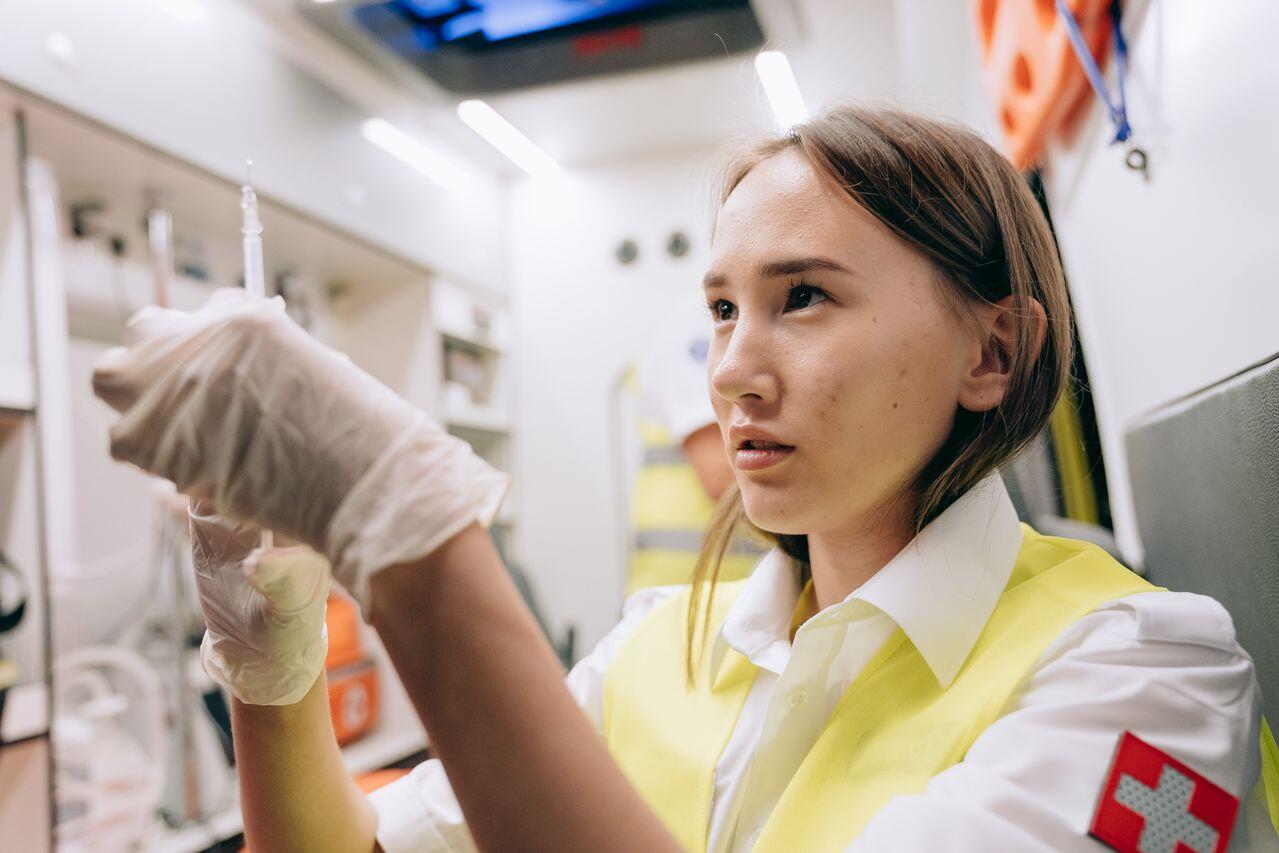
Some specialities follow run-through training, where you stay on the same training programme as you progress, provided you meet the required standards. Others are uncoupled, meaning you'll complete core training first before applying separately for higher speciality training.
| Speciality | Training route | Indicative length | Latest competition ratio* | What does the training involve? |
|---|---|---|---|---|
| General Practice | GP specialty training | 3 years | 4.91:1 (ST1) | GP training isn't spent entirely in a surgery. The programme includes time in general practice alongside approved hospital and other posts, giving you experience across several areas of medicine before qualifying. |
| Clinical Radiology | Specialty training from ST1 | 5 years | 11.27:1 (ST1) | The first part of training covers the main imaging methods and core radiology skills. As you get further through the programme, there's more opportunity to concentrate on particular areas of radiology. |
| Anaesthetics | Core Anaesthetics or ACCS, followed by higher training | Around 7 years | 12.56:1 (CT1) | Training starts with the fundamentals of anaesthesia and caring for patients around surgery. You'll take on more complex cases as you progress, with Royal College examinations forming part of the route. |
| Psychiatry | Core Psychiatry followed by higher specialty training | Around 6 years | 21.83:1 (CT1) | You'll normally spend three years in core psychiatry before moving into higher training. That's when you can concentrate on an area such as general adult, old age or child and adolescent psychiatry. |
| General Surgery | Core Surgical Training followed by higher specialty training | Around 8 years | 8.57:1 (CT1 Core Surgical Training) | The first stage gives you experience across surgery and prepares you for higher training. You'll then need to apply for a higher specialty post, where training becomes much more focused on your chosen surgical field. |
| Obstetrics & Gynaecology | Run-through training from ST1 | 7 years | 16.65:1 (ST1) | This is a seven-year programme covering both obstetrics and gynaecology. You'll gradually take on more responsibility, with clinical and surgical training becoming more advanced as you move through the programme. |
Working Patterns During Specialty Training
Working hours usually vary between placements and stages of training, but some specialities involve far more out-of-hours work than others. Here's a rough idea of what you could encounter during training.
- General Practice - GP placements tend to revolve around daytime work
- Clinical Radiology - Most work takes place during the day here too, but trainees may also over on call or on out-of-hours radiology services as well
- Anaesthetics - Expect scheduled theatre lists alongside nights, weekends and on-call duties, particularly when providing emergency cover.
- General Surgery - Early starts are common, with theatre lists and ward work accompanied by nights, weekends and on-call duties during training.
- Psychiatry - Working patterns depend on the placement and area of psychiatry, with trainees also taking part in on-call and out-of-hours cover from time to time.
Exams and Progression During Specialty Training
Once you're in speciality training, you'll still be assessed from time to time as you work your way through the programme. Read the table below to get a better idea of what this might entail:
| What to expect | What does it involve? |
|---|---|
| Workplace-based assessments | These take place during training and look at how you're applying your knowledge and skills while working. They also give you feedback on where you're doing well and where you may need more experience. |
| ARCP | The Annual Review of Competence Progression is a formal review of how you're progressing through training. It normally takes place at least once a year and results in an outcome based on the evidence available about your progress. |
| Specialty exams | Many training programmes include exams set by the relevant Royal College or faculty. The exams you'll need to pass, and when you take them, depend on the speciality you're training in. |
How to Choose a Medical Speciality That Suits Your Personality and Skills
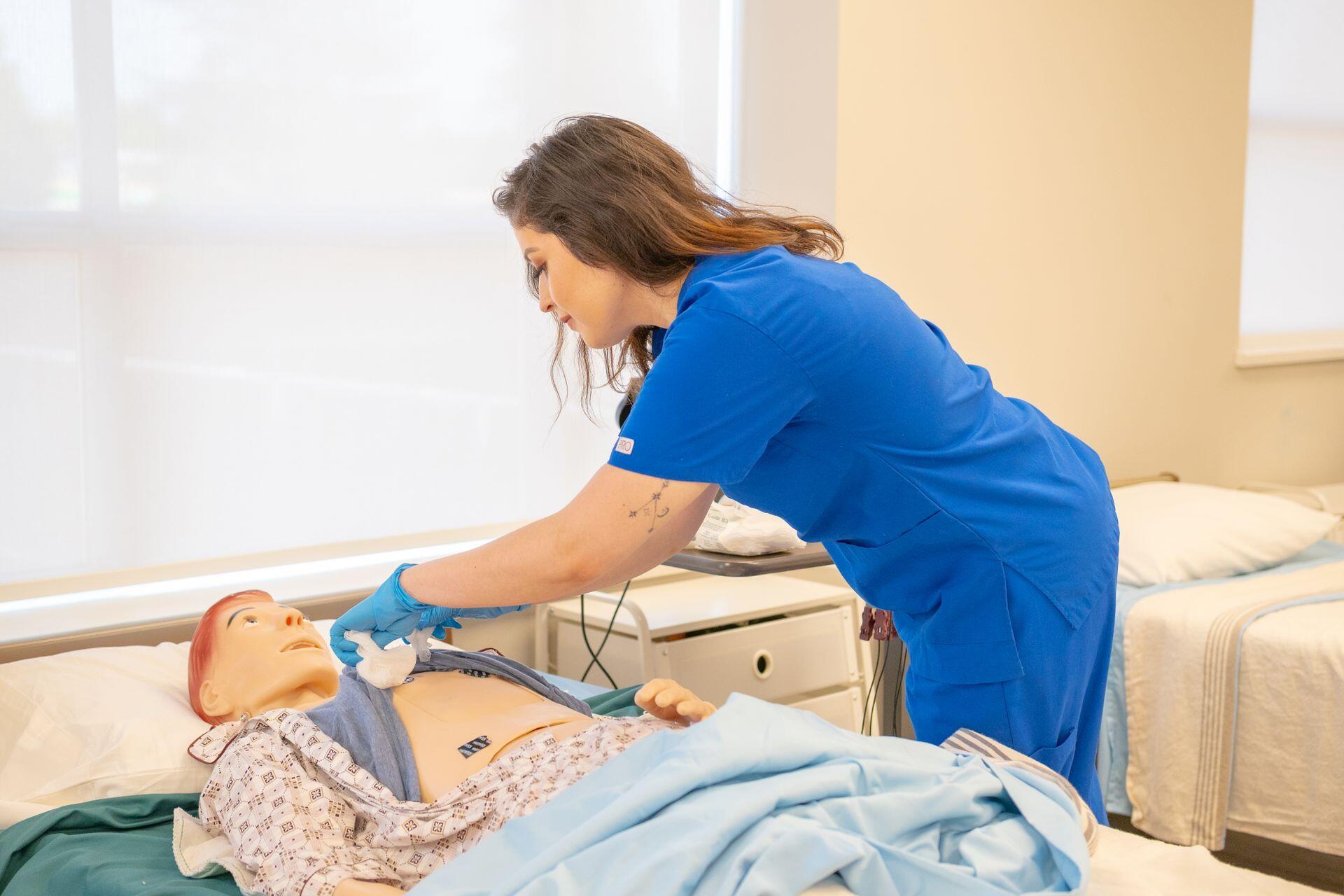
There's also the question of how you actually like to work and how this relates to your skills. Maybe you like bouncing ideas off other doctors or find it easier to work when given extra independence and room to work by yourself. Additionally, your strengths and skills are worth keeping in mind as well. Good communication skills, flexibility, patience, and attention to detail all come in handy in a variety of medical professions.
What Matters Most to You in a Specialty?
| Think about... | Ask yourself... |
|---|---|
| Patient contact | How much of my day do I want to spend talking with patients? |
| Working style | Do I prefer teamwork, independence, or a mixture of both? |
| Practical skills | Do I enjoy precise, hands-on tasks and procedures? |
| Pressure | How comfortable am I making decisions when time is limited? |
| Uncertainty | Am I happy working through cases where the answer isn't immediately clear? |
| Continuity | Do I want to care for the same patients over longer periods? |
Still not sure what specialty is right for you? You're in luck; check out the BMA speciality explorer, which can help you compare your interests and preferences with different areas of medicine.
Chemistry and Biology are two of the most common A Levels for medicine, while Maths and Physics are popular choices too. Have a few universities in mind already? Check their entry requirements before picking your subject
How to Explore Medical Specialities Before Applying
Reading about a speciality can only tell you so much. Medical school and foundation training give you several chances to see how different areas actually work1, plus allow to you to speak to doctors already in training and find out if reality matches what you had in mind.
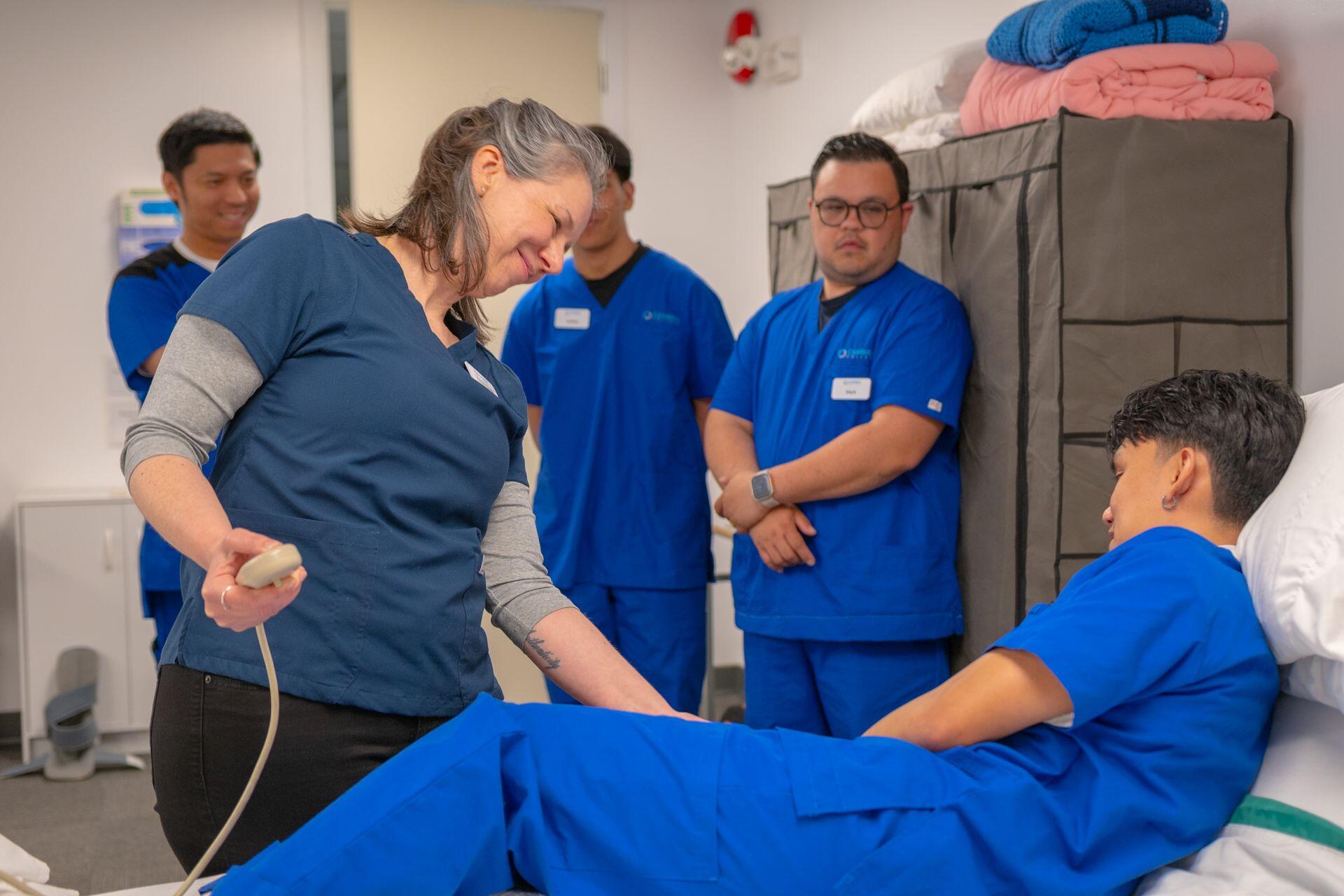
From Medical School to Specialty Application
Medical School
As you move through clinical placements, you'll get a closer look at different areas of medicine and probably find that some interest you more than others
Electives and student-selected components
Later in medical school, you can use these to spend more time in a speciality that's caught your interest or one you haven't seen much of yet
Foundation Years (F1 and F2)
After medical school, you'll normally complete two years of Foundation training. During this time, you can arrange a specialty taster lasting up to five days if there's an area of medicine you're interested in learning more about.
Prepare to Apply
One you've settled on a role, you'll need to have a look a the latest person specification for that speciality and recruitment year so you know the entry requirements
Common Mistakes When Choosing a Medical Specialty

Finally narrowed down your choices and excited to get started on your journey to becoming a doctor? Just beware, there are still a few common mistakes to be aware of so you don't end up choosing/sticking with a speciality that isn't quite right for you.
References
- British Medical Association. (2024, September 18). Tips for choosing your medical specialty. The British Medical Association Is the Trade Union and Professional Body for Doctors in the UK. https://www.bma.org.uk/advice-and-support/studying-medicine/guide-to-medical-specialties/tips-for-choosing-your-medical-specialty
Summarise with AI:
Did you like this article? Leave a rating!

 Loading...