
Where wolf’s ears are, wolf’s teeth are near.
From the Völsunga saga
When the Vikings first made shore on the island we now call Britain, it was a collection of kingdoms. Mercia, Wessex, East Anglia and Northumbria were the biggest holdings. A few minor territories existed alongside them. These divisions roughly reflected the lines the Romans left behind when they withdrew, around 410 of the Current Era (CE).
Those kingdoms mostly fought amongst themselves, for land and power, for the next 380 years. And then, they spotted wolf's ears in Northumberland. As the Völsunga epic informs us, this sight implies that sharp teeth - and lots of gnashing, are not far behind. What follows is the story of Vikings in Britain, particularly:
- when the first Vikings made landfall, and what happened when they did
- the major Viking invasion
- taking control of the land
- when and why the Vikings left Britain


Timeline of Vikings in Britain
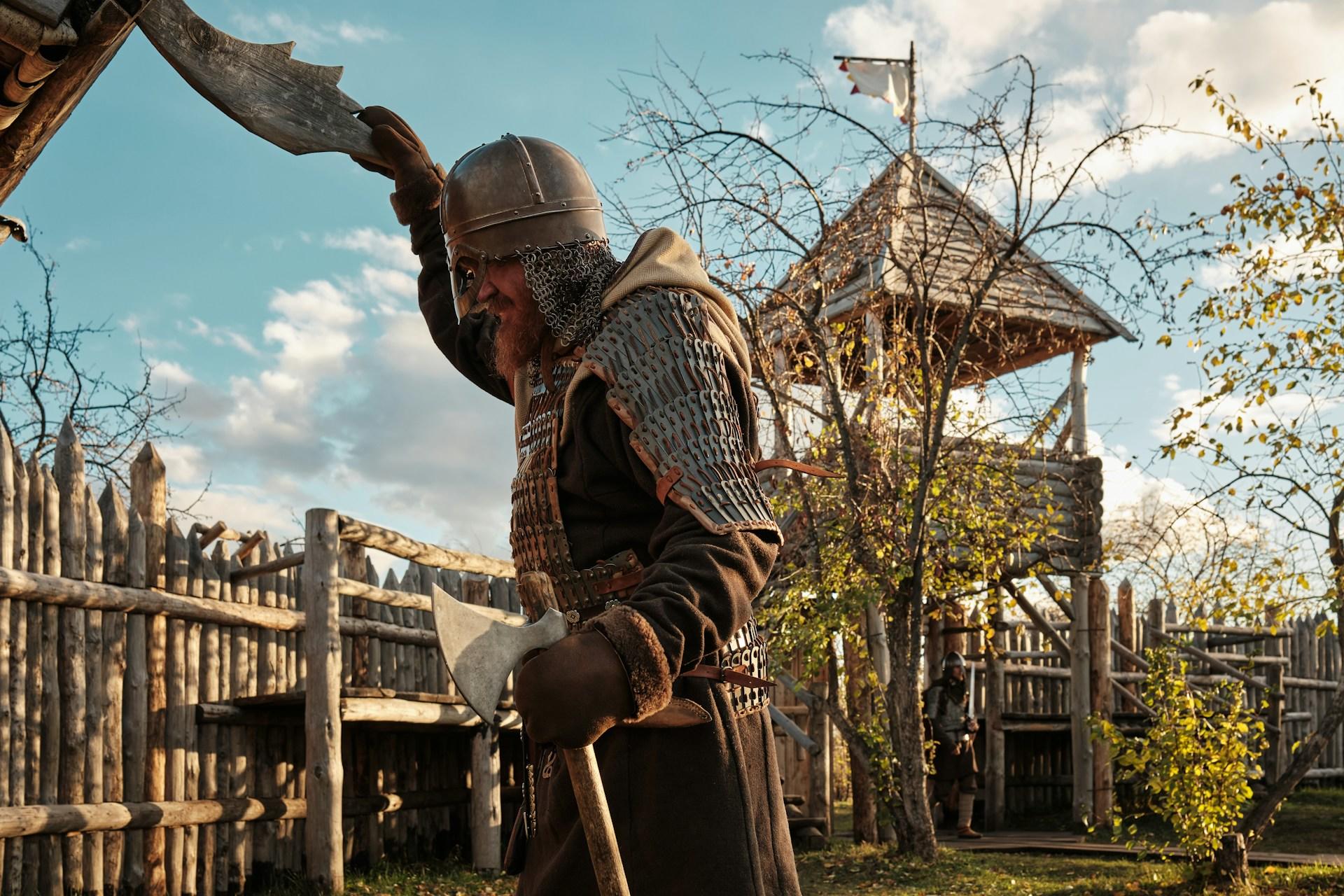
Today's films depict Vikings are ruthless and bloodthirsty for a reason. Texts such as Völsunga, and the later Yngvars saga víðförla narrate those qualities in exquisite detail. However, they didn't just engage in inter-clan fighting, as those tales relate. They were also keen mariners, often taking to the seas for conquests against their neighbours.
The Angles were no strangers to Viking aggression. Before arriving here in the 5th Century CE, their lands bordered Viking territory. Now established in their Kingdom of East Anglia, Angles feared crossing paths with them again.
That event has its place in the Viking timeline:
793
The first Vikings arrive
They make landfall on Holy Island, and raid the Lindisfarne Monastery
860s
The first Viking settlements established
Mainly in Southern Scotland and eastern England
865
The 'Great Heathen Army' arrives
A massive invasion that changed British landscape, politics, and relations
870s
Vikings establish Danelaw
A large land parcel covering northern and eastern England
926/7
King Athelstan (Wessex) captures York
He declares himself King of all Britain
991
Danish King Swein Forkbeard attempts to wrest control
He fails to take over Wessex and East Anglia
1005
Famine!
The lack of food drives the Vikings (and the Danish King) out
1016
Cnut the Great becomes King of England
The Viking influence high-point
1066
The Norman Conquest
The end of Viking rule and influence in Britain
Presumably, the Normans, coming over from France and taking over Britain, ended Viking rule. That's not entirely correct.
In 911, the Carolingian ruler of France permitted a Viking clan to settle in Normandy. It was those Normans, descendents of that original Viking group, who evicted Vikings from Britain.
The Treaty of Saint-Clair-sur-Epte specified that those Vikings could occupy that land, in exchange for protecting the coastline. These 'Northmen' assimilated well; they eschewed their gods to embrace Christianity. They adopted the French language and enriched it with Norse vocabulary, and married into the local population.
It didn't take long for those Northmen to become Norman. Just over 150 years later, they would overthrow their former fellow countrymen, in a land that belonged to neither of them.
The Norman Conquest ranks among the foundational events British history. But we have many more battles to wage before getting to that point.
793: The First Vikings in the UK
We should thank all the scribes of those long bygone days, for their record-keeping. In graphic detail, and with ample poetic licence, they narrated the raid on Lindisfarne. The Anglo-Saxon Chronicle leaves nothing to chance in their telling. The passage "... heathen men wretchedly destroying God’s church on Lindisfarne, with plunder and slaughter" paints a vivid picture.
Another account expounds on the brutality: "The church of St Cuthbert spattered with the blood of the priests of God, despoiled of all its ornaments".
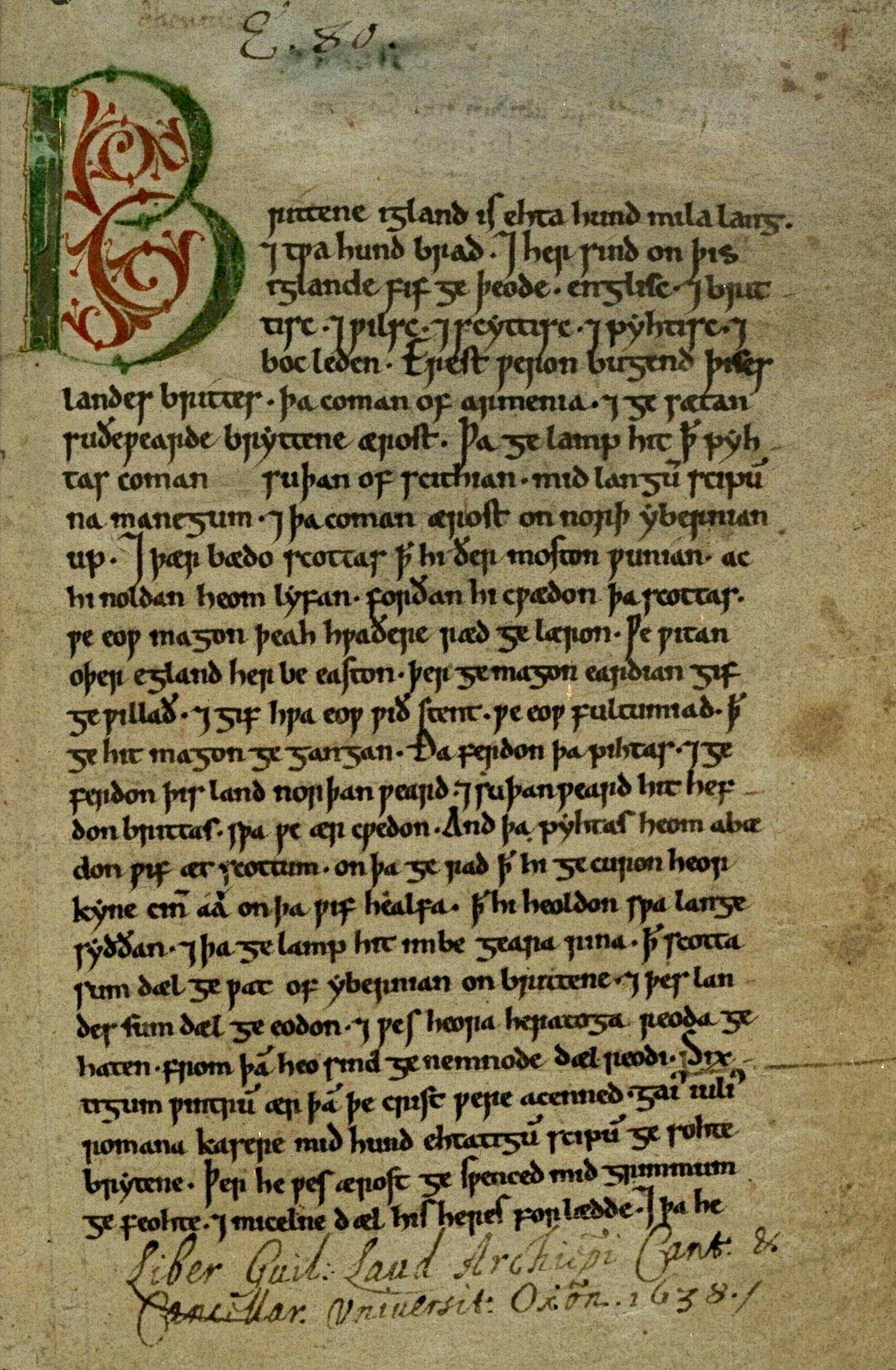
The author and clergyman, Alcuin of York, describes his trauma as much as the church's destruction. It's safe to believe that the bloodshed didn't stop after that initial spectacle.
Life during the Medieval Britain period was a gory affair, much as it was elsewhere in the world. The goal was also the same: plunder as much portable wealth as possible. Everyday life in Medieval Britain was shaped by such violence, including the seafaring Vikings who were exceedingly good at their task.
The wealth didn't always have to be portable for them to seize it. Sometimes, a nice piece of land would do. Such was the case with this first Viking influx. Setting up camp and reaping local riches was fine too, so that's what they did.
During the 830s, more fleets arrived to do battle with established kingdoms' armies. Soon, strategies evolved, as Viking fleets teamed up with local armies to claim still more territory. By the 860s, Viking settlements stretched from southern Scotland, down the English coast, and across all of northern England.
865: A Major Viking Invasion
Events of modern Britain bear no resemblance to Viking activity that assured their claim on our island. Lacking instant messaging capability, they must have constantly sailed back and forth to ensure the steady supply of fighters.
The Viking trickle that began in 793 became a flood in 865. The Anglo-Saxon Chronicle informs us of a "great heathen horde" arriving.
They made short work of early Britain's kingdoms, and redrew the island's political boundaries. Before, they comprised:
Angles
- A Germanic people
- lived near the Elbe River
- settled in the east of England
Jutes
- from Northern Juteland
- neighbours of Angles
- occupied a small portion of SE England
Saxons
- lived on the Baltic coast
- Angles' southern neighbour
- settled southwest England
This redrawing of boundaries was the most significant event of the Vikings' tenure. They did away with Northumbrian, East Aglian, and Mercian armies, and eliminated those kings. When they were done, only the Kingdom of Wessex stood. Wessex's King Alfred negotiated a settlement that gave the Vikings control over most of England, which they named Danelaw.
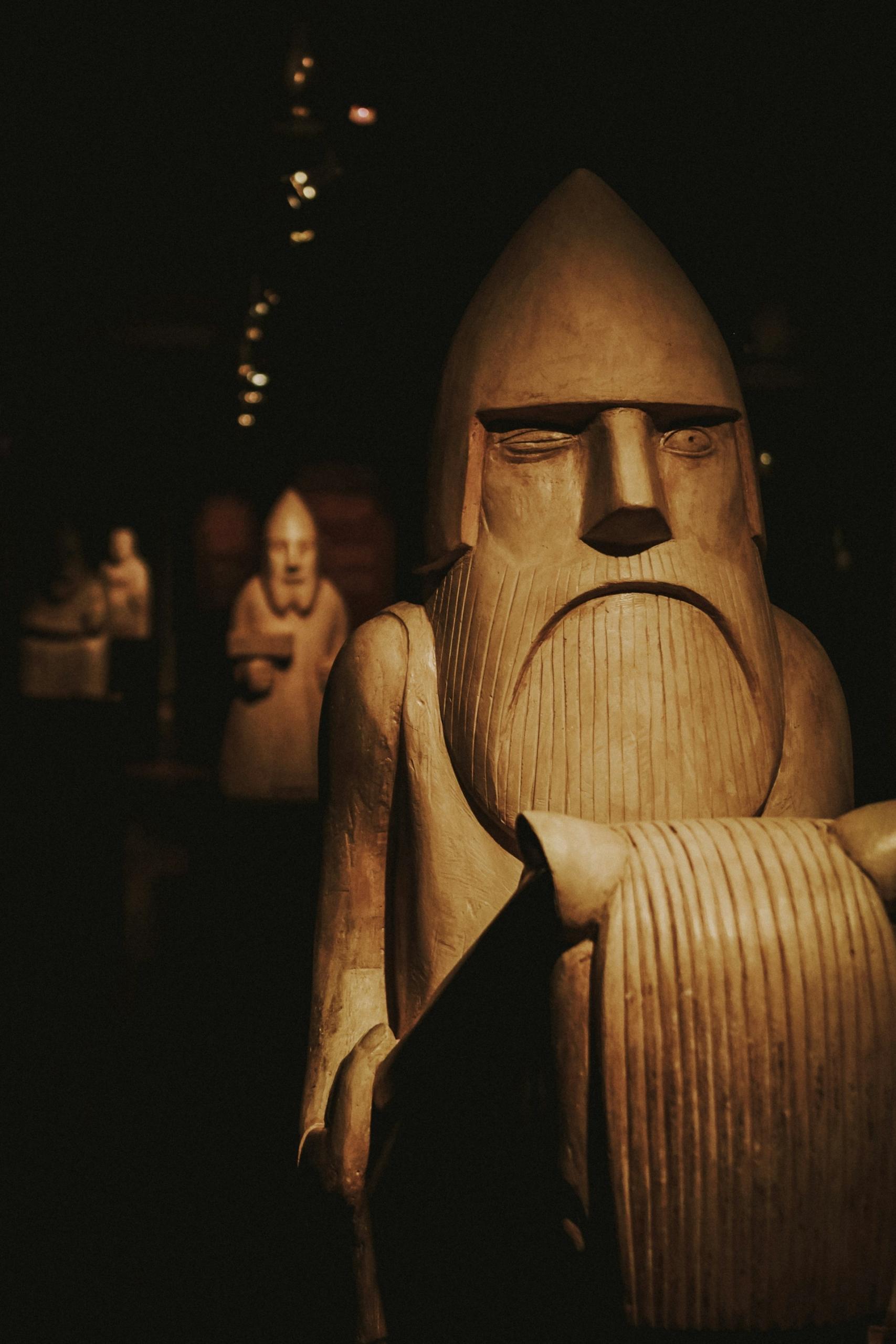
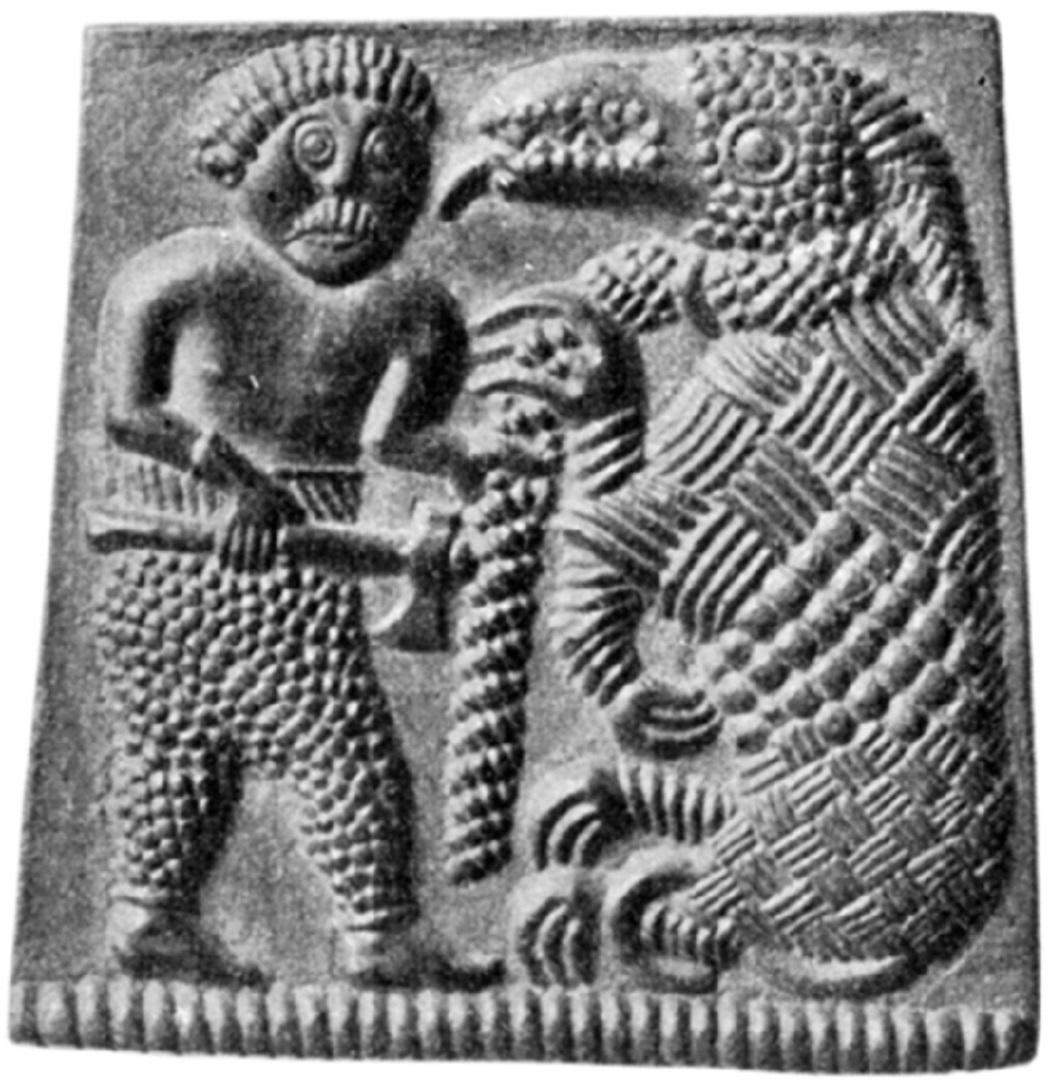
The sons of Norwegian King Ragnar Lothbrok led the charge. His name translates to 'shaggy-breeches' or 'hairy-pants'.
The picture above depicts a man wearing shaggy trousers slaying a beast. Presumably, that was some sort of initiation ritual that King Ragnar excelled at, hence his name. Britain was no stranger to rituals during the Tudor Dynasty. We too have documents and artefacts to prove past ceremonial acts.
After King Alfred of Wessex died (in 899), his son continued to battle Vikings for territory. In due time, the king's grandson, Athelstan, took command. These armies reclaimed large swaths of land, but they had no interest in returning to the patchwork system of minor kingdoms.
926: The King of All Britain
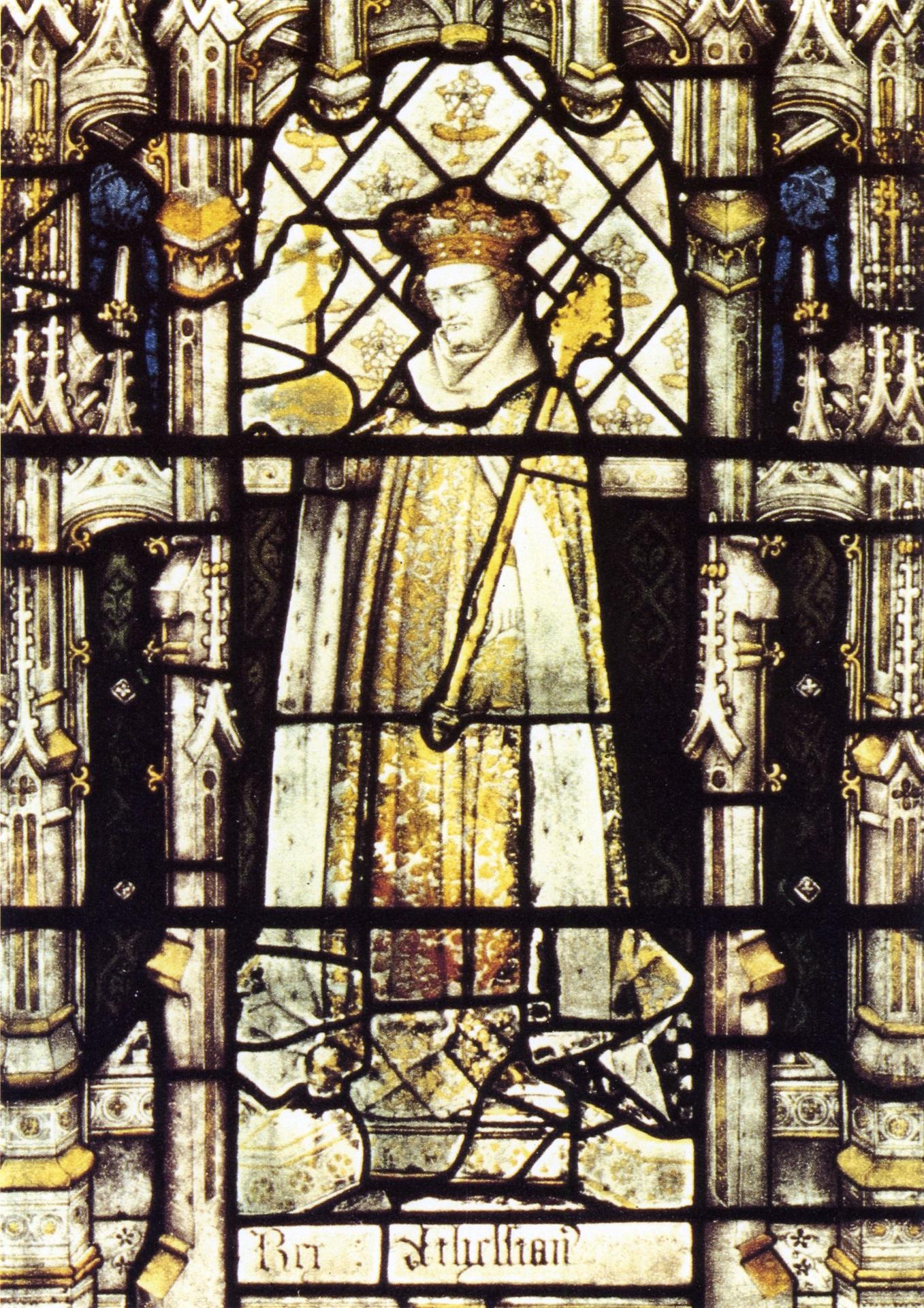
The death of the Viking king of York, Sihtric, spurred King Athelstan of Wessex into battle. Once his army captured York, he declared himself the King of all Britain. In his kingly garb (pictured), he named his realm Englalond, and began flexing his might.
That wasn't the end of the fighting, or the Vikings. Through the years, those seafaring warriors returned, engaging in minor, yet bloody battles throughout the region. King Athelstan died in 939, and Viking rule returned to York for a time.
The Viking King Erik Bloodaxe's violent death (in 954) forever ended Viking authority in the country's north. That wasn't for lack of trying. Successive waves of Viking fleets arrived to cause political and military turmoil. And to decimate the population, and plunder what they could.
We often consider 20th Century Britain as particularly war-prone, thanks to the two World Wars and other incursions. In many ways, the impact of World War 1 and 2 mirrors the long-ago fights for power and control we narrate here. The main difference is that, back then, we were fighting amongst ourselves, essentially.
1066: Normans Take Over Viking Settlements UK
In 1013, the Danish King Svein Forkbeard conquered all of England. His rein didn't last long, and England once again plunged into war. Three years later, King Forkbeard's son, Cnut, claimed the crown. In 1016, he succeeded in forming the North Sea Empire.
It covered England, Norway, and Denmark, as well as portions of Sweden. He counted the Baltic, Irish and North Seas as parts of his realm. King Cnut installed Danish nobility in lead government positions across England.
They brought their artists and craftsmen, too, marking Viking settlements UK with stone carvings and metalwork. This empire lasted until 1046. Edward the Confessor, the West-Saxon king who came to power in 1042, made hardly a dent in its reach. However, something else eroded its might.
Scandinavians had begun to embrace Christianity. Incoming fleets were weak-willed where battle was concerned. When Norwegian king Harald Hardrada mounted his English invasion in 1066, his troops lost the Battle for Stamford Bridge (Yorkshire). That defeat came two weeks before the Battle of Hastings, which heralded the Norman Invasion.
Edward the Confessor's death spurred the Normans into action. He had left no heirs, so a fight ensued to claim succession. The Normans emerged victorious, and began eradicating Scandinavian sensibilities. European tastes in art, food and living styles replaced established Viking standards.
These changes were more immediate in England's south; northern regions adapted more slowly. In replacing the Vikings, the Normans made 'The Danes' villains of emerging folk tales and medieval romances. This narrative trend persisted through Victorian Britain's innovations, and beyond. The former Vikings, who built and shaped England, stayed through it all.
Summarise with AI:
Did you like this article? Leave a rating!

 Loading...