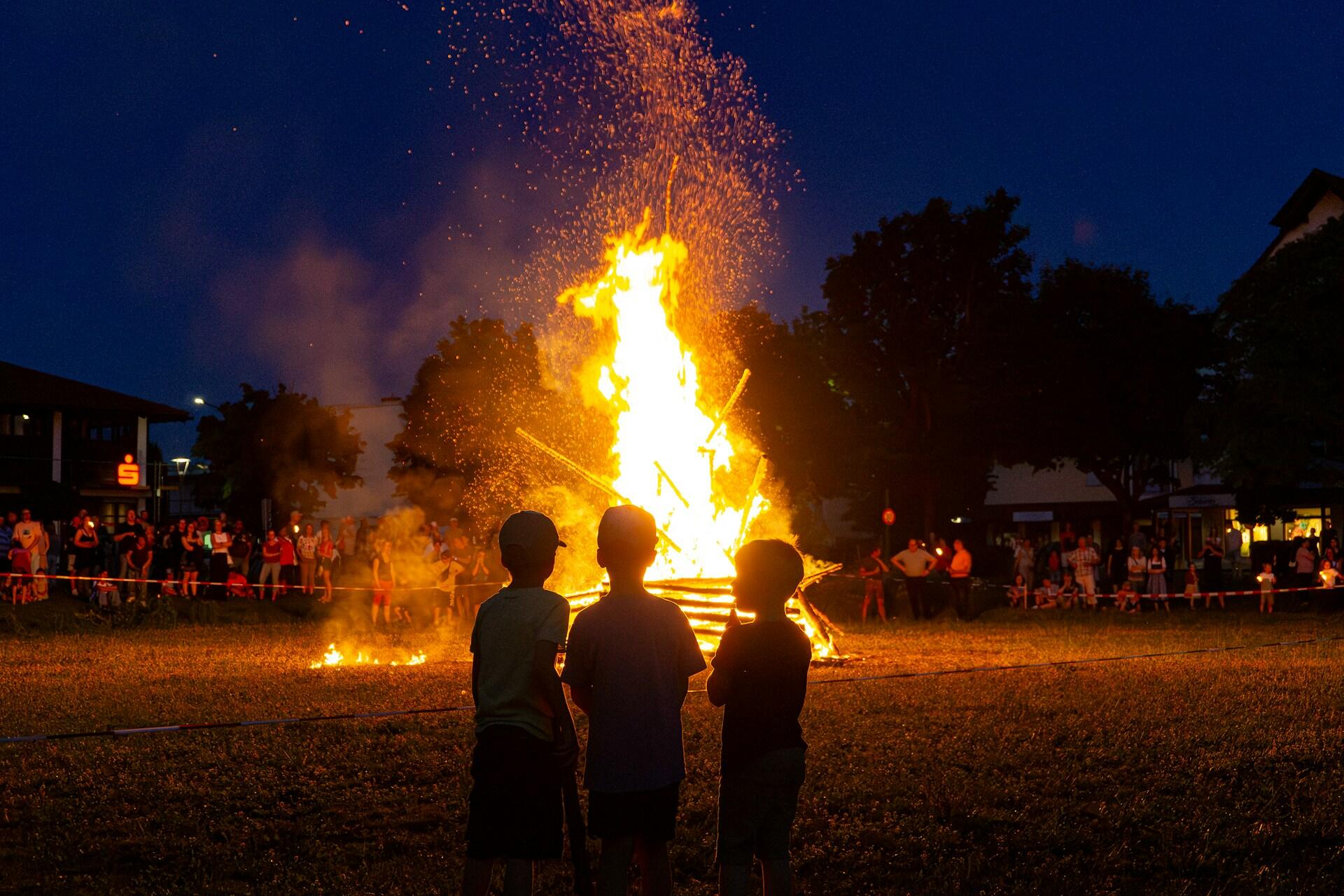

Bonfire Night is 5 November every year, the night we gather around a giant fire to throw in 'guys' and eat roasted potatoes. We incorrectly call it Guy Fawkes Night, thanks to his association with the failed 1605 Gunpowder Plot to blow up Parliament. That's the event our bonfires commemorate: the plot's failure, the king's survival, and longstanding traditions woven into the British cultural fabric. This article answers how bonfires became a thing and how the spirit of them changed over time1.
5 November 1605
Londoners light bonfires to celebrate the king's survival following the failed plot.
A few chucked effigies representing the Pope into the fires.
January 1606
Parliament enacts The Observance of 5 November Act 1605
Services commemorating the failed Gunpowder Plot become mandatory, of which bonfires were a part.
1670s
Bonfire Night becomes a festival for London apprentices.
Rowdiness and anti-Catholic riots were common.
1745
The Jacobite Rebellion turns Bonfire Night political.
The effigies become 'pretenders' representing political figures.
Early 1800s
Bonfires become community events.
Rather than one large gathering in London's centre, estates begin hosting their own bonfire events.
1859
The Observance Act 1605 is repealed.
Guy Fawkes replaces the Pope as the prime effigy.
Late 1800s
Bonfires become community/family events featuring fireworks.
The festive atmosphere spurred the 'penny for the guy' tradition.
Early 1900s
Fireworks suspended during the World Wars.
The lack of resources, rather than any military cause, spurred the change.
1950s to today
Modern, family-friendly celebrations.
Some feature processions re-enacting the failed plot, others put on lavish firework shows.


What Is Guy Fawkes Bonfire Night?
Today, Bonfire Night is a time for communities to gather around a bonfire. The celebrations revolve around the event's historical significance, as well as having fun. We're treated to fireworks displays or, perhaps, set them off ourselves. Kids wave sparklers about and chase each other around with glow sticks, and we all enjoy roasted treats and warm drinks.
📅 Date: 5 November
📍 Where: England, Scotland, and Wales; also in some Commonwealth regions.
🥔 Activities: eating seasonal foods, playing games, lighting fireworks, and burning effigies.
📛 Other names: Guy Fawkes Night, Fireworks Night
Until 1859, bonfire attendance was mandatory. The events that led to bonfires being a scheduled event were so dastardly that Parliament wanted to make sure nobody forgot them. So, they made a law that everyone had to be there.
Fortunately, that law is no longer in force. And the serious reasons for this occasion, politics and religion, have long been set aside. So, we can go to our local bonfire events in full celebration mode, revelling in one of our most cherished cultural traditions.
Why Do We Celebrate Bonfire Night?
Besides being grand fun, this occasion has its roots in the Gunpowder Plot that nearly ended the king's life and levelled the Parliament building.
When King Henry VIII broke from the Roman Catholic Church in 1534, he set alight simmering tensions within faith communities. As it was, sectarian Catholics had trouble accommodating each other's beliefs; now they had a new religion to contend with.
While most managed the transition to Anglicanism to one degree or another, some remained faithful to Rome, despite increasing persecution. When King James VI of Scotland became King James I of England some 70 years later, those devout had reason to believe they would finally enjoy tolerance for their beliefs.
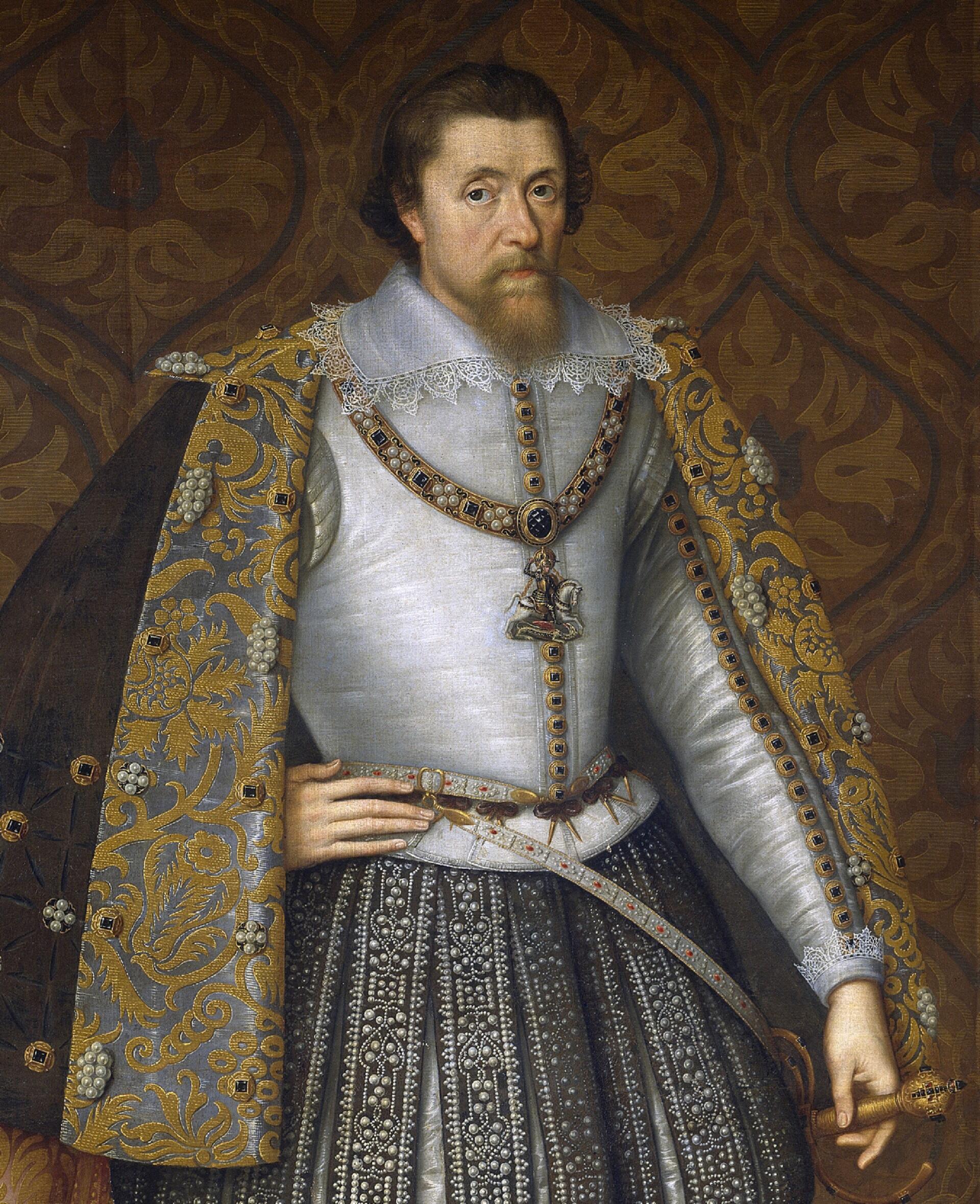
Initially, that was the case, but only for the first three years of his reign. When he made it clear the Anglican faith was the only legal religion, a small group of Catholics decided to revolt. Robert Catesby devised the plan we know as the Gunpowder Plot. It entailed blowing up the House of Lords with the king and lords inside.
👂 The plotters spoke of their plan around the Catholic community.
😟 Several people had misgivings about possibly killing Catholics in the explosion.
📧 Someone sent one of the Lords an anonymous letter, urging him to stay away from Parliament on opening day.
That anonymous tip-off led to the discovery of Guy Fawkes, who was guarding barrels of gunpowder in the Parliament's undercroft. He was hauled before the king, interrogated, and sent to the Tower of London to be tortured to confession.
Across London, news of the foiled plot gave way to glee at the king surviving the threat on his life. People lit bonfires in the streets, throwing anti-Catholic effigies into the flames. When Parliament's session finally began, they passed a law mandating the November 5th observance.
🔥 This year, Bonfire Night is on a Thursday.
🏫 Schools may host events that evening, but community celebrations may move to the weekend.
📰 Be sure to check your community calendar!
How the Guy Fawkes Celebration Became Tradition
The Observance of 5 November Act 1605 was law for more than 250 years2. It was repealed in 1856, but after two centuries of the practice, stopping seemed silly. Besides, the occasion's gravity had lessened over time, becoming more festive than commemorative.
It became easy to set aside politics and religion, the original reasons for the bonfires. Over time, they became about community, family, and fun. Though some may bring their politics and religious beliefs to the events, the bonfires are and remain officially secular happenings.
Guy Fawkes Day England: Burning Effigies
One reason we call it the 'Guy Fawkes celebration' is because we call the effigies 'guys'. That fact is misleading on two counts.
Guy Fawkes was not the Gunpowder Plot's mastermind.
The first effigies burnt in the earliest bonfires were of the Pope.
In the plot's immediate aftermath, anti-Catholic sentiment was so strong that burning the Pope in effigy seemed an effective way to express it. Around 100 years later, politicians became the target of public ire, so the effigies reflected that change.
Ultimately, the effigies became generic 'guys', which served a dual purpose. A 'guy' was traditionally defined as a rude, uncouth, ugly man that, coincidentally, fit the sentiments directed at Guy Fawkes3. Over time, even that definition 'gentled' out, becoming a generic term for any fellow.
Traditionally, children would attach their 'guy' to a pole and parade it in the streets ahead of Bonfire Night. They would ask for pennies so they could buy fireworks for the big night.
Today, schools go to great lengths to educate students about Guy Fawkes, the reasons for the bonfires, and the making of effigies, particularly in the early years. Parading guys around isn't a thing anymore, mainly because firework sales are restricted to people older than 18.
Guy Fawkes Bonfire Night Safety Tips
Keeping in mind that anything we might do has risks, we have to take extra care to keep little ones and pets safe on Bonfire Night. We have to keep ourselves safe, too, as these tips show4.
Light them in an open, outdoor area; never indoors.
Don't hold them in your hands as you light them.
Never toss them into a fire.
Never aim them at others.
Never light fireworks under alcohol's influence.
Hold them at arm's length.
Don't wave them close to other people.
Supervise children with their sparklers; never give one to a child under 5 years old.
Don't try to wear them in your hair.
Don't hold a lit sparkler while holding a baby.
Douse the sparkler in water once it burns out.
Make sure your fire ring is in an open area, free from overhanging leaves or branches.
Do not add accelerant once the fire is burning.
Supervise children and keep pets away from the fire.
Keep a safe distance from the flames.
Be mindful of nearby dogs as they may get nervous or aggressive from the loud sounds.
Keep fireworks and sparklers away from them, and keep them away from fires.
Keep them on the leash while tossing guys into the fire.
Finally, about food safety. Only eat foods that are thoroughly cooked. Allow treats to cool before eating them. Sip hot beverages from containers with lids to prevent spilling on kids and pets. Discard waste properly; keep it from pets and small children.
Common Myths About Bonfire Night
Throughout this article, you read 'Guy Fawkes celebration' and other mentions of Guy Fawkes in connection with Bonfire Night. That's the first myth we must dispel.
🚫 This night is not, and has never been, about Guy Fawkes.
🤴 It was initially about the king surviving a plot against him.
🎩 It grew into a forum of political expression.
👨👩👧👦 In its current form, it is a celebration of community and family.
Poor Guy Fawkes gets a lot of blame for the Gunpowder Plot. He did not act alone; in fact, he did not even mastermind the plot. He was a devout Catholic who was willing to put his life on the line for his beliefs. As misguided (and illegal) as his actions were, he was but a follower in the scheme.
Sometimes, we wonder if Bonfire Night is still about religion. Some people may arrive at the bonfire with their religious beliefs, but it is not a religious observance in any measure, and it never was. That is to say, the original English Bonfire Nights were only incidentally about religion; they were mainly about remembrance. However, pagan rites often featured bonfires, and those were religious in nature.
Finally, about fireworks: these celebrations have featured fireworks for hundreds of years, but they never revolved around fireworks. Bonfire Night staples included the fires, the guys, and personal expression. Fireworks were an added bonus, making the occasions yet more festive.
References
- Showtime Fireworks. “The History of Fireworks on Bonfire Night.” Showtime Fireworks, 16 Sept. 2024, showtimefireworks.co.uk/the-history-of-fireworks-on-bonfire-night/. Accessed 6 Oct. 2026.
- The Law Bod. “Remember Remember the 5Th of November |.” Ox.Ac.Uk, 2016, blogs.bodleian.ox.ac.uk/lawbod/2014/11/05/remember-remember-the-5th-of-november/. Accessed 6 Oct. 2026.
- By AdOYo, Added. “The Oldest Guy Fawkes Effigy.” Atlas Obscura, 18 June 2024, www.atlasobscura.com/places/oldest-guy-fawkes-effigy. Accessed 6 Oct. 2026.
- Staffordshire Fire and Rescue. “Bonfire Night Safety.” Staffordshire Fire & Rescue Service, 2025, www.staffordshirefire.gov.uk/your-safety/safety-at-home/bonfire-night-safety/. Accessed 6 Oct. 2026.
Summarise with AI:
Did you like this article? Leave a rating!

 Loading...