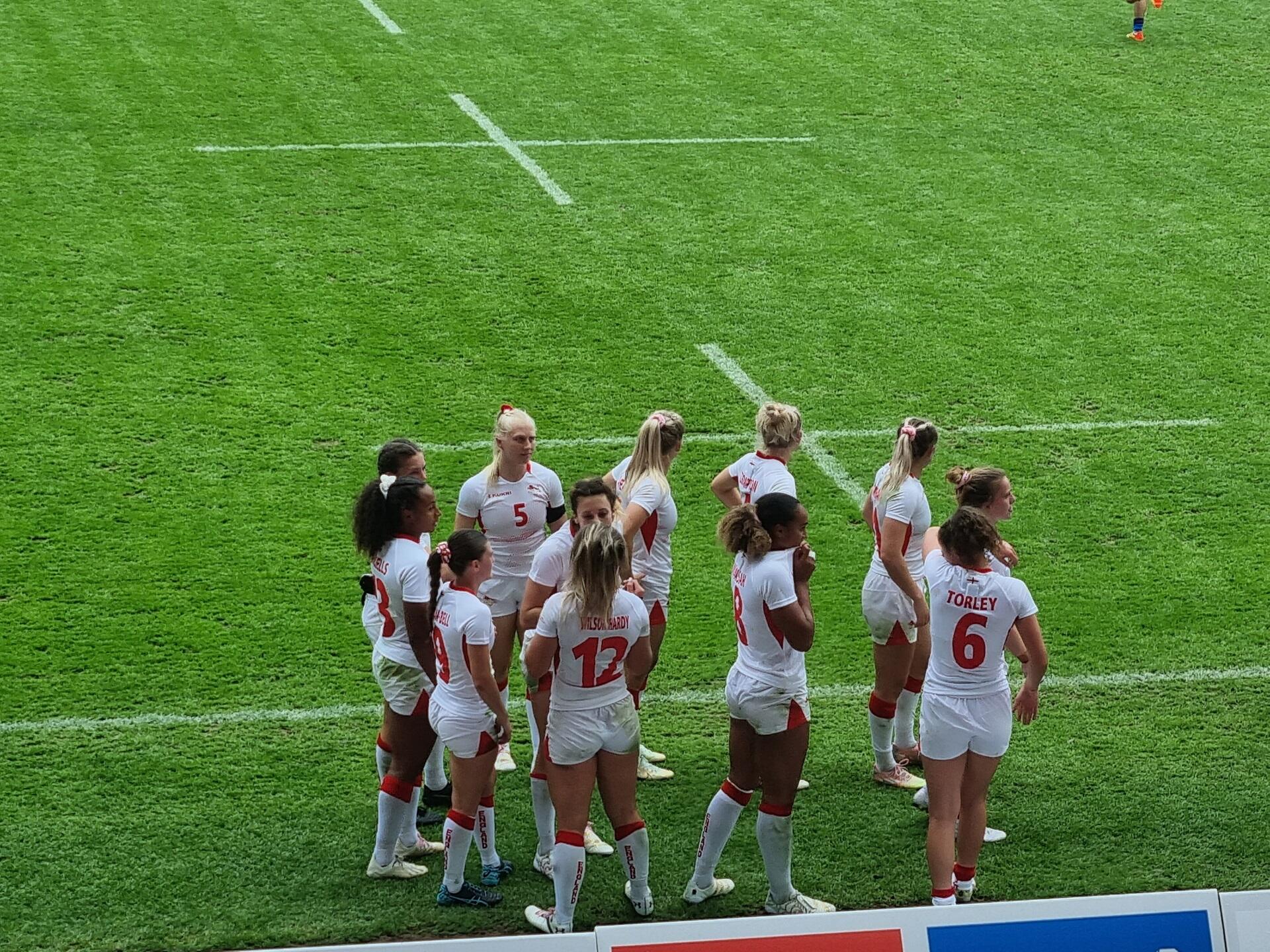

From the start, Team England has been instrumental in shaping the Commonwealth Games and making them what they are today. The idea for the games was born in England, after all, even if their first instalment took place in Canada. So now, we explore Team England, its remarkable achievements, and what we can look forward to this July in Glasgow.



Team England Game Participation
English athletes have left their mark on the history of the Commonwealth Games, both for their long-time participation and for their achievements.
To date, England is one of six teams to have participated in every Commonwealth Games edition. Australia, New Zealand, Canada, Scotland, and Wales are the other five nations with this level of participation3.
As the seat of the British Empire's power, it only makes sense that Team England would be a founding member of the British Empire Games, as they were known at the time. That was a suitable name in 1930, the year of the first Games. Over time, though, the initiative distanced itself from 'empire' through a series of name changes.
Sometime in early 2023, the Commonwealth Games Federation (CGF) began operating as Commonwealth Sport. However, it keeps the CGF identification. Through all these changes, Team England has remained a constant presence.
Milestones and Achievements
With nearly a century of athletic performance across 22 editions of these Games, it goes without saying that the Commonwealth Games England Team has a long list of achievements to boast about. Not the least of which is topping the medals table no fewer than seven times.
In fact, England claimed the most medals at the inaugural Games in 1930. Ever since, Team England and Australian athletes have swapped places at the top of the medal standings at most events, most notably between 1930 and 1974.
To date, England has hosted three Games editions:
London hosted in 1934 (III edition).
Manchester hosted the XVII (2002) edition.
Birmingham hosted the 2022 (XXII) edition.
Now, for a bit of Games history from a different angle, namely, how the baton relay came about. In 1930, on the occasion of the very first Commonwealth Games, King George V sent a message to Hamilton, Ontario. This goodwill message featured as a part of the Games' opening ceremony.
Ahead of the 1938 games in Sydney, Australian runner Rowley Bateman suggested a relay run from Canberra to Sydney. Such an event would hype the Games, and even more so should the relay staff contain a message of goodwill from the monarch.
For subsequent Games, similar ideas emerged. However, it wasn't until 1958 that a message-embedded baton became a staple of the Commonwealth Games. Queen Elizabeth II made it her mission to dispatch a runner from London with a baton for every edition. To this day, the baton begins its journey in London, regardless of where the relay race takes place.
England Commonwealth Games Team Medal Tally
By no means does Team England top the accomplishments of other countries in the Commonwealth, but they are just as respectable. To wit, in overall medal standings, England is second only to Australia1.
While British athletes compete under one flag during Olympic events, each of the four UK nations competes under their own flag for other contests, including the Commonwealth Games.
For the record, Scotland ranks #7 on the Games' medals standing, with Wales coming in at #10 and Northern Ireland sliding in at #14. Noteworthy standings in their own right, but this article focuses on Team England, so that's where we turn our attention to once again.
Team England Athletes: Records Set
From the Games' first instalment in 1930, English athletes distinguished themselves with extraordinary achievements2. Notable performances include David Cecil, who claimed three gold medals in athletics. Representing female English athletes, swimmer Joyce Cooper took home four gold medals for her efforts; to this day the most gold won by a female swimmer in a single Games event.
Those two record-makers set the bar high for English athletes. High, but not impossible to top, as subsequent contestants have shown.
Team England Sports and Disciplines
One hardly needs a Commonwealth Games guide to know that, over the years, the list of available sports to compete in has grown appreciably. Still, that doesn't mean that every team must have an athlete slotted for every discipline. However, we can safely say that Team England is always well represented, particularly across the core events.
Core Sports
From the start, the Games' list of core sports featured an array of events that every nation's team participated in. The very first event featured six sports; over time, the core roster grew to 16 different disciplines.
- athletics
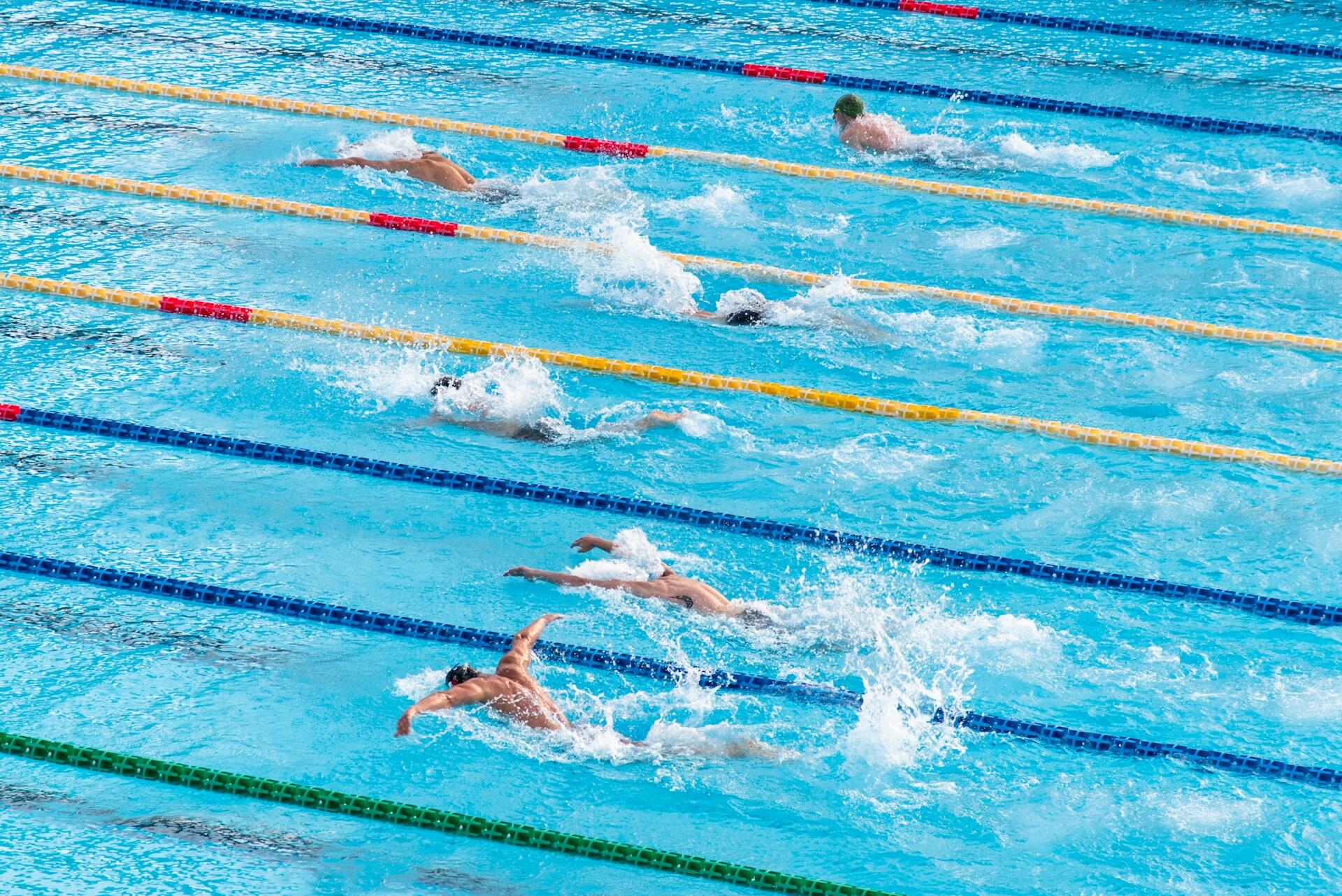
- swimming
- boxing
- cycling
- gymnastics
- table tennis
- triathlon
- rugby sevens
- wrestling
- hockey
- judo
- lawn bowls
- weightlifting
- netball
- squash
- badminton
As you might imagine, arranging the event such that every athlete has their chance to compete in all these disciplines within the Games' scheduled run grew ever more complex.
Starting with the 2026 edition, the Commonwealth Games will feature only two core sports: swimming and athletics.
This change intends to streamline the Games, which will make things easier for host cities5. As you can imagine, hosting is an adventure, and can be a logistical nightmare.
Slotting all the athletes across only two sports is far less demanding, and much easier to accommodate. And, frankly, less costly. That's not all there will be to this year's Games, though.
Non-Core Sports
Besides all the formerly core sports made non-core, the CGF is constantly considering petitions to add more sports to the competition roster. Typically, the CGF 'tests' these emerging sports in demonstration events and/or optional inclusions. Only after inclusion is decided will a new sport be elevated to medal status. Currently, sports under consideration include cricket and beach volleyball.
Sports for Para Athletes
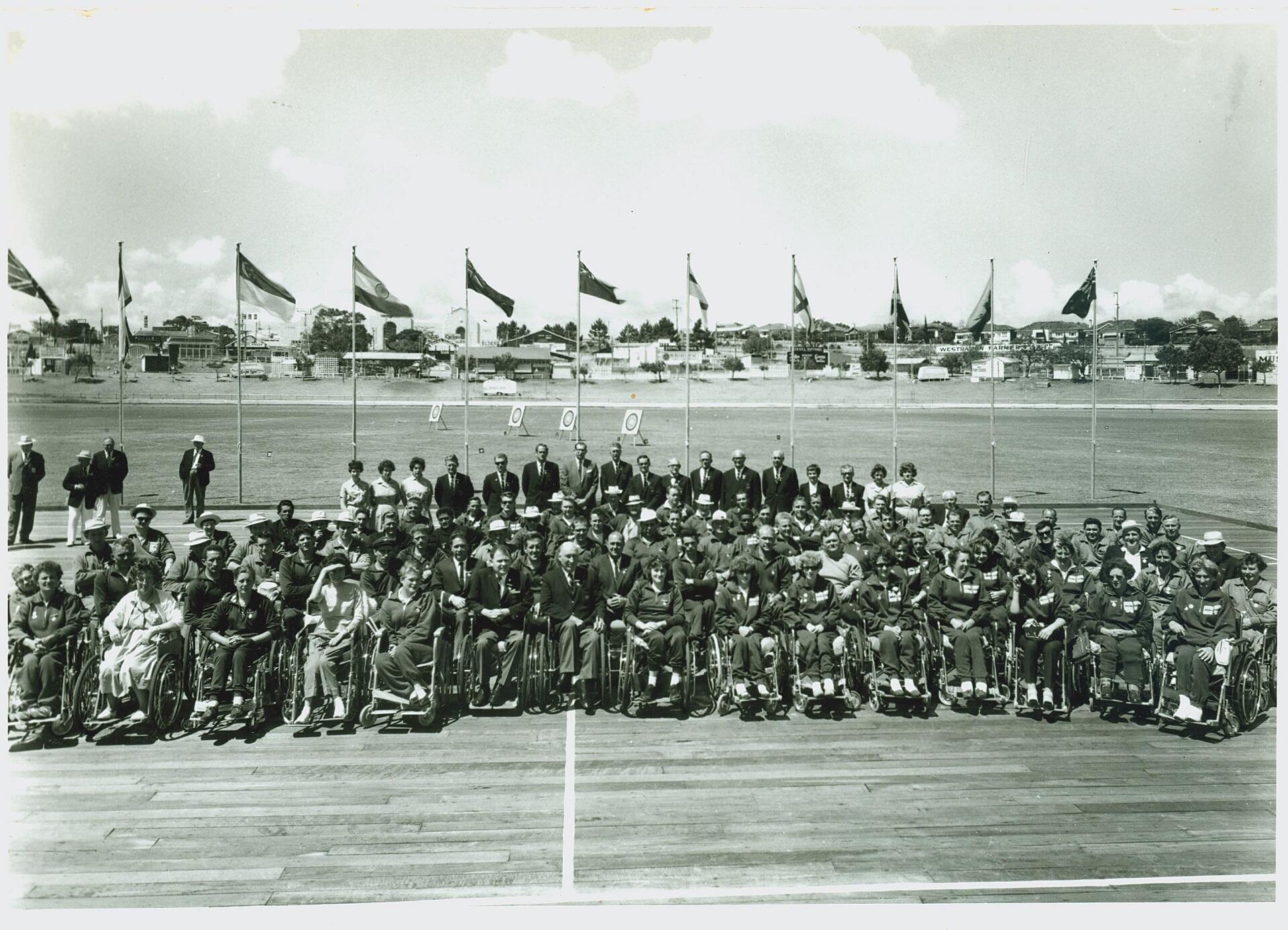
Historically, para athlete events were separate from main Commonwealth Game activity. The sports these athletes could compete in were limited, and these contests got far less coverage than the 'main' games.
In 2002, para athletes became fully integrated, making the Commonwealth Games the first fully inclusive, multi-sport event4.
That means that para athletes count as full members of Team England. The medals these athletes win count towards their nations' official medal count. And the sports para athletes may compete in are no different than for any other athlete. This is quite unlike, say, the Olympics, where para events take place two weeks after the close of the main events.
2026 Commonwealth Games England Team
The Games' 2026 edition will feature 10 sports, the two core plus eight others6.
Team England will participate in all 10 events. Starred disciplines signal para athletes' inclusion.
- Track & Field* (Athletics)
- swimming*
- artistic gymnastics
- netball
- judo
- track cycling*
- weightlifting (para powerlifting)
- boxing
- bowls*
- 3x3 basketball*
Looking ahead to this year's games, many wonder what's on the horizon for Team England. The Commonwealth Games England Team homepage presents a concise overview of the challenges the team is preparing for. You can also discover the athletes representing England, their sport, and their record going into the event.
Team England Prospects
This year, as for events past, Team England is fielding a mix of medalled athletes and debut contestants. By all accounts, our team is strongest in cycling and para cycling, with a 25-strong contingent. These other sports, in particular, present Games fans a buffet of cheering opportunities.
What are the Commonwealth Games without a bit of predicting? Far be it for us to jinx the Games or any athlete ahead of their events by projecting our team's prospects. Still, we can provide a few names to watch for, those who've shown remarkable resilience in training and past performance.
| 🤼 Athlete's name | 🏅 Sport | 🏆 Why watch them? |
|---|---|---|
| Adam Peaty | swimming | Gold medallist in Olympics, European Championships, World Championships, and Commonwealth Games |
| Cameron Brooker | swimming | Rising talent! |
| Dan Greaves | discus throw | Gold medallist 2014 Glasgow Games Gold medallist European and World Championships Gold medallist at the 2004 Athens Paralympic Games |
| Freya Colbert | swimming | Gold medallist in European and World Championships; Bronze medallist at the 2022 Commonwealth Games. Record-holder in the 200m freestyle swim. |
| James Guy | swimming | Gold medallist in Olympics, European Championships, World Championships, and Commonwealth Games |
| Jamie Walker | bowls | International gold medallist aiming for his first Games gold! |
| Kadeena Cox | cycling | World Champion and Paralympic Games gold medallist making her Games debut. |
| Matthew Richardson | cycling | Returning to defend his sprint title. |
| Nathan Maguire | wheelchair racing | Gold medallist 2022 Birmingham Games |
| Sian Honnor | bowls | Gold medallist 2014 and 2022 Games. |
| Sophie Capewell | cycling | Olympic gold medallist aiming for gold after earning silver and bronze at the 2022 Games. |
| Thomas Young | para sprinter | Olympic and European Championship gold medallist making his Games debut. |
References
- “Results.” Commonwealth Sport, www.commonwealthsport.com/results/record-books. Accessed 2 June 2026.
- “Team England History” Teamengland.org, 2026, teamengland.org/commonwealth-games-history/hamilton-1930. Accessed 2 June 2026.
- “Commonwealth Games Facts for Kids.” Kids.kiddle.co, 17 Oct. 2025, kids.kiddle.co/Commonwealth_Games. Accessed 2 June 2026.
- “Para-Sports at the Commonwealth Games.” Commonwealth Sport, www.commonwealthsport.com/about/para-sports. Accessed 2 June 2026.
- Robert Wood, "Sports Included in the Commonwealth Games." Topend Sports Website, first published June 2010, https://www.topendsports.com/events/commonwealth-games/sports/which-sports.htm. Accessed 2 June 2026
- Mark, David. “Glasgow’s Slimmed-down Commonwealth Games Rescues the Event for Now, but Does the Tournament Have a Future beyond 2026?” Abc.net.au, ABC News, 25 Oct. 2024, www.abc.net.au/news/2024-10-26/will-glasgow-2026-be-the-last-commonwealth-games/104518104. Accessed 3 June 2026.
Summarise with AI:
Did you like this article? Leave a rating!

 Loading...