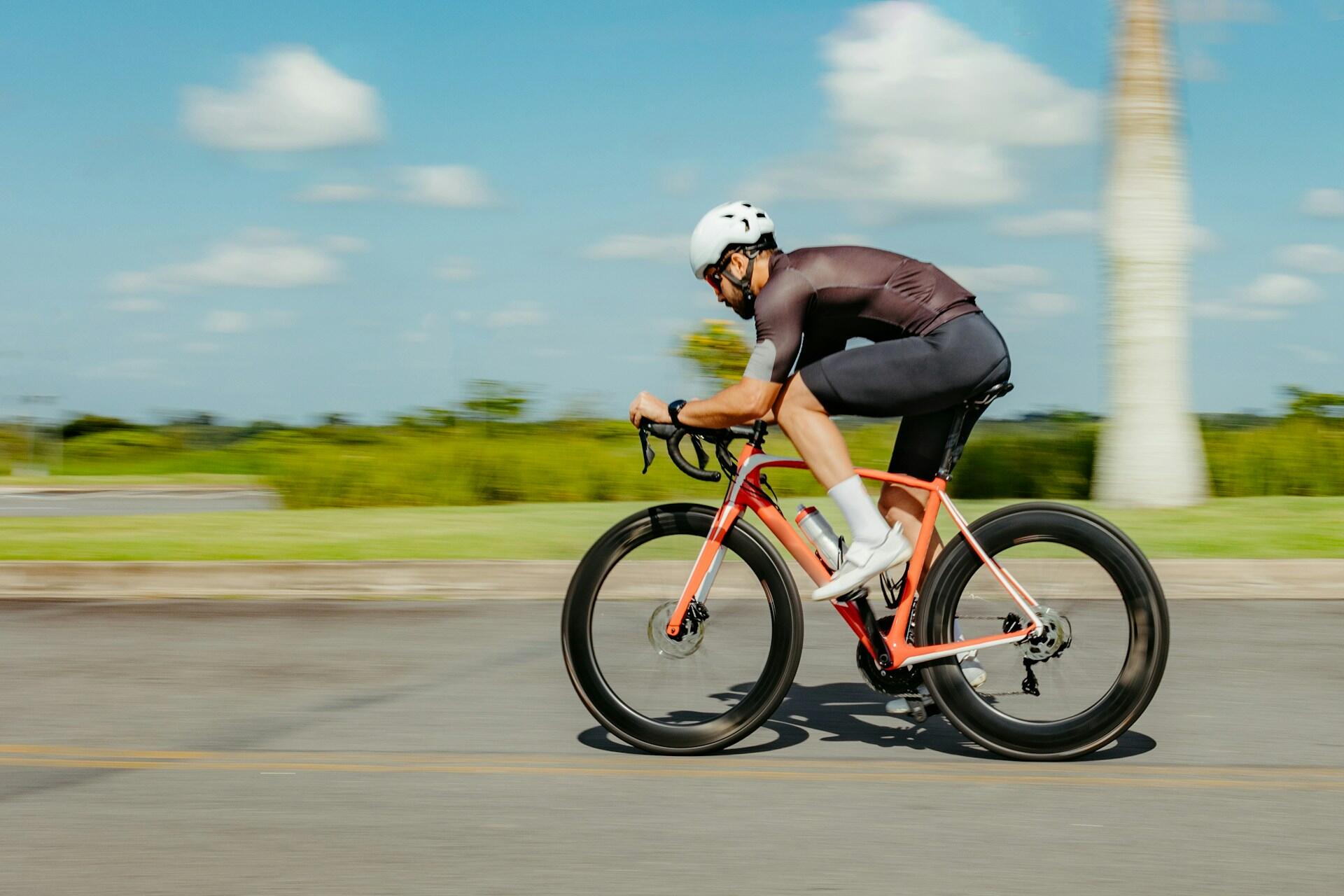

The Commonwealth Games take place every four years, featuring a range of sports from swimming and athletics to lawn bowls and cycling. These events are international, bringing together athletes from across the Commonwealth of Nations. This political association comprises most of the former British Empire’s territories. A further four nations that were never associated with the British Empire count as Commonwealth nations.
What to Know About Commonwealth Games History
- The Games' concept was born in 1897 but didn't become fact until 1930.
- Despite the UK being the seat of the empire, the first Commonwealth Games were in Hamilton, Ontario, Canada.
- The Birmingham (2022) edition featured the most sports: 19, in total, with 15 being core sports.
- The 2026 Glasgow edition will feature just 10 sports, with only athletics and swimming as core sports.


Commonwealth Games History
It might be more efficient to take in and appreciate the Commonwealth Games' background from a tidy timeline that lays events out sequentially. In that spirit, we present such a visual, and fill in the details afterwards.
1891
John Astley Cooper advances the idea of a "Pan-Britannic-Pan-Anglican Contest and Festival"
His nickname was "propagandist for athleticism".
1911
King George V ascends to the throne
The first Festival of Empire takes place in London; it featured an athletic competition, coinciding with the coronation.
1928
'Rebooted' Olympic Games renew calls for Empire Games
The 1928 Amsterdam Olympics brought together Empire athletes.
1930
The British Empire Games debuts
The event takes place in Hamilton, Ontario, featuring more than 400 athletes from 11 nations.
1942-1946
The Second World War derails the Games
1954
The first of three name changes takes place
The British Empire Games becomes The British Empire and Commonwealth Games.
1958
The Queen's Baton Relay debuts
This race becomes a staple of the Commonwealth Games.
1970
Distancing from empire, the Games undergo another name change
For two editions, they were called the British Commonwealth Games.
1978
The final name change; this time to the Commonwealth Games
Dropping 'British' signals the Games as a fully multinational event.
The Games' inaugural edition, in Canada, might raise your eyebrow. However, it's no big mystery why Ontario hosted instead of England - the seat of the British Empire. It was because Hamilton pitched itself as the ideal location, not because it was 'assigned' to do so.
The three name changes are remarkable for their reflection of the geopolitical conditions at the time of those changes. But by far the most significant and lasting event in this timeline is the baton race.
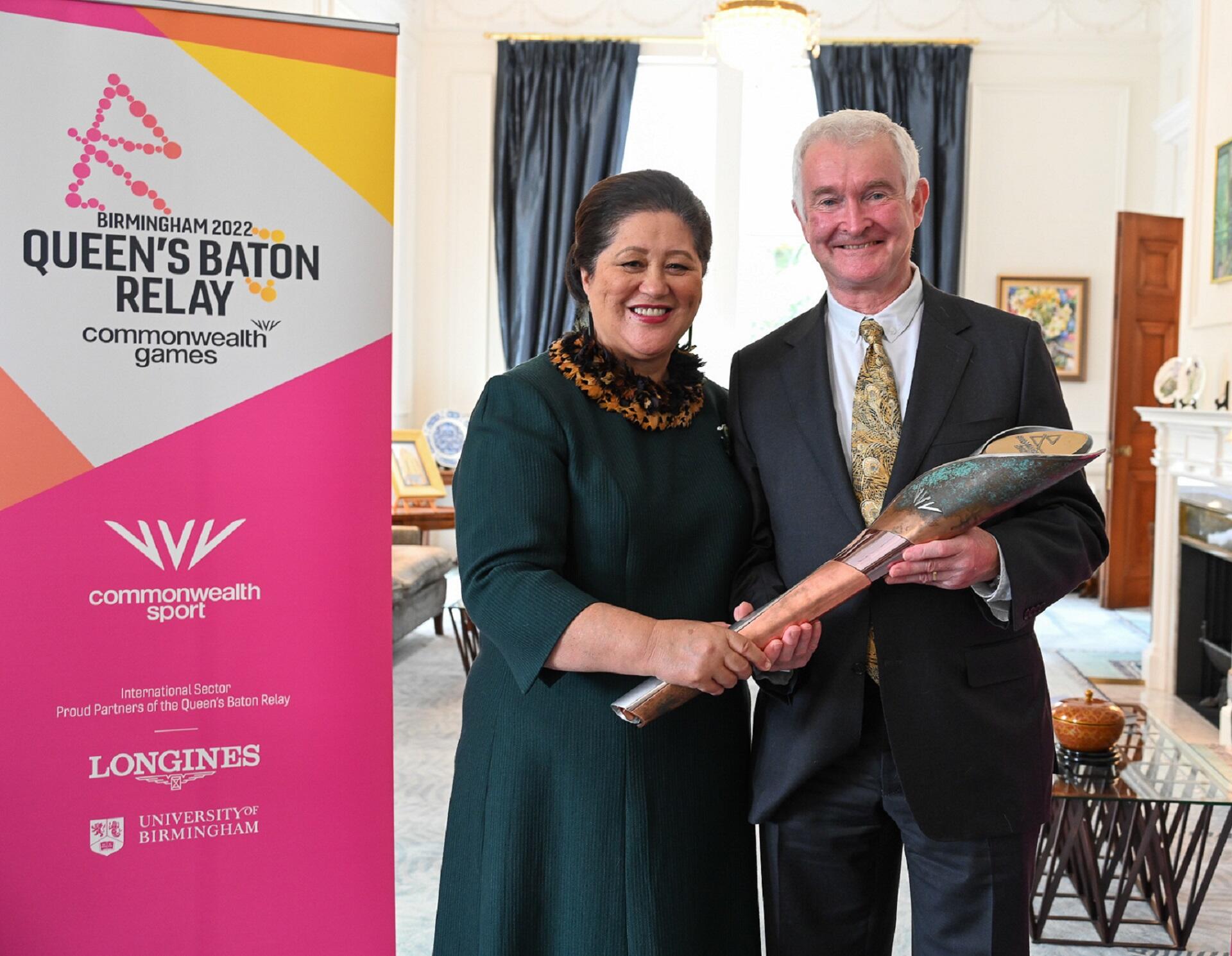
For the inaugural event, King George V sent a message of goodwill to be read at the Games' opening ceremony. The next event, in 1934, was in London, where the King likely delivered his message personally. For the 1938 instalment, set in Sydney, Australia, runner Rowley Bateman petitioned for a relay run to carry the King's message to the Games' opening ceremony.
That has been the format ever since. Ahead of each Games edition, the monarch dispatches a runner from Buckingham Palace with their message tucked inside the race baton1. The baton is flown to that year's host city, where planners have laid out the runners' path, terminating at the Games' opening ceremony location.
Commonwealth Games Sports and Disciplines
It's definitely an honour to represent my home country once again ...
Jazmin Carlin, Commonwealth gold medallist, swimming.
The Games' first edition comprised six sports: athletics, swimming, boxing, lawn bowls, rowing, diving, and wrestling. Eleven nations sent a total of 400 athletes. Female athletes were only allowed to compete in swimming and diving. Para-athletes did not feature at all, at least, not alongside the other athletes. My, how things have changed2!
As you might imagine, this ever-expanding list of disciplines/sports began to make the Games a logistical and financial nightmare. It also risked expanding the event far beyond its scheduled timeframe, which might have compromised athletes' schedules. Paring the list down was the only way to keep the Games viable (more on that below).
Sports for Para-Athletes
In 2022, the Commonwealth Games removed the barriers between other- and fully-abled athletes.
Para-athletes compete in the same sports, with only minimal modifications to make them accessible to all. Any medals Commonwealth para-athletes earn count towards their country's total medal count, just as any other athlete's would.
Commonwealth Games: Participating Countries
The number of countries and territories that participate in the Commonwealth Games currently sits at 74. More specifically, that number represents 56 sovereign countries and 18 dependent territories3. As a fast fact to impress your mates, that's good enough. But there's more to know about the Games' participating nations.
Notable Participant Countries
Since the Games' inception, only six countries have competed in every edition.
They are: Australia, Canada, England, New Zealand, Scotland, and Wales.
You might wonder why England, Scotland and Wales are listed separately when they form three-quarters of the UK. You're quite right to note that athletes from these nations typically represent Great Britain at the Olympics, and at European and World Championship sports events.
However, the Commonwealth Games are a different proposition. As nearly all the Commonwealth countries have some association with Britain, athletes from those three must compete as representatives of their constituent UK nations, not as UK representatives.
With that reasoning made clear, let's discover other countries that take part and why they're remarkable.
Remarkable Athlete Performances
The initial nod must go to Gordon Smallacombe, the Canadian high-jumper who won the Games' very first gold medal.
By default, any athlete who competes at the international level is remarkable. Still, among them, more than a handful stand out for their extraordinary performances 4. This select group sits at the top of that list.
| 📛 Athlete's name | 🌍 Representing | 🤽♂️ Sport | 📃 Record | 🔢 Number of Games |
|---|---|---|---|---|
| Emma McKeon | Australia | swimming | 14 gold 1 silver 5 bronze Holds the record for the most medals in Commonwealth Games history. | 2014 Glasgow 2018 Gold Coast 2022 Birmingham |
| Ian Thorpe | Australia | swimming | 10 gold 1 silver recognised as the most decorated male athlete in history, second only to Emma. | 1998 Kuala Lumpur 2002 Manchester |
| Raelene Boyle | Australia | track & field | 7 gold 2 silver Considered the most successful female track & field athlete. | 1970 Edinburgh 1974 Christchurch 1978 Edmonton 1982 Brisbane |
| Samaresh Jung | India | shooting | 7 gold 5 silver 2 bronze the outstanding athlete David Dixon Award Queen's Baton carrier, 2010 Games edition. | 2002 Manchester 2006 Melbourne 2010 Delhi |
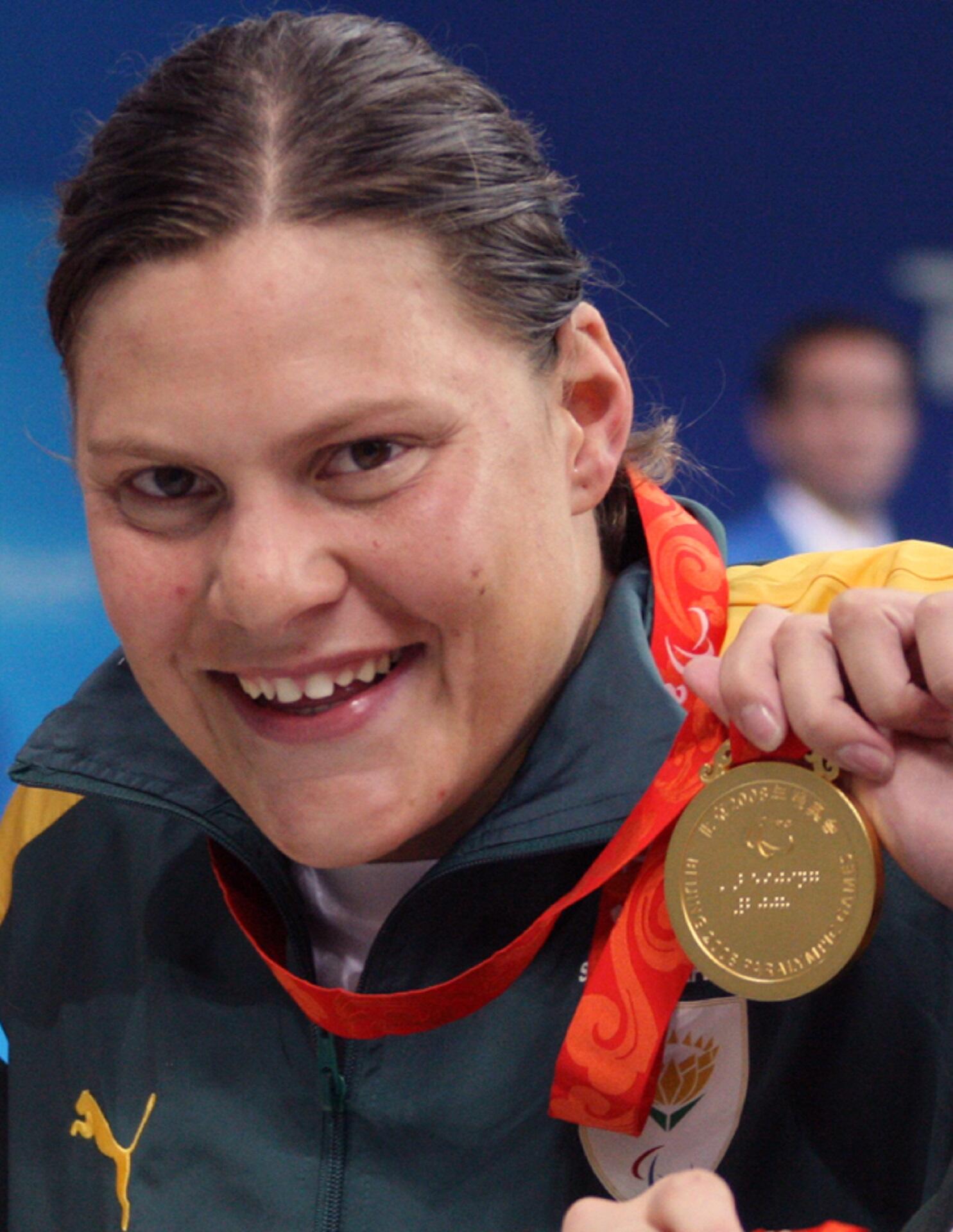
| Natalie du Toit | South Africa | para-swimming | 7 gold She's the first para-athlete to compete in a standard Olympic event (2008 Beijing) | 2002 Manchester 2006 Melbourne 2010 Delhi |
| Marcus Stephen | Nauru | weightlifting | 7 gold 5 silver His performance elevated Nauru to the 21st place on the all-time medals table. He served as his country's president from 2007 to 2011 and is currently the Speaker of Parliament. | 1990 Auckland 1994 Victoria 1998 Kuala Lumpur 2002 Manchester |
| Dawn Fraser | Australia | swimming | 6 gold 1 silver One of four swimmers ever to dominate an Olympic event 3 times in succession. | 1958 Cardiff 1962 Perth |
| Claudia Fragapane | England | gymnastics | 5 gold, 4 won in one Games instalment (Glasgow) | 2014 Glasgow 2022 Birmingham |
| David Calvert | Northern Ireland | shooting | 4 gold 4 bronze The only athlete to have competed in 11 games. | 1978 Edmonton 1982 Brisbane 1986 Edinburgh 1990 Auckland 1994 Victoria 1998 Kuala Lumpur 2002 Manchester 2006 Melbourne 2010 Delhi 2014 Glasgow 2018 Gold Coast |
| Duncan Scott | Scotland | swimming | 3 gold 2 silver 8 bronze Holds the Scottish record for the most medals won across 3 Games. | 2014 Glasgow 2018 Gold Coast 2022 Birmingham |
Tom Dean made history at the 2022 Birmingham Games; he set a new record for the number of medals won (7 total - 1 gold, 6 silver) in a single instalment of the Games. He is one of Team England's most remarkable athletes.
Since the inaugural games, athletes have won a total of 11,138 medals:
🥇 3609 gold
🥈 3603 silver
🥉 3926 bronze
Commonwealth Games Significance
Nations have certain requirements to join and/or remain in the Commonwealth. Among them, we count upholding human rights, practising democracy, and fostering a safe and healthful environment. But that doesn't mean that Commonwealth countries are all the same. Each has its own history and culture, traditions and beliefs.
Each edition is an opportunity for each Commonwealth nation to showcase its culture.
Every instalment provides the stage for cultural education and exchange.
Significance for Finance and Economies
On the surface, the logic prevails that the Commonwealth Games provide substantial financial opportunities. Tourism monies from people who travel to witness athletic success; accommodations and food for the athletes, their coaches, and entourage.
The flipside is a bit grimmer. It costs quite a bit to host the games. Doing so requires a substantial cash outlay before the first tourist dollar reaches the till.
The past two Games had to be hastily rearranged because the proposed host cities and regions faced financial difficulties.
In 2017, South Africa successfully bid to host the 2022 Games. However, a few months later, leaders there signalled trouble over financing the event. In the end, it lost its hosting rights and the event was hastily moved to Birmingham. The same happened for the upcoming Games: originally set in Victoria (Australia), they quickly moved to Glasgow due to cost concerns.
Cost is among the reasons the Glasgow edition will feature only 10 games.
Significance for Athletes
Reflect, for a moment, on Natalie du Toit's massive accomplishment: the first para-athlete ever to compete in a standard Olympic event.
In itself, that was a remarkable feat. She competed in her first international sports event, the Commonwealth Games 2002, in Manchester.
Her performance at that event catapulted her into mainstream sports scrutiny.
Natalie is from Cape Town, a fairly large city in a globalised country. However, many Commonwealth athletes hail from smaller, less renowned countries and cities.
For these competitors, the Games give them a crucial moment in the spotlight.
That, in turn, helps pave the way into other, more universal international competitions, including the Olympics.
Ahead of the 2026 Games in Glasgow, fans may appreciate a guide to Commonwealth Games significant events. This article provides a preview of such a roadmap, from this initiative's inception to its latest edition.
References
- Elizabeth. “Launch of the King’s Baton Relay for the Commonwealth Games 2026!” Royal Commonwealth S, 10 Mar. 2025, www.royalcwsociety.org/post/launch-of-the-king-s-baton-relay-for-the-commonwealth-games-2026. Accessed 6 June 2026.
- Robert Wood, "List of Commonwealth Games Sports." Topend Sports Website, first published June 2010, https://www.topendsports.com/events/commonwealth-games/sports/sports.htm. Accessed 6 June 2026
- Nag, Utathya. “Countries and Territories at the Commonwealth Games: Full List.” Olympics.com, International Olympic Committee, 28 Apr. 2022, www.olympics.com/en/news/commonwealth-games-countries-territories. Accessed 6 June 2026.
- “Empowering Excellence: Celebrating Women in Sport across the Commonwealth.” Commonwealth Sport, 8 Mar. 2024, www.commonwealthsport.com/news/3923117/empowering-excellence-celebrating-women-in-sport-across-the-commonwealth. Accessed 6 June 2026.
Summarise with AI:
Did you like this article? Leave a rating!

 Loading...