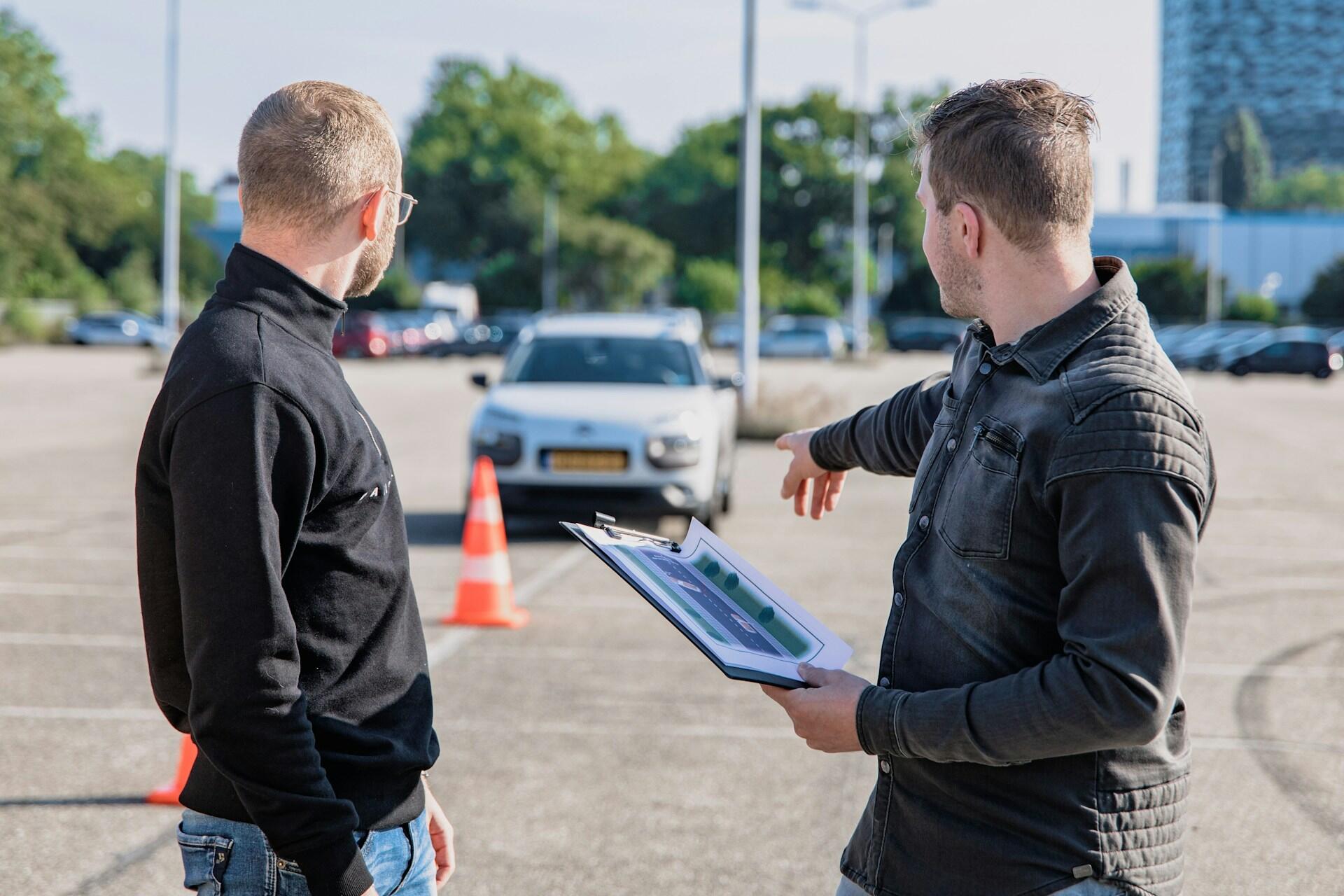

Driving is undoubtedly an essential life skill as it offers great benefits in terms of independence, emergency preparedness and convenience for daily life. 1 That's why many of us in the UK see driving lessons and tests as a valuable investment.
In this article, we'll offer a comprehensive overview of how to book your UK practical driving test and pass the test after passing the theory test.
| Step | Requirement / Action | Details |
|---|---|---|
| 1 | Pass the Theory Test | You must successfully pass the UK theory test before booking the practical driving test. |
| 2 | Hold a Valid Provisional Licence | A valid UK provisional driving licence is required to take the practical test. |
| 3 | Meet Residency Requirements | You must have lived in the UK for at least 185 days within the last 12 months before the test. |
| 4 | Book Through the DVSA | Book your test online via the official DVSA Driving Test Booking Service. |
| 5 | Choose a Test Centre and Date | Select a convenient driving test centre, date, and available time slot. |
| 6 | Pay the Test Fee | Standard fees are typically £62 for weekdays and £75 for evenings, weekends, or bank holidays. |
| 7 | Prepare for the Test | Take driving lessons, complete private practice, and familiarise yourself with test routes and manoeuvres. |
| 8 | Attend the Practical Driving Test | The test lasts around 40 minutes and assesses safe driving in different road and traffic conditions. |
| 9 | Receive Your Result | The examiner will explain whether you passed or failed immediately after the test. |
| 10 | Apply for Full Licence (If Passed) | After passing, your full UK driving licence is usually processed automatically by the examiner. |


🚗Understanding the UK Practical Driving Test
The purpose of the practical driving test is to make sure you can drive safely and independently in various road conditions while abiding by the Highway Code.
🗺️ What is the Practical Driving Test?
Learners will take the test alongside an examiner who will evaluate their driving based on this structure:
- Eye sight check
- ‘Show me, tell me’ vehicle safety questions
- General driving ability
- Reversing manoeuvre and independent driving 2
🧑💼 Eligibility Criteria
First, you need to pass the theory driving test before taking the practical driving test. The other requirements are as follows:
Age requirements
- At least 17 years old
Required documents
- UK provisional driving licence
- Theory test certificate number (to indicate you've passed)
Residency requirements
- Lived in the UK for at least 185 days within the last 12 months
🛣️Booking Your Driving Test
It's best to book your practical driving test online via the official DVSA website, as it's faster by phone and you can choose your desired test date (up to 24 weeks in the future).
When you go to the “Book your driving test” page and start the booking process, the system puts you in a short online queue and then shows you an estimated waiting time (how long you’ll be in the queue) before you can actually select and book your slot.
✍️ How to Book the Test
Here's a step-by-step guideline on the online booking process.
Step 1
Go to the official booking page
Step 2
Start the booking process by clicking the "Start Now" button
You will be placed in a short online queue (according to the system)
Step 3
Fill in the required details
Your UK driving licence number and your theory test pass certificate number.
Step 4
Choose a test centre based on your postcode
The system will show the available DVSA test centres near that postcode. Pick one you're most familiar with
Step 5
Select your desired testing date and time on the calendar
The system allows you to book 24 weeks in advance
Step 6
Review the details and confirm your payment
The system will hold your slot for about 15 minutes while you complete your payment
Step 7
Receive the confirmation email from DVSA about your test details
📍Test Fees and Payment
The current practical driving test fees are:
The accepted payment methods are through debit cards, credit cards, or prepaid cards.
Find out the total cost of learning to drive in the UK. Many learners find that working with a private driving instructor near me provides the tailored professional instruction and extra practice needed to prepare confidently for the practical test.
📍Choosing a Test Centre
You can search for the nearby test centres in advance through this government test centre page to find out about the distance of the place from your home, the overall traffic conditions, and familiarity with nearby routes.
The number of changes allowed for the driving test is only 2 changes, as compared to 6 changes previously, effective from 31 March 2026.
Driving instructors will no longer be able to use the service to book and manage car driving tests for their pupils starting 12 May 2026.
Applicants can move their test centre only to one of the 3 nearest test centres, effective from 9 June 2026. 3
📋Preparing for the Test
Now, let's look at what it takes to pass your practical driving test, especially how long it takes to learn how to drive.
🧭Driving Lessons and Practice
While there is no minimum number of hours requirement for the number of lessons, learners are recommended to have 45 hours of professional instruction, combined with 22 hours of private practice, to be fully ready for the practical test.
Professional instruction
- Paid driving lessons
- With an Approved Driving Instructor (ADI) or Potential Driving Instructor (PDI) who displays a green badge or pink badge, respectively
- Offers professional feedback alongside guidance on traffic rules and a safe, controlled environment
Private practice
- Non-paid driving sessions
- With a family member or friend above 21 years old who has a driving licence for 3 full years
- Must clearly display L plates (or D plates in Wales) on your personal vehicle during private practice
- Cultivates confidence through reinforcement of what you've learned with your instructor
Both professional instruction and private practice are equally important to equip you to drive safely and confidently.
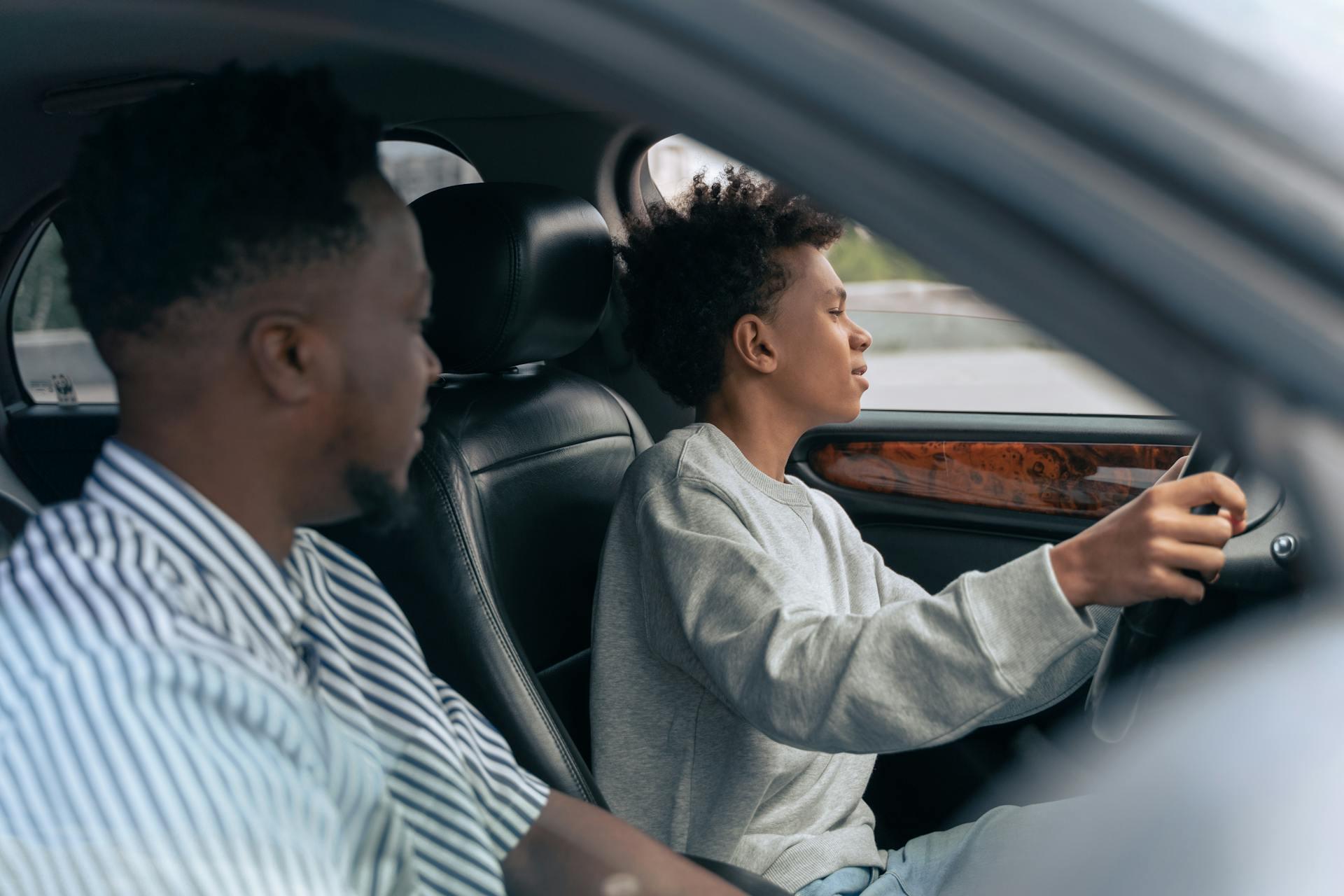
The duration of the practical driving test is around 35 minutes, for both manual and automatic car tests. If you are taking an extended test (if you've been banned before), it will take about 65 minutes.
Here are the four main test components:
✅Eyesight check
This component requires you to read a number plate from a distance, depending on the type of number plate.

✅‘Show me, tell me’ questions
You'll be asked 2 vehicle-safety questions, one 'tell me' question before you start driving, and one 'show me' question while you're driving. 4
First, the examiner will only ask you one of those 14 'tell me' questions on the day, as shown in the following video.
Then, the examiner will ask you one of those 7 'show me' questions, as shown in the next video.
Important note: If you get one or both questions wrong, you will receive one driving fault.
✅General driving ability
For this component, you'll be asked to drive independently based on directions from either:
- A sat‑nav device pre-set by the examiner (like a Garmin, TomTom, or phone‑mounted sat‑nav) that uses satellite signals to show you where you are and give you turn‑by‑turn directions
- Traffic signs
- A combination of both
During this session, you might be asked to pull over at the side of the road to do the following:
- Carry out an emergency stop
- A normal stop at the side of the road
- Pulling out from behind a parked vehicle
- A hill start
✅Reversing your vehicle
For this component, here's what your examiners might ask you to do:
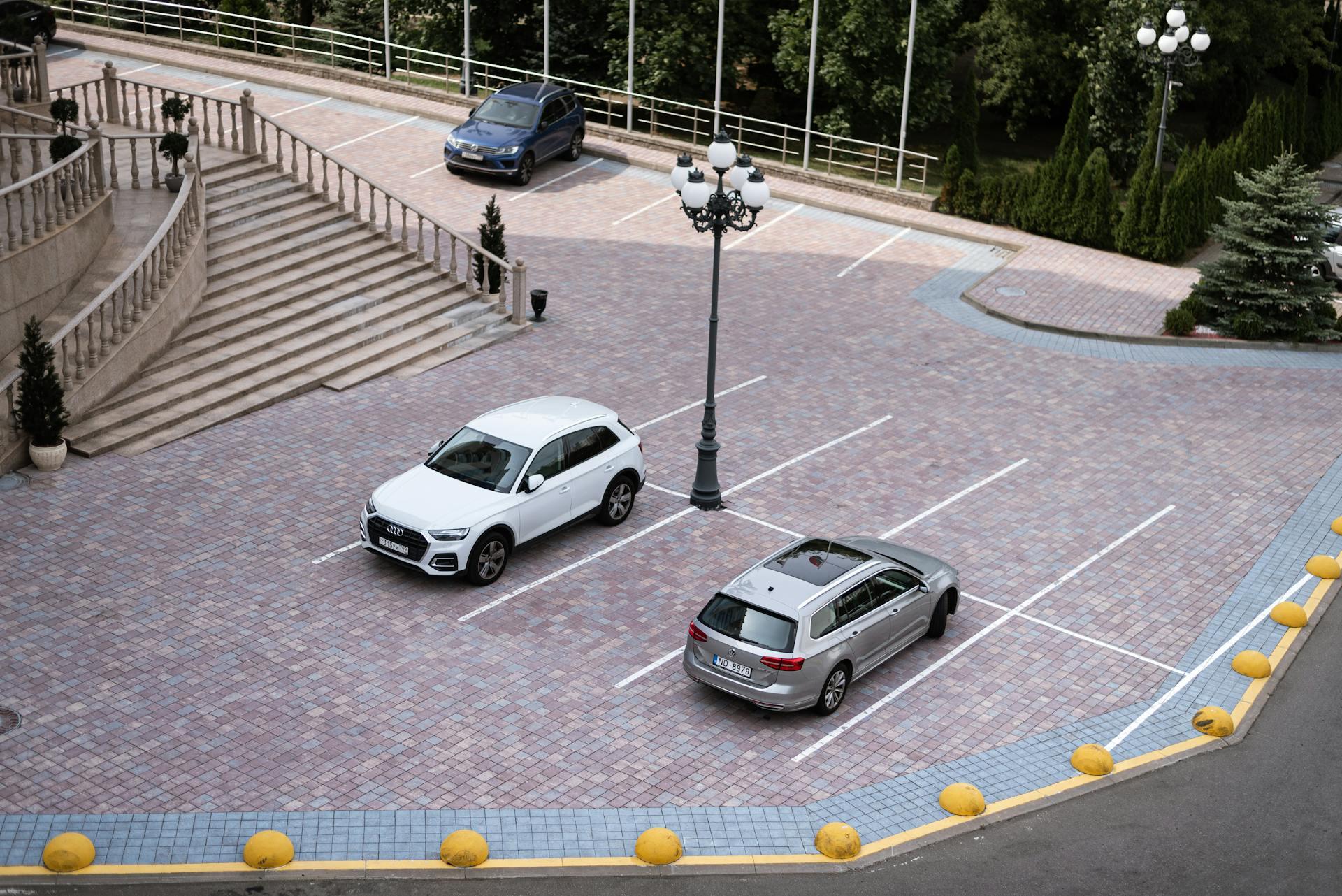
- Parallel parking
- Park in a parking bay: Driving in, reversing out or reversing in, driving out (examiner will pick)
- Pull up on the right-hand side of the road: Reverse around 2 car lengths to rejoin the traffic
⚠️Common Faults and How to Avoid Them
You are assessed based on the types of faults that you make in a practical driving test:
Dangerous faults
- Causes actual danger to you, the examiner, the public or property
- Would fail the test if you make this
Serious faults
- Faults that have the potential to be dangerous
- Would fail the test if you make this
Driving faults
- Not potentially dangerous
- Could result in a serious fault if it keeps happening
- Less than 15 driving faults to pass
Your examiner will let you know if you pass or fail at the end of the test, and let you know about the faults you make. You will also receive an email with your official result.
50 out of every 100 learners failed their driving test in Great Britain during February 2026. 5
Here are 10 of the most common reasons that cause learners to fail the test:
To avoid them, start practising these 10 habits on the road. 6
👀On the Day of the Test
Here's what to keep in mind during your actual practical driving test.
📍What to Bring
You must bring the following:
- Your provisional driving licence
- Your theory test pass certificate (if requested)
- Your booking confirmation
📍Test Day Tips
- Aim to arrive at least 10 to 15 minutes earlier than the test time.
- Stay calm and composed throughout your test, as you answer the questions and navigate the road.
- Even if you realise that there are some minor faults, remember that the examiners are assessing how safely you drive, so stay focused on the next move.
🪪After the Test
As soon as you finish all the components of the test, the examiner will let you know if you've passed or failed. The only exception is if you commit a dangerous or serious fault during the test; in that case, the examiner may end your test early for safety reasons.
🎉 Understanding Your Results
You can pass if you have no serious or dangerous faults and have no more than 15 driving faults (minor). The examiner will give you feedback on the faults you've made, areas to improve, and your key strengths.
✅ Next Steps
Here's what will happen after you have passed or failed the test.
If you have passed
- The examiner will send your details off so DVLA can issue your full licence, which arrives by post
- The DVLA will issue you a new full licence, and it will arrive in three weeks
- Get valid insurance to legally drive
If you have not passed
- You can rebook the test after 10 working days
- Take additional lessons to focus on weaker areas and minimise driving faults
- Attempt a few mock tests with your driving instructor before retrying
📚 Additional Resources
Here are additional learning resources to ace your practical driving test.
📱 Official DVSA Materials
You can access many DVSA materials, such as:
- The DVSA “Ready to Pass?” website
- The DVSA “show me, tell me” official guidance
- The DVSA‑aligned books and e‑learning, inclusive of the Highway Code, Traffic Signs and Driving Skills
- The GOV.UK practical‑test pages
- The DVSA YouTube channel
😰 Support for Nervous Drivers
We understand that it could be hard to contain your nerves if you're learning to drive for the first time. Some helpful strategies include:
- Practising breathing techniques
- Taking regular mock tests
- Driving unfamiliar routes beforehand
We hope you have found this article insightful. All the best for your practical driving test!
References
- 7 Reasons Why Driving Is an Essential Life Skill - Wow Drive. (2025, June 6). Wowdrive. https://wowdrive.co.uk/why-driving-is-an-essential-life-skill/
- Driving test: cars. (n.d.). GOV.UK. https://www.gov.uk/driving-test/what-happens-during-test
- Driver. (2025, December 9). Changes to driving test booking rules in 2026. GOV.UK. https://www.gov.uk/guidance/changes-to-driving-test-booking-rules-in-2026
- Car “show me, tell me” vehicle safety questions. (n.d.). GOV.UK. https://www.gov.uk/government/publications/car-show-me-tell-me-vehicle-safety-questions/car-show-me-tell-me-vehicle-safety-questions
- Driving test marking, faults and results - Ready to Pass? (2024, February 23). Ready to Pass? https://readytopass.campaign.gov.uk/driving-test/driving-test-marking-faults-results/
- Driver. (2021, April 19). Top 10 reasons for failing the driving test in Great Britain. GOV.UK. https://www.gov.uk/government/publications/top-10-reasons-for-failing-the-driving-test/top-10-reasons-for-failing-the-driving-test-in-great-britain?utm_source=gov.uk&utm_medium=website&utm_campaign=ready-to-
Summarise with AI:
Did you like this article? Leave a rating!

 Loading...