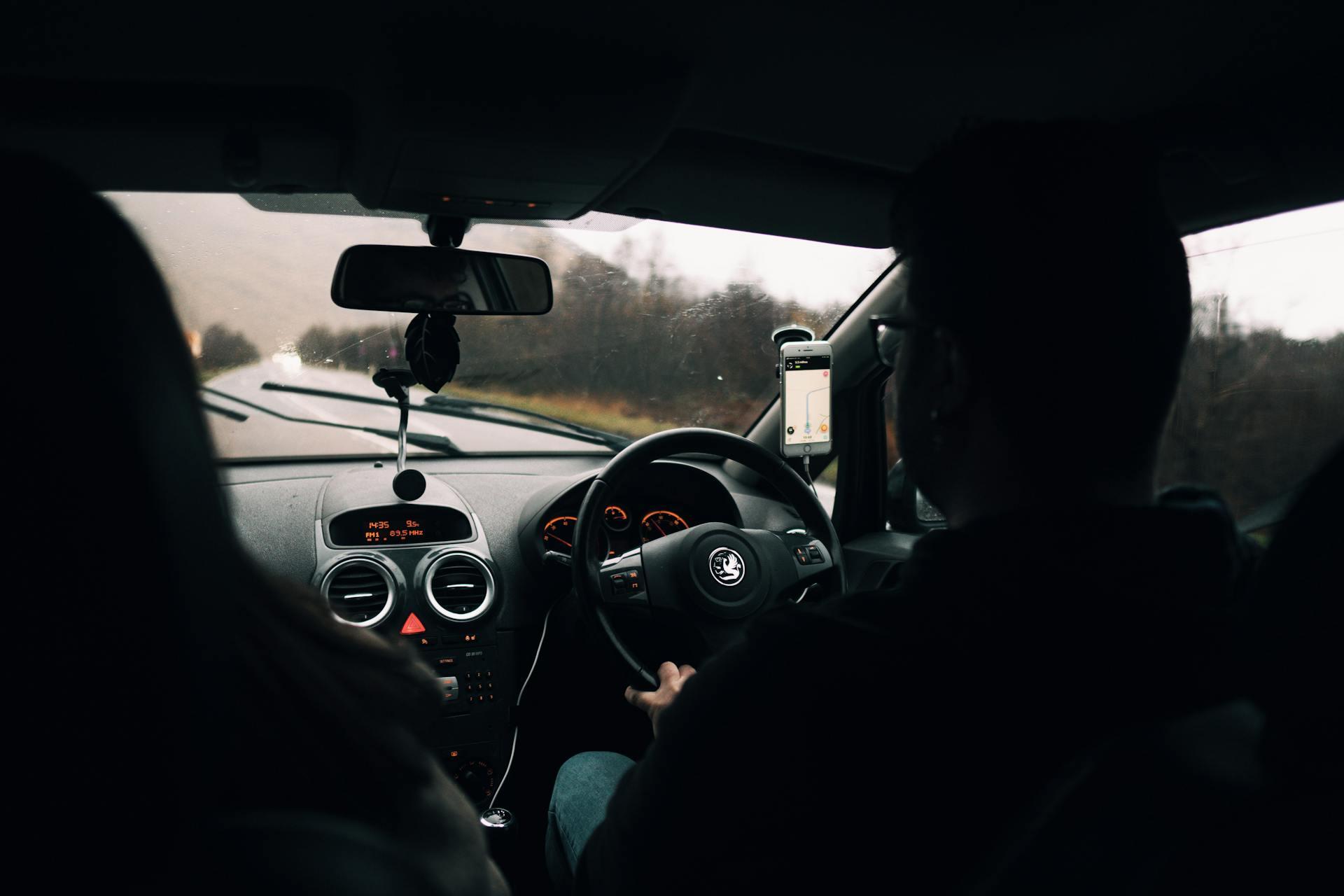

According to the Driver and Vehicle Standards Agency (DVSA), everyone learning to drive in the UK needs to master 27 driving skills before they are ready to get a licence and drive on the road. 1 These skills form the foundation of both the driving theory and practical driving tests. That being said, how long it takes to pass both tests ultimately depends on factors such as your confidence, consistency, learning style, and whether you are learning in a manual or automatic car.
On average, learners require approximately 45 hours of professional instruction and 22 hours of private practice to be test-ready.
| Category | Time | Details |
|---|---|---|
| Professional Driving Lessons | 45 hours | Lessons with a DVSA-approved driving instructor |
| Private Practice | 22 hours | Practice with a qualified supervising driver |
| Total Recommended Driving Time | 67 hours | Professional lessons + private practice combined |
| Average Time Before Becoming Test-Ready | 6–12 months | Typical learning timeline; depends on lesson frequency and test wait times |


⏱️ Average Hours Required to Learn to Drive
Now, let's break down the reasons behind the recommended average hours needed to learn to drive.
Professional instruction For learners arranging lessons around their schedule, finding a private driving instructor can make it easier to choose convenient session times.
- A minimum of 45 hours with a qualified driving instructor
- Lessons include: Junctions and roundabouts, different ways of parking, hill starts, emergency stops, hazard awareness, and various mock tests
Private practice
- At least 22 hours outside professional lessons
- Practice benefits: Smooth clutch and gear controls (manual car), build confidence navigating various road conditions, well-versed with traffic signs and rules
Important note: The number of hours is just a guideline for arranging your lesson or practice frequency and length according to your preferred schedule and learning pace. Here's an overview of how you can arrange your learning hours:
| Lesson Length (package/weekly) | Approximate Number Needed |
|---|---|
| 1-hour lessons | 45 lessons |
| 90-minute lessons | 30 lessons |
| 2-hour lessons | 22-23 lessons |
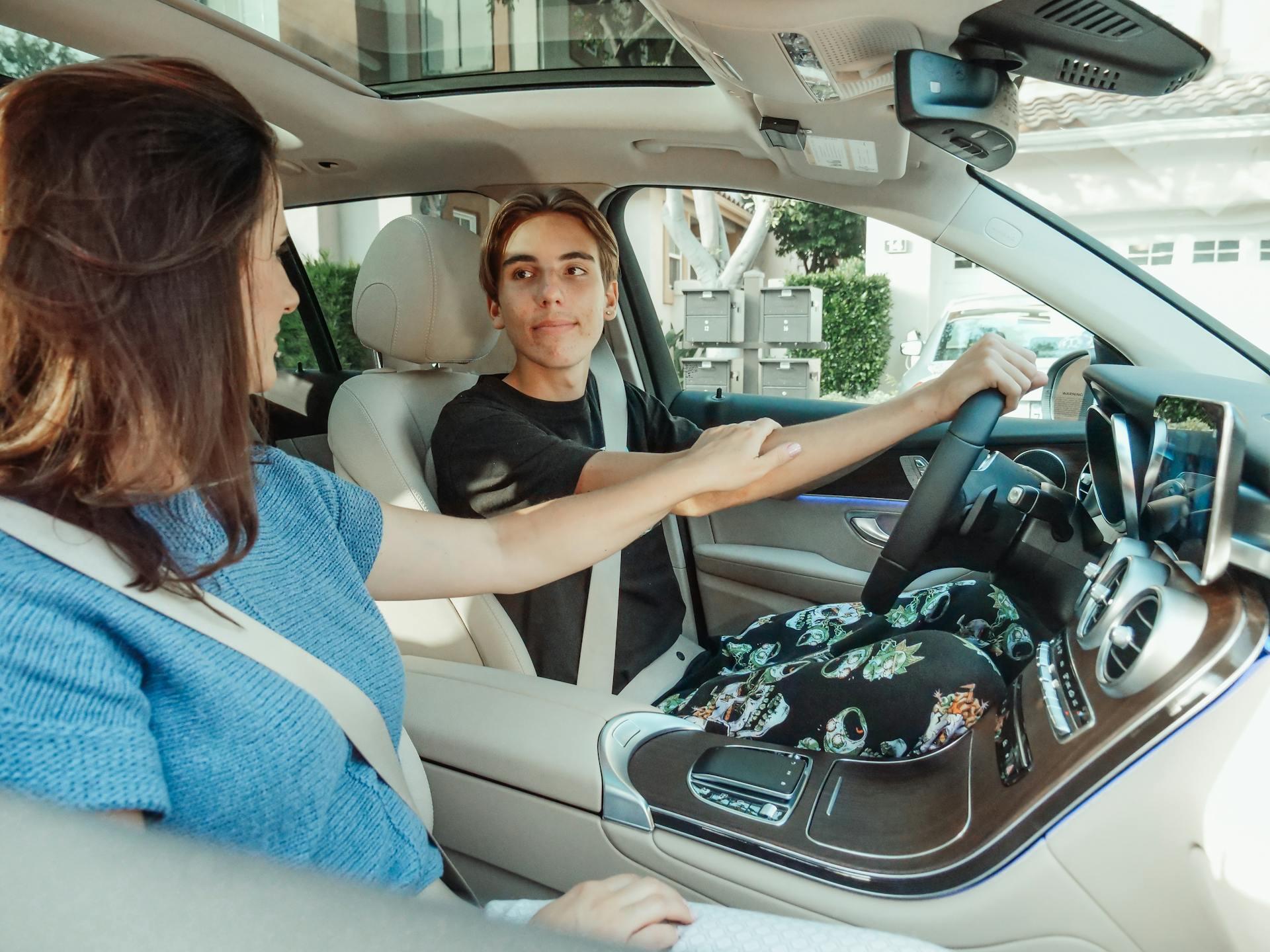
You can absolutely have extra private practice with your family members or friends. To supervise a learner driver in the UK, the supervising driver must:
🎯Factors Influencing Learning Duration
Ultimately, your learning duration is determined by a few factors.
🎂 Age
Younger learners may be more adaptable, while older learners often have greater concentration and patience. Although people in their teens and early twenties tend to pick up driving skills more quickly due to faster motor skill development, adults who learn later in life often possess stronger risk awareness and motivation.
🧠Learning Style
Different learners may absorb driving information in different ways, some through visual cues, and some through verbal instructions. Most of the time, their learning styles are also paired with their natural aptitude in terms of coordination and confidence level.
- Example 1: A visual learner may quickly understand parking after watching a demonstration, while a practical learner may need multiple attempts before the manoeuvre feels natural (the power of repetition).
- Example 2: Learners who have strong spatial awareness and are used to cycling on roads could learn to drive faster because they are more confident and comfortable on the road.
Lesson Frequency
Your learning efficiency is also related to the consistency of your lessons. The more you practice and the shorter the gaps you have between lessons, the faster you'll learn the necessary driving skills and improve swiftly without forgetting what you've learnt in previous lessons.
One lesson per week: Slower retention
Two to three lessons weekly: Faster progress
Daily practice (Private practice): Rapid skill development
⚙️Manual vs. Automatic Transmission
Finally, learning to drive a manual car definitely takes longer time than an automatic car. Some important techniques when driving a manual car include: Learners seeking personalised support can also consider a private driving instructor for focused guidance throughout their training.
- Clutch control
- Gear changes
- Hill starts
- Stalling recovery
👨🏫Intensive Driving Courses
On the other hand, some learners prefer intensive driving courses. The courses are designed for learners who fall under the following categories:
- Need a licence quickly: Could be due to work or family commitments, relocation to a new city
- Already have some driving experience: Learners who have failed a recent test, stopped lessons, need refresher training
- Prefer immersive learning: Learning structure that builds momentum and retention as the skills remain fresh in memory
As long as the lessons are conducted by DVSA-approved instructors, students can proceed with the training provided by driving schools.
The frequency of intensive driving courses would be higher with shorter gaps in between, with some driving schools offering daily lessons to equip their students to pass the test within weeks or a month.
🛣️ Importance of Private Practice
We strongly encourage learners to spend time practising outside formal lessons. The recommended 22 hours is only a minimum estimate, and learners can gain additional experience by practising with different qualified supervising drivers (whose vehicles are properly insured).
Here are the benefits of private practice:
Private practice is when you get to apply the driving techniques that you've learnt from your driving instructor and repeat those routines until your driving skills become natural
Increased practice with a trusted parent, guardian, or friend can help learners to be calmer and more confident when navigating different road conditions
Relying entirely on paid instruction can significantly increase total learning costs, whereas private practices are free!
Learners get to practice in different road conditions at different times of the day (traffic flow, weather, day or night driving), as opposed to driving lessons that are tailored around test preparations
🔄Tips to Make Private Practice Effective
Here are some ways to make the best out of your private practice sessions:
- Have short, consistent practice sessions (2-3 sessions weekly)
- Focus on different road types (residential streets, parking areas, or even rural roads)
- Practice based on your driving instructor's teaching instead of taking new advice from family members or friends
💷 Cost Considerations
While planning your lessons, you'll have to consider these factors to budget more effectively:
- How many driving lessons do you plan to take?
- Are you learning to drive a manual or automatic car?
From these two questions, you'll be able to have an estimate of how much you need to spend, based on your current city and also the type of lessons you plan to take. Those comparing manual and automatic tuition may also benefit from discussing their options with a private driving instructor.
The total cost to learn how to drive in the UK consists of the following:
- Driving lessons
- Theory and practical tests
- Insurance
- Potential retests
- Additional practice costs (fuel price)
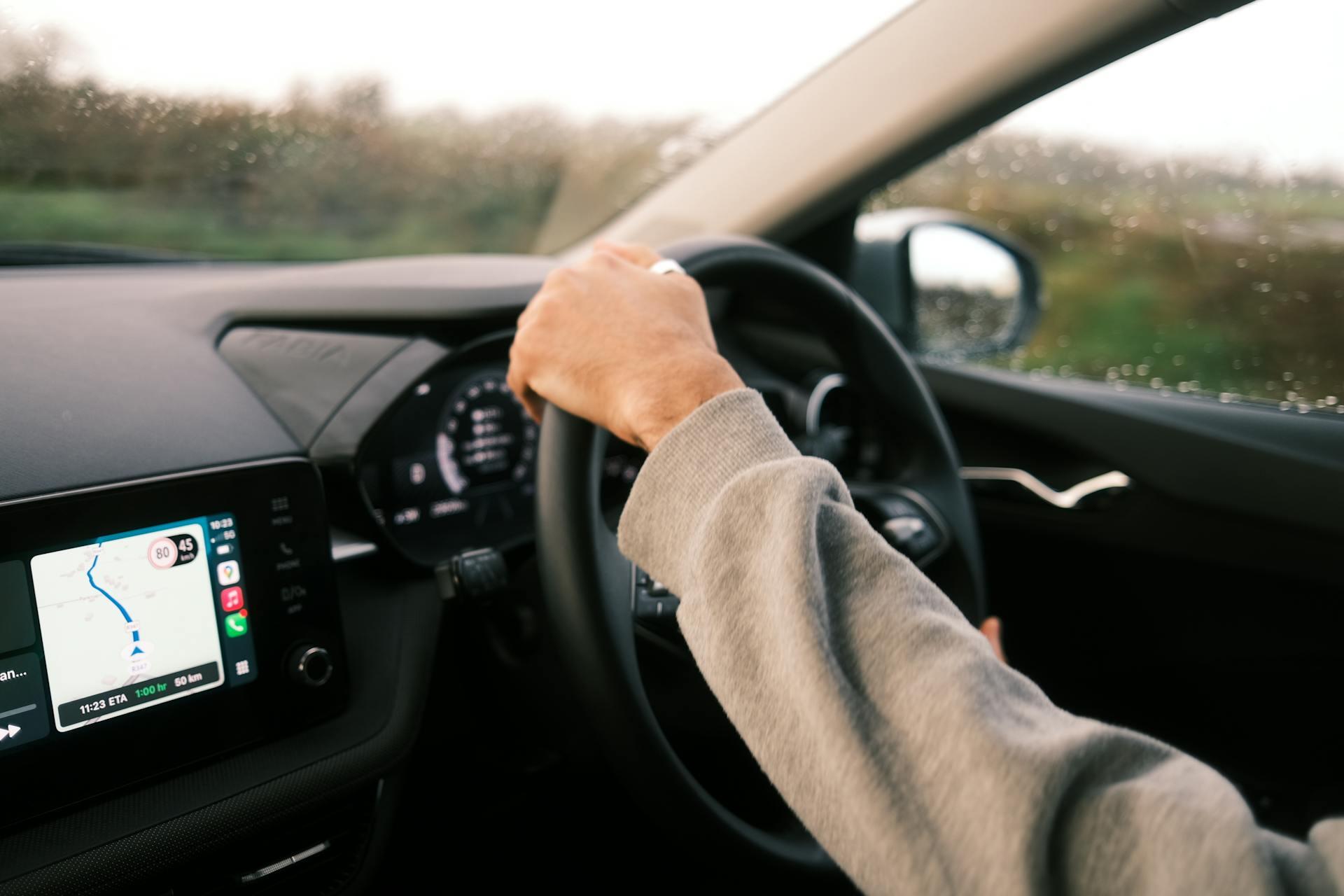
Generally, manual driving lessons are still more affordable than automatic driving lessons, even though more students are also opting for automatic driving lessons.
Here's an overview of the latest UK driving lesson prices in different regions. The price varies according to demand, number of lessons, and instructor pricing, where major cities tend to have a higher rate. 2
| Region | Average Hourly Price |
|---|---|
| London | £40–£55 |
| South West England | £38-45 |
| South East England | £40–£50 |
| Midlands | £33–£40 |
| North West England | £32–£38 |
| North East England | £30–£35 |
| Wales | £30–£35 |
| Scotland (Cities) | £38–£45 |
That being said, UK driving lessons have risen sharply, an increase of 61% over the past 5 years, due to these factors:
Useful tip: If you want more affordable driving lessons, you can opt for package deals in terms of bulk lesson bookings. Some driving schools often offer discounts and rebates for pre-booked packages, where you can significantly reduce the hourly lesson price.
For example, you can book a 10-hour driving lesson upfront, instead of going hour by hour.
🚗 Tips to Pass Your Driving Test Quickly
The best way to make your lessons worthwhile is to pass your test in one attempt, with minimal retakes. Being well-versed in the scope of the practical driving test means you’ve already won half the battle. To build smoother control and more confident reactions in traffic, learners can practise with a private driving instructor.
📈 Consistent Practice
Regular driving practice is one of the strongest predictors of test readiness. That's because consistency helps you to build confidence and also automatic behaviour through repetition.
For example, you'll develop smoother control of the vehicle when you turn into a new junction or attempt parallel parking. There will be fewer hesitations and more accurate judgments when you react naturally in different traffic situations.
The best practice frequency is to have at least 2-3 driving sessions per week (could be inclusive of private practice) to have a balanced learning and skill retention.
✅ Mock Tests
Next, it's important to go through several rounds of mock tests with your driving instructor, where you replicate the actual test format as closely as possible. This way, you can identify your strengths and weaknesses, experience real test pressure, and understand how the examiners actually assess your driving.
Here's a common mock test structure:
Section 1
Eyesight check
Section 2
“Show me, tell me” questions
Section 3
General driving
Section 4
Manoeuvres (Parking and reversing)
Section 5
Independent driving
Sometimes, many learners fail the test not because of a lack of skills, but due to nerves. Familiarity with the test structure can help reduce test anxiety and significantly improve your actual day performance.
⚠️ Stay Informed
Last but not least, you should stay updated on the latest rules and regulations set up by the DVSA. 3
| Area | Why It Matters |
|---|---|
| Highway Code updates | Know the latest road rules and safety guidance |
| Road rule changes | Stay current with legal requirements and restrictions |
| Manoeuvre expectations | Understand what examiners expect for reversing and parking tasks |
| Parking and reversing standards | Meet the specific criteria for safe manoeuvring |
| Independent driving rules | Follow the new independent driving section correctly |
| Navigation using signs or SatNav | Successfully complete 20 minutes of independent driving |
| Fault marking system | Know how examiners record and categorise errors |
| Understanding minor vs serious faults | Avoid critical mistakes that result in test failure |
We hope you have found this article insightful. May this help you to have a better grasp of what it takes to learn to drive safely and get your driving licence smoothly in the UK!
References
- Skills you need to pass your driving test. (n.d.). Ready to Pass? https://readytopass.campaign.gov.uk/driving-skills/
- Instructor, M. D. (2025, December 23). Driving Lesson Costs UK 2025: Complete Price Guide. My Driving Instructor. https://mydrivinginstructor.org/driving-lesson-costs-uk-2025/
- Driving test: cars. (n.d.). GOV.UK. https://www.gov.uk/driving-test/what-happens-during-test
Summarise with AI:
Did you like this article? Leave a rating!

 Loading...