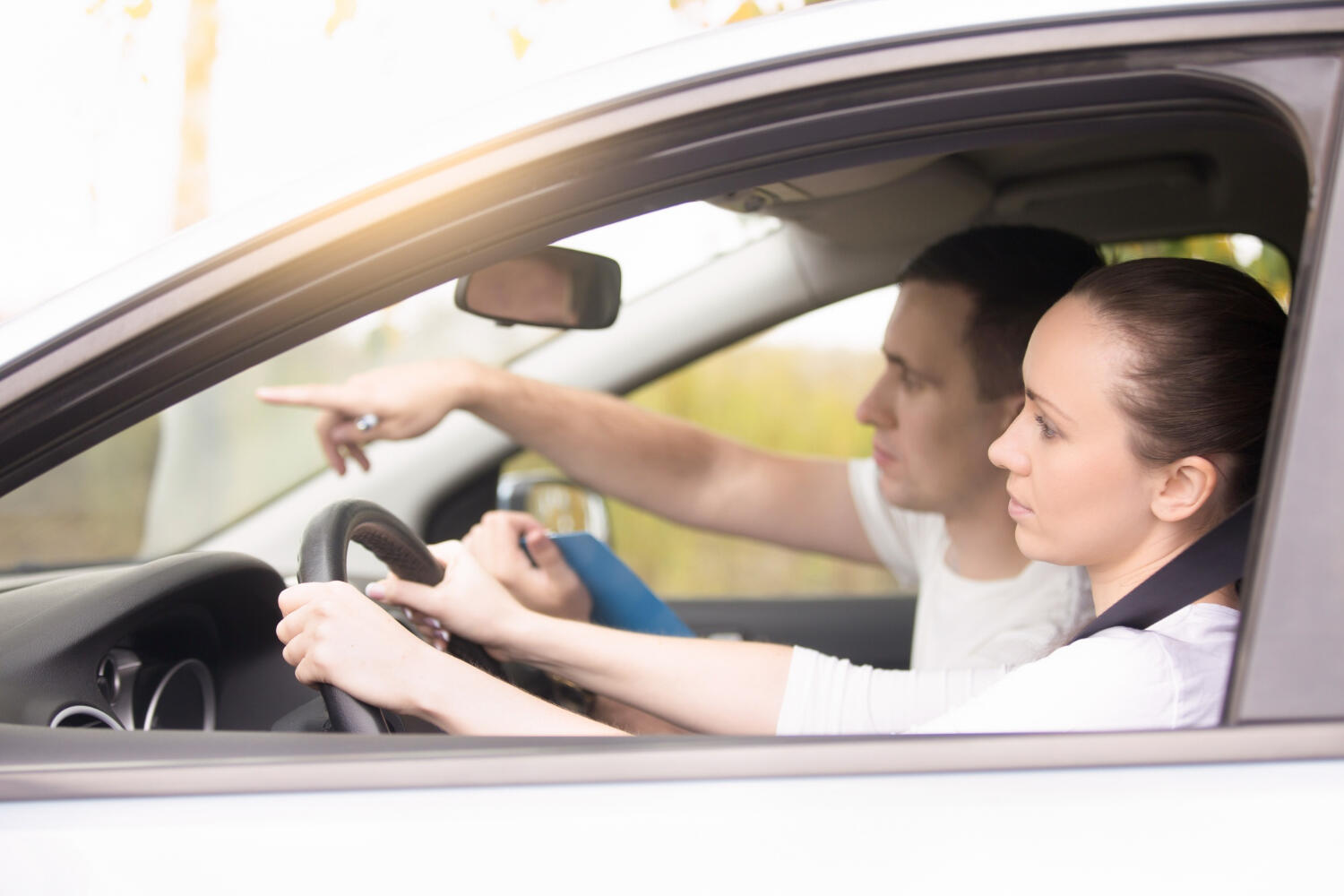

If you are a total newbie to learning to drive in the UK, you would have many questions. You might want to know the hours needed to learn to drive, or how much it cost to get your driving licence. Most importantly, you would want to know what to prepare or do from the very start.
In this article, we will go through them all to help you navigate this exciting process efficiently.
📢 Steps to learn to drive in the UK
- Step 1: Obtain a provisional driving license
- Step 2: Take driving lessons with a qualified instructor
- Step 3: Pass the theory test
- Step 4: Pass the practical driving test


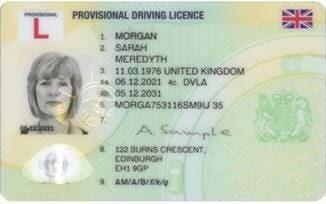
🪪 Step 1: Obtain a Provisional Driving Licence
You can start applying for a provisional driving licence when you are officially 15 years and 9 months old in Great Britain, and in Northern Ireland from 16 years and 10 months.
However, you can only take driving lessons when you are officially 17 years old.
📋 How to Apply
You can either apply online through the official UK government website by signing in, where the cost is £34, or apply by post, where the cost is £43.
If you choose to apply online, you'll need to confirm your identity by
- Creating a GOV.UK One Login account
- Indicate your photo ID
- Indicate your current home address (you might also need your previous address if you've recently moved)
After you have applied, the Driver and Vehicle Licensing Agency (DVLA) will send you a confirmation email, and your licence will arrive within a week or after three weeks (if you apply online).
Your provisional driving licence is valid for 10 years. 1
👩🏫 Step 2: Take Driving Lessons
Once you turn 17, you can start looking for an Approved Driving Instructor (ADI), either at a driving school or someone who works independently as a driving instructor.
An ADI would either have a green badge (fully qualified instructor) or a pink badge (trainee instructor) on their respective vehicle.
🕒 How Many Driving Lessons Should You Take?
While there are no legal minimum requirements for lessons, the Driver and Vehicle Standards Agency recommends the following for most learners (especially those learning to drive for the first time):
Professional lessons
Private practice
Some of the things to consider for your driving lessons include:
- Your driving lesson frequency on a week (how many hours or times)
- The type of vehicle you plan to drive (manual or automatic, which may result in different pricing)
- Your level of confidence (determine whether you'll add more driving lesson hours)
You can have private practice sessions with your family or friends as long as:
✅The supervising driver is above 21 years old
✅He or she has held a UK driving licence for at least 3 years
✅The car used during the practice session is insured
✅The vehicle displays L plates
Private practice is a way to save on the cost of driving lessons and also build self-confidence for different traffic conditions alongside someone you're familiar with.
💻 Step 3: Prepare for the Theory Test
Many learners would prepare and sit for the theory test while taking their driving lessons. The driving theory test has two parts:
Multiple-choice questions
- 50 questions
- Answer on a touchscreen computer
- Score 43 out of 50 to pass
Hazard perception clips
- A series of video clips of real driving scenes
- Click the mouse when you spot a developing hazard
- Score 44 out of 75 to pass
Important note: You must pass both parts to pass the theory test fully, and the theory test result is valid for 2 years.
You can book the theory test online via the GOV.UK website and indicate your provisional driving licence number, email address, and card details (for payment). The cost for the theory test is £23.
📚 Study Materials for Driving Theory Test
Some of the books and apps to ace your driving theory test include:
- The Highway Code
- Know Your Traffic Signs
- Driving-The Essential Skills
- The Official DVSA Theory Test kit (covering both multiple-choice questions and hazard perception)
You can access these learning materials from most high street and online bookshops. 2
✅ Step 4: Pass the Practical Driving Test
You can only register for your practical driving test after passing your theory test. Before you start booking online, you must declare that you have lived in England, Wales, or Scotland for at least 185 days in the last 12 months before the day you take your test.
Once you have entered the booking website, you'll be placed in a queue where you'll be told how long you’ll need to wait once you begin (possibly a few minutes). The online booking service is available from 6 am to 11:40 pm, and you can book a test up to 24 weeks in the future.
If you choose to take the test on a weekday, you'll have to pay £62.
If you choose to take the test in the evening, on a weekend, or on a bank holiday, you'll have to pay £75.
Remember to bring your provisional driving licence and theory test pass certificate on your actual test.
🚘Overview of Practical Driving Test
Now, let's walk through the tested elements of your practical test after the examiner has done an identity check at the test centre.
Element 1
Eyesight check, reading a parked vehicle number plate from 20 metres away
Failing this means instant failure, and the test ends immediately
Element 2
"Show Me, Tell Me" questions
One “tell me” question before driving, one “show me” question during driving
Element 3
General driving
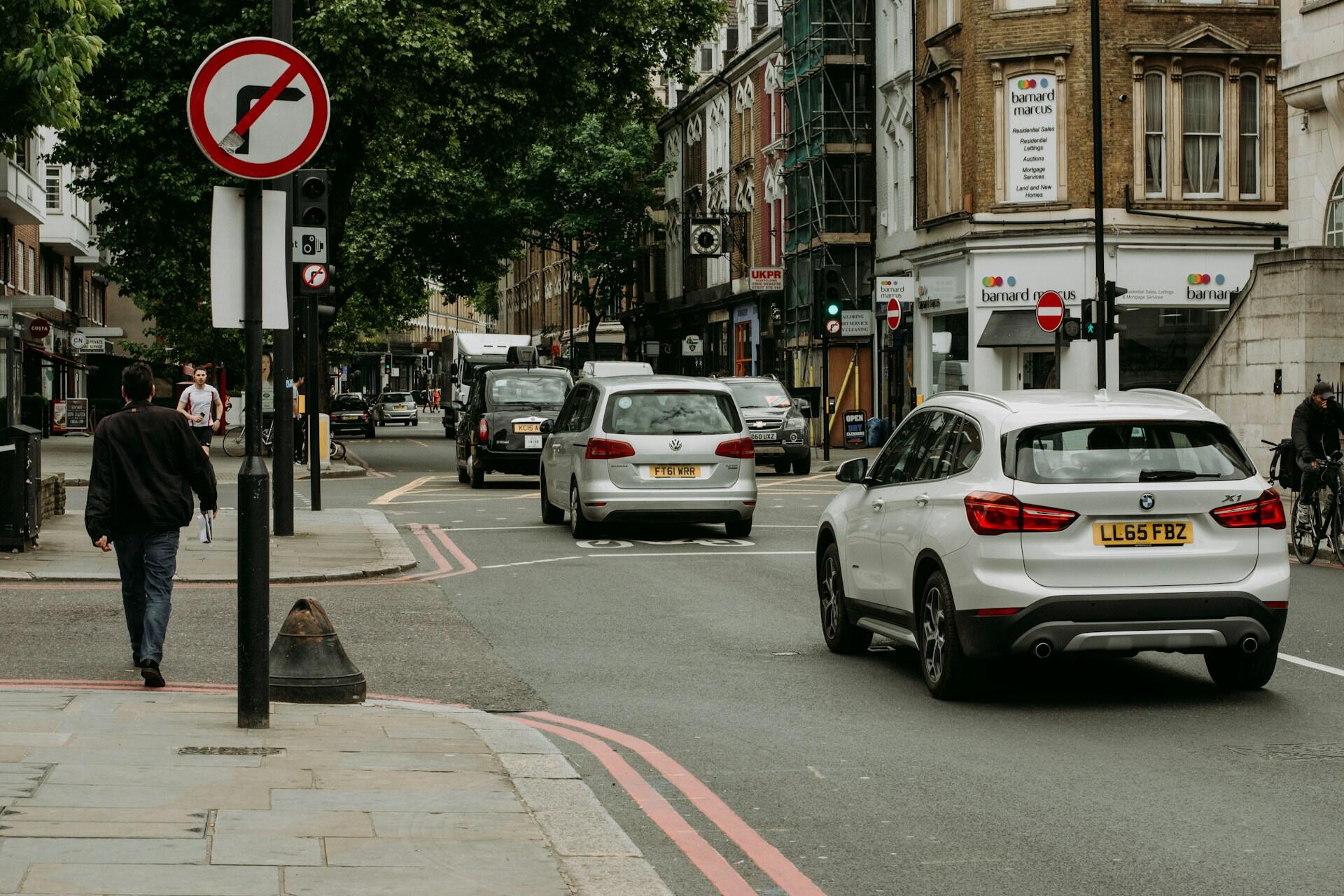
You follow the examiner's instructions as you drive on normal town roads, like driving in roundabouts, junctions, or residential areas
Element 4
Independent driving
You will drive for about 20 minutes as you follow a sat-nav
Element 5
Parking or reversing manoeuvres
You could be asked to perform a parallel park, bay park, or pull up on the right and reverse
Element 6
Emergency stop
Up to the discretion of your examiner
To pass your practical test, you need to make sure you minimise these driving faults while driving:
Minor fault
- Not potentially dangerous, but could become a serious fault
Serious fault
- Involves something potentially dangerous
Dangerous fault
- Involves actual danger to those in the car and outside the car
To pass your practical driving test and get your driving licence, you can have up to 15 minor faults and commit no serious or dangerous faults. 3
By the end of the test, the examiner will let you know if you've passed or failed. If you have passed, you will be issued a passing certificate.
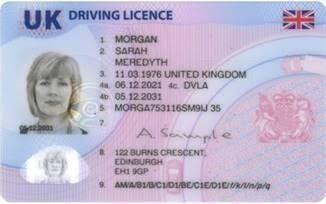
The new physical driving licence can take up to 3 weeks to arrive after the test.
👌Additional Tips for Success
After reviewing the steps to learn to drive, let's look at some practical tips to help you ace both tests.
🛣️ Tip 1: Practise Regularly Under Supervision
Whether it's adding more driving lessons or increasing the hours of your private practice, this is undoubtedly the most effective way to improve your confidence and reaction time.
For example, the more you practice turning into junctions or parallel parking, the more you're able to gauge the right angle to manoeuvre as well as control the brakes and gear naturally (especially important for manual drivers).
This is especially important if you plan to have long hours of private practice. Not only is it required, but it will also give you peace of mind when you're driving your family car or your friend's car.
While practising, it's also important to try driving in different situations to help you adapt to actual road conditions or unpredictable weather, such as:
- Heavy traffic during school hours
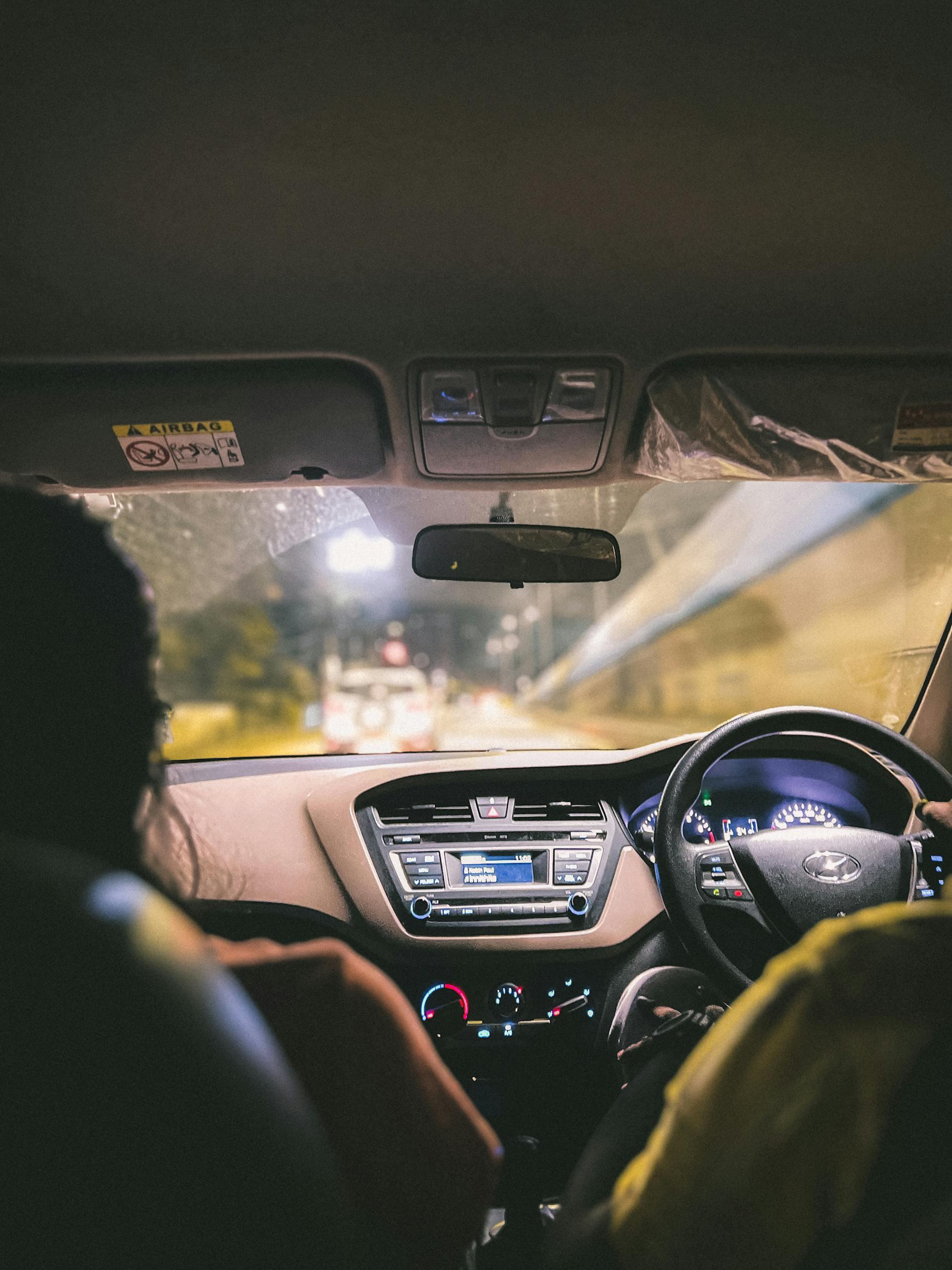
- Night driving
- Slight rain
- Rural roads
🅿️ Tip 2: Master and Practise the Highway Code
Understanding all the road signs and traffic rules ahead is important — not merely to pass the tests, but it also equips you to be a careful and steady driver when you're really driving on the road. The Highway Code 4 covers the following:
Identify warning signs, mandatory signs, information signs, as well as lane markings and box junctions
Speed limits, junction priorities, overtaking, and lane discipline
The right stopping and following distances, how to anticipate dangers, and weather adjustments
Road rules about pedestrians, cyclists, motorcyclists, and even animals
👀 Tip 3: Stay Calm and Confident
This applies during your driving lessons, private practice sessions, as well as during your actual test day. Remember that mistakes are inevitable as a beginner, and the point is to keep trying and going at a safe pace.
Listen to the feedback of your driving instructor on your strengths and weaknesses to improve in the next round. When faced with unfamiliar road conditions, just abide by the traffic regulations and go slowly.
Even if you have taken the wrong turn during the test, be sure not to panic and stay focused on the road. Your driving examiner will guide you and will not penalise you as long as you drive safely and avoid any serious or dangerous faults.
We hope you have enjoyed reading this article. Regardless of which step you're currently at as you learn to drive, just remember to take a deep breath and give your very best.
References
- Hooson, M. (2021, October 5). Applying for your provisional driving licence: What you need to know. Forbes Advisor UK. https://www.forbes.com/advisor/uk/car-insurance/provisional-licence/
- Government Digital Service. (2016, December 20). Theory test: cars. GOV.UK. https://www.gov.uk/theory-test/revision-and-practice
- Ready to Pass? (2025, December 31). Driving test marking, faults and results - Ready to Pass?https://readytopass.campaign.gov.uk/driving-test/driving-test-marking-faults-results/
- The Highway Code, road safety and vehicle rules - GOV.UK. (n.d.). https://www.gov.uk/browse/driving/highway-code-road-safety
Summarise with AI:
Did you like this article? Leave a rating!

 Loading...