


All writing is communication; creative writing is communication through revelation-it is the Self-escaping into the open.
E. B. White, writer and essayist
The production and consumption of creative writing is ever-growing, as recent research shows that the global book market is expected to expand to US$ 173.83 billion by 2030. 1
Creative writing is a form of writing that communicates the author's imagination, thoughts, and emotions — spanning fiction, poetry, drama, creative nonfiction, scripts, and narrative writing. 2
If you're an aspiring writer who wishes to publish your creative writing one day, you're in the right place. This article will cover the main features, examples of creative writing, and how to apply them when writing a manuscript.
✦ Creating text from originality and imagination
✦ Storytelling is built on characters, setting, plot, point of view, and dialogue
✦ Comprehension is deepened through theme, imagery, style, and emotional impact
✦ Uses language, structure, and storytelling techniques to engage readers, express ideas, and create memorable experiences




What Is Creative Writing?
Creative writing is a form of self-expression writing driven by imagination and imagery. It can be divided into two main categories: prose and poetry. 2
Prose For readers looking to strengthen their language skills, English tutors near me can provide support with clear and effective writing.
- Builds on narration of sentences and paragraphs
- Examples include novels, short stories, personal essays, narrative non-fiction memoirs, scripts, blogs, copywriting
Poetry
- Builds on verses of structure and mental imagery
- Examples include odes, epics, sonnets, free verse, haiku, ballads, lyric poetry, limericks 3
It differs from academic, technical, and purely factual writing, which fall under informational writing.
| Feature | Creative Writing | Informational Writing |
|---|---|---|
| Main purpose | To entertain, express ideas, or create emotion | To explain, inform, or teach |
| Style | Expressive, imaginative, and often personal | Mainly factual, clear, and structured |
| Language | Uses imagery, voice, dialogue, and description | Uses evidence, explanation, and precise wording |
| Content | Can include characters, plots, scenes, or settings | Focuses on facts, topics, processes, or instructions |
| Reader response | Aims to engage feelings or imagination | Aims to help the reader understand something |
| Structure | Flexible; can be poetic or narrative | Usually organised with headings, paragraphs, or steps |
Core Features and Elements of Creative Writing
Now, let's dive deeper into the components and key characteristics of creative writing.

Originality and Imagination
Think of originality and imagination as building blocks of creative writing. You think of an original idea for a story, and let your imagination run wild to make the story richer and more engaging. Those analysing English literature may also benefit from English tutors near me to develop a stronger understanding of literary language.
A good piece of creative writing does not need to make sense at all; as long as it's unique and unexpected and challenges the readers' expectations and perspectives. It's what keeps the pages turning, after all!
Let's look at one of the most original and imaginative literary works ever written: Alice in Wonderland by English author Lewis Carroll, which has the following elements of creative writing:
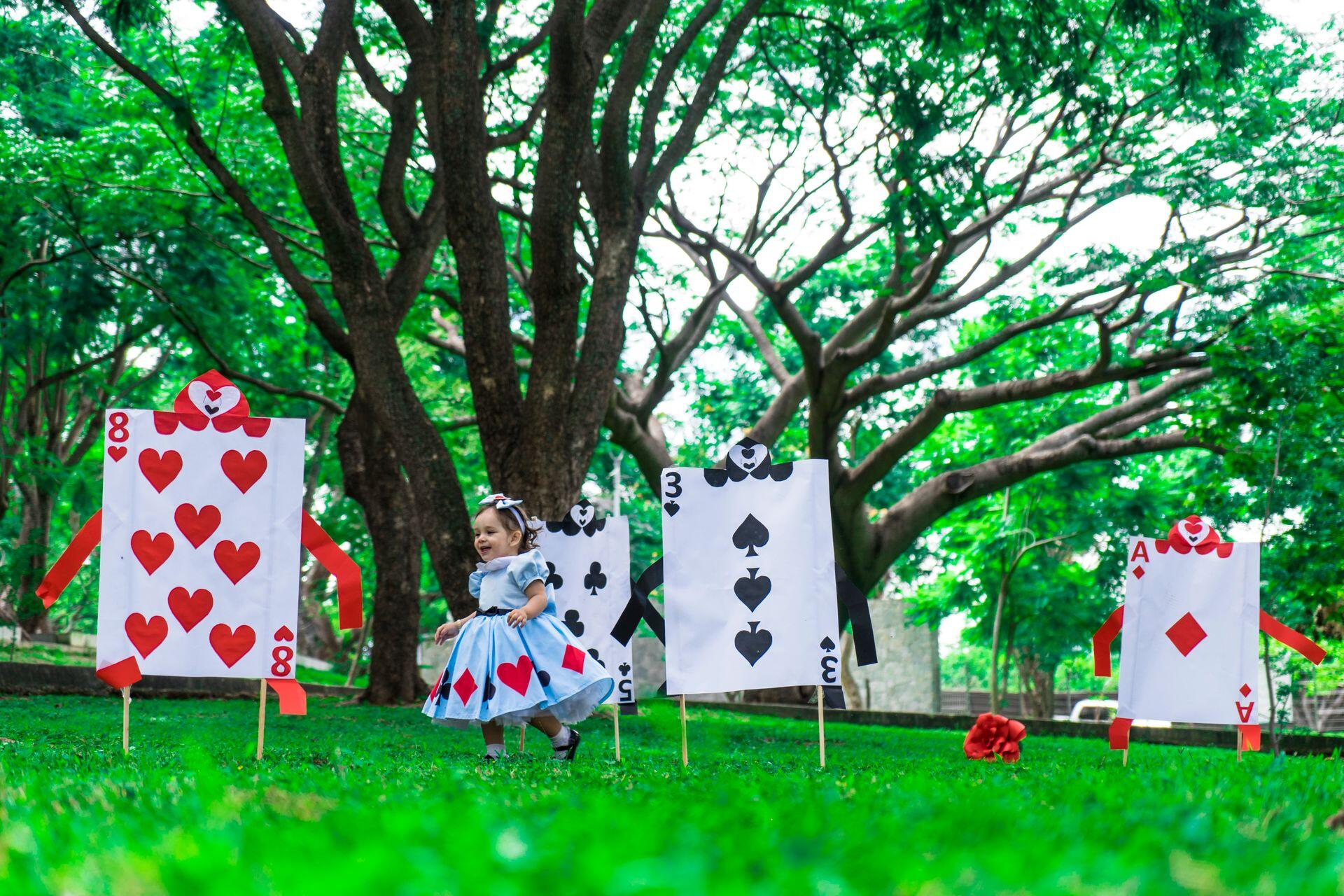
Reimagined Setting
- Caroll created a new fantastical setting named Wonderland
- It's dreamlike and defies logic as opposed to the real-life setting that we're familiar with, where animals can speak
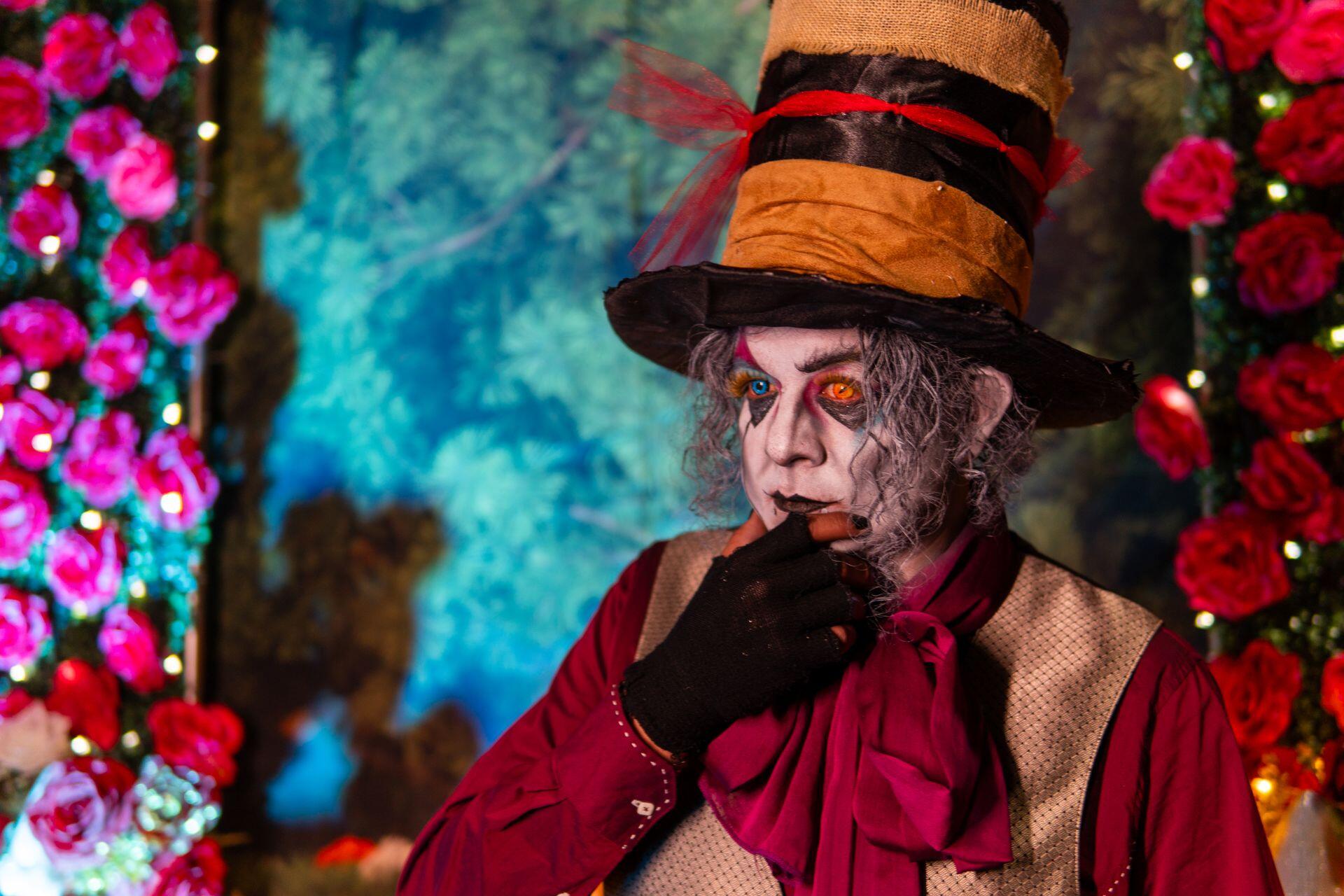
Unique Character Working with English tutors near me can help writers develop a distinctive voice and use narration more confidently.
- Besides Alice, there are also unique characters like the Mad Hatter, the Queen of Hearts, and the Cheshire Cat
- Builds humour and connection throughout the story

Unexpected Premise
- Challenges everything normal about reality through imaginative characters and situations
- Alice shrinks in size after drinking from a seemingly normal glass bottle
Once you have applied three elements in your creative writing, your story will be more compelling.
Character, Voice, and Point of View
Characters play a key role in storytelling: through their eyes, we see the world; with their feelings, we live as they do, and we emotionally accompany them throughout the story.
In most good stories, it is the character's personality that creates the action of the story. If you start with real personality, a real character, then something is bound to happen.
Flannery O'Connor, novelist and short story writer
However, for a character to be fully “alive”, we must work on it, creating and developing all its components carefully. For example, among these elements, we can find his or her visual appearance, life story, strengths, weaknesses, contradictions, decisions he or she makes, etc. Students can use English tutors near me to improve their understanding of how language builds tension and develops a plot.
That being said, you'll need a strong narrative voice to bring the characters alive. In every book we read, there exists a narrative voice. This voice narrates the story by adopting a particular position towards the events. We, the readers, can share that position, or not.
One thing rings true: this voice, or narrator, will always guide us.
For creating writing elements such as the narrator, we have to know that its essential mission is to present the events and the points of view of the characters. However, the narrator does so from its own perspective.
The three main types of narrators are:
| Narration type | What it means | Effect on the reader | Example pronouns / style | Literature Example |
|---|---|---|---|---|
| First person | The story is told by a character using their own voice | Feels personal, immediate, and subjective | “I”, “me”, “we” | Jane Eyre by Charlotte Brontë |
| Third person | The story is told by a narrator outside the characters | Can feel more distant, flexible, or broad | “he”, “she”, “they” | Pride and Prejudice by Jane Austen |
| Unreliable narration | The narrator may not be fully truthful, accurate, or trustworthy | Creates doubt, suspense, and surprise | Often first person, but not always | The Catcher in the Rye by J.D. Salinger |
Plot, Conflict, and Structure
In the same way that it is hard to imagine a person without a skeleton, it is impossible to conceive of a book without a plot. Plot is one of the key features of creative writing. When it comes to creating a coherent text, the plot plays a crucial role. Developing these techniques with English tutors near me can make written narratives more vivid and emotionally engaging.
Any plot is based on a conflict, and this conflict, at the same time, develops gradually through well-established stages. In literature, these stages are exposition (prologue), plot, development of the action, resolution (climax), and epilogue.
| Element | Meaning | Role in narrative writing |
|---|---|---|
| Beginning | The start of the story, where characters, setting, and situation are introduced | Hooks the reader and sets up the story world |
| Middle | The main part of the story where events develop | Builds the plot and moves the action forward |
| End | The closing part of the story | Gives the reader a sense of completion |
| Conflict | The problem or struggle in the story | Gives the story purpose and drives the action |
| Tension | The feeling of suspense or anticipation | Makes the reader want to keep reading |
| Climax | The most exciting or important point in the story | The turning point where the main conflict reaches its peak |
| Resolution | The part where the problem is solved or explained | Brings the story to a satisfying close |
The plot is the great thread that guides the reader through the story. As the plot unfolds, the reader imagines, feels, understands, and thinks. A good writer can create complex plots that allow the reader to understand perfectly the message the author wants to deliver.
Setting, Imagery, and Sensory Detail
Setting offers the readers information about the story's when and where — detailing the location, time period, and even cultural context.
Imagery and sensory details are used to describe how the story unfolds through vivid descriptions that appeal to the five main senses: smell, sound, sight, taste, and touch. Exploring themes with English tutors near me can also help writers express complex emotions and experiences with greater precision.
These elements of creative writing allow readers to imagine themselves within the narrative and have a higher emotional engagement.

Dialogue and Subtext
Dialogue is without a doubt one of the most important elements of creative writing. Did you know that dialogue can be a conversation at the same time?
- Real-life conversations can be long and unpredictable (about any topic). In a conversation, you can jump from one idea to another with no connection between the first one and the second one.
- On the other hand, dialogue requires special attention and careful work. A dialogue must be to the point and express what the characters want to say aptly. It's commonly used in literature and films to show the flow of the story.
Subtext is the hidden meaning of the text. This linguistic term refers to the idea that is implied, but not explicitly expressed. It is the truth that the reader must decipher.
This means that only a small part of the story is on the surface, which would be the text. All the rest of the content remains hidden between the lines. Instead of giving all the information, the author would describe something suggestive, be it for a particular situation or event.
Theme, Meaning and Emotional Impact
A good story often has a strong, recurring theme that reinforces an underlying message — giving depth and meaning to the writing. If you are exploring different forms of creative writing, English tutors near me can help you adapt your language and style to each type.
Authors usually centre their themes around a universal human emotion and experience, such as love, loss, ambition, greed, friendship, or courage, to help readers interpret the story based on their own experiences.
Themes eventually help readers think, reflect, and create their own interpretation of the story based on the emotional impact it conveys throughout the story. For example, the central theme of Alice in Wonderland is growing up, and every reader would resonate with it. 4
| Aspect | Elaboration |
|---|---|
| Theme | Growing up, or the transition from childhood to adulthood. Alice’s changing size and confusing encounters in Wonderland reflect the confusion of becoming older and more self-aware. |
| Meaning | The story suggests that growing up is not simple or neat. It can involve confusion, identity questions, and learning how to understand an adult world that often feels strange or illogical. |
| Emotional impact | The story can feel playful, strange, and sometimes unsettling. Readers may feel sympathy for Alice because her experiences show the uncertainty and awkwardness of growing up. |
Language, Style, and Literary Devices
Language and style are what set different pieces of creative writing apart. It's how you use vocabulary, sentence structure, rhythm, and tone to evoke a certain atmosphere.
- Shorter sentences create an urgency or tension
- Longer sentences create a commanding flow, implying something important
This is where literary devices come in to establish the story's mood and characters, where it becomes a tool of artistic expression.
| Literary Device | Definition | Purpose in Creative Writing | Example |
|---|---|---|---|
| Metaphor | A figure of speech that directly compares one thing to another without using like or as. | Creates vivid imagery, conveys abstract ideas, and deepens meaning. | “All the world's a stage.” — William Shakespeare, As You Like It |
| Simile | A comparison between two unlike things using like or as. | Makes descriptions more vivid and relatable. | “My love is like a red, red rose.” — Robert Burns |
| Symbolism | The use of objects, characters, colours, or events to represent abstract ideas beyond their literal meaning. | Adds layers of meaning and reinforces themes. | The green light in The Great Gatsby symbolises hope and the unattainable American Dream. |
| Personification | Giving human characteristics or qualities to non-human objects, animals, or abstract concepts. | Creates vivid imagery and emotional connection. | “Because I could not stop for Death – He kindly stopped for me.” — Emily Dickinson |
| Foreshadowing | Hints or clues that suggest future events in the story. | Builds suspense and prepares readers for later developments. | The witches’ prophecy in Macbeth foreshadows Macbeth’s rise and downfall. |
| Irony | A contrast between expectation and reality, or between appearance and truth. | Highlights contradictions and creates humour, tension, or deeper meaning. | In Romeo and Juliet, the audience knows Juliet is alive while Romeo believes she is dead. |
| Repetition | Deliberate reuse of words, phrases, or ideas throughout a text. | Creates emphasis, rhythm, and reinforces important themes. | “Nevermore” is repeated throughout The Raven. |
| Imagery | Descriptive language that appeals to the five senses. | Helps readers visualise scenes and experience the story more vividly. | The detailed descriptions of nature in Daffodils create vivid visual imagery. |
| Allusion | An indirect reference to a historical, literary, religious, or cultural figure, event, or work. | Adds depth by connecting the text to broader cultural knowledge. | The Waste Land contains many allusions to classical mythology, the Bible, and earlier literary works. |
| Hyperbole | Intentional exaggeration used for emphasis or dramatic effect. | Enhances humour, emotion, or intensity. | “I’ll love you till the seas go dry.” — Robert Burns |
| Tone | The writer’s attitude toward the subject or audience, conveyed through language and style. | Shapes readers’ emotional response and interpretation of the text. | The ironic and satirical tone of Animal Farm critiques political systems. |
| Diction (Word Choice) | The deliberate selection of words to achieve a particular style or effect. | Establishes mood, characterisation, and narrative voice. | The formal, elevated diction in Paradise Lost contributes to its epic style. |
Types of Creative Writing
Moving on, let's explore the different types of creative writing.
Fiction and Narrative Writing
Both fiction and narrative writing focus on telling stories. They can appear in many forms and have a beginning, middle, and end, revolving around various characters and events.
| Type | What it is | Typical focus |
|---|---|---|
| Flash fiction | A very short fictional story, often under 1,000 words | One moment, idea, or event, with very limited space |
| Short story | A brief story that is longer than flash fiction but shorter than a novel | A small number of characters, a clear conflict, and a complete plot |
| Novella | A longer short work of fiction, between a short story and a novel | One central conflict or character journey, with more depth than a short story |
| Novel | A long work of fiction | More complex characters, events, themes, and subplots |
The short story is a subgenre of prose distinguished by its brief form and the presence of a single event around which the plot develops. It has a small number of characters, usually one or two main characters.
Additionally, the description of the secondary characters (who are usually mentioned in a very superficial way) is aimed at revealing the characteristics of the main character.
Poetry
Poetry is a literary expression that puts on paper the most intimate feelings of a person, his or her values, and the emotions that accompanied him or her at the time of writing.
It allows us to immerse ourselves more deeply in human beings and their experiences, even in the historical period in which the work was created.
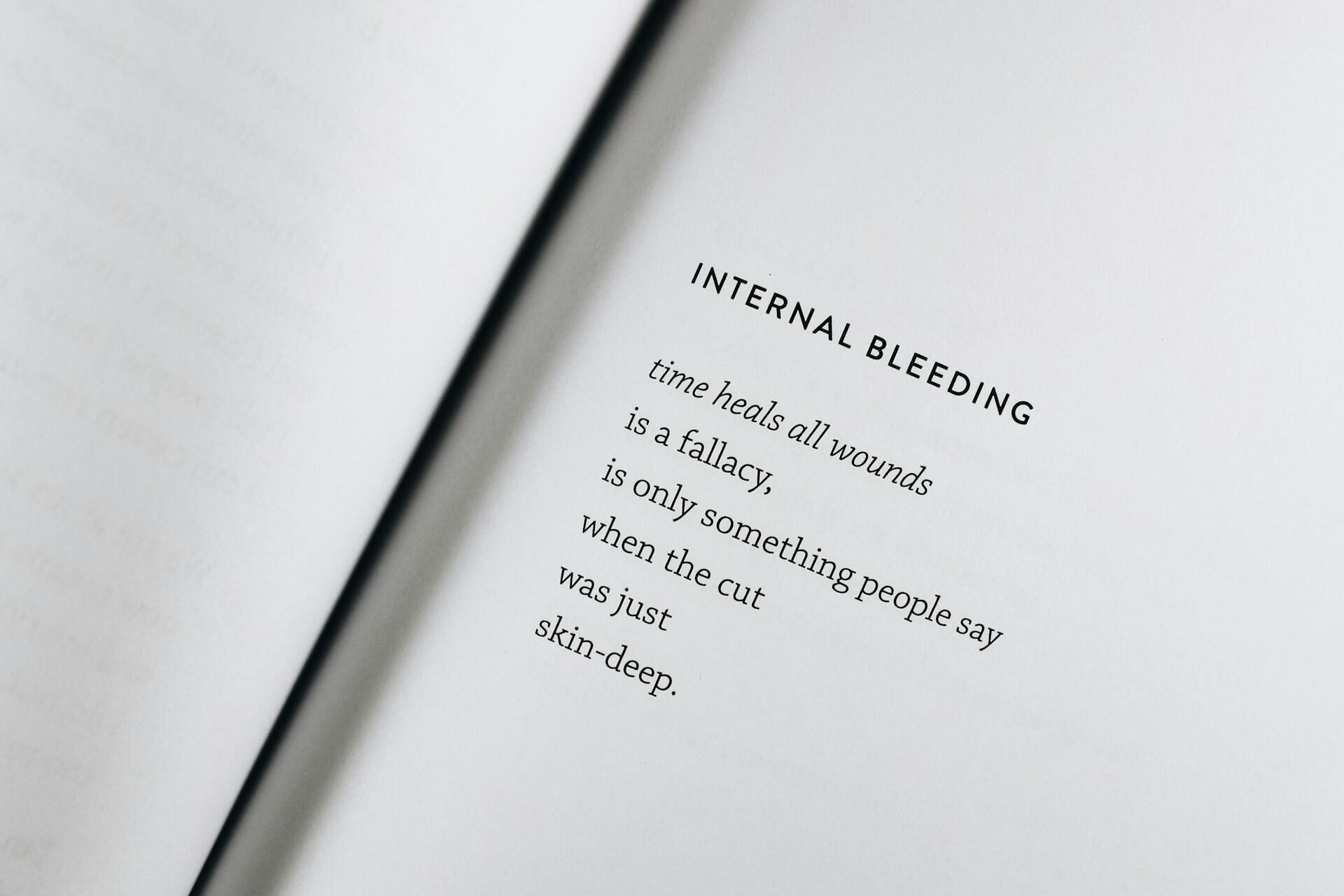
Here are some elements of poetry that work together to create a rich meaning. When applying these features in a manuscript, English tutors near me can offer useful guidance on planning and refining your writing.
| Element | What it means | Why it matters in poetry |
|---|---|---|
| Line breaks | The places where one line ends and the next begins | They control pace, create pauses, and can emphasise certain words or ideas. |
| Rhythm | The pattern of stressed and unstressed sounds in a poem | It gives the poem its beat or flow and helps create mood. |
| Imagery | Descriptive language that appeals to the senses | It helps readers picture scenes and experience the poem more vividly. |
| Sound | The musical quality of a poem, including rhyme, alliteration, and other sound patterns | It makes the poem memorable and can strengthen emotion or atmosphere. |
| Compression | Packing meaning, emotion, and ideas into a small number of words | It makes poetry concise and powerful, so each word matters. |
| Metaphor | A direct comparison between two unlike things | It adds depth and helps express abstract ideas in a vivid way. |
| Emotional intensity | The strength of feeling in the poem | It helps the poem move the reader and create a strong emotional response. |
Drama, Stage Writing, and Scripts
Creative writing is a versatile skill set that you can use everywhere, from pages to stage to screens.
For example, creating writing elements in stage and scriptwriting is specific and unique, as it involves scene after scene. The audience must put the parts together to understand the narrative structure. As a writer, you need a solid structure layered with dialogue to help the characters deliver a speech or exchange conversations.
This is particularly true for monologues where the characters often speak straight to the public. And while the actor speaks, all his or her deepest ideas and inner emotions come out.
Creative Nonfiction
Creative nonfiction is the art of combining facts and storytelling. While it is factual, it uses literary devices and techniques to make the writing more vivid and engaging.
| Type | What it focuses on | Purpose |
|---|---|---|
| Memoir | A specific part, theme, or period of the writer’s life | To reflect on personal experience and growth |
| Personal essay | The writer’s thoughts and feelings about an idea, event, or experience | To explore a personal viewpoint in a thoughtful way |
| Travel writing | Places, journeys, cultures, and personal impressions | To describe experiences of travel in an engaging way |
| Literary journalism | Real events, people, and issues told with narrative techniques | To report facts in a storytelling style |
| Reflective writing | The writer’s reflections on an experience and what it means | To show learning, change, or insight |
Creative Writing vs Narrative Writing
While creative writing and narrative writing are closely related, they are not the same.
- Narrative writing is a form of creative writing that solely focuses on storytelling, with clear elements of plot, characterisation, setting, and conflict, usually following a chronological sequence of events.
- Creative writing, on the other hand, is a broader category that also includes poetry, scripts, essays, monologues, and experimental forms. Instead of adhering to a traditional storyline and structure, many of these focus more on emotional and artistic expression through language and style, emphasising meaning and perspective. 5
Here's an overview comparison of creative and narrative writing.
| Aspect | Creative Writing | Narrative Writing |
|---|---|---|
| Definition | A broad form of writing that emphasises imagination, artistic expression, and creativity. | A type of creative writing that focuses specifically on telling a story. |
| Primary Purpose | To entertain, express emotions or ideas, explore themes, and experiment with language and form. | To present a sequence of events that engages readers through storytelling. |
| Structure | May or may not follow a traditional story structure. | Usually follows a beginning, middle, and end with plot development. |
| Key Elements | Imagination, originality, style, imagery, literary devices, voice, and emotional expression. | Plot, characters, setting, conflict, point of view, and resolution. |
| Examples | Poetry, dramatic monologues, personal essays, lyrical prose, scripts, and experimental writing. | Short stories, novel chapters, memoir scenes, and fictional narratives. |
How to Apply the Features of Creative Writing in a Manuscript
Let's review the steps of applying features of creative writing in a manuscript.
Ideation
Identify the main concept, genre, theme, and purpose of the writing
Outlining
Decide on the structure, main scenes, and direction
Drafting
Come up with the first draft of the manuscript; focus on the progress
Revising
This is where you dive and dig deeper to improve the manuscript, from structure, character pacing, and coherence
Editing
Refine the language aspects of the manuscript: word choice, sentence structure, and dialogue consistency
Proofreading
Check for grammar, spelling, punctuation, formatting, and typographical errors
Submitting/ Publishing
Share the finished manuscript with a publisher or submit for self-publishing platforms/competitions
Meanwhile, feel free to explore these creative writing courses in the UK.
Plan the Idea, Genre, and Audience
Before drafting, it's important to define the concept, reader, tone, and form of the manuscript. It helps you to have a clear view of the scope and range of the story. You can do so by asking yourself these questions:
| Planning question | What to decide | Why it matters |
|---|---|---|
| What is the core idea? | Identify the main concept, message, or story you want to write about. | It gives the manuscript a clear focus and direction. |
| What genre or form am I writing? | Choose the type of writing, such as a short story, novel, poem, memoir, or essay. | It helps you shape the structure and style of the manuscript. |
| Who is the intended audience? | Decide who will read the work, such as children, teenagers, or adults. | It affects the vocabulary, themes, tone, and complexity of the writing. |
| What tone should the writing have? | Choose the emotional attitude of the writing, such as serious, playful, emotional, or experimental. | It helps create the right mood and reader response. |
Build Characters, Setting, and Conflict
These three features will form the foundation of the manuscript. You'll know where you're headed in terms of character and plot development.
Once these are set, you can eventually break them down into smaller scenes and build a clear narrative arc.
Plans and organises the drafting in each scene (character, action, setting)
Shows how the whole story develops to make the story feel complete and well-paced
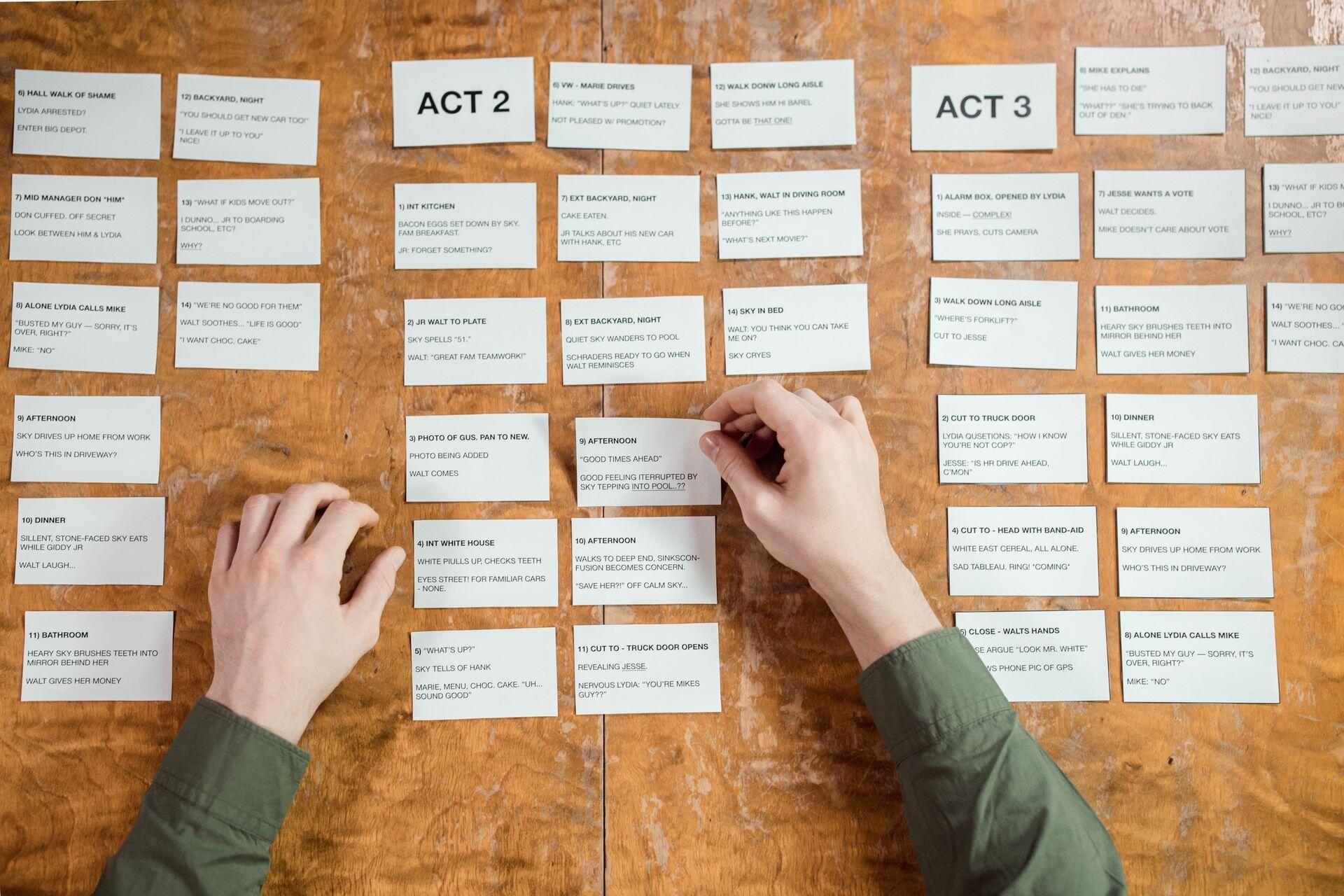
Draft with Voice, Imagery, and Momentum
Voice, imagery, and momentum are like the seasoning of a manuscript—they enhance its flavour and bring each scene to life, allowing readers to become fully immersed in the story.
Here's how to use them aptly:
Voice
- Keep the tone, word choice, and style consistent throughout, giving the writing a distinctive personality
Imagery
- Use sensory details that appeal to sight, sound, smell, taste, and touch to help readers picture the scene
Momentum
- Write the scenes with clear action, dynamic change, or tension to grab and sustain the reader's attention
Revise, Edit, and Polish
A good manuscript is defined by how good and detailed the revision process is. This is the stage where your story, structure, and style are refined from beginning to end. 6
Here's an overview of editing stages and their significance.
| Editing stage | What to check | Why it matters |
|---|---|---|
| Structure edits | Plot, pacing, character development, and scene order | Makes sure the manuscript works as a whole |
| Line edits | Word choice, sentence flow, clarity, and repetition | Improves style and readability |
| Proofreading | Grammar, spelling, punctuation, and formatting | Removes final errors before submission |
Examples of Creative Writing Features in Practice
Many writers adopt the "show, don't tell" technique in creative writing. The goal is to describe something deeply to create emotional resonance and even analytical interpretation instead of just giving readers something straightforward.
Let's see how you can try them out in practice.
| Feature | Purpose | Weak Example | Stronger Creative Example |
|---|---|---|---|
| Character Voice | Establishes a character’s personality, background, emotions, and unique way of seeing the world. | I was nervous about entering the room. | My fingers hovered over the doorknob. I had faced storms, arguments, and impossible decisions, but somehow this small room frightened me the most. |
| Sensory Imagery | Uses descriptive details that appeal to the senses and helps readers visualise and experience a scene. | The garden was beautiful. | The garden smelled of fresh roses after the rain, while droplets clung to the green leaves beneath the golden afternoon light. |
| Conflict | Creates tension and drives the narrative by presenting challenges that characters must overcome. | Sarah wanted to leave, but she stayed. | Sarah packed her suitcase three times that night, but each time she looked at the photograph on the desk, she knew leaving meant abandoning the only family she had left. |
| Dialogue with Subtext | Reveals hidden emotions, relationships, or intentions beneath spoken words. | “I am angry that you left,” she said. | “You finally came back,” she whispered, staring at the empty chair beside her. “I wondered if you still remembered the way home.” |
| Poetic Language | Uses rhythm, imagery, metaphor, and symbolism to create emotional or aesthetic impact. | The night was dark and quiet. | The night stretched endlessly, a velvet ocean where the stars drifted like scattered fragments of forgotten dreams. |
Learn more about the significance of creative writing.
Checklist: What Makes Creative Writing Effective?
Before we end, here's a checklist for you to evaluate your manuscript or writing piece according to different creative writing elements.
We hope you have found this article insightful. Who knows, you might venture into a career in creative writing one day!
References
- Research and Markets. (2023, May 10). Global Books Market to 2030: Growing Number of Readers Worldwide and the Rise of E-books fuel the Sector. GlobeNewswire News Room; GlobeNewswire. https://www.globenewswire.com/news-release/2023/05/10/2665849/28124/en/global-books-market-to-2030-growing-number-of-readers-worldwide-and-the-rise-of-e-books-fuel-the-sector.html
- April 23, K. G. M., & 2020. (n.d.). What is Creative Writing? In www.snhu.edu. Retrieved August 4, 2026, from https://www.snhu.edu/about-us/newsroom/liberal-arts/what-is-creative-writing
- Jackson, S. (2022). 25 Different Types Of Poems To Explore. In Jericho Writers. https://jerichowriters.com/25-different-types-of-poems/
- LitCharts. (n.d.). In LitCharts. Retrieved August 4, 2026, from https://www.litcharts.com/lit/alice-s-adventures-in-wonderland/themes/childhood-and-adulthood
- Kramer, L. (2021). Creative Writing 101: Everything You Need to Get Started. In Creative Writing 101: Everything You Need to Get Started | Grammarly Blog. Grammarly Blog. https://www.grammarly.com/blog/creative-writing/creative-writing/
- Watling, C. (2016). The three ‘S’s of editing: story, structure, and style. Perspectives on Medical Education, 5(5), 300–302. https://doi.org/10.1007/s40037-016-0284-2
Summarise with AI:
Did you like this article? Leave a rating!

 Loading...

Quite informative and highly beneficial contents