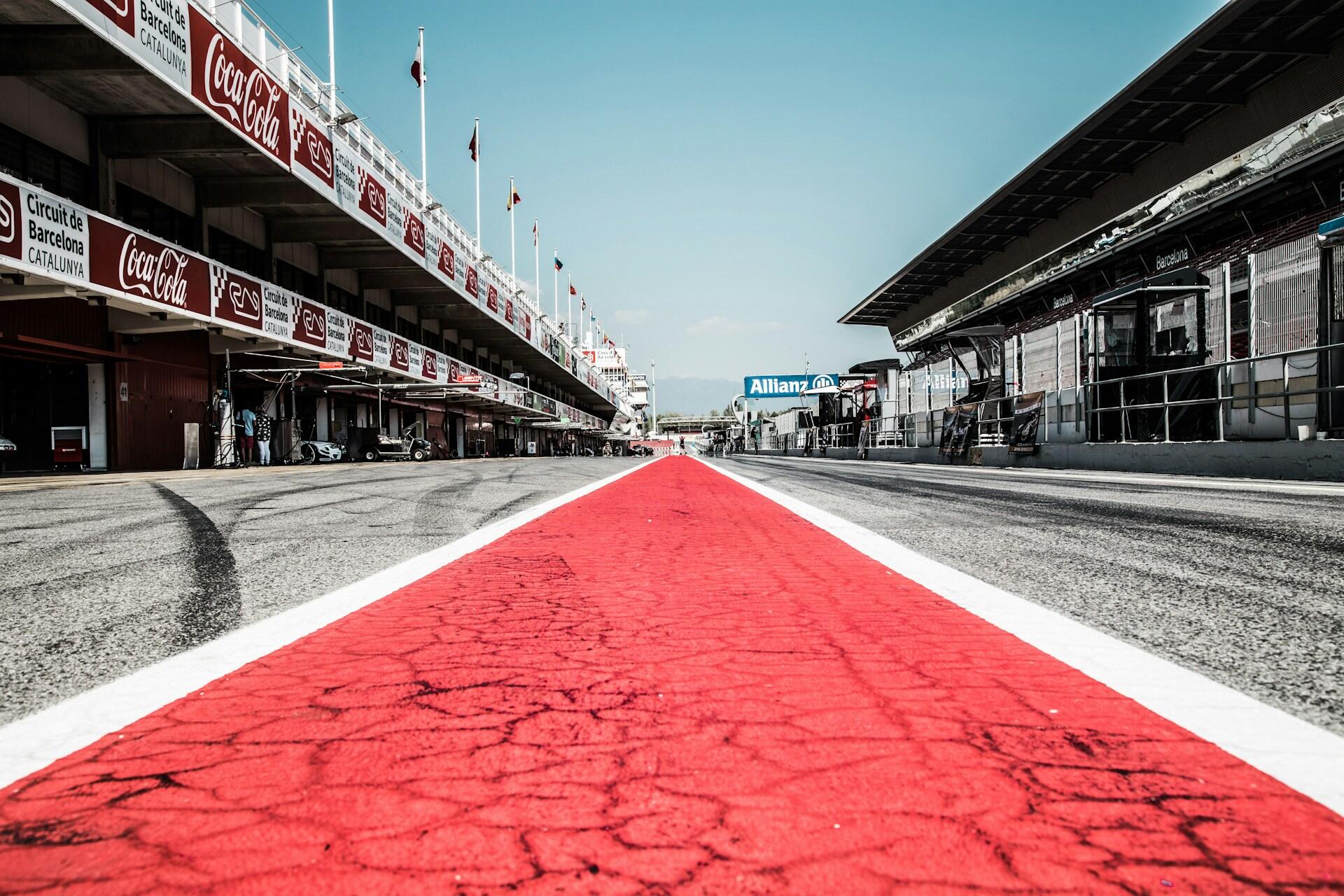

A Formula 1 driver can look unbeatable at one Grand Prix and struggle to reach Q3, as some tracks are absolute challenges where no mistake is allowed. Every circuit has its own personality, its corners, its audience, its history, and that is what really decides which drivers get to shine in the season.
From the glamour of Monaco to the speed of Monza, navigate through this guide to know better every type of F1 circuit, the current 23-race calendar by region (the Saudi Arabian round was not replaced) and the legendary tracks that built the reputation of the sport.


What Are F1 Circuits?
An F1 circuit is any track certified by the motorsport's governing body, the FIA (Fédération Internationale de l'Automobile), to host a round of the Formula One World Championship. This certification requires the FIA Grade 1 licence, the highest safety and design classification a circuit can hold, covering everything from run-off areas to barrier design and medical response times.
Not every circuit is built the same way. There are three broad categories on the calendar: permanent circuits, street circuits, and hybrid circuits.
Types Of Formula 1 Tracks
Why Circuit Layout Matters In Formula 1
Layout can be a defining factor for an F1 race, depending on its:
How Many F1 Circuits Are There?
Current vs Historic Circuits
Formula 1 has used dramatically more circuits than the 24 that make up a modern season (reduced to 23 this season due to the Middle East conflicts). Since the World Championship began at Silverstone in 1950, roughly 70 different circuits have hosted at least one round of the championship, according to F1 History's circuit database.
Some of those venues, like Monza and Silverstone, have never left; others, like the old Nürburgring Nordschleife or Adelaide's street circuit, hosted a handful of unforgettable races before concluding their run in this main global event.
| Circuit Notes | Fact |
|---|---|
| Circuits on the 2026 F1 calendar | 23 (initially 24, reduced to Saudi Arabia's cancellation) |
| Circuits that have ever hosted an F1 World Championship round (since 1950) | approx. 70 (source estimates range 68-78) |
| Street circuits on the 2026 calendar | 6 (Monaco, Baku, Singapore, Las Vegas, Jeddah, Miami) |
| Permanent circuits on the 2026 calendar | 18 |
Current Formula 1 Circuits On The Calendar
The 2026 FIA Formula One World Championship runs 24 rounds across five continents (reduced to 23 in 2026), opening in Melbourne last March and closing in Abu Dhabi in early December. Here are all the circuits, grouped by region.
Europe
🇲🇨 Monaco (Monte Carlo) -Circuit de Monaco
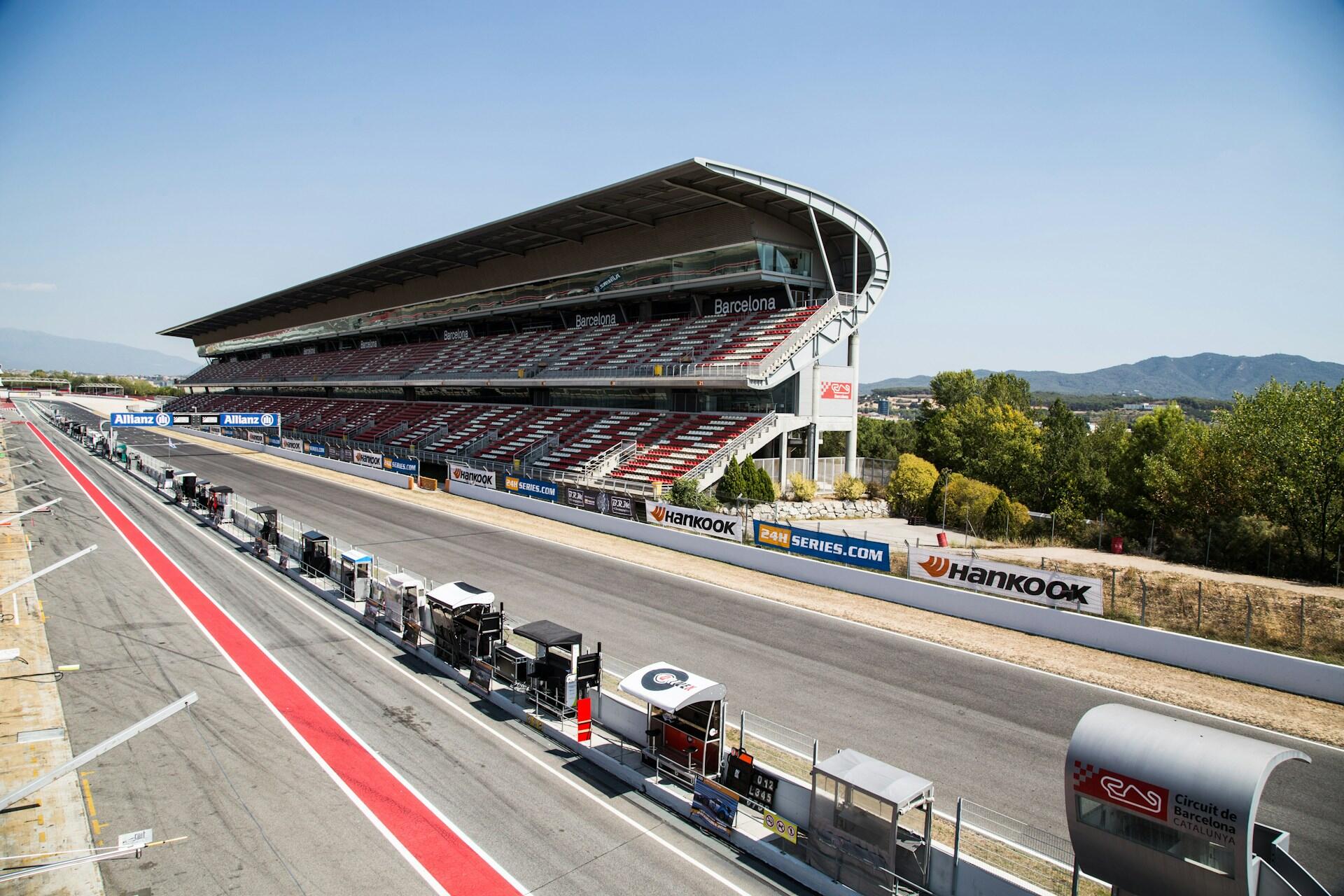
🇪🇸Spain (Barcelona) - Circuit de Barcelona-Catalunya
🇪🇸Spain (Madrid) - Circuito de Madrid (IFEMA), making its championship debut in 2026 and replacing Imola's Emilia-Romagna Grand Prix on the calendar.
🇦🇹Austria (Spielberg) - Red Bull Ring
🇬🇧Great Britain (Silverstone) - Silverstone Circuit
🇧🇪Belgium (Stavelot) - Circuit de Spa-Francorchamps
🇭🇺 Hungary (Budapest) - Hungaroring
🇳🇱Netherlands (Zandvoort) - Circuit Zandvoort
🇮🇹Italy (Monza)- Autodromo Nazionale
Asia And Middle East
🇨🇳 China (Shanghai) - Shanghai International Circuit
🇯🇵Japan (Suzuka) - Suzuka International Racing Course
🇧🇭 Bahrain (Sakhir) - Bahrain International Circuit (cancelled in 2026)
🇸🇦Saudi Arabia (Jeddah) - Jeddah Corniche Circuit
🇦🇿Azerbaijan (Baku) - Baku City Circuit
🇸🇬Singapore (Singapore) - Marina Bay Street Circuit
🇶🇦Qatar (Lusail) - Lusail International Circuit
🇦🇪 United Arab Emirates (Abu Dhabi) - Yas Marina Circuit
North And South America
🇺🇸 United States (Miami) - Miami International Autodrome
🇨🇦 Canada (Montreal) - Circuit Gilles Villeneuve
🇺🇸United States (Austin) - Circuit of the Americas
🇲🇽Mexico (Mexico City) - Autódromo Hermanos Rodríguez
🇧🇷Brazil (São Paulo) - Autódromo José Carlos Pace (Interlagos)
Oceania
- 🇦🇺 Australia (Melbourne) - Albert Park Circuit, traditionally the season-opening race and back in that slot for 2026
| Grand Prix | Country | Circuit | Track Type | Length | Key Feature |
|---|---|---|---|---|---|
| Australian Grand Prix | Australia | Albert Park Circuit | Street/hybrid | 5.278 km | Fast, flowing park circuit and traditional season opener |
| Chinese Grand Prix | China | Shanghai International Circuit | Permanent | 5.451 km | Distinctive spiral first-corner complex |
| Japanese Grand Prix | Japan | Suzuka International Racing Course | Permanent | 5.807 km | Only figure-eight layout on the calendar |
| Bahrain Grand Prix | Bahrain | Bahrain International Circuit | Permanent | 5.412 km | Desert circuit known for heavy braking zones |
| Saudi Arabian Grand Prix (Cancelled in 2026) | Saudi Arabia | Jeddah Corniche Circuit | Street | 6.174 km | Fastest street circuit on the initial calendar, 27 corners |
| Miami Grand Prix | United States | Miami International Autodrome | Street/hybrid | 5.412 km | Built around Hard Rock Stadium's car park |
| Canadian Grand Prix | Canada | Circuit Gilles Villeneuve | Street/semi-permanent | 4.361 km | Île Notre-Dame island circuit with the "Wall of Champions" |
| Monaco Grand Prix | Monaco | Circuit de Monaco | Street | 3.337 km | Narrowest, most prestigious street circuit in F1 |
| Spanish Grand Prix (Barcelona) | Spain | Circuit de Barcelona-Catalunya | Permanent | 4.657 km | Long-time pre-season testing venue |
| Austrian Grand Prix | Austria | Red Bull Ring | Permanent | 4.326 km | Short lap with dramatic mountain scenery |
| British Grand Prix | Great Britain | Silverstone Circuit | Permanent | 5.891 km | Birthplace of the 1950 F1 World Championship |
| Belgian Grand Prix | Belgium | Circuit de Spa-Francorchamps | Permanent | 7.004 km | Longest circuit on the calendar; biggest elevation change |
| Hungarian Grand Prix | Hungary | Hungaroring | Permanent | 4.381 km | Tight, twisty "mini-Monaco" with limited overtaking |
| Dutch Grand Prix | Netherlands | Circuit Zandvoort | Permanent | 4.259 km | Banked final corner near the North Sea dunes |
| Italian Grand Prix | Italy | Autodromo Nazionale Monza | Permanent | 5.793 km | The "Temple of Speed," F1's fastest track |
| Spanish Grand Prix (Madrid) | Spain | Circuito de Madrid (IFEMA) | Permanent | 5.474 km | New for 2026, replaces Imola on the calendar |
| Azerbaijan Grand Prix | Azerbaijan | Baku City Circuit | Street | 6.003 km | Combines a long straight with a medieval old-town section |
| Singapore Grand Prix | Singapore | Marina Bay Street Circuit | Street | 4.928 km | F1's original night race under floodlights |
| United States Grand Prix | United States | Circuit of the Americas | Permanent | 5.513 km | Steep uphill first corner inspired by Silverstone's Turn 1 |
| Mexico City Grand Prix | Mexico | Autódromo Hermanos Rodríguez | Permanent | 4.304 km | High-altitude circuit through a baseball-stadium section |
| São Paulo Grand Prix | Brazil | Autódromo José Carlos Pace (Interlagos) | Permanent | 4.309 km | Counter-clockwise layout famous for unpredictable weather |
| Las Vegas Grand Prix | United States | Las Vegas Strip Circuit | Street | 6.201 km | Runs down the Las Vegas Strip at night |
| Qatar Grand Prix | Qatar | Lusail International Circuit | Permanent | 5.419 km | Flowing, high-speed layout originally built for MotoGP |
| Abu Dhabi Grand Prix | United Arab Emirates | Yas Marina Circuit | Permanent | 5.281 km | Traditional season finale beside a marina and hotel |
The Most Iconic F1 Circuits In History
Some circuits are famous for winners, but others become legend for making the sport itself famous; these top 5 are the ones every F1 fan dreams of attending:
Monaco Circuit
The Mecca of motorsport is definitely Monaco, where Ayrton Senna notched six wins, a record that still stands. The Circuit de Monaco winds through Monte Carlo's narrow streets, past the harbour and up through Casino Square, and has run in some form since the first Monaco Grand Prix in 1929; it joined the inaugural Formula 1 World Championship in 1950 and has been a fixture ever since. At just 3.337 km with 19 corners packed into that short distance, Monaco's qualifying carries a big weight.
Silverstone
Built on a former Royal Air Force bomber station, the Northamptonshire circuit hosted the very first round of the Formula 1 World Championship on 13 May 1950, when Giuseppe Farina won in front of King George VI and a crowd estimated at more than 150,000. This track, used now for more than 70 years, has been the permanent home of the British Grand Prix since 1987.
Today's 5.891 km, 18-corner layout at Silverstone is one of the fastest and most demanding on the F1 calendar, built around high-speed corners like Copse, Maggotts and Becketts.
Spa-Francorchamps
Spa-Francorchamps comes up as one of the favourites for drivers, and has been part of the World Championship since 1950. Carved through the Belgian forest, it is the longest track on the calendar at 7,004 km, with the biggest elevation change at roughly 100 metres between its highest and lowest points, most dramatically at the uphill Eau Rouge-Raidillon complex.
The Spa circuit is just as famous for its microclimate: the forest creates weather systems so localised that it can be pouring rain at Eau Rouge. At the same time, the final corners stay dry, a phenomenon that has decided championship-defining races.
Monza
Autodromo Nazionale Monza has rightfully earned its nickname, the "Temple of Speed". Built in just 110 days in 1922 inside a royal park near Milan, it was the world's third purpose-built racing circuit after Brooklands and Indianapolis. Monza has hosted the Italian Grand Prix every season since 1950 except one (1980), and its low-downforce, high-speed layout produces the fastest average lap speeds of the season.
Formula1.com's official circuit data lists the current 5.793 km track's race distance at 306.72 km over 53 laps. With only 11 corners across that distance, Monza rewards raw engine power and nerve under braking more than almost anywhere else.
Suzuka
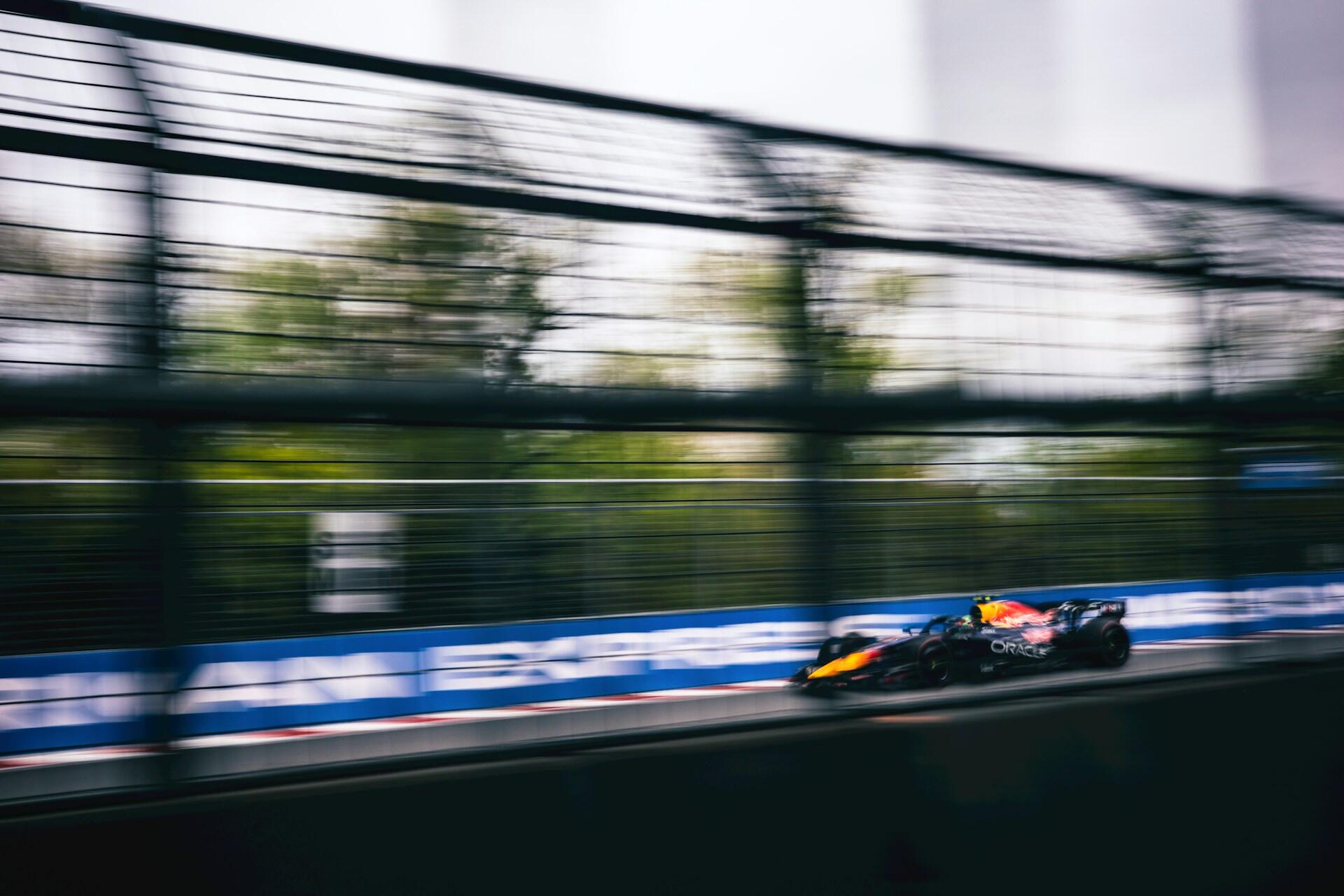
Designed by Dutch engineer John Hugenholtz and opened in 1962 as a Honda test facility, Suzuka is the only figure-eight circuit on the Formula 1 calendar. It has become the drivers' ultimate test of skill and has hosted the Japanese Grand Prix almost continuously since 1987, interrupted only by two years at Fuji Speedway in 2007-2008.
Its back straight crosses the front section via an overpass, so the layout technically does not intersect itself. Suzuka's 5.807 km, 18-corner lap, featuring the flowing "Esses", the Degner curves and the high-speed 130R corner, is widely regarded as one of the toughest tests of pure skill in motorsport.
What Makes A Great Formula 1 Track?
Overtaking Potential
Wide corners, multiple racing lines and well-placed DRS zones give drivers room to attack. Circuits with only one realistic line, like Monaco or the Hungaroring, tend to produce processional races, however exciting qualifying was.
High-Speed Corners
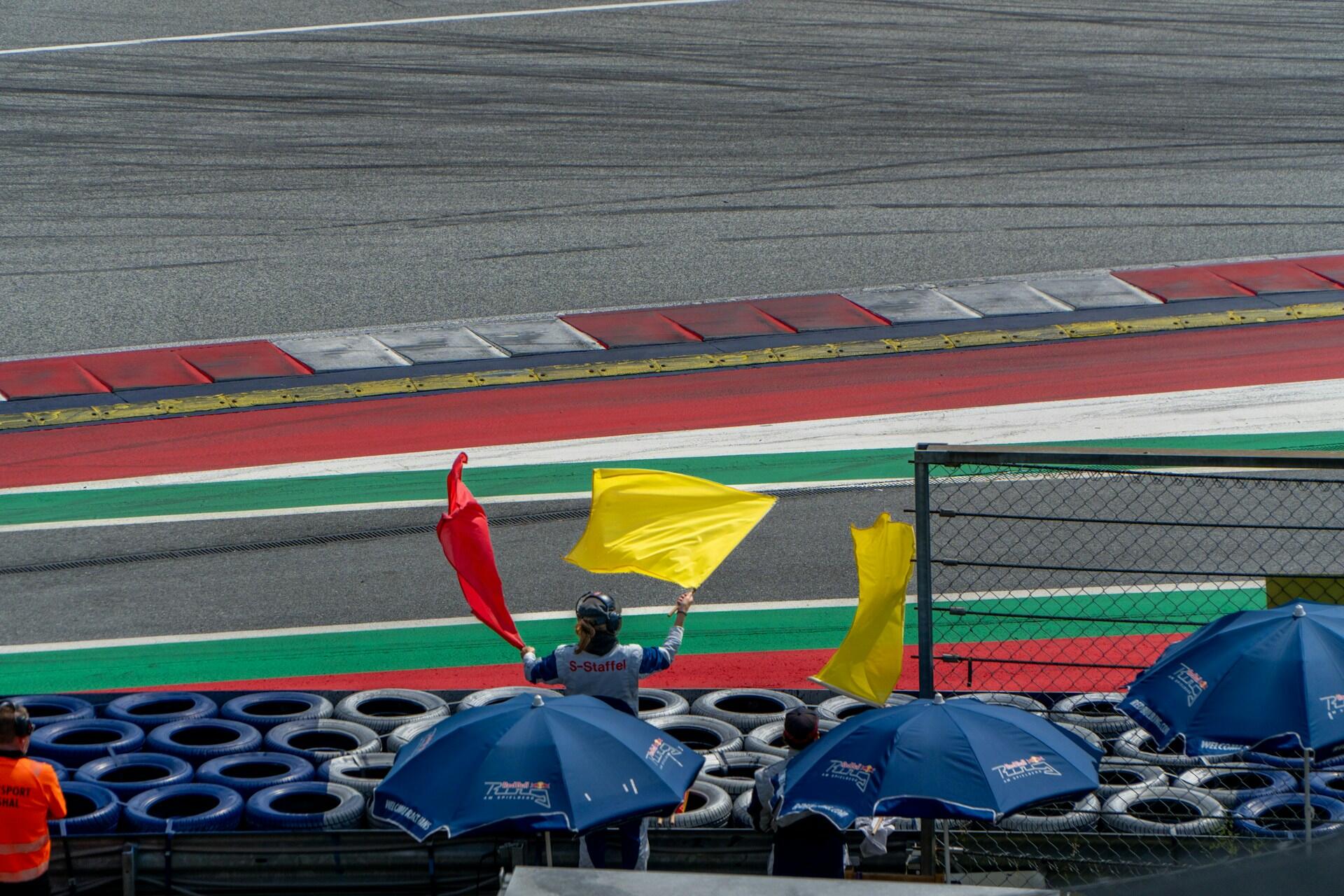
Best examples of how fast corners taken near full throttle can be Spa's Blanchimont, Silverstone's Copse, and Suzuka's 130R; these separate the best drivers from the rest and give spectators a thrill technical tracks can't replicate.
Technical Sections
The best circuits balance a technical section against a high-speed one, forcing teams to compromise on setup: tight, twisty complexes demanding precise braking and car placement test raw skill in a way pure speed doesn't.
Safety Standards
Every current circuit must meet FIA Grade 1 certification requirements, which cover run-off areas, barrier types, medical facilities, and evacuation planning. Modern gravel traps and dedicated medical centres exist largely because of lessons learned at circuits that no longer meet today's standards.
Fan Experience And Venue Atmosphere
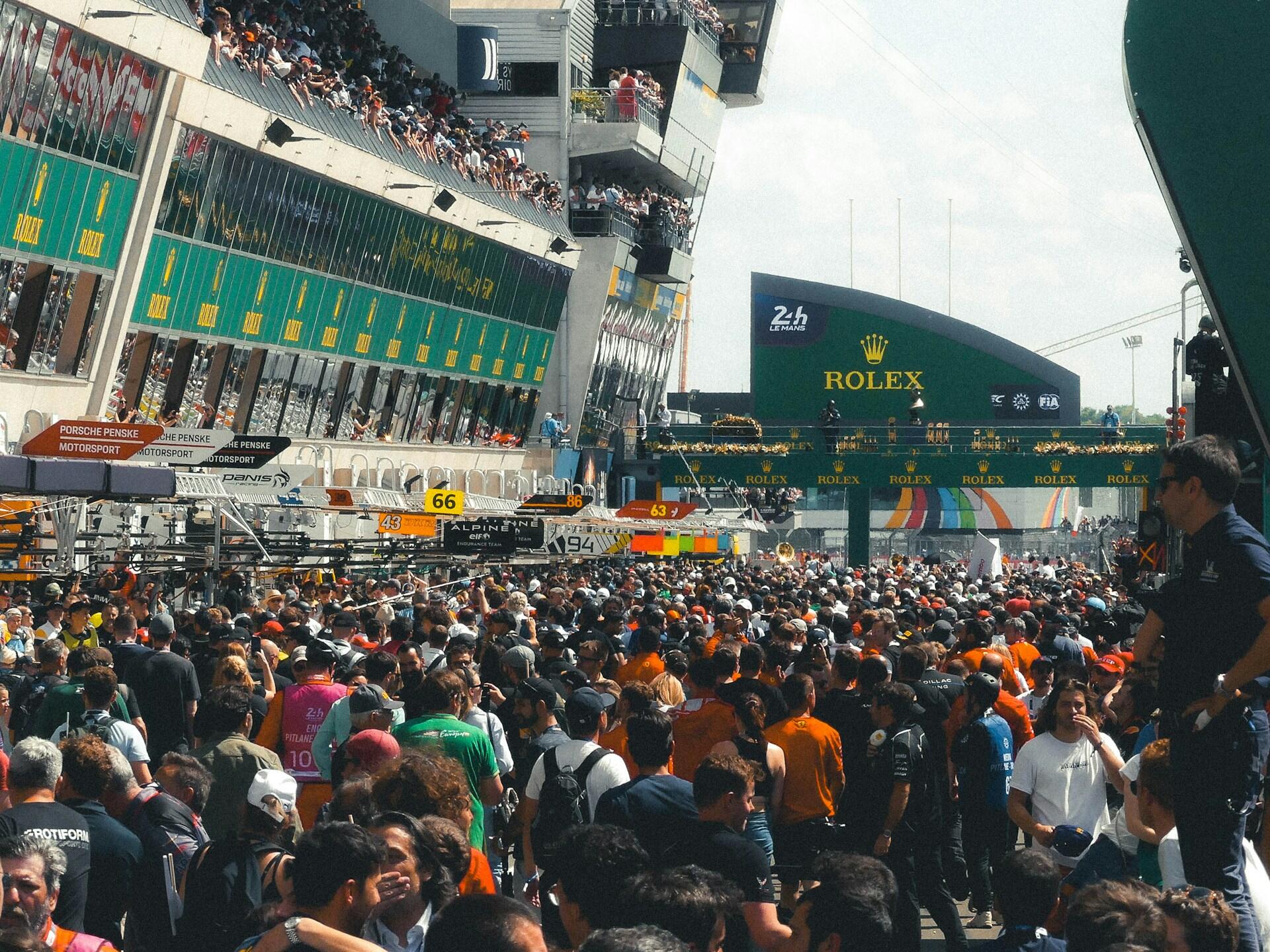
Grandstand sightlines, local culture and atmosphere matter as much as the racing. Monza's tifosi, Silverstone's home crowd and Interlagos' Brazilian fans are as much a part of those Grands Prix as the racing line; whichever track the fans choose to follow, they'll be standing on a piece of motorsport history that's still being written every season.
F1 Circuit Features Explained
| Term | Meaning |
|---|---|
| Track Length | The distance of one lap, measured in kilometres or miles; current F1 circuits range from Monaco's 3.337 km to Spa-Francorchamps' 7.004 km. |
| Number Of Corners | The total turns a driver navigates per lap; ranges from Austria's 10 corners to Jeddah's 27, which shapes how technical or flowing a lap feels. |
| DRS Zones | Sections where the Drag Reduction System can be activated, opening a flap in the rear wing to cut drag and boost straight-line speed, mainly to aid overtaking; most current circuits have two or three zones. |
| Elevation Changes | The difference in height between a circuit's highest and lowest points; Spa-Francorchamps has the largest change on the calendar, at roughly 100 metres. |
| Surface Grip And Tire Degradation | How much mechanical grip the asphalt provides and how quickly tyres wear on it; abrasive surfaces like Silverstone's increase degradation, while smoother street circuits often generate less grip but different wear patterns from bumps and painted lines. |
Historic F1 Circuits No Longer On The Calendar
Formula 1's map is full of tracks that once felt permanent and now feel like big vaults of memories. France's Circuit Paul Ricard hosted the French Grand Prix until 2022. On the other hand, history was made at Imola's Autodromo Enzo e Dino Ferrari, which first hosted the race as the Italian Grand Prix in 1980; it was the San Marino Grand Prix from 1981 to 2006, and finally the Emilia-Romagna Grand Prix from 2020 to 2025 (excluding 2023, cancelled due to flooding) and will step aside for Madrid in 2026.
A 22 km monster through Germany's Eifel mountains, it hosted the German Grand Prix through the 1950s, '60s and early '70s before Niki Lauda's near-fatal 1976 crash there accelerated its exit from the calendar. Its shorter replacement, the Nürburgring GP-Strecke, kept alternating the German Grand Prix with Hockenheim until both fell off the schedule, Hockenheim last hosting in 2019 and the Nürburgring making a pandemic-era one-off return in 2020.
We can add Sepang in Malaysia, Istanbul Park in Turkey, and Sochi Autodrom in Russia (which was removed in 2022 after the FIA ended its contract with the country) to round out a long list of circuits that once felt like institutions of the sport. Don't miss some of the key historic F1 Circuits facts that have made them legends among fans:
Why Formula 1 Tracks Change Over Time
Safety Improvements
Modern F1 circuits take considerable safety measures, having experienced major tragedies: barrier technology, run-off design and medical response standards have been reformulated after serious accidents, and older circuits that can't be retrofitted to Grade 1 standards without losing their character (like the original Nürburgring Nordschleife, which has stopped hosting championship rounds).
Commercial Expansion and Geographical Diversity
Formula 1's owners have pushed into new markets over the past two decades, adding races in Las Vegas, Miami, Saudi Arabia and Qatar, often at the expense of longer-standing European rounds competing for a limited number of slots.
The FIA and Formula 1 have also pursued a more "regionalised" calendar, grouping nearby races to cut down on freight and travel, which is part of why the race order, and sometimes which circuits make the cut, shifts year to year.
Fan Demand And Local Infrastructure
A circuit needs paying fans and functioning infrastructure for the public to have the best experience; it's not just racing pedigree that decides which circuits keep their place on the F1 calendar.
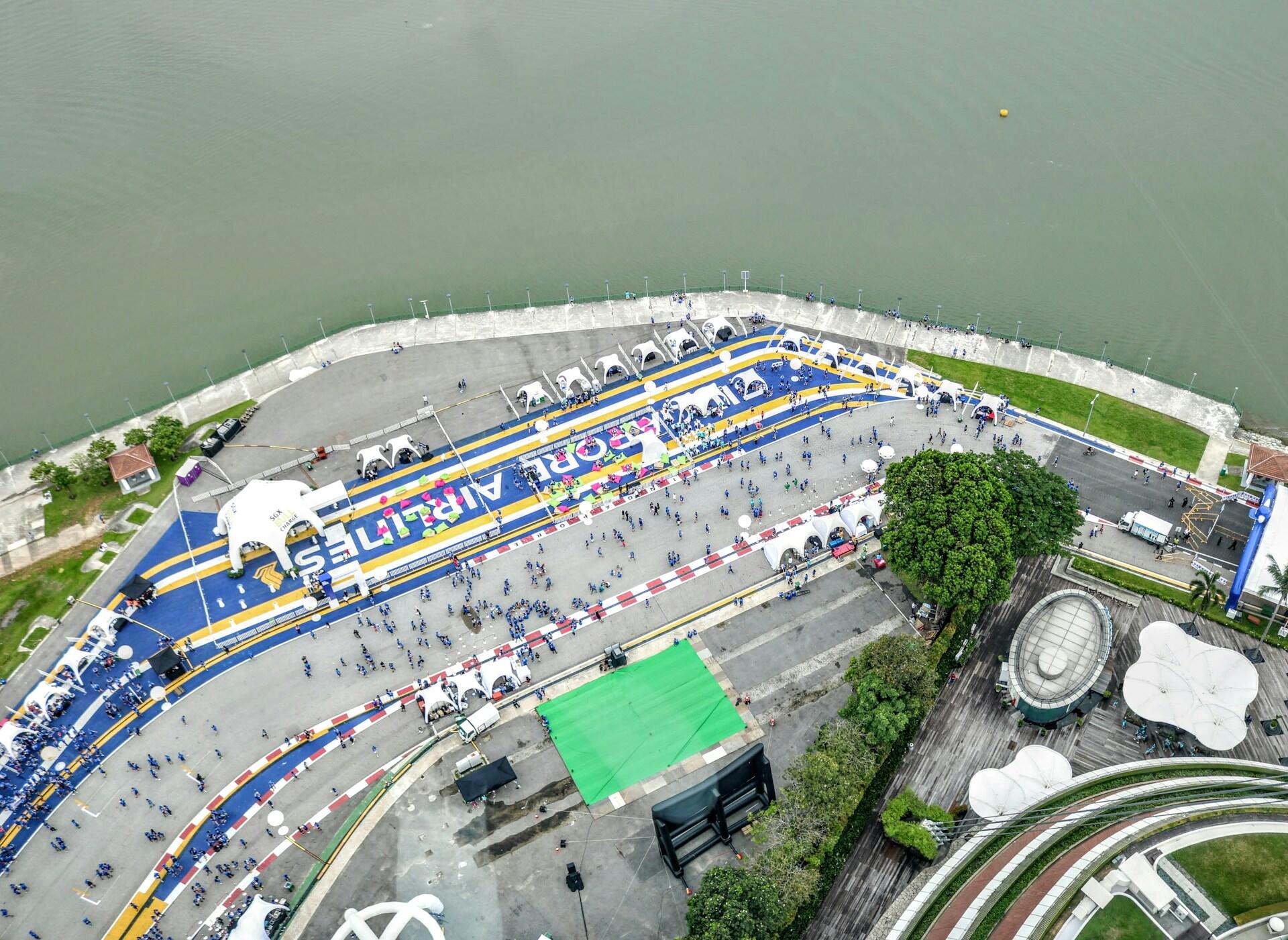
The F1 venues that can't fill their grandstands or whose facilities fall short of what fans expect tend to lose their contracts; cities investing in new venues, like Madrid with the IFEMA circuit for 2026, make their mark and are earning new, avid fans, helping sustain the F1 party around the globe.
Silverstone has maintained its status as one of the favourites over the years, as it has the largest grandstand capacity on the calendar, with a reported total of around 103,000 seats, and it has repeatedly broken its own attendance record in recent years.
The 2026 British Grand Prix drew a four-day total of roughly 564,000 to 565,000 spectators, the best-attended F1 race weekend on record, beating the previous 31-year-old mark of 520,000 set at the 1995 Australian Grand Prix in Adelaide. Sunday alone accounted for more than 175,000 ticket sales, a single-day record for the venue.
Other venues post strong numbers too: the United States Grand Prix at Circuit of the Americas has drawn weekend crowds exceeding 430,000 in recent years, and Suzuka's roughly 155,000-seat capacity makes it one of the largest venues in Asia.
References
- CalendarF1. (2026). F1 2026 Circuits — Formula 1 Race Tracks. Available at: https://calendarf1.com/circuits/ (Accessed: August 2026).
- Formula 1. (2025). 10 Fascinating Facts About The Very First F1 Race. Available at: https://www.formula1.com/en/latest/article/10-fascinating-facts-about-the-very-first-f1-race-held-at-silverstone-on.31fH6fHiwjnE5eFpPERxwd (Accessed: August 2026).
- f1monaco.com (Automobile Club de Monaco). Monte Carlo Circuit — Circuit History. Available at: https://www.f1monaco.com/en/history-of-the-circuit-21 (Accessed: August 2026).
- The Race. (2026). British GP Claims 2026 Event Will Smash F1's Attendance Record. Available at: https://www.the-race.com/business/british-gp-claims-2026-event-will-smash-f1-attendance-record/ (Accessed: August 2026).
- Motorsport.com (Spanish edition). Estos son los circuitos olvidados a los que la Fórmula 1 nunca regresó. Available at: https://es.motorsport.com/f1/news/circuitos-olvidados-formula1-no-regreso/10716457/ (Accessed: August 2026).
Summarise with AI:
Did you like this article? Leave a rating!

 Loading...